


Thousands of families in Philadelphia and across Pennsylvania began this month under new federal rules that affect access to essential programs like SNAP (Supplemental Nutrition Assistance Program). The changes, driven by new federal legislation, especially impact immigrant communities and low-income households.
Stricter rules coming for SNAP
Although SNAP benefits themselves did not change on August 1, a new federal law, known as the One Big Beautiful Bill Act (OBBB), is being rolled out in phases. These new rules will be enforced gradually in every state through 2026.
Key changes to SNAP access:
Mandatory work requirement: Adults ages 18 to 64 without children or dependents must work, receive job training, or volunteer at least 80 hours per month (about 20 hours per week) to continue receiving SNAP.
Tighter exceptions for parents: Only parents with children 14 years old or younger will be exempt. Previously, the cutoff age was 18.
Stricter rules for legal immigrants: Minimum residency periods and additional documentation will be required to maintain eligibility.
Benefit reduction: The average monthly SNAP benefit is expected to decrease by about $100 per person.
When are SNAP benefits distributed in Philadelphia?
In Pennsylvania, SNAP benefits are distributed between the 1st and the 10th of each month, based on the last digit of your case number.
For example:
If your case number ends in 1, you’ll receive benefits on the first business day of the month.
If it ends in 2, on the second business day, and so on until day 10.

What lawmakers and local leaders are saying
Pennsylvania State Senator Art Haywood, chair of the Senate Health and Human Services Committee, strongly criticized the federal cuts: “The dependence of millions of Pennsylvania residents on programs like SNAP and Medicaid cannot be ignored. We must fight back against these cuts now,”
Haywood said during a press conference in Harrisburg.
The senator also warned of the economic impact on small businesses, farm workers, and neighborhood stores that rely on revenue from SNAP purchases.
Local businesses are concerned
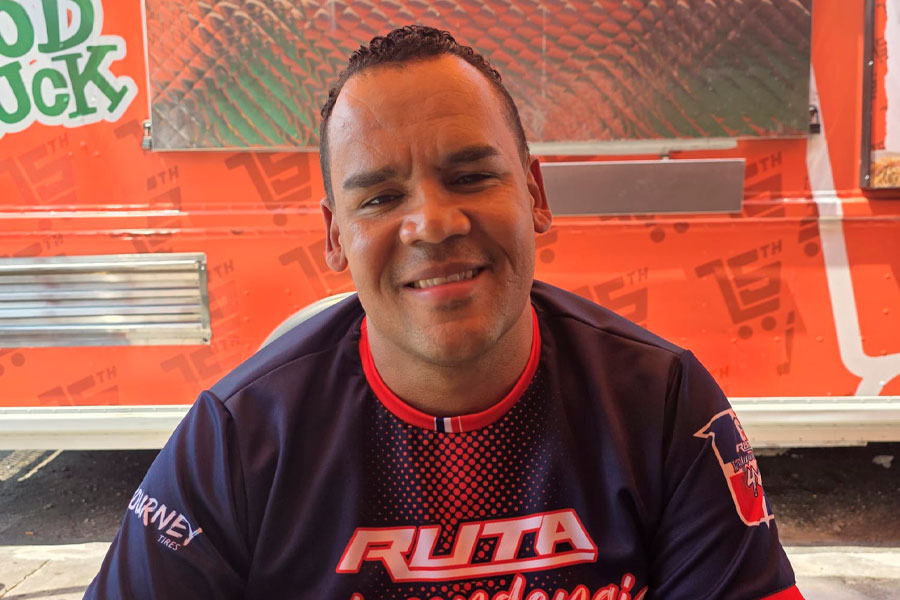
Edward Bonilla, owner of 5th Street Supermarket, explained: “If the benefits are taken away, it affects everyone. This is a low-income neighborhood, and people need that help — there’s no other way to survive.”
What can affected families do?
Keep records of your work or training hours: to meet new requirements.
Seek legal or community assistance: Organizations like UnidosUS, SNAP Outreach Centers, and Feeding America provide free support.
Appeal if you receive a cancellation notice: many cases can be reviewed.
Apply for other programs: like WIC, if you lose SNAP.
Stay informed through official sources like fns.usda.gov/snap.