


Low-income families in Philadelphia, especially in the northern and northeastern sections of the city, rely heavily on the federal SNAP program, also known as food stamps, to put food on the table. Data shows that the use of this benefit is significantly higher in several low-income neighborhoods, far exceeding the citywide average and presenting important considerations for how policies affect communities on the ground.
Between 2019 and 2023, the estimated percentages of families receiving SNAP benefits in key areas of Philadelphia reflect a high utilization on the program. In ZIP code 19133, which includes Fairhill and parts of Kensington, an estimated 66 percent of families receive SNAP. In 19140, covering Hunting Park and Tioga, the figure reached 57 percent. In 19124, corresponding to Frankford and Juniata, the percentage is 49 percent, while in 19120, which includes Olney, it is 45 percent. In contrast, ZIP code 19137, covering Bridesburg, shows a rate of 21 percent. During the same period, the overall average for Philadelphia was 31.1 percent, highlighting that communities such as Hunting Park, Fairhill, and the northern part of the city which have high Latino populations and high poverty rates count on SNAP far more than the rest of the population. For this reason, any change to the program has a direct impact on the daily lives of thousands of families. This is detailed in an updated map prepared by Ramar Huntley, a Data Coordinator at Esperanza’s Institute for Latino Health Equity who works alongside many of the community programs and services, including looking at neighborhood data about food insecurity to help the organization understand the needs.
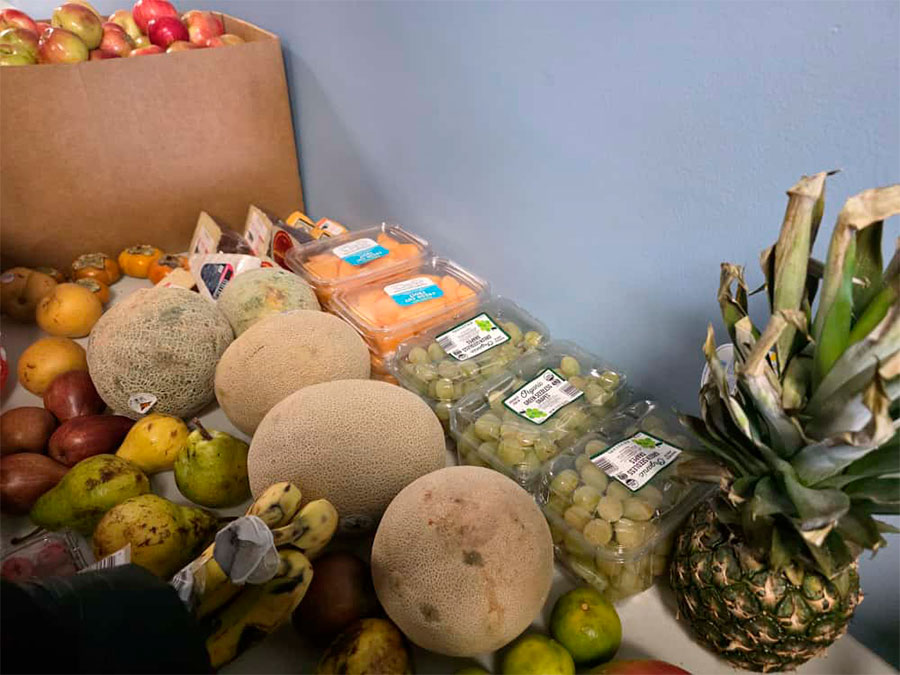
Meanwhile, the U.S. Department of Agriculture confirmed three key changes to the SNAP program that are already underway or will take effect soon. These include a cost-of-living adjustment that raises the maximum benefit for a family of four to 994 dollars per month, increases the minimum benefit to 24 dollars, and expands the housing expense deduction to 744 dollars. In addition, some states have begun restricting the use of SNAP benefits to purchase soda, candy, and other products high in sugar, a measure that could expand nationwide. Beginning in 2026, new legislation will also require SNAP recipients between the ages of 18 and 64 to complete 80 hours per month of work, employment, or training to maintain their benefits.

In Pennsylvania, the maximum monthly SNAP benefits depend on household size and were distributed during the first weeks of January. One person may receive up to 298 dollars per month, two people up to 546 dollars, three people up to 785 dollars, and a family of four up to 994 dollars. For larger households, five people may receive up to 1,183 dollars, six people up to 1,421 dollars, seven people up to 1,571 dollars, and eight people up to 1,789 dollars. For each additional household member, the maximum benefit increases by 218 dollars. These amounts represent the maximum possible benefit, as the actual amount may be lower depending on household income.
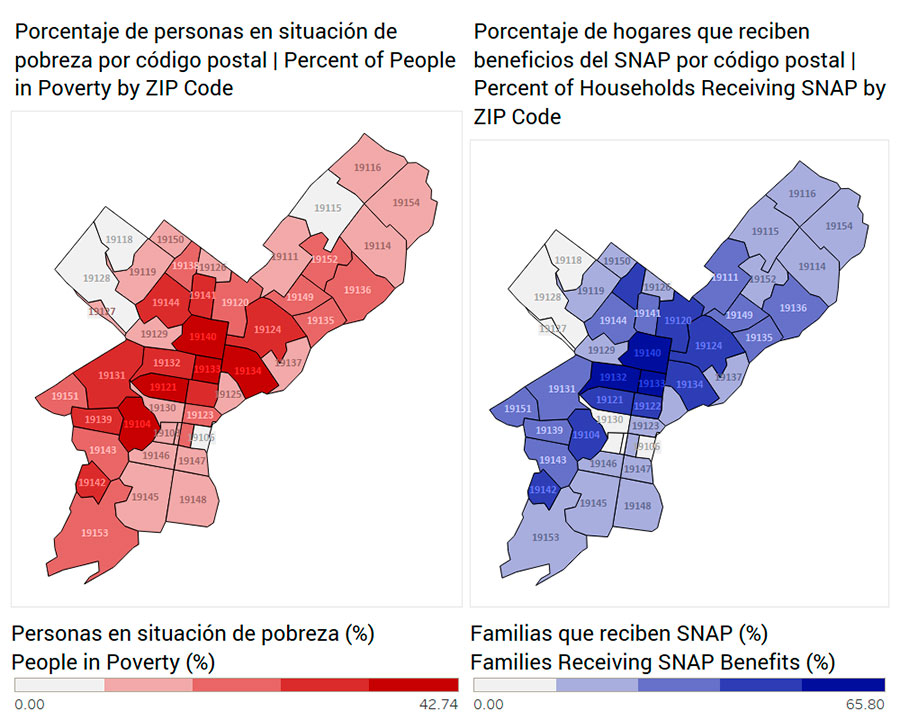
For communities such as Hunting Park, Fairhill, Olney, and Juniata, SNAP is not a luxury but a necessity. Staying informed about these changes is essential to protect access to food and to demand public policies that reflect the daily realities of our families.
Sources: USAGov, City of Philadelphia, SNAP Benefit Calculator