

There are people who pass through a community. And then there are people who become it.
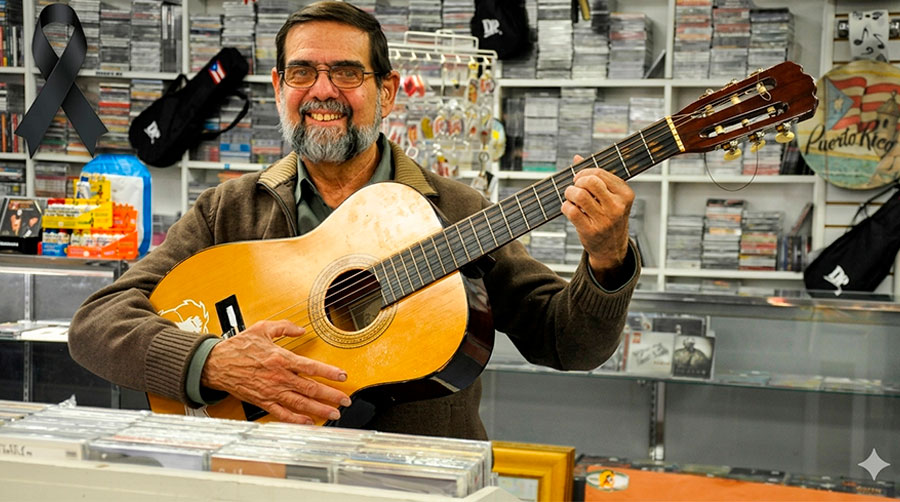
Wilfredo González — Ito to all who knew him — was the rarest kind: the kind a community builds itself around, and doesn’t fully understand how much it needed, until he’s gone. The sadness that has followed in Philadelphia’s Latino community since Don Ito’s passing on March 31, 2026, says everything about the size of the life that came before it. But grief, when it is honest, is also a form of gratitude.
Hijo del taíno, hijo de la isla
Wilfredo González was born on May 6, 1946, in Cataño, Puerto Rico, where pride runs as deep as the roots of the ceiba tree. He was Boricua in the truest sense: not just by birth, but by spirit and the resilience the Puerto Rican people have carried across generations.
His family came to Philadelphia when he was young, part of the great postwar wave that brought tens of thousands of Boricua families to the mainland, carrying their language, their music, and their orgullo. Raised in North Philadelphia in a community of families like his own, seeking the American Dream, Ito graduated from Thomas Edison High School and was drafted shortly after.
El soldado
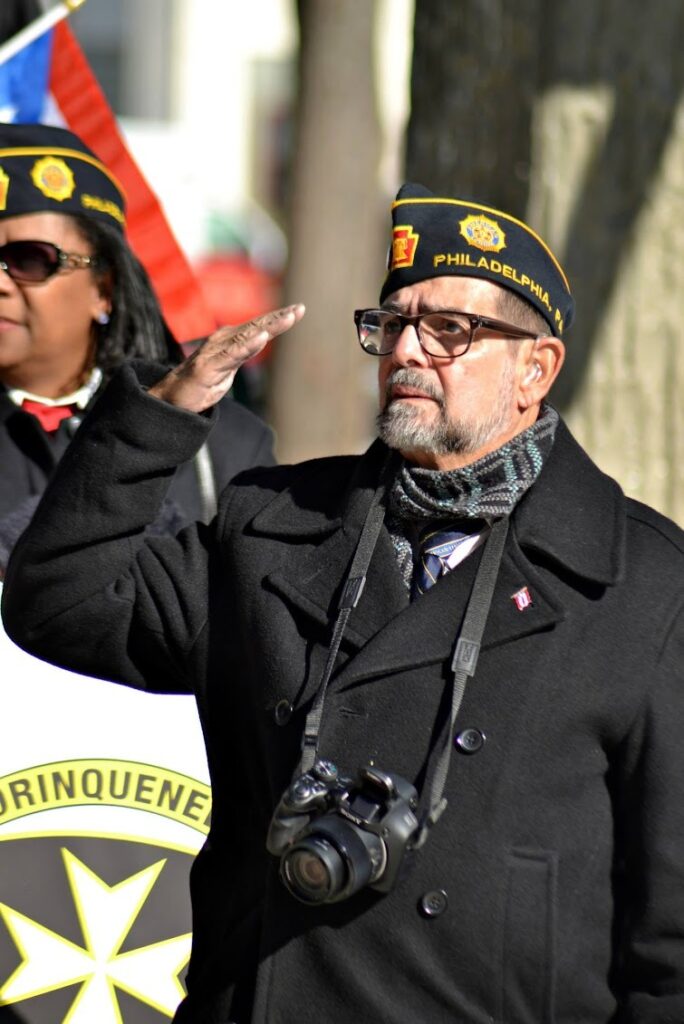
Ito served in the Vietnam War from 1966 to 1968 as a Point man and scout dog handler — one of the most dangerous roles in the infantry. He came home as a Sergeant, to a country that offered no welcome proportionate to the sacrifice — especially not for veterans of color from impoverished neighborhoods like his. As he had done in war, Ito forged ahead, leading the way.
Dulce del teatro puertorriqueño: Where Ito found his Candi
Before Centro, there is a love story that must be told, because without Candi, there was no Ito, as we knew him.
Candida first caught Ito’s eye at the Teatro Puertorriqueño on Germantown Avenue next to his father’s store. A young beauty who was named Candi and just happened to be selling candy for the theater. Ito kept her image with him during war, and when he came home, he lovingly courted her until the time came to finally ask her mother’s blessing to marry.
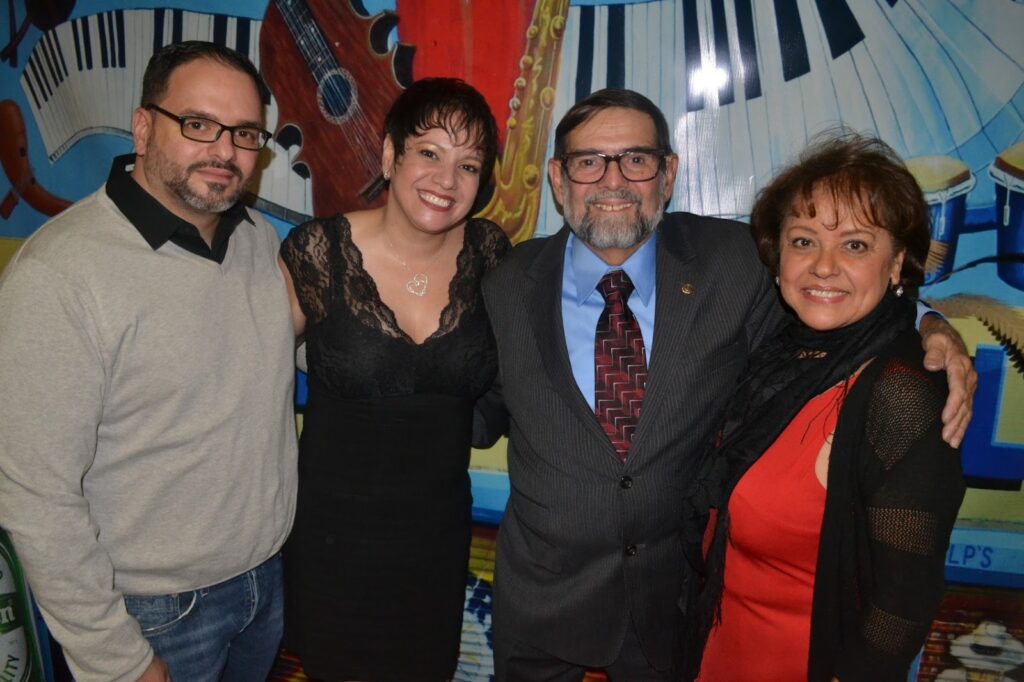
They were married in 1969. For fifty-seven years, Ito’s beloved Candi was the steady grace beneath everything he did. What he poured out, she helped fill, which laid the foundation for the evolution of Centro Musical.
Un carrito lleno de sueños: From a wagon to the soul of el Bloque de Oro
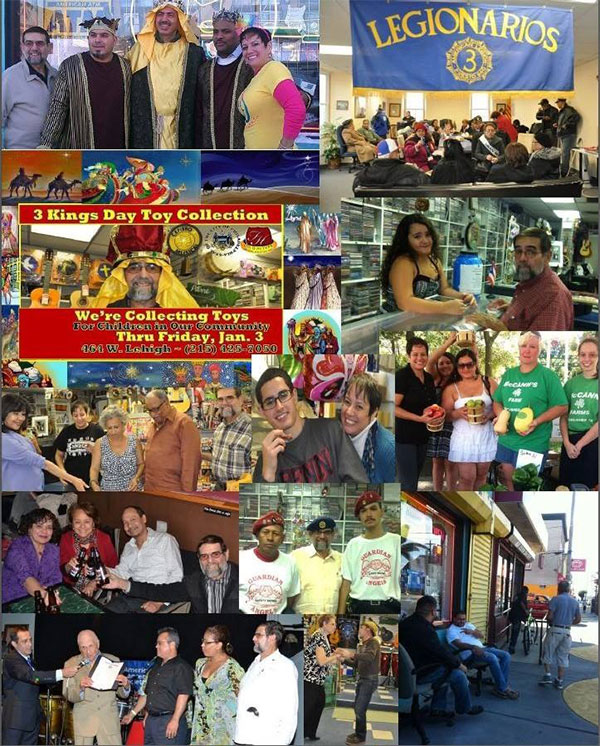
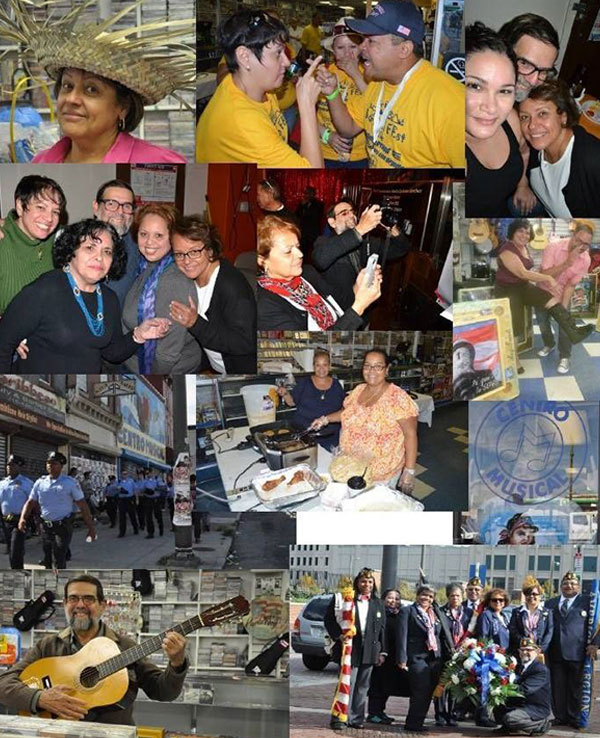
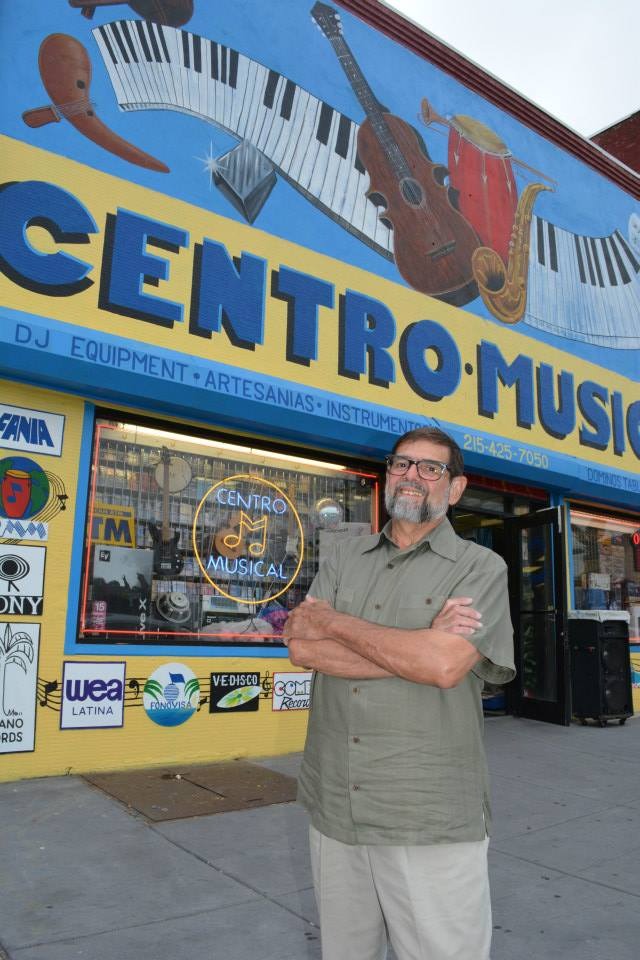
Centro Musical was a family business that passed from generation to generation, beginning with Ito’s father Nestor, who started selling LPs out of a wagon, door to door through the streets of North Philadelphia. From that wagon, Nestor opened a small shop on Germantown Avenue around 1960, right next to the Teatro Puertorriqueño. Young Wilfredo helped after school, absorbing the experience and work-ethic it takes to run a small business in a marginalized community.
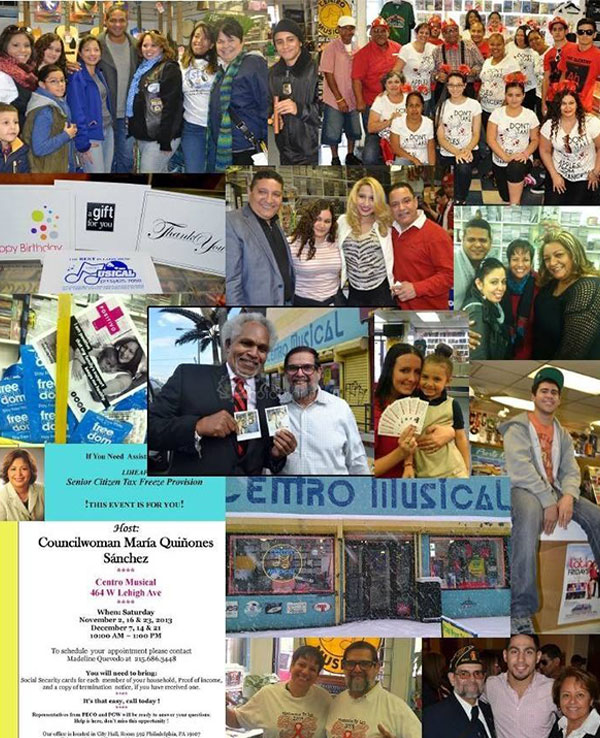
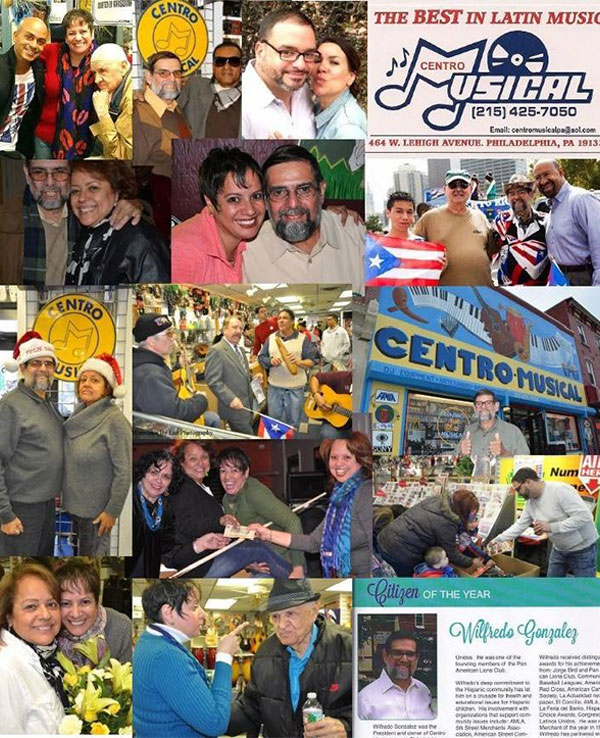
In 1970, Wilfredo proudly bought the store from his father and moved to 5th and Somerset, in the heart of El Bloque de Oro, the legendary commercial corridor between Lehigh and Hunting Park that was the spine and soul of North Philadelphia’s Latino community. Centro Musical, as Philadelphia would come to know and love, began to take shape. By 1996 the store had outgrown its building, the way something truly alive always does. Wilfredo purchased a bigger building a few blocks away on 5th and Lehigh Avenue where Centro Musical is to this day.
The legacy, already extraordinary, deepened into something that cannot be measured. Every organization in Philadelphia’s Latino community had a relationship with Centro Musical because Ito had a relationship with everyone, but it was never one man’s project. It was always, in every sense, a family affair.
Candi was there. Every day, or close to it, steady and warm and indispensable. Cristina and Ray grew up behind the counter. They learned about their father’s business, not from lectures but from watching him, day after day, year after year, choosing people over profit, choosing presence over convenience, choose love over everything. When Wilfredo officially stepped back in the early 2000s, he handed the store to his children. He became the consultant, which in practice meant he was still there, just with slightly more time for community and charlando, and less time behind the register
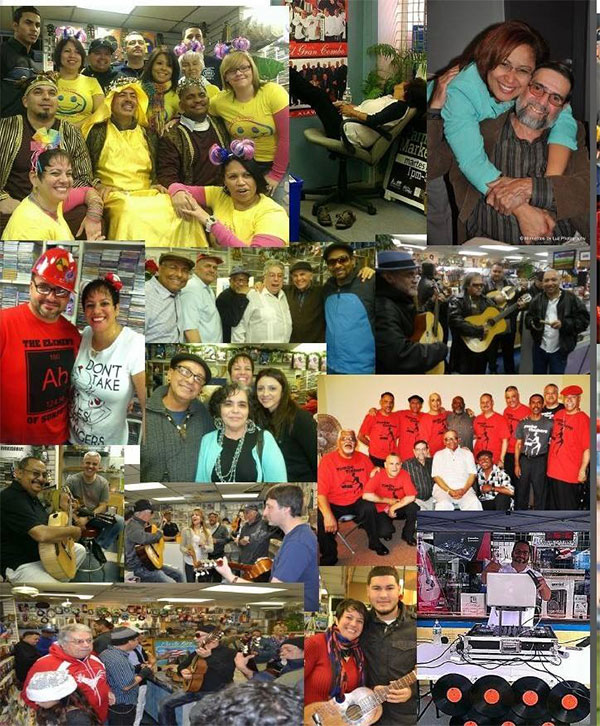
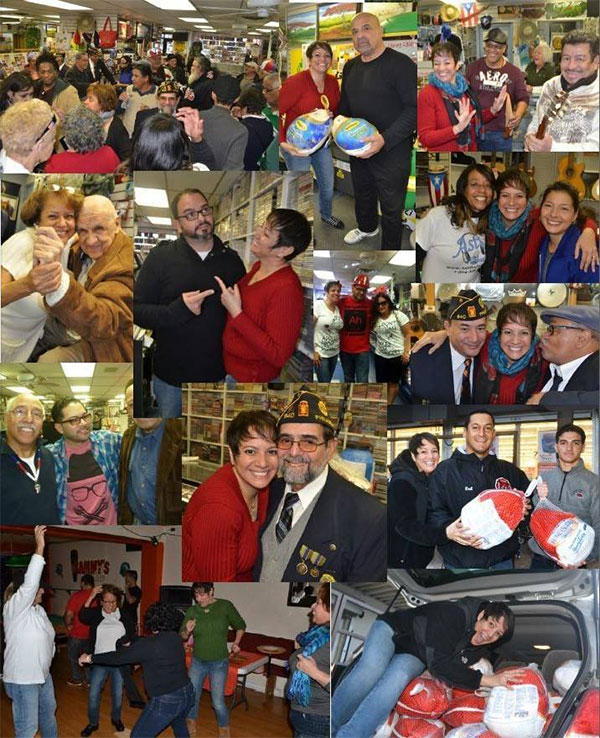
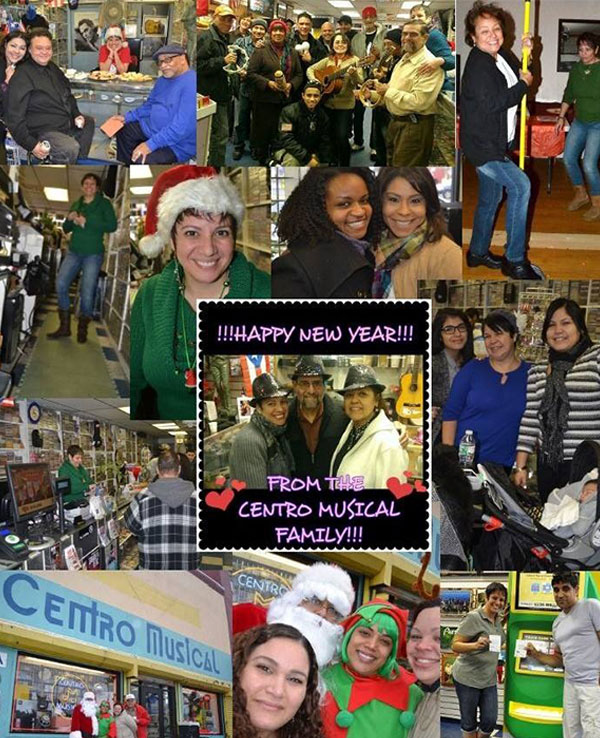
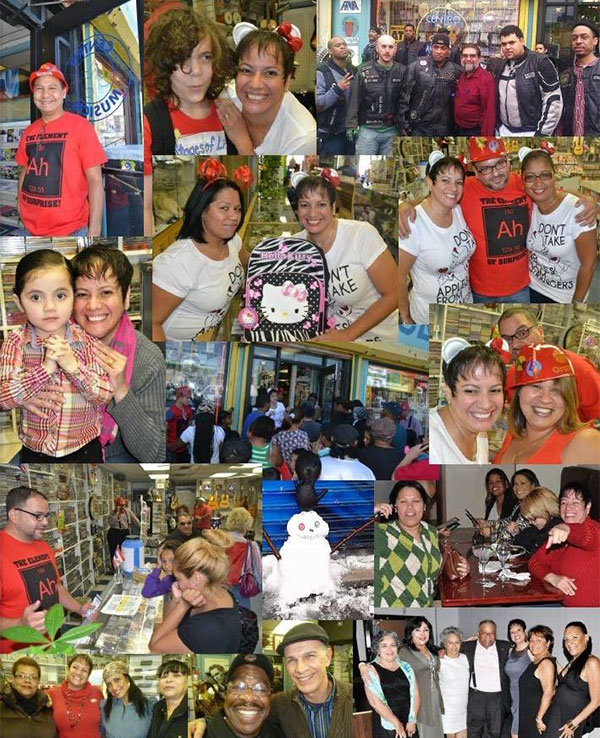
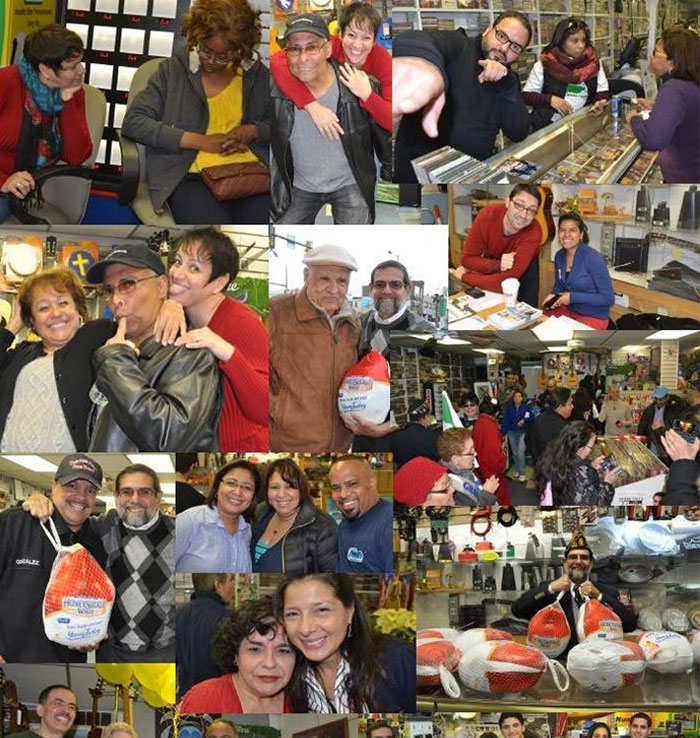
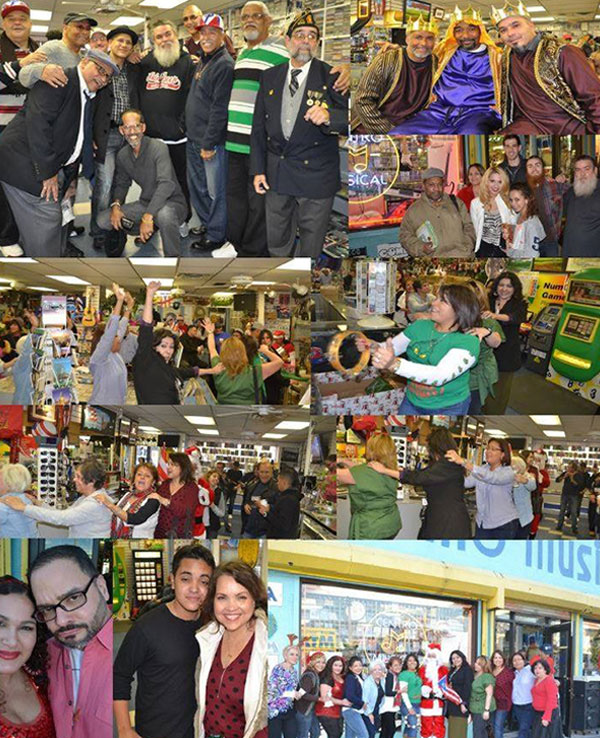
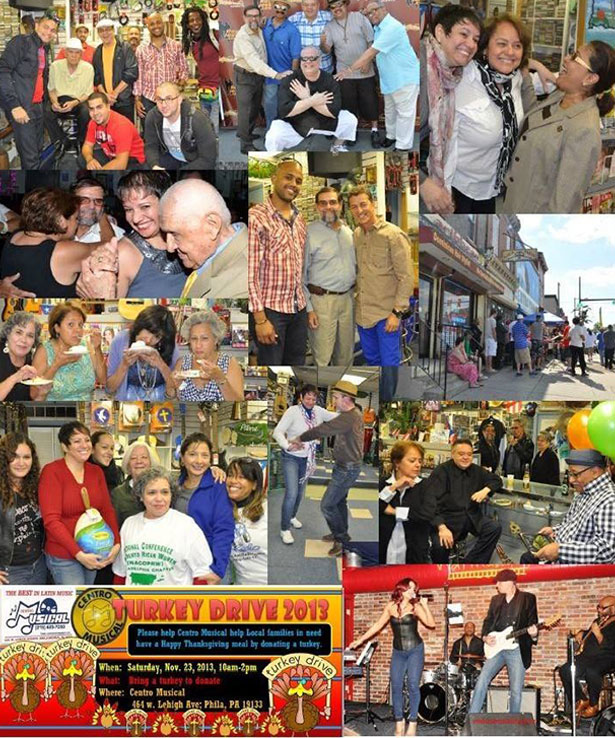
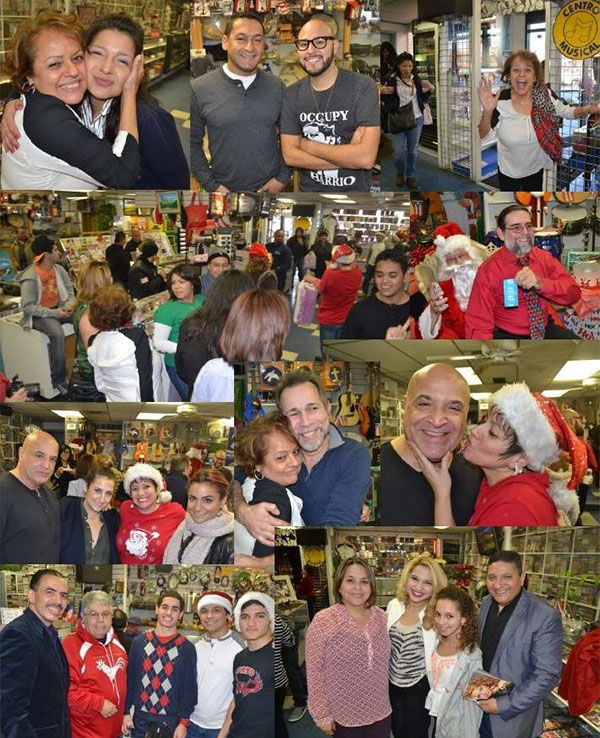
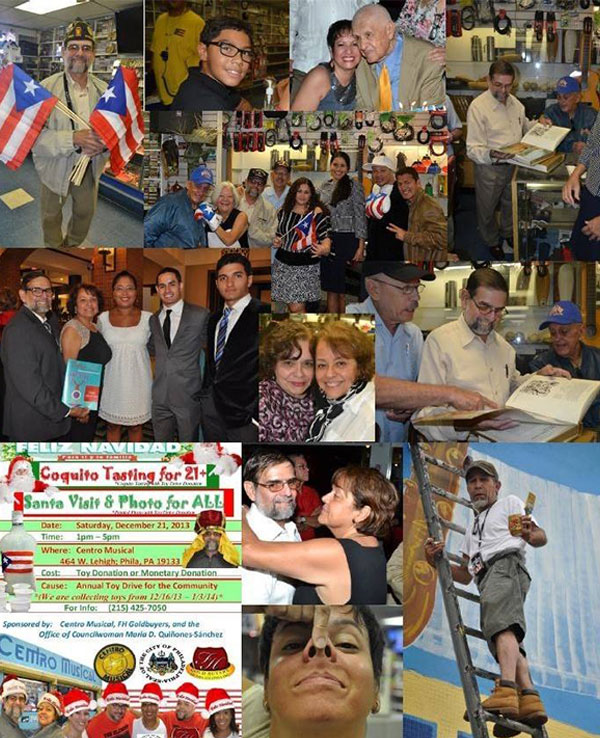
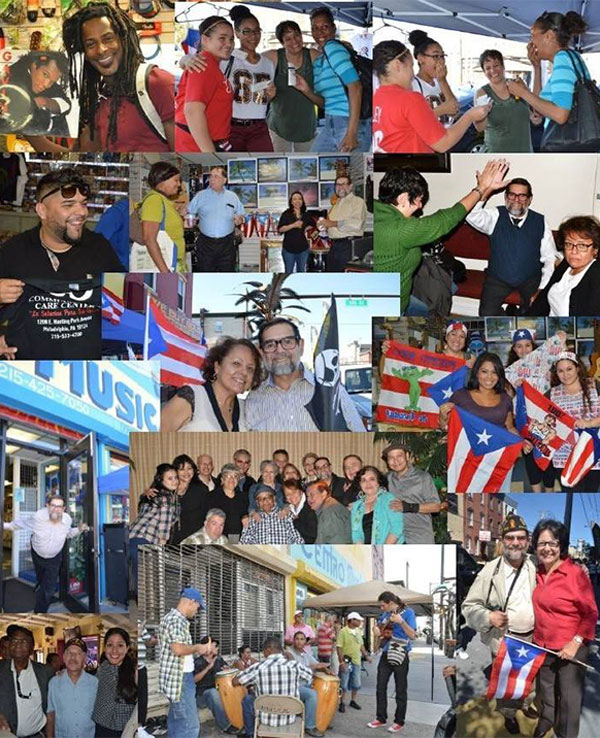
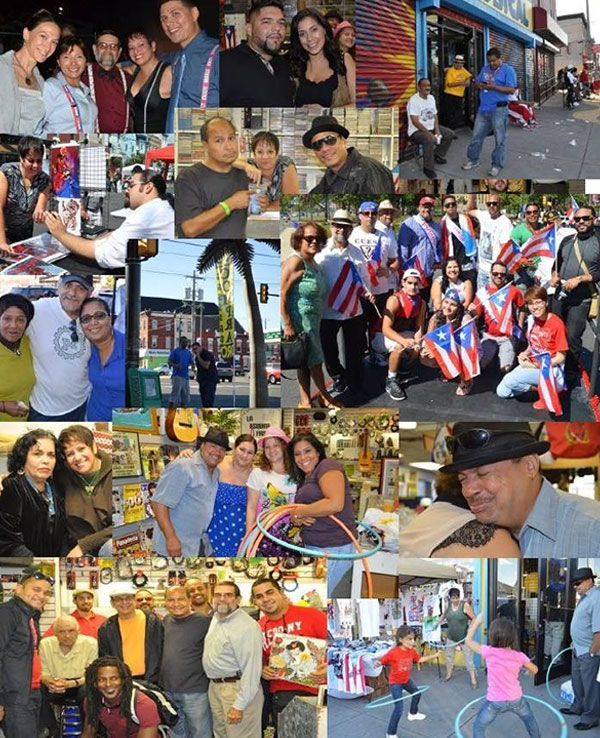
Yes, they sold the latest music and all types of goods from the island, but Centro was so much more. For more than fifty-five years, Centro’s doors were always open. To veterans needing a place to gather. To musicians needing a stage. To children needing school supplies. To families needing Thanksgiving meals. To anyone homesick for the island who just needed to hear Spanish spoken warmly and without apology. To the young person who did not yet know who they were but could feel, the moment they walked in, that they were somewhere safe.
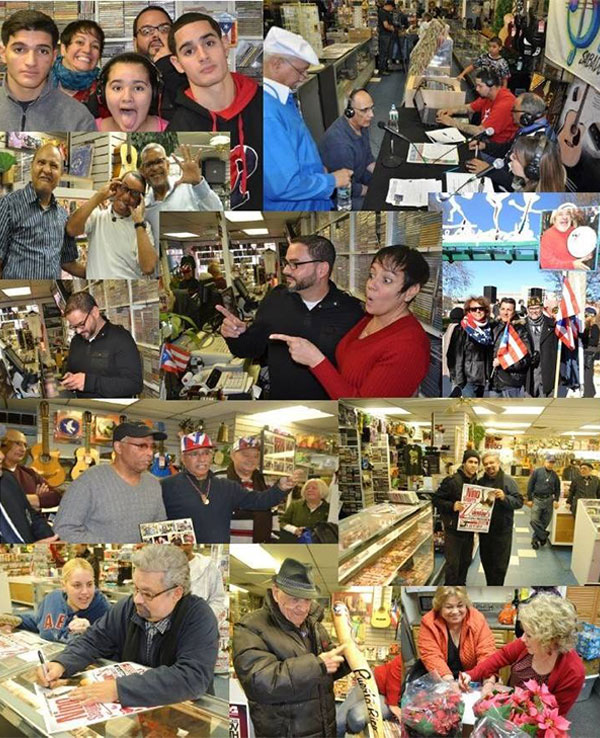
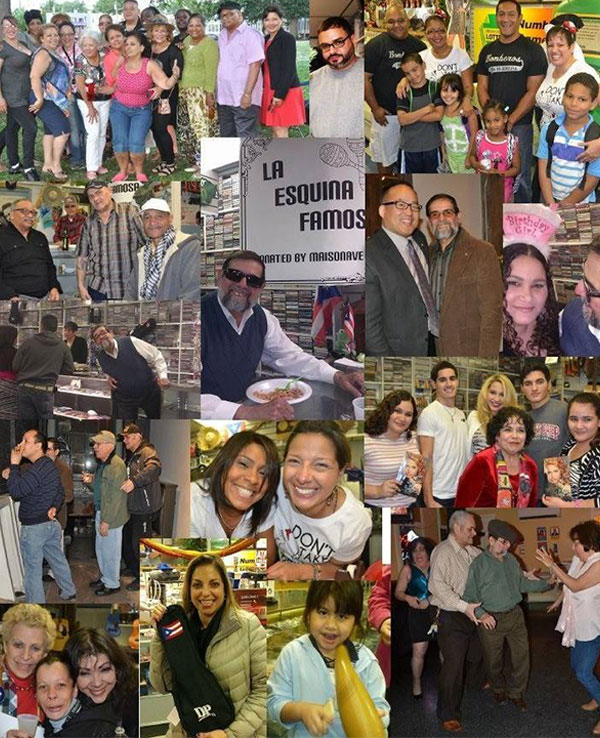
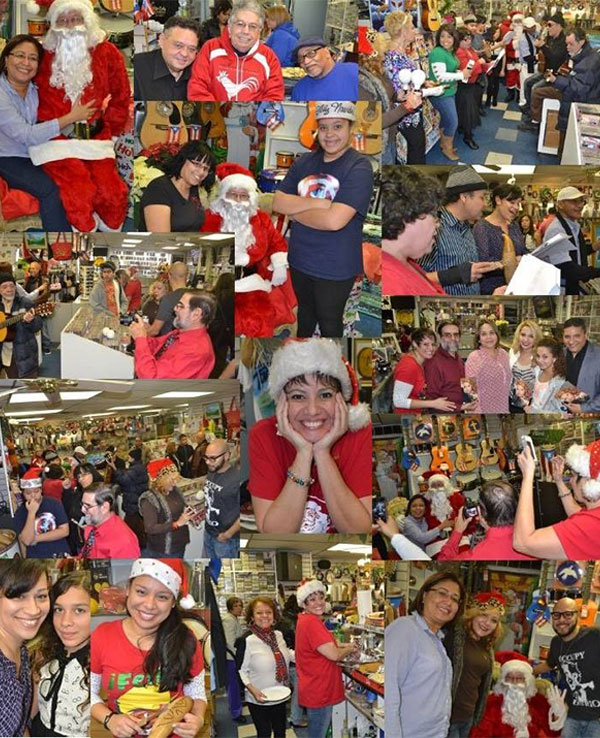
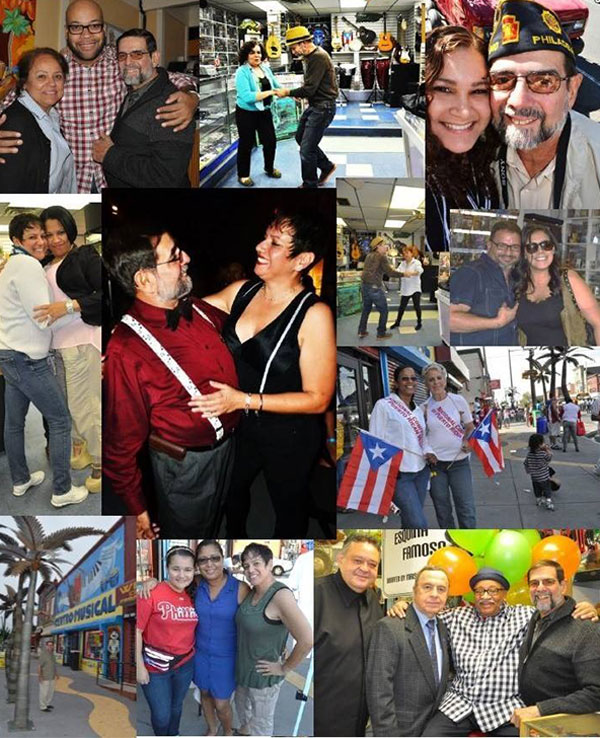
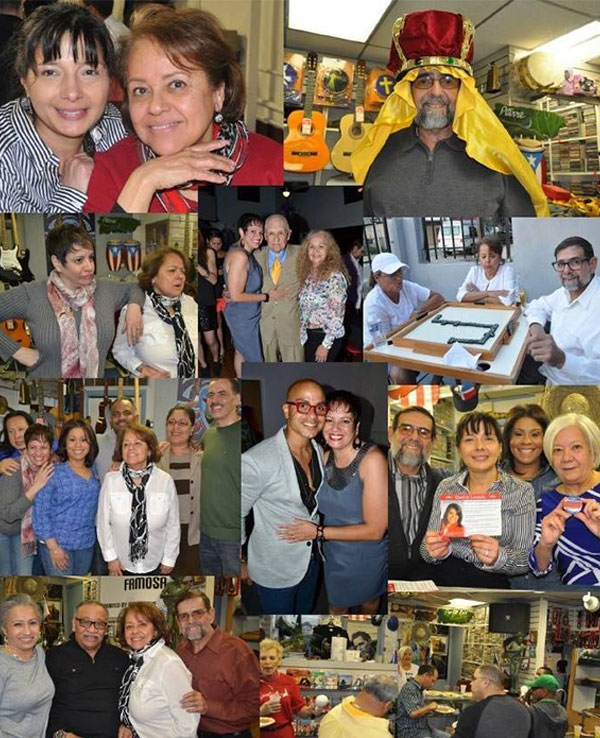
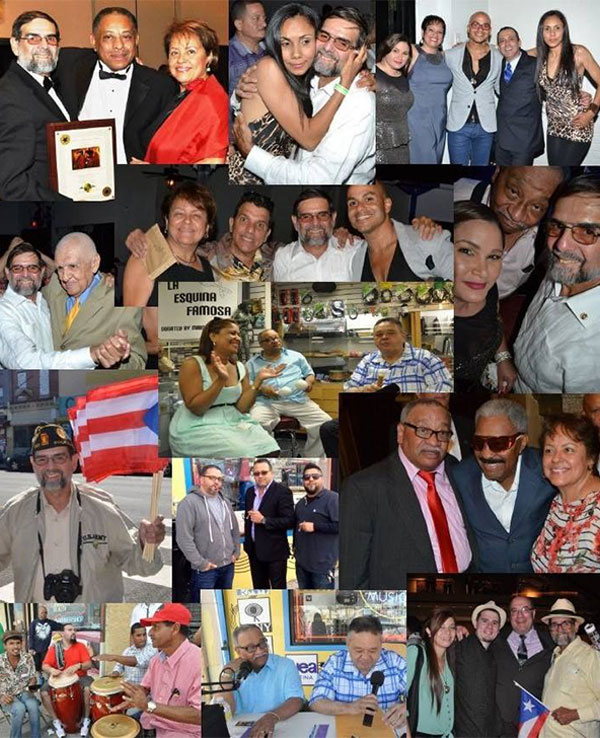
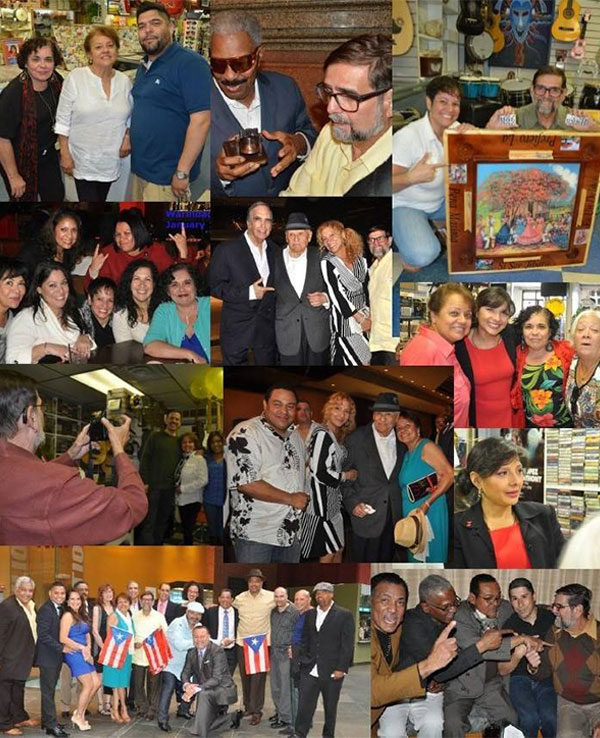
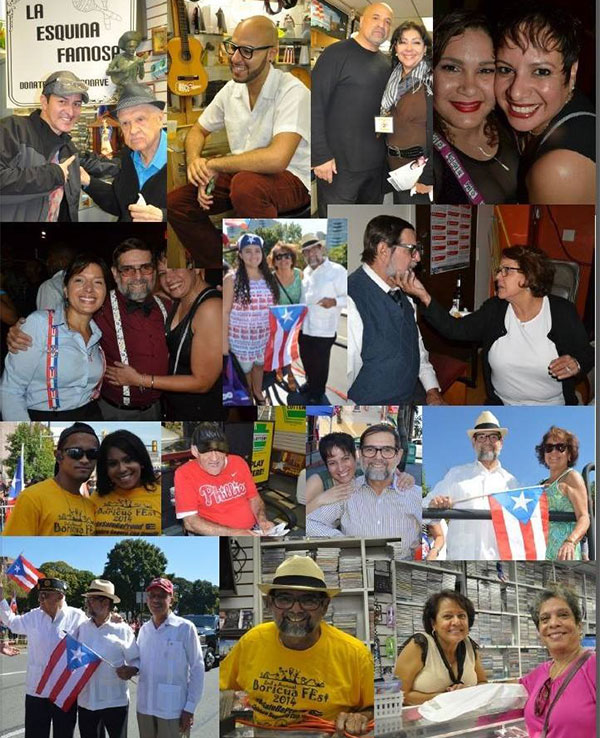
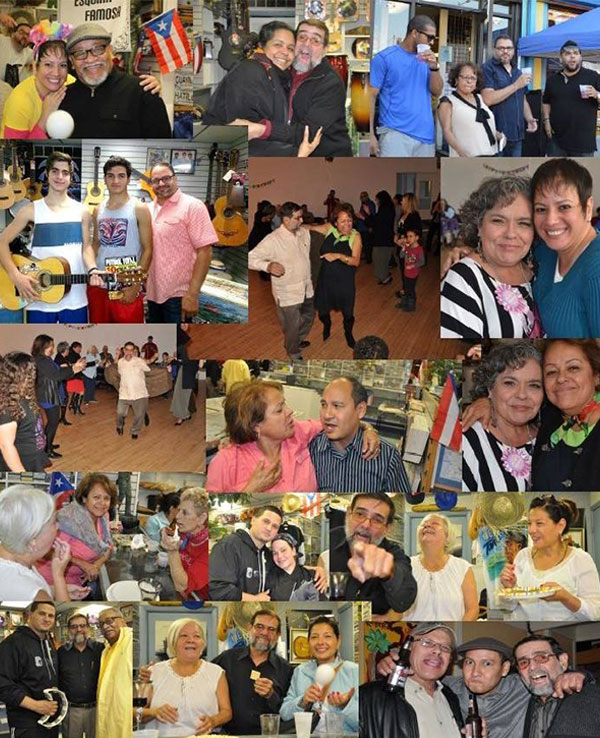
Walk in on any afternoon and the whole world was there. Café in the air, salsa on the speakers, always a plate being passed. Around the holidays, parrandas broke out spontaneously — güiro, cuatro, voices rising in navideñas that spilled onto the block. In the back corner, La Esquina Famosa, its pitorro poured freely because everyone was family. And always, Ito — camera in your face. «¡Camara!» You smiled, because in his presence you were seen, completely, lovingly, and without judgment.
If you were a Latino artist passing through Philadelphia, you stopped at Centro and paid your respects to Don Ito. Celia Cruz. Marc Anthony. Victor Manuel. Gilberto Santa Rosa. Frankie Negron. Countless others. Not because you had to. Because some places and some people remind you of who you are and why you do what you do, and Centro Musical was that place and Ito was that person.
In 2014, Centro Musical changed ownership, with one last despedida unlike any other, celebrating fifty-five years of memories, music, and a declaration that this community exists, and matters. Centro’s new owner, Reinaldo Meléndez-Martínez, has honored the González family legacy with dedication and effort to keep up the community and love Ito built.
Life beyond centro: A founding member, a President, a pillar
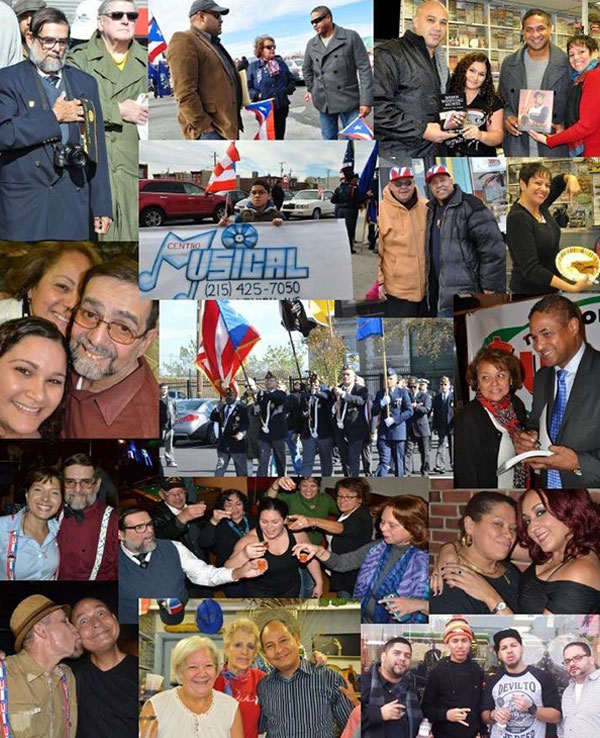
Ito’s accolades are long and distinguished and he is memorialized in a mural at 5th and Somerset — the highest honor this community gives.
He did not do any of it for the honors. He did not do it for the mural. He did it because it was who he was, because his roots, his Taíno blood, his jíbaro spirit, would not let him do otherwise. El jíbaro no se rinde. He tends to know what is his. He shows up.
His daughter Cristina says it in four words: «What you see is what you get.» No performance. No persona. What Ito had, he gave to everyone. Equally. Fully. Without condition.
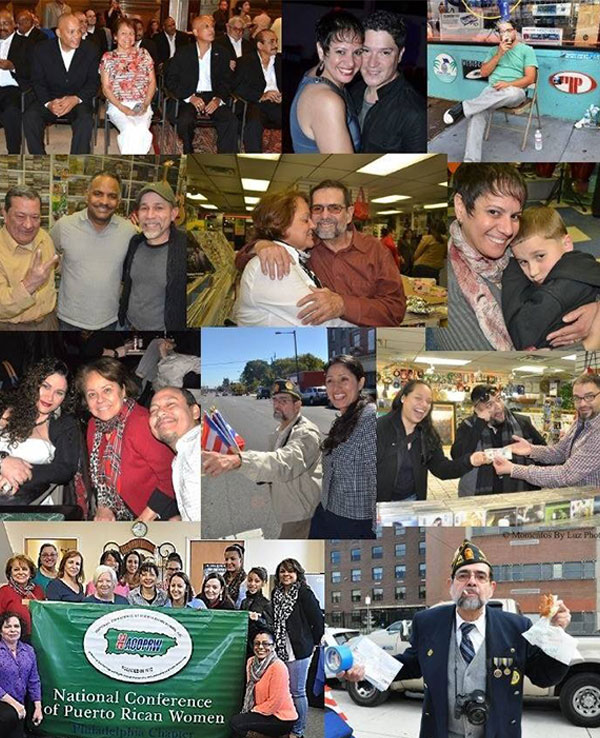
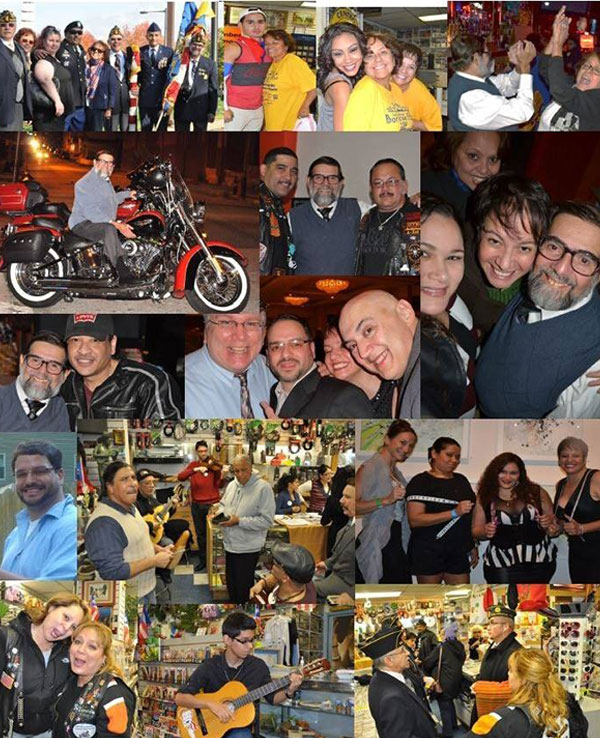
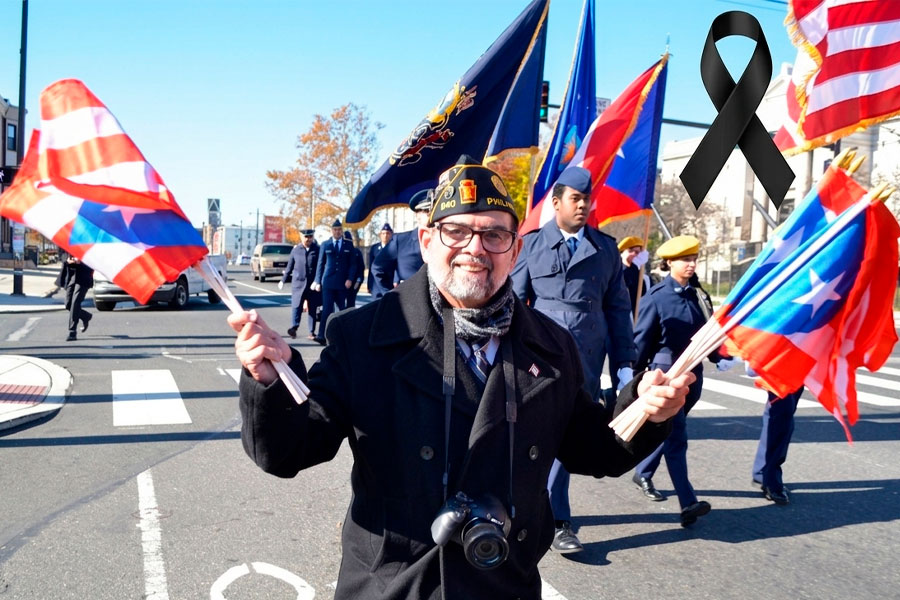
Even then, he was never fully still. Post 840 kept him. Election kept him. When Hurricane María devastated Puerto Rico, he organized relief, because when the island hurt, Ito hurt, and when Ito hurt, he did something about it. You could retire the man from the store, but love was not something you retired from. It was not a job. It was his nature.
Don Ito. Veterano. Esposo. Padre. Abuelo. Bisabuelo. Líder. Guardián del Pueblo. Hijo del Taíno. Jíbaro de corazón
La Raíz de todo: The family he loved most of all
Above everything else, above every honor and every organization and every initiative he helped build, Wilfredo González was a family man. That was the root of everything. That was the ceiba that held up his sky.
He loved Candida, his Candi, with a devotion that fifty-seven years only deepened. The girl he had first noticed at the Teatro, the one he had carried across a war and come home to, the woman who stood beside him through all of it, who gave him Cristina and Ray and his beautiful grandchildren, who was siempre presente at Centro the way he was, who made home a place worth returning to every single time. He did not just love her. He honored her and his family. Every day he was given.
El coquí sigue cantando: His roots hold. his legacy grows
No esperes que el coquí cante si tú no haces la lluvia. For fifty-five years, Ito made the rain. He made the music and community possible. He made people feel like they belonged to something and that something belonged to them.
Ito bent in the winds of war, poverty, and displacement and never once let go of the earth. He saw the veterans, the children, the families, the artists, the neighbors who needed, more than anything, to be seen. He invested in all of us by planting seeds of change, hope, and inspiration. Everything Ito planted is still growing. El que siembra recoge.
Each of us has an opportunity to honor Ito’s legacy and create our own, by nurturing the garden of community and leadership he dedicated his life to