

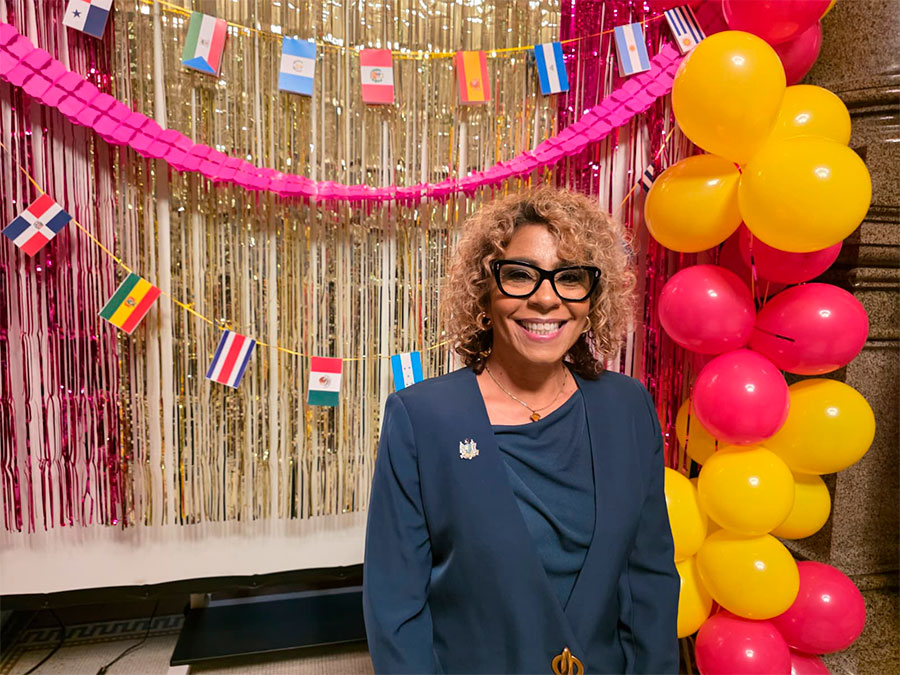
In January 2024, District 7 Councilmember Quetcy Lozada introduced a bill to impose a curfew on businesses, including food trucks, takeout restaurants, and convenience stores, in Kensington.
The goal: to combat open-air drug trafficking and nighttime criminal activity in an area historically affected by urban disorder. Lozada explained that the measure aims to enhance the quality of life for residents, particularly those residing near these businesses.
For years, neighbors have reported issues such as trash, noise, loud music, and other disturbances caused by businesses—some of them operating irregularly—in a region where, according to residents, the law has been applied leniently.
The proposal was based on a previous pilot program in Kensington, which, according to Lozada, showed positive results in reducing crime and nighttime disturbances.
Community meetings were held for months with participation from residents, business owners, and local leaders. Among them was Edward Bonilla, who demanded more order and safety.
Details of the Law
The curfew, which went into effect last week without Mayor Cherelle L. Parker’s signature, requires businesses without a license to sell alcohol to close between 11:00 p.m. and 6:00 a.m.
Violations may result in fines ranging from $500 to $1,000 per night.
Some food truck and small business owners have expressed concern, arguing that the measure directly affects their income, as many operate primarily during nighttime hours. Although the restriction represents just one hour less of operation, some fear they may have to lay off employees or even shut down.
Edward Bonilla said he was fined $2,500 for operating outside the permitted hours. He, along with other business owners opposed to the initiative, hoped the City Council would reconsider the measure before the September 11 deadline for its implementation.
The law is projected to remain in effect until 2030, with an evaluation period to assess its effectiveness and make adjustments.
“The city needs clear data on what has worked and what hasn’t,” said Lozada, who has been a longtime advocate for the Latino community in Philadelphia.
In addition to the curfew, the councilmember has proposed regulating mobile services that assist homeless individuals and those with addiction disorders, aiming for more effective coordination among involved parties.
Accusations and Official Response
In response to accusations from business owners claiming they are being targeted for opposing the curfew, Lozada agreed with the Office of the Managing Director of Philadelphia—which oversees the Department of Licenses and Inspections—that no one who testified before City Council has been persecuted.
She assured that enforcement of the law was planned before September 11 and is part of an ongoing strategy to uphold the municipal code.
“I’m a legislator, not a police officer or an official in the departments responsible for enforcement,” Lozada clarified in a conversation with Perla Lara, Editor-in-Chief of Impacto.
“My office has promoted free assistance so that anyone who needs guidance can get informed about everything they need to comply… This has been known for months. They’ve had time to gather their documentation and shouldn’t fear inspectors if they have nothing to hide.”
More Dialogue, More Action
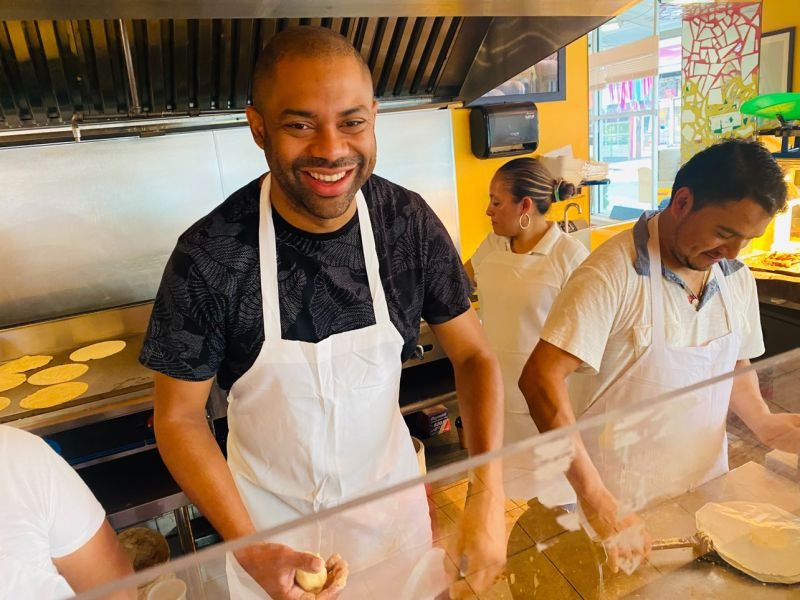
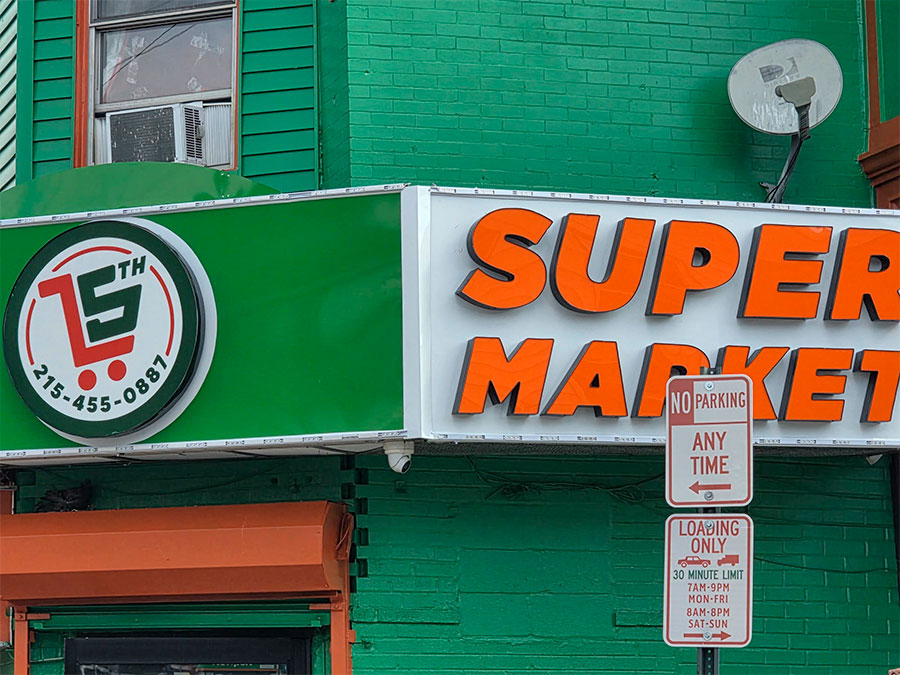
In statements to Impacto’s Director of Community Communications, Haydee Rosario, Edward Bonilla, owner of La Quinta Supermarket and a food truck, said the measure has reduced his sales by up to 80% and complicated staff scheduling.
“While businesses with alcohol licenses can operate later, we face restrictions that directly affect us,” he explained.
“This schedule hurts workers who get off late and can’t find where to buy basic food items.” He proposes extending the curfew to midnight for non-alcohol businesses, arguing they do not pose a safety risk.
“It’s not personal—it’s a defense of our labor and business rights,” he said, while calling for dialogue with Councilmember Lozada.
José Luis Reynoso, of Alta Cocina, whose food truck has operated since 2019, says he has suffered significant losses.
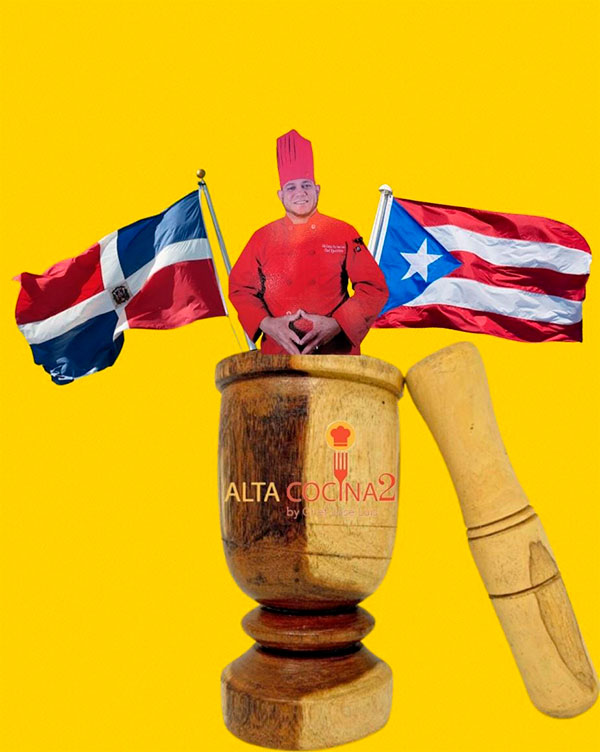
“Those of us who comply are the most affected. Many are afraid to speak out, but I’m showing my face,” he told Rosario.
He proposes extending the curfew to 1:30 a.m., as most of his sales occur at night. He also questions whether the measure truly targets criminal activity, given that his business is family-run and not a risk hotspot.
Dominican entrepreneur Victor Tejada believes that if the law is to be enforced more strictly, it must be done in an equitable manner.
“Not just with those who pay taxes and have legal businesses, but especially with the illegal ones. They know exactly what they’re doing and where they are. Authorities should start by shutting down those ‘hoyitos.’”
What Are “Hoyitos”?
Hoyitos are hidden spaces or disguised as legitimate businesses that operate outside the law. They sell alcohol without a license, host illegal gambling, and facilitate drug trafficking. These are hotspots where people gather without schedules or rules.
“It’s not enough to close earlier and enforce laws on established businesses—we need to shut down the hoyitos now,” emphasized Victor, who employs dozens of people and knows firsthand how those operating outside the law affect specific areas of the city, especially in the north, northwest, and northeast. As an advocate for prosperity in Philadelphia, he adds that those reporting major losses should document them in their tax filings.
While some business owners say they’ve been affected and have organized in opposition to the measure, community members believe the curfew is a direct response to their demands.
“It’s not against the businesses—it’s against what happens around them,” said Carmen, a Kensington resident, who also agrees that more is needed: closing the hoyitos, cleaning the streets, and offering health and rehabilitation services for those living with addiction.
Mayor Cherelle Parker has stated that businesses will not be allowed to fuel disorder. The law also includes measures against illegal gambling machines in stores and gas stations.
According to Abraham Reyes, Vice President of the Office of Housing and Diversion Services, these measures may be part of the city’s effort to proactively demonstrate to the federal government that it is combating crime, thus avoiding a potential intervention involving the National Guard.
What everyone agrees on is the need to keep the dialogue open for the common good.