Ten countries will be represented in this year’s Women’s Tournament.
PHILADELPHIA. –Philadelphia Parks & Recreation Commissioner Susan Slawson announced today that teams have been drawn for the 2024 Philadelphia International Unity Cup Women’s Tournament. The draw took place at FDR Park in South Philadelphia.
This is the second year that the women’s tournament will be a part of the Unity Cup, Philadelphia’s World-Cup style soccer tournament that celebrates the city’s diverse immigrant communities and unites the city through soccer.
“I’m thrilled that the women’s tournament is returning as part of the 2024 Philadelphia International Unity Cup,” said Commissioner Slawson. “Women’s professional sports are enjoying a surge in popularity, and Parks & Rec is proud to be a part of this moment. Our priority is to increase access to sports and athletic opportunities for everyone.”
Ten teams representing Europe, Africa, North America, Central America, and South America will be participating in this year’s Women’s Tournament:
Argentina
Brazil
Colombia
Ecuador
Guatemala
Honduras
Ireland
Jamaica
Mexico
United States of America
The matchups will be:
Group 1 Columbia Ecuador Ireland Guatemala Mexico
Group 2 Honduras Jamacia Brazil USA Argentina
The Women’s Tournament will begin in mid August, and the championship game will take place at noon on Sunday, October 6, at Subaru Park in Chester. More information about the Philadelphia International Unity Cup can be found online.
«Parks & Rec is excited to host the second season of the Women’s Tournament, which has expanded from eight to 10 teams this summer,” said John Murawski, Director of the Unity Cup. “We look forward to its continued growth to connect more communities to each other and to the City in order to better understand their needs. We are pleased to be able to bring these communities together through the common bond and affinity for the game of soccer.»
###
Philadelphia Parks & Recreation (PPR) advances the prosperity of the city and the progress of its people through stewardship of nearly 10,200 acres of public land and waterways, and management of 500 recreation buildings, 166 miles of trail, and 250 playgrounds. PPR offers safe, enjoyable recreation, environmental and cultural programs and events throughout Philadelphia’s parks and recreation system. PPR promotes the well-being and growth of the city’s residents by connecting them to the natural world, to each other and to fun, physical and social opportunities. More than 3,000 full-time and seasonal employees proudly serve Philly residents every day, ensuring the department remains a modern, equitable and exceptional parks and recreation system. Visit us at www.phila.gov/parksandrec, and follow @philaparkandrec on Facebook, Twitter, or Instagram.
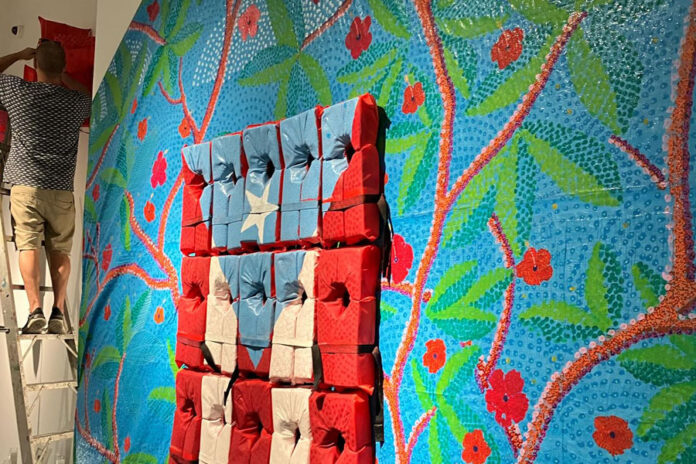
El Taller Puertorriqueño invita a “Semillas”, exposición que presenta dieciséis obras del artista puertorriqueño Raúl Ortiz Bonilla, quien emigró de Puerto Rico a Chicago en sus veintes, y quien invita a explorar el intrincado tapiz de la historia puertorriqueña y la identidad de la diáspora a través de sus obras surrealistas y provocativas sobre migración, adaptación y el espíritu perdurable de la herencia puertorriqueña. La expo estará hasta el 10 de agosto.
“THE FORGE” en el Teatro Esperanza
El Teatro Esperanza ofrecerá un prestreno gratuito de la película “The Forge”, una historia bíblica, dirigida por Alex Kendrick y coescrita por Stephen Kendrick, con Cameron Arnett, Aspen Kennedy Wilson, Ben VanderMey, Karen Abercrombie, Priscilla Evans Shirer y Willie Mellina, que tendrá estreno nacional el 23 de agosto. Teatro Esperanza, sábado 20 de julio, 3 pm.
Taller sobre testamentos
La comunidad Crisol Contigo invita a un taller gratuito para aprender cómo hacer testamentos válidos, cómo prepararse para enfrentar una emergencia médica, cómo lidiar con documentos que requieren tu firma legal y otros temas afines. Regístrese en este enlace: https://www.flipcause.com/hosted_widget/event_step2/MjA5Mjgz/263386
174 Diamond St Filadelfia, sábado 20 de Julio, 11:00 am a 1:00 pm.
Para la familia: “Love is in the air”
Evento para toda la familia lleno de diversión, comida, regalos y más. Contacte a Brenda Mosley al 215-397-0431, o escriba a byfaiththenternal@gmail.com. 3236 Kensington Ave., Filadelfia. Sábado, 20 de julio, 12:00 a 3:00 pm.
Taller de Bordado
Invitación a aprender a bordar las propias historias como mujeres latinas migrantes, para aprender diferentes formas de concebir prácticas de bordado desde las dificultades y las luchas femeninas. Oficinas del Welcoming Center, dentro del edificio BOK, en las calles 9th y Mifflin St. Bok Bar 800 Mifflin St, Filadelfia. Sábado, 20 de Julio. 2:30 a 5:30 pm.
Grupo de Apoyo para Mujeres
Espacio que ofrece un ambiente seguro y positivo para mujeres inmigrantes donde pueden conversar, compartir, y aprender ideas. Refrigerios gratuitos. Se tendrá rifa para oportunidad de ganar tarjeta de regalo. Facilitadora, Nelsery de Leon, terapeuta familiar. Confirmar asistencia al 267-245-0145. La Puerta Abierta, 2141 N Howard St. Martes 23 de Julio. 7:00 a 8:30 pm.
Chef Latino Dine Testing
Próximo evento de degustación de chefs con Jezabel Careaga, propietaria de Jezabel’s Argentine Bakery. presenta platos característicos como empanadas y alfajores, Jezabel ha construido una reputación con “Fuego/Cocina Itinerante», su conocida cocina en vivo. En 2023, Jezabel también fue nombrada una de los «Taste Twenty» chefs por la Fundación James Beard representando a Filadelfia. La Cucina at the Market, 1206 Arch Street, Filadelfia. Jueves, 25 de julio, de 6:00 a 8:00 pm.
Festival de Faroles Chinos
El histórico Franklin Square se ilumina con el regreso del imperdible Festival de Faroles Chinos de Filadelfia en Old City. Celebra el Año del Dragón entre docenas de enormes, intrincados y artesanales faroles e instalaciones construidas por artesanos chinos, junto con presentaciones culturales en vivo, arte popular, elaboración de dumplings, espectáculos de fuentes, manualidades temáticas y mucha comida y bebida internacional. Comienza a las 6 pm cada día. Franklin Square, 200 N. 6th Street, hasta el domingo 18 de agosto.
“The Art of the Brick” en el Franklin
Por primera vez en diez años el Instituto Franklin, trae su exhibición de más de 100 piezas de arte hechas completamente de LEGO, desde recreaciones de obras maestras como: La Noche Estrellada de Van Gogh y La Mona Lisa de DaVinci, hasta esculturas originales, incluyendo un esqueleto de T. rex de 20 pies de largo. Cada pieza es obra del artista contemporáneo Nathan Sawaya, el primero en crear una exposición de arte con LEGO. 222 N. 20th Street, hasta el lunes, 2 de septiembre.
Spruce Street Harbor Park
Para los entusiastas de relajarse junto al río, Spruce Street Harbor Park está de vuelta esta temporada con las mismas hamacas flotantes, luces, comida y música en vivo. Este año presenta algunas adiciones nuevas como “The Lazy Hammock”, un bar cubierto con escenario para actuaciones, “The Blue Anchor”, que ofrece cerveza local, cócteles artesanales y comida; “The Trading Post”, una bodega en el agua con helados, aperitivos y productos de artistas y vendedores locales. 301 S. Christopher Columbus Boulevard, hasta el jueves, 29 de septiembre.
Funny Girl de Broadway en la Academy of Music
Viene a Filadelfia la comediante real Fanny Brice, la chica de grandes ojos del Lower East Side, en su viaje hacia la fama en el escenario mientras navega su turbulento romance con el jugador Nick Arnstein. Una carta de amor al mundo del teatro, el musical “Funny Girl” llega al Academy of Music con un repertorio actualizado de Harvey Fierstein. Academy of Music, 240 S. Broad Street, hasta el 28 de julio.
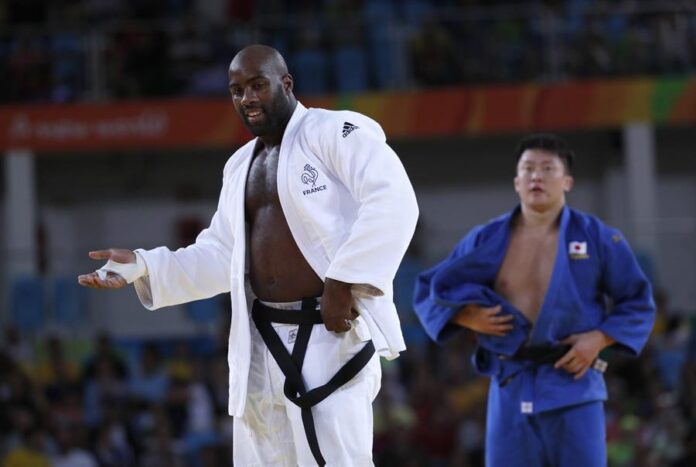
Teddy Riner, en los Juegos de Río 2016. (Foto: EFE/ORLANDO BARRIA)
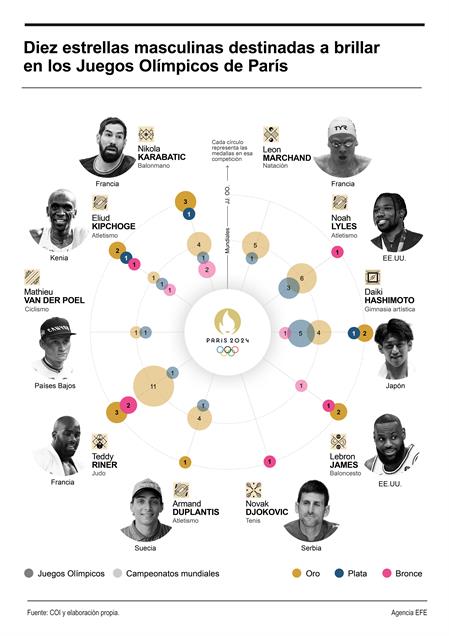
Diez estrellas masculinas llamadas a brillar en los Juegos Oímpicos de París que arrancarán el próximo 26 de julio.
Leon Marchand (Francia/Natación)
La imagen de Michael Phelps levantando el puño del francés Leon Marchand tras arrebatarle el último récord del mundo, el de los 400 estilos, que seguía manteniendo vigente el mítico nadador estadounidense, el deportista con más medallas olímpicas de la historia, ejemplificó mejor que nada el relevo en el trono de la natación mundial.
Marchand, que entrena en Estados Unidos a las órdenes Bob Bowman, el técnico que dirigió la carrera de Phelps, tratará de consolidar ese relevo en los Juegos de ,en los que el nadador galo, de 22 años, intentará colgarse el oro en los 200 y 400 estilos, así como en los 200 braza y los 200 mariposa.
Noah Lyles (Estados Unidos/Atletismo)
Ganador de tres medallas de oro -100, 200 y 4×100- en los Mundiales de Budapest 2023 el estadounidense Noah Lyles llega a París dispuesto a reclamar el trono de la velocidad olímpica que se les resiste a los norteamericanos desde que Justin Gatlin se colgó el oro en los 100 metros lisos en los Juegos de Atenas 2004.
Lyles, de 27 años, tratará de sumar en la capital francesa el de los 200 metros, distancia en la que el de Florida ya se colgó el oro hace tres años en los Juegos de Tokio, así como el del relevo 4×100, prueba en la que Estados Unidos ni tan siquiera logró acceder a la final en la capital japonesa.
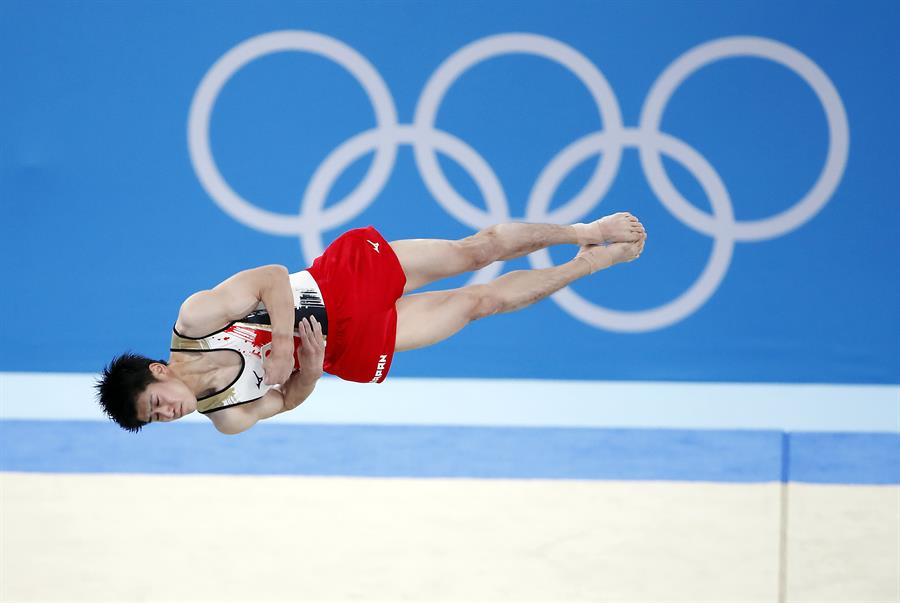
Daiki Hashimoto durrante la final de suelo de los Juegos de Tokio 2020. (Foto: EFE/TATYANA ZENKOVICH)
Daiki Hashimoto (Japón/Gimnasia)
Rey indiscutible de la gimnasia actual el japonés Daiki Hashimoto, de 22 años, tratará de mejorar en los Juegos Olímpicos de París las dos medallas de oro -concurso completo y barra fija- y una plata -equipos- que conquistó hace tres años en Tokio.
Un objetivo en el que sólo el chino Boheng Zhang, el único que ha logrado vencer en el presente ciclo olímpico a Hashimoto, parece poder interponerse en el camino del nipón, ganador de los dos últimos Mundiales, en ausencia de Rusia, el equipo que le privó del oro por conjuntos por tan sólo una décima en los pasados Juegos.
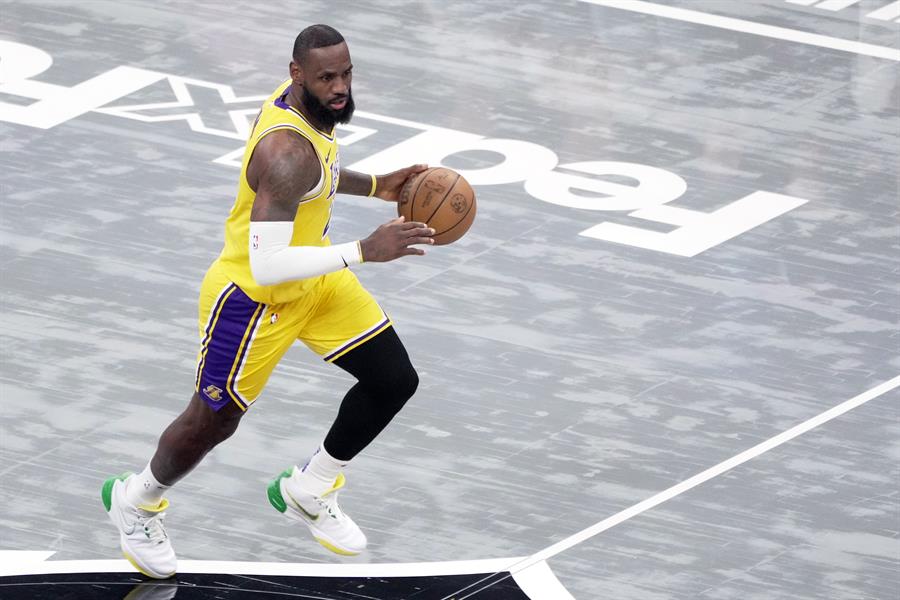
LeBron James en un partido de la NBA entre Memphis Grizzlies y Los Ángeles Lakers en el FedEx Forum en Memphis (EE. UU.). (Foto: EFE/Karen Pulfer) Focht/Archivo
Lebron James (Estados Unidos/Baloncesto)
Máximo anotador en la historia de la NBA Lebron James regresa a unos Juegos doce años después en busca de su tercera medalla de oro, un título olímpico que se le resistió en su primera participación, en los Juegos de Atenas 2004, en los que la selección estadounidense de baloncesto se vio relegada al tercer escalón del podio.
Un duro golpe del que James, ganador de cuatro anillos de la NBA, se resarció con los dos oros consecutivos que se colgó en Pekín 2008 y Londres 2012 tras imponerse en ambas ocasiones a España en la gran final.
Novak Djokovic (Serbia/Tenis)
Ganador de todos los trofeos imaginables posibles el tenista serbio Novak Djokovic tratará de conquistar a sus 37 años en los Juegos de París uno de los pocos títulos que todavía se le resisten, el de campeón olímpico.
Una medalla de oro que al balcánico, el jugador con más títulos, veinticuatro, de ‘Grand Slam’ de toda la historia, se le escapó por partida doble en los pasados Juegos Olímpicos de Tokio en los que Djokovic, bronce en Pekín 2008, fue cuarto tanto en el torneo individual y en el dobles mixtos.
Armand Duplantis (Suecia/Atletismo)
Pocas medallas parecen más seguras que la del sueco Armand Duplantis, que tratará de convertirse en el segundo atleta tras el estadounidense Bob Richards, que logró el oro en los Juegos de Helsinki 1962 y Melbourne 1956, en revalidar el título de campeón olímpico en salto con pértiga.
La superioridad del escandinavo es tal que Duplantis hace ya tiempo que, pese a alguna esporádica y sorprendente derrota, no compite ya con sus rivales, ni con la historia, tras dejar atrás los registros del legendario Sergey Bubka, sino contra los límites del ser humano, como atestiguan los 6,24 metros que fijó el pasado mes de abril en Xiamen (China) como nueva plusmarca universal.
Teddy Rinner (Francia/Judo)
Teddy Rinner tratará de resarcirse ante su público del varapalo sufrido hace tres años en los Juegos Olímpicos de Tokio, en los que el judoca francés tuvo que ‘conformarse’ con la medalla de plata en la categoría de más de 100 kilos, tras caer de manera sorprendente ante ruso Tamerlan Bashaev en los cuartos de final.
Una inesperada derrota que impidió a Rinner, que permaneció invicto entre 2010 y 2020, colgarse su tercera medalla de oro consecutiva en los pesos pesados, un oro que el francés, once veces campeón del mundo, no está dispuesto a dejar escapar en esta ocasión ante nadie.
Mathieu van der Poel (Países Bajos/Ciclismo)
«Es un recorrido que podría venirme bien», aseguró con una sonrisa el ciclista neerlandés Mathieu van der Poel tras conocer el trazado de la prueba en ruta de los Juegos Olímpicos, un exigente recorrido de 273 kilómetros con salida y llegada a los pies de la Torre Eiffel.
De hecho, Van der Poel no dudó en asemejar la prueba olímpica a una «clásica de Flandes» el terreno en el que mejor se mueve el neerlandés, que cuenta en su palmarés con seis «monumentos» tras ganar tres veces el Tour de Flandes, en los años 2020, 2022 y 2024, dos las París-Roubaix (2023 y 2024) y una la Milán-San Remo (2023).
Diez estrellas masculinas llamadas a brillar en los Juegos Oímpicos de París que arrancarán el próximo 26 de julio. (Foto: EFE/INFOGRAFÍA)
Eliud Kipchoge (Kenia/Atletismo)
A sus 39 años el keniano Eliud Kipchoge tratará de agigantar todavía más su leyenda e intentará convertirse en los Juegos de París en el primer atleta en la historia en encadenar tres títulos consecutivos de campeón olímpico de maratón, tras colgarse el oro Río 2026 y Tokio 2020.
Una gesta que parece complicarse tras la décima plaza que Kipchoge firmó el pasado mes de marzo en el maratón de Tokio, su peor resultado en la distancia, pero si hay alguien capaz de lograr lo imposible ese el keniano, que en octubre de 2019 se convirtió en el primer atleta en completar los 42 kilómetros 195 metros en menos de dos horas, tras correr en 1h 59:40 en Viena.
Nikola Karabatic (Francia/Balonmano)
A sus 40 años el francés Nikola Karabatic quiere poner fin a su carrera deportiva con su cuarta medalla de oro en unos Juegos Olímpicos, más que ningún otro jugador de balonmano en toda la historia.
Un registro a la altura a la leyenda de Karabatic, ganador de cuatro Mundiales y de cuatro Europeos, que con la excepción de sus primeros Juegos, los disputados en Atenas en 2004, siempre ha alcanzado la final en todas sus participaciones olímpicas en las que sólo en Río 2016 no logró subir a lo más alto del podio.
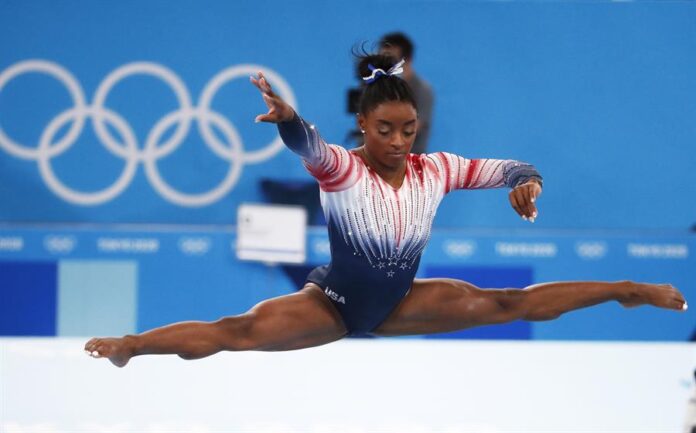
Simone Biles, durante los Juegos de Toki. (Foto: EFE/TATYANA ZENKOVICH/Archivo)
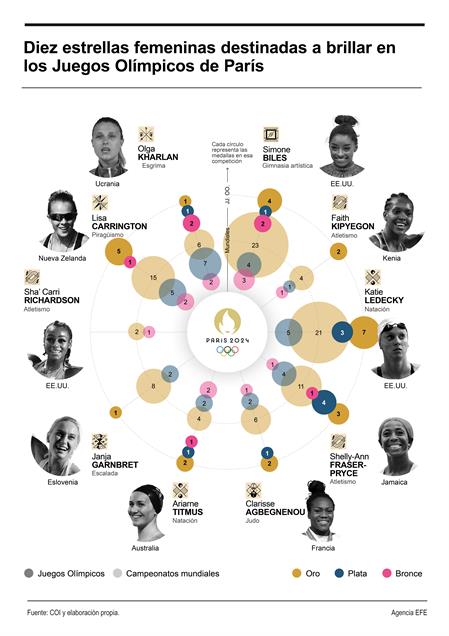
Diez estrellas femeninas destinadas a brillar en los Juegos Oímpicos de París que arrancarán el próximo 26 de julio.
Simone Biles (Estados Unidos/Gimnasia)
Simone Biles no pudo lograr el oro al que parecía destinada en los Juegos Olímpicos de Tokio, pero consiguió algo mucho más importante, poner el foco sobre los problemas de salud mental que puede generar el exceso de presión en los deportistas de alto nivel.
Esos problemas mantuvieron a Biles, la gimnasta con más medallas en la historia de los Mundiales, alejada dos años alejada de la competición, a la que regresó en 2023 con una impresionante actuación en el Campeonato del Mundo de Amberes en el que conquistó cuatro oros y una plata, que la confirman como la gran favorita en los Juegos de París
Faith Kipyegon (Kenia/Atletismo)
La posibilidad de encadenar su tercer título consecutivo de campeona olímpica de los 1.500 metros, algo nunca logrado por ninguna atleta, seria motivo suficiente para no perder de vista la actuación de la keniana Faith Kipyegon en los Juegos Olímpicos de París.
Pero Kipyegon, que el pasado año batió los récords del mundo de los 1.500, la milla y los 5.000, buscará el más difícil todavía y tratará de repetir en la capital francesa el doblete que logro en los Mundiales de Budapest 2023 en los que la keniana se colgó el oro en los 1.500 y los 5.000 metros.
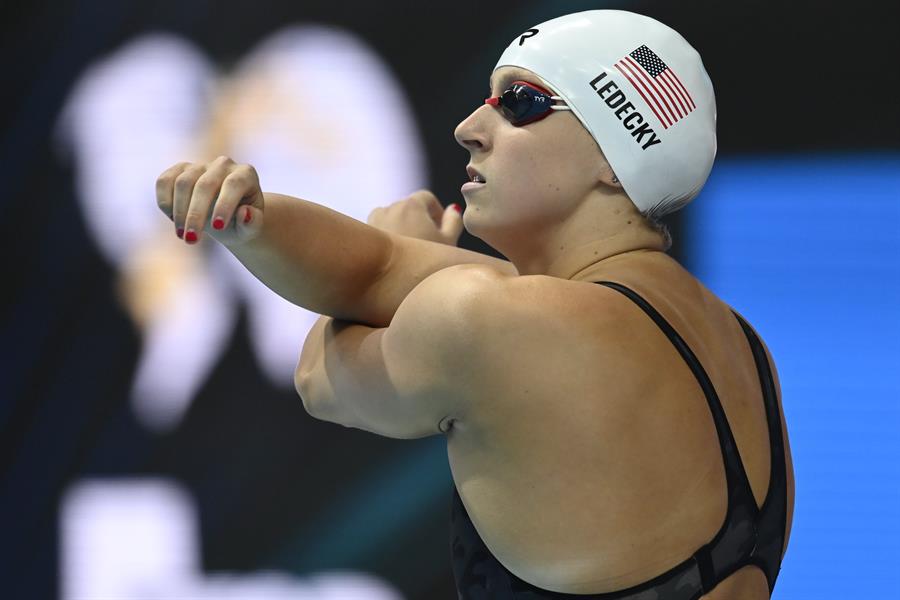
Katie Ledecky se prepara para saltar al agua en los Mundiales de Budapest 2022. (Foto: EFE/TAMAS KOVACS/Archivo)
Katie Ledecky (Estados Unidos/Natación)
Reina indiscutible de las pruebas de fondo la estadounidense, Katie Ledecky tratará de convertirse en París en la nadadora con más medallas de oro en la historia de los Juegos Olímpicos.
Ledecky, que se colgó la primera de sus siete medallas de oro con apenas 15 años en los Juegos de Londres 2012, dispondrá de cuatro oportunidades en París -400, 800, 1.500 y 4×200- para superar los ocho metales dorados que suma su compatriota Jenny Thompson, ya que todo hace indicar que la norteamericana renunciará a competir en los 200 libre, prueba para la que también logró el billete olímpico.
Olga Kharlan (Ucrania/Esgrima)
Ganadora de cuatro medallas olímpicas, la tiradora ucraniana Olga Kharlan acaparó todos los focos el pasado mes de julio cuando se negó a saludar a la rusa Anna Smirnova tras el combate que ambas disputaron en los Mundiales celebrados en la ciudad italiana de Milán.
Un acto que condenó a Kharlan, cuatro veces campeona del mundo de sable, a una descalificación que complicaba la clasificación olímpica de la ucraniana, que un día más tarde el presidente del COI, Thomas Bach, la garantizó en un gesto «excepcional» en la historia olímpica.
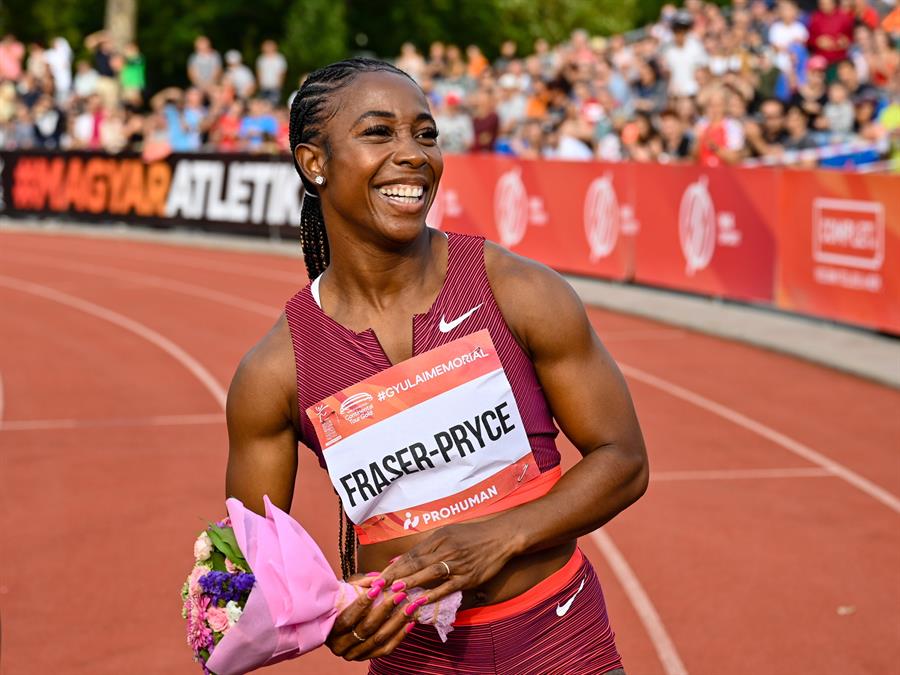
Shelly-Ann Fraser-Pryce celebra una victoria. (Foto: EFE/Tamas Vasvari/Archivo)
Shelly-Ann Fraser-Pryce (Jamaica/Atletismo)
La jamaicana Shelly-Ann Fraser-Pryce, campeona olímpica de los 100 metros lisos en Pekín 2008 y Londres 2012, tratará de poner fin a su carrera deportiva en los Juegos de París con una nueva medalla, que ratifique su condición como una de las mejores, si no la mejor velocista de todos los tiempos.
Una tarea nada sencilla para Fraser-Pryce que a sus 37 años tendrá que pelear con atletas de la talla de la estadounidense Sha’Carri Richardson o su compatriota Shericka Jackson por un podio del que este «cohete de bolsillo» no se ha bajado en ninguna de sus cinco participaciones olímpicas.
Clarisse Agbegnenou (Francia/Judo)
«Le dije a mi hija que le iba a traer la medalla y que se la iba a poner al cuello», desveló la judoca francesa Clarisse Agbegnenou tras coronarse el pasado mes de mayo por sexta vez en su carrera campeona del mundo de la categoría de hasta 63 kilos.
Un título que llegó apenas once meses después de dar a luz a su primera hija, Athéna, a la que Agbegnenou, de 31 años, sueña con ver aplaudiéndole en el Champ de Mars Arena con una nueva medalla de oro olímpica, tras las dos, una en la categoría individual y otra con el equipo mixto, que conquistó en los Juegos de Tokio y demostrar que se puede compaginar la maternidad con el deporte de alto rendimiento.
Ariarne Titmus (Australia/Natación)
Punta de lanza de la sensacional generación de nadadoras australianas que se atrevió a cuestionar la hegemonía estadounidense en los pasados Juegos de Tokio, Ariarne Titmus llega a París dispuesta a dar el paso definitivo hacia el trono de la natación mundial.
Para ello, Titmus, de 23 años, deberá no sólo revalidar los títulos de campeona olímpica de los 200 y 400 libre que conquistó en la capital japonesa, sino cambiar por el oro la plata y el bronce que logró en los 800 y en el relevo 4×200 libre, respectivamente, en el Centro Acuático de Tokio.
Janja Garnbret (Eslovenia/Escalada)
A sus 25 años la duda no está en saber si Janja Garnbret es la mejor escaladora del mundo, sino en saber si la eslovena, máxima favorita para colgarse el oro en los Juegos de París, es la mejor escaladora de todos los tiempos.
Una pregunta que parece tener una clara respuesta a tenor del impresionante palmarés de Garnbret, que no sólo puede presumir de ser la primera y hasta ahora única campeona olímpica de la especialidad, sino también ganadora de ocho oros mundiales, cuatro europeos, así como más de cuarenta victorias en pruebas de la Copa del Mundo.
Diez estrellas femeninas destinadas a brillar en los Juegos Oímpicos de París que arrancarán el próximo 26 de julio. (Foto: EFE/INFOGRAFÍA)
Sha’ Carri Richardson (Estados Unidos/Atletimo)
Olvidados lo problemas emocionales que le condenaron a quedarse fuera de los Juegos Olímpicos de Tokio, tras dar positivo por marihuana, la estadounidense Sha’Carri Richardson debutará en París en una cita olímpica dispuesta a coronarse como la nueva reina de la velocidad.
El objetivo que parce al alcance de esta nueva Sha’Carri Richardson que ha pasado de llamar la atención por su estridentes estilismos y polémicas fuera de la pista a reclamar el foco por su capacidad aceleración que le permitió proclamarse el pasado año campeona del mundo de los 100 metros lisos en los Mundiales de Budapest.
Lisa Carrington (Nueva Zelanda/Piragüismo)
La piragüista neozelandesa Lisa Carrington quiere demostrar a sus 35 años recién cumplidos que la edad no es más que un número y tratará de repetir en los Juegos Olímpicos de París las tres medallas de oro que conquistó hace tres años en Tokio.
El botín permitiría a Carrington, que logró la primera de las seis preseas olímpicas -cinco oros y una plata- que contabiliza en los Juegos de Londres 2012, acercarse a la legendaria palista alemana Birgit Fischer-Schmidt, ganadora de doce medallas olímpicas, ocho de ellas de oro.
PHILADELPHIA. — A former Philadelphia homicide detective accused of beating a murder suspect to obtain a confession and then lying about it in court has ben convicted of obstruction and perjury charges.
Prosecutors said they would seek a prison term for James Pitts, 53, when he’s sentenced in Oct. 4, but the judge overseeing the case rejected their motion to jail Pitts until that time. Pitts, who maintains his innocence, declined comment after the verdict was handed down Tuesday after jurors had deliberated for about eight hours over two days.
Pitts has been accused of aggressive physical interrogation tactics and coercing false confessions in numerous lawsuits and complaints, and in a handful of murder cases that collapsed at trial or shortly after. The charges he faced stemmed from the case of a man exonerated in the killing of a well-known jewelry store owner after spending nearly 11 years in prison.
Obina Oniyah was convicted in 2013 for the 2010 murder of jeweler William Glatz during a robbery. Both Glatz and one of the two armed robbers were killed during the exchange of gunfire.
Prosecutors have said Oniyah was convicted largely on the strength of a confession taken by Pitts. But the man maintained before, throughout and after the trial that Pitts had beaten him and threatened him to get him to sign a false statement.
A photogrammetry expert examined video from the robbery and concluded that Onyiah was far taller than the remaining gunman in the robbery — 6-feet-3-inches compared to no taller than 5-feet-11-inches — the expert said. He was exonerated in May 2021.
“I thank the jury for rendering a fair and just verdict in this case,” Philadelphia District Attorney Larry Krasner said. «This is the first time in our city’s history that a Philadelphia detective has been found guilty of coercing a confession that led to the wrongful conviction of an innocent person. My administration will continue to seek evenhanded justice in all cases prosecuted by this office, regardless of the defendant, because no one is above the law.”
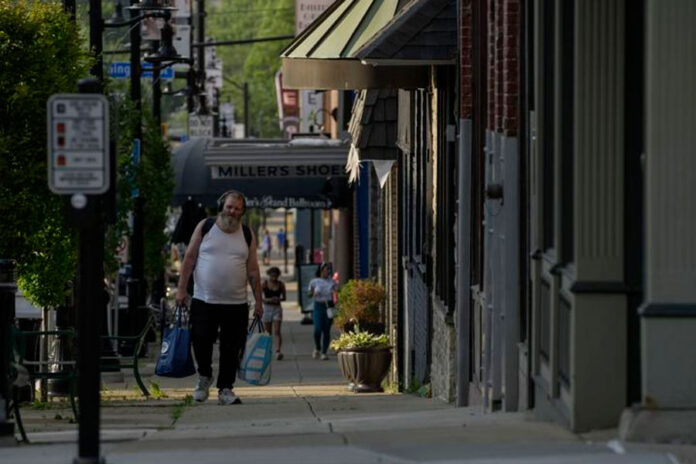
A person walks past local business in Butler, Pa., on Monday, July 15, 2024. (Photo: AP/Joshua A. Bickel)
BUTLER, Pa. — On the streets of Butler, Pennsylvania, in the wake of Saturday’s assassination attempt on former President Donald Trump, the same four words have been spoken again and again: “Of all the places.”
Butler, home to some 13,000 people, and the county whose grand courthouse graces its square are named for a Revolutionary War general. American flags wave along its main drag alongside black-and-white photos of local heroes who died in other wars fought in the name of democracy. The first jeep was produced here in 1940 at the request of the U.S. Army.
It’s rural. It’s neighborly. And it’s Trump country.
“Of all the places to go after him and try something. We’re like, in Butler County?» said Cindy Michael, a 44-year-old health care worker. “Everybody’s just shocked. So shocked.”
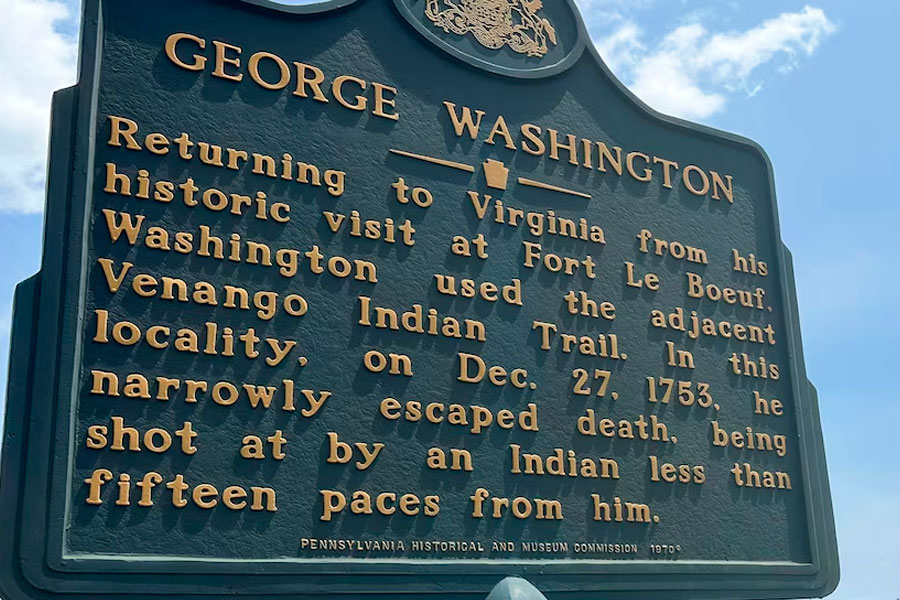
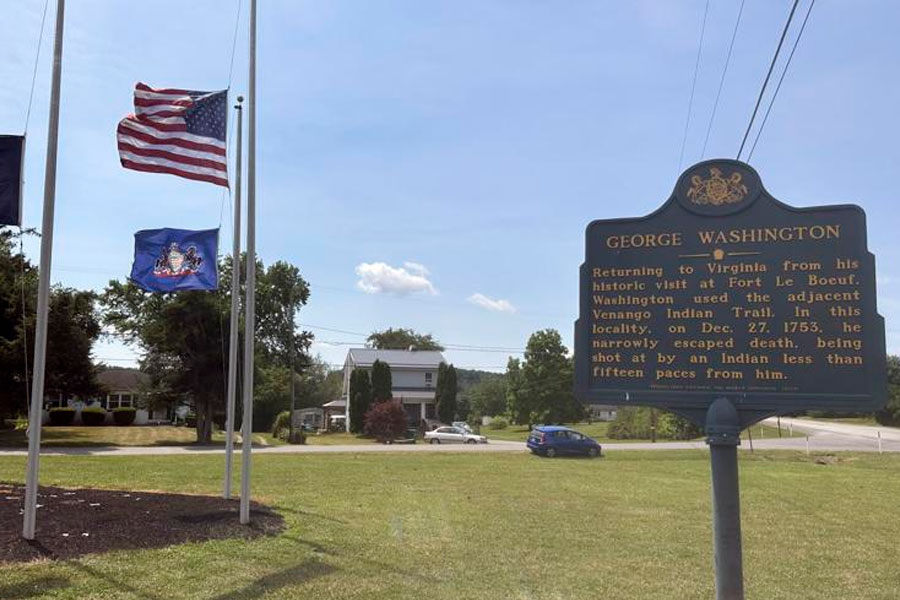
Trump isn’t the first person to have held the office of president who has been the target of a shooting in the area. Long before he became the nation’s first president, George Washington “narrowly escaped death” when a Native American shot at him from less than 15 paces away. A state historical marker marks the spot on a trail about 14 miles (22 kilometers) southwest of Butler.
This county on the western edge of a presidential swing state is a Trump stronghold. He won Butler County — where turnout hovers around an impressive 80% — with about 66% of the vote in both 2016 and 2020. About 57% of Butler County’s 139,000 registered voters are Republicans, compared with about 29% who are Democrats and 14% something else.
Between 2016 and 2020, Trump gained nearly 10,000 more votes in Butler County, but that wasn’t enough for him to carry Pennsylvania. Gains by President Joe Biden in the state’s cities and suburbs — and he secured 9,000 more votes in Butler County than Hillary Clinton in 2016 — helped him displace Trump from the White House.
An historical marker near the spot where George Washington “narrowly escaped death” years before he became America’s first president sits alongside a rural road near Butler, Pa, Tuesday, July 16, 2024, near the site of Saturday’s attempted assassination of Republican presidential candidate former President Donald Trump. (Photo: AP/Julie Carr Smyth)
Still, Butler County’s support for Trump runs deep. Local attorney Patrick Casey said that may have been part of the problem.
“A friend said to me this morning, ‘I think everyone assumed that Donald Trump would be safe in Butler County,’ and I replied to that friend by reminding him that when Pope John Paul II was shot in an assassination attempt, it occurred in Vatican City,» Casey said. “Who would have thought there could have been a safer place than that?”
Indeed, the atmosphere was relaxed and neighborly at the Butler County fairgrounds on the day of the rally. Couples held hands, parents corralled their children, a woman accompanied her 75-year-old mother for a birthday treat. That was until 20-year-old Thomas Matthew Crooks fired shots, including the one that Trump says struck his ear. A Secret Service sniper returned fire and killed Crooks. A bystander was shot and killed, and two more were injured.
Whether Butler can even approach a return to normal remains to be seen.
“We are deeply saddened by what has occurred here in our hometown,” Brenckle’s Farm and Greenhouse, which is located just outside the fairgrounds where the shooting happened, said in a Facebook post Monday. “Butler is a peaceful community and all who live here share similar qualities. The community is kind, generous and would give you the shirt off of their back if you needed it.”
An historical marker near the spot where George Washington “narrowly escaped death” years before he became America’s first president sits alongside a rural road near Butler, Pa, Tuesday, July 16, 2024, near the site of Saturday’s attempted assassination of Republican presidential candidate former President Donald Trump. (Photo: AP/Julie Carr Smyth)
While what happened that day weighs heavily on residents’ hearts, it did not appear to be swaying their votes. Some Trump supporters said the assassination attempt strengthened their resolve to vote for him while others said it didn’t impact their political feelings at all.
Victoria Rhodes, 25, a nurse who moved to Butler four months ago from Nashville, Tennessee, said she is still deciding how she will vote in November. She said what just happened in her new hometown isn’t a factor.
“This will be my first time voting in a presidential election,» she said. «I think I’m still trying to decide, because the political scene right now is kind of crazy.” While she is hopeful the assassination attempt will turn down the temperature on America’s political conversation, she said her experience has been that friends her age are able to speak about their political differences without anger.
Jamie Brackley, who manages the motorcycle shop in downtown Butler, called himself “a neither” in terms of declaring a political party. As for whether the attempt on Trump’s life will affect his politics, he said: “No. I’m a conspiracy theorist already, so it doesn’t affect me one way or another.”
Democrat Laneice Olesnevich, 66, has lived all her life in Butler. She called it “a good Christian town.”
Olesnevich said she remains undecided on her choice for president but that the assassination attempt wouldn’t affect her decision. Rather, she was waiting for more information on Trump’s running mate — he selected U.S. Sen. JD Vance, of Ohio, later on Monday — and on Biden’s health.
The downtown skyline in Butler, Pa., is shown on Monday, July 15, 2024. (Photo: AP/Joshua A. Bickel)
“I feel bad for those parents of that young man, because you know their life now has become a living hell, and I don’t think (what he did) will make any difference in my decision,” she said.
She added: “I pray for this country daily, because we definitely need something to change everybody’s anger.”
In a place where people know each other, it’s common to consider the impact of such a cataclysmic event on individual people, especially those with a direct connection to what happened. It’s one more reason why the shock will linger for years.
“The world’s a crazy place,” said Jodie Snider, of nearby Clarion, a retired police officer, Army officer and sharpshooter, who was visiting the Butler County Courthouse on Monday. “Of all places, Butler.»
El candidato presidencial republicano, el expresidente Donald Trump, permanece atento durante la Convención Republicana, el lunes 15 de julio de 2024, en Milwaukee. (Foto AP/Charles Rex Arbogast)
MILWAUKEE, Wisconsin, EE. UU. — Una empresa está vendiendo calzado deportivo con la imagen de Donald Trump con sangre en la mejilla y con el puño alzado, después de haber sido objeto de un intento de asesinato en Pensilvania.
Los tenis se venden como “FIGHT FIGHT FIGHT High-Tops” por 299 dólares en un sitio web que vende zapatos de la marca Trump y que está dirigido por CIC Ventures LLC, una empresa que Trump admitió que era de su propiedad en sus estados financieros de 2023. La empresa afirma que los nuevos zapatos son de edición limitada, con sólo 5.000 pares a la venta, y se estima que se estarán disponibles para septiembre u octubre. También dijo que 10 pares al azar serán autografiados.
“Estos tenis al tobillo de edición limitada, con la icónica imagen de Trump con el puño alzado, rinden homenaje a su inquebrantable determinación y valentía”, afirma la empresa. “Con sólo 5.000 pares disponibles, cada uno de ellos es una auténtica pieza de colección. Muestra tu apoyo (a Trump) y orgullo patriótico con estas zapatillas exclusivas, que capturan un momento decisivo de la historia”.
CIC Ventures es la misma empresa que puso a la venta las “Never Surrender High-Tops”, unos tenis dorados con un detalle de la bandera estadounidense en la parte trasera, por 399 dólares.
La venta de estos tenis es otra muestra de que los aliados del expresidente pretenden sacar provecho de cómo reaccionó Trump tras el tiroteo en un mitin el sábado en Butler, Pensilvania. Trump se puso en pie y levantó el puño, apuntando a la multitud y diciendo “luchen, luchen”.
El sitio web de CIC Ventures afirma que la empresa no es política y que no tiene nexos con ninguna campaña electoral, a pesar de que funcionarios de la campaña de Trump la han promocionado en publicaciones en línea.
PHILADELPHIA. – United States Attorney Jacqueline C. Romero announced that Abdur Rahim Islam, 67, the former chief executive officer of Universal Community Homes (“UCH”) and Universal Education Companies (“UEC”) was sentenced today to 84 months’ imprisonment, followed by three years’ supervised release, for his convictions on 18 fraud, corruption, and tax charges relating to his tenure at Universal.
United States District Court Judge Gerald A. McHugh also ordered Islam to forfeit $609,651.31, and to pay restitution to Universal in the amount of $609,651.31 plus attorneys’ fees, and to pay restitution of $309,581.66 to the IRS. Judge McHugh also ordered Islam to pay an $1,800 special assessment.
On March 20, 2024, a federal jury convicted Islam on charges that he stole more than a half-million dollars from UCH and UEC, charities established by Philadelphia music legend Kenny Gamble and his wife Faatimah Gamble to develop affordable housing and manage charter schools in Philadelphia. The jury also convicted Islam on charges that he bribed the president of the Milwaukee public schools board of directors and cheated on six years of personal income taxes. The jury also convicted Islam and his co-defendant, former Universal Chief Financial Officer Shahied Dawan, on a charge that they conspired to defraud the federal government by impeding, impairing, obstructing, and defeating the lawful functions of the Internal Revenue Service.
The evidence at trial established that Islam and Dawan used their positions at Universal to pay themselves unauthorized bonuses and to pay Islam fraudulent “expense reimbursement” checks, which included payments for purely personal expenses, such as trips to Caribbean resorts with various women, family vacations, first-class travel upgrades, Broadway shows, personal gym memberships and cellphone bills, and countless meals at restaurants with friends and family members.
Islam and Dawan hid all of these illegal payments from the IRS, which enabled Islam to cheat on six years of personal income taxes. Islam also bribed Dr. Michael Bonds, the former president of the Milwaukee public schools board of directors, in return for political favors. Dr. Bonds has pleaded guilty to charges relating to the bribery scheme and is scheduled to be sentenced next month.
On July 10, 2024, Judge McHugh sentenced Dawan, 73, to 18 months’ imprisonment, one year of supervised release, and a $15,000 fine for his role in the conspiracy. Judge McHugh also ordered Dawan to pay $196,952 in restitution to the IRS.
“Islam stole from charities founded to make disadvantaged Philadelphians’ lives better, in order to enrich his own,” said U.S. Attorney Romero. “That’s far from his only crime, but it’s certainly the most galling. We and our partners will continue to hold accountable anyone foolish enough to defraud their employer or cheat the government and taxpayers out of revenue – or, as in this case, both.”
“In his crimes, Islam not only sought to defraud the government, but U.S. taxpayers,” said Wayne A. Jacobs, Special Agent in Charge of FBI Philadelphia. “Today’s sentencing serves as yet another reminder of the consequences which come to those who commit acts of fraud and bribery against the United States. The FBI and our partners at the United States Attorney’s Office and IRS Criminal Investigation Division remain steadfast in our commitment to combating corruption at any level.”
“The outcome today is due to the dedicated efforts of IRS Criminal Investigation special agents and our law enforcement partners,” said Denise Leuenberger, Acting Special Agent in Charge of IRS Criminal Investigation. “Anyone contemplating cheating on their taxes should know that our largest enforcement program is directed at the portion of American taxpayers who willfully and intentionally violate their known legal duty of filing and paying their taxes.”
The case was investigated by the Federal Bureau of Investigation and Internal Revenue Service Criminal Investigation Division, with assistance from the Department of Education Office of Inspector General, and prosecuted by Assistant United States Attorneys Mark B. Dubnoff and Linwood C. Wright, Jr.
PHILADELPHIA. – United States Attorney Jacqueline C. Romero announced that Daniel Nelson Shuler, 59, of Corsicana, Texas, was sentenced today by United States District Judge Joseph F. Leeson, Jr., to 15 years’ imprisonment, 10 years of supervised release, and a $100 special assessment for using a minor to produce child pornography in November and December of 2022.
In January 2024, Shuler was charged in a one-count information with production of child pornography. On February 27, 2024, Shuler pleaded guilty to the charge and admitted engaging in sexually explicit communications with a minor victim residing in the Lehigh Valley region, during which he caused her to produce images and videos depicting sexually explicit conduct, and also sent the victim sexually explicit images and videos of himself.
“Shuler manipulated and sexually exploited a child, and did so deliberately,” said U.S. Attorney Romero. “Today’s sentence holds him accountable for this reprehensible violation and keeps him from seeking out and victimizing other young girls. The wellbeing of our children is an absolute priority for this office and our law enforcement partners.”
“The cooperation between HSI and the US Attorney’s office continues to serve the American public by enabling time sensitive investigations and deliberate prosecutions of the criminals who harm our children,” said Acting Special Agent in Charge of HSI Philadelphia Sara Bay. “The protection of our most vulnerable citizens is at the heart of our core mission and values.”
This case was brought as part of Project Safe Childhood, a nationwide initiative to combat the growing epidemic of child sexual exploitation and abuse launched in May 2006 by the Department of Justice. Led by United States Attorneys’ Offices and the Criminal Division’s Child Exploitation and Obscenity Section (CEOS), Project Safe Childhood marshals federal, state and local resources to better locate, apprehend and prosecute individuals who exploit children via the Internet, as well as to identify and rescue victims. For more information about Project Safe Childhood, please visit www.projectsafechildhood.gov.
The case was investigated by Homeland Security Investigations, Allentown Resident Office, and is being prosecuted by Assistant United States Attorney Kelly A. Lewis Fallenstein.
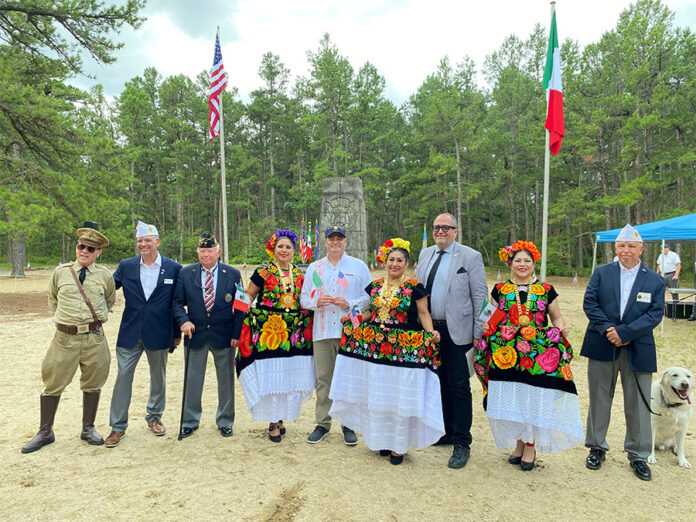
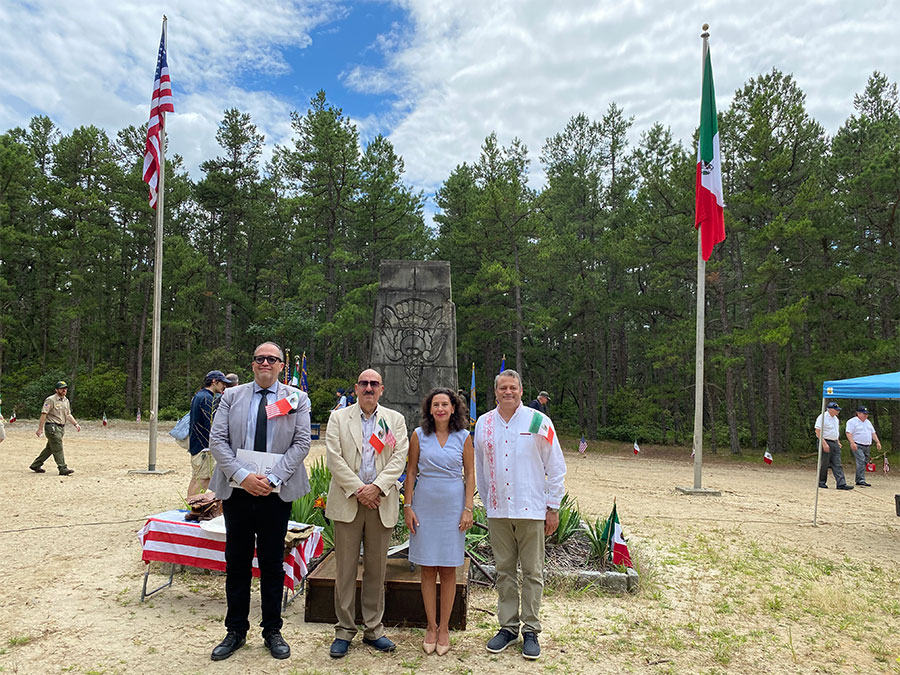
El sábado 13 de julio se llevó a cabo la 97ª Ceremonia Conmemorativa en honor al aviador mexicano, Capitán Emilio Carranza Rodríguez, en el Memorial Emilio Carranza ubicado en el Wharton State Forest, Nueva Jersey.
La ceremonia es una iniciativa del Mount Holly Post 11 de la Legión Americana en Nueva Jersey, en colaboración el Consulado de México en Filadelfia, que tiene el objetivo de mantener viva la memoria del Capitán Carranza y su histórico viaje de Buena Voluntad entre México y Estados Unidos en 1928.
El Capitán Carranza, originario de Coahuila, México, salió la mañana del 11 de junio de 1928 de la Ciudad de México con la intención de realizar un vuelo directo a Washington, D.C. a bordo de su avión “México-Excélsior”.
Las condiciones meteorológicas obligaron al piloto a realizar un aterrizaje de emergencia el 12 de junio de 1928 en Mooresville, Carolina del Norte. Sin embargo, ese mismo día el Capitán Carranza retomó su trayecto y logró aterrizar horas más tarde en la capital estadounidense.
El vuelo fue ampliamente reconocido por lo que se ofrecieron diversas cenas y recepciones en honor del piloto mexicano, entre las cuales destacó la ofrecida por el Presidente de los Estados Unidos, Calvin Coolidge, en la Casa Blanca.
Posteriormente, el Capitán Carranza voló de Washington, D.C. a Detroit en compañía de Charles A Lindbergh, y luego se dirigió a New York, desde donde se programó su regreso a México.
El 2 de julio el piloto mexicano estaba listo para partir, pero las condiciones climatológicas le obligaron a cancelar su vuelo. El 12 de julio una vez más el piloto tiene que cancelar su vuelo por mal tiempo. Sin embargo, la noche de ese mismo día, acatando las instrucciones de sus superiores militares que le exigieron regresar a México, el Capitán Carranza despegó a las 7:18 p.m. en medio de una tormenta.
Al día siguiente, 13 de julio de 1928, el mundo se enteraría que el Capitán Carranza había fallecido luego de que el “México Excélsior” se había estrellado en Nueva Jersey a causa del mal clima.
Por su valor, arrojo y dado que fue un pionero de los vuelos sin escala y de larga distancia, al Capitán Emilio Carranza Rodríguez es conocido como el Charles Lindbergh mexicano.
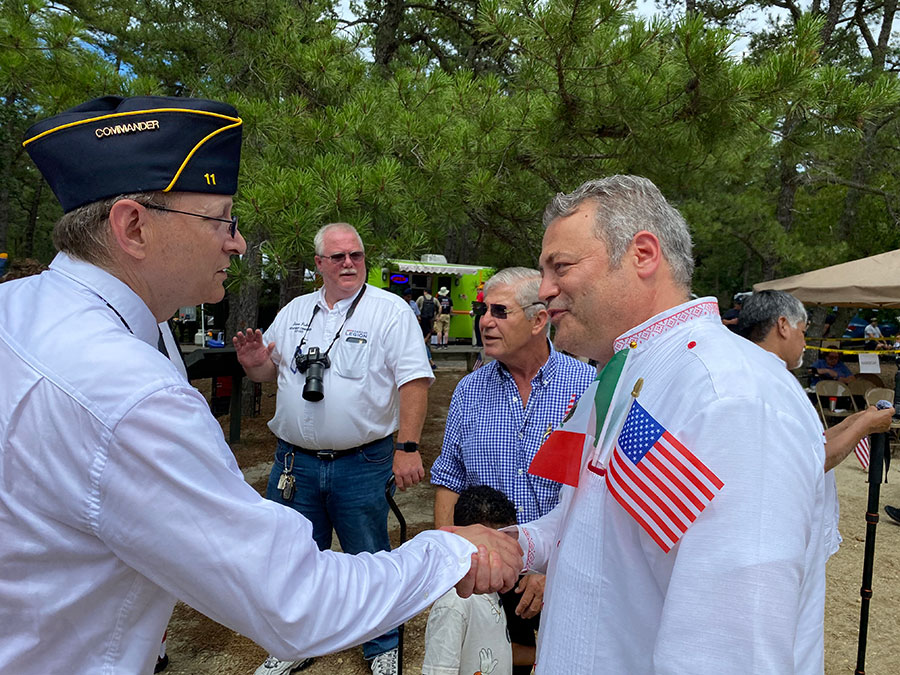
En la ceremonia conmemorativa se contó con la presencia del Ing. Venustiano Carranza, primo segundo del Capitán Carranza y nieto del ex presidente de México Venustiano Carranza, miembros de la Legión Americana en Nueva Jersey, representantes de los Consulados de México en Filadelfia, Nueva York y New Brunswick, así como de miembros de la comunidad mexicana en la región.
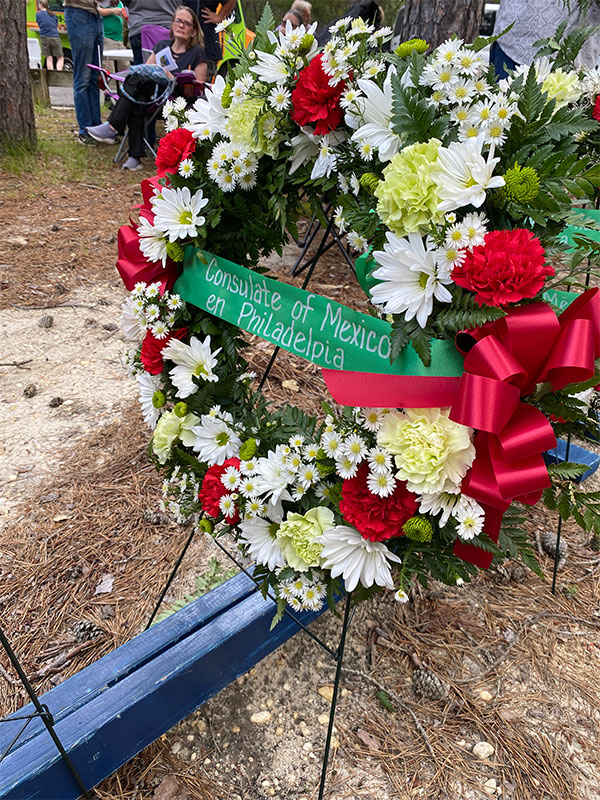
Durante la ceremonia, el Cónsul de México en Filadelfia, Carlos G. Obrador Garrido Cuesta, colocó una ofrenda floral en el memorial al Capitán Emilio Carranza y pronunció, frente a más de 100 personas, unas palabras donde mencionó que el viaje de Buena Voluntad del joven piloto marcó un hito que simboliza la amistad y colaboración entre México y Estados Unidos. Asimismo, expresó su reconocimiento a la Legión Americana en Nueva Jersey por sus esfuerzos para conservar viva la memoria del piloto mexicano.
“Esta ceremonia es un símbolo de los inquebrantables lazos de amistad que unen a Estados Unidos con México”, señaló el Cónsul Carlos Obrador. “Por casi un centenario ha sido, además, una oportunidad para promover la hermandad entre la comunidad militar y aeronáutica de la región con la de nuestro país.”.
El Consulado de México en Filadelfia reconoce el compromiso y el ejemplo del Mount Holly Post 11 de la Legión Americana en el sur de Nueva Jersey para mantener viva la historia compartida entre estas dos naciones.