Washington.- El Partido Republicano de Estados Unidos aprobó este lunes un programa electoral que incluye llevar a cabo la mayor deportación de migrantes de la historia del país en caso de que su candidato, Donald Trump, gane las elecciones del próximo 5 de noviembre.
El Comité Nacional Republicano (RNC, en inglés) avaló un programa de 20 puntos para un eventual segundo mandato de Trump (2017-2021), quien será nominado formalmente por el partido durante la convención que se llevará a cabo la semana que viene en Milwaukee (Wisconsin).
La lista, que adopta la retórica antiinmigración de Trump, propone «detener la invasión migrante» en Estados Unidos y «llevar a cabo la operación de deportación más grande de la historia» del país.
El programa político contempla también «poner fin a la inflación» y convertir a Estados Unidos en una potencia energética mundial.
En cuanto a la política exterior, el plan de Trump si regresa la Casa Blanca es «prevenir la Tercera Guerra Mundial, restaurar la paz en Europa y en Oriente Medio».
Propone además construir «un gran escudo defensivo contra misiles» en Estados Unidos al estilo de la Cúpula de Hierro israelí y «deportar a radicales pro-Hamás» que participen en protestas universitarias.
También plantea «acabar con los cárteles de drogas extranjeros y aplastar la violencia de las pandillas», además de modernizar el Ejército estadounidense para que sea «el más fuerte y poderoso del mundo».
Su propuesta económica es mantener el dólar estadounidense como la principal divisa mundial y evitar recortes en el programa de salud pública Medicare.
El programa republicano amenaza con recortar la financiación federal a los colegios que hablen sobre racismo y sobre identidad de género porque cree que son contenidos «inapropiados» para los niños.
También está en contra de que las mujeres trans puedan participar en competiciones deportivas femeninas.
Asimismo, promete proteger la integridad de las elecciones, agitando de nuevo el fantasma del fraude electoral, una teoría en la que Trump ha insistido sin pruebas desde que perdió contra Joe Biden en las elecciones de 2020.
El magnate neoyorquino, quien ya fue presidente entre 2017 y 2021, arrasó en las primarias del Partido Republicano aunque no será refrendado oficialmente como candidato hasta la Convención Nacional Republicana del 15 al 18 de julio en Milwaukee.
La unidad dentro del partido a favor de Trump contrasta con lo que ocurre en las filas demócratas, donde Biden está cada vez más cuestionado debido a su mal papel en el primer debate electoral del pasado 27 de junio.
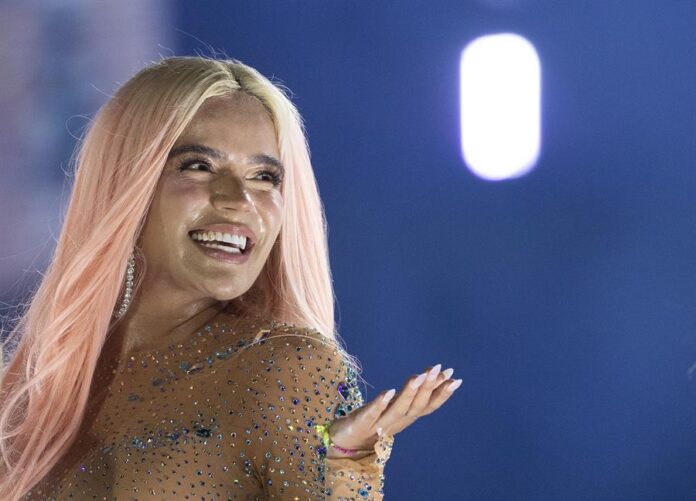
Imagen de archivo de la cantante colombiana Karol G. EFE/Orlando Barría
Madrid.- La plataforma española de televisión Movistar Plus+ estrena este lunes un nuevo documental en torno al último gran género surgido en el mundo, el reguetón, en un intento por mostrar las razones de su éxito más allá de prejuicios y desmontar falsas ideas.
A lo largo de tres episodios dirigidos por Elena Pascual y José María Clemente, iconos como el estadounidense Justin Quiles, los españoles Omar Montes y La Mala Rodríguez o la panameña Lorna, responsable del éxito ‘Papi Chulo’, se asoman a esta ventana para ofrecer su perspectiva.
Promotores, responsables de casas discográficas, periodistas e incluso antropólogos se unen a ellos para establecer en primer lugar el marco espacial y temporal en el que surge este estilo.
Se cuenta que nace por la influencia del «dancehall» jamaicano que trabajadores antillanos llevaron a Panamá durante la construcción del canal. Ya «latinizada», la mezcla acaba en Puerto Rico, donde se acuña el término reguetón como fruto de unos maratones de reggae que solían celebrarse allí.
A menudo confundido con otras corrientes de la música urbana latina, una de las primeras bases que intenta asentar el documental es qué es reguetón y qué no, en función del patrón rítmico fundamental del «dembow».
Se llega a una de las conclusiones más curiosas del documental: que hay temas como ‘Girasoles’ de la española Rozalén que, con bandurria y todo, apuntan claramente hacia el reguetón, mientras que éxitos globales como la ‘Bzrp Music Sessions, vol. 53’ del argentino Bizarrap y la colombiana Shakira no lo son.
No es la única idea que intenta desmontar esta producción, que centra todo su segundo capítulo (titulado ‘Motomamis’) en mostrar cómo pasó de ser un género en el que las mujeres apenas tenían presencia a ser el terreno en el que, según el periodista Victor Lenore, «una artista femenina puede llegar tan lejos como uno masculino».
«En la primera etapa del reguetón había letras inaceptables que reproducían o amplificaban ese discurso sexista que es un reflejo de la cultura latina que en época colonial estableció como una dominación masculina, que algunos autores incluso relacionan con el esclavismo y las violaciones de mujeres por los colonos», apunta el antropólogo Carles Freixa.
Frente a ese modelo, muy criticado en su momento, surge una hornada de mujeres fuertes como Rosalía, Karol G, Becky G o el duo K-Narias, esta últimas precursoras del reguetón en España, que no solo utilizan esta música como vía de empoderamiento, sino que sitúan su propio placer en el centro de la conversación.
A pesar de que, como destaca la cantante Zahara, «hasta John Lennon decía en una canción que te iba a matar si te veía hablando con otro», el presunto machismo del reguetón es uno de los estigmas que aún arrastra el estilo, que hubo de superar numerosos prejuicios en España, quizás por su origen humilde.
«Estamos muy incómodos disfrutando la misma música que el mensajero ecuatoriano que nos trae los paquetes o la señora que nos limpia la casa una vez a la semana. Y también hay algo de sentimiento colonial, porque nosotros, que somos los colonizadores, vamos a sacar cosas, no a aprender de ellos», opina Lenore al respecto.
Juan Magán, embajador del electrolatino, se une a la conversación al recordar cómo al principio le recriminaban que hiciese «música de panchitos». «Gracias a Dios los prejuicios no son los de antes», concluye el artista español.
Hasta un Premio Nacional de Música de España como Rodrigo Cuevas admite su gusto por disfrutar ocasionalmente de una música que se ha convertido en el último gran género acuñado en el mundo, probablemente el que mejor definirá lo específico de esta era.
«Es un cambio de paradigma total, no podemos hablar ni de moda ni de tendencia, es una realidad histórica», asevera Melani Parejo, la directora de Música para el sur y este de Europa de Spotify tras los tres años consecutivos, de 2020 a 2022, en los que Bad Bunny se convirtió en el artista más escuchado del planeta… cantando en español.
La Administración de Joe Biden ha anunciado dos nuevas acciones ejecutivas que podrían dar alivio a miles de inmigrantes indocumentados en Estados Unidos. La primera tiene como objetivo agilizar el proceso mediante el cual los indocumentados casados con ciudadanos estadounidenses, pueden solicitar la residencia permanente.
La medida es muy acertada porque, de acuerdo con estimaciones, beneficiará aproximadamente a medio millón de personas. Permitirá que quienes ingresaron de forma ilegal, pero tienen más de 10 años en el país y estén casados con ciudadanos americanos, tengan la posibilidad de obtener una figura llamada “parole in place”.
Se trata de una ficción jurídica que funciona como si la persona hubiera ingresado de forma legal. Esto viabilizará que pueda, sobrevenidamente, pedir la residencia legal permanente, sin exponerse a una entrevista consular. La inmensa mayoría tiene temor a la entrevista, porque es una realidad que muchas terminan en una negación de visa y en la separación de las familias.
La medida favorece a las personas que han vivido en Estados Unidos por más de 10 años. Al igual que en otros procesos, hay que demostrar el tiempo a través de cualquier tipo de evidencia primaria o secundaria: puestos de trabajo, ingresos, seguro médico, inscripciones de hijos en el colegio, estados bancarios, registro de vehículo, licencia de conducir, compra de vivienda, etcétera. También pueden incorporarse figuras como los “affidavit” (declaraciones juradas de terceros), que justifiquen la permanencia.
La segunda orden ejecutiva anunciada por la Casa Blanca permitirá que algunos emigrantes indocumentados obtengan visas de empleo. Lo importante es que la mayoría de los dreamers o beneficiarios de DACA podrían recobrar el estatus jurídico migratorio que perdieron en un momento determinado.
Aunque no es exclusiva para los dreamers, beneficia a todos aquellos que han pasado por una institución de educación superior, es decir, universitaria. En teoría, es como una suerte de premio o recompensa a su esfuerzo para llegar a ese nivel.
De momento, y mientras se publican otros detalles, lo más importante es que los posibles beneficiarios acudan inmediatamente al abogado de inmigración de su confianza. Las solicitudes deben plantearse de la manera más rápida posible, porque estamos en vísperas de elecciones presidenciales. Es decir, en época de posibles cambios o acciones judiciales.
* Héctor Benítez Cañas es abogado de inmigración en Miami. Su firma Benme Legal se dedica a la práctica exclusiva de la Ley de Inmigración. https://www.benmelegal.org/
En los últimos años hemos sido testigos del aumento en la frecuencia y la intensidad de los huracanes en diferentes partes del mundo. Estos fenómenos naturales representan una amenaza significativa para la seguridad de las personas y la infraestructura, especialmente en áreas costeras como Estados Unidos, Puerto Rico y República Dominicana. Como arquitecta y constructora, es fundamental comprender y promover la construcción resiliente, que permita enfrentar estos desafíos y proteger nuestras viviendas y oficinas de los impactos devastadores de los huracanes.
Huracanes como Katrina en 2005 y Harvey en 2017 dejaron una estela de destrucción y recordaron la importancia de la resiliencia en la planificación y construcción de viviendas y oficinas. En Puerto Rico, San Felipe en 1928 y María en 2017 son dos ejemplos de la devastación.
La construcción resiliente se refiere a la capacidad de una estructura para resistir y recuperarse de los impactos de eventos extremos, como huracanes. En este sentido, existen varios factores a considerar para lograr una construcción más resistente y segura.
En primer lugar, es esencial llevar a cabo inspecciones estructurales regulares para identificar posibles debilidades y áreas que requieran refuerzo. Estas inspecciones deben ser realizadas por profesionales calificados en el campo de la construcción y la ingeniería, quienes podrán detectar cualquier problema estructural y proponer soluciones adecuadas.
Una vez identificadas las debilidades, es importante fortalecer los elementos estructurales clave de la construcción, como columnas, vigas y muros. Esto puede lograrse utilizando refuerzos adicionales como barras de acero y placas de refuerzo, que ayudarán a mejorar la resistencia de la estructura ante los fuertes vientos y las cargas generadas por el huracán.
Es fundamental actualizar los sistemas de sujeción de techos, paredes y otros elementos. Esto implica asegurar adecuadamente estas partes de la estructura para que puedan resistir las fuerzas generadas por el viento y evitar que se desprendan o colapsen durante un huracán.
La instalación de ventanas y puertas impacto-resistentes también es una medida efectiva. Estos elementos están diseñados para resistir los impactos de objetos voladores y los vientos fuertes, evitando así la entrada de aire y agua en el interior de la construcción.
Además revisar y/o aplicar técnicas de impermeabilización en techos, paredes y cimientos para prevenir filtraciones de agua. Esto puede incluir el uso de selladores y revestimientos impermeables que eviten que el agua ingrese a la construcción y cause daños adicionales.
Asimismo, se recomienda la implementación de sistemas de drenaje eficientes para dirigir el agua de lluvia lejos de la construcción. Esto ayudará a prevenir inundaciones y acumulación de agua alrededor de la estructura, lo que podría comprometer su integridad y causar daños significativos.
Las regulaciones y códigos desempeñan un papel fundamental en la promoción de la construcción resiliente. Estas normativas deben actualizarse y cumplirse. La construcción resiliente es esencial para proteger nuestras viviendas y oficinas en áreas propensas a huracanes. La inversión en construcción resiliente no solo nos brinda protección ante los desastres naturales, sino que también contribuye al desarrollo sostenible y al bienestar de las personas.
* Yermys Peña es arquitecta, especialista en ciudades inteligentes y sostenibles. IG @yermyspena www.yermyspena.com
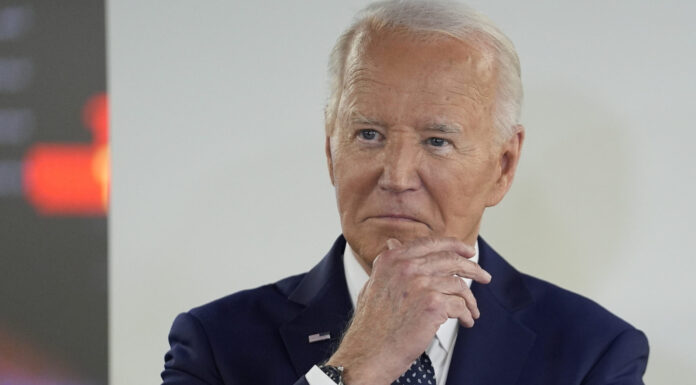
El presidente Joe Biden escucha en una visita al Centro de Operaciones de Emergencia de Washington D.C., el martes 2 de julio de 2024, en Washington. (AP Foto/Evan Vucci)
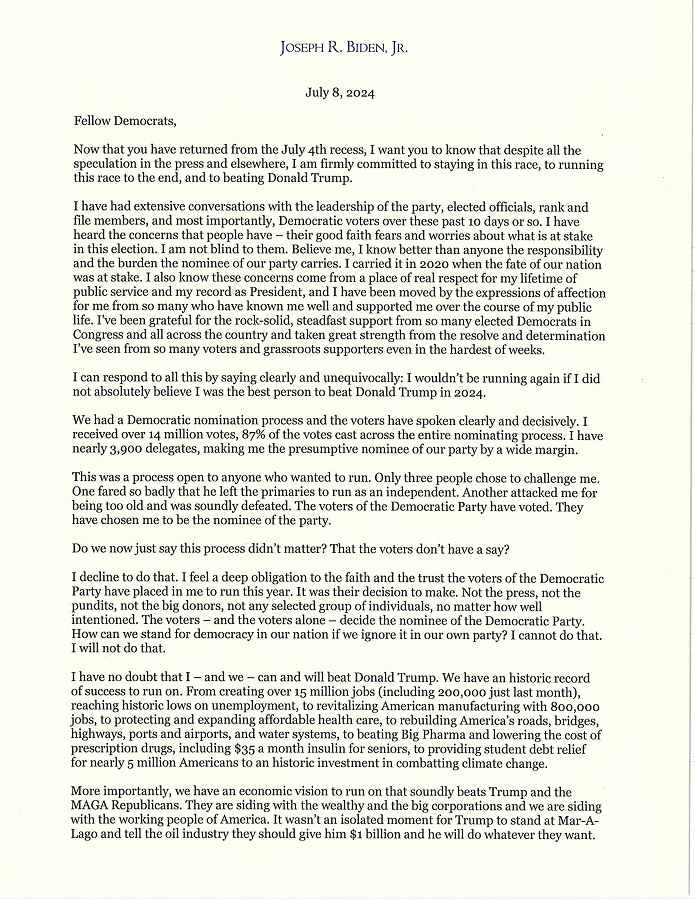
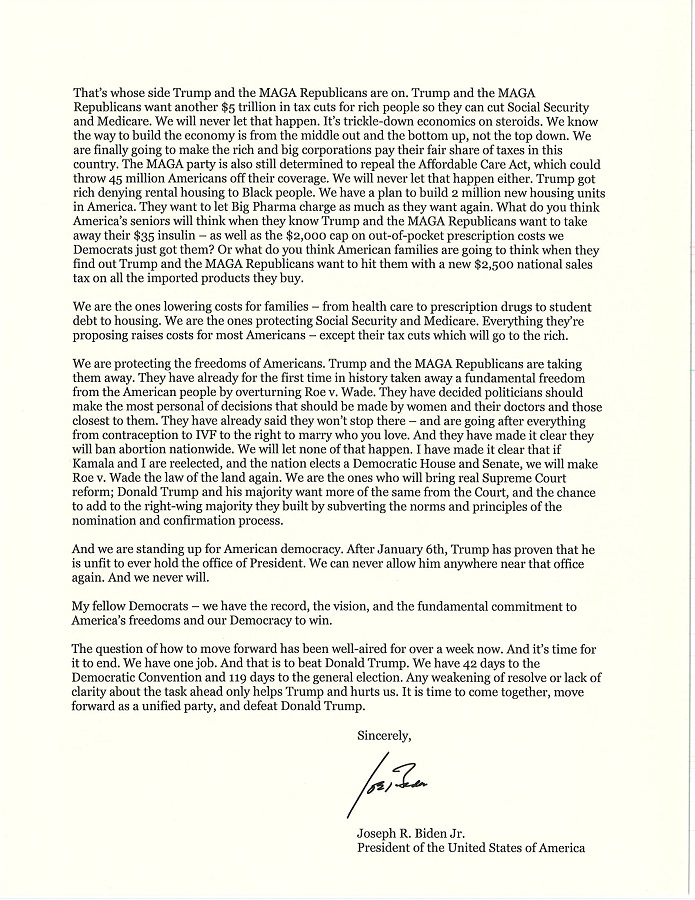
Compañeros demócratas,
Ahora que han regresado del receso del 4 de julio, quiero que sepan que a pesar de todas las especulaciones en la prensa y en otros espacios, estoy firmemente comprometido a permanecer en esta contienda, a llegar hasta el final y a vencer a Donald Trump.
He tenido extensas conversaciones con los líderes del partido, funcionarios electos, miembros de base y, lo más importante, con votantes demócratas durante estos últimos 10 días.
He escuchado las preocupaciones de la gente y los miedos que expresan de buena fe, sobre lo que está en juego en estas elecciones. No soy ajeno a ello. Créanme, conozco mejor que nadie la responsabilidad y la carga que conlleva ser el candidato de nuestro partido. La llevé sobre mis hombros en 2020 cuando estaba en juego el destino de nuestra nación. También sé que estas preocupaciones provienen de un genuino respeto por mi vida de servicio público y mi historial como presidente, y me han conmovido las expresiones de afecto hacia mí de tantas personas que me conocen bien y me han apoyado a lo largo de mi vida pública.
He estado agradecido por el apoyo sólido y firme de tantos demócratas electos en el Congreso y en todo el país, y he recibido gran fortaleza de la resolución y determinación que he visto en tantos votantes y partidarios de base, incluso en los momentos y semanas más difíciles.
Puedo responder a todo esto diciendo clara e inequívocamente: no volvería a postularme a la presidencia si no creyera absolutamente que soy la mejor persona para vencer a Donald Trump en 2024.
Tuvimos un proceso de nominación demócrata y los votantes hablaron clara y decisivamente. Recibí más de 14 millones de votos, el 87% de los votos emitidos durante todo el proceso de nominación. Tengo casi 3.900 delegados, lo que me convierte en el presunto candidato de nuestro partido por un amplio margen.
Este fue un proceso abierto a cualquiera que quisiera postularse. Sólo tres personas eligieron desafiarme. A uno le fue tan mal que abandonó las primarias para presentarse como independiente. Otro me atacó por ser demasiado mayor y fue completamente derrotado. Los votantes del Partido Demócrata han votado. Me han elegido para ser el candidato del partido.
¿Diremos ahora simplemente que este proceso no importó? ¿Que los votantes no tienen voz y voto?
Me niego a hacer eso. Siento una profunda obligación hacia la fe y la confianza que los votantes del Partido Demócrata han depositado en mí para postularme este año. Fue su decisión. Ni la prensa, ni los expertos, ni los grandes donantes, ni ningún grupo selecto de personas, por muy bienintencionadas que sean. Los votantes, y sólo los votantes, deciden el candidato del Partido Demócrata. ¿Cómo podemos defender la democracia en nuestra nación si la ignoramos en nuestro propio partido? No puedo hacer eso. No haré eso.
No tengo ninguna duda de que yo, y nosotros, podemos y venceremos a Donald Trump. Podemos basarnos en nuestro récord histórico de éxitos para competir. Desde la creación de más de 15 millones de puestos de trabajo (incluidos 200.000 tan solo el mes pasado), el logro de mínimos históricos en materia de desempleo, la revitalización de la industria manufacturera estadounidense con 800 mil puestos de trabajo, la protección y ampliación de la atención médica asequible, la reconstrucción de carreteras, puentes, autopistas, sistemas de agua, puertos y aeropuertos de Estados Unidos; hasta vencer a las grandes farmacéuticas y reducir el costo de los medicamentos recetados, incluida la insulina de 35 dólares al mes para las personas mayores, brindar alivio de la deuda estudiantil a casi 5 millones de estadounidenses e impulsar una inversión histórica en la lucha contra el cambio climático.
Más importante aún, tenemos una visión económica sobre la que basarnos que supera ampliamente a Trump y a los republicanos MAGA. Ellos están del lado de los más ricos y las grandes corporaciones y nosotros estamos del lado de los trabajadores de Estados Unidos. No fue un hecho aislado que Trump se parara en Mar-A-Lago y le dijera a la industria petrolera que deberían darle mil millones de dólares y que él haría lo que quisieran.
De ese lado están Trump y los republicanos MAGA. Trump y los republicanos MAGA quieren otros 5 billones de dólares en recortes de impuestos para los ricos para qué puedan recortar el Seguro la Seguridad Social y Medicare.
Nunca dejaremos que eso suceda. Es una economía de goteo “trickle-down economics” en esteroides. Sabemos que la manera de construir la economía es desde el medio hacia afuera y desde abajo hacia arriba, no desde arriba hacia abajo.
Finalmente vamos a hacer que los ricos y las grandes corporaciones paguen lo que les corresponde en impuestos en este país. El partido MAGA también sigue decidido a derogar la Ley del Cuidado de la Salud a Bajo Costo, que podría dejar sin cobertura a 45 millones de estadounidenses. Tampoco dejaremos que eso suceda nunca.
Trump se hizo rico negando viviendas de alquiler a los afroamericanos. Tenemos un plan para construir 2 millones de nuevas viviendas en Estados Unidos. Quieren dejar que las grandes farmacéuticas vuelvan a cobrar todo lo que quieran. ¿Qué creen que pensarán las personas mayores de Estados Unidos cuando sepan que Trump y los republicanos MAGA quieren quitarles su insulina a 35 dólares, así como el límite de 2.000 dólares en los costos de bolsillo en los medicamentos recetados que los demócratas les acabamos de dar? ¿O qué creen que van a pensar las familias estadounidenses cuando se enteren de que Trump y los republicanos MAGA quieren imponerles un nuevo impuesto nacional a las ventas de 2.500 dólares sobre todos los productos importados que compren?
Somos nosotros quienes reducimos los costos para las familias, desde la atención médica, los medicamentos recetados, la deuda estudiantil y la vivienda. Somos nosotros quienes protegemos el Seguro Social y Medicare. Todo lo que proponen eleva los costos para la mayoría de los estadounidenses, excepto los recortes de impuestos paraque irán a parar a los ricos.
Estamos protegiendo las libertades de los estadounidenses. Trump y los republicanos MAGA se las están arrebatando. Por primera vez en la historia, ya le han arrebatado una de sus libertades fundamentales al pueblo estadounidense al anular Roe v. Wade.
Han decidido que los políticos deberían tomar esas decisiones, las más personales, que solo deberían ser tomadas por las mujeres junto a sus médicos y sus seres más cercanos. Ya han dicho que no se detendrán allí y que van tras mucho más, desde los métodos anticonceptivos hasta la fertilización in vitro y el derecho a casarse con quien amas. Y han dejado claro que prohibirán el aborto en todo el país. No permitiremos que nada de eso suceda.
He dejado claro que, si Kamala y yo somos reelegidos, y la nación elige una Cámara y un Senado demócratas, volveremos a hacer de Roe v. Wade la ley del país. Somos nosotros quienes traeremos una verdadera reforma a la Corte Suprema; Donald Trump y su mayoría quieren más de lo mismo por parte de la Corte y la oportunidad de aumentar la mayoría de extrema derecha que construyeron subvirtiendo las normas y principios del proceso de nominación y confirmación.
Y estamos defendiendo la democracia estadounidense. Después del 6 de enero, Trump ha demostrado que no es apto para ocupar el cargo de presidente. No podemos permitirle nunca más acercarse a esa oficina. Y nunca lo haremos.
Mis queridos demócratas, tenemos el historial, la visión y el compromiso fundamental con las libertades de Estados Unidos y nuestra democracia para ganar.
La pregunta de cómo avanzar se viene planteando desde hace más de una semana. Y es hora de que termine. Tenemos un trabajo. Y eso es vencer a Donald Trump. Tenemos 42 días para la Convención Demócrata y 119 días para las elecciones generales. Cualquier debilidad en nuestra resolución o falta de claridad sobre la tarea que tenemos por delante sólo ayuda a Trump y nos perjudica a nosotros. Es hora de unirnos, avanzar como un partido unificado y derrotar a Donald Trump.
Atentamente, Joseph R. Biden Jr. Presidente de Estados Unidos de América
Conditt IV de Puerto Rico abraza a Piculín Ortiz tras derrotar este domingo por 79-8 a Lituania y obtener la clasificación para los Juegos Olímpicos de París en calidad de campeón del Torneo jugado en el Coliseo José Miguel Agrelot, de San Juan. EFE/ Thais Llorca
San Juan.- La selección de baloncesto de Puerto Rico obtuvo este domingo en su casa la clasificación para los Juegos Olímpicos de París 2024 después de una ausencia de veinte años al doblegar a Lituania por 79-68.
El baloncesto puertorriqueño participó por última vez en uno Juegos Olímpicos en la edición de Atenas 2004, cuando hizo historia al convertirse en la primera selección que ganó a la de Estados Unidos.
Puerto Rico abrió el periodo inicial guiado por el armador José Alvarado, quien fue proclamado el Mejor Jugador del torneo. Pronto puso ocho puntos y abrió una ventaja de 6-14.
No obstante, Lituania, la décima potencia del baloncesto mundial, respondió con una seguidilla a partir de su estrella, el pívot Domantas Sabonis, hasta pasar a la delantera con 14-17.
Pero, tras un triple de Davon Reed y una canasta de Jordan Howard, Puerto Rico igualó 19-19 antes del fin del primer cuarto.
En el segundo, Lituania volvió a la carga con un avance de 6-0 y dieron forma a l ventaja con un 20-25. El seleccionador puertorriqueño, Nelson Colón, debió pedir tiempo para reajustar sus líneas.
En ese descanso, Colón reforzó el trabajo de Alvarado con Tremont Waters.
La combinación fue vital para la ofensiva puertorriqueña, que retomó el control y la a 32-34. Entonces el técnico lituano Kazys Maksvytis apeló al tiempo técnico para ajustar el entramado de su equipo mientras en las tribunas festejaban más de 12.000 aficionados, incluidos los cantantes Bad Bunny y Ozuna.
Luego, Lituania se acercó al marcador con un triple de Arnas Butkevicius 35-37, pero nuevamente apareció la figura de Waters y con dos puntos y amplió a 39-35 para cerrar la primera parte del encuentro.
Para el tercer periodo, nuevamente el poder ofensivo de Waters y Alvarado por Puerto Rico fue devastador para Lituania, pues entre estos, anotaron los primeros 16 tantos de la escuadra caribeña, lo que los ayudó a tomar una cómoda delantera de 55-43.
Esta ventaja de doce puntos Puerto Rico la varió un poco por lo que restó de periodo hasta cerrarlo con ventaja de 62-50 para el cuarto y último parcial, en el que la escuadra caribeña continuó brillando hasta ganar y obtener el último boleto a la capital francesa.
– Ficha técnica:
79. Puerto Rico (19+20+23+18): Piñeiro (4), Conditt (6), Howard (12), Reed (5), Alvarado (23), Thompson (0), Ford (0), Clavell (5), Romero (2), Ortiz (4), Toro (0), Waters (18).
Árbitros: Antonio Conde (ESP), Yohan Rosso (FRA) y Andrés Bartel (URU).
Incidencias: Partido final del Torneo Preolímpico de baloncesto masculino jugado en el Coliseo de Puerto Rico, en San Juan, que otorgó una plaza para los Juegos Olímpicos de París 2024.
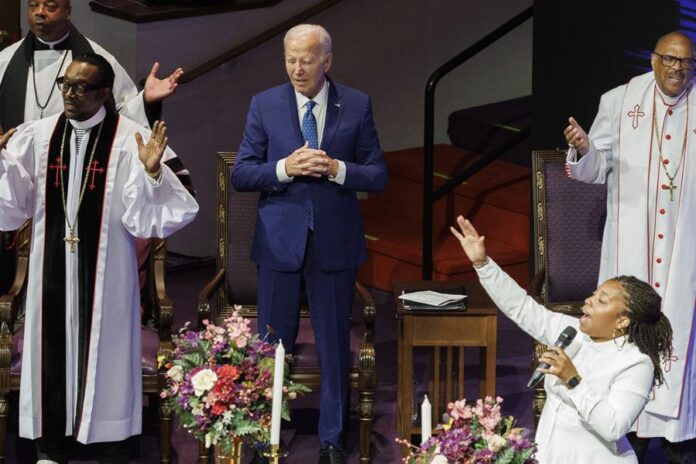
El presidente estadounidense Joe Biden (c) asiste al servicio en la Iglesia de Dios en Cristo Mt. Airy en Filadelfia, Pensilvania. EFE/EPA/SARAH YENESEL
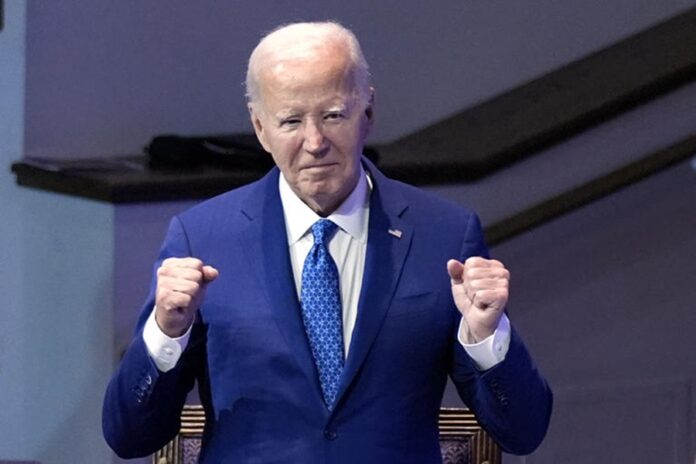
El presidente de Estados Unidos, Joe Biden, bromeó este domingo en un acto de campaña en Filadelfia (Pensilvania) sobre su edad al reconocer que no tiene 40 años, que ya los cumplió, para luego asegurar que el mundo mira a Estados Unidos para que «guíe sus esperanzas».
En un breve discurso tras un servicio religioso en la iglesia Mount Airy de Filadelfia, Biden dijo que «no es una broma» que el mundo mira a Estados Unidos y espera «no que cargue con su peso, sino que guíe sus esperanzas».
«Debemos recuperar la dignidad y la esperanza de Estados Unidos y unir nuevamente» a la nación, dijo Biden en un intento por transmitir una imagen de fortaleza a su campaña de reelección.
El presidente lucha por salvar su amenazada campaña de reelección, especialmente después de su cuestionada actuación en el cara a cara del pasado 27 de junio con el expresidente y precandidato republicano Donald Trump (2017-2021).
En el debate, el mandatario se mostró titubeante y no hiló frases de manera coherente.
Tras la débil intervención de Biden se han sucedido varias reuniones entre influyentes donantes demócratas y consultores en un intento por retener la confianza de los primeros, cuando cada vez son más los que amenazan con cortar el flujo de financiación al Partido Demócrata por la pérdida de confianza en el presidente.
En su breve acto de campaña en la iglesia, donde recibió el respaldo firme y entusiasta del pastor afroamericano Louis Felton y de los fieles, Biden señaló que hay que trabajar juntos, porque, «cuando lo hacemos así, no pueden pararnos».
Aseguró que nunca se ha sentido más optimista sobre el destino de Estados Unidos, y, para ello, hay que mantenerse unidos y proteger los derechos de todos los estadounidenses.
«Debemos asegurarnos de que la democracia funcione», apostilló Biden, quien indicó que está a punto de recibir en Washington a los líderes de las naciones integrantes de la OTAN.
Biden sigue manteniendo que no dejará la contienda y que es la persona «más cualificada» para liderar el país. En una entrevista emitida el viernes por la ABC, el presidente dijo que la única posibilidad de abandonar la carrera presidencial será que «el Señor Todopoderoso» se lo pida.
President Joe Biden attends a church service at Mt. Airy Church of God in Christ, Sunday, July 7, 2024, in Philadelphia (AP Photo/Manuel Balce Ceneta)
PHILADELPHIA — President Joe Biden urged supporters to stay unified behind him at a rousing Black church service Sunday where the pastor referenced biblical teachings in declaring “never count Joseph out,” and blamed jealousy for intensifying pressure from some Democrats to abandon his reelection bid.
Speaking from a stage flanked by sunshine from a pair of stained-glass windows at Mount Airy Church of God in Christ in northwest Philadelphia, the 81-year-old Biden laughed off concerns about his age, joking “I know I look 40” but “I’ve been doing this a long time.”
“I, honest to God, have never been more optimistic about America’s future if we stick together,” Biden said. He didn’t use a teleprompter, which has become more common since his disastrous debate performance last month but spoke from a prepared speech.
His remarks followed Pastor Louis Felton likening Biden to Joseph and the biblical story of his “coat of many colors.” Joseph was sold into slavery in Egypt by his jealous brothers, only to eventually obtain a high place in the kingdom of the pharaoh and have his brothers beg him for assistance without initially recognizing him.
“Never count Joseph out,” Felton implored. Then, referring to Democrats who have called on Biden to step aside, he said, «That’s what’s going on, Mr. President. People are jealous of you. Jealous of your stick-to-itiveness, jealous our your favor. Jealous of God’s hand upon your life.”
Later, Biden visited a campaign office in Philadelphia, telling those assembled “we need you to continue for the next 121 days” before the election. Also on hand was Sen. John Fetterman, a Pennsylvania Democrat who won a tough 2022 race while recovering from a stroke and offered a forceful endorsement of Biden, saying, “That’s our president, that’s your President, that’s my president.”
“There is only one guy that has ever beaten Trump and he is going to do It twice and put him down for good,” Fetterman said.
Biden also had a scheduled rally later with union members and local Democrats in Harrisburg, the capital of battleground Pennsylvania, before returning to Washington, where leaders from NATO countries will gather for a three-day summit beginning Tuesday to mark the military alliance’s 75th anniversary.
The dual appearances followed Biden joining a Saturday call with campaign surrogates, and reiterating that he has no plans to step aside. He listened to concerns and feedback while also pledging to campaign harder going forward and to hit the road more frequently, according to two people who spoke on condition of anonymity to discuss private conversations.
Still, the president’s political situation remains precarious.
Five Democratic lawmakers have already called on him to abandon his reelection bid ahead of November, and more could do so in the coming days, as Congress reconvenes. Meeting in person will give congressional Democrats a chance to discuss concerns about Biden’s ability to withstand the remaining four months of the campaign — not to mention four more years in the White House — and true prospects of beating former Republican former President Donald Trump.
On Sunday, Alan Clendenin, a Democratic Tampa city councilman and member of the Democratic National Committee said on Sunday, “I believe it is in the best interest of our country and the world that President Joe Biden step aside and allow Vice President Kamala Harris to carry forward his agenda as our Democratic nominee.”
And director Rob Reiner, a Hollywood stalwart who has helped fundraise for Biden, posted on X, “It’s time for Joe Biden to step down.”
Biden’s campaign team is quietly bracing for the chorus of those calling for him to leave the presidential race to grow in the coming days — holding the call with surrogates and calling and texting lawmakers to try and head off more potential defections. A weekend boost came for the president, though, from other key Democrats who had raised previous questions but now have moved to support him, led by Speaker Emerita Nancy Pelosi and Rep. James Clyburn of South Carolina.
With the Democratic convention fast approaching, the short term is especially critical. Since the debate, donors, strategists, lawmakers and their constituents have urged Democrats to replace him at the top of the ticket before, they argue, it’s too late.
Biden’s Friday interview with ABC has not convinced some who remain skeptical that he can resurrect his campaign. That’s part of the reason he headed to the friendly crowd at Mount Airy, where he entered to applause and a cry of “Let him know we are with him!” which drew a “Hallelujah!” The crowd also chanted, «Go, Joe!»
“There is no election we can not win,” Felton told those assembled. “We are together because we love our president.”
“He’s a fighter. He’s a champion. He’s a winner. Hallelujah!” the pastor said of Biden, before leading a prayer where he said, “Our president gets discouraged. But today, through your holy spirit, renew his mind, renew his spirt, renew his body. He’s the body we need these in terrible times.”
The visit gave Biden a chance to energize African-American voters, who are Democrats’ largest and most-loyal bloc of support. It could also send a message to members of the Congressional Black Caucus, whose endorsement the president will need as he works to quell potential rebellion on Capitol Hill.
At the Essence Festival of Culture in New Orleans on Saturday, Biden got enthusiastic support from four of the caucus’ members including California Democratic Rep. Maxine Waters, who is 85, drew a standing ovation by declaring, “People say Joe Biden’s too old. Hell, I’m older than Biden!”
“It ain’t gonna be no other Democratic candidate,” Waters said “and we better know it.”
Others aren’t fully convinced.
Democratic Sen. Chris Murphy of Connecticut told CNN that Biden «needs to answer those questions that voters have” but added, “If he does that this week, I think he will be in a very good position and we can get back to what this campaign needs to be.”
Biden has rejected undergoing independent cognitive testing, arguing that the everyday rigors of the presidency were proof enough of his mental acuity. Still, California Democratic Rep. Adam Schiff told NBC on Sunday that he’d be “happy if both the president and Donald Trump took a cognitive test.”
Schiff also warned that Biden needs to consider how he risks dragging down other Democrats: “Look, there are concerns with the impact on down ballot races if the president doesn’t do well.»
“You can only run so far ahead of the president,” he said.
And, as some Democrats have done, Schiff seized on Biden suggesting during the ABC interview that losing to Trump would be acceptable “as long as I give it my all.”
“This is not just about whether he gave it the best college try,» Schiff said “but rather whether he made the right decision to run or to pass the torch.”
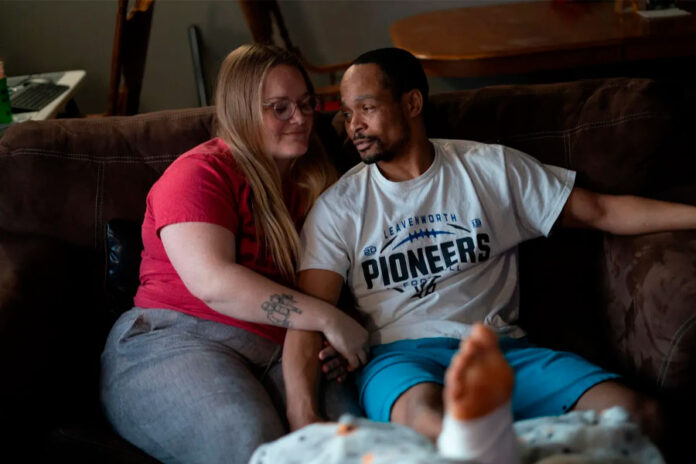
Jacob Gooch Sr. y Emily Tavis en su living en Leavenworth, Kansas, tres días después de que ambos resultaran heridos de bala en el tiroteo durante la celebración del Super Bowl de los Kansas City Chiefs en febrero. El hijo de Gooch también recibió un disparo. (Foto: KHN/CHRISTOPHER SMITH FOR KFF HEALTH NEWS)
Esas fueron las reacciones de algunas de las 20 víctimas de disparos del desfile del Super Bowl de los Kansas City Chiefs que el jueves 27 de junio recibieron $1.2 millones del fondo #KCStrong, con pagos individuales que van desde $22,000 hasta $100,000.
Chris Rosson, presidente y CEO de United Way of Greater Kansas City, dijo que los pagos ayudarán a estos sobrevivientes, reconociendo al mismo tiempo que la violencia con armas de fuego, como el tiroteo del 14 de febrero, ocurre todos los días en Kansas City, en general en comunidades de bajos ingresos que ya están desprovistas de recursos.
“Al lanzar el fondo, era importante para nosotros apoyar en primer lugar a las víctimas directas de la violencia de ese día, pero también proporcionar recursos financieros críticos a las organizaciones de prevención y respuesta a la violencia, de apoyo de salud mental y a los que proporcionan primeros auxilios”, dijo.
El tiroteo cerca de Union Station, hacia el final de desfile, dejó 24 personas heridas y una muerta: Lisa López-Galván, de 43 años, madre de dos hijos y popular DJ de música tejana.
Desde el tiroteo, algunas víctimas y sus familias han recibido facturas médicas por miles de dólares, por tratamientos en salas de emergencia, viajes en ambulancia, atención médica continua por las heridas de bala o consejería de salud mental.
Algunas todavía están luchando por volver al trabajo y dependen de una confusa red de asistencia de cuentas de GoFundMe y un grupo de iglesias locales.
Erika Nelson, cuya hija de 15 años, Mireya, recibió disparos en la barbilla y el hombro, dijo que el dinero de United Way es una bendición, pero que su hija todavía lucha con las heridas físicas y emocionales de la violencia.
“No me importa cuánto dinero sea. Podría ser un millón de dólares. Podrían ser mil millones. Nunca va a cambiar lo que mi hija vive todos los días”, dijo Nelson. El fondo #KCStrong fue lanzado por United Way el 15 de febrero, impulsado por una primera donación de $200,000 hecha por los Chiefs, la NFL y la familia Hunt, dueña del equipo. La Kauffman Foundation y una persona anónima fueron listados como los principales donantes, con $250,000 cada uno.
Los fondos no tienen restricciones, por lo que pueden usarse para facturas médicas, fondos universitarios para los niños heridos durante el desfile por la victoria de los Chiefs, o cualquier otra cosa que las familias necesiten.
Sarai Holguín, en la foto frente a su esposo, César, fue una de las 24 personas que sobrevivieron a heridas de bala durante la violencia en el desfile del Super Bowl de los Kansas City Chiefs en febrero. United Way of Greater Kansas City recaudó $2 millones y anunció el 27 de junio que $1,2 millones se destinarán a los sobrevivientes de los disparos. El dinero restante se distribuirá entre grupos comunitarios que trabajan para prevenir la violencia con armas de fuego. (Foto: CHRISTOPHER SMITH FOR KFF HEALTH NEWS)
Rosson dijo que el grupo creía que las víctimas y las personas más cercanas a ellas deberían decidir cómo gastar mejor el dinero. “Dar fondos sin restricciones directamente a esas víctimas de disparos verificadas les permite tomar las decisiones que son adecuadas para ellos y su familia, y el camino que seguirán”, dijo.
Kera Mashek, directora de comunicaciones del United Way local, dijo que el dinero cae bajo el paraguas de asistencia basada en necesidades y no estará sujeto a impuestos.
United Way trabajó con la Oficina del Fiscal del condado de Jackson, Missouri, para verificar a las víctimas. Veinte de las 24 víctimas recibieron compensaciones porque dos no aplicaron y un tercero rechazó la donación, dijeron funcionarios de United Way. A una cuarta víctima, no identificada, se le negaron los fondos porque está conectada al caso criminal, según Jean Peters Baker, fiscal del condado de Jackson.
No se nombró a ninguna de las víctimas en el anuncio del 27 de junio.
Emily Tavis dijo que se sentía “más que bendecida y abrumada por el agradecimiento” al recibir la asistencia. Tavis, su pareja, Jacob Gooch Sr., y su hijastro Jacob Gooch Jr. recibieron disparos en el desfile.
“Es un gran alivio poner las facturas al día”, dijo Tavis. Ella ya había comenzado a pagar cuentas de tarjetas de crédito con su parte del pago.
Antonio Arellano, cuyo hijo de 11 años, Samuel, recibió un disparo en el costado, dijo que el dinero fue una “gran ayuda” para la familia. Dijo que Samuel espera unas vacaciones en Florida y boletos de temporada para ver jugar a los Chiefs. Pero estar en grandes multitudes aún es difícil para Samuel, por lo que Arellano dijo que intentarán ir a un juego primero para ver cómo va.
James Lemons, a quien recientemente le extrajeron la bala alojada en su pierna, dijo que agradecía la ayuda y que se siente bendecido, pero también siente que el dinero ya se ha ido. Quiere devolver la ayuda que la familia recibió tras el tiroteo, incluido el dinero que pidió prestado para ayudarlos a mudarse luego que el dueño de la casa que alquilaban la vendiera poco después del desfile.
Más de 80 personas fueron pisoteadas en el caos generado tras los tiroteos, dijo Baker, agregando que también están entre las muchas víctimas del ataque. Sin embargo, no recibirán dinero del fondo.
Las campañas como #KCStrong que surgen tras tiroteos masivos deben equilibrar la distribución del dinero de manera lo suficientemente amplia como para incluir a las personas directamente afectadas sin disipar los recursos disponibles, según Jeff Dion del Mass Violence Survivors Fund. Esta organización sin fines de lucro ha ayudado a comunidades de todo el país a distribuir este tipo de fondos.
Por ejemplo, OneOrlando Fund, que surgió tras el tiroteo en el club nocturno Pulse en 2016, hizo una gama de pagos, incluyendo $350,000 a las familias de cada una de las 49 personas asesinadas, pero también $25,000 a cada una de las 182 personas que estaban en la discoteca pero no resultaron físicamente heridas.
Ese fondo recaudó $29.5 millones en comparación con los $2 millones recaudados en Kansas City.
El fondo de $31.4 millones que se recolectó en Las Vegas en 2017 tras el tiroteo masivo en un concierto con 22,000 asistentes no incluyó pagos a personas que no habían sido heridas.
Cerca de un millón de personas fueron al desfile del Super Bowl en febrero. “Cuando estás manejando dólares reales, tienes que encontrar una manera de poder servir al mayor número de personas con la mayor cantidad de dinero”, dijo Baker.
“Así que creo que esas fueron probablemente algunas de las decisiones que tuvieron que tomarse en este caso, lo cual es difícil, duro, pero también necesario”.
Los grupos comunitarios que recibieron cada uno $59,410, son: AdHoc Group Against Crime; Boys & Girls Clubs of Greater Kansas City; Center for Conflict Resolution; Guadalupe Centers; Kansas City Metropolitan Crime Commission; KC Common Good; KC Mothers in Charge; Lyrik’s Institution; Newhouse Domestic Violence Shelter; Rose Brooks Center; Transition Zone; The Battle Within; Uncornered, y University Health.
Otros esfuerzos también han destinado dinero a los sobrevivientes del tiroteo del desfile del Super Bowl. Las cuentas de GoFundMe han recaudado $667,785. Un grupo basado en la fe, llamado “The Church Loves Kansas City”, recaudó $184,500 y hasta ahora ha destinado más de $50,000 a gastos funerarios, procedimientos médicos, asesoramiento y gastos domésticos, dijo Gary Kendall, uno de sus líderes.
Esta historia fue producida por KFF Health News, una redacción nacional enfocada en el tratamiento en profundidad de temas de salud, que es uno de los principales programas de KFF, la fuente independiente de investigación de políticas de salud, encuestas y periodismo.
El presidente Joe Biden habla con reporteros en la pista del Aeropuerto Regional del condado de Dane, en Madison, Wisconsin, después de una visita de campaña, el viernes 5 de julio de 2024. (AP Foto/Manuel Balce Ceneta)
CHAPIN, Carolina del Sur, EE. UU.— El equipo de campaña del presidente Joe Biden proporcionó listas de preguntas previamente aprobadas a dos conductores de radio que sostuvieron las primeras entrevistas con el presidente tras su titubeante desempeño en el debate, revelaron el sábado ambos conductores.
Las apariciones de Biden en programas de radio dirigidos a personas de raza negra en los cruciales estados de Wisconsin y Pensilvania fueron sus primeras oportunidades de mostrar que podía responder preguntas y explicar sus antecedentes, después de un debate en que el presidente de 81 años tuvo repetidas dificultades para decir frases completas y plantear sus argumentos contra el republicano Donald Trump.
El conductor de radio Earl Ingram dijo el sábado que los asesores de Biden se pusieron en contacto directamente con él para la entrevista, difundida el jueves, y le enviaron anticipadamente una lista de cuatro preguntas, sobre las cuales no hubo negociación.
“Me dieron las preguntas exactas que debía hacer”, dijo Ingram, cuyo programa, “The Earl Ingram Show”, se emite en todo el estado a través de 20 emisoras de Wisconsin, en declaraciones a The Associated Press. “No hubo ningún intercambio”.
Pero, a partir del par de entrevistas por radio, la campaña de Biden planea abstenerse de ofrecer preguntas sugeridas a los presentadores, según una persona familiarizada con el proceso de reserva de entrevistas del candidato pero a la que no se le permite hablar públicamente sobre sus operaciones.
Sin embargo, aunque las entrevistas formaban parte de un esfuerzo para restaurar la fe en la capacidad de Biden, no sólo para gobernar durante los próximos cuatro años, sino también para hacer campaña exitosamente, la revelación generó dudas sobre si Biden es capaz de desempeñarse en momentos ad-hoc sin un guion, tras su desastrosa actuación en el debate.
Al presentarse con Ingram previamente en CNN, Andrea Lawful-Sanders —presentadora de “The Source”, en la estación WURD de Filadelfia— dijo que recibió una lista de ocho preguntas, de las cuales aprobó cuatro.
El equipo de campaña de Biden señaló que sugerir preguntas es una práctica común, e indicó que la aceptación de las preguntas no fue un prerrequisito para las entrevistas.
Lauren Hitt, vocera del equipo de campaña de Biden, dijo que “no es en absoluto una práctica infrecuente que los entrevistados compartan los temas que preferirían abordar”, y añadió que las preguntas enviadas a Ingram y Lawful-Sanders “eran relevantes para las noticias del día”, incluido el desempeño de Biden en el debate y “lo que ha hecho por los negros”.
También señaló que un canal de televisión de Virginia dijo que el equipo de campaña de Trump canceló una entrevista posterior al debate cuando el reportero del canal se rehusó a aceptar condiciones sobre sus preguntas. Hasta el momento, el equipo de campaña de Trump no ha contestado un mensaje donde se solicitan sus comentarios sobre sus prácticas de entrevistas, o si tales apariciones habían sido canceladas debido al tema.
Biden argumentó en el programa de Ingram que estaba en peligro mucho más que su propio futuro político, diciendo: “Hay mucho en juego. Yo sé que lo saben. Por la democracia, por la libertad… nuestra economía, todos están en juego”.
Ingram hizo cuatro preguntas en su entrevista de 18 minutos. Preguntó si Biden podría “hablar sobre algunos logros con que podemos o no estar familiarizados acerca de su historial, especialmente aquí en Wisconsin”, qué estaba en juego para los votantes negros en las elecciones, qué diría Biden a las personas que creen que su voto no importa, y si pudiera abordar su desempeño en el debate y un comentario que Trump hizo durante el debate sobre las personas que cruzan la frontera y aceptan lo que llamó “empleos negros”.
“No tuve un buen debate. Son 90 minutos en el escenario. Miren lo que he hecho en tres años y medio”, dijo Biden al responder la última pregunta antes de hablar durante varios minutos sobre Trump, la economía y los problemas de los veteranos de guerra.
Desde la entrevista con Biden, Ingram afirmó que las seis líneas telefónicas para su transmisión entre semana han estado saturadas de llamadas de personas que opinan sobre si Biden debería abandonar la contienda, estimando que más de dos tercios quieren que Biden continúe.
Cuando se le preguntó sobre la lista de preguntas, Ingram —que ha trabajado en la radio durante 15 años y dijo que no se considera periodista— respondió que la idea de recibir una lista de preguntas para un invitado le hizo reflexionar, pero también era una oportunidad quizás única en su carrera.
“Probablemente nunca lo habría aceptado, pero esta era una oportunidad para hablar con el presidente de Estados Unidos”, subrayó.