



Puedes encontrar la nota completa aquí
Hacia una economía inclusiva y sostenible: José Javier Rodríguez y el futuro del empleo en EE. UU.
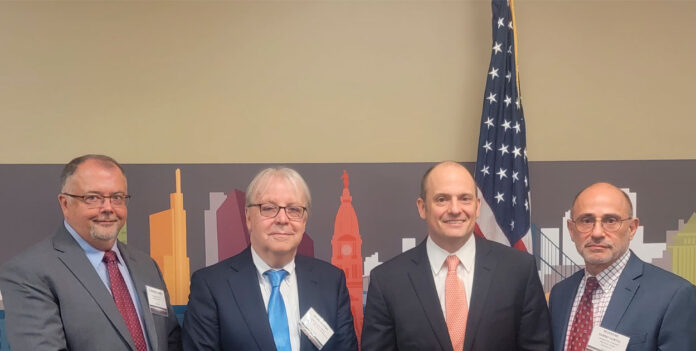
A la víspera del fin se semana del Dia del Trabajo en EE. UU. El subsecretario de Empleo de la administración Biden, José Javier Rodríguez, compartió a Impacto sus perspectivas sobre la labor que desempeña su oficina dentro del Departamento de Trabajo de Estados Unidos y la importancia de estas tareas para el futuro económico y laboral del país.
Rodríguez, quien dirige la Oficina de Empleos y Capacitación, explicó que su trabajo se centra en una amplia gama de estrategias para promover más y mejores empleos en todo el país. Este esfuerzo incluye la distribución de unos 6 mil millones de dólares anuales en financiamiento, trabajando en estrecha colaboración con gobiernos estatales y locales para asegurar que las oportunidades lleguen a todas las comunidades. “Nuestro objetivo es garantizar que cada rincón del país se beneficie de estos programas y que las oportunidades no se limiten a ciertos grupos o regiones”, mencionó Rodríguez.
El subsecretario destacó el enfoque de la administración Biden-Harris en cambiar estratégicamente la posición de Estados Unidos respecto a su fuerza laboral. Este gobierno ha hecho inversiones significativas en infraestructura, energía limpia y manufactura avanzada, que han conducido a la creación de cientos de miles de empleos bien remunerados.
Rodríguez enfatizó que es crucial no solo crear empleos, sino también asegurarse de que haya una fuerza laboral capacitada para cubrir estos puestos: “Es una gran meta para nosotros asegurar que toda esa industria y esas oportunidades tengan la fuerza laboral adecuada”.
Otro tema relevante abordado por Rodríguez fue la diversidad dentro de la administración Biden y su esfuerzo continuo para comunicarse directamente con la comunidad hispana. Señaló que el actual gobierno se ha distinguido por tener una representación diversa, no solo en términos de etnicidad sino también en cuanto a la capacidad de comunicarse en diferentes idiomas, algo que facilita una mejor conexión con variadas comunidades.
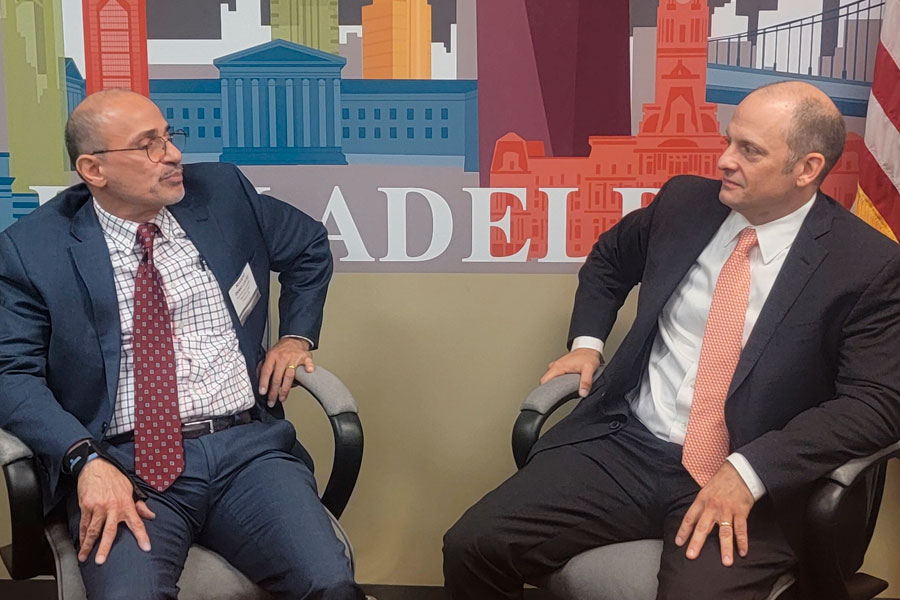
Rodríguez mencionó que una de las razones por las cuales fue elegido podría estar relacionada con su experiencia en el ámbito estatal en el desarrollo económico y en la protección de los trabajadores y sus comunidades. “El presidente valoró mi experiencia trabajando de cerca con los estados y gobiernos locales, lo cual es esencial en esta labor”, explicó.
El subsecretario también habló sobre la importancia de la migración y el desplazamiento tanto dentro como fuera de Estados Unidos, y cómo estos fenómenos están influenciados por factores como los desastres naturales y los cambios climáticos. Señaló que su oficina administra programas de respuesta rápida a desastres, con el objetivo de suavizar el impacto de estos eventos en las comunidades afectadas y asegurar que las personas tengan acceso a trabajos, en especial en labores de restauración y recuperación.
Para Rodríguez, cuando se habla de migración, “no solo nos referimos a la migración internacional, sino también a la interna, dentro de Estados Unidos”, y destacó la necesidad de estar preparados para estos movimientos poblacionales y verlos como oportunidades para fortalecer las comunidades locales.
Además, subrayó la necesidad de enfrentar la crisis climática a través de inversiones en infraestructura y energía limpia, así como la creación de empleos sostenibles que aborden estos desafíos. “Estamos viviendo tiempos en que los desastres naturales se están volviendo más frecuentes y severos, y es nuestro deber estar preparados para responder eficazmente a estas situaciones”, puntualizó.
Rodríguez subrayó los esfuerzos de su oficina para combatir la explotación laboral y mejorar las condiciones de trabajo, sobre todo para las comunidades migrantes. También se refirió a la promoción del modelo de “aprendizaje registrado”, que combina estudio y trabajo remunerado, y proporciona a las personas una vía para acceder a empleos bien remunerados en diversas industrias. “Estamos trabajando para asegurar que todos, independientemente de su origen o lugar de residencia, tengan la oportunidad de acceder a buenos trabajos a través de programas de aprendizaje registrado”, concluyó.
Las declaraciones de José Javier Rodríguez revelan el compromiso de la actual administración con la creación de empleos de calidad, la inclusión de diversas comunidades en el desarrollo económico y la preparación para los desafíos del futuro, como el cambio climático y la migración. Con un enfoque claro en la equidad y la sostenibilidad, Rodríguez y su equipo están trabajando para construir un mercado laboral más inclusivo y resiliente en Estados Unidos y eso es lo que lo trajo a Filadelfia el pasado 21 de agosto.
José Javier Rodríguez, subsecretario de Empleo y Capacitación Laboral de la Administración Biden
Antes de su nombramiento en el Departamento de Trabajo, Rodríguez fue socio del bufete de abogados Sugarman, Susskind, Braswell & Herrera PA, con sede en Miami. Su práctica legal se centró en salvaguardar los derechos de los trabajadores, abogar por prácticas laborales justas y garantizar que los fondos de pensiones y beneficios se gestionaran de acuerdo con los más altos estándares. Su profundo compromiso con los derechos laborales también se reflejó en su trabajo como educador. Rodríguez impartió cursos sobre derecho constitucional de Florida, temas avanzados de derecho laboral y defensa judicial en varias escuelas de derecho del estado, en las que compartió su experiencia y preparó a la próxima generación de profesionales legales.
Rodriguez sirvió durante ocho años en la Legislatura de Florida, primero en la Cámara de Representantes de Florida y luego en el Senado de ese estado. Electo en 2012 para representar a un distrito en el condado de Miami-Dade, rápidamente se estableció como un firme defensor de las familias trabajadoras, la sostenibilidad ambiental y la educación pública. Durante su mandato en el Senado de Florida, de 2016 a 2020, Rodríguez fue vicepresidente del Comité Judicial, donde desempeñó un papel clave en la formación de legislación sobre una amplia gama de temas, desde la reforma de la justicia penal hasta las leyes laborales. Su liderazgo en estas áreas le valió reconocimiento y numerosos premios de organizaciones que se centran en los derechos laborales, la protección del medio ambiente y el servicio comunitario.
Después de graduarse con una licenciatura en Artes de la Universidad de Brown, se unió al Cuerpo de Paz y sirvió como voluntario en Senegal, donde trabajó en proyectos de desarrollo comunitario. Su tiempo en el país africano profundizó su compromiso con la justicia social y la ciudadanía global, valores que han continuado guiando su trabajo a lo largo de su carrera. Después de su regreso del Cuerpo de Paz, Rodríguez obtuvo su Doctorado en Jurisprudencia de la Facultad de Derecho de Harvard, donde perfeccionó sus habilidades legales y desarrolló una pasión por utilizar la ley como herramienta para el cambio social positivo.
Además de su trabajo legal y legislativo, Rodríguez ha sido un líder activo en su comunidad. Ha participado en numerosas organizaciones cívicas y sin fines de lucro, con énfasis en temas como la conservación ambiental, la vivienda asequible y la educación pública. Sus esfuerzos para promover el desarrollo sostenible y proteger a las poblaciones vulnerables lo han convertido en una figura respetada tanto en lo legal como en el servicio público.
Está comprometido con promover políticas que aborden las barreras sistémicas del empleo, mejoren el acceso a la capacitación laboral y respalden las necesidades de los trabajadores en una economía en rápida evolución.
El Gobierno dominicano rechaza que aplique políticas migratorias racistas como denunció AI
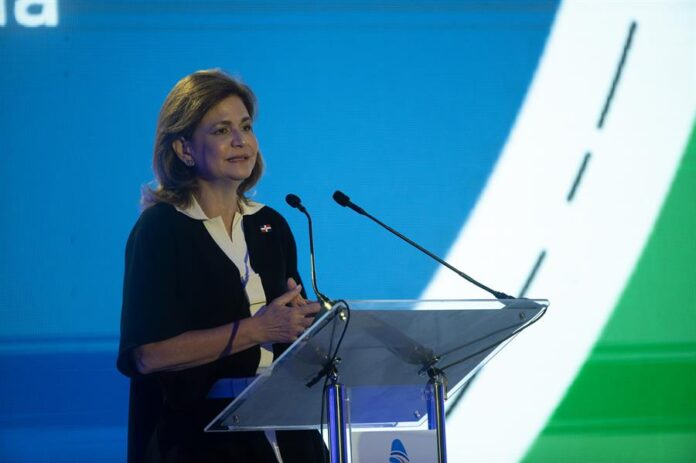
Santo Domingo.- El Gobierno dominicano rechazó que ejecute políticas migratorias racistas, como denunció la víspera la organización defensora de los derechos humanos Amnistía Internacional (AI).
La vicepresidenta dominicana, Raquel Peña, dijo en un acto público que el país lo que hace es «defender nuestra soberanía».
Peña agregó que los organismos internacionales «pueden decir lo que ellos quieran decir», pero les exigió que «respeten la soberanía nacional y las políticas nuestras que nunca han ido en detrimento de los inmigrantes, no importa de dónde vengan».
«Nosotros tenemos que seguir firmes defendiendo la soberanía nacional y en eso nosotros estamos», enfatizó la vicepresidenta.
En un comunicado emitido ayer, AI subrayó «la necesidad urgente» de que las instituciones dominicanas «erradiquen el perfilamiento racial, el racismo estructural y la discriminación racial y garanticen el respeto a la dignidad humana e integridad física de personas migrantes haitianas y personas dominicanas de ascendencia haitiana».
Es crucial, destacó la organización, que «se establezcan políticas migratorias que garanticen el respeto a la dignidad y los derechos humanos de todas las personas».
Desde 2022 República Dominicana se ha convertido en el país que deporta más personas haitianas en movilidad, a pesar del llamado en noviembre de 2022 del Alto Comisionado de las Naciones Unidas para los Refugiados (ACNUR) a los Estados para detener los retornos forzados a Haití ante la situación en ese país, de acuerdo con la entidad.
Según la Organización Internacional para las Migraciones (OIM), en 2023 fueron deportadas 208.166 personas haitianas, de ellas más de 20.000 adolescentes, niñas y niños, mientras que en lo que va de año, a pesar de la grave crisis en Haití, el Gobierno dominicano ha deportado a 98.594 personas, entre ellas más de 5.000 menores.
Amnistía Internacional «ha constatado que muchas de estas expulsiones han sido colectivas, violando el principio de no devolución y el derecho de asilo de las personas haitianas».
El inicio del nuevo Gobierno del presidente dominicano, Luis Abinader, «debe traer un compromiso irrestricto para superar los retos en materia de derechos humanos que hemos denunciado y documentado en estos últimos meses», apuntó la directora para las Américas de Amnistía Internacional, Ana Piquer.
Harris y Walz inician una gira por Georgia, mientras que Vance pide el voto en Pensilvania
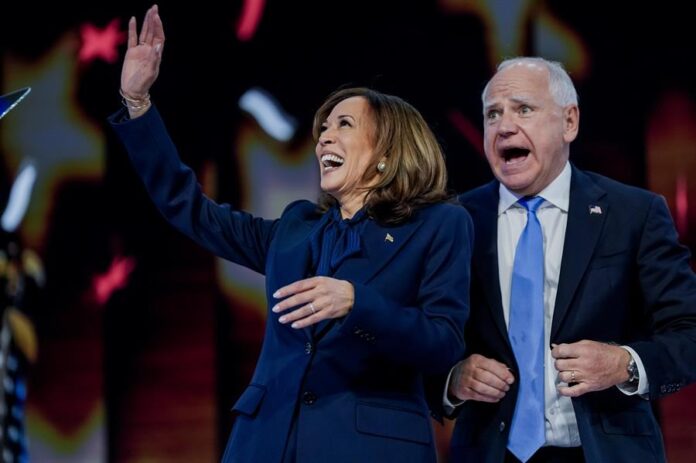
La vicepresidenta estadounidense y candidata demócrata, Kamala Harris, y su número dos, Tim Walz, iniciaron este miércoles una gira en autobús por Georgia, mientras que el candidato a vicepresidente de Donald Trump, JD Vance, hizo campaña en Pensilvania y en Wisconsin con enfoque en el votante de «cuello azul».
Harris y Walz comenzaron una gira de dos días por varias zonas rurales del estado de Georgia, que será clave para llegar a la Casa Blanca tras las elecciones del 5 de noviembre. Ambos recalarán en localidades rurales y del sur del estado como Savannah, Macon o Columbus, que suelen ser bastiones republicanos.
La media de encuestas en Georgia da una estrecha ventaja a Trump y la ofensiva demócrata busca ampliar la movilización de votantes más allá del caladero tradicional de Atlanta en un estado donde los márgenes que decidirán el estado podrían contarse por unas pocas decenas de miles.
«Hacer campaña en el sureste de Georgia es crítico, ya que representa a una coalición de votantes rurales, suburbanos y urbanos, con una alta proporción de votantes negros y de familias trabajadoras», informó la campaña de Harris.
Los republicanos confiaron en que los votantes de Georgia rechazarán las políticas de la «agenda peligrosamente liberal de Harris», que se centra en los problemas de inseguridad que en su opinión ha creado la inmigración indocumentada en los suburbios y en los campus universitarios del estado.
Por su parte, el candidato a vicepresidente republicano, el senador JD Vance, hizo campaña en el corazón del «Cinturón del Óxido», en Erie (Pensilvania). En unas instalaciones de una empresa de camiones, habló de la importancia de invertir en gasolina e hidrocarburos más baratos, en lugar de electrificar flotas.
A su juicio, Harris obligará a los transportistas a comprar camiones eléctricos y eso se traducirá en mayores costes y mayor aumento de la inflación.
Vance también se refirió al incidente el martes en el cementerio militar de Arlington en que un funcionario fue violentado por un miembro del equipo de Trump que quería sacar fotos y vídeo de una ofrenda florar en memoria de 13 soldados muertos hace tres años en la retirada de Afganistán-
Las personas de la campaña que tomaban imágenes frente al monumento al soldado desconocido habían recibido autorización para hacerlo, dijo destacando que Harris «se puede ir al infierno» y que todo es un «complot» de los medios para criticarlos.
Antes de viajar a Georgia, Walz intervino en Boston ante un sindicato de bomberos y aseguró que los republicanos «lanzan una guerra contra los trabajadores cada vez que tienen ocasión».
Qué esperar en Filadelfia para el nuevo año escolar, una conversación con Dr. Watlington
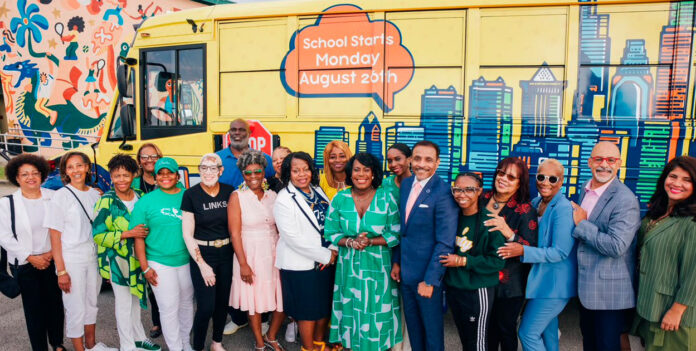
En vísperas del regreso a clases Superintendente del Distrito Escolar de Filadelfia Dr. Tony B. Watlington, compartió con Impacto, lo que quiere resaltar en el regreso a clase, respecto al involucramiento de los padres de familia, así como las medidas de seguridad que serán implementadas para este nuevo periodo.
El Dr. Watlington afirmó que cuando los estudiantes regresen a la escuela, se alentará a mantener una buena higiene, lavarse las manos, y quedarse en casa si están enfermos. “Claro, estamos en un espacio post-COVID, pero aún hay personas que se enferman de vez en cuando, y les vamos a pedir que no vengan a la escuela si están enfermos” afirmó.
El líder escolar precisó que cuando los estudiantes están sanos y se sienten bien, es prioridad que acudan a la escuela, y tengan una tasa de asistencia del 90% o más. “Estamos emocionados al comenzar este año escolar porque hemos tomado varias medidas de seguridad fuera de la escuela. Sabemos que las escuelas son refugios seguros para nuestros niños, pero asegurarnos de que estén seguros al salir de la escuela. Hemos invertido en programas de caminos seguros, mejorado nuestras zonas de seguridad, estamos pagando a oficiales de la ley para proporcionar más apoyo en áreas donde hay un aumento en la violencia”.
El subentiéndete mencionó que remplazaron 150 cámaras en todo el distrito y que están invirtiendo en recursos de salud social y emocional llamados «Kooth» para ayudar a los estudiantes a obtener ayuda en línea gratuita si tienen problemas con la ansiedad, problemas en casa, depresión, y todo es gratis. “Creemos que cuando construimos relaciones con nuestros estudiantes y tienen a alguien con quien hablar, si ven algo, dirán algo. Así que, estamos emocionados de hacer todo lo que podamos para asegurar que nuestros estudiantes estén seguros física y emocionalmente”.
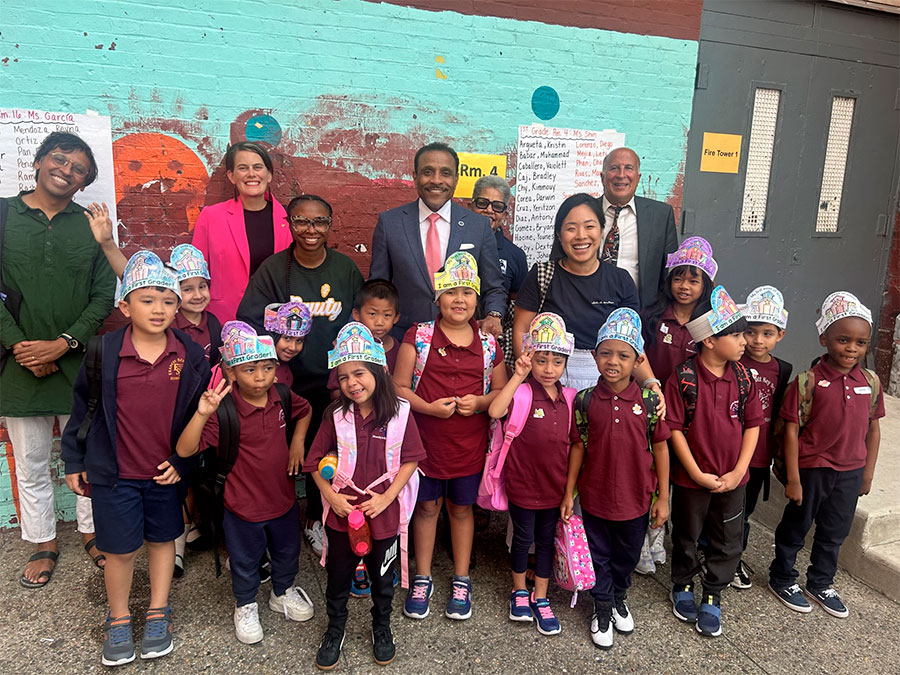
¿Cómo se están comunicando los protocolos de seguridad a los estudiantes, padres y el personal?
Según el Dr. Watlington, los directores se comunican con las familias de sus escuelas enviando cartas y haciendo llamadas telefónicas a los padres. Al abrir el año escolar, hay momentos en que el distrito también envía llamadas automáticas a los padres para asegurarse de que estén informados sobre el próximo año escolar. “Quiero que todos nuestros padres sepan tres cosas en las que nos vamos a enfocar este año para ayudar a sus hijos, para ayudar a nuestros jóvenes. Primero, después de asegurarnos de enfocarnos en la seguridad, vamos a enfocarnos en acelerar el logro estudiantil, lanzando un nuevo currículo de lectura este año en todos los niveles. Vamos a enfocarnos en mejorar nuestro servicio al cliente con nuestros padres y familias. Vamos a lanzar un sistema de comunicación bidireccional llamado «Let’s Talk» que nos ayuda a rastrear cuánto tiempo nos toma responder a todas las llamadas telefónicas, correos electrónicos y otras consultas de los padres. Vamos a dar a nuestros padres la oportunidad de calificar nuestro desempeño en una escala del 1 al 10, siendo 1 el más bajo y 10 el más alto. Y finalmente, este año, la tercera cosa en la que nos vamos a enfocar, es en construir relaciones más fuertes entre padres y familias”.
El distrito tiene planeado que los superintendentes asistentes en toda la ciudad estén involucrados en esta meta. “Estamos estableciendo estas oficinas de vecindario en 15 áreas de la ciudad, así que si eres un padre o un miembro de la familia y tienes una pregunta o preocupación, no tienes que venir a la oficina central ubicada en North Broad Street. Puedes ir a la oficina más cercana a donde vives, ese mapa codificado por colores estará en el sitio web del distrito escolar. Además, vamos a relanzar la Universidad de Padres y Familias a principios de 2025 para proporcionar información y apoyo adicional a nuestras familias. Vamos a planear esto en otoño y lanzarlo a principios de 2025, y la última cosa que vamos a hacer para trabajar en asociación con nuestras familias es lanzar 20 escuelas piloto con horario extendido operadas por el distrito.
Es voluntario participar, pero los estudiantes en estas escuelas tendrán programación antes de la escuela tan temprano como a las 7:00 AM y también tendrán programación después de la escuela en las noches hasta al menos las 6:00 PM. “Estamos realmente emocionados por esto porque es una gran prioridad para la alcaldesa Parker y también es una gran prioridad para el Distrito Escolar de Filadelfia.

¿Cuáles son los objetivos clave para este año escolar y qué cambios o mejoras específicas se esperan?
El objetivo número uno en el distrito este año es ser el distrito escolar urbano grande de más rápido crecimiento en el país. “Queremos que las tasas de asistencia estudiantil suban, queremos que la tasa de graduación en cuatro años suba, queremos que las calificaciones de las pruebas estandarizadas suban y queremos que la tasa de deserción escolar baje”.
Para que eso suceda, el superintendente, insiste en la importancia de que se involucren los padres, las familias, los maestros de escuela, los líderes y su propio personal, “todos tenemos que trabajar juntos como socios iguales. Tenemos que asegurarnos de que nuestros niños tengan el mejor currículo de lectura este año, y por eso estamos lanzando el mismo currículo de lectura, el mejor que podemos encontrar en los Estados Unidos, en todas nuestras escuelas. Y tenemos que asegurarnos de que cuando nuestros padres nos hablen, los escuchemos y los atendamos”.

¿Y cómo se medirá el éxito en términos de logros académicos y bienestar estudiantil?
El Dr. Watlington considera que se medirá el éxito en los logros académicos a través de las pruebas estandarizadas para los grados de K a 8, o específicamente de 3 a 8. Esas se llaman pruebas PSSA. En las escuelas secundarias, en los grados 9 a 12, se llaman pruebas Keystone. “Ahora, para el año escolar 2023-2024, que terminó en junio, aún no tenemos los datos de fin de año, pero deberíamos tener esos datos dentro del próximo mes. Cuando los tengamos, los compartiremos públicamente con la junta escolar y también con la prensa”.
Los latinos con títulos universitarios en EE. UU. registran el mayor crecimiento en 20 años
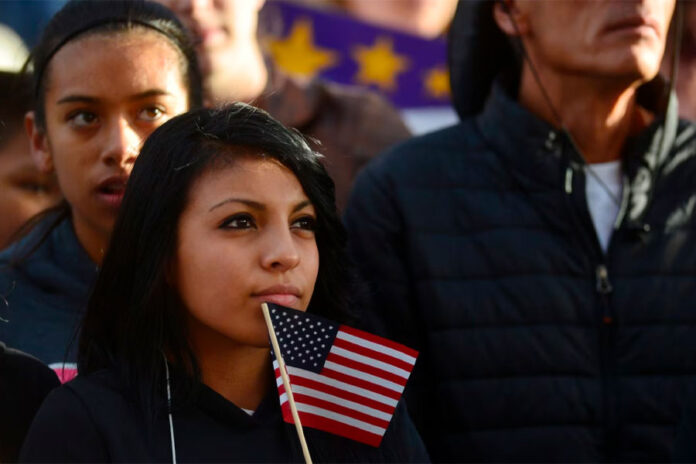
En las últimas dos décadas, los latinos han registrado el mayor incremento en la obtención de títulos universitarios en comparación con otros grupos étnicos, un cambio liderado principalmente por las mujeres latinas.
Los latinos han registrado el mayor crecimiento en la obtención de títulos superiores en Estados Unidos, en comparación con otros grupos raciales o étnicos, impulsados en gran medida por las mujeres latinas.
Entre el año 2000 y 2021, la cantidad de latinos en EE. UU. con un título de posgrado pasó de 700.000 a más de 2,5 millones. El cambio es aún más notorio en el grupo de mujeres hispanas: hubo un crecimiento del 291 %, comparado con un 199 % entre hombres, de acuerdo con un análisis del Centro de Investigaciones Pew.
El estudio analizó datos de estudiantes de posgrado extraídos de los censos de 1990 y 2000, así como de las Encuestas de la Comunidad Estadounidense de 2010 y 2021. Comparado con estadounidenses blancos, negros y asiáticos, los latinos mostraron el mayor crecimiento en la obtención de títulos avanzados.
A pesar del notable aumento, los investigadores destacaron que para 2021, solo el 8 % de todos los títulos avanzados en Estados Unidos eran poseídos por latinos. Esto contrasta con el hecho de que los hispanos constituyen aproximadamente el 19 % de la población total del país.
El crecimiento de las mujeres latinas
El incremento en el número de mujeres latinas con títulos avanzados representa un cambio significativo en las últimas décadas. En 1990, había 60.000 mujeres latinas menos con títulos de posgrado en comparación con los hombres latinos, pero para el año 2000, esa diferencia casi se había eliminado. Para 2010, las mujeres latinas ya superaban a los hombres latinos en la obtención de títulos avanzados, tendencia que continuó en 2021.
A pesar de estos avances, las mujeres latinas con títulos universitarios siguen ganando considerablemente menos que sus pares masculinos blancos, con una brecha salarial que podría alcanzar los 2,5 millones de dólares a lo largo de una carrera de 40 años, según los datos. Esta disparidad fue destacada recientemente durante el Día de Igualdad Salarial para Latinas.
De los latinos de 25 años o más, solo el 7 % poseía un título de posgrado en 2021, comparado con el 4 % en el año 2000. Aunque ha habido mejoras, esta cifra sigue siendo inferior al 14 % de todos los estadounidenses mayores de 25 años que tienen títulos avanzados.
Los latinos nacidos en Estados Unidos también son más propensos a obtener un título avanzado en comparación con aquellos que emigraron al país. En general, la mayoría de los latinos estadounidenses han tenido al menos alguna experiencia universitaria, en comparación con solo un tercio de los latinos nacidos en el extranjero. Sin embargo, los nacidos en el extranjero representan más de un tercio de todos los títulos avanzados obtenidos por hispanos.
Entre los diferentes grupos de inmigrantes latinos, los mexicanos son quienes tienen la mayor cantidad de títulos de posgrado, aunque los venezolanos son, proporcionalmente, el grupo de inmigrantes latinos con mayor nivel educativo.
La investigación también concluye que más de tres cuartas partes de los latinos con títulos superiores a una licenciatura poseen un título de maestría, lo cual es consistente con la tendencia general de la población que cuenta con títulos avanzados.
Casi la mitad de todos los latinos con títulos de posgrado residen en solo 10 áreas metropolitanas de Estados Unidos, incluyendo más de 500.000 que viven en Nueva York y Miami. Aunque ambas ciudades son importantes centros para la población latina, la mayoría de las áreas metropolitanas donde residen muchos latinos con títulos avanzados no son los principales centros de población latina, de acuerdo al estudio.
Impacto en la economía de EE. UU.
Varios expertos aseguran que el hecho de que los latinos tengan acceso a la educación superior tiene consecuencias muy positivas, especialmente en la brecha generacional. “Los latinos de segunda y tercera generación con estudios superiores tienen mejores condiciones laborales y mejores sueldos, y eso tiene que ver con la educación”, apuntó Ana Valdés, directora general de Latino Donor Collaborative (LDC) en declaraciones a la Voz de América.
La economía de los latinos en Estados Unidos ha alcanzado los 3,2 miles de millones de dólares, según el Informe Oficial del Producto Interior Bruto Latino de 2023 del centro de pensamiento LDC. Esta cifra representa un crecimiento del 14 % interanual en este grupo poblacional.
“Este crecimiento es espectacular porque se desprende que los latinos continúan creciendo entre dos y tres veces más que el resto”, dijo Ana Valdés, directora general de LDC, convencida de que “todos tienen que ser conscientes de donde viene el crecimiento”.
“Es un estudio muy importante para todos los estadounidenses, es un estudio de negocios para saber donde está el crecimiento. Porque no puedes hacer crecer tu negocio si no sabes cuál es la comunidad que está creciendo más”, agregó Valdés, tras la presentación del informe.
Según la responsable de LDC, todo parte en el acceso a la educación superior, lo que ha permitido que los hispanos de segunda y tercera generación puedan ascender socialmente y acceder a puestos de trabajo mejor remunerados que sus padres o abuelos.
“Los niños latinos se están graduando a niveles récord. Por ejemplo, los licenciados latinos de ingeniería se han multiplicado por cuatro en 10 años y eso se traduce en crecimiento en salarios y compra de propiedades, crecimiento en la fundación de negocios”, subraya Valdés, aclarando que este crecimiento también “es de calidad”.
Patty Juárez, responsable de asuntos hispanos de la entidad financiera Wells Fargo, también cree que el acceso a la educación ha sido clave para que esta comunidad se desarrollara con éxito. “Todo eso viene a agrandar la contribución de los latinos a la economía, estamos muy orgullosos de lo que representamos para Estados Unidos”, comentó a la VOA.
Abandono de estudiantes universitarios
Las dificultades económicas para acceder a la universidad continúan siendo un problema. Un sondeo de Gallup reveló que más de la mitad de los estudiantes universitarios latinos consideraron abandonar la universidad en 2022. El estudio señala varios factores, como el estrés emocional que supone prepararse para una carrera, pero sobre todo por el alto costo de los centros privados.
“Es triste dejar tus estudios porque no puedes pagar es lamentable, la verdad”, admite Henyi Guzmán, estudiante del Miami Dade College (MDC).
A pesar de los datos positivos por la obtención de títulos universitarios, los hispanos representan la mayor tasa de abandono universitario. Estudiar una carrera puede llegar a costar más de 150.000 dólares, por lo que muchos lo descartan.
El MDC recientemente otorgó 200 becas para que jóvenes latinos pudieran cursar sus estudios en este centro. “Eso es sumamente importante para el futuro de este país. Sin educación no tenemos nada”, dijo Soraya Ramírez Galán, portavoz de prensa del MDC al tiempo que recordó que el MDC “está representado por su cuerpo estudiantil por, al menos, el 77 % de hispanos”.
Pese a eso, muchos estudiantes admiten que no encuentran suficiente información sobre las ayudas, incluso sobre las oportunidades para cursar en una universidad pública. “Le digo al público que miran a las escuelas públicas, a las universidades públicas, en su comunidad, que muchas tienen programas que los pueden ayudar”, aseguró a la VOA Madeline Pumariega, presidenta del MDC.
Casa Latina, un proyecto que nació para mejorar el acceso a la educación
Una de las problemáticas a la hora de estudiar en Estados Unidos son los altos costos que supone estudiar títulos universitarios. A pesar de que hay becas y préstamos estudiantiles, muchas veces no alcanzan para asumir la totalidad de la carrera universitaria, lo que hace que, en algunas ocasiones, haya quien decida no ir a la universidad por razones económicas.
Sin embargo, en Estados Unidos también han surgido varias iniciativas para facilitar el acceso a la universidad. Entre ellas, se encuentra la de Casa Latina que ofrece varias licenciaturas y maestrías, con asignaturas en inglés y en español, en negocios, salud o leyes, entre otras cosas, a través de becas y a precios razonables para mejorar el acceso a la educación superior.
“Sabemos que hay necesidad de gente, especialmente bilingüe, en muchas de esas áreas, y queremos darles el acceso”, expuso Carlos Sánchez, director ejecutivo de Casa Latina.
Sabemos que hay muchas personas que, por ejemplo, llevan trabajando muchos años en una oficina pero, al no tener un título universitario, no han podido pasar de ese nivel, pero hay personas que las sobrepasan porque son bilingües”, defendió.
Ballot measures in 41 states give voters a say on abortion and other tough questions
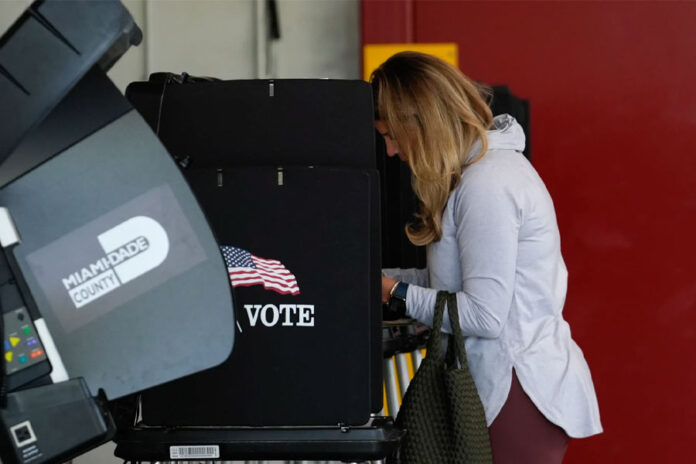
Life, death, crime and taxes will be on ballots for voters to decide this fall.
More than 140 measures are going before voters in 41 states during the general election alongside choices for president and other top offices. The ballot questions will give voters a chance to directly decide some consequential issues, instead of deferring to their elected representatives.
Arizona, Colorado and California have the greatest number of ballot measures. More could still get placed on ballots in some states. And some measures could get bumped from ballots if pending lawsuits are successful.
Here’s a look at some of this year’s top ballot issues.
Abortion
Initiatives dealing with pregnancy have surged in response to the 2022 U.S. Supreme Court ruling that ended a nationwide right to abortion and shifted the issue to states.
At least nine states will consider constitutional amendments enshrining abortion rights — Arizona, Colorado, Florida, Maryland, Missouri, Montana, Nebraska, Nevada and South Dakota. Most would guarantee a right to abortion until fetal viability and allow it later for the health of the pregnant woman.
Nebraska is the only state with a competing measure. It would place into the constitution the state’s current 12-week abortion ban with exceptions for rape, incest and to save the life of the pregnant woman. If both pass, the one with the most votes will take effect.
A proposed amendment in New York doesn’t specifically mention abortion but would prohibit discrimination based on “pregnancy outcomes» and “reproductive healthcare and autonomy.”
Assisted suicide
A proposed West Virginia amendment to prohibit medically assisted suicide is the only such measure this year. Physician-assisted suicides are allowed in 10 states and Washington, D.C.
Citizen voting
Republican-led legislatures in eight states proposed amendments declaring that only citizens can vote.
A 1996 U.S. law prohibits noncitizens from voting in federal elections, and many states already have similar laws. Yet specific constitutional bans are being proposed in Idaho, Iowa, Kentucky, Missouri, North Carolina, Oklahoma, South Carolina and Wisconsin. The measures are part of a Republican emphasis on immigration and election integrity.
Though there is no indication of widespread voting by noncitizens, some municipalities in California, Maryland, Vermont and Washington, D.C. do allow it for certain local elections.
Crime
A California proposal would toughen punishments for repeat shoplifters and fentanyl dealers and create a new drug court treatment program for people with multiple drug possession convictions. The measure would reverse portions of a 2014 initiative that reduced penalties for nonviolent drug and property crimes to address prison overcrowding. The latest measure comes after a surge of groups committing smash-and-grab thefts at stores.
An Arizona measure would require life imprisonment for certain child sex trafficking convictions. Two Colorado proposals would deny bail in first-degree murder cases and lengthen mandatory prison terms before parole eligibility for people convicted of certain violent crimes.
Elections
Measures in Idaho, Montana, Nevada and South Dakota would create open primary elections, in which candidates from all parties appear on the same ballot and a certain number advance to the general election. Arizona voters will decide between competing proposals that would require either open primaries or the state’s current method of partisan primaries. If both pass, the one with the most votes will take effect.
A Florida measure would expand partisan elections to school boards, reversing a 1998 amendment that made them officially nonpartisan, removing party labels from ballots.
Measures in Idaho, Nevada and Oregon propose ranked choice voting, in which voters rank their preferences for candidates, with votes cast for the lowest-finishing candidates getting reallocated until one person obtains a majority.
Ranked choice voting currently is used in Alaska and Maine. But Alaska voters will consider whether to repeal provisions of a 2020 initiative that instituted open primaries and ranked choice general elections. Missouri’s citizens-voting measure also would ban ranked choice voting.
A Connecticut amendment would authorize no-excuse absentee voting. A Nevada proposal would require photo identification to vote in-person or the last four-digits of a driver’s license or Social Security number to vote by mail. If approved, the Nevada measure would require a second affirmative vote in 2026 to take effect.
Taxing weapons
A Colorado proposal would make it the second state after California to impose a sales tax on firearms and ammunition. Revenue would go primarily to crime victims’ services. The federal government already taxes sales of guns and ammunition.
Immigration
An Arizona measure would make it a state crime to enter from a foreign country except through official ports of entry, and for someone already in the U.S. illegally to apply for public benefits using false documents. The border crossing measure is similar to a challenged Texas law that the Justice Department says violates federal authority and would create chaos at the border.
Arizona’s measure also would make it a felony to sell fentanyl that causes a person’s death.
Marijuana
Voters in Florida, North Dakota and South Dakota will decide whether to legalize recreational marijuana for adults. It will be the third vote on the issue in both North Dakota and South Dakota. About half the states currently allow recreational marijuana and about a dozen more allow medical marijuana.
In Massachusetts, an initiative would legalize the possession and supervised use of natural psychedelics, including psilocybin mushrooms.
Marriage
Though the U.S. Supreme Court legalized same-sex marriage nationwide in 2015, some states still have unenforceable provisions against it. Measures in California, Colorado and Hawaii would repeal those provisions. The California measure would go further, declaring: “The right to marry is a fundamental right.”
Pay and benefits
A California measure would gradually raise the state’s minimum wage for all employers to $18 an hour. Measures in Alaska and Missouri would gradually raise minimum wages to $15 an hour while also requiring paid sick leave. A Nebraska measure would provide paid sick leave but not change wages.
A Massachusetts measure would gradually raise the minimum wage for tipped employees until it matches the rate for other employees. By contrast, an Arizona measure would let tipped workers be paid 25% less than the minimum wage, so long as tips push their total pay beyond the minimum wage threshold.
Prison labor
Proposals in California and Nevada would repeal constitutional provisions that allow “involuntary servitude” as punishment for crime. Some supporters are seeking to curtail forced prison labor.
Colorado began the trend by revising its constitution in 2018 to ban slavery and involuntary servitude. Utah and Nebraska followed in 2020 and Alabama, Oregon, Tennessee and Vermont in 2022.
Property taxes
North Dakota voters will consider a first-of-its-kind move to eliminate property taxes. If approved, local governments could need more than $3 billion biennially in replacement revenue from the state, which collects billions in taxes from the fossil fuel industry.
Rising property values also have spurred measures to cap or cut assessed property values or taxes in Colorado, Florida, Georgia and New Mexico.
Arizona has a unique proposal linking property taxes and responses to homelessness. It would let property owners seek property tax refunds if they incur expenses because a local government declined to enforce ordinances against illegal camping, loitering, panhandling, the obstruction of public thoroughfares, public urination or defecation, or the public consumption of alcohol or illegal drugs.
Redistricting
An Ohio initiative would create a citizens commission to handle redistricting for U.S. House and state legislative seats, taking the task away from elected officials. A proposed amendment in Utah would let lawmakers repeal or revise voter-approved initiatives — a response to a state Supreme Court ruling that lawmakers had exceeded their authority by revising a voter-approved redistricting initiative.
Sports betting
Missouri voters will decide whether to legalize sports betting via a measure backed by its professional sports teams. A total of 38 states and Washington, D.C., already allow sports betting, which has expanded rapidly since the U.S. Supreme Court cleared the way for it in 2018.
Harris y Walz en gira por Georgia, mientras que Vance pide el voto en Pensilvania y manda al infierno a Kamala
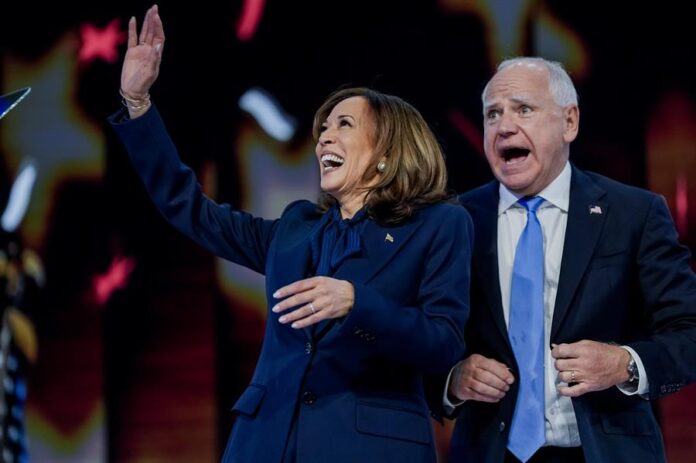
La vicepresidenta estadounidense y candidata demócrata, Kamala Harris, y su número dos, Tim Walz, iniciaron el miércoles una gira en autobús por Georgia, mientras que el candidato a vicepresidente de Donald Trump, JD Vance, hizo campaña en Pensilvania y en Wisconsin con enfoque en el votante de «cuello azul».
Harris y Walz comenzaron una gira de dos días por varias zonas rurales del estado de Georgia, que será clave para llegar a la Casa Blanca tras las elecciones del 5 de noviembre. Ambos recalarán en localidades rurales y del sur del estado como Savannah, Macon o Columbus, que suelen ser bastiones republicanos.
La media de encuestas en Georgia da una estrecha ventaja a Trump y la ofensiva demócrata busca ampliar la movilización de votantes más allá del caladero tradicional de Atlanta en un estado donde los márgenes que decidirán el estado podrían contarse por unas pocas decenas de miles.
«Hacer campaña en el sureste de Georgia es crítico, ya que representa a una coalición de votantes rurales, suburbanos y urbanos, con una alta proporción de votantes negros y de familias trabajadoras», informó este miércoles la campaña de Harris.
Los republicanos confiaron en que los votantes de Georgia rechazarán las políticas de la «agenda peligrosamente liberal de Harris», que se centra en los problemas de inseguridad que en su opinión ha creado la inmigración indocumentada en los suburbios y en los campus universitarios del estado.
Vance cada vez adopta más las maneras de Trump

Por su parte, el candidato a vicepresidente republicano, el senador JD Vance, hizo campaña en el corazón del «Cinturón del Óxido», en Erie (Pensilvania). En unas instalaciones de una empresa de camiones, habló de la importancia de invertir en gasolina e hidrocarburos más baratos, en lugar de electrificar flotas.
A su juicio, Harris obligará a los transportistas a comprar camiones eléctricos y eso se traducirá en mayores costes y mayor aumento de la inflación.
Vance también se refirió al incidente el martes en el cementerio militar de Arlington en que un funcionario fue violentado por un miembro del equipo de Trump que quería sacar fotos y vídeo de una ofrenda florar en memoria de 13 soldados muertos hace tres años en la retirada de Afganistán-
Las personas de la campaña que tomaban imágenes frente al monumento al soldado desconocido habían recibido autorización para hacerlo, dijo destacando que Harris «se puede ir al infierno» y que todo es un «complot» de los medios para criticarlos. La candidata no se había pronunciado al respecto.
Antes de viajar a Georgia, Walz intervino en Boston ante un sindicato de bomberos y aseguró que los republicanos «lanzan una guerra contra los trabajadores cada vez que tienen ocasión».
A equipo de Trump se le advirtió no tomar fotos en Arlington antes de altercado, dice funcionario

Al equipo de campaña de Donald Trump se le advirtió que no tomara fotografías antes de que se diera un altercado en el Cementerio Nacional de Arlington durante una ceremonia realizada esta semana en la que se colocaron coronas para honrar a los militares estadounidenses que murieron en Afganistán, dijo un funcionario de Defensa a The Associated Press el miércoles.
El funcionario habló bajo condición de anonimato para tratar un asunto delicado relacionado con los sucesos del lunes. Dicho funcionario hizo los comentarios un día después de que NPR publicara, citando a una fuente con conocimiento del incidente, que dos miembros del equipo de campaña de Trump “agredieron verbalmente y empujaron” a un funcionario del cementerio que trató de impedirles que grabaran y tomaran fotografías en la Sección 60 del recinto, el área donde se encuentran enterrados los militares que murieron en combate en Afganistán e Irak.
El funcionario de Defensa dijo a la AP que al equipo de campaña de Trump se le advirtió que no tomara fotografías en la Sección 60, antes de su llegada y antes de que se produjera el altercado. Trump estuvo el lunes en Arlington invitado por algunas de las familias de los 13 militares que murieron en el atentado contra el aeropuerto de Kabul hace exactamente tres años.
En el Cementerio Nacional de Arlington se encuentran enterrados más de 400.000 militares, veteranos y sus familias. Funcionarios del cementerio dijeron en un comunicado que había ocurrido “un incidente” y que se había presentado un reporte, pero no detallaron exactamente qué había sucedido y no quisieron compartirlo.
“La ley federal prohíbe las actividades electorales o relacionadas con campañas políticas en los Cementerios Militares Nacionales del Ejército, lo cual incluye a fotógrafos, creadores de contenido o cualquier otra persona que se haga presente en el recinto con fines partidistas, o para apoyar directamente la campaña de un candidato”, dice el comunicado de los funcionarios del cementerio. “El Cementerio Nacional de Arlington recalcó y difundió ampliamente el contenido de esta ley y sus prohibiciones con todos los involucrados. Confirmamos que hubo un incidente y se presentó un reporte”.
El vocero de Trump, Steven Cheung, dijo que al equipo de campaña del candidato presidencial republicano se le concedió permiso para ingresar con un fotógrafo. También negó el señalamiento de que un miembro del equipo de campaña de Trump hubiera empujado a un funcionario del cementerio.
“El hecho es que se nos permitió el acceso con un fotógrafo privado y, por la razón que sea, un desconocido que claramente sufría de un trastorno mental, decidió impedirles el acceso a los miembros del equipo de campaña del presidente Trump durante una ceremonia muy solemne”, aseveró Cheung.
Chris LaCivita, asesor de la campaña de Trump, señaló que el mandatario acudió porque lo habían invitado las familias de los militares que murieron en el atentado del aeropuerto. El equipo de campaña de Trump publicó un mensaje firmado por familiares de dos de los militares muertos en el atentado en el que se afirmaba que “el presidente y su equipo de campaña se comportaron con el mayor respeto y dignidad posible hacia todos nuestros militares, especialmente nuestros queridos hijos”.
Michael Tyler, portavoz de la oponente demócrata de Trump, la vicepresidenta Kamala Harris, calificó los reportes de «bastante tristes».
“Esto es lo que hemos llegado a esperar de Donald Trump y su equipo”, dijo Tyler en CNN. “Donald Trump es una persona que quiere que todo gire en torno a Donald Trump. También es alguien que tiene un historial de denigrar a los miembros del servicio militar, aquellos que han dado el último sacrificio”.
