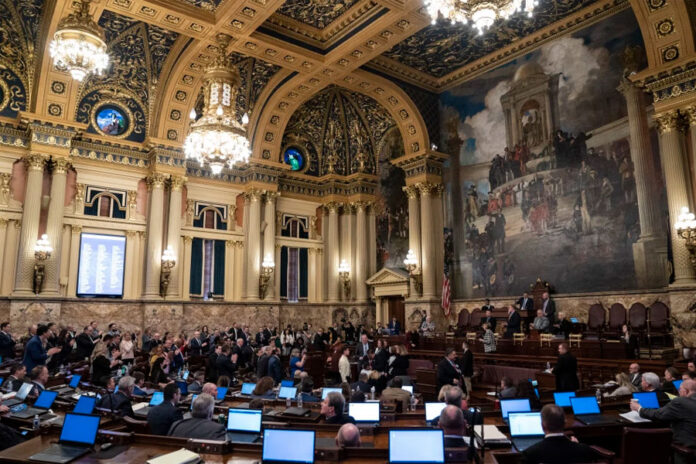
HARRISBURG, Pa. — Philadelphia voters on Tuesday will fill two vacant state House seats in special elections, and in both cases a Democratic candidate is the only person on the ballot.
Keith Harris is seeking to replace Rep. Donna Bullock, while Andre Carroll is in line to succeed Rep. Stephen Kinsey. Bullock and Kinsey both resigned in mid-July. Bullock took a job with Project HOME, a nonprofit that works to address homelessness, while Kinsey, who had not been planning to run for reelection, moved up his departure date and took another job.
Neither Harris nor Carroll has an opponent in the Nov. 5 general election, where they are seeking full two-year terms.
Harris, 63, is a Democratic ward leader and community activist who has worked to clean up graffiti in Philadelphia. The district is in the northern area of the city.
Carroll, 33, has worked in city and state government. The northwest Philadelphia district has overwhelmingly Democratic voter registration and is older and less affluent than the state as a whole.
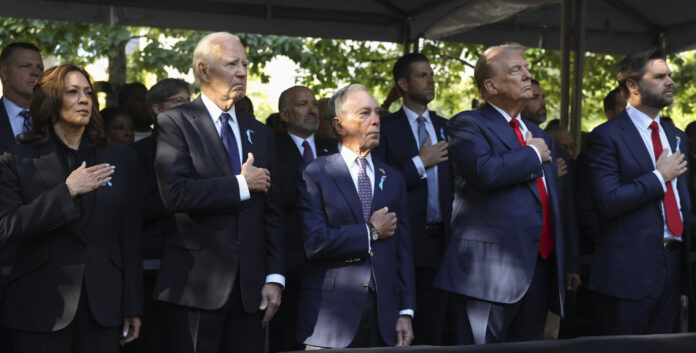
De izquierda a derecha, la candidata presidencial demócrata y vicepresidenta Kamala Harris, el presidente Joe Biden, Michael Bloomberg, el candidato presidencial republicano y expresidente Donald Trump y el candidato republicano a la vicepresidencia, el senador JD Vance, asisten a la ceremonia para conmemorar el 11Sep en el 23er aniversario de los ataques del 11 de septiembre de 2001, el miércoles 11 de septiembre de 2024, en Nueva York. (AP Foto/Yuki Iwamura)
Every year, many gather in New York to remember and honor all those who lost their lives on that day, as well as to recognize the first responders and the many in military uniform who went to the other side of the world to find the authors of this horrific attack.
There has never been a demonstration against this sacred ground and the lives lost. Many politicians and others attending have bowed their heads as the names of the deceased were called out while a bell was rung.
This year, Donald J. Trump changed all that when he attended with Laura Loomer by his side. Laura has a long history of right-wing, misguided theories. One of her biggest is that she believes, and has preached, that America was not attacked by foreign agents but that it was an inside job perpetrated by the government.
How can a presidential candidate bring to the site of the Twin Towers a person who is a 9/11 denier? Someone should have escorted her and Trump out of the area. The media should have jumped on Trump right there at the site and perhaps demanded that they both leave.
She also traveled with Trump to the 9/11 event in Pennsylvania. Voters of this fine state should be angered that she was there and should know that this man and Laura were spitting in their faces with this degradation of such an important and solemn event.
NBC News asked the Trump campaign for details about the decision to have Loomer travel with Trump, the extent of her conversations with him, and whether the campaign knew she had promoted 9/11 conspiracy theories before inviting her to accompany Trump to the debate and to Ground Zero. Now she is a regular passenger on his plane. Trump says she is very smart and has some good ideas. Probably her ideas are as good as Trump’s plans for replacing the Affordable Care Act. He should share some of her so-called good ideas.
She is the kind of cheerleader Trump does not need. The Republican party should throw her under the bus, and in this case, under the plane.
Undecided voters should be bothered by this right-wing conspiracy-based romance.
She probably whispers more of her conspiracy theories about immigrants, which keeps Trump lying about Haitians. She likely makes him believe he won the debate.
Laura Loomer has a history of extreme theories. Loomer first gained national attention for her involvement in the “alt-right” movement and her frequent targeting of minority groups. One of her most controversial moments came when she called for a ridesharing service that would ban Muslim drivers, following her anti-Islam rhetoric.
In 2017, after a terrorist attack in New York City, Loomer launched into a daylong anti-Islam rant on Twitter, blaming Muslims for the violence and calling for a ridesharing service that would ban Muslim drivers. “Someone needs to create a non-Islamic form of Uber or Lyft because I never want to support another Islamic immigrant driver,” she tweeted, tagging both companies, NBC News reported. The swift backlash led Uber and Lyft to ban her from their platforms permanently.
Her social media posts have frequently ventured into outright conspiracy theories. Loomer has claimed that the 9/11 attacks were an “inside job,” a baseless accusation that adds to the host of fringe beliefs she has propagated. This theory, which suggests U.S. officials were somehow complicit in the attacks, has been debunked but remains a rallying cry among certain factions of the far right.
Loomer’s rhetoric has been so incendiary that even Greene, a figure known for her controversial statements, has publicly condemned her. In April 2023, when Trump reportedly considered hiring Loomer for his 2024 campaign, Greene took to social media to express her opposition. Describing Loomer as “mentally unstable” and “poisonous,” Greene urged Trump to distance himself from the controversial activist.
Marjorie Taylor Greene calls far-right activist Laura Loomer’s rhetoric a ‘huge problem’ that ‘doesn’t represent MAGA.’ GOP Rep. Marjorie Taylor Greene criticized far-right activist Laura Loomer on Thursday, saying that her “rhetoric and hateful tone” is concerning, a problem, and “doesn’t represent MAGA as a whole.”
The comments from Greene, a Georgia Republican who has her own high-profile history of incendiary and inflammatory remarks, came after the congresswoman called on Loomer to take down an X post in which Loomer said if Democratic presidential nominee Kamala Harris, who is half Indian, wins, “the White House will smell like curry, and White House speeches will be facilitated via a call center.”
Greene called the post “extremely racist,” and wrote in response on X, “This does not represent President Trump.”
Trump has wrapped himself in the language of the horrific 2025 plan and aligned with warped individuals like Loomer. All voters should fear this man getting into the White House again. And who is this Laura Loomer, the MAGA Republican too racist even for Marjorie Taylor Greene?
This right-wing extremist is exerting her influence on Donald Trump and the MAGA base.
Greene, who has herself been accused of promoting racist and anti-Semitic conspiracy theories, responded by calling Loomer’s remarks “appalling and extremely racist,” adding that Loomer “does not represent who we are as Republicans or MAGA.”
Greene’s condemnation was notable because it marked a rare moment when a prominent figure within the MAGA movement publicly distanced themselves from someone for being too extreme. Greene’s record includes statements downplaying the significance of the Holocaust and spreading conspiracy theories about “Jewish space lasers.”
While some Republicans have also voiced concern about Loomer’s influence, many within Trump’s base view her as a loyal supporter willing to speak truth while others won’t.
“If anything’s sacred in this country, it should be 9/11. There are so many people who haven’t healed,” 9/11 responder John Feal said Thursday on CNN. “It’s an insult to those who have to fight for their lives now, who are sick and dying.”
The White House condemned Trump’s association with Loomer this week. So did New York Democratic Rep. Hakeem Jeffries, the House minority leader, who called Loomer’s attendance at the 9/11 event “shocking” and “offensive to the thousands of people who lost their lives.”
“She’s disgraceful,” Rep. Marc Molinaro (R-N.Y.) said in a statement. “Anyone who believes that 9/11 was an inside job or part of some big conspiracy is a fringe character,” added Nate Soule, spokesperson for Rep. Mike Lawler (R-N.Y.). “Congressman Lawler firmly believes that nonsense like this does a tremendous disservice to the memory of the thousands of Americans who lost their lives that day and in the years since, their families, and our country.”
She has also given voice to conspiracy theories about pop star Taylor Swift and her romantic relationship with football player Travis Kelce, calling it “arranged” and saying the relationship is meant to help Democrats win the upcoming election. Loomer has also questioned the reality behind mass shootings, wondering whether they’ve been staged to help Democrats win votes.
Trump told NBC News, “I don’t know that much about it. No, I don’t,” when asked whether he’s familiar with Loomer’s conspiracy theories. He added, “I know she’s a big fan of the campaign, but I really don’t know.”
Trump does know what she represents, and that’s why she is on the plane and at his side. She has been vetted by the Secret Service, and her views are not hidden from anyone.
Later, in a post on Truth Social, Trump wrote that Loomer “doesn’t work for the Campaign. She’s a private citizen and longtime supporter. I disagree with the statements she made, but like the many millions of people who support me, she is tired of watching the Radical Left Marxists and Fascists violently attack and smear me.”
Donald Trump allies are worried that the former president’s ties to right-wing activist Laura Loomer could cost him votes in key battleground states.
The allies told NBC News that there are “real concerns” about Loomer and Trump’s association, especially in the wake of her racist social media post about Vice President Kamala Harris.
“She has to go. Laura Loomer cannot stay. She just can’t. She is unapologetic,” one Trump ally told NBC News, adding, “This woman attacked the vice president of the United States in such a racist manner. It was appalling, and she hasn’t apologized.”
Several allies, who were granted anonymity to speak candidly, warned that Loomer’s rhetoric about Harris could hurt Trump’s standing with critical voters, particularly in the key states of Georgia and North Carolina, which have large Indian American and Hindu populations.
The former president was told, “If you don’t fix this, it will be a problem,” the ally added.
A statement provided to NBC News from the Georgia Chapter of the American Hindu Coalition — which bills itself as a nonpartisan advocacy group — and posted by Greene on social media, also warned about Loomer’s rhetoric, saying that while “President Trump and his dedicated allies — such as Congresswoman Marjorie Taylor Greene — have worked tirelessly to build a future where every American can thrive… recent statements that attempt to divide our community along racial or ethnic lines, specifically those made by Ms. Laura Loomer, are completely unacceptable and do not reflect the values of this movement or the America we seek to build.”
Indian Americans account for a bit more than 1% of the total U.S. population, according to Census estimates. Georgia has the highest share of any 2024 battleground at about 1.5% of the state population, followed by Pennsylvania and Michigan at 1.2%, and North Carolina at 1.1%, according to Pew Research. Republicans won Georgia and North Carolina in 2016, while losing Pennsylvania and Michigan.
A statement provided to NBC News from the Georgia Chapter of the American Hindu Coalition — which identifies as a nonpartisan advocacy group — and posted by Greene on social media also warned about Loomer’s rhetoric, stating that while «President Trump and his dedicated allies — such as Congresswoman Marjorie Taylor Greene — have worked tirelessly to build a future where every American can thrive … recent statements that attempt to divide our community along racial or ethnic lines, specifically those made by Ms. Laura Loomer, are completely unacceptable and do not reflect the values of this movement or the America we seek to build.»
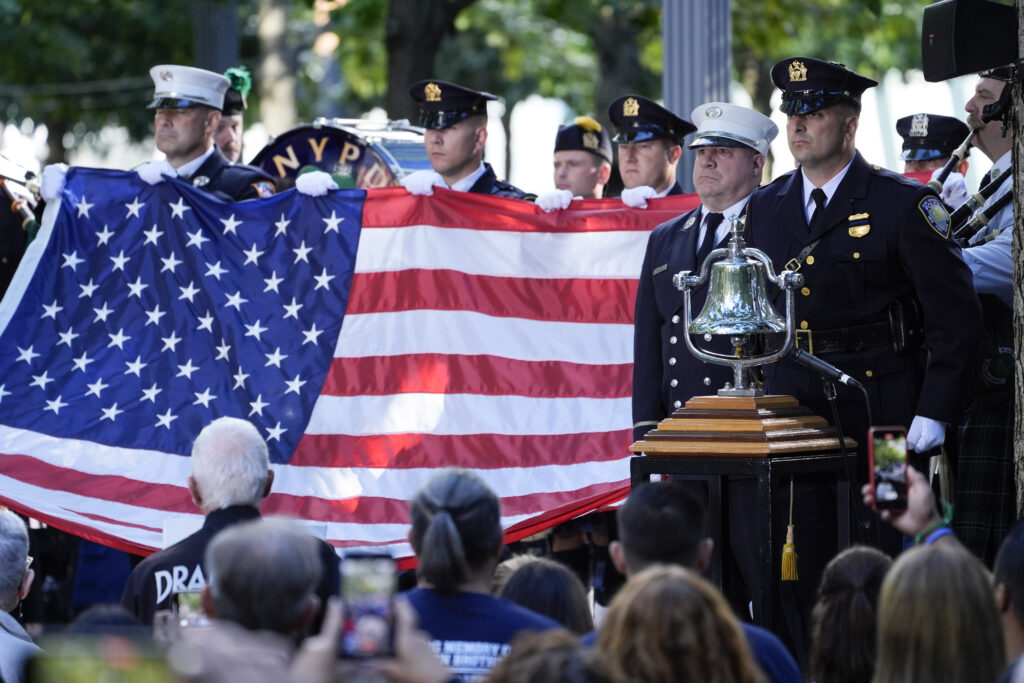
Una ceremonia para conmemorar el aniversario de los ataques terroristas del 11 de septiembre en el Memorial y Museo del 11 de Septiembre, el miércoles 11 de septiembre de 2024, en Nueva York. (AP Foto/Evan Vucci)
Indian Americans account for a little over 1% of the total U.S. population, according to Census estimates. Georgia has the highest share of any 2024 battleground state at about 1.5% of its population, followed by Pennsylvania and Michigan at 1.2%, and North Carolina at 1.1%. Georgia and North Carolina are among the closest states in the 2024 presidential race, with most public polling showing the margins between Harris and Trump within just a few percentage points. Critically, both states have recent track records of ticket-splitting, with a portion of MAGA-skeptical voters making a decisive impact.
Trump appeared to try distancing himself from Loomer, telling reporters at a press conference in California, «I don’t control Laura. Laura — she’s a, she’s a free spirit. Well, I don’t know. I mean, look, I can’t tell Laura what to do.» But he can kick her off the plane and choose not to be seen in public with her.
After the debate, Loomer promoted a false claim that during the presidential debate, Harris wore audio earrings that helped her communicate with advisers onstage. The theory was widely debunked. A Trump ally said, «I think he needs to go further. She needs to be completely removed. I will not tolerate it, and I just cannot tolerate her comments. I don’t want her anywhere near us at all. This is not who we are as a party.»
Reached by NBC News via text, Loomer repeated Trump’s claim that she does not work for his campaign and criticized those raising concerns about her, saying, «[H]ow come they are gossiping to the media instead of knocking on doors and campaigning in Georgia and North Carolina? Gossiping is much easier than working. I work every day in support of Donald Trump. I spend over 19 hours a day working in support of Donald Trump and have dedicated all of my time to helping him win. Perhaps they should do the same.»
Loomer made another statement on X (formerly Twitter) that garnered fresh criticism. Just two days after the 23rd anniversary of the 9/11 attacks — a day she spent attending 9/11 memorial services with Trump — she wrote, «23 years later, and there are still a lot of unanswered questions,» alongside a video of Trump in 2001 questioning whether airplanes could hit the Twin Towers with enough force to collapse them.
The right-wing social media influencer also engaged in several online spats this week with Republican lawmakers such as Greene of Georgia and Sen. Lindsey Graham of South Carolina. After Loomer’s post referencing the smell of curry, Greene responded writing, «This is appalling and extremely racist. It does not represent who we are as Republicans or MAGA. This does not represent President Trump. This type of behavior should not be tolerated ever.»
But, as a reminder, Trump has never properly honored military heroes, calling them «suckers and losers.» So, unfortunately, it’s not surprising that he would have Loomer at the 9/11 events. This tragedy, which brought fear and pain to so many, is why we must honor those affected by this god-awful chapter in our history.
But when will the Republican Party push this woman away from their candidate? Many down-ballot candidates don’t want to be in a position of defending her and her association with Trump. Tomorrow may be too late.
Welcoming Week 2024 in Philadelphia is taking place September 13-27
PHILADELPHIA– Welcoming Week is an annual campaign celebrated around the globe that connects neighbors of all backgrounds through community-informed activities and events. In Philadelphia, the Office of Immigrant Affairs (OIA) helps to organize and promote events and activities across the city. This year’s theme, “We’re All In,” invites communities to showcase how they’re building environments that value all perspectives, backgrounds, experiences, and cultures. Now in its 12th year, Welcoming Week 2024 is a call for individuals and groups to come together and celebrate their strengths and differences.
“As a United City, One Philadelphia, we are proud to be one of the many cities across the globe hosting Welcoming Week programs that provide individuals and communities the opportunity to publicly proclaim welcoming values, foster a mutual understanding between immigrants and non-immigrants, and build a deeper sense of belonging for all,” said Mayor Cherelle L. Parker. “This is a chance to celebrate the strengths and differences of our residents and recognize that we are at our best when we work collectively on building welcoming environments together, for immigrants and native-born Philadelphians.”
“Philadelphia and its leaders encourage and celebrate welcoming every single day. This year, Mayor Parker created the first ever Office of Latino Engagement and the first-ever Office of Muslim Engagement. The City will also continue to host several PHL Honors Diversity flag-raising ceremonies, celebrating our diverse immigrant communities. Additionally, several city and community partners are celebrating Welcoming Week by hosting their own events such as a career fair for immigrants and refugees, and a free legal clinic to help people apply for citizenship. Welcoming and ‘We’re all in’ is more than just a feeling. It is the daily action that all take in Philadelphia,” said Amy Eusebio, Executive Director, Office of Immigrant Affairs.
Events scheduled for Welcoming Week 2024 include:
A Taste of Edible Alphabet
Monday, September 16 | 6 p.m. to 7:30 p.m.
Culinary Center at Free Library of Philadelphia, Parkway Central Library
1901 Vine Street, Philadelphia PA 19103
The Culinary Literacy Center will mark Welcoming Week through a cooking demonstration and tasting centered around one of the Culinary Literacy Center’s signature programs: Edible Alphabet English. The program will be led by Edible Alphabet staff and participants and the tasting will feature two global vegetarian recipes: Chilean Tomaticán and Turkish Zeytinyagli Pirasa. Thisevent is at capacity but this is an ongoing program of the Free Library of Philadelphia.
Immigrant and Refugee Career Fair by the City’s Department of Behavioral Health and Intellectual disAbility Services (DBHIDS)
Wednesday, September 25 | 1 p.m. – 4 p.m.
801 Market Street, Philadelphia PA 19107
The 2024 Immigrant and Refugee Career Fair will bring together a wide range of employers and organizations to meet with and support multilingual and multicultural communities. Register to attend here.
Be/Longing Exhibit by the Free Library of Philadelphia
Now through Tuesday, October 1 | Any time during library operating hours
1901 Vine Street (between 19th and 20th Streets on the Benjamin Franklin Parkway) Philadelphia, PA 19103
BE/LONGING is a polyphonic exhibition on the longing, belonging, and connection that library spaces in Philadelphia can inspire. Featuring work by artist Joanne Grüne-Yanoff and curation by exhibitions curator Suzanna Urminska, this community collaborative reflects on how libraries have the power to serve as places of resource, refuge, contemplation, engagement, and wonder.
To view a full list of events, visit the Welcoming Week event spotlight page here
In 2012, Welcoming America, a nonprofit, nonpartisan organization that leads a movement of inclusive communities becoming more prosperous by ensuring everyone belongs, launched Welcoming Week with the belief that communities are strongest when everyone who lives in them feels welcome. Back then, Welcoming Week engaged 20 communities in the United States. Today, more than 600 events take place in-person and virtually across the globe for Welcoming Week. Philadelphia has hosted Welcoming Week Programming since 2016, engaging community stakeholders and institutional partners in programming and events that make Philadelphia more welcoming for all.
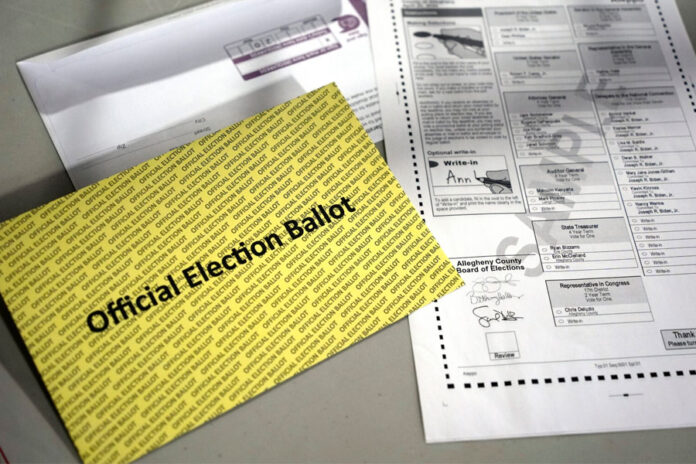
This is a sample of an official election ballot provided by the Allegheny County Election Division in Pittsburgh, April 18, 2024. (Photo: AP/Gene J. Puskar/ File)
U.S. law bans noncitizens from voting in federal elections, such as races for president, U.S. Senate and U.S. House of Representatives. Like many states, Pennsylvania also prohibits noncitizens from voting in elections for state offices.
A 1996 federal law allows fines and imprisoned for up to a year for noncitizens who vote in federal elections. Violators can also be deported. When people in the U.S. register to vote, they swear under penalty of perjury that they are U.S. citizens.
In Pennsylvania, only people who meet various requirements, including citizenship, can register to vote. Under the state constitution, a voter must “have been a citizen of the United States at least one month,” in addition to meeting state and voting district residency requirements.
If a noncitizen attempted to vote in a Pennsylvania election, they would be subject to penalties, including imprisonment and deportation, said Ellen Lyon, a spokesperson for the Pennsylvania Department of State.
The department is “not aware of any instances of noncitizens registering to vote or voting in any recent elections,” Lyon said in an email to The Associated Press.
Studies show noncitizens aren’t illegally voting in high numbers, according to Ron Hayduk, a political science professor at San Francisco State University who studies noncitizen voting laws.
While there have been some reports of noncitizens illegally casting ballots, such incidents are “infinitesimal,” Hayduk said.
Research by the Brennan Center for Justice in 2017 looked at 42 jurisdictions across the U.S. in the 2016 election, and reported that of 23.5 million votes cast, election officials found about 30 cases of potential noncitizen voting that they referred for prosecution or further investigation.
A Georgia audit of its voter rolls conducted in 2022 found fewer than 2,000 instances of noncitizens attempting to register to vote over the last 25 years, none of which succeeded. Millions of new Georgia voters registered during that time.
In 2017, Pennsylvania acknowledged that it had to fix a glitch that allowed noncitizen immigrants to register to vote when getting a driver’s license. At one point, state election officials said noncitizen immigrants may have cast 544 ballots illegally — out of more than 93 million ballots in elections spanning 18 years, going back to 2000.
Claims that noncitizens are voting in large numbers have been «clearly debunked over and over and over again,” said Daniel Mallinson, an associate professor of public policy and administration at Penn State.
Though no state constitutions explicitly allow noncitizens to vote, some municipalities in California, Maryland and Vermont, as well as the District of Columbia, do allow voting by noncitizens in some local elections such as for school board and city council.
Counties can now prepare their ballots for printing, so voters who requested a mail ballot will soon receive it
Harrisburg, PA – Secretary of the Commonwealth Al Schmidt certified the official list of candidates for the Nov. 5 general election today after the Pennsylvania Supreme Court resolved all pending cases involving third-party candidates.
“Counties can now prepare their ballots to be printed, then begin sending mail ballots to voters who have requested one as soon as they are printed,” Schmidt said.
Now that the ballot is certified, the Department’s online candidate database reflects the official candidate list for all races.*
In addition, to help voters and the media track when each county has its ballots available, the Department created an online mail ballot availability page.
Completed mail ballots must be returned to county election offices by 8 p.m. on Election Day. For more information about voting and elections in Pennsylvania, visit vote.pa.gov.
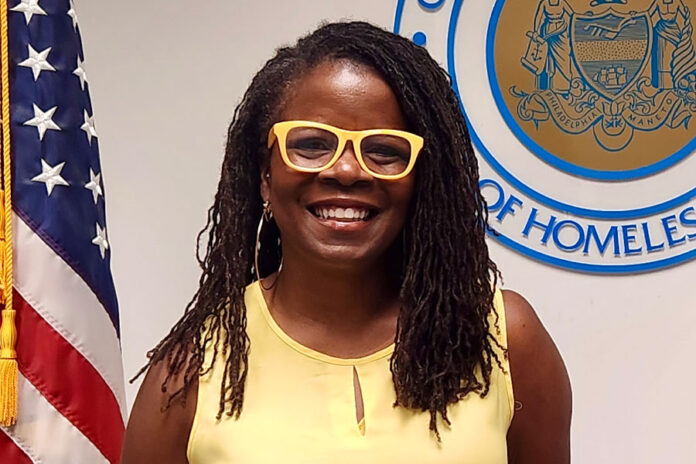
PHILADELPHIA.— Mayor Cherelle L. Parker today announced the appointment of Cheryl Hill as the new Executive Director of the Office of Homeless Services (OHS), a division of the Department of Health and Human Services. A dedicated servant leader and advocate for marginalized communities, Hill brings more than three decades of strategic leadership, and housing, property, fiscal and program management expertise to the Parker Administration.
Hill comes to the City after serving at Project HOME, a nationally recognized nonprofit homeless services provider, as Senior Vice President of Supportive Housing Operation, and earlier as Vice President, Property and Asset Management. As a Project HOME leader, Hill demonstrated fiscally responsible management of a $20 million annual budget and worked tirelessly to create strategies that would not only support the residents, but also support the 200 staff members she managed to support staff growth and well-being.
Earlier in her career, Hill was a director of compliance for the Atlanta Housing Authority, responsible for the annual audits of more than 100 project-based voucher and public housing communities. She has spent over a decade as an affordable housing consultant leading diverse and complex projects such as developing a HUD-50058 data collection and reporting module — preventing tenant evictions during the 2008 foreclosure crisis and emergency housing placement during Hurricane Katrina.
“It is my privilege to appoint such an accomplished leader to head the Office of Homeless Services,” said Mayor Cherelle L. Parker. “Cheryl’s deep experience developing and managing programs that help individuals and families — who are often at the lowest point in their lives — put a roof over their heads and thrive, will be an asset to the City of Philadelphia. She will lead OHS down a path of focused, improved, fiscally responsible delivery of service to Philadelphia’s most marginalized population.”
In her newest role at OHS, Hill will utilize her breadth of skills and experience to fine-tune the City’s administrative agency that is responsible for funding and overseeing the more than 70 providers that help it meet its mission to make homelessness rare, brief and nonrecurring.
“I am honored and excited to take on the role of Executive Director of the Office of Homeless Services,” said Hill. “This is a critical time for our city, and I look forward to collaborating with David Holloman, our partners, and the community to develop strategies that build on our strengths to address homelessness in innovative, compassionate, and impactful ways that benefit all Philadelphians.”
She succeeds Interim Executive Director, David Holloman, MS, who has led OHS since the November 2023 departure of former Executive Director, Liz Hersh. Holloman will continue in his previous executive leadership role as OHS’s Chief of Staff.
”We have the deepest appreciation for Dave Holloman, who stepped up to the plate when OHS and the city needed it most,” said Deputy Managing Director for Health and Human Services, Crystal Yates-Gale. “Dave is a longtime, passionate,public servant, whose dedication to the homeless services mission is unparalleled. I am thankful he will remain with OHS to support Cheryl as she continues to steer the agency’s efforts to meet its mission. I am excited that Cheryl is joining the OHS team and I look forward to working with her.”
Hill, whose first day in the OHS office is today, Monday, September 16, 2024, has a B.A. from San Francisco State University and an MBA from Georgia State University.
About The Office of Homeless Services
The mission of the Office of Homeless Services (OHS) is to make homelessness rare, brief and non-recurring. OHS works with more than 70 homeless housing and service providers, as well as city, state, and federal government. This system provides homelessness prevention and diversion aid, along with emergency and temporary housing, to people who are experiencing homelessness and those at risk of homelessness.
Governor Shapiro signed bipartisan legislation earlier this summer allowing for the sale of ready-to-drink cocktails at places like grocery stores and gas stations starting September 16th.
PLCB has already received 1,556 RTDC permit applications and issued hundreds of permits today.
Harrisburg, PA— Starting today, thanks to bipartisan legislation signed by Governor Josh Shapiro, Pennsylvania grocery stores, gas stations, and other retail liquor licensees and beer distributors began selling ready-to-drink cocktails (RTDC).
“Thanks to our bipartisan budget, you can now get ready-to-drink cocktails – some made right here in Pennsylvania – at places like grocery stores and beer distributors, and we did it in a way that protects taxpayers and supports our state workers,” said Governor Shapiro. “We’re going to continue to come together in a bipartisan way to get stuff done for Pennsylvanians and make this Commonwealth a great place to live and work.”
Act 86 of 2024 created a new RTDC permit, which authorizes permittees to sell pre-mixed spirits-based RTDC ranging from 0.5 percent alcohol beverage by volume (ABV) to 12.5 percent ABV in original containers up to 16 ounces for off-premises consumption (to go). The PLCB began accepting permit applications from retail liquor licensees and distributors and importing distributors of malt and brewed beverages for ready-to-drink cocktails (RTDC) permits on August 27.
“Over the last 60 days the PLCB has worked to develop these new permits, applications and regulatory processes, as well as educate suppliers and licensees – hundreds of which, like beer distributors, are new to doing business with us – about the new opportunities these to-go permits present,” said PLCB Chairman Tim Holden. “We began accepting applications just three weeks ago, and today we started issuing permits to hundreds of qualifying establishments, many of which already had stock of ready-to-drink cocktails and began selling them to-go today.”
RTDC permits are available to retail liquor licensees eligible for wine expanded permits (restaurants, hotels, supermarkets, convenience stores, etc.) and to distributors and importing distributors of malt and brewed beverages, all of which must be certified in the Responsible Alcohol Management Program.
Through Monday morning, the PLCB had received 1,556 RTDC applications. The PLCB will continue to review and approve permits as they are received.
The initial application fee for a RTDC permit is $2,500 per establishment, and the annual renewal fee is 2 percent of the cost of RTDC purchased for off-premises consumption, whether purchased from the PLCB or licensed Pennsylvania manufacturers.
Licensees interested in applying for a RTDC permit can do so through PLCB+, the PLCB’s online licensing and regulatory platform.
About the Pennsylvania Liquor Control Board
The PLCB regulates the distribution of beverage alcohol in Pennsylvania, operates about 600 wine and spirits stores statewide, and licenses 20,000 alcohol producers, retailers, and handlers. The PLCB also works to reduce and prevent dangerous and underage drinking through partnerships with schools, community groups, and licensees. Taxes and store profits – totaling nearly $20.3 billion since the agency’s inception – are returned to Pennsylvania’s General Fund, which finances Pennsylvania’s schools, health and human services programs, law enforcement, and public safety initiatives, among other important public services. The PLCB also provides financial support for the Pennsylvania State Police Bureau of Liquor Control Enforcement, the Department of Drug and Alcohol Programs, other state agencies, and local municipalities across the state. For more information about the PLCB, visit lcb.pa.gov.
Harrisburg, PA – The Shapiro Administration is encouraging people who sustained home, business or property damage from Tropical Storm Debby in Lycoming, Potter, Tioga and Union counties to apply immediately for financial aid through the Federal Emergency Management Agency Individual Assistance (FEMA IA) program or the U.S. Small Business Administration (SBA).
“Individual Assistance brings a variety of financial aid options for people who lost property or possessions in the devastating flooding caused by Debby last month,” said Pennsylvania Emergency Management Agency Director Randy Padfield. “No matter how big or small the damage, I advise everyone to reach out to FEMA to see what help might be available to them.”
FEMA IA can include grants for temporary housing and home repairs, low-cost loans to cover uninsured property losses and other programs to help individuals and business owners recover from the effects of the disaster.
Individuals and businesses that sustained losses in Lycoming, Potter, Tioga and Union counties can begin applying for assistance by registering online at www.DisasterAssistance.gov, by calling 800-621-FEMA (3362) or by using the FEMA App. If you use a relay service, such as video relay service (VRS), captioned telephone service or others, give FEMA the number for that service.
The deadline to apply for assistance under FEMA IA is Nov. 12, 2024.
The FEMA IA program also automatically makes low-interest Physical and Economic Injury Disaster loans from the SBA available to renters, homeowners and businesses in those four counties.
Businesses and eligible nonprofits in the adjacent counties of Bradford, Cameron, Centre, Clinton, Columbia, McKean, Mifflin, Montour, Northumberland, Snyder and Sullivan may apply for Economic Injury Disaster Loans through SBA.
Individuals in Lycoming, Potter, Tioga and Union counties are encouraged to simultaneously apply for FEMA IA grants and the SBA low-interest disaster loan assistance to fully recover. FEMA grants are intended to cover necessary expenses and serious needs not paid by insurance or other sources. The SBA disaster loan program is designed for your long-term recovery, to make you whole and get you back to your pre-disaster condition. Do not wait on the decision for a FEMA grant; apply online and receive additional disaster assistance information at sba.gov/disaster.
Applicants may also call the SBA’s Customer Service Center at (800) 659-2955 or send an email to disastercustomerservice@sba.gov for more information on SBA-specific disaster assistance.
Loan amounts and terms are set by the SBA and are based on each applicant’s financial condition.
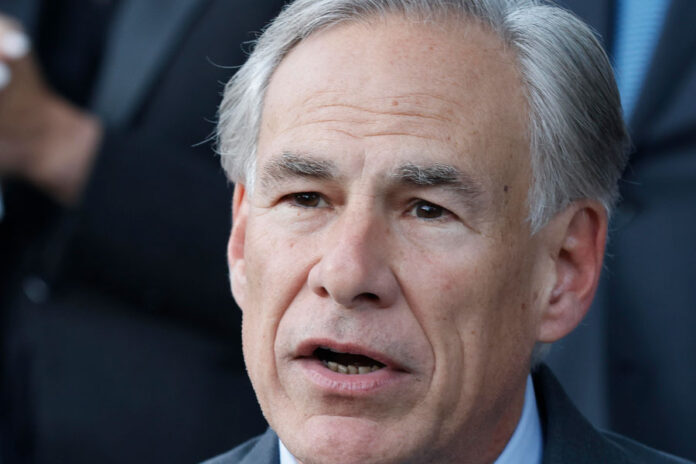
El gobernador de Texas el republicano Greg Abbott, anunció este lunes el inicio de un operativo contra la banda criminal venezolana Tren de Aragua y designó al grupo como una organización terrorista extranjera.
En una rueda de prensa en Houston, la ciudad más poblada de Texas, aseguró que la banda supone una amenaza «peligrosa y mortal» en el estado.
«Texas usará las cortes para detener sus actividades (del Tren de Aragua), usará la confiscación de activos civiles para tomar sus propiedades (…) y sanciones penales más severas para mantenerlos en la cárcel», dijo el político al anunciar las medidas.
El gobernador ordenó la creación de una unidad dentro del Departamento de Seguridad Pública del estado dedicada al Tren de Aragua y que cuente con «cientos» de agentes de las fuerzas del orden.
Su anuncio llega a menos de dos meses de las presidenciales del 5 de noviembre, en las que los republicanos han echado mano de un discurso xenófobo para criticar las políticas migratorias del presidente, Joe Biden.
Líderes republicanos, incluyendo el exmandatario y candidato Donald Trump (2017-2021), han conectado la presencia de miembros de esta banda en EE.UU. con los miles de migrantes venezolanos que han llegado a la frontera sur huyendo de la profunda crisis que atraviesa el país suramericano.
Una de las principales actividades delictivas del Tren de Aragua, que tiene su origen en una prisión a 130 kilómetros de Caracas y se ha expandido a otros países de la región, es precisamente la extorsión y explotación sexual de migrantes venezolanos.
El gobernador de Texas, que aspira a solidificar su control sobre la legislatura estatal tras los comicios de noviembre, es uno de los principales críticos del Gobierno demócrata y ha dedicado millones de dólares para «impedir» la entrada de migrantes por la frontera con México.
Más de una decena de personas que las autoridades han vinculado al Tren de Aragua han sido acusadas de cometer crímenes en varios estados del país, incluyendo Texas, Georgia, Florida y Nueva York.
Uno de los casos que más mediáticos ha sido el asesinato de una joven de 22 años, llamada Laken Riley, por parte de José Antonio Ibarra, un venezolano señalado por las autoridades en el estado como miembro de la organización criminal.
Las autoridades federales no han entregado cifras oficiales sobre la presencia de esta banda en EE.UU., pero según filtraciones al diario The Wall Street Journal, hay más de 1.00 investigaciones abiertas en el país que involucran a «presuntos» integrantes.
El pasado julio el Departamento de Tesoro clasificó al Tren de Aragua como una «organización criminal transnacional» y el Departamento de Estado aseguró que su red se ha «extendido» desde Suramérica hasta EE.UU.
Recientemente, esta banda ha saltado al panorama mediático nacional por la difusión por parte de Trump y otros políticos republicanos de una información falsa asegurando quemiembros del Tren de Aragua habían tomado el control de un edificio de apartamentos en Aurora (Colorado).
Los departamentos de policía del área metropolitana de Denver, en Colorado, desmintieron la información, pero reconocieron que esa organización delictiva sí tiene presencia en la zona.
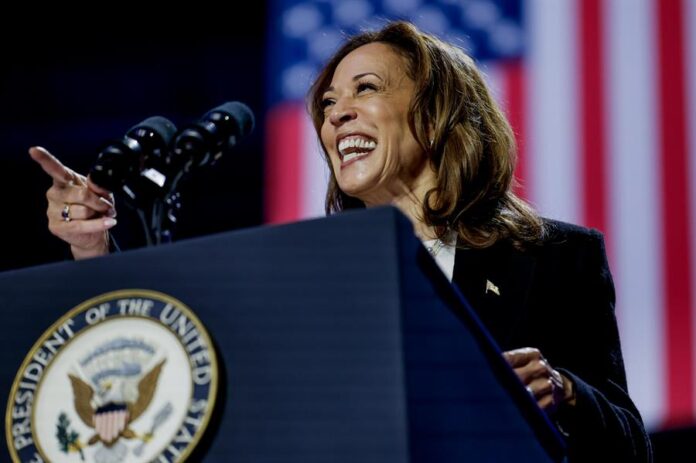
La campaña de la vicepresidenta estadounidense y candidata demócrata, Kamala Harris, ha puesto su foco en dos grupos de votantes latinos con tendencia independiente y que podrían sentirse atraídos por Donald Trump: los jóvenes y los hombres, para quienes tiene un plan con medidas económicas y educativas.
A ambos colectivos les une la preocupación por la economía, tema predominante para los votantes en general y la comunidad hispana en particular. Por ello, la campaña está realizando todos los esfuerzos posibles para recordarles lo que los demócratas y Harris pueden hacer por ellos.
Con este objetivo, el equipo de Harris, liderado por Julie Chávez Rodríguez, se está desplazando a los espacios donde se encuentran estos grupos de votantes, aprovechando especialmente el Mes de la Herencia Hispana, que reconoce las aportaciones de la comunidad latina a Estados Unidos y se celebra anualmente del 15 de septiembre al 15 de octubre.
Pelea de boxeo
La propia Chávez Rodríguez explica a EFE que el pasado sábado asistió a un combate de boxeo en Las Vegas, en el estado clave de Nevada, donde el campeón mundial mexicano Saúl «Canelo» Álvarez venció a Edgar Berlanga, nacido en Nueva York y de ascendencia puertorriqueña.
Mientras ella acudía al combate, por las calles de Las Vegas circulaban camiones que mostraban en pantallas un anuncio televisivo llamado «Luchadora», dirigido a hombres latinos, en el que se destaca la labor de Harris para mejorar la situación en la frontera y su trabajo como fiscal en la lucha contra los cárteles, traficantes de personas y bandas internacionales.
El objetivo de la campaña, según Chávez Rodríguez, es recordar a los votantes latinos, especialmente a los varones, que como fiscal de distrito en San Francisco (2004-2011) y fiscal general en California (2011-2017) Harris se distinguió por «luchar por las familias trabajadoras».
Por ejemplo, consiguió 20.000 millones de dólares para propietarios de viviendas afectados por la crisis hipotecaria, muchos de ellos latinos, y también demandó a una empresa de lavado de coches que explotaba a sus trabajadores y se aseguró de que recibieran los salarios que merecían.
La vicepresidenta ha presentado lo que denomina una «economía de oportunidades» con medidas para apoyar a los pequeños negocios, muchos creados por latinos, y que se beneficiarían de deducciones fiscales de hasta 50.000 dólares.
«Sabe lo que se necesita para mantener un pequeño negocio, sabe lo que es trabajar duro y se está asegurando de que creamos más oportunidades para nuestras familias, nuestras empresas. Y, como ella dice, para que la gente no solo sobreviva, sino que pueda prosperar, afirmó Chávez Rodríguez.
Educación y deuda estudiantil
Estas propuestas económicas también resultan atractivas para los jóvenes, muchos de ellos latinos de segunda o tercera generación, que desean conseguir buenos empleos y para ello invierten en sus estudios. Por eso para este grupo también son muy importantes las medidas relacionadas con la educación.
La campaña espera atraerles recordando que desde su llegada a la Casa Blanca, la Administración de Joe Biden y Kamala Harris ha logrado condonar las deudas estudiantiles de 4,8 millones de personas, a pesar de los numerosos obstáculos legales que este programa ha enfrentado.
«Esos 4,8 millones de estudiantes no son solo un número. Significa que esas personas tendrán la oportunidad de invertir, tal vez de comprar una casa o iniciar un negocio», explicó Chávez Rodríguez.
La jefa de campaña advirtió que si el exmandatario republicano gana las elecciones el 5 de noviembre, ese programa de condonación de deuda «dejará de existir» y recordó cómo en el «Proyecto 2025», elaborado por asesores cercanos al expresidente, se mencionan polémicas medidas, como la eliminación del Departamento de Educación.
Esa supresión afectaría a las escuelas públicas, impactando especialmente de forma negativa a los latinos, que representan uno de cada cuatro estudiantes.
En Estados Unidos, se estima que 36,2 millones de latinos podrán votar este año. En los estados clave de Nevada y Arizona, donde ha estado Chávez Rodríguez estos días, tendrán un peso especialmente importante al representar el 22 % y 25 % del electorado, respectivamente, según datos del Pew Research Center.
El electorado latino, además, se distingue por ser más joven que el resto de grupos demográficos. Un 31 % de los adultos latinos que podrán votar este año tienen entre 18 y 29 años, en comparación con el 20 % del resto de la población en ese rango de edad.
Por géneros, las mujeres latinas representan el 51 % del electorado y los hombres el 49 %, según datos de Pew.