El Departamento de Justicia de EE. UU. sostiene que TikTok representa una amenaza a la seguridad nacional. La empresa y los usuarios afirman que una ley que ordena su venta o cierre parcial representa una supresión inconstitucional de la libertad de expresión.
Este lunes, los abogados de la red social TikTok y los del Departamento de Estado estarán frente a frente en un tribunal del Distrito de Columbia, en Washington, en un caso que podría decidir el destino de la aplicación en Estados Unidos.
Los abogados que representan a la aplicación de redes sociales TikTok y a su empresa matriz con sede en China, ByteDance, se preparan para enfrentarse el lunes al Departamento de Justicia para defender un caso que podría decidir el destino de la aplicación en Estados Unidos.
El caso, que se escuchará en el Tribunal de Apelaciones de Estados Unidos para el Circuito del Distrito de Columbia, consolida varias demandas que cuestionan la constitucionalidad de una ley promulgada a principios de este año.
La medida, que tuvo un amplio apoyo bipartidista en el Congreso, exige que ByteDance venda TikTok a un propietario no chino antes del 19 de enero de 2025, o se verá obligada a cerrar su servicio dentro de Estados Unidos.
Los que no están de acuerdo con la ley afirman que representa una supresión inconstitucional de la libertad de expresión, que viola los derechos de la Primera Enmienda de los aproximadamente 170 millones de usuarios estadounidenses de TikTok.
El Departamento de Justicia sostiene que TikTok representa una amenaza a la seguridad nacional porque recopila datos personales de ciudadanos estadounidenses y que, pese a las garantías de lo contrario, podría ser obligada por el gobierno chino a proporcionar esos datos si se lo solicitan.
El gobierno también dice que el algoritmo de recomendación de la plataforma, que determina qué contenido ven los usuarios individuales, podría ser manipulado por el gobierno chino para moldear la opinión pública en Estados Unidos.
El argumento de TikTok
El Congreso aprobó la medida dirigida a TikTok, conocida como la Ley de Protección de los Estadounidenses frente a Aplicaciones Controladas por Adversarios Extranjeros, como parte de un amplio proyecto de ley de ayuda exterior en abril.
La medida dio a la empresa un plazo de 270 días para venderse o cerrar sus operaciones en Estados Unidos. La empresa protestó de inmediato, alegando que la medida era claramente una violación de la Primera Enmienda.
«Nunca antes el Congreso había señalado expresamente y clausurado un foro de expresión específico», afirmó la empresa en documentos legales. «Nunca antes el Congreso había silenciado tantos discursos en un solo acto».
Además, la compañía insistió en que se ve obligada a elegir entre dos alternativas insostenibles: un cierre que deje a EE. UU. fuera de una red global de miles de millones de usuarios sería extremadamente oneroso de gestionar desde un punto de vista tecnológico y devaluaría enormemente TikTok como plataforma publicitaria, haciendo imposible que la empresa compita con otras redes sociales.
Por otro lado, la venta forzada de la plataforma a una empresa no china dejaría a los miles de desarrolladores chinos que construyeron TikTok y continúan manteniéndola sin derecho a seguir trabajando en la plataforma, lo que amenaza su funcionamiento continuo.
Además, la venta no incluiría el algoritmo de recomendaciones de TikTok, el núcleo del atractivo del servicio para los usuarios, cuya venta está prohibida por la legislación china. La empresa sostiene que sin él, el servicio sería mucho menos popular.
Los creadores opinan
Los abogados que se oponen a la prohibición comparecerán en representación de ByteDance y TikTok y más. El caso consolida la denuncia de la empresa con las de varios usuarios estadounidenses de TikTok que afirman que sufrirían daños irreparables si se les quitara el servicio.
Muchos han acumulado enormes cantidades de seguidores en la plataforma y han utilizado TikTok para publicitar sus empresas, monetizar su producción creativa o transmitir mensajes políticos o de otro tipo a una amplia audiencia.
Jacob Huebert, presidente del Liberty Justice Center, presentó uno de los casos originales en nombre de Based Politics, una organización conservadora-libertaria de medios que utiliza TikTok para llegar a una amplia variedad de espectadores.
«Nuestro cliente es una organización que usa TikTok para difundir ideas sobre los mercados libres y la libertad individual en particular, y con TikTok pueden llegar a una audiencia de jóvenes con esas ideas a la que no pueden llegar en ningún otro lugar», dijo Huebert a la Voz de América.
«Si se permite que esta prohibición de TikTok entre en vigor, acabará con la libertad de expresión de todas estas personas y eliminará la capacidad de nuestro cliente de hacer llegar su mensaje a la audiencia a la que quiere llegar, y es por eso que este caso presenta un problema de libertad de expresión amparado por la Primera Enmienda», dijo Huebert.
Otro creador de contenido involucrado en la demanda es Brian Firebaugh, un ganadero de Texas cuya cuenta @cattleguy tiene más de 450.000 seguidores. Firebaugh ha dicho que TikTok genera la gran mayoría de sus ventas.
En videos publicados en su cuenta, Firebaugh ha acusado al gobierno de «extralimitarse» en sus esfuerzos contra TikTok. Describió el movimiento para bloquear la prohibición de la aplicación como de «propietarios de pequeñas empresas y algunos de los creadores más importantes de TikTok que literalmente luchan por su sustento».
El caso del gobierno
En su respuesta a la demanda, el Departamento de Justicia argumentó que cualquier violación de los derechos de la Primera Enmienda de los usuarios de TikTok queda anulada por el interés del gobierno en preservar la seguridad nacional.
«El gobierno chino, que ve a Estados Unidos como un rival geopolítico, tiene amplia autoridad y capacidad práctica para exigir a las empresas chinas que ayuden secretamente a China en sus esfuerzos de inteligencia, aplicación de la ley y seguridad nacional», dice el informe.
«Dado el amplio alcance de TikTok dentro de Estados Unidos, la capacidad de China de utilizar las funciones de TikTok para lograr su objetivo general de socavar los intereses estadounidenses crea una amenaza a la seguridad nacional de inmensa profundidad y escala», menciona.
En un primer intento por evitar la ley que exige su venta, TikTok había intentado apaciguar a las autoridades estadounidenses con el lanzamiento de lo que denominó «Proyecto Texas».
El programa de 1.000 millones de dólares tenía como objetivo secuestrar los datos de todos los usuarios de TikTok con sede en Estados Unidos en servidores mantenidos en el estado de Texas por la empresa tecnológica estadounidense Oracle.
Los funcionarios estadounidenses han desestimado el esfuerzo calificándolo de cosmético e ineficaz.
En un apéndice a la presentación del gobierno, el Departamento de Justicia también alegó que la empresa tiene antecedentes de compartir datos de usuarios estadounidenses con su fuerza laboral china.
En un ejemplo, una declaración proporcionada por David Newman, un fiscal general adjunto principal en la División de Seguridad Nacional del Departamento de Justicia, escribió que la empresa ha utilizado una plataforma de comunicaciones internas llamada Lark que «recopiló y almacenó grandes cantidades de datos personales».
«Los empleados de TikTok se han comunicado con sus compañeros de trabajo en Lark y, en varios momentos, se han enviado cantidades significativas de datos restringidos de usuarios estadounidenses (incluida, entre otras, información de identificación personal) entre sí a través de los canales de Lark para abordar diversos problemas operativos», dice la declaración.
«Esto dio lugar a que ciertos datos personales confidenciales de EE. UU. estuvieran contenidos en los canales de Lark y, por lo tanto, almacenados en servidores chinos y accesibles para los empleados de ByteDance ubicados en China», afirma.
Niños posan durante una práctica de fútbol en una escuela en Santo Domingo, el 10 de septiembre de 2024. EFE/Orlando Barría
Santo Domingo.- República Dominicana, un país reconocido mundialmente por tener la ‘pelota’ (béisbol) como su deporte principal, está viendo en los últimos años cómo otro tipo de esférico, ahora el balón de fútbol está ganando protagonismo entre los más jóvenes.
El meritorio papel de la selección sub-23 en los pasados Juegos Olímpicos de París, la participación en el Mundial sub-20 de Argentina o la acogida del próximo Mundial sub-17 femenino muestran el crecimiento del fútbol en un país que hasta hace diez años carecía de una liga profesional.
«Yo vine la primera vez al país en 2001 y había cuatro o cinco escuelas de fútbol y hoy hay en todos los lados, en Santo Domingo (y) Punta Cana», dijo a EFE el argentino Marcelo Neveleff, coordinador de las selecciones nacionales.
«Es el deporte más popular en la juventud ahora mismo» e, incluso, «puede superar al béisbol», subrayó Neveleff.
Tan escasa era la importancia de este deporte años atrás que la Federación de Fútbol, que en estos momentos se encuentra rodeada de obras para adecuar las instalaciones para futuros eventos, tan sólo registra jugadores desde 2019, cinco años en los que suma 11.242 fichas y 158 clubes en activo.
El fútbol está creciendo desde abajo, y eso se observa en los torneos juveniles, donde a veces hay más público que en los partidos profesionales.
«El otro día les comentaba a los jugadores de la selección absoluta que fui a ver partidos de la sub-12 y la sub-14 y el talento que hay es buenísimo. Si alguno de ellos estuviera en España, en Argentina o en cualquier país futbolero, estaría en las divisiones juveniles de alguno de los equipos importantes en el país», afirmó Neveleff.
El importante papel de las escuelas de fútbol
Fundada en 1986, la Escuela Bauger llegó a República Dominicana gracias al Ministerio de Deporte y poco a poco se fue abriendo paso hasta ser una de las escuelas referentes.
Sus instalaciones, curiosamente junto a un campo de béisbol, no cambian la visión de los jóvenes dominicanos que tienen en el fútbol su gran pasión.
Divididos en grupos en función de la edad y en distintos ‘minicampos’ (inclusive uno de ellos de césped natural), los más pequeños llegan puntuales a su entrenamiento y siempre son recibidos en la puerta de entrada por Jorge Rolando Bauger, precursor de esta escuela.
«Hay un déficit en las escuelas en la materia de Educación Física, los profesores cumplen con su currículum y heredamos gente con falta de coordinación», explicó Bauger a EFE, aunque ese problema en las escuelas se equilibra jugando al fútbol, donde «los fundamentos ya están muy marcados, no es solamente correr, es pensar, es respetar el balón, el juego por posición».
Ante la ausencia de un ídolo local, los niños se fijan en estrellas mundiales como Messi o Cristiano Ronaldo y las celebraciones de Antonine Griezmann, quedando Neymar en un segundo plano.
El merengue dominicano se mezcla con el regate
Bauger dijo a EFE que la juventud dominicana tiene algo especial y su pasión por el merengue hace que les sean más fáciles algunos aspectos del juego, como es el regate.
«La niñez dominicana es desinhibida, tenemos un ritmo extraordinario que es el merengue, y el merengue requiere de soltura, de alegría, de mover la cintura, y el ‘dribbling’ (regatear) y el fútbol es mover la cintura», señala Bauger.
También para Neveleff el jugador dominicano tiene algo que le hace incomparable, «la actitud ganadora», ya que «no le tiene miedo al escenario, no tiene complejos, y eso es importantísimo en el fútbol».
Con todo esto, República Dominicana, que todavía tiene en la ‘pelota caliente’ su principal deporte en materia de inversión e importancia en el mundo, está viendo como el ‘boom’ del fútbol puede cambiar el panorama deportivo del país.
Concejala del Distrito 7 de la ciudad de Filadelfia, Pensilvania, Quetcy Lozada. (Foto: Cortesía/QL)
La concejala Quetcy Lozada del Distrito 7 sometió dos propuestas de ley el 5 de septiembre al Concejo Municipal de la ciudad, referentes a las áreas de proveedores de servicios móviles, y para evitar que dejen basura una vez que se retiren del área donde estuvieron.
El propósito de estas legislaciones es proteger la seguridad de los niños y el bienestar de las familias y comunidades residenciales para que disfruten de vecindarios limpios y seguros.
Estas propuestas están dirigidas a mejorar las relaciones entre los proveedores y la comunidad. Los proyectos de ley serán referidos a los comités adecuados para que haya oportunidad de escuchar el testimonio de todas las perspectivas.
“He estado escuchando a los residentes directamente impactados desde que llegué (al Concejo) en noviembre de 2022. No dejen que el miedo, la desinformación o las mentiras les impidan ser parte de la conversación. ¡Esta no es una prohibición de los servicios móviles!”, escribió Quetcy Lozada en su página de Facebook el 9 de septiembre.
La primera propuesta es que estos proveedores operen lejos de las áreas residenciales y de los espacios públicos usados por los niños. Se les permitirá ofrecer sus servicios en bloques no residenciales y en aquéllos que no incluyan una escuela primaria o secundaria o centros recreativos.
Mediante las unidades móviles, los proveedores han proporcionado servicios que salvan vidas, y han conectado a las personas a cuidado a largo plazo. Sin embargo, los residentes han expresado a la concejala sus preocupaciones acerca de las prácticas de dichos proveedores que impactan el bienestar de los residentes, niños y personas que reciben esos servicios. Muchos habitantes del Distrito 7 han expresado también su inquietud de que los proveedores se congregan en grandes cantidades para brindar servicios que se duplican con frecuencia, contribuyendo así a una mayor cantidad de basura, conductas fastidiosas y preocupaciones por la seguridad en los vecindarios. Esto ha hecho aumentar los conflictos sociales y las confrontaciones causadas por los que reciben los servicios móviles, los cuales son parte de actividades fastidiosas y criminales, incluyendo que estas conductas tengan lugar en los porches cercanos de los residentes, en los escalones de las casas o en los patios de los vecinos.
Entre los hallazgos de esta situación, se ha notado que los niños están expuestos a condiciones traumáticas y de inseguridad con frecuencia que se han originado por la crisis de la venta y uso de fentanilo.
La segunda propuesta de Lozada aborda el problema de la basura generada por los proveedores de servicios móviles, contemplando que sea recogida dentro de un radio de cincuenta pies de donde hayan distribuido los bienes, antes de irse del área donde brindaron sus servicios y distribución de productos.
Este requisito se aplicará a cualquier lote en el Distrito 7 y en el Distrito 1 de la ciudad.
Deben limpiar el desperdicio el cual incluye, pero no está limitado, a plásticos, sustancias tóxicas e incluso desperdicio humano.
Debe recogerse la parafernalia de drogas, las pastillas desechadas o las provisiones médicas tiradas en las calles que pueden representar un peligro para los niños, el medio ambiente y la salud pública.
Esta propuesta legislativa fue presentada para mejorar la relación entre los proveedores y la comunidad con el fin de que los residentes tengan una mejor calidad de vida y proteger a los niños.
La concejala Quetcy Lozada se ha destacado por escuchar las preocupaciones de los residentes, así como proponer leyes que beneficien a las comunidades afectadas por conductas dañinas.
Si usted vive en el Distrito 7 y tiene preguntas acerca de estas propuestas legislativas puede ir a su oficina en la avenida Frankford 4821, cerca de la esquina con Foulkrod Street. El horario entre semana es de 9:00 am a 2:00 pm. Ahí le brindaran también ayuda para servicios de la ciudad.
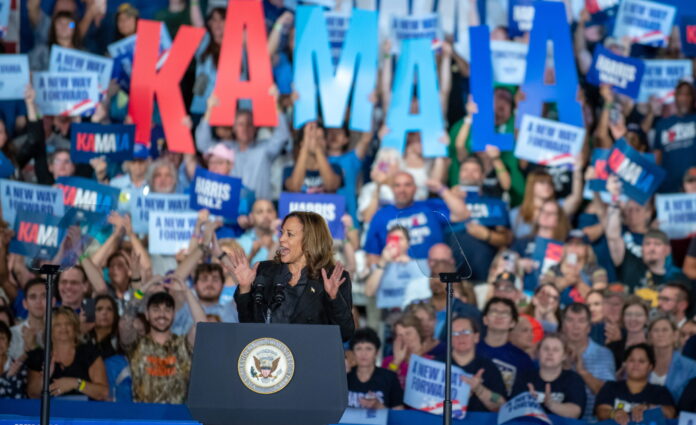
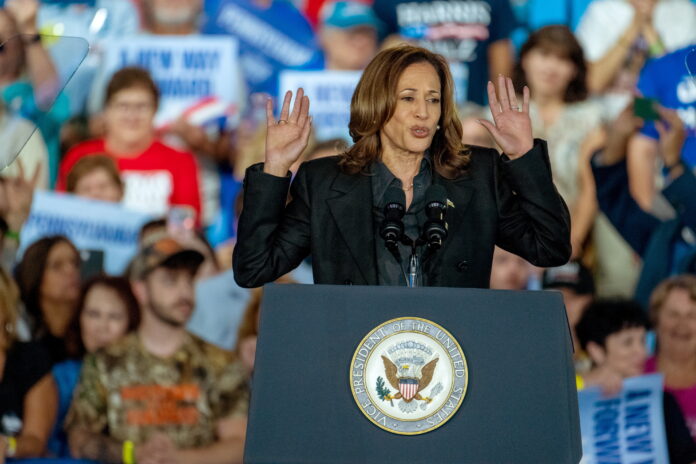
La vicepresidenta de EE.UU., Kamala Harris, hizo el viernes campaña en condados republicanos de Pensilvania, en un esfuerzo estratégico por reducir la ventaja de Donald Trump en esa región y aumentar las posibilidades demócratas de conquistar este estado clave de cara a las elecciones de noviembre.
Harris concluyó el día con un mitin en un campus universitario en Wilkes-Barre, donde propuso una «economía de oportunidades» para la clase media, reafirmó su defensa del derecho al aborto y describió a Trump como un líder divisivo, enfocado en sus propios intereses.
«Necesitamos un presidente que trabaje para todos los estadounidenses y que deje de intentar dividirnos. La gente ya está cansada de eso», afirmó Harris, recibiendo continuos aplausos del público.
En un momento del evento, la vicepresidenta fue interrumpida por manifestantes que protestaban contra la guerra en Gaza. Uno de ellos alzó la voz, causando malestar entre los asistentes. Harris intervino, y aunque expresó que «respetaba sus voces», les recordó que «en ese momento, estaba hablando ella».
La campaña de Harris considera que las visitas de este viernes a zonas conservadoras del interior de Pensilvania son una oportunidad para reducir la ventaja de Trump.
Su estrategia es captar a votantes indecisos en condados republicanos, con el fin de disminuir el margen de victoria de Trump en esas áreas y asegurar que Harris obtenga suficientes votos a nivel estatal para ganar Pensilvania.
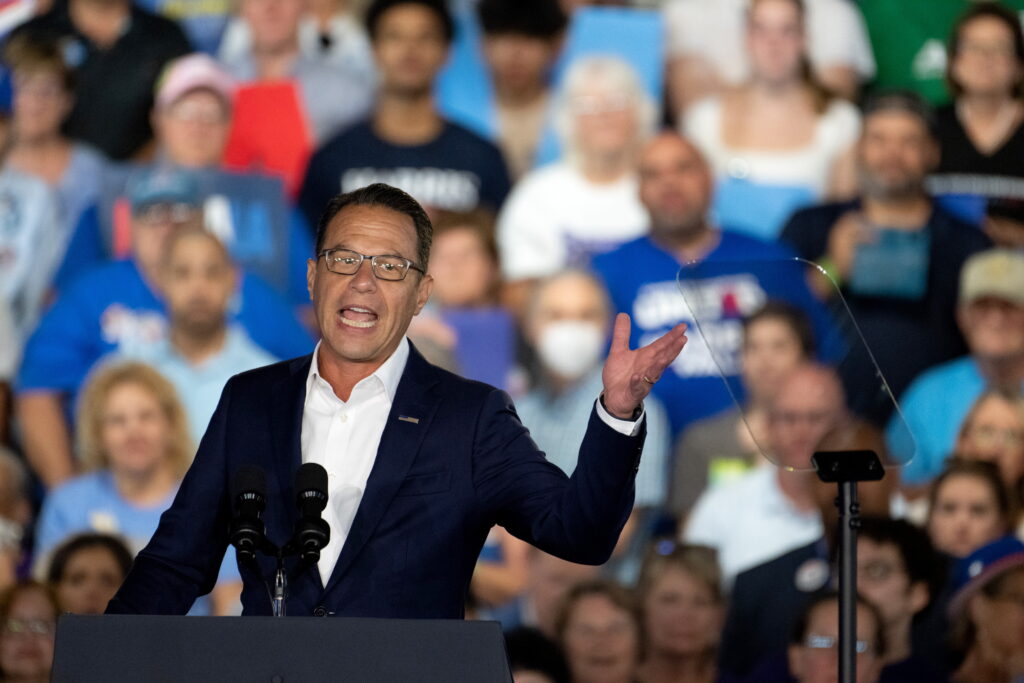
Gobernador Josh Shapiro. EFE/EPA/DAVID MUSE
Wilkes-Barre, donde dio su discurso, está en el condado de Luzerne, un área que Barack Obama ganó en 2008 y 2012, pero que pasó a manos de Trump en 2016, cuando venció a Hillary Clinton con casi 20 puntos de ventaja. En 2020, Biden perdió Luzerne por 14 puntos.
La otra parada de Harris fue en Johnstown, situada en el condado de Cambria, a unos 100 kilómetros al este de Pittsburgh. Este condado también muestra una tendencia similar a la de Luzerne: Obama lo ganó en 2008 y 2012, pero Trump lo conquistó en 2016 y 2020.
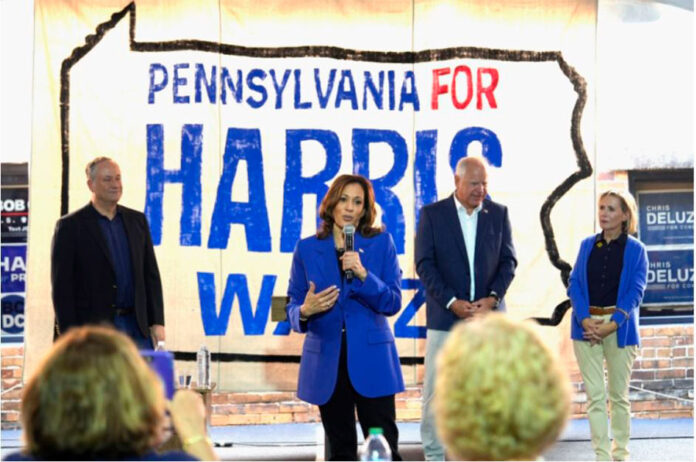
En Johnstown, Harris conversó con votantes en un local que funcionaba como café y librería. Les comentó que es consciente de su responsabilidad de ganar «cada uno» de sus votos, y por ello desea pasar tiempo en las comunidades donde residen.
«Por eso estoy aquí, y vamos a pasar mucho más tiempo en Pensilvania», afirmó Harris, quien ha dedicado seis de los últimos siete días a hacer campaña en este estado.
Su equipo de campaña ha destacado la importancia de Pensilvania, ya que con 19 votos en el Colegio Electoral, es uno de los estados que podría decidir quién llega a la Casa Blanca.
El viernes, la campaña de Harris indicó en un comunicado que 16 de sus 50 oficinas en Pensilvania se encuentran en condados rurales donde Trump ganó por un amplio margen en 2020. El objetivo es limitar la ventaja de Trump en esas zonas del estado, y así aumentar las posibilidades demócratas en la contienda.
Approved funding will help bring Pennsylvania law enforcement agencies into compliance with the National Incident-Based Reporting System (NIBRS).
Funding will also help ensure that victims of crime in Pennsylvania are able to access the services and support they need.
Harrisburg – This week, members of the Pennsylvania Commission on Crime and Delinquency (PCCD),took action to approve $80 million in a variety of grants to improve crime reporting, help law enforcement upgrade equipment, support victims of crime and victim service providers, and support county jail-based medication-assisted treatment for individuals with substance use disorder.
«The Commission took a significant step in advancing public safety by approving $80 million in funding to enhance our law enforcement capabilities and provide critical support to victims of crime,” said Mike Pennington, PCCD Executive Director. “The funding approved today will modernize our crime reporting systems to meet national standards, bolster law enforcement equipment and technology, and fund vital services for crime victims across Pennsylvania.»
The approved grant funding includes $5.8 million in grant funding to support law enforcement system upgrades which will enable the reporting of crime statistics to the Federal Bureau of Investigation’s (FBI) NIBRS. As of January 1, 2021, NIBRS became the national standard for law enforcement crime data reporting in the United States. The data collected through NIBRS provides the ability to capture details on criminal incidents, including information on victims, known offenders, relationships between victims and offenders, arrestees, and property involved in crimes.
Pennsylvania is well behind other states in the nation in fully utilizing NIBRS, making it challenging to accurately capture statewide and jurisdiction-specific crime trends. While Pennsylvania has made progress increasing NIBRS compliance statewide thanks to recent investments, currently, only 42 percent of Pennsylvania’s population is covered by a police department that is utilizing NIBRS and only 10 percent of local law enforcement agencies are reporting criminal statistics to the FBI through NIBRS.
This funding will allow the 68 approved law enforcement entities to use funding for software, hardware, and labor needed to install NIBRS-compliant record management systems; training on how to collect and submit NIBRS data; and/or technical assistance for personnel responsible for data collection and submission.
“This funding will allow Central Bucks Regional Police Department to upgrade our technology infrastructure to provide greater specificity in reporting statistics through NIBRS compliance,” said Central Bucks Regional PoliceChief Karl Knott. “We look forward to the benefit of maximizing our resources through actionable intelligence, more accurate analysis of crime, and data sharing across agencies to increase clearance rates.”
Commission-Approved NIBRS Awards (pending the resolution of any outstanding programmatic or fiscal concerns)
County
Applicant Agency
Amount
Adams
Franklin City
$ 200,000
Allegheny
Allegheny County Chief Executive Officer
$ 200,000
Allegheny
Castle Shannon Borough
$ 28,097
Allegheny
Harmar Township
$ 50,000
Allegheny
Indiana Township
$ 52,367
Allegheny
Munhall Borough
$ 44,364
Allegheny
Pittsburgh City
$ 200,000
Allegheny
Pleasant Hills Borough
$ 24,487
Allegheny
Wilkins Township
$ 200,000
Beaver
Center Township
$ 128,500
Bucks
Bensalem Township
$ 331,976
Bucks
Central Bucks Regional Police Department
$ 162,467
Bucks
Falls Township
$ 99,105
Bucks
Lower Makefield Township
$ 51,573
Bucks
Lower Southampton Township
$ 42,714
Bucks
Yardley Borough
$ 46,735
Cambria
Cambria County Commissioners
$ 37,595
Cambria
Ebensburg Borough
$ 40,000
Cambria
Stonycreek Township
$ 111,870
Chester
East Vincent Township
$ 6,500
Chester
West Vincent Township
$ 33,528
Clearfield
Curwensville Borough
$ 76,734
Clearfield
Lawrence Township
$ 131,442
Clinton
Lock Haven City
$ 79,026
Columbia
Benton Borough
$ 36,752
Columbia
Hemlock Township
$ 36,510
Cumberland
Hampden Township
$ 128,801
Cumberland
Upper Allen Township
$ 176,300
Delaware
Darby Borough
$ 125,216
Delaware
Yeadon Borough
$ 35,000
Fayette
Fayette County Commissioners
$ 100,500
Fayette
Uniontown City
$ 123,600
Franklin
Waynesboro Borough
$ 126,963
Lackawanna
Archbald Borough
$ 151,840
Lackawanna
Blakely Borough
$ 98,464
Lackawanna
South Abington Township
$ 174,594
Lancaster
Lancaster City
$ 200,000
Lancaster
Mount Joy Borough
$ 122,084
Luzerne
Avoca Borough
$ 13,345
Luzerne
Dallas Borough
$ 23,422
Luzerne
Dallas Township
$ 30,300
Luzerne
Dupont Borough
$ 13,345
Luzerne
Duryea Borough
$ 13,215
Luzerne
Hughestown Borough
$ 13,345
Luzerne
Jackson Township
$ 24,364
Luzerne
Jenkins Township
$ 13,345
Luzerne
Kingston Township
$ 44,114
Luzerne
Lehman Township
$ 28,058
Luzerne
Pittston City
$ 13,215
Luzerne
Pittston Township
$ 13,345
Luzerne
Wyoming Area Regional Police
$ 13,345
Mercer
Farrell City
$ 135,464
Mercer
Sharon City
$ 150,292
Mercer
Sharpsville Borough
$ 60,368
Monroe
East Stroudsburg University
$ 1,347
Montgomery
Conshohocken Borough
$ 23,831
Montgomery
Pottstown Borough
$ 39,935
Northampton
Lehigh Township
$ 175,200
Northumberland
Riverside Borough
$ 22,927
Schuylkill
Coaldale Borough
$ 69,535
Union
Bucknell University
$ 186,943
Venango
Oil City
$ 200,000
Washington
Charleroi Regional Police Department
$ 100,300
Washington
Washington County Commissioners
$ 100,500
Westmoreland
Allegheny Township
$ 74,330
Westmoreland
Murrysville Municipality
$ 37,595
Westmoreland
North Belle Vernon Borough
$ 89,550
York
York City
$ 125,000
The Commission also approved $60 million in federal grant funding for victim service providers for the provision of services to Pennsylvanians who are victims of crime. Federal Victims of Crime Act (VOCA) funding serves as the backbone of financial support for nearly all of the victim service provider organizations in the Commonwealth and throughout the nation.
Approved funding will advance new research focused on counties’ implementation of Act 79 of 2018 (which established protections for domestic violence survivors related to weapons relinquishment), continue supporting a statewide program that provides support for local communities and victims impacted by traumatic events, and enhance a multidisciplinary approach by the justice systems in its response to victims of domestic violence, sexual assault, stalking and dating violence.
Other approved funding from Commission meeting includes:
$3 million for law enforcement agencies to support their equipment and technology needs to assist them in reducing crime and improving clearance rates;
Nearly $7 million in Federal Justice Assistance Grants (JAG) funding to support a wide variety of projects throughout the state, including public defense, offender reentry, prevention programming, and treatment courts; and
$3.7 million to support county jail-based medication-assisted treatment for individuals with substance use disorder.
More information about the actions approved at the Commission meeting are available on PCCD’s website.
United States Vice President Kamala Harris campaigned Friday in Republican counties in Pennsylvania, in a strategic effort to reduce Donald Trump’s advantage in the region and increase Democrats’ chances of winning this key state ahead of November’s elections.
Harris concluded the day with a rally on a university campus in Wilkes-Barre, where she proposed an «economy of opportunities» for the middle class, reaffirmed her defense of the right to abortion and called Trump a divisive leader focused on his own interests.
«We need a president who works for all Americans and stops trying to divide us. People are tired of that,» Harris said, as the audience applauded.
At one point during the event, the vice president was interrupted by protesters protesting against the war in Gaza. One of them raised his voice, causing discomfort among the attendees. Harris intervened, saying she respected their voices.
The vice president’s campaign sees Friday’s visits to conservative areas of inland Pennsylvania as an opportunity to reduce Trump’s lead.
Its strategy is to attract undecided voters in Republican counties to reduce Trump’s margin of victory in those areas and ensure Harris gets enough votes at the state level to win Pennsylvania.
Wilkes-Barre, where she gave her speech, is in Luzerne County, an area former President Barack Obama won in 2008 and 2012 but which fell to Trump in 2016 when he beat Hillary Clinton by nearly 20 points. In 2020, Biden lost Luzerne by 14 points.
Harris’ other stop was in Johnstown, in Cambria County, about 100 kilometers east of Pittsburgh. This county also shows a similar trend to Luzerne, as Obama won it in 2008 and 2012, but Trump won it in 2016 and 2020.
In Johnstown, Harris spoke with voters in a place that functioned as a cafe and bookstore. She told them she is aware of her responsibility to earn «every one» of their votes, and that is why she wants to spend time in the communities where they live.
«That’s why I’m here, and we’re going to be spending a lot more time in Pennsylvania,» said Harris, who has spent six of the last seven days campaigning in the state.
Her campaign team has stressed the importance of Pennsylvania, since with 19 votes in the Electoral College, it is one of the states that could decide who wins the White House.
On Friday, Harris’ campaign said in a statement that 16 of its 50 offices in Pennsylvania are in rural counties where Trump won by a wide margin in 2020. The goal is to limit Trump’s advantage in those areas of the state, and thus increase the Democrats’ chances in the race.
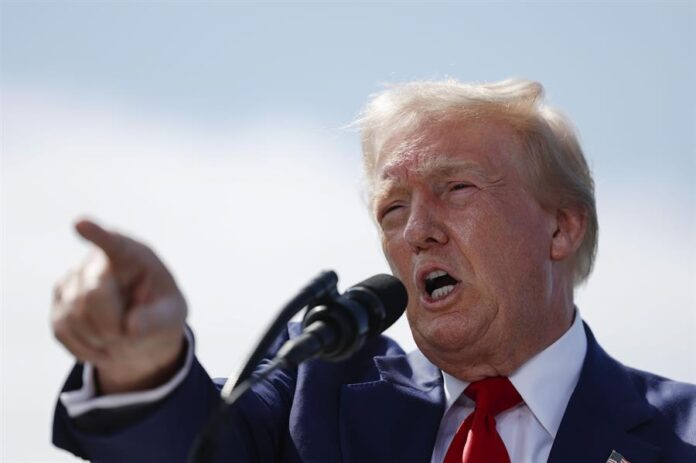
Los Ángeles.- El exmandatario estadounidense y candidato republicano Donald Trump (2017-2021) aseguró este viernes que de ser elegido como presidente su plan de llevar a cabo la «mayor deportación (de inmigrantes) de la historia del país» comenzará en Springfield (Ohio) con destino a Venezuela.
«Esto es lo que puede decir: haremos deportaciones en masa desde Springfield. Vamos a sacar a esa gente. La vamos a llevar de vuelta a Venezuela», espetó en una rueda de prensa ofrecida en su club de golf en Palos Verdes, California.
En su opinión, los «hatianos ilegales» están destruyendo el modo de vida de los habitantes de esa zona.
El magnate neoyorquino lleva días expandiendo el bulo de que los haitianos se comen en Springfield a los gatos y a los perros de los ciudadanos del lugar.
Esas acusaciones han provocado que la comunidad haitiana se vea señalada, recibiendo incluso amenazas de bombas que han obligado al cierre de escuelas en los últimos dos días y de otras instalaciones oficiales. El propio presidente, Joe Biden, pidió hoy que cesara esa retórica.
El exmandatario usó gran parte de su conferencia de prensa para criticar además a su contrincante el 5 de noviembre, la vicepresidenta y aspirante demócrata, Kamala Harris, acusándola de nuevo sin pruebas de facilitar la «mayor ola de tráfico sexual y trata de personas de la historia» con sus políticas en la frontera con México.
Trump consideró a Harris responsable del deterioro de la ley y el orden en California a través de sus políticas como fiscal general en ese estado (2011-2017) y como senadora del mismo (2017-2021).
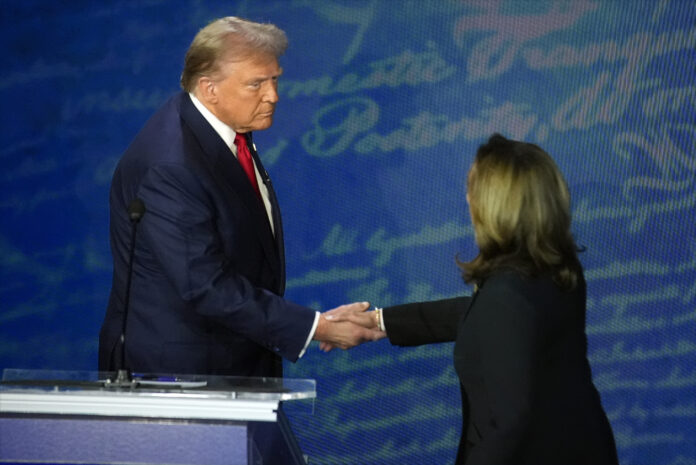
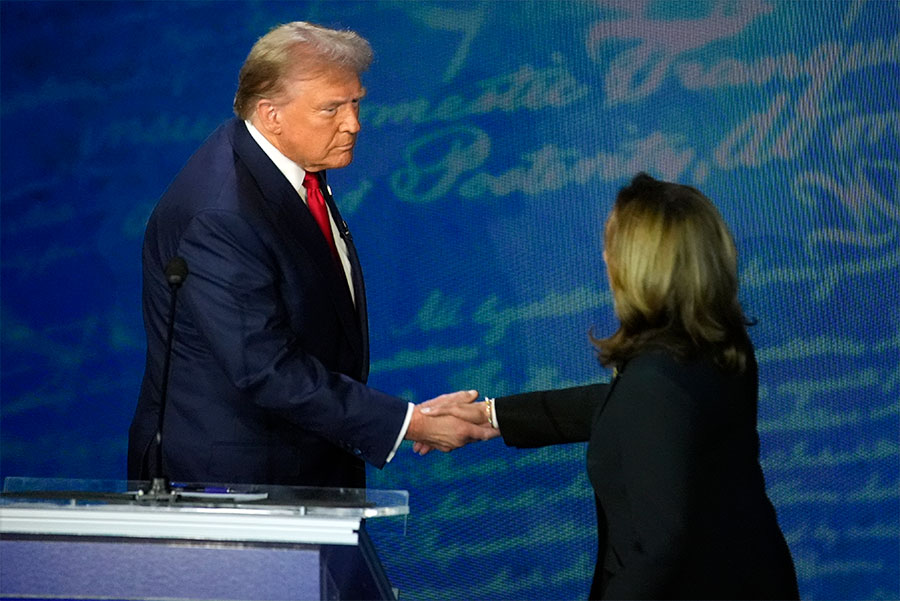
Los dos candidatos se enfrentaron el martes en su primer debate electoral. El exmandatario, quien mostró entonces una actitud defensiva e irascible, reiteró este viernes que no está interesado en participar en otro con Harris y tachó de «lunáticos» a la demócrata y a los periodistas que moderaron el encuentro organizado por la cadena ABC.
«El debate fue genial, creo que lo hice muy bien, pero estaba luchando contra tres personas. Estaba luchando contra los locos radicales de izquierda de la ABC, en mi opinión los peores locutores que hay», mencionó.
Su encuentro de este viernes con la prensa se dio un día después de que llevara a cabo un acto de recaudación de fondos en Los Ángeles, ciudad que es considerada por algunos expertos como el «cajero» de los partidos políticos por las altas sumas de dinero que logran recaudar en dicha ciudad para su campañas.
El jueves, el candidato republicano tuvo un mitin en Tucson, Arizona, uno de los estados clave para las presidenciales, y ahí propuso eliminar los impuestos a las horas extra para incentivar el empleo.
La propuesta surge en un intento de ganar el voto de los trabajadores y se suma a otra anterior en la que planteaba eliminar los impuestos a las propinas en el sector servicios, una iniciativa que Harris formuló después, y tras lo que fue acusada de plagio por los republicanos.
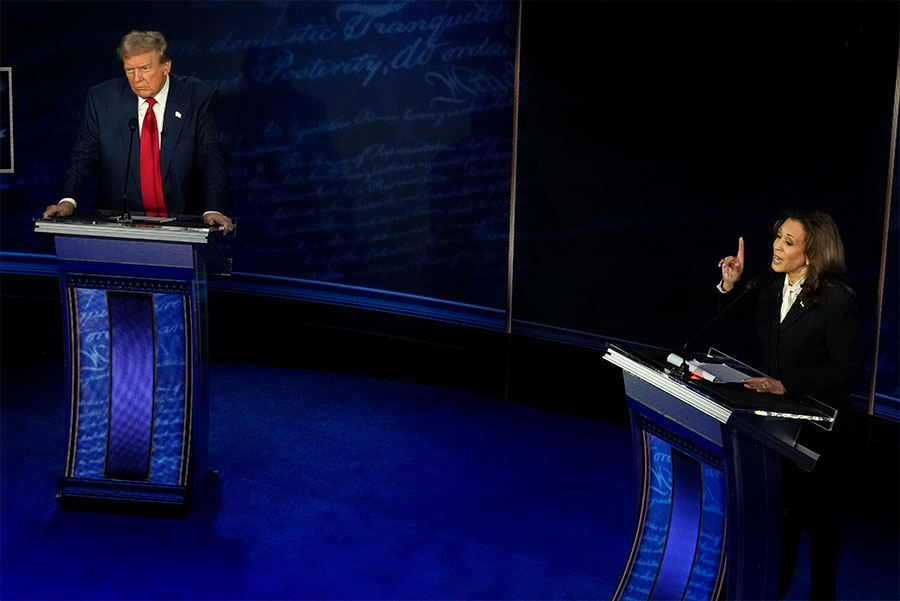
El candidato presidencial republicano y expresidente Donald Trump estrecha la mano de la candidata presidencial demócrata y vicepresidenta Kamala Harris durante el debate presentado por ABC News, el martes 10 de septiembre de 2024, en el National Constitution Center de Filadelfia. (AP Foto/Alex Brandon)
En las elecciones presidenciales del 2024, que ya sientan un récord por ser las más costosas de la historia, se presentaron Donald Trump y Kamala Harris ante más de 67 millones de espectadores que siguieron el debate presidencial en vivo, superando al que protagonizara Biden hace unos meses, que tuvo una audiencia de 51.27 millones de personas; sin embargo el récord de espectadores de un debate fue el registrado en 2016, cuando los contendientes eran Donald Trump y Hillary Clinton; entonces, 84 millones de personas lo presenciaron.
A pesar de que para Trump era su séptimo debate presidencial y para Harris era el primero, una gran cantidad de medios consideran que ella ganó, y difundieron cómo la vicepresidenta y candidata demócrata supo provocar y hacer saltar al expresidente y candidato republicano, en el debate del martes 9 de septiembre en Filadelfia.
Consideran que el expresidente cayó en muchas de las carnadas, tras ir apelando a su ego.
The Wall Street Journal destaca que la vicepresidenta «puso al expresidente a la defensiva» y el New York Post (el medio tradicionalmente más favorable al expresidente) reconoce que «Trump se puso nervioso».
Harris cuestionó el tamaño y la lealtad de las multitudes en sus mítines. Dijo que los líderes mundiales lo consideran una vergüenza. Y afirmó que su fortuna fue construida por su padre, convirtiéndolo en un magnate de los negocios que se jacta con orgullo de ser un hombre hecho a sí mismo.
Los medios destacan que Harris usó el debate como una carta de presentación para muchos votantes, ya que su campaña empezó más tarde.
“Claramente, no soy Joe Biden. Claramente, no soy Donald Trump. Y lo que sí ofrezco es una nueva generación de liderazgo para nuestro país”, dijo Harris desde el estrado.
Sin aun aceptar otro debate, Trump, quien dijo que fue el mejor de sus debates, se lamentó de que el organizado por ABC no fue neutral. «ABC es la organización de noticias más deshonesta y eso es decir mucho porque todos son deshonestos, pero creo que hice un gran trabajo», anotó el político en una entrevista telefónica con Fox.
Kamala Harris y Donald Trump dijeron tanto con el rostro como con las palabras
Sus micrófonos estuvieron apagados salvo cuando era su turno de hablar, sin embargo, Trump se alargó en varias ocasiones hablando casi 7 minutos más que Harris, pero ella parecía responder con su lenguaje corporal. La pantalla dividida con imágenes de ambos candidatos a la presidencia permaneció durante gran parte del debate.
En varias ocasiones, la candidata demócrata se vio divertida o desconcertada por lo que fuera que Trump estaba declarando, como si ella estuviera diciendo sin palabras que el republicano mentía. Algunas veces puso los dedos debajo de la barbilla, con los ojos muy abiertos y la cabeza inclinada con actitud reflexiva. En otras simplemente rio.
Trump fruncia el ceño, sonreía con sarcasmo; su mirada mostraba desajuste y en ocasiones ira. Rara vez volteó a ver a Harris cuando ella hablaba.
El candidato republicano a la presidencia de Estados Unidos, Donald Trump, y la candidata demócrata a la presidencia, Kamala Harris, participan en un debate en ABC en el National Constitution Center, el martes 10 de septiembre de 2024, en Filadelfia. (Foto: AP/Alex Brandon)
LOS TEMAS DIVISIVOS
En un país polarizado, era de esperarse que en el debate salieran a relucir algunas claras diferencias en materia de impuestos, aborto, inmigración, alianzas globales, cambio climático y la democracia misma, entre los dos candidatos y las plataformas que representan.
Harris se ha comprometido a trazar un nuevo camino a seguir, incluso cuando ha adoptado muchas ideas de Biden. Quiere recortes de impuestos para la clase media y aumentos para los ricos y las corporaciones, restablecer el derecho al aborto y lidiar con la crisis climática.
En su deseo por regresar a la Casa Blanca, además de venganza, como ha justificado que tiene derecho, Trump quiere extender los recortes de impuestos que impulsó en 2017, un aumento masivo de los aranceles, más apoyo a los combustibles fósiles y una mayor concentración del poder gubernamental en la Casa Blanca.
Los dos candidatos han expuesto sus ideas, pero muchas de sus propuestas carecen de detalles, en cómo se traducirían sus intenciones en leyes o cómo pagarían por ellas.
Aunque la mayoría de las promesas de campaña se quedan en promesas, esta es una breve panorámica de sus posturas en temas clave.
El candidato presidencial republicano y expresidente Donald Trump y la candidata presidencial demócrata y vicepresidenta Kamala Harris durante el debate presentado por ABC News, el martes 10 de septiembre de 2024, en el National Constitution Center de Filadelfia. (Foto: AP/Alex Brandon)
ABORTO
HARRIS: Ha pedido al Congreso que apruebe una legislación que garantice en la ley federal el acceso al aborto, un derecho que se mantuvo durante casi 50 años antes de ser revocado por la Corte Suprema en 2022. Ha promovido los esfuerzos de la administración que no llegan a la ley federal, incluidas medidas para proteger a las mujeres que viajan para acceder al procedimiento y limitar la forma en que las autoridades recopilan registros médicos.
TRUMP: Se jacta de haber nombrado a los jueces de la Corte Suprema que en junio de 2022 anularon el fallo Roe vs. Wade que despenalizó en aborto en 1973. Cree que las decisiones sobre el acceso y los límites deberían dejarse en manos de los estados y que ellos determinen si procesar a las mujeres por abortos o monitorear sus embarazos. No promulgaría una ley que prohíba el aborto a nivel nacional pero recientemente dijo que no intentaría bloquear el acceso a los medicamentos abortivos.
CLIMA/ENERGÍA
HARRIS: Como senadora de California, la vicepresidenta fue una de las primeras en apoyar el Green New Deal, y dijo durante su breve campaña presidencial de 2020 que se oponía a la perforación en alta mar en busca de petróleo y a la fracturación hidráulica. Pero durante sus tres años y medio como vicepresidenta, Harris ha adoptado posiciones más moderadas, centrándose en cambio en implementar las disposiciones climáticas de la Ley de Reducción de la Inflación de la Administración Biden. Eso proporcionó casi 375.000 millones de dólares para cosas como incentivos financieros para autos eléctricos y proyectos de energía limpia, y también, reclutando a más de 20.000 jóvenes en un “Cuerpo Climático”, un programa nacional similar al Cuerpo de Paz para promover la conservación mediante tareas como climatizar viviendas y regenerar humedales, políticas a las que les quiere dar continuidad.
TRUMP: En el pasado describió el cambio climático como un “engaño” y alberga un particular desdén por la energía eólica, su objetivo es conseguir la energía más barata del mundo. Ha prometido aumentar la extracción de petróleo en tierras públicas, ofrecería exenciones fiscales a los productores de petróleo, gas y carbón, acelerar la aprobación de gasoductos naturales, abrir decenas de nuevas plantas de energía, incluidas instalaciones nucleares, y hacer retroceder los esfuerzos para lograr que la gente se cambie a los automóviles eléctricos. Se ha comprometido a volver a salir de los Acuerdos Climáticos de París, poner fin a los subsidios a la energía eólica y eliminar las regulaciones impuestas y propuestas dirigidas a tipos de focos, estufas, lavavajillas y cabezales de ducha que no sean eficientes en cuanto a su consumo.
DEMOCRACIA/ESTADO DE DERECHO
HARRIS: Los problemas con la justicia de Trump vienen antes de sus aspiraciones políticas. Harris considera a Trump como una amenaza a la democracia de la nación, por incitar el asalto al Capitolio del 6 de enero. Apunta que Trump fue declarado culpable de 34 delitos graves en un caso donde se le procesó por pagar para mantener en secreto denuncias en su contra en Nueva York, y fue declarado responsable de prácticas comerciales fraudulentas y abuso sexual en un tribunal civil. En sus mítines, cuando sus seguidores gritan: “¡Enciérrenlo!”, Harris responde que los tribunales pueden “manejar eso” y que “nuestro trabajo es vencerlo en noviembre”.
TRUMP: Después de negarse a aceptar su derrota ante Biden en 2020, Trump no se ha comprometido a aceptar los resultados esta vez. Ha prometido perdonar a los acusados del 6 de enero encarcelados por agredir a agentes de policía y otros delitos durante el ataque al Capitolio, y recientemente amenazó con encarcelar a abogados, funcionarios electorales, donantes y otras personas “involucradas en comportamientos sin escrúpulos” en torno a la votación de noviembre, avivando las acusaciones no comprobadas. Promete reformar el Departamento de Justicia y el FBI “desde cero”, agraviado por los cargos penales que el departamento ha presentado contra él; y desplegar la Guardia Nacional en ciudades como Chicago que luchan contra los delitos violentos y en respuesta a las protestas, y también ha prometido nombrar un fiscal especial para procesar a Biden.
GOBIERNO FEDERAL
HARRIS: Harris ha hecho una dura campaña contra el “Proyecto 2025”, un plan elaborado por destacados conservadores y colaboradores de la Presidencia de Trump, para actuar lo más rápido posible para reformar al gobierno federal y empujarlo hacia la extrema derecha si Trump recupera la Casa Blanca. Quiere tomar medidas para dificultar que se produzcan despidos masivos de funcionarios públicos. En abril, la Oficina de Gestión de Personal emitió una nueva regla que prohibiría que los trabajadores federales sean reclasificados como designados políticos u otros empleados a voluntad, lo que haría más fácil su despido. Esto fue en respuesta al Anexo F, una orden ejecutiva de Trump de 2020 que reclasificó a decenas de miles de trabajadores federales para facilitar su despido, en el Proyecto 2025 contemplan que sean sustituidos por “leales”, entendidos como miembros del movimiento MAGA.
TRUMP: El expresidente ha tratado de distanciarse del “Proyecto 2025”, a pesar de sus estrechos vínculos con muchos de sus arquitectos clave. No obstante, ha prometido su propia reforma de la burocracia federal, a la que durante mucho tiempo ha culpado de bloquear la agenda de su primer mandato, diciendo: “Destruiré totalmente el Estado profundo”. El expresidente planea volver a emitir la orden del Anexo F que elimina las protecciones del servicio civil. Dice que luego procedería a despedir a los “burócratas rebeldes”, incluidos aquellos que “convirtieron nuestro sistema de justicia en un arma”, y los “belicistas y globalistas del estado profundo, el Pentágono, el Departamento de Estado y el complejo nacional de seguridad industrial”. Trump también se ha comprometido a terminar con el Departamento de Educación y a limitar la independencia de agencias reguladoras como la Comisión Federal de Comunicaciones.
INMIGRACIÓN
HARRIS: Ha denunciado que Trump empeoró la situación en la frontera al anular un compromiso bipartidista del Senado que habría incluido estándares de asilo más estrictos y la contratación de más agentes fronterizos, jueces de inmigración y funcionarios de asilo y más inversión para asegurar la frontera. Ella dijo que traería de vuelta ese proyecto de ley y lo promulgaría, diciendo que Trump “habla, pero no actúa” en materia de inmigración. Ha respaldado una reforma migratoria integral, buscando vías hacia la ciudadanía para los inmigrantes que no tienen permiso de residencia, con un camino más rápido para los inmigrantes jóvenes y que llegaron cuando eran niños.
TRUMP: Promete organizar la mayor deportación nacional en la historia de Estados Unidos, una operación que podría involucrar campos de detención, la policía local y la Guardia Nacional. Recuperar el programa Permanecer en México y el Título 42, que impuso restricciones a los inmigrantes por motivos de salud pública. Y reviviría y ampliaría la prohibición de viajar que originalmente estaba dirigida a ciudadanos de siete países de mayoría musulmana. Después del ataque de Hamás contra Israel el 7 de octubre, prometió un nuevo “examen ideológico” para los inmigrantes para excluir a los “lunáticos peligrosos, los que odian, los intolerantes y los maníacos”. También intentaría deportar a personas que están en Estados Unidos legalmente pero que albergan “simpatías yihadistas”. Buscaría poner fin a la ciudadanía por nacimiento para las personas nacidas en Estados Unidos cuyos padres se encuentran en el país ilegalmente.
ISRAEL/GAZA
Más de 40.900 palestinos han muerto en la guerra entre Israel y Hamás en Gaza, según el Ministerio de Salud del territorio gobernado por Hamás. El ministerio no distingue entre civiles y militantes en su recuento, pero dice que las mujeres y los niños representan poco más de la mitad. Israel dice que ha matado a más de 17.000 milicianos en la guerra.
HARRIS: Respalda que Israel tiene derecho a defenderse de Hamás que es una organización terrorista, pero insiste en la necesidad de proteger mejor a los civiles durante los combates en Gaza. Al igual que Biden, Harris apoya un plan de cese del fuego que incluye traer a todos los rehenes restantes y a los muertos israelíes a casa. Biden y Harris dicen que el acuerdo podría conducir a un fin permanente de la guerra demoledora y han respaldado una solución de dos Estados, que haría que Israel existiera junto a un Estado palestino independiente.
TRUMP: Ha expresado su apoyo a los esfuerzos de Israel por destruir a Hamás, pero también ha criticado algunas de las tácticas de Israel. Dice que el país debe terminar el trabajo rápidamente y volver a la paz. Ha pedido respuestas más agresivas a las protestas pro-palestinas en los campus universitarios y aplaudió los esfuerzos de la policía para despejar los campamentos. Trump también propone revocar las visas de estudiantes de quienes defienden opiniones antisemitas o antiestadounidenses y deportar a quienes apoyan a Hamás.
LGBTQ+
HARRIS: Durante sus mítines, dice que Trump y su partido quieren retroceder una larga lista de libertades, incluida la capacidad de “amar a quien amas abiertamente y con orgullo”. A principios del mandato de Biden, su administración revocó una orden ejecutiva de Trump que había prohibido en gran medida a las personas transgénero realizar el servicio militar, y su Departamento de Educación emitió una norma que dice que el Título IX, la ley de 1972 -que se aprobó para proteger los derechos de las mujeres- también prohíbe la discriminación basada sobre orientación sexual o identidad de género. Esa regla no decía nada sobre la cuestión de los atletas transgénero. Se espera que ella defienda esas políticas.
TRUMP: El expresidente se ha comprometido a mantener a las mujeres transgénero fuera de los deportes femeninos y dice que pedirá al Congreso que apruebe un proyecto de ley que establezca que reconocen “sólo dos géneros”, determinados al nacer. Promete “derrotar el veneno tóxico de la ideología de género”. Como parte de su ofensiva contra la atención que afirma el género, declararía que cualquier proveedor de atención médica que participe en la “mutilación química o física de jóvenes menores” ya no cumple con los estándares federales de salud y seguridad y le prohibiría recibir dinero federal. Tomaría medidas punitivas similares en las escuelas contra cualquier maestro o funcionario escolar que “sugiera a un niño que podría estar atrapado en el cuerpo equivocado”. Trump apoyaría una prohibición nacional de intervenciones hormonales o quirúrgicas para menores transgénero y prohibiría a las personas transgénero realizar el servicio militar.
OTAN/UCRANIA
HARRIS: Ha elogiado los esfuerzos para reconstruir las alianzas desmanteladas por Trump, particularmente la OTAN, un baluarte crítico contra la agresión rusa. La Administración Biden ha prometido un apoyo incesante a Kiev contra la invasión rusa y ha sostenido que la continuación de la asistencia estadounidense es fundamental porque el líder ruso Vladimir Putin no se limitará a invadir Ucrania. Harris ha dicho anteriormente que sería una tontería arriesgar las alianzas globales que Estados Unidos ha establecido y condenó la “brutalidad” de Putin, dejando entrever que está por la continuidad de estas políticas.
TRUMP: Dice que continuará “reevaluando fundamentalmente” la misión y el propósito de la alianza de la OTAN. Ha afirmado que podrá poner fin a la guerra con una llamada telefónica, antes de su toma de posesión reuniendo a ambas partes a la mesa de negociaciones. Su enfoque parece depender de que Ucrania renuncie al menos a parte de su territorio ocupado por Rusia a cambio de un alto el fuego. En la OTAN, ha atacado a los países miembros durante años por no alcanzar los objetivos de gasto militar acordados. Trump encendió las alarmas este año cuando dijo que, como presidente, había advertido a los líderes que no sólo se negaría a defender a las naciones que no alcanzaran esos objetivos, sino que “alentaría” a Rusia “a hacer lo que quisiera” a países que son “delincuentes”.
ARANCELES/COMERCIO
HARRIS: Plantea continuar con el impulso en el comercio con aliados en Europa, Asia y América del Norte, al tiempo que utiliza aranceles y otras herramientas para perseguir a rivales como China. La administración demócrata mantuvo vigentes los aranceles de Trump sobre China y les aumentó aranceles sobre vehículos eléctricos, acero y aluminio, entre otros productos. Añadió una prohibición a la exportación de microprocesadores avanzados a ese país y proporcionó incentivos para impulsar a las industrias estadounidenses.
TRUMP: El expresidente quiere una expansión dramática de los aranceles sobre casi todos los productos extranjeros importados “del 10% al 20% a los países que nos han estafado durante años”. Ha sugerido aranceles de hasta el 100% sobre los productos chinos. Con estos impuestos busca financiar otros recortes impositivos, reducir el déficit y posiblemente financiar el cuidado infantil, aunque los aranceles podrían aumentar los precios para los consumidores sin generar los ingresos que promete. También instaría al Congreso a aprobar una legislación que otorgue al presidente autoridad para imponer un arancel recíproco a cualquier país que imponga uno a EE. UU. Ha propuesto eliminar gradualmente las importaciones chinas de bienes esenciales, incluidos productos electrónicos, acero y productos básicos. productos farmacéuticos y quiere prohibir a las empresas chinas poseer infraestructura estadounidense en sectores como la energía, la tecnología y las tierras agrícolas.
IMPUESTOS
Los análisis externos sugieren que las ideas de Trump harían mucho más para aumentar los déficits presupuestarios que lo que haría Harris, sin generar el crecimiento necesario para minimizar cualquier deuda adicional.
HARRIS: Dado que gran parte de la reforma tributaria de 2017 expirará a fines del próximo año, promete recortes de impuestos para más de 100 millones de hogares de clase trabajadora y clase media. Además de preservar algunos de los recortes que están a punto de expirar, quiere hacer permanente un crédito fiscal de hasta $3.600 por hijo y ofrecer un crédito fiscal especial de $6.000 para el primer año de nuevos padres. Ampliaría los créditos fiscales para los compradores de vivienda por primera vez y presionaría para construir 3 millones de nuevas unidades en cuatro años, respaldaría exenciones fiscales para los pequeños comerciantes y empresarios. Quiere aumentar la tasa del impuesto corporativo al 28% y el impuesto mínimo corporativo al 21. No aumentaría el impuesto a las ganancias de capital tanto como Biden había propuesto a los inversores con más de 1 millón de dólares en ingresos.
TRUMP: Extender todos los recortes de impuestos de 2017 que promulgó y pagar la deuda. Ha propuesto reducir la tasa impositiva corporativa general del 21% al 15%, pero solo para las empresas que fabrican sus productos en el país. Derogaría cualquier aumento de impuestos promulgado por Biden, y algunas de las exenciones fiscales que Biden promulgó para fomentar el desarrollo de energías renovables y vehículos eléctricos. Trump ha propuesto eliminar los impuestos sobre las propinas recibidas por los trabajadores -una política adoptada por Harris, quien también aumentaría el salario mínimo para los trabajadores que reciben propinas-, así como eliminar los impuestos sobre los beneficios del Seguro Social. También, reducir el costo de la vivienda abriendo terrenos federales al desarrollo.
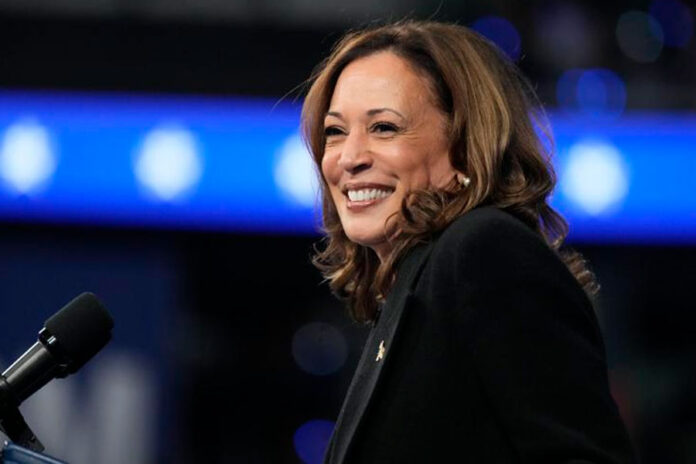
Democratic presidential nominee Vice President Kamala Harris speaks during a campaign event, Thursday, Sept. 12, 2024, in Greensboro, N.C. (Photo: AP/Chris Carlson)
Former President Donald Trump will hit the campaign trail in Western states on Friday as his opponent, Vice President Kamala Harris fixes her attention on the battleground state of Pennsylvania in the East.
Trump will hold what’s being billed as a news conference at his Los Angeles-area golf club in the morning before heading to northern California for a fundraiser, followed by a rally in Las Vegas, the largest city in swing state Nevada.
Harris, meanwhile, heads to Johnstown and Wilkes-Barre on Friday as she tries to capitalize on her momentum after Tuesday night’s debate. It’s her second day of back-to-back rallies after holding two events in North Carolina, another swing state, on Thursday.
Trump campaigns in Western states as Harris focuses on critical Pennsylvania
Former President Donald Trump will campaign Friday in Western states as his opponent, Vice President Kamala Harris keeps her focus on one of the biggest battleground prizes in the East, Pennsylvania.
Trump is scheduled to hold what’s being billed as a news conference in the morning at his Los Angeles-area golf club before heading to northern California for a fundraiser, followed by a rally in Las Vegas, the largest city in swing state Nevada.
Harris, meanwhile, heads to Johnstown and Wilkes-Barre on Friday as she tries to capitalize on her momentum after Tuesday night’s debate. It’s her second day of back-to-back rallies after holding two events in North Carolina, another swing state, on Thursday.
While speaking in Charlotte, Harris took a victory lap for her debate performance in which she needled Trump and kept him on the defensive. Recounting one moment while campaigning in North Carolina, she mocked Trump for saying he had “concepts of a plan” for replacing the Affordable Care Act.
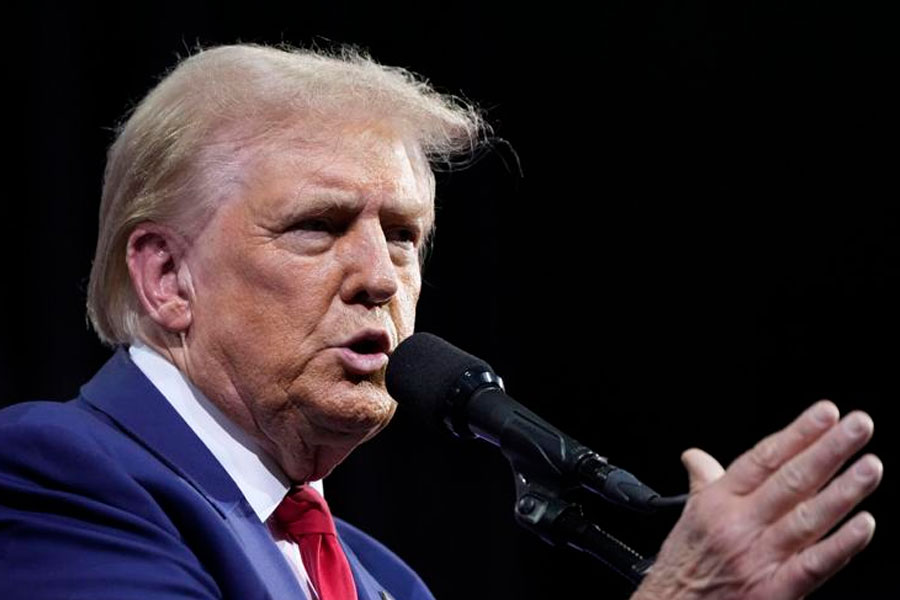
Republican presidential nominee former President Donald Trump speaks during a campaign event at the Linda Ronstadt Music Hall, Thursday, Sept.12, 2024, in Tucson, Ariz. (Photo: AP/Alex Brandon)
Many Americans feel the need to limit their political news, AP-NORC/USAFacts poll finds
When her husband turns on the television to hear news about the upcoming presidential election, that’s often a signal for Lori Johnson Malveaux to leave the room.
It can get to be too much. Often, she’ll go to a TV in another room to watch a movie on the Hallmark Channel or BET. She craves something comforting and entertaining. And in that, she has company.
While about half of Americans say they are following political news “extremely” or “very” closely, about 6 in 10 say they need to limit how much information they consume about the government and politics to avoid feeling overloaded or fatigued, according to a new survey from the Associated Press-NORC Center for Public Affairs Research and USAFacts.
Make no mistake: Malveaux plans to vote. She always does. “I just get to the point where I don’t want to hear the rhetoric,” she said.
Former drilling foe Harris now says she supports it. ‘Sprint to the middle’ or climate betrayal?
Even as she promoted her efforts to boost clean energy, Vice President Kamala Harris said in Tuesday’s debate that the Biden-Harris administration has overseen “the largest increase in domestic oil production in history because of an approach that recognizes that we cannot over-rely on foreign oil.″
After former President Donald Trump withdrew the U.S. from the Paris Agreement on climate change, the Biden-Harris administration reentered the global pact aimed at reducing emissions. The administration also set a target to slash U.S. greenhouse gas emissions by 50% by 2030 and moved to accelerate renewable energy projects and shift away from fossil fuels.
Trump says he’d seek to end taxes on overtime wages
Trump said Thursday in Arizona that as president he’d seek to end taxes on overtime wages. It’s his latest appeal to the working-class voters he’s counting on to return him to the White House. Trump has also pledged to end taxes on tips and Social Security wages.
The proposals would take a significant bite out of federal revenue, ballooning the deficit unless accompanied by significant spending cuts.
“It’s time for the working man and woman to finally catch a break,” Trump said. Harris has announced her own proposal to stop taxing tips.
More on Trump’s plan to end taxation of tips here.
La campaña de la vicepresidenta de Estados Unidos, Kamala Harris, anunció este viernes un nuevo anuncio dirigido a los votantes latinos de Pensilvania, un estado crucial para las elecciones de noviembre y que la candidata visitará hoy mismo.
El anuncio, titulado «Mi voz», cuenta con la participación de Víctor Martínez, presentador de La Mega Radio en Allentown y una figura respetada en esa localidad del este de Pensilvania, donde más del 54% de los vecinos son latinos.
En el anuncio, Martínez anuncia que votará por Harris por su capacidad para escuchar y entender las necesidades de las familias trabajadoras.
«Me llamo Víctor Martínez, quizás reconozcáis mi voz. He entrevistado a muchos candidatos. Todos hablan, pero la diferencia es que Kamala Harris escucha», afirma en el spot.
Además, destaca el historial de Harris en su lucha «contra las corporaciones codiciosas que dificultan la compra de alimentos y el pago del alquiler», con el objetivo de reducir costes para las familias trabajadoras latinas.
Martínez es un líder reconocido de la comunidad latina en Pensilvania. En su programa matutino en español, «El Relajo de la Mañana», dedica 30 minutos de las cuatro horas de emisión a informar a sus oyentes sobre cómo registrarse para votar, promocionar a candidatos latinos locales y estatales, y animar a los latinos a involucrarse y presentarse a cargos públicos.
Julie Chávez Rodríguez, jefa de campaña de Harris, explica en un comunicado que la elección de Martínez no es casual, destacando su papel como «mensajero de confianza conocido por los votantes latinos en todo el estado clave de Pensilvania», lo que resulta vital para que la campaña pueda establecer conexiones con la comunidad en ese estado.
Harris visitará este jueves Johnstown y Wilkes-Barre, en Pensilvania, dos condados que el expresidente republicano Donald Trump ganó en las elecciones de 2016 y 2020.
La elección de estos lugares responde al deseo de la campaña de aprovechar el impulso del debate del martes en Filadelfia, donde Harris se mostró más hábil que Trump para atraer a votantes indecisos de cara a los comicios de noviembre.