Between the Sixers’ $1.3 billion private investment & related new tax revenues, this is the best financial deal the City has ever struck for a local arena or stadium
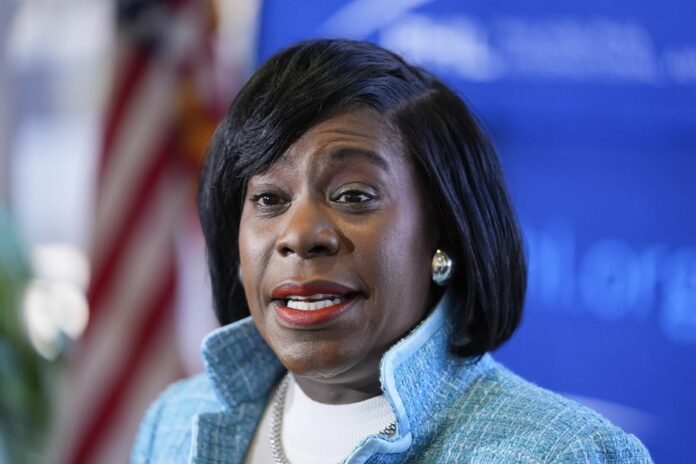
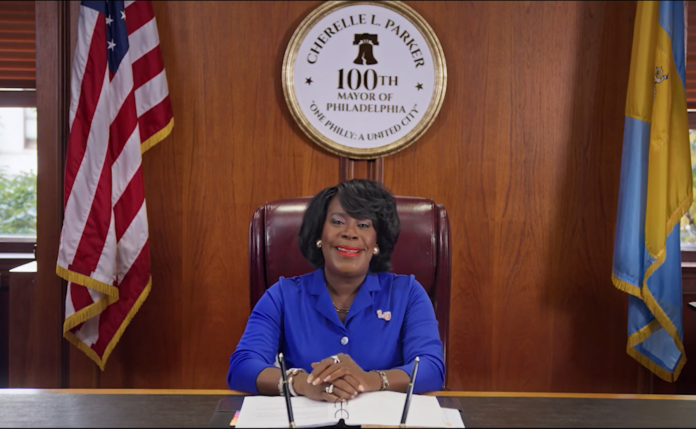
PHILADELPHIA – Mayor Cherelle L. Parker and a team of City officials today shared new details and updates on the arena proposed on East Market Street at a public meeting, following the Parker Administration and the Philadelphia 76ers announcing an historic agreement.
During the evening’s public meeting presentation held at the Pennsylvania Convention Center, Mayor Parker and City officials also detailed how the arena project will help jumpstart a broader, City-led focus on Chinatown, aimed at ensuring its ongoing vitality and strengthening this historic, treasured community.
The public presentation follows last week’s official announcement by Mayor Parker of a deal between the Philadelphia 76ers and the City to build a new, enclosed arena estimated to cost $1.3 billion. The agreement includes a new 30-year lease with no City funds being used to finance the project, an approach that is unprecedented among local sports facilities, with no burden on Philadelphia taxpayers.
The arena would create over 1,000 construction and operations jobs and is paired with an historic Economic Opportunity Plan (EOP) to help ensure employment and contracting opportunities benefit individuals and businesses reflective of the community.
The agreement includes a $50 million Community Benefits Agreement (CBA) that will support nearby communities while making investments in education and economic opportunity across the city.
The City considered the proposal of a new arena in Center City through a set of principles initially set forth by the mayor which included:
- Careful stewardship of City resources, and a focus on the City’s fiscal stability.
- Maximizing the potential citywide impact of such a large-scale development project.
- Unlocking the long-overdue redevelopment of Market East – attracting investment, generating jobs, yielding new tax revenues, and creating vibrancy on a historic and critically important commercial corridor for our City.
- Preserving and enhancing Chinatown, including by responding to long-standing challenges that have developed over decades.
Last month, the City of Philadelphia released four separate reports assessing the arena’s potential impact, including:
- A community impact assessment,
- An economic impact analysis,
- A design consulting; and
- A traffic, transportation and parking analysis.
“For 61 years, Philadelphia has been the home of the 76ers, and we look forward to them continuing to call our great city and Commonwealth home for many decades to come,” said Mayor Cherelle L. Parker. “I am proud that I have made my decision and negotiated an agreement to ensure that our Sixers are staying home. This agreement presents an unprecedented opportunity to unlock long-needed redevelopment on the historic Market East corridor– creating jobs, generating tax revenue, and bringing vibrancy to a critically important commercial corridor in Philadelphia. Between the numerous commitments in the agreement to expanding economic opportunity, investing in our young people, and supporting adjacent communities, this is the right deal for the City, our residents, and our neighborhoods.”
“I want Chinatown’s rich and vibrant community and proud history to not just survive but to thrive. We have the best Chinatown in the United States, and I am committed to working together to support it. This is a chance for new partnership and growth, based on mutual understanding and respect,” Mayor Parker continued.
The City will also benefit from the Sixers’ unprecedented $50 million community benefits agreement (CBA), the highest ever for a local sports team. The new arena is projected to generate over $700 million in new tax revenues for the City and School District.
The project includes a robust Economic Opportunity Plan to ensure employment and contracting opportunities – during construction and operations – benefit individuals and businesses that are reflective of the community.
«Economic development opportunities related to new stadiums create new jobs and workforce opportunities that could benefit students, and revenue for schools,» said Tony B. Watlington, Sr., Ed.D., Superintendent, School District of Philadelphia. »I want to thank Mayor Parker for her leadership and moving this project forward.»
Next Steps
The legislative package is now public for 30 days and can be viewed on the City’s website at phila.gov/arena-bills. During those 30 days, City Councilmember Mark Squilla, whose First District includes the proposed site of the arena, will gather feedback from Philadelphians before officially introducing the legislation.
In 2022, developers proposed a new Sixers arena in Center City. With the support of its partner economic development corporation, PIDC, the City of Philadelphia hired expert consultants to look at potential impacts of such an arena on the local community, economy, traffic, and public areas. These studies were conducted by top national experts in each field.
Growing Support for the Arena from Stakeholders throughout the City & Region
Paul R. Levy, Chair of the Board, Center City District: “Mayor Cherelle Parker made the bold decision to support the Sixers arena on Market East, bringing a new venue for sports, entertainment, and expanded opportunities for conventions to the core of Center City. But this is about more than insuring we have a well-designed arena on one block. This is an opportunity to bring a broad range of economic incentives to preserve and enhance Chinatown, protecting its heritage and affordability, while simultaneously increasing demand for public transit and prompting new investments that reanimate Market East from Independence Hall to City Hall.”
Regina A. Hairston, President & CEO and Jovan T. Goldstein, Chairman, Board of Directors, African American Chamber of Commerce: «We are pleased to acknowledge the recent announcement by the Mayor of Philadelphia, affirming her support for the Philadelphia 76ers’ project to build a new arena at Market East. From the inception of this initiative, we have been steadfast in our support, recognizing the immense potential it holds for advancing Black economic opportunities in our city. The project’s commitment to a robust participation rate across Black-owned concessionaire and other business opportunities is a vital step toward equitable growth and prosperity across the region.
We greatly appreciate Mayor Parker’s thoughtful and diligent approach in reviewing all aspects of this project. Her careful consideration of the broader impact on the city, especially the economic upliftment it promises for all Philadelphians, is commendable. This decision reinforces a path forward that aligns with our shared vision of inclusive economic growth, and we look forward to continuing our engagement to ensure these opportunities are realized.»
Ben Fileccia, Senior Vice President, Pennsylvania Restaurant & Lodging Association: “The potential to have so many fans parking and traveling around the arena before and after games and events is exciting for our restaurant and hotel partners in Center City. We have such a variety of venues for visitors to choose. From exciting Asian restaurants in Chinatown, to an eclectic array of spots in Midtown Village, to beer gardens and pop-ups; no matter where you are parking and walking from, you are bound to discover a new restaurant, bar, hotel lounge, or food truck that will only add to a fun experience.”
Ed Grose, Executive Director, The Greater Philadelphia Hotel Association: “76 Place will create over a thousand construction and operations jobs, generate hundreds of millions of dollars in new tax revenues for the City and School District, and unlock long needed redevelopment on East Market– bringing vibrancy back to a key commercial corridor.”
Anton Moore, President, Unity In The Community: “As President of Unity In The Community, I am fully supportive of the new arena being built in Center City. This project represents a tremendous economic opportunity, not just for the surrounding businesses in the area but for all of Philadelphia. The development of this arena will provide a major boost to local businesses, which will undoubtedly benefit from the increased foot traffic and tourism it will bring.
What truly excites me is the commitment to diversity and inclusion. It is inspiring to know that a significant percentage of the businesses inside the arena will be minority-owned. This is a powerful step toward ensuring that economic growth is shared with communities that have historically been left out of such opportunities. By prioritizing minority businesses, we are investing in the future of our city in a way that promotes equity and uplifts all of our residents.
In addition to the business opportunities, the arena will also create a significant number of jobs for the people of Philadelphia. These new positions will provide income and stability to local families and allow our residents to be a part of the city’s growth and success.”
Colin A. Jones, Executive Vice President, The Goldenberg Group: “We are optimistic that once the Arena has been fully approved, it will be the catalyst that can transform not only Market East from City Hall to the river but that it will spur economic recovery across the city at large. In a city like Philadelphia, and in a corridor like East Market Street, opportunities like this are few and far between and when they present themselves, they just have to be capitalized upon for all the catalytic and synergistic potential they possess!»
Dr. Joseph G. Cacchione, MD, CEO, Thomas Jefferson University: «Jefferson is supportive of projects and investments that will enhance the economic vibrancy of Market East and the surrounding community. We believe the proposed Sixers arena prioritizes public safety, addresses the concerns of local residents, and carefully manages traffic considerations to ensure uninterrupted access to critical healthcare services, including our Level 1 Trauma Center at Thomas Jefferson University Hospital. We appreciate the mayor’s thoughtful leadership on this initiative, and we look forward to remaining engaged in the process as the project progresses.»
H. Patrick Clancy, President & CEO, Philadelphia Works: “The proposed 76ers Arena in Center City offers far-reaching opportunities that the signify economic growth and the need for an expanded workforce. This historic project offers a transformative moment for the Market East area, turning it into an economic engine poised to generate a multitude of job opportunities across all skill levels and industries. We support such endeavors that align with our primary goal of empowering Philadelphia’s labor force and enhancing the economic fabric of the city.”
Mark Lynch, Jr., Business Manager, IBEW Local 98: «76 Place is the single largest development project Philadelphia has seen in the past 50 years. Our members construct buildings for a living and 76 Place will provide thousands of good paying union construction jobs that will last a decade. It will also create more than 1,000 arena jobs upon its opening. Beyond that, 76 Place will bring additional outside investments that will benefit Chinatown and finally revitalize the long-dormant Market East corridor. We are indebted to Mayor Parker for her vision and leadership.”
Dr. Donald Guy Generals, President, Community College of Philadelphia: «Power Up your Business has helped to grow hundreds of small businesses in Philadelphia since 2017 and stands ready to support minority businesses in every corner of the city today.»
Harold T. Epps, Chair, Community College of Philadelphia, former Chair of PRWC Services and former City Commerce Director: «Based on my years of public and private experience, I am fully supportive of this project’s focus on our local Black and Brown employees and its emphasis on capital, contracts, workforce and education. The compliance built into this agreement is critical.»
Craig Williams, Founder, Pride Enterprises, Inc.: «The new Sixers arena, located in the heart of the city, will have a tremendous economic impact and elevate the experience and quality of life that Philadelphia has to offer.»
Catherine Hicks, President, NAACP – Philadelphia Branch: “This is an opportunity we cannot afford to pass up. The NAACP supports the economic opportunity presented by this arena agreement.”
Benjamin J. Connors Esq., CAE, President & CEO, General Building Contractors Association: “The General Building Contractors Association (GBCA) represents nearly 350 member companies working in the union commercial, industrial, and institutional construction. As the voice of union contracting in Philadelphia, GBCA supports the 76 Place development project. The arena will revitalize the Market East corridor, create union construction jobs, and will generate over $700 million in tax revenue for the City of Philadelphia and School District. As our members continue to grow the city, we know the importance and impact of this nearly $1.3 billion investment in Philadelphia.”
James Hocker, Regional Manager, Eastern Atlantic States Regional Council of Carpenters: “Good paying jobs that will be sustainable. Fight together and work together and put people to work! And keep our hometown Sixers playing in Philadelphia! An unprecedented opportunity to bring new economic life to Market East corridor in Philadelphia.”
Rick Young, Founder, Urban Developers Association: “The new 76ers arena will positively impact Philadelphia by creating jobs for minority, Black and Brown men and women as well as revitalizing business in Center City. The Arena will significantly boost the city’s economic revenues and tax revenues.”
Daisy Cruz, SEIU District Leader, SEIU 32BJ: “We clean the skyscrapers. We protect these buildings. We fought to make our jobs good Union jobs. We’re from here! We support building this amazing arena. We’ve watched Market East lose jobs! A project of this magnitude is what the working class of our City desperately needs.”
Angelo Perryman, President & CEO, Perryman Construction: “Since the birth of our nation, Philadelphia has been on an exhilarating journey of transformation and growth, embracing a future where everyone belongs. The new home of the Philadelphia 76ers is a bold step forward, right in the heart of this vibrant city. Get ready for the future of champions!”
Dawud Bey, President, Fine Print Construction: “As President of Fine Print Construction, a Certified Minority Business Enterprise, I am thrilled to hear of Mayor Cherelle Parker’s approval of the Philadelphia 76ers’ state-of-the-art arena in the Market East area. This $1.3 billion investment is just the beginning of a transformative economic opportunity that will benefit the entire City of Philadelphia. If we play our cards right, we can leverage this $1.3 billion project into a $20 billion economic impact. The new 76ers arena will not only bring excitement and economic growth to the Market East area but will also create lasting benefits throughout the entire city.
This project represents a historic opportunity for economic inclusion, particularly for Black and Brown communities. Through a comprehensive community impact agreement, we can ensure that the benefits of this development reach those who need it most. I look forward to the opportunities this arena will bring, and the role Fine Print Construction will play in helping to shape the future of our great city.”
Mo Rushdy, President, Philadelphia Building Industry Association & Managing Partner, The Riverwards Group: “I can’t even start to explain how much of an impact the Arena will have on our city, both during construction as well as during operations. The construction of this $1.3 billion project using private investment will mean over 10,000 good paying jobs for years. It means an opportunity to train and employ a significant and diverse construction workforce. It means reviving a dead Market East corridor and bringing it back to life. It means thriving businesses surrounding the Arena. It means more accessibility for residents of our neighborhoods to come downtown for games and events. It potentially means the start of a real entertainment district where people can attend events, walk to restaurants and cafes and spend money in our city. The economic impact of this Arena on our city will be felt for decades to come.”
Daniel Killinger, President, National Real Estate Development: “National and the East Market Team are grateful for the Mayor’s support of the 76ers’ proposed new arena. We believe that 76 Place has the potential to serve as a major economic catalyst, revitalizing the Market East area by driving investment in new developments and much-needed streetscape improvements. We are optimistic that 76 Place will enhance neighborhood connectivity, improve visibility and access to public transportation, create significant job opportunities, and contribute to the future vibrancy, safety, and security of Market Street.”
Mark P. Merlini, Managing Partner, Brickstone Realty: “As owners, developers and preservationists in Market East and Midtown Village for almost four decades, including The Lits Building, Wanamaker’s, City Hall Annex, 1234 Market Street, The Hale Building, The Collins, Baum’s and The Steele Building, among others, we strongly believe that 76er Place is required to take these wonderful neighborhoods into the future and once again make them the thriving, vibrant, economically-viable destinations that Philadelphia deserves. We applaud Mayor Parker’s decision and thank her for her insight, determination and strong support of this bold and brilliant development.”
Cory Scott, EVP Asset Management, Macerich: “While Center City Philadelphia is one of the greatest urban neighborhoods in the country, there is still a need to enhance the shopping, entertainment and dining. Bringing the 76ers new arena to Fashion District Philadelphia is a key catalyst for adding new energy to Center City and will help to ensure that this one-of-a-kind area remains a vibrant neighborhood and destination for people across the region. We’re excited to be a part of the journey to give all Philadelphians something they can be proud of for years to come.”
Robert A. Zuritsky, President & CEO, Parkway Corporation: “Next year will be Parkway Corporation’s 102nd year of being in business and proudly headquartered in center city Philadelphia. Through those years we have seen the city win and lose terrific opportunities to positively impact its residents and economy. We believe Mayor Parker’s decision to proceed with a new entertainment arena that will be home to the Sixers is one of those rare opportunities, so we applaud the Mayor! If the planning and implementation, over the next 6 1/2 years, is handled well it could be the impetus for more office workers, residents, hotel jobs, retail and entertainment that would positively impact all of center city and thousands of citizens! “
Jerry Sweeney, CEO, Brandywine Realty & Chairman, Center City Rejuvenation Task Force, Mayor’s Business Roundtables: “Revitalizing Market Street East is essential to the full rejuvenation of our Center City business corridors. The Investment by the 76ers, accompanied by their thoughtful community benefits agreement, will be a powerful catalyst to spur both additional investment and community engagement. That investment is also the impetus to develop a Market Street master plan that will position the corridor to generate significant economic growth for generations to come.”
Rich Lazer, Executive Director, Philadelphia Parking Authority: “While the 76 Place arena has the potential to be a transformative economic vehicle for many, should City Council ultimately approve the project, the PPA stands ready to partner with the City and all stakeholders to help address any quality of life or other issues that may arise during construction and after.”
Michael Schulson, CEO & Founder, Schulson Collective (Sampan, Harp & Crown, Double Knot, etc.): “In our commitment to Midtown Village’s growth, we unite as residents, business owners, and advocates to amplify our support for 76 Place at Market East—the proposed Philadelphia 76ers arena. Positioned to rejuvenate Market Street East, this development promises a vital boost post‐COVID, benefitting both our community and the entire City of Philadelphia.”
Irving Azoff, Chairman & CEO, Azoff Company; Rock of Fame Inductee: “There’s plenty of room in the Philly market for two arenas. Philadelphia is an underserved entertainment market and I expect there could easily be another 50 in the city in a new arena was built with a schedule, design and programing made to cater to both concerts and events.”
Andreina Perez Hein, Executive Director, Everybody Builds: “Everybody Builds, a construction industry initiative with the mission to facilitate economic growth for our underrepresented Philadelphia communities through access to equitable opportunities, supports the commitment of the 76ers to build a new arena in our city that will act as a catalyst for job creation and business growth for these communities. In collaboration with our workforce partners and stakeholders, we are utilizing their investment in our city to facilitate the preparation and connection of a diverse labor workforce and contractor businesses that can participate in the construction of the arena and other large-scale projects in Philadelphia.”
Angelo Perryman, President & CEO, Perryman Construction: “Since the birth of our nation, Philadelphia has been on an exhilarating journey of transformation and growth, embracing a future where everyone belongs. The new home of the Philadelphia 76ers is a bold step forward, right in the heart of this vibrant city. Get ready for the future of champions!”