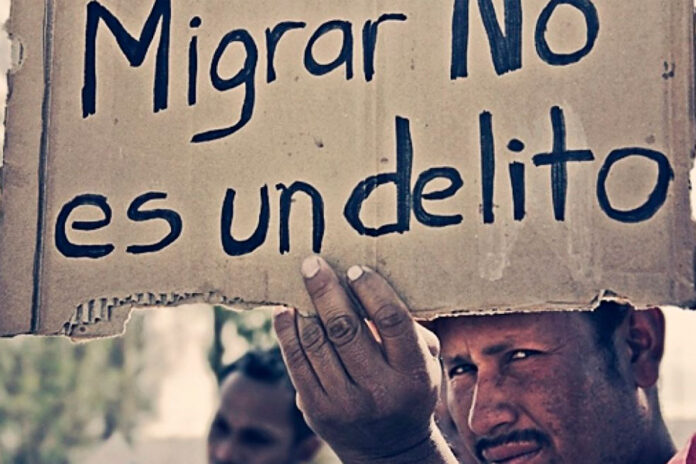
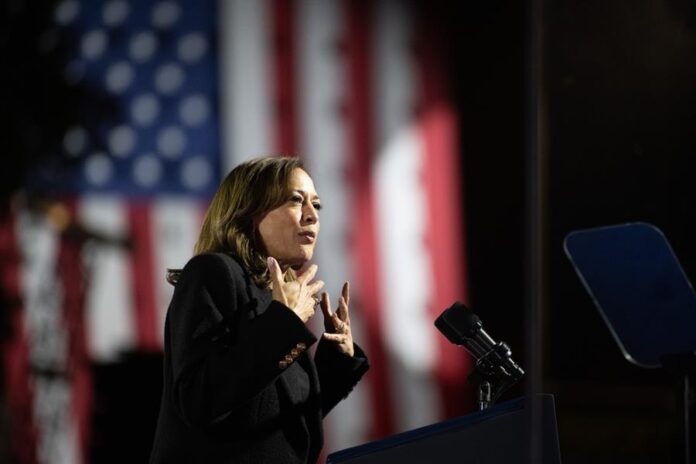
WASHINGTON, D.C. – La National Partnership for New Americans (NPNA) ha emitido hoy un comunicado en respuesta a la noticia de la victoria del expresidente Donald Trump en las elecciones presidenciales. A pesar de una contienda muy reñida, la candidata demócrata a la vicepresidencia, Kamala Harris, se quedó corta en estados disputados clave, lo que llevó a la reelección de Trump. NPNA, una coalición líder de las organizaciones de derechos de inmigrantes y refugiados más grandes de la nación, se compromete a proteger a nuestras comunidades y obtener la ayuda de aliados para que se unan a nosotros para proteger la dignidad y los derechos de todos los miembros de nuestra comunidad.
La NPNA aprovecha esta oportunidad para expresar su más sincero agradecimiento por el duro trabajo, la dedicación y el liderazgo de sus miembros. A lo largo de las elecciones, los miembros de la NPNA informaron, apoyaron y movilizaron incansablemente a las comunidades, garantizando que sus voces fueran escuchadas y sus derechos protegidos. Las experiencias de los votantes denominados Nuevos Americanos son únicas y no son compartidas por todos y cada instancia en la que nuestras comunidades son vistas, representadas e involucradas en la democracia, más allá del día de las elecciones es una victoria. Aunque el resultado puede no haber coincidido con los valores o las esperanzas de todos, la NPNA confía plenamente en la fuerza y el coraje de nuestra red para hacer frente a los retos futuros.
«Nos entristece profundamente que la mayoría de los votantes pudieran, en conciencia, votar en contra de la decencia y la humanidad. La NPNA y sus miembros se dedican a promover políticas acogedoras e inclusivas en todos los niveles de gobierno y a proteger los programas que defienden los derechos y el bienestar de los inmigrantes, una labor que va mucho más allá de cualquier ciclo electoral», declaró Nicole Melaku, Directora Ejecutiva de la NPNA. «Nos solidarizamos con todos los que valoran la humanidad y la inclusión y estamos dispuestos a trabajar con nuestra amplia membresía y nuestros aliados para defender y proteger a nuestras comunidades. Hacemos un llamamiento a los líderes de todos los niveles para que tengan valor y se conviertan en defensores de políticas que protejan la dignidad y los derechos de los Nuevos Americanos, como base de nuestra democracia.»
###
La National Partnership for New Americans (NPNA) es una coalición multiétnica y multirracial formada por 75 de las mayores organizaciones de defensa de los derechos de los inmigrantes y refugiados del país, con presencia en más de 42 estados.Junto con nuestros miembros, fomentamos la igualdad y la inclusión de los inmigrantes y refugiados, creamos y ampliamos los servicios jurídicos de inmigración y la capacidad de los programas de integración, e impulsamos campañas que refuerzan la democracia mediante una mayor participación cívica.Para más información, visite nuestro sitio webpartnershipfornewamericans.org.
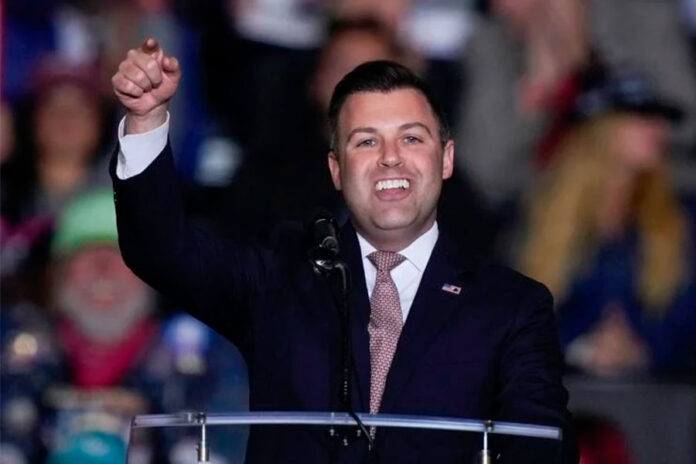
State Rep. Ryan Mackenzie speaks before Republican presidential nominee former President Donald Trump speaks at a campaign rally in Allentown, Pa., Tuesday, Oct. 29, 2024. (Photo: AP/Matt Rourke)
HARRISBURG, Pa — Three races for the U.S. House in Pennsylvania remained uncalled by The Associated Press on Wednesday, as vote counting continued and Republicans fought to keep their slim majority in the chamber.
A House majority would give the GOP a full sweep of power in Congress alongside President-elect Donald Trump in the White House.
In all three of Pennsylvania’s uncalled races, the Republican candidate held a slight lead, with some votes still outstanding and two Democrats conceding.
One uncalled race was the contest in an Allentown-based district in eastern Pennsylvania, where three-term Democratic U.S. Rep. Susan Wild conceded to Republican Ryan Mackenzie.
Mackenzie is a member of the state House of Representatives. Democrats hold a slight registration advantage in the district, but its close political divide made Wild a perennial target of Republicans.
Also uncalled was a race in a northeastern Pennsylvania district around Scranton and Wilkes-Barre, where six-term Democratic U.S. Rep. Matt Cartwright conceded to Republican Rob Bresnahan, a first-time candidate and developer who runs a family construction company.
Bresnahan claimed victory early Wednesday morning.
Democrats hold a slight registration advantage in the district, but voters there backed Trump in 2020’s presidential election, making Cartwright just one of five Democrats nationally running for reelection in a Trump district.
The other uncalled race is in southern Pennsylvania, where Republican Rep. Scott Perry is seeking a seventh term in his Republican-leaning district around the cities of Harrisburg and York.
Challenging him is Janelle Stelson, a longtime local TV news anchor who is a Republican-turned-Democrat.
Perry was chairman of the Freedom Caucus, a hardline faction of conservatives and was the only lawmaker to have his cellphone seized by FBI agents investigating the web of Trump loyalists who were central to his bid to remain in power in 2020. Perry has not been charged with a crime.
Elsewhere in Pennsylvania, 14 other incumbents were reelected.
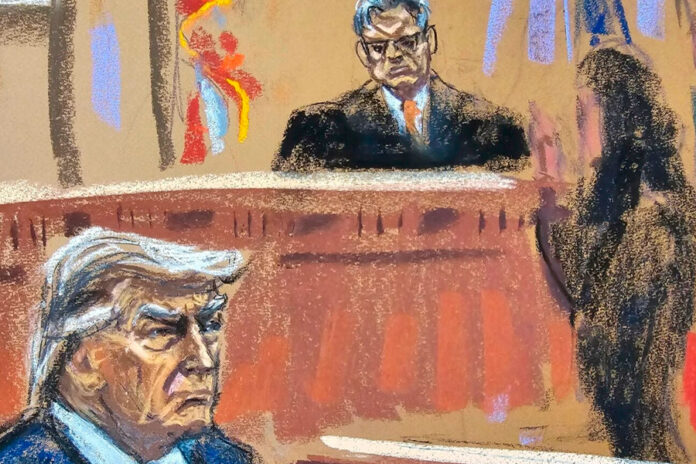
Donald Trump se sienta mientras los jurados finales toman juramento durante su juicio penal por cargos de falsificación de registros comerciales en el tribunal estatal de Manhattan en Nueva York, el 19 de abril de 2024, en este boceto de la sala del tribunal. (Foto: VOA/Archivo)
Donald Trump aseguró su regreso a la Casa Blanca en las elecciones presidenciales de Estados Unidos, y con eso, el futuro de los cuatro casos criminales que enfrenta en diferentes lugares del país se mantiene en vilo. Expertos explican qué podría pasar una vez asuma de nuevo la jefatura del país.
La victoria de Donald Trump en las elecciones presidenciales de Estados Unidos podría significar el fin de algunos de los casos penales que enfrenta a nivel federal y la suspensión de sus procesos estatales, según expertos.
Trump se convirtió en la primera persona convicta por un delito grave en ser elegida a la Presidencia estadounidense. El republicano fue encontrado culpable por 34 cargos en un caso de soborno en Nueva York hace poco más de cinco meses.
“Las implicaciones de que un tribunal estatal condene a un presidente electo son tales que, como mínimo, es probable que la audiencia se retrase y el castigo, si lo hay, casi con seguridad esperará a la conclusión de su mandato”, dijo a la Voz de América James Sample, profesor de Derecho Constitucional en la Universidad de Hofstra, en Nueva York.
Se espera que los abogados de Trump pidan al juez neoyorquino Juan Merchan que retrase su sentencia, actualmente programada para el 26 de noviembre, en la que podría enfrentar hasta cuatro años de prisión.
Merchan ya ha pospuesto dos veces la sentencia de Trump -inicialmente programada para el 11 de julio-, en parte debido a un fallo de la Corte Suprema que determinó que los presidentes tienen amplia inmunidadde procesamiento por sus actos oficiales. Trump argumenta que el caso debería ser desestimado en base a ese fallo, que los fiscales cuestionan.
Michael Morley, profesor de Derecho Electoral en la Universidad Estatal de Florida, explicó que en los procedimientos en Nueva York “la reelección de Trump como presidente probablemente llevaría al tribunal a ejercer aún más su discreción a favor de Trump, lo que significa que, si el tribunal intenta imponer una sentencia que interfiera con su presidencia, se suspenderá”.
Los casos federales podrían “evaporarse”
Trump enfrenta también cuatro cargos en un tribunal federal en Washington que lo acusan de difundir afirmaciones falsas de fraude electoralpara tratar de bloquear la certificación de votos después de las elecciones de 2020, que el ahora presidente electo perdió ante el demócrata Joe Biden.
Además, fue acusado en Florida de retener ilegalmente documentos clasificados después de que terminó su primer mandato en 2021 y de obstruir los esfuerzos del gobierno para recuperarlos.
Sin embargo, en este último, la jueza Aileen Cannon desestimó todos los cargos asegurando que el fiscal especial Jack Smith, quien dirigió los procesos federales, había sido designado indebidamente al cargo.
“Una vez que Trump se convierta en presidente y nombre a un fiscal general, este podría simplemente decidir terminar los procesos”, explicó Morley.
El profesor abundó en que “también existe una interpretación legal de larga data del Departamento de Justicia de que los presidentes en funciones no están sujetos a un proceso federal. Por lo tanto, como mínimo, los procesos federales no seguirían adelante, y el resultado más probable es que el nuevo fiscal general desestime los casos o simplemente termine el nombramiento del fiscal especial, por lo que es probable que los procesos federales simplemente se evaporen”.
Trump aseguró durante la campaña que despediría al fiscal especial Smith «dentro de los dos segundos» después de ser juramentado como presidente.
El presidente electo se ha declarado inocente de todos los cargos y calificado los procesos como motivados políticamente.
En Georgia, el futuro es similar
El año pasado, los fiscales del condado de Fulton, Georgia, utilizaron las leyes estatales desarrolladas para combatir el crimen organizado para acusar a Trump de una supuesta conspiración para revertir su derrotaen el estado en disputa en las elecciones de 2020.
“Los procedimientos de Georgia, donde aún no ha habido un veredicto, casi probablemente se suspenderían. La noción de tener un proceso penal en curso contra un presidente en funciones plantearía serias cuestiones constitucionales, preocupaciones de federalismo y al presidente”, agregó el profesor Morley.
Trump no podrá poner fin a la acusación, pero su abogado ya ha dicho en el tribunal que intentará detener cualquier actividad relacionada con el republicano basándose en el argumento de que un presidente no debería enfrentarse a la carga de un proceso penal mientras esté en el cargo.
Sample, profesor de Derecho Constitucional de la Universidad de Hofstra, describió la continuación de este como una “imposibilidad práctica”.
Los expertos coincidieron en que incluso después de convertirse en presidente, Trump no podría emitir un indulto que eliminara los procesos estatales en Nueva York y Georgia, porque el presidente sólo puede perdonar delitos federales. Sin embargo, sí puede apelar los casos.
«Este fue un movimiento como nadie había visto antes y, francamente, este fue, creo, el mayor movimiento político de todos los tiempos», dijo Trump en un discurso de madrugada en el que se declaró ganador.
Harris, por su parte, llamó a Donald Trump para felicitarlo por su victoria. La demócrata, que tiene previsto hablar más tarde el miércoles, también «discutió la importancia de una transferencia pacífica del poder y de ser un presidente para todos los estadounidenses», dijo uno de los asesores.
San Juan.– Los habitantes de Puerto Rico, que no pueden votar en las elecciones de Estados Unidos, favorecieron en una consulta simbólica claramente a la candidata demócrata y vicepresidenta Kamala Harris, a la que dieron el 73,46 % de los votos.
Esta preferencia por Harris no se dio en EE. UU., donde el candidato republicano, Donald Trump, se proclamó este miércoles ganador tras superar los 270 votos electorales necesarios y volverá a la Casa Blanca para convertirse en el presidente número 47 del país.
En Puerto Rico, donde la consulta sobre la Presidencia de EE. UU. se dio en el marco de las elecciones generales, solo el 26,54 % de los votantes optó por Trump.
Una victoria de Harris en la isla era de esperar ya que los puertorriqueños se declaran mayoritariamente demócratas y han sufrido por parte de Trump numerosos desprecios.
El más reciente ocurrió en un mitin de campaña del republicano en el que el comediante Tony Hinchcliffe calificó a Puerto Rico como «una isla flotante de basura», causando gran indignación.
La clase política de Puerto Rico expresó su rechazo rotundo a las palabras del comediante, así como numerosos artistas de renombre, que llamaron en muchos casos a votar por Harris.
La votación entre Harris y Trump era la quinta papeleta de las elecciones de ayer en la isla, donde se eligió gobernador, comisionado residente en Washington, miembros de la Asamblea Legislativa y alcaldes, y se votó también en una consulta sobre el estatus político.
Según los resultados parciales, la próxima gobernadora será Jenniffer González, del Partido Nuevo Progresista (PNP) y partidaria de Trump, por quien votó en la simbólica papeleta.
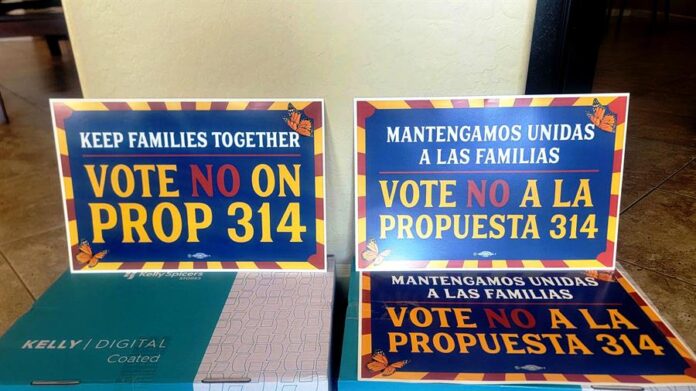
Fotografía de campaña divulgada por la activista Raquel Terán donde se muestran unos carteles en contra de la Propuesta 314 preparados para una manifestación en 19 de octubre de 2024 en Phoenix, Arizona (EE. UU.). (Foto: EFE/Teran For Arizona)
Los votantes de Arizona aprobaron una de las más severas leyes estatales migratorias de Estados Unidos, que convierte en un crimen cruzar la frontera con México de manera irregular y otorga poderes migratorios a la policía, de acuerdo a medios locales.
La Propuesta 314, aprobada con el 63 % de los votos, permite a los departamentos policiacos arrestar a migrantes indocumentados, así como aplicar leyes federales de migración.
Al mismo tiempo otorga inmunidad a los departamentos de Policía ante cualquier demanda en su contra mientras aplican esta legislación, y otorga el poder a jueces estatales (no de inmigración) de emitir órdenes de deportación.
Adicionalmente la Propuesta 314 establece sanciones en contra de aquellos migrantes indocumentados que presentan documentación falsa para obtener beneficios públicos o aplicar para un empleo.
La nueva legislación requiere que agencias gubernamentales que otorgan estos beneficios verifiquen la información de los solicitantes utilizando el sistema federal conocido como E-verify.
La propuesta también incluye sanciones más severas en contra de aquellos que trafican con fentanilo, particularmente si una persona muere debido a ello.
Grupos civiles y a favor de la inmigración han comparado la medida con la polémica ley estatal SB1070 de Arizona, la cual fue implementada en 2010.
La SB1070 provocó múltiples protestas, demandas legales, un boicot económico en contra del estado de Arizona y un enfrentamiento en las cortes con el gobierno federal.
Dicha ley, conocida también «muéstrame tus papeles», otorgó el poder a los departamentos policiacos cuestionar el estatus migratorio de los detenidos, incluyendo aquellos por infracciones de tráfico.
La medida aún se encuentra en vigor y permite a la policía cuestionar a los detenidos; sin embargo estas autoridades locales deben contactar al servicio de inmigración para que sean procesados.
La Propuesta 314 va un paso más adelante otorgando el poder a la policía de arrestar, cuestionar y detener a un sospechoso de cruzar la frontera de forma irregular.
Esta nueva propuesta ha sido duramente criticada inclusive por diversos departamentos policiacos en Arizona debido que a pesar que busca enfrentar el problema de la inmigración indocumentada, no otorga los fondos adicionales para su implementación.
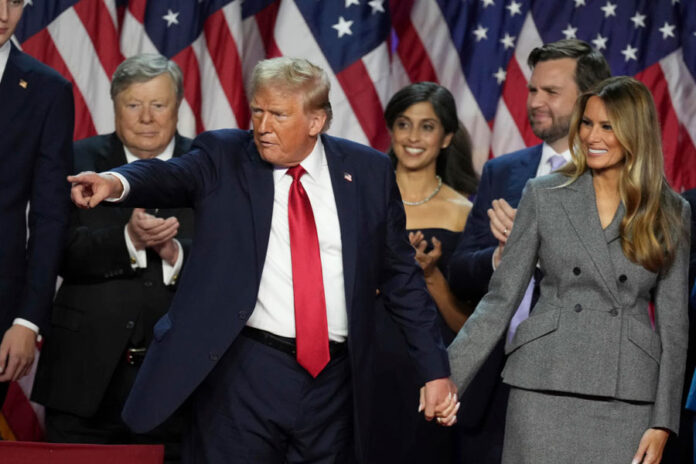
El candidato republicano a la presidencia, el expresidente Donald Trump, toma la mano de la ex primera dama Melania Trump luego de hablar con sus simpatizantes en el centro de convenciones del condado de Palm Beach, el miércoles 6 de noviembre de 2024, en West Palm Beach, Florida. (Foto: AP/Lynne Sladky)
El inminente regreso de Donald Trump a la Casa Blanca significa que querrá establecer un gobierno completamente distinto al que tuvo el presidente Joe Biden. Su equipo también prometió que el segundo mandato no se parecerá mucho al primero que Trump estableció después de su victoria en 2016.
El presidente electo ahora tiene un período de transición de 75 días para formar su equipo antes de que tome posesión el 20 de enero. Uno de los principales puntos en la lista de cosas por hacer: llenar alrededor de 4.000 puestos gubernamentales con nombramientos políticos, personas que son específicamente seleccionadas para sus trabajos por el equipo de Trump.
Esto incluye a todos, desde el secretario de Estado y otros dirigentes de departamentos del gabinete hasta aquellos seleccionados para servir a medio tiempo en juntas y comisiones. Alrededor de 1.200 de esos nombramientos presidenciales requieren confirmación del Senado, lo que debería ser más fácil ahora que la cámara alta estadounidense ha pasado a control republicano.
Esto es lo que hay que esperar:
¿Cómo será la transición?
Aunque el cambio en el nuevo gobierno será total, Trump estará familiarizado con lo que necesita lograr. Construyó un gobierno completamente nuevo para su primer mandato y tiene ideas claras sobre qué hacer de manera diferente esta vez.
Ya ha mencionado algunos nombres.
Trump dijo en su fiesta de victoria el miércoles por la madrugada que el ex candidato presidencial y activista contra la vacunación Robert Kennedy Jr. será elegido para “ayudar a hacer que Estados Unidos sea saludable de nuevo”, agregando que “lo vamos a dejar hacerlo”. Antes de las elecciones, Trump no rechazó las llamadas de Kennedy para poner fin al agua fluorada. Trump también se ha comprometido a convertir a Elon Musk, quien nació en Sudáfrica y es un vocal partidario de la campaña de Trump, en secretario de “reducción de costos” federal, y el director general de Tesla ha sugerido que puede encontrar billones de dólares en gastos gubernamentales para eliminar.
La transición no es sólo acerca de llenar puestos. La mayoría de los presidentes electos también reciben informes de inteligencia diarios o casi diarios durante la transición.
En 2008, el presidente saliente George W. Bush informó personalmente al presidente electo Barack Obama sobre las operaciones encubiertas de Estados Unidos. Cuando Trump se preparaba para asumir el cargo en 2016, la asesora de seguridad nacional de Obama, Susan Rice, informó a Michael Flynn, su sucesor designado en el nuevo gobierno. En 2020, las impugnaciones jurídicas de Trump a los resultados de las elecciones retrasaron el inicio del proceso de transición durante semanas y las reuniones presidenciales con Biden comenzaron hasta el 30 de noviembre.
¿Quién está ayudando a Trump en el proceso?
La transición de Trump está siendo liderada principalmente por amigos y familiares, incluidos Kennedy Jr. y la ex candidata demócrata a la presidencia Tulsi Gabbard, así como los hijos adultos del presidente electo, Donald Trump Jr. y Eric Trump, y su compañero de fórmula, JD Vance. Los copresidentes de la transición son el director general de Cantor Fitzgerald, Howard Lutnick, y Linda McMahon, la ex ejecutiva de lucha libre que anteriormente lideró la Administración de Pequeñas Empresas durante el primer mandato de Trump.
Lutnick dijo que la operación de este año es “tan diferente como sea posible” del esfuerzo de 2016, que fue liderado inicialmente por Chris Christie. Después de ganar hace ocho años, Trump despidió a Christie, descartó los planes que el exgobernador de Nueva Jersey había hecho y le dio el trabajo de dirigir la transición al entonces vicepresidente electo Mike Pence.
Al inicio de su primer mandato, Trump armó un gabinete original que incluía algunos republicanos más convencionales y líderes empresariales que finalmente lo decepcionaron, o rompieron públicamente con él, o ambos. Esta vez, Trump ha prometido valorar la lealtad tanto como sea posible, una filosofía que puede asegurar que haga elecciones más alineadas con sus creencias ideológicas y su estilo profesional rimbombante.
A diferencia de la campaña de la vicepresidenta demócrata Kamala Harris, el equipo de Trump no firmó ningún acuerdo de transición previo al Día de las Elecciones con la Administración de Servicios Generales (GSA por sus siglas en inglés), que actúa esencialmente como el arrendador del gobierno federal. Por lo tanto, ya ha perdido los plazos para llegar a acuerdos con la administración sobre asuntos logísticos como espacio de oficina y soporte técnico y con la Casa Blanca sobre acceso a agencias, incluidos documentos, empleados e instalaciones.
Nuevas reglas de transición
En 2020, Trump argumentó que un fraude electoral generalizado, que en realidad no había ocurrido, le costó la elección, retrasando el inicio de la transición de su gobierno saliente al entrante de Biden durante semanas.
Hace cuatro años, la jefa de la GSA nombrada por Trump, Emily Murphy, determinó que no tenía base legal para determinar un ganador en la contienda presidencial porque Trump aún estaba impugnando los resultados en los tribunales. Eso retuvo la financiación y la cooperación para la transición.
Fue hasta que los esfuerzos de Trump para subvertir los resultados electorales se derrumbaron en estados clave que Murphy acordó formalmente “constatar un presidente electo” y comenzar el proceso de transición. Trump eventualmente publicó en redes sociales que su gobierno cooperaría.
Para evitar ese tipo de demoras en futuras transiciones, la Ley de Mejora de la Transición Presidencial de 2022 establece que el proceso de transición comience cinco días después de la elección, incluso si el ganador aún está en disputa. Esto está diseñado para evitar largos retrasos y significa que “una ‘constatación afirmativa’ por parte de la GSA ya no es un requisito previo para obtener servicios de apoyo para la transición”, según las pautas de la agencia sobre las nuevas reglas.
La incertidumbre se prolongó aún más después de las elecciones del 2000, cuando transcurrieron cinco semanas antes de que la Corte Suprema resolviera la elección impugnada entre el republicano George W. Bush y el demócrata Al Gore. Eso dejó a Bush con aproximadamente la mitad del tiempo habitual para gestionar la transición del gobierno de la administración saliente de Clinton. Esto finalmente llevó a preguntas sobre las brechas de seguridad nacional que pueden haber contribuido a que Estados Unidos no estuviera preparado para los ataques del 11 de septiembre del año siguiente.
Philadelphia, PA – The Committee of Seventy released the following statement regarding the 2024 General Election and its results. It can be attributed to Lauren Cristella, President and CEO of the Committee of Seventy.
“As the presidential race has now been called, the Committee of Seventy reflects on a secure and smooth Election Day across Pennsylvania. Our democracy stood resilient under extreme pressure and close scrutiny, bolstered by systems and checks that ensure free, fair, and secure elections. That the race was called so quickly, is a testament to the dedicated election workers across the state.
Despite some efforts to undermine confidence, including unfounded claims of “cheating” in Philadelphia, our election process proved strong, transparent, and efficient. When issues arose, election officials acted swiftly to minimize disruptions and ensure every voice was heard. While there will always be bumps in the road – like minor technical issues and missing materials – the system works.
The Committee of Seventy applauds the election officials, poll workers, and volunteers statewide, including the Department of State, Philadelphia City Commissioners, and County Election Officials, for their exceptional professionalism and perseverance in ensuring every eligible vote was counted. Pennsylvania’s election was characterized by a commitment to transparency, efficient operations at polling locations, and a swift, accurate count of votes.
We thank the voters of Pennsylvania for their engagement, patience, and participation in our democratic process. Yet, while half of the Commonwealth is celebrating, the other half is grieving. What each of us does next matters. In the face of divisiveness it’s more important than ever to focus on getting involved at the local level and working to uphold our democratic institutions, ensuring every voice contributes to a stronger, more resilient Commonwealth.
As we move forward in uncharted territory, the Committee of Seventy remains steadfast in our commitment to fighting for good government, strengthening democracy, keeping voters informed and engaged, and guaranteeing free, fair, and accessible elections for every Philadelphian and Pennsylvanian. We invited you to join us in this crucial work.”
Un agente de seguros habla con clientes dentro de un local de Las Madrinas de los Seguros, en un centro comercial de Miami, el 5 de diciembre de 2023. (Foto: AP/Rebecca Blackwell/Archivo)
El triunfo electoral del ex presidente Donald Trump y su regreso a la Casa Blanca probablemente traerán cambios que reducirían los programas nacionales de salud públicos, aumentando la tasa de personas sin seguro e imponiendo nuevas barreras al aborto y otros servicios de salud reproductiva.
Las repercusiones se sentirán mucho más allá de Washington, DC, e incluso podrían erosionar las protecciones al consumidor de la Ley de Cuidado de Salud a Bajo Precio (ACA), imponer requisitos de trabajo para Medicaid, recortar fondos para la red de seguridad, y desafiar a las agencias federales que protegen la salud pública.
Las restricciones al aborto podrían endurecerse a nivel nacional, con un posible esfuerzo para restringir el envío por correo de medicamentos abortivos.
Con la inclusión de Robert F. Kennedy Jr., líder del movimiento anti vacunas, en el círculo de asesores de Trump, intervenciones de salud pública con respaldo científico riguroso —como la fluoración del agua potable o la vacunación infantil— podrían también estar en la mira.
Trump derrotó a la vicepresidenta Kamala Harris con 277 votos del Colegio Electoral, según declaró la agencia de noticias Associated Press (AP) a las 5:34 am ET del miércoles 6. Obtuvo el 51% del voto a nivel nacional, en comparación con el 47.5 % de Harris, según las proyecciones de AP.
La victoria de Trump dará una plataforma mucho más amplia a los escépticos y críticos de los programas y acciones de salud federales. En el peor de los casos, las autoridades de salud pública temen que el país podría ver aumentos en enfermedades prevenibles, un debilitamiento de la confianza pública en la ciencia, y la adopción de políticas basadas en ideas desacreditadas, como el supuesto vínculo entre vacunas y autismo.
Trump declaró en una entrevista con NBC News el 3 de noviembre que “tomaría una decisión” sobre la prohibición de algunas vacunas, diciendo que consultaría con Kennedy, calificándolo como “un tipo muy talentoso”.
Aunque Trump ha dicho que no intentará nuevamente derogar ACA, su administración enfrentará una decisión inmediata el próximo año sobre si respaldar una extensión de los subsidios para las primas mejorados para los planes de seguro del Obamacare. Sin estos subsidios, se proyectan aumentos pronunciados de las primas que reducirían la inscripción. La tasa actual de personas sin seguro, de aproximadamente un 8%, casi con seguridad aumentaría.
Los detalles de sus políticas aún no han avanzado mucho más allá de los “conceptos de un plan” que Trump mencionó durante su debate con Harris, aunque el vicepresidente electo JD Vance dijo que la administración buscaría inyectar más competencia en los mercados de ACA.
Se proyecta que los republicanos obtendrán una mayoría en el Senado, además de la Casa Blanca, mientras que el control de la Cámara de Representantes aún no se había resuelto al miércoles temprano.
Las encuestas muestran que ACA ha ganado apoyo entre el público, incluidas disposiciones como las protecciones para condiciones preexistentes y la posibilidad de que los jóvenes permanezcan en los planes de salud familiars hasta los 26 años.
Los seguidores de Trump y otros que han trabajado en su administración dicen que el ex presidente quiere mejorar la ley de manera que reduzca los costos. Señalan que ya ha demostrado ser firme en cuanto a reducir los altos precios de la atención médica, aludiendo a esfuerzos durante su presidencia para promover la transparencia de precios en los costos médicos.
“En cuanto a asequibilidad, lo veo construyendo sobre el primer mandato”, dijo Brian Blase, quien se desempeñó como asesor de salud de Trump de 2017 a 2019. En comparación con una administración demócrata, dijo, habrá “mucho más enfoque” en “minimizar el fraude y el despilfarro”.
Los esfuerzos para debilitar ACA podrían incluir recortes de fondos para la promoción de inscripciones, permitir a los consumidores comprar más planes de salud que no cumplan con las protecciones al consumidor, y permitir a las aseguradoras cobrar primas más altas a las personas con enfermedades.
Los demócratas dicen que esperan lo peor.
“Sabemos cuál es su agenda”, dijo Leslie Dach, presidente ejecutivo de Protect Our Care, una organización de políticas y defensa de la atención médica en Washington, DC. Dach trabajó en la administración Obama ayudando a implementar ACA. “Van a aumentar los costos para millones de estadounidenses y les quitarán cobertura a millones, y, mientras tanto, darán exenciones fiscales a los ricos”.
Theo Merkel, director de la Private Health Reform Initiative en el Instituto Paragon de Salud, de orientación conservadora y dirigido por Blase, dijo que los subsidios mejorados de ACA, que se extendieron bajo la Ley de Reducción de la Inflación (IRA) en 2022 no mejoran los planes ni reducen las primas. Dijo que solo ocultan el bajo valor de los planes con mayores subsidios gubernamentales.
Otros partidarios de Trump dicen que el presidente electo podría apoyar la preservación de la autoridad de Medicare para negociar precios de medicamentos, otra disposición de la IRA.
Trump ha defendido la reducción de los precios de los medicamentos y, en 2020, promovió un modelo de prueba que habría vinculado los precios de algunos medicamentos en Medicare a costos más bajos en el extranjero, dijo Merkel, quien trabajó en la primera Casa Blanca de Trump. La industria farmacéutica demandó con éxito para bloquear el programa.
Dentro del círculo de Trump, algunos nombres ya han sido mencionados como posibles líderes para el Departamento de Salud y Servicios Humanos (HHS). Estos incluyen al ex gobernador de Louisiana, Bobby Jindal, y Seema Verma, quien dirigió los Centros de Servicios de Medicare y Medicaid (CMS) durante su administración.
Kennedy, quien suspendió su campaña presidencial independiente y respaldó a Trump, ha dicho a sus seguidores que Trump le prometió el control del HHS. Trump dijo públicamente antes del día de las elecciones que le daría a Kennedy un papel importante en su administración, aunque podría tener dificultades para obtener la confirmación del Senado para un puesto en el gabinete.
Mientras que Trump ha prometido proteger a Medicare y ha dicho que apoya la financiación de beneficios para el cuidado en el hogar, ha sido menos específico sobre sus intenciones para Medicaid, que brinda cobertura a personas de bajos ingresos y con discapacidades. Algunos analistas de salud esperan que el programa sea especialmente vulnerable a recortes de gastos, lo que podría ayudar a financiar la extensión de exenciones fiscales que expiran a fines del próximo año.
Los posibles cambios incluyen la imposición de requisitos de trabajo a los beneficiarios en algunos estados. La administración y los republicanos en el Congreso también podrían intentar cambiar la forma en que se financia Medicaid. Actualmente, el gobierno federal paga a los estados un porcentaje variable de los costos del programa. Los conservadores han buscado durante mucho tiempo poner un límite a las asignaciones federales a los estados, lo que según los críticos llevaría a recortes drásticos.
“Medicaid será un gran objetivo en una administración Trump”, dijo Larry Levitt, vicepresidente ejecutivo de políticas de salud en KFF, una organización sin fines de lucro de información sobre salud que incluye a KFF Health News.
Es menos claro el futuro potencial de los derechos de salud reproductiva.
Trump ha dicho que las decisiones sobre las restricciones al aborto deben dejarse a los estados. Trece estados prohíben el aborto con pocas excepciones, mientras que otros 28 restringen el procedimiento según la duración gestacional, según el Instituto Guttmacher, una organización de investigación y políticas centrada en el avance de los derechos reproductivos. Antes de las elecciones, Trump dijo que no firmaría una prohibición nacional del aborto.
Medidas estatales para proteger los derechos al aborto fueron adoptadas en cuatro estados, incluido Missouri, donde Trump ganó por aproximadamente 18 puntos, según informes preliminares de AP. Los votantes en Florida y Dakota del Sur rechazaron medidas a favor del derecho al aborto.
Trump podría actuar para restringir el acceso a medicamentos abortivos, utilizados en más de la mitad de los abortos, ya sea retirando la autorización de la Administración de Drogas y Alimentos (FDA) para los medicamentos o aplicando una ley del siglo XIX, la Ley Comstock, que los opositores al aborto dicen que prohíbe su envío. Trump ha dicho que, en general, no usaría la ley para prohibir el envío de medicamentos por correo.
KFF Health News es una redacción nacional que produce periodismo en profundidad sobre temas de salud y es uno de los principales programas operativos de KFF, la fuente independiente de investigación de políticas de salud, encuestas y noticias.
El expresidente y candidato presidencial republicano Donald Trump llega a una fiesta en el Centro de Convenciones de Palm Beach, el miércoles 6 de noviembre de 2024, en West Palm Beach, Florida. (Foto: AP/Evan Vucci)
WASHINGTON. — El republicano Donald Trump fue elegido el miércoles 47mo presidente de Estados Unidos. Su triunfo ante la vicepresidenta demócrata Kamala Harris culmina una turbulenta e histórica campaña que incluyó dos intentos de asesinato en su contra.
A continuación, la información más reciente sobre su victoria electoral (todas las horas son locales):
11:00 a.m.
La oposición venezolana celebró la victoria de Donald Trump y recordó su fuerte apoyo en la lucha para restablecer la democracia en ese país sudamericano.
Varias administraciones estadounidenses han intentado reducir el poder del presidente Nicolás Maduro y Trump, como mandatario, tendrá que sopesar los objetivos políticos y las voces en el Partido Republicano que buscan disuadir la migración desde esa nación petrolera, aliviar la crisis humanitaria en curso y aislar al autoproclamado líder socialista.
Edmundo González, a quien Estados Unidos reconoció como ganador de los comicios presidenciales de Venezuela en julio, dijo en X que “el pueblo estadounidense ha expresado su voluntad soberana, reafirmando el valor de las instituciones, el espíritu democrático y la fortaleza de la alternancia que refuerza la confianza en las instituciones electorales y políticas de las democracias representativas”.
Agregó que “desde la misma responsabilidad como presidente electo, hago votos por el fortalecimiento de nuestras relaciones siempre en beneficio de nuestros pueblos”.
En su primer mandato Trump aplicó sanciones a Venezuela, rompió relaciones con el gobierno de Maduro y se acercó a la oposición. Pero Maduro, que cuenta con el apoyo de las Fuerzas Armadas, se ha mantenido firme en el poder y se ha acercado a los adversarios de Estados Unidos, como Rusia e Irán.
“Sabemos que siempre hemos contado con usted”, escribió en X la líder opositora María Corina Machado al felicitar a Trump. “El gobierno democrático que elegimos los venezolanos el pasado 28 de julio, y que constitucionalmente asume su mandato el 10 de enero de 2025, será un aliado confiable para trabajar con su administración por el bienestar de nuestra gente, el regreso de nuestras familias, la seguridad hemisférica, la estabilidad política de la región y el aprovechamiento real de nuestro potencial energético”.
———
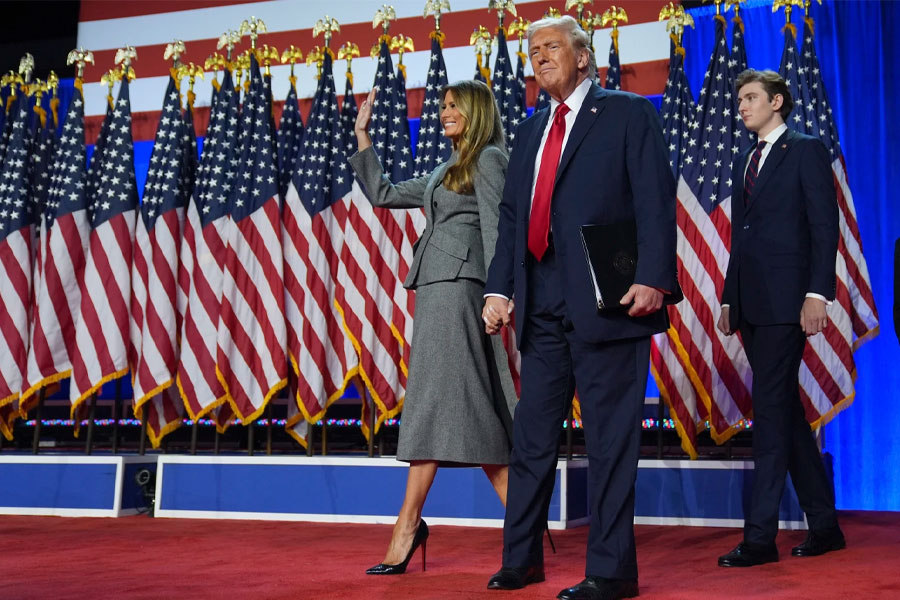
El candidato republicano a la presidencia de Estados Unidos, el expresidente Donald Trump, su esposa Melania Trump y el hijo de ambos, Barron Trump, llegan a una fiesta de su campaña en el Centro de Convenciones de Palm Beach, Florida, el 6 de noviembre de 2024, en West Palm Beach, Florida. (Foto: AP/Evan Vucci)
9:40 a.m.
La presidenta mexicana Claudia Sheinbaum prefirió el miércoles no pronunciarse oficialmente sobre el triunfo de Trump alegando que “vamos a esperar el día de hoy que terminen algunos estados de contarse y poder dar el comunicado oficial” e insistió en su mensaje de calma a los migrantes mexicanos en Estados Unidos, a sus familias y a los empresarios: “México siempre sale adelante, somos un país libre, independiente, soberano y va a haber buena relación con los Estados Unidos, estoy convencida de ello”.
Agregó que una de las claves será informar bien a Estados Unidos sobre todos los temas clave, como los comerciales y los esfuerzos de México para reducir los flujos migratorios. “Hay un plan”, afirmó en referencia a la cuestión migratoria pero sin entrar en detalles. “Va a haber diálogo”, enfatizó.
———-
9:00 a.m.
El presidente de Brasil, el izquierdista Luiz Inácio Lula da Silva, publicó en X su felicitación a Trump y sostuvo que “la democracia es la voz del pueblo y debe ser siempre respetada” al tiempo que agregó que “el mundo precisa diálogo y trabajo conjunto para tener más paz, desarrollo y prosperidad”.
Por su parte, el expresidente de extrema derecha de Brasil, Jair Bolsonaro, dijo en X que el regreso de Trump a la Casa Blanca marca “el triunfo de la voluntad del pueblo sobre los arrogantes diseños de una élite que desdeña nuestros valores, creencias y tradiciones”.
Agregó que la victoria de Trump empoderará a los movimientos conservadores y de derecha en todo el mundo y que espera que inspire a Brasil a “seguir el mismo camino”.
Bolsonaro buscó sin éxito la reelección en 2022 y poco más de dos meses después sus partidarios irrumpieron en la capital en un intento por restaurarlo en el poder. Fue ampliamente visto como un eco de la insurrección del Capitolio dos años antes y ahora es objeto de varias investigaciones.
———-
8:30 a.m.
El saliente presidente de Uruguay, Luis Lacalle Pou, felicitó a través de un mensaje en su cuenta de X, antes Twitter, a Donald Trump por su victoria electoral y agregó que “trabajaremos junto al nuevo gobierno para seguir fortaleciendo la relación entre nuestros países, para beneficio de nuestra gente”.
Por su parte el mandatario ecuatoriano Daniel Noboa usó la misma red social y sostuvo que con el triunfo del republicano “el futuro parece prometedor para el continente”.
———-
8:05 a.m.
El primer ministro canadiense, Justin Trudeau, felicitó a Trump en una publicación en X, antes Twitter, e incluyó una foto de los dos en la Casa Blanca durante el primer mandato de Trump.
“La amistad entre Canadá y Estados Unidos es la envidia del mundo. Sé que el presidente Trump y yo trabajaremos juntos para crear más oportunidades, prosperidad y seguridad para nuestras dos naciones”, publicó Trudeau.
Trump, como presidente, calificó a Trudeau de “débil” y “deshonesto” y atacó el vital comercio de Canadá. Amenazó con aranceles a los automóviles y los impuso al acero. El tono sin precedentes contra uno de los aliados más cercanos de Washington dejó un sabor amargo y la mayoría de los canadienses se sintieron aliviados de que Trump fuera derrotado en 2020.
Más del 75% de las exportaciones de Canadá van a Estados Unidos. Trudeau señaló en un comunicado que renegociaron con éxito el Acuerdo Canadá-Estados Unidos-México. “Canadá y Estados Unidos tienen la asociación más exitosa del mundo”, dijo Trudeau. “También somos los socios comerciales más grandes de cada uno y nuestras economías están profundamente entrelazadas”.
———
7:50 a.m.
El presidente de Letonia, Edgars Rinkevics, felicitó a Trump y dijo: “Europa necesita unos Estados Unidos fuertes y Estados Unidos necesita una Europa fuerte”.
Gitanas Nauseda, jefe de Estado de Lituania, dijo que “la unidad transatlántica es crucial”. Nauseda señaló que “Estados Unidos es un aliado estratégico clave” de Lituania y ambos países estaban tomando en serio las cuestiones de seguridad.
Alar Karis, presidente de Estonia, señaló que la pequeña nación báltica de 1,3 millones de habitantes “valora su alianza duradera con Estados Unidos, basada en ideales democráticos compartidos y un compromiso conjunto con la seguridad global”.
El presidente búlgaro, Rumen Radev, se unió a los líderes mundiales para felicitar a Trump por su victoria en la carrera por un segundo mandato como presidente de Estados Unidos. “Estoy seguro de que nuestro diálogo eficaz al más alto nivel continuará en interés de la asociación estratégica entre Estados Unidos y Bulgaria”, escribió Radev en una publicación en la plataforma social X, antes Twitter.
El Primer Ministro de Polonia, Donald Tusk, también felicitó a Trump por X y agregó: “Espero con interés nuestra cooperación por el bien de las naciones estadounidense y polaca”.
———-
7:45 a.m.
Los mercados de futuros en Estados Unidos subieron el miércoles temprano, con el Dow Jones en alza un 2,85% y el S&P 500 casi un 2% arriba.
Bitcoin, que muchos ven como un ganador bajo la presidencia de Donald Trump, alcanzó máximos históricos por encima de los 75.000 dólares.
Tesla, la compañía dirigida por Elon Musk, se disparó un 12% antes de la campana de apertura, mientras que otros fabricantes de vehículos eléctricos se desplomaron.
Las acciones bancarias también subieron sólidamente, con expectativas de un retroceso por parte de los reguladores que supervisarán los mercados durante el gobierno de Trump.
———-
6:57 a.m.
Donald Trump fue elegido 47mo presidente de Estados Unidos el miércoles, un regreso extraordinario para un expresidente que se negó a aceptar la derrota hace cuatro años, provocó una insurrección violenta en el Capitolio, fue condenado por delitos graves y sobrevivió a dos intentos de asesinato.
———-
6:55 a.m.
El primer ministro japonés Shigeru Ishiba felicitó a Trump el miércoles por su victoria en la elección presidencial y dijo que espera ponerse en contacto con él lo antes posible para discutir cómo fortalecer los lazos entre Japón y Estados Unidos.
El presidente surcoreano, Yoon Suk Yeol, dijo que esperaba trabajar con Trump. “Bajo su fuerte liderazgo, el futuro de la relación entre la República de Corea y Estados Unidos brillará más”, escribió Yoon en la plataforma social X, utilizando las iniciales del nombre formal de Corea del Sur. En respuesta a las crecientes amenazas que plantea Corea del Norte, que cuenta con armas nucleares, el gobierno de Yoon ha trabajado estrechamente con la administración de Joe Biden para fortalecer los ejercicios militares combinados y solidificar la cooperación militar tripartita con Japón.
El rey Abdullah II de Jordania felicitó a Trump y dijo en una publicación en X que estaba “esperando” trabajar con Trump “al servicio de la paz y la estabilidad regional y global para todos”. Jordania ha sido un mediador clave para Estados Unidos durante el año pasado mientras los funcionarios intentaban llegar a un acuerdo de alto el fuego entre Israel y Hamás. ———-
6:50 a.m.
El mandatario de Paraguay, Santiago Peña, felicitó en una carta al presidente electo de Estados Unidos, Donald Trump, y alabó los “históricos lazos” que unen a ambas naciones.
Peña envió sus “sinceras felicitaciones por su elección, para un segundo periodo, como Presidente de los Estados Unidos de América, apoyado en el mayoritario respaldo y la confianza depositada en su liderazgo por parte del hermano pueblo estadounidense”.
En la misiva, Peña indicó además su “más alta y distinguida consideración” hacia Trump y deseó los “mayores éxitos en el cumplimiento de sus importantes funciones” como presidente de Estados Unidos.
———-
6:30 a.m.
Bitcoin saltó cerca de 8% a un precio récord de 75.345 dólares en los primeros negocios del miércoles, antes de volver a caer y negociarse en alrededor de 73.700 dólares.
Trump había sido en principio escéptico sobre las criptomonedas pero luego cambió su parecer.
Dijo que hará de América “la capital mundial del capital cripto” y creará una “reserva estratégica” de bitcoin. Su campaña aceptó donaciones en criptomonedas y cortejó a los fanáticos de estas monedas en una conferencia en julio.
También lanzó World Liberty Financial, un nuevo negocio familiar para hacer transacciones en criptomonedas.
———
6:20 a.m.
Pese a las derrotas demócratas en el Senado y la Casa Blanca, a la campaña del partido sobre los derechos reproductivos le fue mucho mejor en todo el país, ya que los defensores del derecho al aborto ganaron propuestas en siete estados.
El último estado en aprobar una medida de este tipo a primera hora del miércoles fue Montana, donde los defensores del derecho al aborto presionaron para consagrarlo hasta la viabilidad fetal en la constitución estatal como salvaguarda contra futuros retrocesos. Aunque no hay un período de tiempo definido, los médicos dicen que la viabilidad es después de las 21 semanas.
En otros tres estados (Florida, Nebraska y Dakota del Sur) los votantes rechazaron medidas que habrían creado un derecho constitucional al aborto.
———
6:15 a.m.
El índice DAX de la bolsa de comercio alemana subió 1,5% a 19.544 puntos en los primeros negocios de Xetra, reportó la agencia de noticias alemana DPA.
Robert Halver, titular de Análisis de Mercados de Capital en Baader Bank dijo que como la bandera de Donald Trump es la economía “puede asumirse que los mercados del mundo van a subir. Con una excepción: China, porque él (Donald Trump) definitivamente impondrá aranceles al menos a China. Eso ciertamente va a hacer las cosas difíciles para los chinos”.
“Lo bueno es que los mercados europeos, el mercado alemán y las exportaciones también se pueden beneficiar. Porque aún estamos tan bien posicionados en el sector industrial que estamos ayudando a América a ser grande otra vez en el sector industrial también”, agregó. ———
6:02 a.m.
El presidente argentino Javier Milei envió el miércoles un mensaje de felicitación escrito en inglés a Donald Trump a medida que el conteo de votos situaba al candidato republicano en la antesala del triunfo.
“Felicitaciones por tu formidable victoria electoral”, comenzaba el mensaje de Milei -un ultraderechista que se ha convertido en el mayor aliado de Trump en la región- en su cuenta de X, antes Twitter. El mensaje iba acompañado de una imagen de ambos mirándose de frente mientras se tomaban los brazos en uno de los encuentros que han mantenido.
“Ahora, haz a América grande de nuevo. Sabes que puedes contar con Argentina para llevar a cabo tu tarea. Éxito y bendiciones”, agregó Milei. El mandatario, quien sostiene que los mayores aliados de Argentina en el mundo son Estados Unidos e Israel, se dedicó luego a repostear mensajes de sus seguidores elogiando a Trump o destacando el buen vínculo que los une.
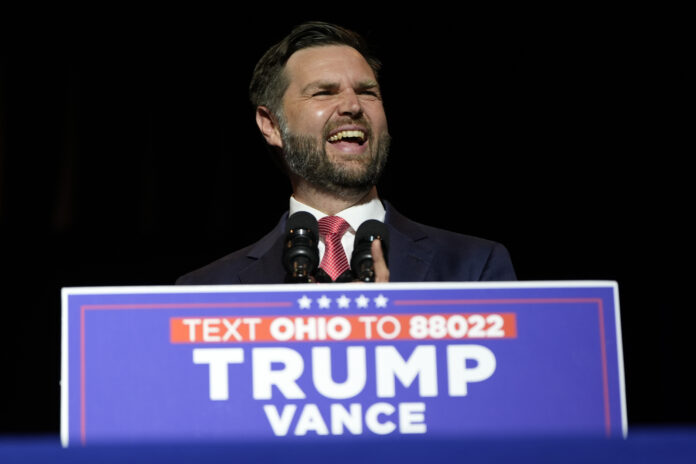
El candidato republicano a la vicepresidencia de EEUU, el senador JD Vance, habla durante un acto de campaña en la escuela secundaria de Middletown, Ohio, el lunes 22 de julio de 2024. (AP Foto/Julia Nikhinson)
El presidente electo de Estados Unidos, Donald Trump, consiguió en las presidenciales del martes teñir de rojo republicano el condado más hispano de todo el país, Starr County, que durante más de un siglo había apoyado a los candidatos demócratas.
Según el recuento de la Universidad de Houston, con el 99 % de las papeletas escrutadas, el magnate neoyorquino se impuso allí a la vicepresidenta y candidata demócrata, Kamala Harris, por el 57,7 % de los votos, una ventaja de 15,9 puntos porcentuales.
La revista Newsweek recordó que el actual mandatario, Joe Biden, ganó a Trump en Starr County en 2020 con el 52 %, mientras que en 2016, año en que el republicano se hizo con la victoria en las elecciones presidenciales, en ese condado fue derrotado por el 79 % de la demócrata Hillary Clinton.
Starr County no había apostado por un aspirante del entonces Partido Republicano desde 1892.
Según las previsiones de las cadenas CNN y AP, y a la espera de que se cierre el recuento en estados clave como Nevada, Arizona o Míchigan, Trump ha logrado ya 277 de los 270 delegados del Colegio Electoral necesarios para declararse ganador.