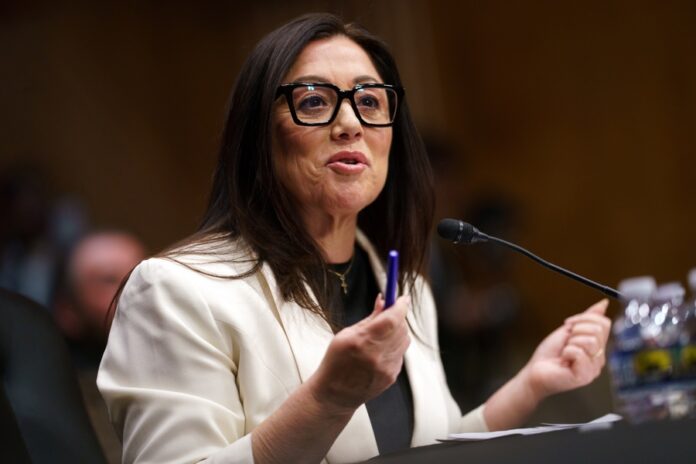
La secretaria del Departamento de Trabajo de Estados Unidos, Lori Chavez-DeRemer, anunció la entrada en vigor de 63 acciones desregulatorias dirigidas a estimular la creación de empleo, especialmente entre los trabajadores y empresas estadounidenses, entre las que se incluyen medidas perjudiciales para los trabajadores huéspedes del campo.
«El audaz plan del departamento incluye 63 acciones desregulatorias destinadas a revertir las costosas y onerosas normas impuestas bajo administraciones anteriores, cumpliendo con el compromiso del presidente (Donald) Trump de restaurar la prosperidad estadounidense», informó el departamento en un comunicado.
Según el subsecretario de Trabajo, Keith Sonderling, las disposiciones derogadas afectaban a los trabajadores estadounidenses y eliminan «los trámites burocráticos que destruyen empleos y que impulsan la inflación».
Entre las regulaciones recientemente suspendidas se encuentra varias que afectan al programa de visas H-2A de trabajadores agrícolas temporales, aprobadas el año pasado por el gobierno del expresidente Joe Biden (2021-2025).
La regulación exigía medidas como el uso de cinturones de seguridad, la prohibición a los contratistas de confiscar documentos de los trabajadores como sus pasaportes y visas, y protegía el derecho de estos trabajadores extranjeros de unirse a un sindicato, entre otras.
La norma había sido implementada el 28 de junio de 2024, del año pasado, tras años de solicitudes de organizaciones de defensa laboral como el Sindicato de Trabajadores Agrícolas (UFW).
Pero ahora el Departamento de Trabajo ha alegado que la regulación generó «múltiples mandatos judiciales federales y la continua reconsideración regulatoria» que habían generado una importante incertidumbre a nivel jurídico y desafíos tanto para los empleadores como para los trabajadores.
«Una suspensión temporal de la aplicación de la ley a nivel nacional garantiza claridad y coherencia mientras continúa el litigio sobre la legalidad de la Norma Final de 2024 y el Departamento considera nuevas medidas regulatorias», informó el departamento.
La agricultura e industrias relacionadas es un sector clave para la economía estadounidense, representando más del 5 % del Producto Interior Bruto (PIB) del año 2023, según datos del Gobierno.
En el año fiscal 2024 (octubre-septiembre), el Departamento de Trabajo certifico 384.900 empleos bajo este tipo de visado especial.
La población migrante tiene un gran peso dentro de este sector, pero está siendo víctima de las políticas antimigratorias de la Administración Trump.
En este sentido, Trump anunció el pasado martes en el estado de Florida que anunciará próximamente exenciones a las deportaciones de agricultores, entre otros empleos mayoritariamente comunes entre los migrantes.
Hinchas de Fluminense celebran tras la victoria ante el Inter de Milán en el Mundial de Clubes, el lunes 30 de junio de 2025, en Charlotte, Carolina del Norte. (Foto: AP/Nell Redmond)
Víctor Dumois, un hincha de fútbol de toda la vida, expresó su preocupación por el hecho de que Estados Unidos sea coanfitrión de la Copa del Mundo 2026 después de asistir a un reciente partido del Mundial de Clubes en Miami.
«Creo que después de la Copa América, ha ocurrido un fenómeno extraño aquí», dijo Dumois, oriundo de España. «Hay gente a las que no les gusta que el Mundial sea en Estados Unidos».
La final de la Copa América el año pasado en Miami fue una pesadilla de seguridad, con aficionados agobiados por el calor y sin entradas rompiendo las barreras en el estadio Hard Rock para entrar. El partido se pudo disputar, aunque mucha gente que pagó nunca pudo llegar a sus asientos porque estaban ocupados. Algunos citaron el desastre como un ejemplo de que Estados Unidos no está en condiciones para albergar el torneo más grande del fútbol.
Como ensayo este verano, el primer Mundial de Clubes de 32 equipos se disputó únicamente en Estados Unidos.
Dumois comentó que la seguridad fue estricta esta vez, casi en exceso.
«En España, es diferente, puedes simplemente tomar un Uber o taxi que te lleve directamente al estadio», expresó Dumois, compartiendo experiencia sobre el partido de octavos de final entre el Real Madrid y la Juventus. «Aquí en Miami, tienen que dejarte afuera y lejos. Hay tantas capas de seguridad, es demasiado».
El Mundial de Clubes, cuyos cuartos de final se escenificarán este fin de semana, ha servido como una prueba para Estados Unidos que, junto con Canadá y México, albergará la Copa del Mundo 2026 en ciudades como Miami, Atlanta, Boston, Dallas, Houston, Kansas City, Los Ángeles, Filadelfia, San Francisco y Seattle.
Hasta ahora, el torneo de clubes no ha tenido mucha asistencia, excepto por un puñado de partidos.
Un duelo de octavos de final en el estadio Bank of America de Charlotte, con capacidad para 75.000 asientos, entre el Fluminense brasileño y el Inter de Milán atrajo a tan solo 20.030 fanáticos. Los administradores del estadio permitieron que los aficionados que habían comprado boletos para la parte superior se movieran hacia la parte inferior. Aun así, la parte inferior parecía medio llena.
Los asientos vacíos han sido una vista común en todo el país.
Hay una variedad de razones para ello.
Primero, el torneo de clubes simplemente no es tan popular como la Copa del Mundo, donde los jugadores compiten por sus países en lugar de varios clubes desconocidos en Estados Unidos.
Los costos, tanto para los juegos como para los viajes, también han mantenido a algunos alejados.
Y, para algunos, ha habido preocupaciones persistentes sobre posibles redadas del Servicio de Inmigración y Control de Aduanas de Estados Unidos en los partidos en medio de la represión del presidente Donald Trump sobre la inmigración ilegal.
El clima tampoco ha ayudado.
Benjamin Cabral vive en Boston, pero su familia es de Azores, una región autónoma de Portugal.
Dijo que si la FIFA apuesta a que el fútbol sea popular en Estados Unidos, es necesario un cambio de programación. Debido a la popularidad del fútbol en Europa, muchos partidos de clubes se han jugado en medio del día para que los fanáticos en el extranjero puedan ver los juegos en televisión o en transmisión en vivo en tiempo real por la noche.
La desventaja es que los futbolistas se han visto obligados a jugar con temperaturas superiores a los 32 grados Celsius (90 grados Fahrenheit) mientras una gran ola de calor atenaza a Estados Unidos.
«Si buscan que el fútbol crezca en Estados Unidos, necesitan que los partidos sean más tarde», dijo Cabral. «Hace demasiado calor aquí para los jugadores».
Tampoco ha sido fácil para los hinchas.
«No hay techo, no hay pantallas, no mucho», dijo Carlos Olguín, quien hizo el viaje desde México a Charlotte para ver al Pachuca enfrentar al Real Madrid.
La Copa del Mundo del próximo año se jugará durante un período de tiempo similar, comenzando a mediados de junio y concluyendo a mediados de julio.
La emoción en torno al evento actual también sigue siendo una preocupación.
«Lo otro en la ciudad es que debería estar más preparada para el torneo, porque hay personas que ni siquiera saben que hay un evento y entonces vas a un restaurante con la idea de que hay banderas, fanáticos, más cosas de fútbol y no hay nada», agregó Olguín sobre el Mundial de Clubes. “La ciudad debería estar más preparada para el torneo porque hay personas que ni siquiera saben que hay un torneo.
En cuanto a los lugares, los espectadores que asistieron a los partidos del Mundial de Clubes ofrecieron opiniones diferentes sobre los estadios estadounidenses y las ciudades anfitrionas antes de que el país albergue la Copa del Mundo por primera vez desde 1994.
«Seré honesto, Estados Unidos no está listo para albergar la Copa del Mundo», dijo Jeremy Zúñiga de Carolina del Sur. «Hay demasiada gente viniendo de Sudamérica, Europa, todos».
Otros, como el peruano Rogerio Bajos opinan distinto.
«Creo que ha sido bueno, no hemos tenido problemas», dijo Bajos, quien también asistió a un partido del Mundial de Clubes en Miami. «El estacionamiento no es un problema, la seguridad ha sido buena. En general, un espectáculo estupendo».
Humberto Contasta, de Miami, dijo que el Mundial de Clubes debería ayudar a los coanfitriones estadounidenses a resolver algunos problemas antes del próximo verano.
Daniel Marques, quien hizo el viaje desde Portugal a Charlotte con el único propósito de ver a Benfica enfrentar a Chelsea en un partido de fase de grupos, dijo que estaba impresionado en general con cómo se llevó a cabo el torneo.
Guilherme Altoe estuvo de acuerdo.
Altoe, quien creció viendo partidos de la Copa del Mundo en Brasil antes de mudarse a Estados Unidos hace casi una década, dijo que cree que el país organizará un buen evento el próximo verano.
«Creo que Estados Unidos tiene todo, toda la infraestructura para albergar una Copa del Mundo», dijo. «Así que estamos emocionados de que vean a todos los fanáticos de diferentes lugares y que la familia venga y será un gran momento».
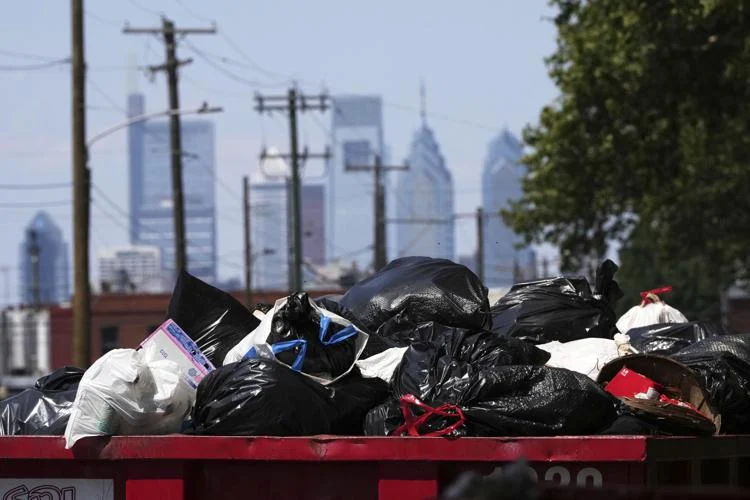
A man tosses trash at a garbage collection site, Thursday, July 3, 2025, in Philadelphia. (Photo: AP/Matt Slocum)
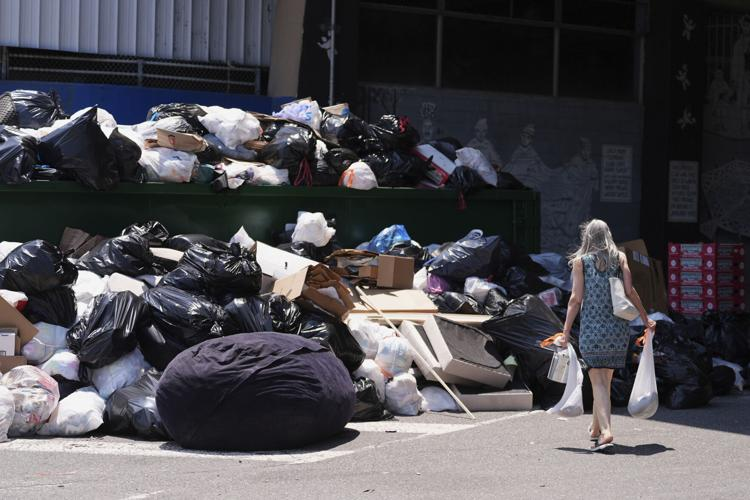
A strike by nearly 10,000 city workers in Philadelphia stretched into a third day Thursday as trash piled up in some areas and more than 30 Medical Examiner’s Office staffers were ordered back to work because of a growing backlog of bodies in storage.
The latest talks between the city and leaders of District Council 33 — the largest of four major unions representing city workers — ended late Wednesday without a deal, and no new talks were scheduled for Thursday. Both sides have said they were willing to continue negotiations.
The union represents many of the city’s blue-collar workers, from trash collectors to clerks to security guards. Police and firefighters are not on strike.
Economic matters remain the major issue, but District 33 President Greg Boulware has said there are also “a lot of work rule situations that we still have not worked through.” The union also seeks some flexibility on the city residency requirement for workers.
rash piles up at a garbage collection site, Thursday, July 3, 2025, in Philadelphia. (Photo. AP/Matt Slocum)
The city has offered a three-year contract with annual raises of about 3%, which the union said amounts to little more than $1,000 after taxes for members making $46,000 a year on average.
Mayor Cherelle Parker has said the city has “put its best offer on the table.” She stressed that the effective 13% pay hike over her four-year term — including last year’s 5% bump – along with a fifth step on the pay scale would be the best contract the union has seen in decades.
Legal wrangling over the walkout also continued Thursday, when Common Pleas Court Judge Sierra Thomas-Street approved the city’s request to have the medical examiner’s office staffers return to work because bodies have been piling up there in storage, posing a health and safety risk. Those workers include death and forensic investigators, forensic technicians and clerks.
A woman drops off trash at a garbage collection site, Thursday, July 3, 2025, in Philadelphia. (Photo: AP/Matt Slocum)
The order came a day after the judge ordered some emergency service dispatchers and essential water department employees back to work.
Mounting trash piles in some parts of the city were also still causing grief for residents and officials, who on Thursday strongly urged residents to follow the collection guidelines imposed when the strike began Tuesday. They also urged residents to report problems at the trash collection sites, and noted trash is being cleared as fast as possible and the city is working to open more sites.
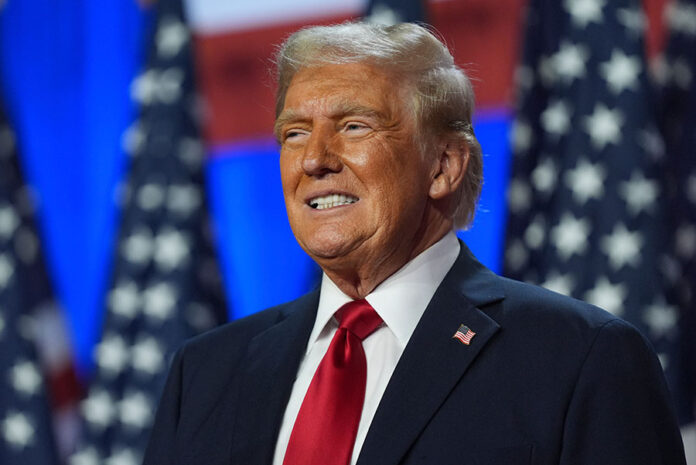
El entonces candidato presidencial republicano, Donald Trump, sonríe durante un evento para dar seguimiento a los resultados de la jornada electoral, el 6 de noviembre de 2024, en West Palm Beach, Florida. (Foto: AP/Evan Vucci/Archivo)
Los acuerdos de las leyes presupuestarias de los estados tienen mucho del dicho “Robar a Pedro para pagar a Pablo” y es que, una vez acordado el dinero que se puede gastar, representantes y senadores pasan a negociar cómo y a qué se destina. Ahí es donde cada legislador intenta satisfacer los intereses de sus votantes, de sus representados y de su partido, lo que explica que para satisfacer a todos ellos buena parte de las negociaciones se centran en trasladar recursos de una partida del presupuesto a otra.
Ustedes han sido testigos de las negociaciones y votaciones del proyecto de ley “Grande y Hermoso” (“BBB”) que es, además de una ley presupuestaria, un recopilatorio del programa electoral del presidente Trump y que se centra en recorte de impuestos y ayudas sociales, aumento del gasto militar y de seguridad nacional y oposición a las energías renovables (“verdes”).
El presidente Trump dijo que “Es un gran proyecto de ley donde hay algo para todos y creo que va a funcionar muy bien (…)”.
Los republicanos de la Cámara de Representantes impulsaron el proyecto de ley de recortes fiscales y de gastos de 4,5 billones de dólares del presidente Donald Trump hacia su aprobación final en el Congreso el jueves, superando múltiples contratiempos para aprobar su paquete de políticas, emblemático de su segundo mandato, antes de la fecha límite del 4 de julio.
La ajustada votación de 218-214 tuvo un costo político potencialmente alto, y dos republicanos se unieron a todos los demócratas en oposición. Los líderes del Partido Republicano trabajaron durante la noche y el propio presidente presionó a un puñado de escépticos para que abandonaran su oposición y enviaran el proyecto de ley para que él lo firmara y lo convirtiera en ley. El líder demócrata Hakeem Jeffries de Nueva York retrasó la votación al mantener la palabra durante más de ocho horas con un discurso récord en contra del proyecto de ley.
Detalle de un sombrero de un seguidor del presidente de Estados Unidos, Donald Trump, durante un evento para celebrar los primeros 100 días de su segunda administración, en Warren (Michigan, EE. UU.). (Foto: EFE/Dieu-Nalio Chery)
EL ESTIRE Y AFLOJE
Pero no todos los que han votado en las cámaras piensan como él: el proyecto fue aprobado por la mínima en la Cámara de Representantes de los Estados Unidos el 8 de mayo por un solo voto de diferencia (215 votos a favor frente a 214 en contra). Al ser modificado y votado en el Senado el 1 de julio, se obtuvo empate disuelto por el voto del vicepresidente J.D. Vance (51–50). Tres de los 53 senadores republicanos se opusieron a la ley.
Y de nuevo a votación a la Cámara de Representantes, porque la versión aprobada por el Senado difiere de la previamente aprobada por los congresistas. Esta cámara (donde los republicanos poseen mayoría mínima), ha revisado, votado y aprobado nuevamente el proyecto de ley en la madrugada del 3 de julio, bajo la presión de que el presidente quería firmar la ley el 4 de julio, y amenazas del presidente de el costo en las urnas de no apoyarlo.
“¿¿¿A qué están esperando los republicanos??? ¿¿¿Qué intentan demostrar???”, escribió Trump en una publicación en redes sociales pasada la medianoche. También advirtió claramente sobre las consecuencias políticas del retraso “¡COSTÁNDOLES VOTOS!!!”
El asunto es que este proyecto de ley, es tan grande (si consideramos su volumen 960 páginas), como impactante, ya que incorpora múltiples disposiciones que afectan a la política migratoria, gasto social, sistema tributario, educación superior, medio ambiente y energía, entre otros.
Lo primero que hace la inminente ley, es aumentar la deuda pública (déficit federal), en 3.3 billones, por lo tanto, se eleva a un total de 5 billones (según estimaciones de la Oficina de Presupuesto del Congreso (CBO)). Algo que se hace para evitar impagos, ya que los recortes fiscales que realiza, y otros en diferentes sectores económicos repercuten en la deuda, y que no ha gustado en absoluto al ala más conservadora del partido republicano.
Para aliviar el déficit, Trump presionó semanas atrás a la Reserva Federal para reducir intereses al 1%, pero el organismo desestimó sus peticiones y mantuvo los tipos de interés. Trump apuesta porque la rebaja fiscal estimulará el crecimiento económico y compensará la pérdida de ingresos.
El presidente promete en Truth Social que “Nuestro país hará una fortuna este año, más que cualquiera de nuestros competidores ¡pero solo si se aprueba la Gran y Hermosa Ley!
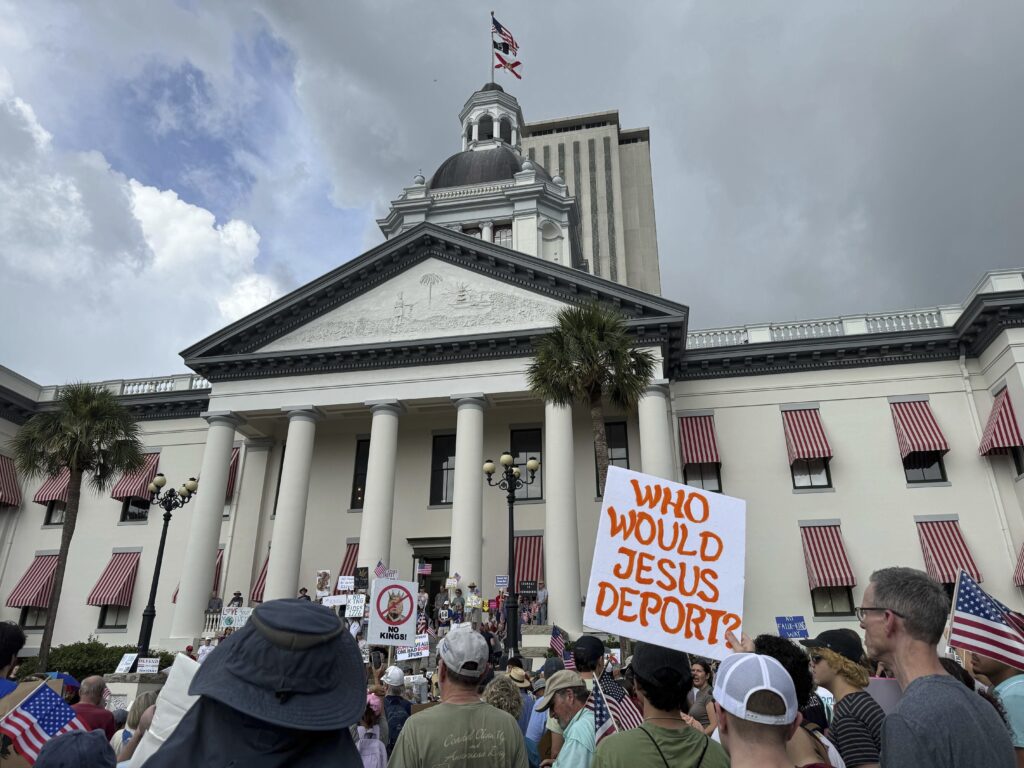
Un grupo de personas se reúne en el terreno del antiguo Capitolio de Florida en Tallahassee, Florida, en la protesta «No Kings» (“Sin reyes”), el sábado 14 de junio de 2025. (AP Foto/Kate Payne)
UN HOYO PARA TAPAR OTRO
Y con el montante de lo que se puede gastar, comienza el baile de números, algunos ejemplos de ese “Robar a Pedro…” es la reducción del gasto en seguridad social (recorte de aproximadamente $1,000 millones del gasto federal en Medicaid y Ley de Cuidado de Salud a Bajo precio a lo largo de una década que implicará según algunos cálculos, que alrededor de 8.6 millones de personas se queden sin cobertura sanitaria aumentando hasta 12 millones en 2034), “…para darle a Juan”, El proyecto de ley también proporciona 350.000 millones de dólares para la defensa y la aplicación de las medidas migratorias de Trump.
Don Moynihan, professor de política pública, señala que “ambos partidos están generalmente dispuestos a aumentar el gasto en defensa” en lo que varían es “tanto en el destino del dinero como en su uso”.
A propósito, si es usted residente de Pensilvania, debe saber que los recortes federales a Medicaid y la Ley de Cuidado de Salud Asequible (ACA) en su estado podrían dejar a medio millón de residentes sin seguro médico, al no poder costear la cobertura o no haberse reinscrito. Se espera además que otras 300,000 personas pierdan Medicaid por no poder cumplir con los nuevos requisitos regulatorios.
En Delaware, según datos de la representante en Washington, Sarah McBride, más de 40,000 personas podrían perder Medicaid. En una reciente comparecencia en el Congreso, Mc Bride señaló que “más del 40% de los hospitales rurales a nivel nacional ya operan con pérdidas y dependen de la financiación de Medicaid para mantenerse abiertos. Si el presupuesto propuesto por el Partido Republicano se convierte en ley, forzaría despidos, reduciría servicios críticos y provocaría el cierre de centros de atención en zonas rurales”.
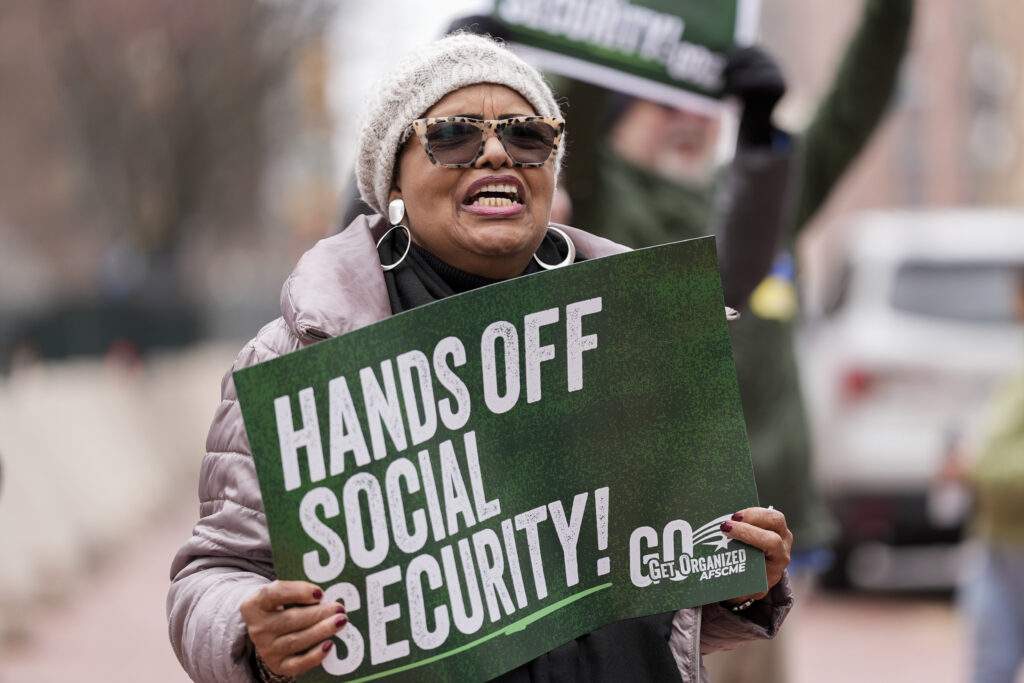
Manifestantes se congregan afuera del tribunal de distrito de Baltimore, el viernes 14 de marzo de 2025, previo a una audiencia relacionada con el Departamento de Eficiencia Gubernamental. (Foto: AP/Stephanie Scarbrough)
SE ABREN MÁS GRIETAS
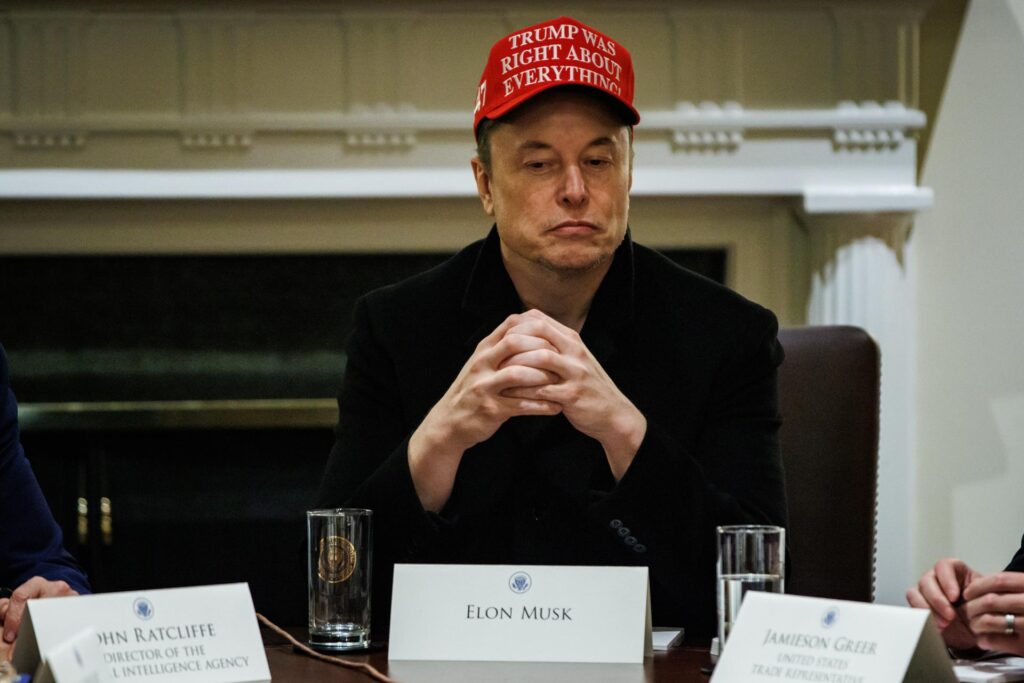
El recorte de impuestos favorecerá proporcionalmente a los que más pagaban, y como eso significa menos ingresos, para compensar también se recortan, por ejemplo, proyectos como los de la llamada “energía verde”. Algo que ha enfadado bastante a Elon Musk (que cuenta con empresas enfocadas en este tipo de energía), que ha señalado en su red social X que “¡Todos los miembros del Congreso que hicieron campaña para reducir el gasto público y luego votaron inmediatamente por el mayor aumento de la deuda de la historia deberían avergonzarse! Y perderán sus primarias el año que viene, aunque sea lo último que haga en este mundo”. También tuiteó sobre la creación de un tercer partido político: “Si se aprueba este descabellado proyecto de ley de gastos, el Partido América se formará al día siguiente. Nuestro país necesita una alternativa al unipartido demócrata-republicano para que la gente realmente tenga VOZ”.
(Foto: EFE/Samuel Corum)
Ante esos tweets, Trump fue preguntado sobre una posible deportación de Musk (nacido en Sudáfrica), a lo que respondió “No lo sé. Tendremos que analizarlo”.
Para María Antonieta Cádiz, directora ejecutiva adjunta de Climate Power in Action “esta ley ataca directamente el futuro nuestra comunidad” ya que elimina créditos fiscales para la energía limpia “poniendo en riesgo más de 400,000 nuevos empleos bien remunerados en la industria manufacturera—trabajos de los que dependen muchas familias latinas para salir adelante”.
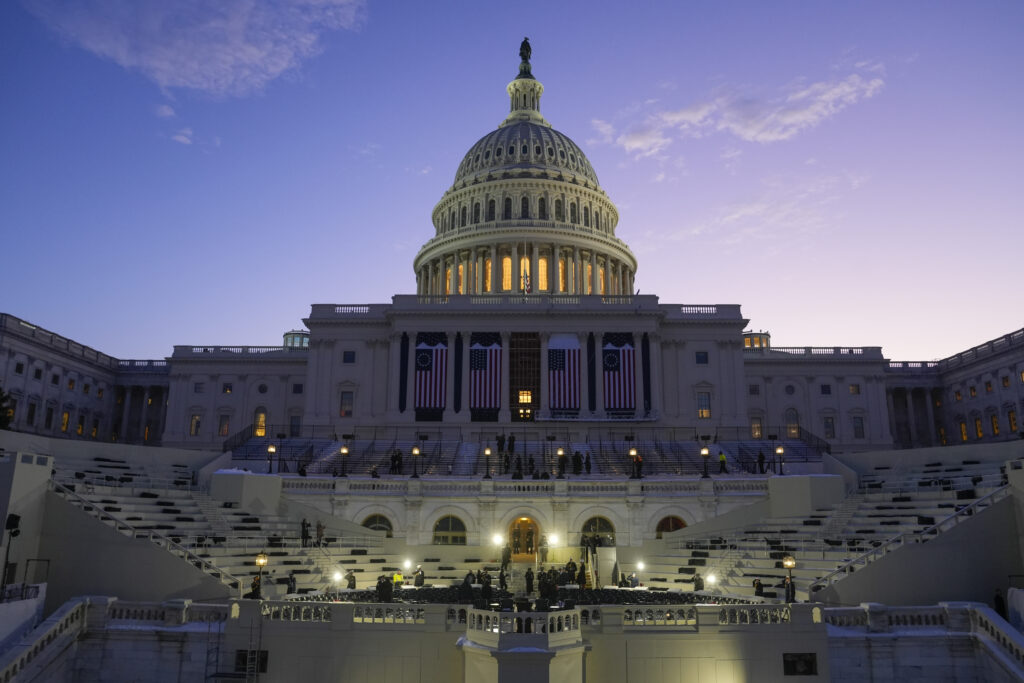
El Sol se eleva tras el Capitolio de EEUU en Washington el domingo 12 de enero de 2025. (Photo: AP/Jon Elswick/Archivo)
A APRETARSE EL CINTURÓN
Un viejo dicho apunta que “con las cosas de comer no se juega” y también el capítulo de alimentación se verá impactado porque el recorte que afecta a miles de millones en gasto social, también incluye la reducción de ayuda para el programa de Asistencia Nutricional Suplementaria (SNAP) que se estima dejarán de recibir tres millones de personas en todo el país.
Para muchos residentes en Estados Unidos, son precisamente estas ayudas sociales, las que les permiten superar adversidades personales, médicas, etc., y “reengancharse” a la sociedad, que cada vez se parece más a una “montaña rusa social”, en la que la enfermedad de una persona puede significar la ruina para toda su familia.
Sin embargo, para Trump los números son otros. Él señala son menos los millones de personas que se estima podrían perder el acceso a Medicaid y que solo recortará el “despilfarro, fraude y abuso” dentro de ese plan.
En 2024, 37.9 millones de personas vivían en situación de pobreza, esto representa aproximadamente el 17.8% de la población. De estos, 15.3 millones son niños, lo que significa que 1 de cada 5 niños vive en inseguridad alimentaria.
A LO QUE LE APUESTAN
En el evangelio de Mateo, Jesús afirma: «Donde esté tu tesoro, allí estará también tu corazón», y los republicanos que solían defender a toda costa la reducción de la deuda, ahora seden a compromisos que parecen revelar sus prioridades.
También los préstamos estudiantiles perderán recursos en favor del aumento de $150,000 millones para el gasto militar, incluyendo inversiones en la industria naval y el escudo antimisiles “Cúpula Dorada”. Para el capítulo de deportaciones y ampliación del muro en la frontera sur destinará $175,000 millones.
El BBB también incluye la “cuenta Trump”, un fondo con $1,000 públicos para cada recién nacido, bonificación por la compra de vehículos fabricados en Estados Unidos, deducciones para jubilados, eliminación de impuestos sobre las propinas y horas extra de trabajo, reducción de impuestos a las remesas al 1% si es en efectivo y eliminación si es por transferencia, y consolidación de los recortes fiscales de 2017 (aparte del mencionado recorte de impuestos con especial atención a las empresas y a las rentas altas).
Desfile militar conmemorativo del 250mo aniversario del Ejército, que coincide con el 79no cumpleaños del presidente de EEUU, Donald Trump, el sábado 14 de junio de 2025, en Washington. (Foto: AP/Stephanie Scarbrough)
Es decir, se consolida la agenda de los privilegiados MAGA, ¿pero para la clase trabajadora que les creyó el cuento?
Según Trump cada familia estadounidense ahora tendrá $10,000 más al año, sin embargo para los que están bajo el índice de pobreza esa cifra no aplicaría, y para los que en el supuesto que si los obtendrá, ¿será ese dinero suficiente para afrontar el cuidado de salud anual que pueda precisar esa misma familia?
El boxeador mexicano Julio César Chávez Jr. durante una rueda de prensa en Ciudad de México, del 17 de julio de 2012. (México). (Foto: EFE/Alex Cruz/Archivo)
El Gobierno de Estados Unidos anunció este jueves el arresto del conocido boxeador mexicano Julio César Chávez Jr., al que acusa de tener nexos con el Cártel de Sinaloa, y confirmó que está preparando su deportación.
“Este afiliado del Cartel de Sinaloa, con una orden de arresto vigente por tráfico de armas, municiones y explosivos, fue arrestado por el Servicio de Inmigración y Control de Aduanas de Estados Unidos (ICE)», dijo la subsecretaria del Departamento de Seguridad Nacional (DHS), Tricia McLaughlin, en un comunicado.
Chávez Jr., quien el fin de semana tuvo una pelea de alto nivel con el boxeador estadounidense Jake Paul en Los Ángeles (California), fue arrestado ayer miércoles en la ciudad de Studio City (California), reveló el DHS.
«Bajo la presidencia de Trump, nadie está por encima de la ley, ni siquiera los atletas de fama mundial. Nuestro mensaje a cualquier afiliado a un cártel en Estados Unidos es claro: los encontraremos y enfrentarán las consecuencias. Se acabaron los días de violencia desenfrenada de los cárteles», agregó McLaughlin.
Según el comunicado de DHS, Chávez Jr. tiene una orden de arresto activa en México por su participación en el crimen organizado y el tráfico de armas.
«Se cree que Chávez también es afiliado al Cártel de Sinaloa», añade el texto. Esta entidad criminal ha sido designada como organización terrorista extranjera por la Administración del presidente Donald Trump.
El conocido boxeador entró legalmente a EE.UU. en agosto de 2023 con una visa de turista válida hasta febrero de 2024. Dos meses después del fin de su visado, Chávez Jr. solicitó la residencia permanente en el país.
«Su solicitud se basó en su matrimonio con una ciudadana estadounidense, vinculada al Cártel de Sinaloa a través de una relación previa con el hijo, ya fallecido, del conocido líder del cártel, Joaquín “El Chapo” Guzmán», especificó el DHS.
En diciembre de 2024, el Servicio de Ciudadanía e Inmigración estadounidense lo declaró como «una grave amenaza para la seguridad pública», aunque se determinó luego que su caso no era prioritario.
Sin embargo, «luego de múltiples declaraciones fraudulentas en su solicitud para convertirse en residente permanente legal, se determinó que se encontraba en el país ilegalmente y que podía ser deportado el 27 de junio de 2025», refiere el comunicado.
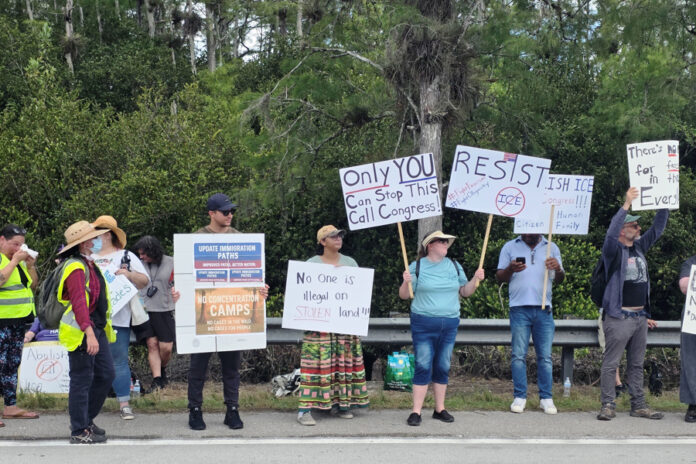
Personas sostienen carteles contra las dependencias migratorias y los centros de detención de inmigrantes, durante una protesta junto al centro de detención para migrantes 'Alligator Alcatraz' en Ochopee (Estados Unidos). (Foto: EFE/Alberto Boal)
El centro de detención ‘Alcatraz caimán’ recibió a los primeros inmigrantes como parte del plan de deportaciones masivas del Gobierno de Estados Unidos, entre protestas de varias organizaciones civiles por las condiciones inhumanas del lugar, ubicado en el humedal de los Everglades en Florida, y los temores de inundaciones de plena temporada de huracanes en el Atlántico.
El fiscal general de Florida, James Uthmeier, confirmó anoche en X la llegada de la primera tanda de migrantes al centro, que también ha sido criticado por su ubicación en un ecosistema de alto valor ecológico en el sur del estado, que alberga una abundante vegetación y fauna, con especies de caimanes y pitones, entre otras.
«Hoy, una amplia coalición de más de 60 organizaciones de todo el estado y el país envió una carta a la alcaldesa (del condado de Miami-Dade) Daniella Levine-Cava y a la Junta de Comisionados del Condado de Miami-Dade instándolos a tomar medidas legales inmediatas para cerrar el campo de detención», informaron este jueves las asociaciones firmantes.
Según estas organizaciones, el nuevo centro de detención, que fue erigido en un aeropuerto abandonado al oeste de Miami, «está rodeado de hábitats sensibles» y genera «serias dudas sobre cómo un sitio de este tipo protegería el debido proceso para los migrantes».
Además, se cuestionaron si los migrantes tendrán allí acceso a abogados, podrán ver a su familia o si una tercera parte supervisará el trato que reciben.
La celeridad con la que el llamado ‘Alligator Alcatraz’ fue construido -ocho días, según las autoridades- también han dado lugar a dudas sobre la calidad de las instalaciones y los riesgos de inundaciones en el comienzo de la temporada de huracanes.
Temor de inundaciones
Según la Oficina Nacional de Administración Oceánica y Atmosférica (NOAA, en inglés) de EE.UU., la temporada la temporada del Atlántico, que va del 1 de junio al 30 de noviembre, tendrá este año hasta 10 huracanes y 19 tormentas con nombre, por encima del promedio histórico.
Imágenes difundidas en redes sociales muestran grandes charcos en el suelo de alguna de las carpas del centro de detención, fruto de una fuerte tormenta el pasado martes, cuando el presidente estadounidense, Donald Trump, acudió a visitar el lugar, junto con el gobernador del estado, el republicano Ron DeSantis.
Esto ha generado desconfianza entre los activistas sobre si el centro está preparado para los huracanes, una necesidad en un estado como Florida, donde es habitual el paso de estas tormentas.
Minutos antes de la inundación de las instalaciones, el director ejecutivo de la División de Gestión de Emergencias de Florida, Kevin Guthrie, había dicho a los medios que el lugar había sido erigido con esas consideraciones y contaba con un plan para huracanes.
La mercancía oficial de caimanes
‘Alligator Alcatraz’ cuenta con una capacidad máxima para 3.000 detenidos, según la información desvelada por las autoridades durante la visita de Trump, quien antes y durante su viaje a Florida, bromeó continuamente sobre la presencia de caimanes en los alrededores y el peligro que supondrán para los reclusos que quieran huir.
Trump no ha sido el único en destacar la presencia de estos reptiles en los alrededores. El Servicio de Inmigración y Control de Aduanas (ICE, en inglés), publicó la semana pasada una foto en la red social X en la que se observaba a varios caimanes con gorras del ICE a las afueras de lo que parecía una prisión.
Además, Uthmeier ha publicitado en redes sociales una página web de mercadeo de ‘Alligator Alcatraz’ en la que se venden camisetas, gorras, tazas, pegatinas o incluso pelotas de golf con el nombre del centro de detención y la figura de un caimán y una pitón.
The Commonwealth is investing $4 million to support the expansion of Rhoads Industries’ manufacturing operations at the Philadelphia Navy Yard.
Today’s announcement is another major win for Pennsylvania, just weeks after the Shapiro Administration secured the largest private sector investment in Commonwealth history with a $20 billion deal from Amazon.
Governor Josh Shapiro’s 2025-26 proposed budget includes new and expanded investments to further build on our success and continue Pennsylvania’s economic development momentum.
Philadelphia, PA – Today, Governor Josh Shapiro announced the Commonwealth has secured a nearly $100 million investment from Rhoads Industries (Rhoads) to grow its manufacturing operations at the Philadelphia Navy Yard. This project will create at least 450 new, good-paying jobs and retain 541 existing full-time positions.
Rhoads will build a new 95,000-square-foot manufacturing facility to increase its production capacity for the U.S Navy’s Maritime Industrial Base, supporting its submarine program. This new onsite facility will allow for a continuous fabrication process speeding up their manufacturing, additional outfitting, and provide direct access to a pier for barge shipping of completed products.
“Shipbuilding has always been key part of Philadelphia’s identity and our economy, and today, I’m proud to announce that Rhoads Industries is investing $100 million and creating over 450 new jobs at the Navy Yard,” said Governor Shapiro. “With support from the Commonwealth — including a new $4 million investment and more than $17 million over the past decade — Rhoads will expand its footprint, double its capacity for the U.S. Navy’s submarine program, and strengthen our national security. The future of shipbuilding runs through Philadelphia — and just like generations before us, it’s Pennsylvania workers who will build what keeps our nation safe. We’re investing in that future because it’s good for our economy, our communities, and for the people of Pennsylvania.”
Rhoads received a funding proposal from the Department of Community and Economic Development (DCED) that includes a $4 million Redevelopment Assistance Capital Program (RACP) grant.The company is also located in a Keystone Opportunity Zone (KOZ), which provides significant tax savings. The Commonwealth has invested in Rhoads throughout the years, investing more than $17 million in multiple RACP grants to support the company’s expansions and facility upgrades.
“Rhoads has called Philadelphia home for nearly 130 years, and the Shapiro Administration is glad they’re doubling down and investing yet again in our Commonwealth,” said DCED Secretary Rick Siger. “This investment supports our national security and economic security, and strengthens our manufacturing sector in Southeastern Pennsylvania, one of the key industries we’re focusing on in the Governor’s economic development strategy. DCED is proud to make investments like this one that give our businesses the support they need to grow and thrive.”
Founded and family‐owned since 1896, Rhoads is a provider of large-scale industrial fabrication, along with mechanical and maintenance maritime services. In addition to field service and project skilled labor, the company has expansive shipyard facilities, and more than 300,000 square feet of heavy manufacturing space located in the Navy Yard in Philadelphia.
“This investment by the Commonwealth will expedite and accelerate our production output and rapid hiring by at least one year,” said Dan Rhoads, Jr., CEO, Rhodes Industries. “Governor Shapiro’s commitment to our company is significant and signals the importance of the defense industry’s growth in Pennsylvania.”
Rhoads also offers a paid, three-year state-accredited apprenticeship program that prepares high school technical education graduates for careers in the submarine industrial base. In partnership with Boilermakers Local 19, the program trains apprentices to meet all military specification requirements by graduation.
Since taking office, the Shapiro Administration has increased funding for career and technical education (CTE) and apprenticeships across Pennsylvania by nearly $65 million — a more than 50 percent increase. As a result, the Commonwealth has created 155 new pre-apprenticeships and registered apprenticeships in just two years, trained over 33,000 Pennsylvanians in fields like welding, manufacturing, transportation, and agriculture, and enrolled 3,000 more students in CTE programs statewide.
“Throughout the last two years that I’ve been at Rhoads Industries, I’ve been offered so many amazing experiences — from the welding certs I’m allowed to acquire to the events I’m invited to be part of, and all of the people I have the joy of working with along the way,” said Boots Olson, a welding apprentice at Rhoads Industries. “My appreciation has grown immensely since becoming part of this program. It’s taught me that every weld you put down represents who you are as a welder and what your workmanship looks like — and it takes a lot of pride to represent the industry the way it deserves.”
The Philadelphia Navy Yard is home to more than 150 employers and 15,000 jobs, emerging as a regional hub for innovation and manufacturing — a key priority in the Shapiro Administration’s 10-year Economic Development Strategy, the first of its kind in over two decades.
“We’re celebrating the success of an outstanding company with Philadelphia roots that are nearly 130 years deep. Even more, we’re excited to celebrate another example of what can be achieved in Philadelphia and across Pennsylvania when the private and public sectors work in sync for the benefit of the communities and citizens we serve,” said Greg Deavens, Board Chair, The Chamber of Commerce for Greater Philadelphia. “It’s a remarkable commitment by Rhoads Industries, and it’s another example of the Shapiro Administration’s proactive and successful approach to supporting major projects that boost local economies and create new jobs. As the Governor has said repeatedly, he didn’t put together a 10-year Economic Development Strategy to have it sit on the shelf. Governor Shapiro, I want to thank you and your Administration for aligning your attitude with your actions to make this Commonwealth a more competitive and attractive place for businesses and residents alike.”
In May, Governor Shapiro and Secretary Sigervisited the Philadelphia Navy Yard to highlight a $30 million investment through the PA SITES (Pennsylvania Strategic Investments to Enhance Sites) program. The funding supports the development of the Philadelphia Navy Yard Greenway District, helping to transform 54 acres into shovel-ready sites for advanced manufacturing, life sciences, and commercial use that will help grow Pennsylvania’s economy, foster innovation, and create jobs.
In June, Governor Shapiro announced the Commonwealth had secured a $20 billion investment from Amazon, the largest single private investment in the state’s history.
Since taking office, the Shapiro Administration has secured over $25.2 billion in private sector investments, creating nearly 11,000 jobs.
The Rhoads project was coordinated by Governor Shapiro’s BusinessPA team, an experienced group of economic development professionals dedicated to helping businesses succeed in Pennsylvania through tailored guidance, strategic partnerships, and financial resources.Whether based in the Commonwealth, another state, or across the globe, the team moves at the speed of business to set up companies for long-term growth and success here in Pennsylvania.
“I’m grateful for the Governor’s leadership and what he continues to do on behalf of the folks of the Commonwealth — making sure we don’t just give people words, but deliver real action. Through his tremendous leadership, we’ve been investing all across Pennsylvania: building things, cutting down on red tape and bureaucracy, and making sure economic development isn’t just a phrase or a slogan, but truly how we work in this Commonwealth,” said Representative Jordan Harris, Chairman of the PA House Appropriations Committee. “As Appropriations Chairman, I know firsthand why and how every tax dollar is spent, and where it should go. But I also know those dollars are more than just numbers on a spreadsheet — the dollars we invest in Pennsylvania reflect our values, our morals, and what we believe is important in this Commonwealth.”
From day one, Governor Shapiro has worked to spur economic development in Pennsylvania — creating the Commonwealth’s first comprehensive Economic Development Strategy in nearly two decades; securing historic funding for site development, main streets, small businesses, and more; and speeding up the Commonwealth’s permitting, licensing, and certification processes.
The Shapiro Administration is delivering real results — and building on that momentum. Governor Shapiro’s2025-26 budget proposal calls for new and expanded investments to advance the 10-year Economic Development Strategy, boosting Pennsylvania’s competitiveness, including:
$12.5 million dedicated to WEDnetPA to expand our workforce and close critical workforce gaps
$2 million for the creation of Career Connect to build internships at Pennsylvania companies
$10 million for AdvancePA tax credits to create high quality jobs across PA
$3 million to the Marketing to Attract Business program, which supports programs targeting business attraction, retention, and marketing initiatives
Expediting the Corporate Net Income Tax (CNIT) cuts by two years, reducing the current tax rate each year by 0.75 percent
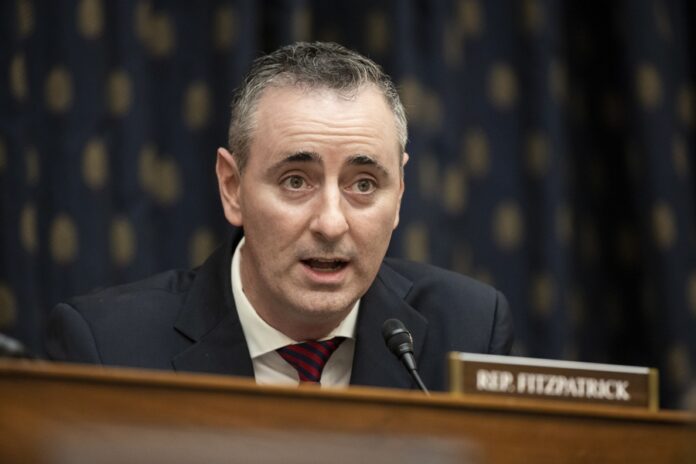
La aprobación en el Congreso estadounidense del plan fiscal y presupuestario impulsado por el presidente, Donald Trump, se ha encontrado con la oposición en las filas republicanas de solo dos legisladores, Brian Fitzpatrick y Thomas Massie, que resistieron a la presión del mandatario para desmarcarse de la mayoría.
El bautizado como «gran y hermoso proyecto de ley» fue respaldado en su votación final en la Cámara Baja por 218 legisladores republicanos y recibió el rechazo de los 212 demócratas y de esos dos rebeldes republicanos, representantes respectivamente de Kentucky y de Pensilvania.
Fitzpatrick, representante del ala moderada republicana
Uno de los dos votos en contra lo emitió Fitzpatrick, que ocupa un escaño por Pensilvania desde 2017 y al que se le considera del ala moderada del Partido Republicano.
Este antiguo agente especial del FBI se opuso al paquete fiscal y presupuestario de Trump por preocupaciones sobre el impacto del recorte en programas sociales, como el plan de salud Medicaid, y en las energías renovables.
Antes de que el Senado aprobara el presupuesto el martes, el congresista había enviado una carta a los legisladores de esa Cámara en la que les instaba a modificar el proyecto para evitar que se pusieran en riesgo las inversiones en energías limpias.
«Una política energética sólida no es solo una cuestión económica, sino de fuerza nacional. Sin estas mejoras clave, corremos el riesgo de marginar a los trabajadores estadounidenses, frenar la innovación en energías limpias y perder nuestra ventaja competitiva», declaró
Fitzpatrick fue el único republicano que mantuvo su voto negativo durante una votación de procedimiento para llevar la ley de presupuestos al pleno de la Cámara, a pesar de los intentos del presidente de la institución, el republicano Mike Johnson, para que modificar el sentido de su voto.
Massie, un graduado del MIT defensor de la responsabilidad fiscal
El legislador, de 54 años y originario de Huntington, en Virginia Occidental, inició su labor en el Congreso en 2012. En la Cámara Baja, donde este jueves se puso en el punto de mira al dar su «no» al proyecto fiscal, participa en el Comité de Transporte e Infraestructura y en el Judicial.
Se graduó en el prestigioso Massachusetts Institute of Technology (MIT) en Ingeniería Eléctrica, con un máster en Ingeniería Mecánica, y según su propia biografía el hardware y software que desarrolló entonces se sigue utilizando en el diseño de automóviles, joyería e incluso prótesis dentales.
Casado con su novia del instituto, Rhonda, con la que tiene cuatro hijos, como congresista ha destacado por su frecuente voto en contra al incremento del techo de la deuda o a los paquetes de ayuda extranjera precisamente por su impacto en las arcas públicas.
Este último movimiento no llegó como una sorpresa: en Instagram se había pronunciado contra la medida argumentando que iba a incrementar la deuda federal en 20 billones en los próximos 10 años, unos 17 millones más que los cálculos oficiales.
Esa negativa le había hecho atraer la atención de Trump, que había considerado que Massie «no entiende el gobierno», le había criticado por «grandilocuente» y había solicitado que le echaran del puesto.
Futbolista del Liverpool Diogo Jota, de 28 años, que ha fallecido, junto a su hermano André, de 26, esta madrugada en un accidente de tráfico ocurrido en la A52, en Cernadilla (Zamora). (08/06/2022). (Foto: EFE/RODRIGO ANTUNES)
El brasileño Neymar Jr. y el argentino Lionel Messi han expresado este jueves su profundo pesar por el fallecimiento del delantero del Liverpool Diogo Jota, así como el de su hermano André Silva, víctimas de un trágico accidente de tráfico ocurrido esta madrugada en la A52, en Cernadilla (Zamora).
El astro argentino, que actualmente milita en el Inter de Miami, se limitó a un sentido «QEPD» (‘Que en paz descanse’) escrito sobre una fotografía de Jota en blanco y negro en su cuenta oficial de Instagram.
Neymar, por su parte, delantero del Santos brasilero envió sus más sinceras condolencias «a toda la familia y amigos cercanos».
«¡Descansen en paz Diogo y André!», añadió el futbolista de 33 años, quien a su vez, publicó una foto del jugador portugués con la copa de la liga inglesa, la cual conquistó el pasado 25 de mayo.
El Gobernador de California (EE. UU.), el demócrata Gavin Newsom, firmó este lunes dos proyectos de ley que ablandan una histórica medida de protección ambiental estatal para favorecer la construcción de vivienda y atajar la crisis de personas sin hogar.
Estas nuevas leyes, impulsadas por senadores demócratas, modifican la histórica Ley de Calidad Ambiental de California, conocida por sus siglas CEQA, que durante más de medio siglo ha obligado al estado a analizar y regular las actividades de empresas públicas y privadas para prevenir la contaminación ambiental.
La reforma prevé ablandar restricciones y reducir la burocracia de CEQA para «facilitar y agilizar la construcción de más viviendas, guarderías, bancos de alimentos, centros de salud y muchas de las cosas que la gente necesita para sobrevivir y prosperar», explicó en una rueda de prensa el senador demócrata Scott Wiener.
Si bien esta histórica ley «es muy beneficiosa para la protección del medio ambiente y de las comunidades, en ocasiones también se ha abusado de ella y se ha utilizado para obstruir cuestiones como la vivienda, la energía limpia y otras necesidades de nuestro estado», explicó el senador californiano.
El impulso de esta nueva normativa supone un giro en las políticas ambientales de California, uno de los estados más progresistas de EE. UU. y referente en la aplicación de políticas para hacer frente a la crisis climática.
A su vez, el conocido como Estado Dorado lleva décadas viviendo una crisis de personas sin hogar, que se instalan en refugios improvisados en medio de las calles, parques públicos o en lugares más peligrosos como los bordes de las autopistas o estacionamientos de los centros comerciales.
El Gobierno estatal estima que más de 180.000 personas estuvieron en algún momento sin hogar durante 2023, de las cuales 123.000 no encontraron refugio y durmieron alguna noche en tiendas de campaña, remolques y vehículos.