La Casa Blanca defendió este lunes la polémica decisión de deportar a tres niños menores de siete años con ciudadanía estadounidense junto a sus madres indocumentadas, que habían vivido en Estados Unidos durante años.
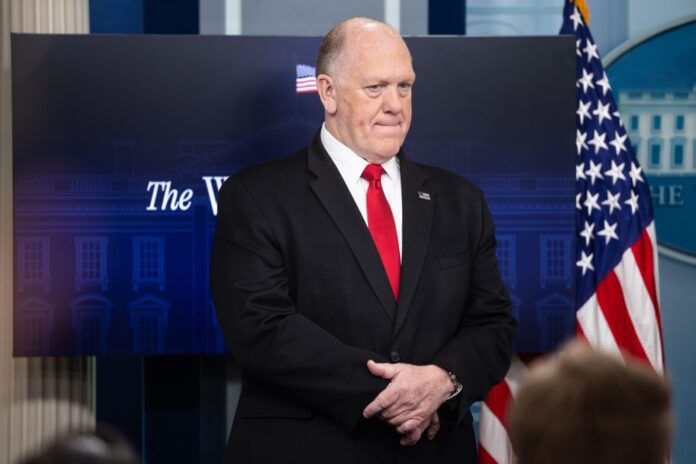
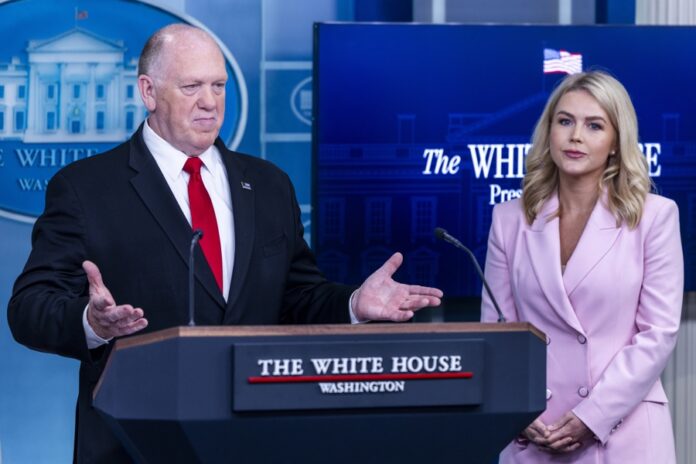
«Si decides tener un hijo ciudadano estadounidense, sabiendo que estás en este país ilegalmente, te pones en esa situación. Pones a tu familia en esa situación”, declaró en una rueda de prensa el zar de la frontera, Tom Homan.
El alto funcionario aseguró que las madres «pidieron» a las autoridades que sus hijos fueran deportados con ellas.
Homan señaló que si los niños se hubieran quedado en Estados Unidos sin sus madres, la Administración habría sido criticada por separar familias.
«No fueron deportados. No deportamos a ciudadanos estadounidenses. Fueron los padres quienes tomaron la decisión, no el Gobierno de Estados Unidos», declaró.
Según la Unión Estadounidense de Libertades Civiles (ACLU), el Servicio de Control de Inmigración y Aduanas (ICE) de Nueva Orleans mantuvo a las familias casi incomunicadas, negándose o no respondiendo a los múltiples intentos de abogados y familiares de contactarlas.
Las dos madres eran candidatas para obtener un alivio migratorio, pero debido a que el ICE les negó el acceso a sus abogados no obtuvieron asesoría a tiempo.
Los activistas han exigido a ICE que regrese a las madres al país para que puedan tener derecho al debido proceso.
La Decimocuarta Enmienda de la Constitución garantiza que todas las personas nacidas en territorio estadounidense obtengan la ciudadanía del país, con independencia del estatus migratorio de sus padres, una norma que ha sido desafiada por el presidente, Donald Trump.
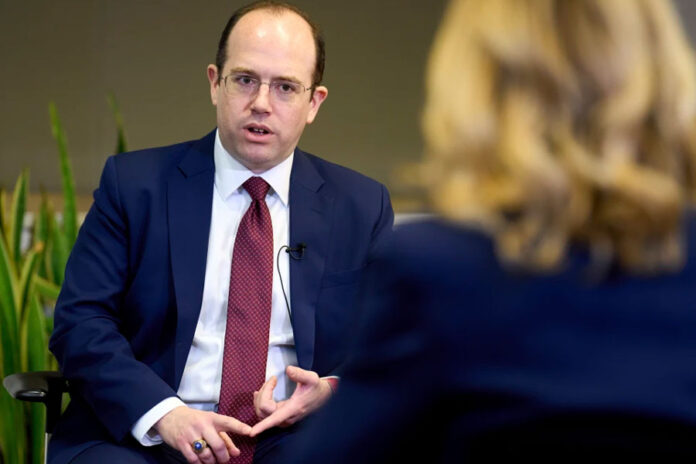
Michael Romano, ex fiscal a cargo de casos relacionados con el asalto al Capitolio estadounidense, en entrevista en Washington el 24 de abril del 2025. (Foto: AP/Jacquelyn Martin)
Michael Romano pasó más de 17 años en el Departamento de Justicia, llegando a ser supervisor del equipo que procesaría a más de 1.500 personas acusadas en el ataque al Capitolio de Estados Unidos.
El momento en que vio cómo la mayor investigación en la historia del departamento se desvanecía con un golpe de pluma —el primer día de Donald Trump de regreso en la Casa Blanca— Romano supo que tenía que irse.
«Supe el 20 de enero, cuando se anunciaron los indultos, que necesitaba encontrar mi camino de salida», declaró Romano en una entrevista con The Associated Press semanas después de su renuncia al Departamento de Justicia. «Sería insostenible para mí quedarme, dados los indultos y las narrativas falsas que se estaban difundiendo sobre el 6 de enero».
Ahora, Romano dice que teme que la decisión de Trump de indultar incluso a los alborotadores más violentos —a quienes su propio vicepresidente una vez dijo que «obviamente» no deberían ser indultados— podría envalentonar a los extremistas de derecha y fomentar la violencia política futura.
«La forma en que los indultos han sido recibidos por los acusados del 6 de enero y por otros extremistas de derecha, según entiendo, es reconocer que si apoyas al presidente y si cometes violencia en apoyo del presidente, él podría protegerte de las consecuencias, podría protegerte del sistema de justicia penal», indicó Romano. «Y eso podría alentar a la gente a cometer este tipo de actos».
Romano es uno de los docenas de abogados del Departamento de Justicia que han renunciado, han sido expulsados o despedidos en las semanas desde que el nuevo liderazgo de Trump ha tomado el control y ha comenzado a hacer cambios radicales para alinear la agencia con las prioridades del presidente republicano a quien el departamento una vez procesó.
El regreso de Trump a la Casa Blanca ha traído un cambio vertiginoso para muchos en el Departamento de Justicia, pero quizás pocos lo han sentido más que los abogados que pasaron años trabajando en el ataque más serio a gran escala al Capitolio desde la guerra de 1812.
Como subjefe de la ahora disuelta Sección de Asedio al Capitolio que procesó el motín del 6 de enero de 2021, Romano tuvo una vista cercana de las pruebas, incluidos videos desgarradores y testimonios en la corte que detallaban la violencia que se desató cuando la turba pro-Trump asaltó el Capitolio mientras los legisladores se reunían para certificar la victoria de 2020 del expresidente Joe Biden.
Romano se unió al Departamento de Justicia en 2007 recién salido de la facultad de derecho, y estaba trabajando en la sección en Washington que maneja casos de corrupción pública el 6 de enero de 2021. Recordó ver el motín desarrollarse en la televisión y decidió rápidamente que quería ayudar con el enjuiciamiento de lo que describió como un «crimen de proporciones históricas».
Los indultos de Trump cimentaron la campaña de años del presidente para reescribir la historia del ataque del 6 de enero.
Mientras competía por regresar a la Casa Blanca, Trump minimizó repetidamente la violencia que dejó a más de 100 oficiales de policía heridos y elogió a los alborotadores como patriotas y rehenes injustamente perseguidos por sus creencias políticas. Solo dos acusados del motín del Capitolio fueron absueltos de todos los cargos, lo que los partidarios de Trump citaron como evidencia de que los jurados de Washington no pueden ser justos e imparciales. Algunos acusados ahora están considerando postularse para cargos públicos.
El alcance de la clemencia de Trump horas después de la juramentación sorprendió a muchos, considerando que el presidente había sugerido en las semanas previas que en lugar de indultos generales, examinaría a los acusados caso por caso. La proclamación de Trump describió el enjuiciamiento como «una grave injusticia nacional» y declaró que los indultos comenzarían «un proceso de reconciliación nacional».
Los indultos de Trump llevaron a la liberación de prisión de los líderes de grupos extremistas de derecha condenados por orquestar complots violentos para detener la transferencia pacífica del poder, así como de alborotadores condenados por brutales ataques a la policía, muchos de cuyos crímenes fueron capturados en cámara y transmitidos en vivo por televisión. Trump ha defendido sus indultos, diciendo que las sentencias impuestas por las acciones de ese día fueron «ridículas y excesivas» y que «estas son personas que realmente aman a nuestro país».
Romano señaló que la noción de que los acusados no fueron tratados de manera justa por el sistema de justicia o no recibieron el debido proceso al que tenían derecho es «simplemente falsa». En muchos casos, dijo que los fiscales tenían pruebas abrumadoras porque los acusados «se filmaron a sí mismos cometiendo crímenes con orgullo».
«Tuvieron la plena protección de los derechos garantizados por el sistema de justicia estadounidense y la Constitución», manifestó Romano. «Fue mi experiencia al tratar con estos casos y ver la forma en que los alborotadores y algunos de sus abogados se comportaron en la corte, que su postura era que deberían ser tratados como héroes y no ser procesados en absoluto».
A pesar de los indultos, Romano insistió que todavía cree que el trabajo de la Sección de Asedio al Capitolio fue importante porque dejó un «registro histórico» de lo que sucedió el seis de enero que no puede ser cambiado.
«A la luz de los esfuerzos por blanquear la historia de ese día, a la luz de los esfuerzos de las personas por mentir sobre ese día para su propio beneficio, que es lo que está sucediendo, es importante que la gente realmente entienda la verdad sobre lo que sucedió el seis de enero», expresó.
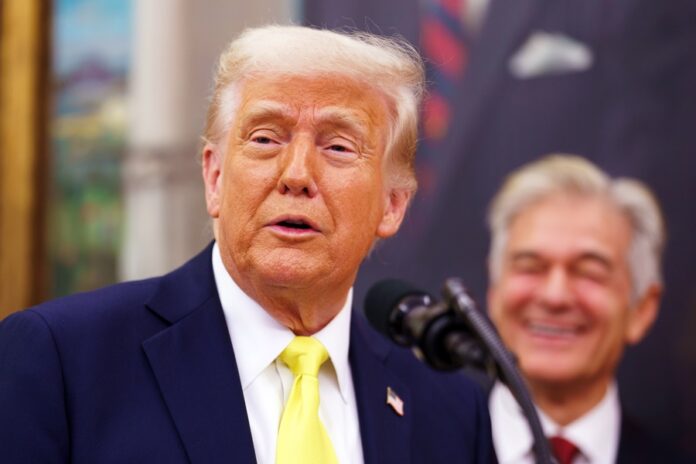
Fotografía del 23 de abril de 2025 del presidente de EE. UU., Donald Trump, hablando con medios de comunicación en Washington (EE. UU.). (Foto: EFE/Jim Lo Scalzo)
Donald Trump llegó al poder apoyado en un discurso antiinmigración, con una promesa central de cerrar las puertas a quienes buscan emigrar o encontrar refugio en el país y de poner en marcha la mayor campaña de deportación de la historia de Estados Unidos.
En sus primeros 100 días en la Casa Blanca, que se cumplen el miércoles, el presidente ha forzado los límites del Ejecutivo para cumplir su palabra, firmando más de 170 decretos y empujando a otras agencias -como el Pentágono o el Departamento de Justicia- a involucrarse en la gestión migratoria.
Lejos de las «deportaciones masivas»
Trump se ha enfrentado a obstáculos judiciales y logísticos -falta de personal y de infraestructura- para lograr las deportaciones «masivas» que prometió a sus votantes.
El Gobierno ha sacado pecho del aumento en los arrestos de migrantes, que se han duplicado en comparación con la Administración anterior de un promedio de 310 al día a más de 650, según cifras del Migration Policy Institute.
En contraste, no han publicado datos con la cantidad total de deportaciones y los que se conocen muestran que han expulsado a un ritmo igual o menor del que llevaba el Gobierno del demócrata Joe Biden (2021-2025).
Esto ha provocado frustración dentro del Ejecutivo, según filtraciones a medios estadounidenses, que ha decidido lanzar una campaña promoviendo la «autodeportación»: es decir, que los migrantes decidan por su cuenta volver a sus países de origen.
En medio de la presión por acelerar las deportaciones y arrestos, se han dado decenas de casos de detenciones de ciudadanos estadounidenses, residentes permanentes y migrantes con un estatus legal.
La Administración de Trump también ha intentado eliminar una serie de programas y beneficios migratorios creados por su antecesor, entre ellos el parole humanitario para Cuba, Nicaragua, Venezuela y Haití, el estatus de protección temporal y la aplicación CBP One, que permitía pedir cita para entrar de manera legal por la frontera.
Como consecuencia, más de medio millón de personas se han quedado en un limbo legal -mientras los tribunales deciden sobre la legalidad de los programas- o directamente en una situación migratoria irregular.
Enfrentamiento con el judicial
En febrero, el Gobierno de Trump comenzó a usar la base naval estadounidense en Guantánamo (Cuba) para retener a migrantes, trasladándolos desde centros de detención en EE. UU.
Inicialmente, las autoridades enviaron allí a 178 migrantes venezolanos, que pasaron varias semanas encarcelados antes de ser deportados a Venezuela, provocando el rechazo de organismos internacionales.
Desde entonces, las autoridades han trasladado discretamente a más personas a la base para luego enviarlos a otros países. Actualmente están detenidas allí 45 personas, según informó el diario The New York Times.
A mediados de marzo, Trump decidió invocar la Ley de Enemigos Extranjeros, una normativa poco conocida y usada en el pasado solo en tiempos de guerra, para expulsar a cientos de migrantes (en su mayoría venezolanos) hacia una megacárcel en El Salvador.
En total, el Gobierno ha enviado a más de 200 personas al país centroamericano, sin posibilidad de apelar sus casos ante una corte ni de comunicarse con sus familias o abogados, en lo que grupos en defensa de los derechos humanos como Human Rights Watch han calificado como «desaparición forzada».
El uso de esta la ley que data de 1798 ha desatado un enfrentamiento con el Judicial que amenaza con crear una crisis constitucional, según han alertado ya expertos legales y voces críticas del Ejecutivo.
El Supremo ha decidido intervenir con urgencia para resolver las demandas que se han presentado en contra de su uso y ha ordenado una pausa temporal a las expulsiones.
No obstante, el Gobierno ha estado ignorando los requerimientos de jueces en menor instancia, que le han acusado de actuar de mala fe. Un magistrado en Washington D.C., James Boasberg, ha iniciado ya el proceso de declarar en desacato a la Administración republicana.
El Ejecutivo ha respondido tildando a los jueces de «insubordinados» y «radicales de izquierda» y el pasado viernes el FBI arrestó a una magistrada de menor instancia en Wisconsin acusándola de impedir el arresto de un migrante indocumentado.
En particular, el caso de uno de los hombres enviado a la megacárcel del CECOT, Kilmar Ábrego García, se ha convertido en una lucha abanderada por la oposición demócrata. El Supremo ordenó al Gobierno «facilitar» su retorno, pero tanto EE. UU. como El Salvador se han rehusado a hacerlo.
El migrante -de origen salvadoreño- estaba afincado en EE.UU. desde hace más de una década y tenía un estatus legal que lo protegía de la deportación. El Gobierno, no obstante, lo arrestó y lo deportó, acusándolo sin pruebas contundentes de formar parte de la pandilla MS-13.
Las acciones en contra de los migrantes y la «erosión» al debido proceso, señala a EFE Cathryn Paul, activista de la organización promigrante CASA, han llevado al país a un momento crucial donde se están poniendo a prueba «cada uno de los derechos y libertades» que tienen quienes viven en EE. UU.
El Pentágono visto desde el avión presidencial mientras sobrevuela Washington, el 2 de marzo de 2022. (Foto: AP/Patrick Semansky/Archivo)
Los recortes de personal en el Departamento de Defensa de Estados Unidos retrasarán los planes para contratar a por lo menos 1.000 civiles más para ayudar a prevenir agresiones sexuales, suicidios y problemas de comportamiento dentro del ejército, manifestaron altos funcionarios de defensa. Sin embargo, insisten en que los programas cruciales destinados a abordar la mala conducta sexual y brindar ayuda a las víctimas no se han visto afectados hasta ahora.
Los funcionarios dijeron a The Associated Press que los planes para contar con aproximadamente 2.500 personas para realizar este trabajo de prevención en todos los servicios militares, comandos combatientes, barcos y bases para el año fiscal 2028 se han ralentizado debido a la congelación de contrataciones y recortes.
No obstante, comentaron que están buscando distribuir a las aproximadamente 1.400 personas que han podido contratar hasta la fecha e intentar cubrir las brechas lo mejor posible hasta que se pueda contratar al personal adicional.
Los funcionarios hablaron bajo condición de anonimato para discutir decisiones de personal. Impulsados por la presión para recortar presupuestos y personal, dijeron que están buscando eficiencias para asegurar que esta fuerza laboral de prevención tenga el tamaño adecuado y que los dólares de los contribuyentes se gasten bien.
Sus comentarios surgen mientras dos senadores han escrito a los dirigentes del Pentágono expresando profundas preocupaciones de que los programas de prevención y respuesta a agresiones sexuales puedan ser objeto de recortes o eliminación.
En una carta dirigida al secretario de Defensa Pete Hegseth y a los líderes de los servicios militares, las senadoras Kirsten Gillibrand y Lisa Murkowski expresaron su preocupación por la «mera posibilidad de alteraciones significativas o terminación» de programas que abordan agresiones y acoso sexual.
Instaron a Hegseth a asegurar que las víctimas de tal mala conducta recibirán apoyo, los infractores serán responsabilizados y no se realizarán cambios que reduzcan los servicios del Departamento de Defensa.
«Incluso reducciones menores corren el riesgo de comprometer décadas de progreso hacia la erradicación del abuso y acoso sexual en el departamento», dijeron las senadoras en la carta obtenida por la AP. «La acción rápida es esencial para reforzar la confianza de las víctimas en las palabras de sus líderes».
Las dos legisladoras han luchado durante mucho tiempo por mejorar los programas para abordar las agresiones sexuales en el ejército y una persecución más agresiva de los agresores.
Los recortes de presupuesto y personal ordenados por el gobierno del presidente Donald Trump y el Departamento de Eficiencia Gubernamental del multimillonario Elon Musk han eliminado miles de empleos en la fuerza laboral y servicios gubernamentales.
Los funcionarios de defensa reconocieron que los retrasos en la contratación perjudicarán los esfuerzos dirigidos a una gama más amplia de problemas, que van desde suicidios hasta comportamientos abusivos y otras malas conductas.
Los planes para una fuerza laboral de prevención que aborde ese espectro más amplio de problemas comenzaron en 2022, cuando las agresiones sexuales y los suicidios iban al alza. Los funcionarios concluyeron que necesitaban un esfuerzo más integrado para trabajar con los miembros del servicio que estaban experimentando presiones relacionadas con el trabajo, el despliegue, el hogar, el dinero y más, que podrían llevar a la violencia.
Los funcionarios de defensa también dijeron que los programas militares para combatir las agresiones sexuales fueron parte de una revisión reciente más amplia del programa del Pentágono para asegurarse de que las regulaciones federales se actualizaran para incluir los cambios realizados en los últimos años. Estos incluyeron cambios en las persecuciones de agresiones sexuales para que las decisiones sean tomadas por fiscales independientes.
En un comunicado, el Pentágono señaló que las regulaciones que crean los oficiales de prevención y agresión sexual fueron revisadas para asegurar que cumplieran con la nueva guía de eficiencia gubernamental. Dijo que todas las políticas relacionadas con agresiones sexuales permanecen en vigor.
«El departamento sigue comprometido con los objetivos del Programa de Prevención y Respuesta a las Agresiones Sexuales de proporcionar asistencia de recuperación a los miembros del servicio, asegurar que los infractores sean responsabilizados y garantizar la preparación de la misión», dijo el comunicado.
Uno de los funcionarios de defensa dijo que debido a que los servicios militares han adoptado diferentes enfoques sobre cómo dotar de personal a la nueva fuerza laboral de prevención, pueden ver brechas en diferentes lugares. Por ejemplo, en algunos casos, los líderes comenzaron a construir personal por región geográfica. Ralentizar la contratación, dijo el funcionario, significará que algunas regiones tendrán brechas o menos personal del planeado.
Como resultado, el departamento intentará llenar algunos de esos vacíos de cualquier manera posible, incluyendo el traslado de personal para cubrir regiones que aún no están completamente dotadas de personal por los servicios.
El gobierno del presidente estadounidense, Donald Trump, anunció este lunes que el republicano firmará esta tarde una orden ejecutiva que busca contrarrestar las protecciones de las jurisdicciones conocidas como santuario a los inmigrantes indocumentados.
La Administración Trump ordenará a la Fiscalía General de la Nación y el llamado ‘Zar de la frontera’, Tom Homan, que «publiquen una lista de jurisdicciones estatales y locales que obstruyen la aplicación de las leyes federales de inmigración», subrayó hoy una portavoz de la Casa Blanca.
Las idea de ciudades «santuario» nació en la década de 1980 para proteger a refugiados centroamericanos y actualmente cobija a inmigrantes en general en diez estados y decenas de jurisdicciones locales.
La idea es «proteger a las comunidades estadounidenses de los delincuentes extranjeros», subrayó hoy la portavoz de la Casa Blanca durante una jornada que dará inicio a la celebración de los primeros 100 días del republicano en Washington.
Desde febrero pasado, la Administración Trump anunció una demanda contra el estado de Illinois y la retención de recursos federales a las administraciones que impulsan la políticas santuario.
Chicago tiene una de las protecciones de migrantes más sólidas dentro de este movimiento que busca limitar en ciertos casos -en detenciones y deportaciones- su cooperación con el Servicio de Inmigración y Control de Aduanas (ICE, en inglés) y otras autoridades federales de inmigración.
La demanda del gobierno federal de febrero pasado busca el apoyo de la corte para bloquear también los santuarios ofrecidos por otros estados, condados y urbes como Los Ángeles, Nueva York, Houston o Atlanta, que también tienen una alta presencia de migrantes indocumentados.
El movimiento santuario surgió cuando el gobierno federal denegó el asilo a migrantes de países centroamericanos políticamente inestables, y varias iglesias del suroeste del país se declararon públicamente santuario para los refugiados en 1982.
Otra de las directivas que firmará el presidente Trump esta tarde es una ley para fortalecer y desplegar las fuerzas del orden de Estados Unidos «para perseguir a los delincuentes y proteger a los ciudadanos inocentes», agregó la portavoz.
Además Homan afirmó hoy que EE. UU. espera «en un futuro muy cercano» retener a migrantes en instalaciones del Departamento de Defensa de EE. UU. como Fort Bliss (Texas).
La Administración señaló que tras la firma de estas órdenes ejecutivas, el presidente habrá concretado ya más de 140 de estas iniciativas, «acercándose rápidamente al número total firmado por la Administración Biden en sus cuatro años de mandato».
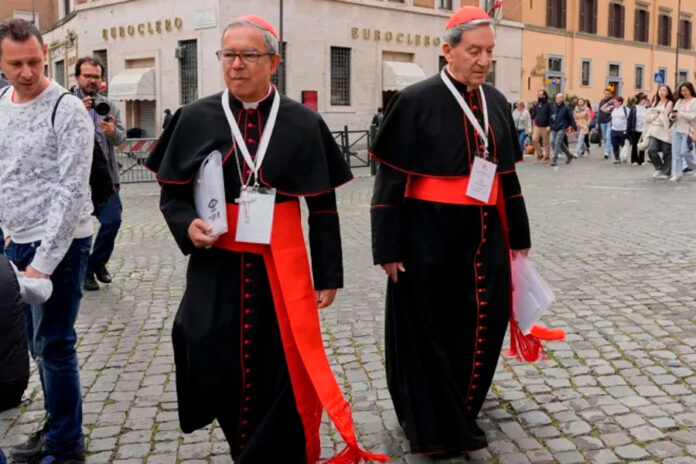
Los cardenales colombianos Luis José Rueda Aparicio, izquierda, y Rubén Salazar Gómez llegan a una reunión del Colegio Cardenalicio en el Vaticano el lunes 28 de abril de 2025. (Foto: AP/Gregorio Borgia)
Los cardenales católicos fijaron el 7 de mayo como la fecha de inicio del cónclave para elegir al sucesor del papa Francisco, retrasando la votación secreta por dos días para ayudarlos a conocerse mejor y encontrar consenso sobre un candidato antes de recluirse en la Capilla Sixtina.
Los cardenales establecieron la fecha tras llegar para el primer día de reuniones informales después del funeral de Francisco el sábado. En una escena caótica, los periodistas lanzaban preguntas sobre el ambiente interno, si había unidad y cuándo comenzaría el cónclave. Un reportero de un programa satírico de la televisión italiana preguntó repetidamente si a un cardenal italiano que ha sido condenado por el tribunal penal del Vaticano por cargos relacionados con finanzas se le permitiría votar.
«Hay esperanza de unidad», dijo el cardenal argentino Ángel Sixto Rossi, el arzobispo de Córdoba, de 66 años, quien fue nombrado cardenal por Francisco en 2023.
Muchos cardenales mencionaron el deseo de continuar con el enfoque pastoral de Francisco hacia las personas marginadas y en contra de la guerra. Pero los conservadores en las filas pueden estar más centrados en forjar unidad y en volver a centrar la Iglesia en las doctrinas fundamentales enfatizadas por san Juan Pablo II y el papa Benedicto XVI, en lugar de continuar con el enfoque de justicia social de Francisco y su acercamiento a mujeres y homosexuales.
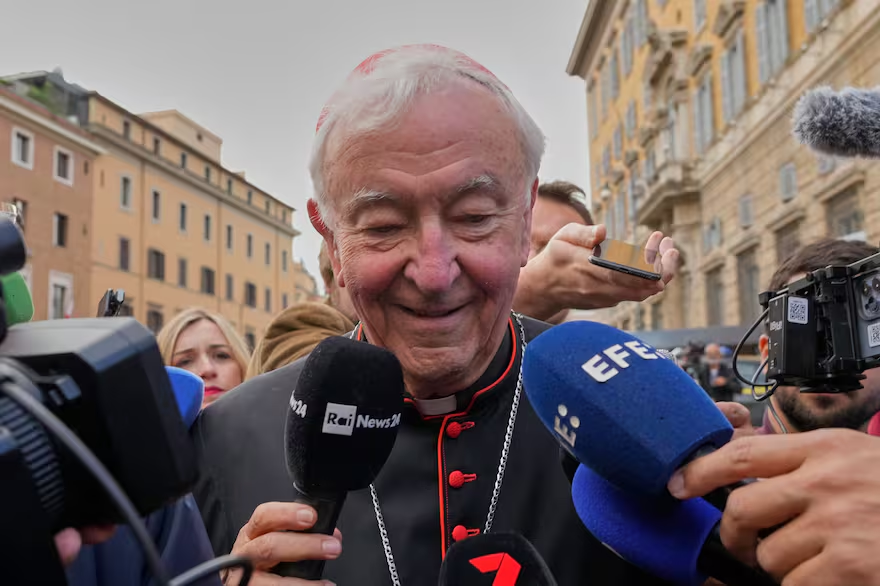
El cardenal británico Vincent Nichols, el arzobispo de Westminster, fue firme en que la Iglesia debe esforzarse por buscar unidad y minimizó las divisiones.
«El papel del papa es esencialmente mantenernos unidos y esa es la gracia que hemos recibido de Dios», dijo Nichols, de 79 años.
El cardenal venezolano Baltazar Enrique Porras Cardozo expresó confianza en que una vez que comience el cónclave, la decisión sería rápida, «entre dos y tres días».
Cardenales electores
El Colegio Cardenalicio que elegirá a un nuevo papa incluye miembros de rincones lejanos del mundo a quienes Francisco nombró durante sus 12 años de papado para aportar nuevos puntos de vista a la jerarquía de la Iglesia católica. Muchos han pasado poco o ningún tiempo en Roma conociendo a sus colegas, lo que inyecta cierta incertidumbre en un proceso que requiere que dos tercios de los cardenales con derecho a voto cierren filas en torno a un solo candidato.
Nichols reconoció que los 135 cardenales electores —108 de los cuales fueron nombrados por Francisco— no se conocen muy bien. Los últimos 20 fueron nombrados a principios de diciembre.
«Tenemos toda la semana», dijo Nichols al llegar el lunes.
Solo los cardenales menores de 80 años pueden votar, y no está claro cuántos de los 135 participarán. Un cardenal español ya ha dicho que no viajará a Roma por razones de salud.
Una gran incertidumbre es si al cardenal Angelo Becciu, otrora uno de los cardenales más poderosos del Vaticano, se le permitirá entrar en la capilla Sixtina. Francisco obligó a Becciu a renunciar en 2020 como jefe de la oficina de canonización del Vaticano y a renunciar a sus derechos como cardenal debido a acusaciones de malversación y fraude financiero. Becciu negó haber cometido delito alguno, pero fue juzgado en el tribunal penal del Vaticano y condenado por cargos relacionados con finanzas en diciembre de 2023.
Ha apelado la condena y participado en las reuniones previas al cónclave, pero persiste la duda sobre si tiene derecho a votar. Las estadísticas oficiales del Vaticano lo clasifican como un «no elector». Cuando fue destituido en 2020, Becciu dijo en una conferencia de prensa que no votaría en ningún futuro cónclave, pero recientemente ha insistido en que tiene derecho a votar, y los abogados canónicos han estado examinando el documento del Vaticano que regula el cónclave para determinar si tiene razón.
El cardenal británico Vincent Nichols es abordado por periodistas a su llegada a una reunión del Colegio de Cardenales en el Vaticano, el lunes 28 de abril de 2025. (Foto: AP/Gregorio Borgia)
Candidatos papales
Aunque Francisco llenó las filas con sus cardenales, no necesariamente todos ellos quieren que la Iglesia siga su estela.
El lunes por la mañana, cualquier atisbo de un birrete rojo a lo largo de la majestuosa columnata de la plaza de San Pedro hacía que los periodistas corrieran con cámaras y grabadoras en alto para capturar el ambiente interno, aunque fuera fugaz.
El cardenal italiano Matteo Zuppi, considerado un candidato para ser el próximo papa, caminó con humor entre la multitud de periodistas, pero no reveló nada. Bromeó diciendo que estaba «conteniendo la respiración» mientras los micrófonos y las cámaras lo rodeaban hasta la puerta del Vaticano.
Voces africanas
Se preguntó al cardenal nigeriano John Olorunfemi Onaiyekan, arzobispo emérito de Abuya, si los cardenales africanos se estaban uniendo en torno a un candidato en particular.
Los obispos africanos habían tomado una posición notablemente unida el año pasado contra el acercamiento de Francisco a las personas LGBTQ+, negándose a implementar su declaración que permite a los sacerdotes ofrecer bendiciones a parejas del mismo sexo. Dada esa posición, hay cierta especulación de que los 18 cardenales electores africanos podrían ayudar a bloquear la aparición de un candidato progresista.
«No hemos venido aquí para un mitin político. Hemos venido para tener un papa», dijo Onaiyekan, quien a sus 81 años es demasiado mayor para votar, pero puede influir en el voto de los electores más jóvenes.
Voces asiáticas y latinoamericanas
El cardenal indio Anthony Poola, el arzobispo de Hyderabad, de 61 años, comentó que había experimentado una sensación de unidad entre sus compañeros cardenales, pero admitió que «cualquier cosa podría pasar». Como un cardenal relativamente joven, Poola es uno de los cuatro electores indios que participarán en el cónclave, tres de los cuales fueron nombrados por Francisco, incluido Poola.
«Cualquiera que surja debe ser el sucesor de san Pedro, y todos esperamos que sea un buen papa», señaló.
Rossi, el cardenal argentino, dijo que esperaba que el mensaje de Francisco de «misericordia, cercanía, caridad, ternura y fe» los acompañara en la búsqueda de un sucesor.
Pero reconoció que la tarea era desalentadora. Al preguntarle cómo se sentía al participar en su primer cónclave, respondió con una risa: «Con miedo».
Fotografía del 23 de abril de 2025 del presidente de EE. UU., Donald Trump, firmando órdenes ejecutivas en el Despacho Oval de la Casa Blanca en Washington (Estados Unidos). (Foto: EFE/Samuel Corum)
El regreso de Donald Trump a la Casa Blanca ha restaurado en la política exterior de Estados Unidos la doctrina de «la ley del más fuerte» propia del estilo del mandatario, una idea que regresa con una diferencia con su primer mandato: ahora no tiene a nadie que le frene en sus impulsos.
En sus primeros cien días, Trump ha retomado el desdén hacia los organismos multilaterales, el acercamiento a figuras autocráticas y la defensa de relaciones exteriores donde Washington siempre debe salir ganando, ya sea en las guerras en Ucrania y Gaza o en disputas con la UE, Canadá, Groenlandia o Panamá.
«Ha habido muy pocos cambios en las líneas generales de su política exterior desde su primera a su segunda administración», apunta a EFE Christopher Layne, de la Texas A&M University, quien describe su estilo como «visceral».
La gran diferencia, señala, es que ahora «no hay nadie en su entorno para frenar sus instintos con una dosis de contexto histórico».
Según William Wohlforth, experto en política internacional de la Dartmouth University, ahora Trump siente que puede «ser más radical y está menos constreñido» en su idea de diplomacia transaccional cortoplacista que aprovecha el poder que todavía tiene EE. UU. a nivel global.
Lo más destacado para James Goldgeier, de la American University, es que el republicano «sigue mostrando admiración por los hombres fuertes y desdén por los aliados democráticos».
Ucrania, foco y promesa incumplida
Esa premisa afecta directamente al principal tema de su agenda exterior: la guerra en Ucrania, conflicto que, de manera quimérica, Trump prometió terminar en menos de 24 horas.
Las conversaciones han desembocado en un renovado acercamiento a Moscú, emulando lo sucedido en el primer mandato (2017-2021), con críticas muy contadas hacia el presidente ruso, Vladímir Putin, en un contraste sonado con los constantes ataques al ucraniano Volodímir Zelenski, a quien dedicó un desplante histórico en la Casa Blanca.
A punto de cumplirse 100 días este miércoles, Trump no ha logrado su objetivo. Sin embargo, bajo la amenaza de cortar la ayuda militar, ha forzado a Kiev a sentarse a negociar un acuerdo que probablemente implique grandes cesiones a Rusia.
La prisa por alcanzar un pacto en sus primeros 100 días ha intensificado los contactos y Trump, en sus redes, presiona a ambas partes para aceptar una propuesta de paz que pasa por que Rusia cese los combates a cambio de conservar parte de las zonas ocupadas y de que Ucrania renuncie a ingresar en la OTAN. Washington también aspira a sacar tajada con acceso a la explotación minera en territorio ucraniano.
«A Trump no le importa el futuro de Ucrania. Quiere encontrar la manera de llegar a acuerdos con Rusia y eso guiará su política», advierte Goldgeier.
Choque con Europa
Europa asiste como espectadora a las negociaciones, con una UE mayoritariamente unida en torno a Ucrania –salvo la Hungría del ultra Viktor Orbán– mientras Trump exige aumentar las aportaciones a la OTAN, considerando «ridículo» el actual compromiso del 2 % del PIB en Defensa.
«Trump expresa un sentimiento generalizado de que los acuerdos de seguridad y comercio que Washington alcanzó con Europa tras la Segunda Guerra Mundial ya no benefician a Estados Unidos», explica Layne, quien augura tiempos inestables en la relación transatlántica.
El «éxito» en Gaza y los delirios expansionistas
El republicano se adjudicó un primer «éxito» incluso antes de su investidura al lograr en enero una tregua en la ofensiva israelí sobre Gaza. Pero Israel, envalentonado por el respaldo sin fisuras de Trump al Gobierno de Benjamín Netanyahu, rompió el alto el fuego en marzo, y desde entonces ha causado más de 2.100 muertes.
En su primera reunión con Netanyahu, Trump propuso que EE. UU. asumiera el control del enclave palestino para expulsar a sus habitantes y construir un desarrollo inmobiliario, una idea calificada como limpieza étnica pero que parecía más destinada a presionar a los países árabes para financiar la reconstrucción de Gaza.
Ese impulso expansionista no se limita a Gaza. Trump ha reavivado su interés por Groenlandia, ha sugerido que Canadá podría ser el «estado número 51» y busca recuperar el control del canal de Panamá, presionando a empresas chinas para que abandonen puertos estratégicos de la vía.
Esta estrategia, según advirtió Nicholas Bequelin, experto de Yale, en la revista Foreign Policy, «podría romper el principio central del orden mundial de posguerra: la prohibición de la expansión territorial a expensas de otras entidades soberanas».
Irán y la incertidumbre nuclear
En estos primeros tres meses, Trump también ha iniciado negociaciones con Irán sobre su programa nuclear, un proceso que comenzó entre amenazas del republicano de bombardear el país persa.
El futuro de las nuevas conversaciones es incierto, dado que Washington quiere incluir el programa de misiles iraní y el apoyo de Teherán a grupos regionales como Hizbulá o los hutíes, algo que Irán descarta de plano.
En Latinoamérica, destacan los acercamientos a mandatarios como el argentino Javier Milei y el salvadoreño Nayib Bukele, reflejando cómo la lealtad personal hacia Trump es clave en la nueva política exterior estadounidense.
The Cathedral of the Immaculate Conception in Camden, N.J., Wednesday, April 20, 2022. (Photo: AP/Matt Rourke/File)
A Catholic diocese wants to stop New Jersey from trying to empanel a grand jury to investigate allegations of clergy sexual abuse, with arguments before the state’s high court set for Monday.
After a Pennsylvania grand jury report found over 1,000 children had been abused since the 1940s, New Jersey formed a task force in 2018 and intended to empanel its own grand jury to investigate allegations of abuse there. But the Diocese of Camden pushed back in court in 2021, arguing that state law doesn’t permit having a grand jury investigate possible abuse by private church officials.
That legal battle has happened away from public view for years, as courts had sealed the proceedings in New Jersey and the attorney general’s office didn’t share updates. But last month, the state Supreme Court unsealed a handful of documents between the diocese and the attorney general after the Bergen Record obtained records detailing the court battle.
The diocese argues that such grand jury investigations are only for governments and public officials.
In 2023, a trial court judge sided with the diocese, finding that such a grand jury would lack authority because it would be focused on “private conduct,” rather than a government agency’s actions. An appeals court affirmed that judgment last year, and Attorney General Matt Platkin appealed to the state Supreme Court.
The documents that the high court unsealed in March sketch out some of what the state’s task force has found so far but don’t include specific allegations. The papers show that 550 phone calls alleging abuse from the 1940s to the “recent past” came into a hotline the state had set up.
The diocese argues a grand jury isn’t needed in large part because of a 2002 memorandum of understanding between New Jersey Catholic dioceses and prosecutors. The memorandum required church officials to report abuse and said authorities would be provided with all relevant information about the allegations. One of the court documents says abuse had been “effectively eradicated” in the church.
But the Pennsylvania grand jury report in 2018 touched off a reexamination of statute of limitations law in New Jersey, which overhauled its civil statute of limitations on childhood sex abuse claims in 2019. The new law allows child victims to sue until they turn 55 or within seven years of their first realization that the abuse caused them harm. The previous statute of limitations was age 20 or two years after first realizing the abuse caused harm.
Also in 2019, New Jersey’s five Catholic dioceses listed more than 180 priests who have been credibly accused of sexually abusing minors over a span of several decades, joining more than two dozen other states that have named suspects of abuse in the wake of the landmark Pennsylvania grand jury report.
Many priests on the lists were deceased; others were removed from ministry.
The Camden diocese, like others across the country, filed for bankruptcy amid a torrent of lawsuits — up to 55, according to court records — stemming from the relaxed statute of limitations.
Then in 2022, the diocese agreed to pay $87.5 million to settle claims involving clergy sex abuse with some 300 accusers in one of the largest cash settlements involving the Catholic church in the United States.
The agreement by the diocese, which encompasses six counties in southern New Jersey on the outskirts of Philadelphia, exceeded the nearly $85 million settlement in 2003 in the clergy abuse scandal in Boston, but was less than other settlements in California and Oregon.
Madrid.- Cuando Donald Trump venció en las elecciones de 2016 frente a Hillary Clinton, el ataque de Hollywood no se hizo esperar. El mundo del cine se pasó los cuatro años siguientes criticando y riéndose de todo lo que el presidente estadounidense hacía. Ahora, cuando se cumplen los primeros cien días de su segundo mandato, el silencio es la nota dominante.
Y aunque en las dos últimas semanas se han empezado a oír voces discordantes, lo cierto es que ya sea por los riesgos económicos -la industria del cine no deja de ser un negocio- o por cuestiones ideológicas, Hollywood, con una clara mayoría de progresistas, se está mostrando menos combativo de lo que solía ser.
«Gran parte de lo que Hollywood ha dicho sobre Trump no se refiere específicamente a políticas públicas ni a la naturaleza de nuestro sistema político, si no a su estilo personal y su retórica. Y Hollywood ha tenido nueve años para decir lo que tiene que decir al respecto. Todo el mundo conoce las críticas», explica a EFE Grant Reeher, exdirector del Instituto Campbell de Asuntos Públicos y profesor de Ciencias Políticas en la Universidad de Siracusa (EE. UU.).
A eso se añade el hecho de que muchos estadounidenses «perciben que Hollywood está dirigido por élites liberales, por lo que su participación en la ‘resistencia a Trump podría no haber ayudado políticamente a los demócratas, y creo que incluso Hollywood se ha dado cuenta de ello. Esto podría estar haciendo que la gente en Hollywood se exprese menos».
Solo hay que recordar que durante la última campaña electoral, George Clooney -uno de los más críticos con Trump- retiró su apoyo a Joe Biden, una decisión que se consideró clave para que el expresidente abandonará la carrera hacia la reelección en favor de Kamala Harris, que sin embargo no logró la victoria.
El actor, que se había mantenido callado desde la llegada de Trump al Gobierno, dijo hace unos días en una entrevista que «cuando el poder ejecutivo, el legislativo y el judicial fallan, el cuarto poder (la prensa) tiene que imponerse».
«¿Por qué el programa ahora desacreditado ’60 Minutes’ emitiría un segmento tan exagerado sobre George Clooney, una estrella de cine de segunda y un comentarista político fracasado?», clamó Trump.
Ha sido el primer intercambio directo entre Trump y una estrella de Hollywood, aunque ya ha habido otras que han lanzado dardos más o menos sutiles al presidente.
El chileno Pedro Pascal ha lucido en varias ocasiones la camiseta de ‘Protect the dolls’, diseñada para apoyar a las mujeres transgénero -su hermana es trans-.
Una camiseta que también ha mostrado en sus redes Tilda Swinton y que llevó el cantante estadounidense Troye Sivan en Coachella. Y en ese mismo festival la cantante Clairo invitó a su actuación al demócrata Bernie Sanders, uno de los enemigos más conocidos de Trump.
Otra latina, la mexicana Salma Hayek publicó un vídeo en su cuenta de Instagram para hablar de la confusión en torno a la información que se publica en Estados Unidos sobre la inmigración y recordó que si los latinos estadounidenses fueran un país serían la quinta economía más grande del mundo.
Son solo algunas críticas en un mar de silencio de un Hollywood que espera agazapado los siguientes movimientos de Trump.
Incluso, ante los esfuerzos del Gobierno para erradicar la ideología progresista en el sector privado, ya se han producido movimientos en compañías de Hollywood que han retirado programas de diversidad, equidad e inclusión (DEI).
Es el caso de Disney, que ha comenzado a modificar algunas de sus políticas internas o Paramount, que ha eliminado los objetivos de personal relacionados con género, raza, etnia y sexo, mientras que Warner por ahora se ha limitado a cambiar la denominación de su programa DEI, que ahora es solo de inclusión.
Decisiones directamente relacionadas con la economía. «Arriesgarse a alienar a una gran parte de los consumidores potenciales al ser blanco de críticas de Trump no es buen negocio», apunta Reeher.
Pero también hay que tener en cuenta que China ha decidido reducir los estrenos de películas estadounidenses tras la guerra arancelaria iniciada por Trump.
Y aunque la administración estadounidense parece estar dando marcha atrás con las amenazas arancelarias, la decisión de China proporciona a Hollywood una base más sólida para «criticar al presidente, ya que se centra en los intereses comerciales y en un conjunto específico de políticas, en lugar de en el propio Trump».
Un escenario al que en las últimas semanas se ha unido el enfrentamiento de la Casa Blanca contra Harvard, universidad se enfrenta a la congelación de fondos por valor de 2.200 millones de dólares para la entidad y la amenaza de que le retiren la exención de impuestos de la que goza.
Algo que ha hecho pensar a Hollywood que ellos podrían ser los siguientes puesto que la Academia de Artes y Ciencias Cinematográficas y la Academia de la Grabación, organizador de los Óscar, está igualmente exenta de impuestos.
Y mientras Hollywood se piensa sus próximos movimientos, ya hay quienes, lejos de enfrentarse a Trump, caen rendidos ante él. El presentador y cómico Bill Maher, una conocida figura en Estados Unidos y habitual diana de insultos del presidente, se reunió con él para salir diciendo que fue «amable y comedido» y que «en la Casa Blanca no vive un loco».
El Partido Demócrata estadounidense critica desde la oposición el desmantelamiento del Gobierno federal efectuado por Donald Trump en sus primeros 100 días y pone su foco en una fecha que puede suponer un punto de inflexión en la relación de fuerzas: las elecciones de medio mandato de noviembre de 2026.
Esos comicios penalizan tradicionalmente al partido en la Presidencia y permitirán renovar los 435 escaños de la Cámara Baja y un tercio de los de la Alta. Los republicanos ostentan desde enero la mayoría en ambas y esa cita será la primera prueba de fuego de la valoración ciudadana.
Mientras, los demócratas están obligados a presenciar desde una segunda fila un mandato en el que Trump está reseteando el sistema a golpe de orden ejecutiva, sin que ellos parezcan haber encontrado el altavoz y la identidad con los que hacerse oír.
«A pesar de que hay voces dentro del partido que han plantado cara desde el principio, no están cantando al unísono. Hemos comenzado a ver un despertar, pero es incipiente y requerirá más firmeza y consistencia», explica a EFE José Dante Parra, analista y socio de la consultora FGS Global.
En el retiro que la formación celebró en marzo en Leesburg, a una hora de Washington, sus legisladores vieron necesario un cambio de estrategia: «Nuestros valores son correctos. Estamos con el pueblo, solo debemos comunicarlo y encontrar los canales adecuados», resumió la congresista Andrea Salinas.
La incertidumbre económica debido a la guerra arancelaria y los ataques al estado de derecho asientan su contraofensiva mientras Trump aprovecha su omnipresencia mediática para intentar convencer a la población de que Estados Unidos ha recuperado por fin el lugar que le corresponde en el tablero internacional.
El presidente del Caucus Demócrata en la Cámara Baja, Pete Aguilar, opina, en cambio, que lo único que ha hecho en estos primeros 100 días, que se cumplen el miércoles, es «desplomar la economía».
«Las familias temen que los precios de los alimentos sigan subiendo vertiginosamente, que les retiren la atención médica o que sus cheques del Seguro Social lleguen tarde o no lleguen. Todas las señales de alerta nos indican una recesión devastadora causada por sus políticas imprudentes. Todos los demócratas de la Cámara Baja se han centrado en contrarrestar la situación», dice a EFE.
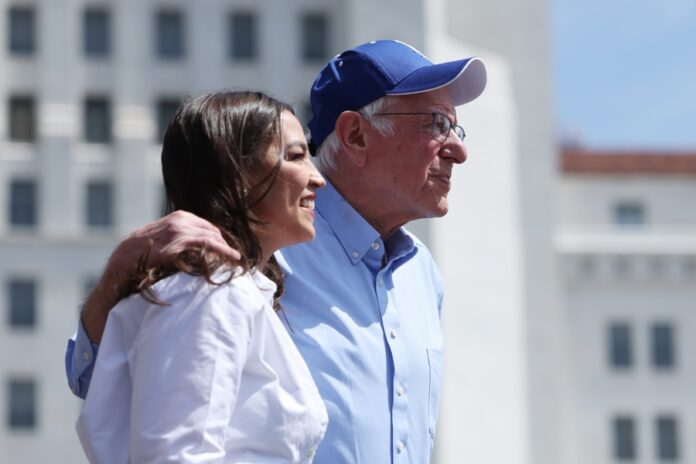
En este tiempo, tres figuras progresistas han emergido con fuerza: el senador Bernie Sanders y la legisladora Alexandria Ocasio-Cortez, que han emprendido una serie de mítines conjuntos; el gobernador de California, Gavin Newsom; y el líder de la minoría en el Senado, Chuck Schumer.
Pero, según Parra, no es suficiente: «No hay cohesión de mensaje y mucho menos coordinación».
«Ocasio-Cortez y Sanders están demostrando valor, que es lo que busca la gente. Y también apelan mucho a varios sectores de la sociedad que se sienten abandonados por ambos partidos, pero necesitan hacer trabajo para construir una coalición amplia que aglomere aunque sea al 51 % del país», dice.
El consultor estima que los demócratas han aprendido que «no basta con apelar a la defensa de los valores democráticos tradicionales», sino que «es necesario conectar de forma directa y emocional con las preocupaciones materiales de la ciudadanía».
En 2026 ellos tienen más que ganar que los republicanos, que se verán abocados a defender el balance de las promesas cumplidas o incumplidas. De momento, según un sondeo difundido el viernes por la cadena Fox News, el Partido Republicano recibe una valoración positiva del 44 % de los encuestados, tres puntos más que el Demócrata.
Un descalabro republicano en las intenciones de voto para entonces podría provocar que empiecen a surgir voces disidentes dentro de esas filas, según haya legisladores que vean peligrar su escaño.
«Con un poco de suerte la contrariedad contra la forma de gobernar de Trump puede empezar a aflorar claramente (entre la ciudadanía) antes incluso de las elecciones de medio mandato a causa del tiro en el pie que constituye su política económica», señala a EFE Steven Greene, profesor de Ciencia Política de la Universidad Estatal de Carolina del Norte.
El legislador demócrata Adriano Espaillat está convencido de su futuro triunfo entonces: «Trump y los republicanos ganaron a base de mentiras y ahora que les toca gobernar se les cae el teatro», recalca. «Era de esperarse y a nosotros no nos queda más que tratar de contener el daño y recuperar nuestra mayoría en 2026».