La Administración de Donald Trump restablecerá el cobro de préstamos estudiantiles a millones de estadounidenses el próximo 5 de mayo, poniendo fin a las moratorias que se han ido prolongando desde la pandemia de covid-19.
«Los contribuyentes estadounidenses ya no ser verán afectados por políticas irresponsables sobre préstamos estudiantiles», declaró en un comunicado la secretaria de Educación, Linda McMahon.
Según datos del Departamento de Educación, 42,7 millones de personas deben más de 1,6 billones de dólares al Gobierno en préstamos recibidos para pagar sus estudios superiores.
Más de cinco millones de prestatarios se encuentran en situación de impago, una cifra que podría subir a 10 millones en los próximos meses.
El Departamento anunció que a partir del lunes 5 de mayo todos los prestatarios en mora recibirán notificaciones para que restablezcan sus pagos mensuales y a finales del próximo verano comenzarán los embargos de salario de los morosos.
Según la institución, la reanudación de estos cobros «protege a los contribuyentes de asumir el costo de préstamos estudiantiles que los prestatarios asumieron voluntariamente para financiar su educación superior».
El Centro de Protección al Prestatario Estudiantil, una organización defensora de los estudiantes, declaró que este anuncio «es cruel, innecesario y avivará aún más el caso económico que sufren las familias trabajadoras del país».
El Departamento de Ecuación dejó de cobrar préstamos estudiantiles federales en marzo de 2020, cuando se inició un período de gracia durante la pandemia de covid-19.
La anterior Administración de Joe Bien (2021-2025) impulsó varios intentos para condonar la deuda estudiantil a millones de personas, pero esas medidas fueron disputadas en los tribunales por parte de los estados gobernados por republicanos.
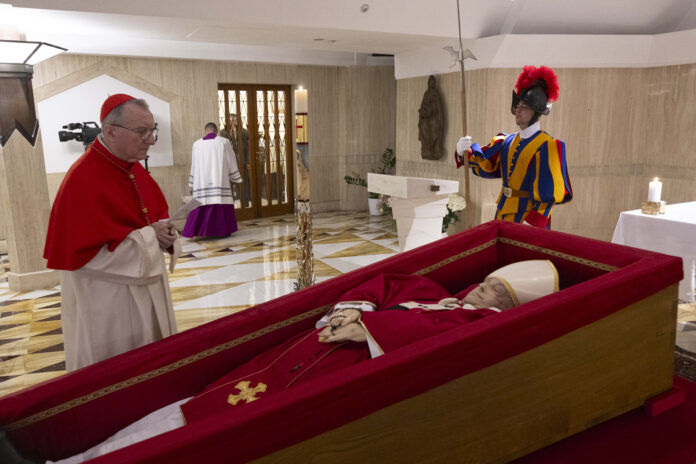
El secretario de Estado del Vaticano, el cardenal Pietro Parolin, a la izquierda, reza ante el cuerpo del papa Francisco en su capilla privada en el Vaticano, el lunes 21 de abril de 2025. (Foto: AP/Vatican Media)
La policía italiana patrulló la Plaza de San Pedro y las calles circundantes a pie y a caballo el martes, mientras se reforzaba la seguridad en Roma antes del funeral del papa Francisco. Policías en lanchas patrullaban el cercano río Tíber.
Decenas de miles de dolientes están previstos a rendir homenaje a Francisco mientras yace en estado en la Basílica de San Pedro a partir del miércoles. El funeral del sábado contará con la asistencia de muchos jefes de Estado.
Roma ya estaba llena de turistas, muchos en la ciudad por las vacaciones de Pascua. Una Misa Jubilar para adolescentes el domingo previsiblemente atraerá a miles de jóvenes a la ciudad.
Los cardenales católicos tomaron el martes sus primeras decisiones tras la muerte del papa Francisco, programaron su funeral para el sábado e indicaron que los fieles corrientes podrían presentarle sus últimos respetos a partir del miércoles, cuando su ataúd sea llevado a la basílica de San Pedro.
Los cardenales se reunieron por primera vez el martes en la sala del sínodo del Vaticano para trazar los próximos pasos antes de que comience un cónclave para elegir al sucesor de Francisco, mientras llegaban condolencias de todo el mundo lamentando la muerte del primer papa latinoamericano de la historia.
Según las normas actuales, el cónclave debe comenzar entre el 5 y el 10 de mayo.
El funeral se programó para el sábado a las 10 de la mañana en la plaza de San Pedro, oficiado por el decano del Colegio de Cardenales, el cardenal Giovanni Battista Re.
Francisco falleció el lunes a los 88 años tras sufrir un derrame cerebral que lo dejó en coma y provocó el fallo de su corazón. Se estaba recuperando en su apartamento después de haber sido hospitalizado durante cinco semanas por una neumonía. Hizo su última aparición pública el domingo, cuando ofreció una bendición de Pascua y dio el que sería su último saludo a los feligreses desde su papamóvil, dando vueltas por la plaza de San Pedro.
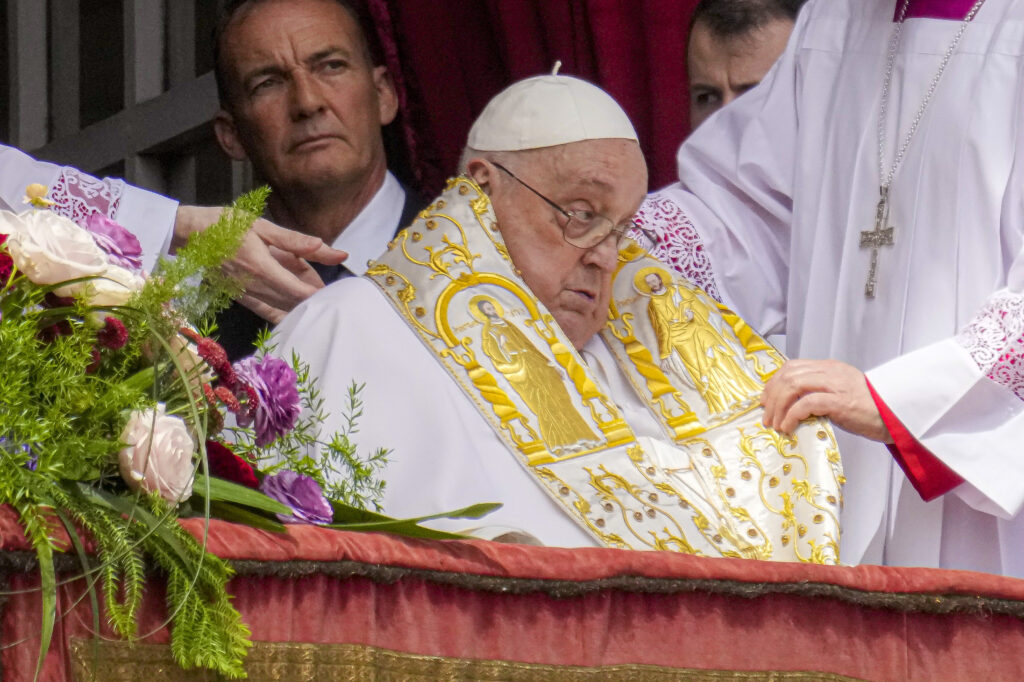
El papa Francisco aparece en la logia central de la Basílica de San Pedro para impartir la bendición Urbi et Orbi («a la ciudad y al mundo» en latín) tras una misa del Domingo de Pascua oficiada por el cardenal Angelo Comastri en la plaza de San Pedro el domingo 20 de abril de 2025 en el Vaticano. (Foto: AP/Gregorio Borgia)
En retrospectiva, su aparición de Pascua desde la misma logia donde fue presentado al mundo como el primer papa de América el 13 de marzo de 2013 fue un cierre perfecto para un papado de 12 años que buscó sacudir a la Iglesia y devolverla a su misión evangélica de cuidar a los más pobres.
Recuerdos de los funcionarios del Vaticano sobre Francisco
«Se entregó hasta el final», dijo la hermana Nathalie Becquart, una de las mujeres de más alto rango en el Vaticano.
Mientras que los fieles corrientes tendrán la oportunidad de presentar sus respetos a partir del miércoles, los funcionarios del Vaticano pudieron despedirse desde el lunes por la noche. Hablando con periodistas después de presentar sus respetos, Becquart se maravilló del último saludo de Pascua de Francisco a su rebaño. “Realmente caminó con su gente”, dijo.
El cardenal italiano Gianfranco Ravasi dijo que precisamente el esfuerzo de Francisco por promover el papel de las mujeres en la Iglesia será uno de sus mayores legados. Ravasi señaló que Francisco eligió ser enterrado cerca de su icono favorito de la Virgen, en una basílica al otro lado de la ciudad, y no en las grutas debajo de San Pedro, como es habitual para los papas.
«Quiso ser enterrado bajo la sombra de una mujer, en este caso María», dijo Ravasi, exministro de cultura del Vaticano, al llegar a la primera reunión de cardenales del martes. «Eso es significativo, su deseo de que la Iglesia haga más por las mujeres».
El martes se publicaron las primeras imágenes de Francisco, que lo mostraban en un ataúd de madera, con vestimentas rojas y su mitra de obispo, mientras el secretario de Estado del Vaticano rezaba sobre él en la capilla del hotel Domus Santa Marta, donde vivía y murió.
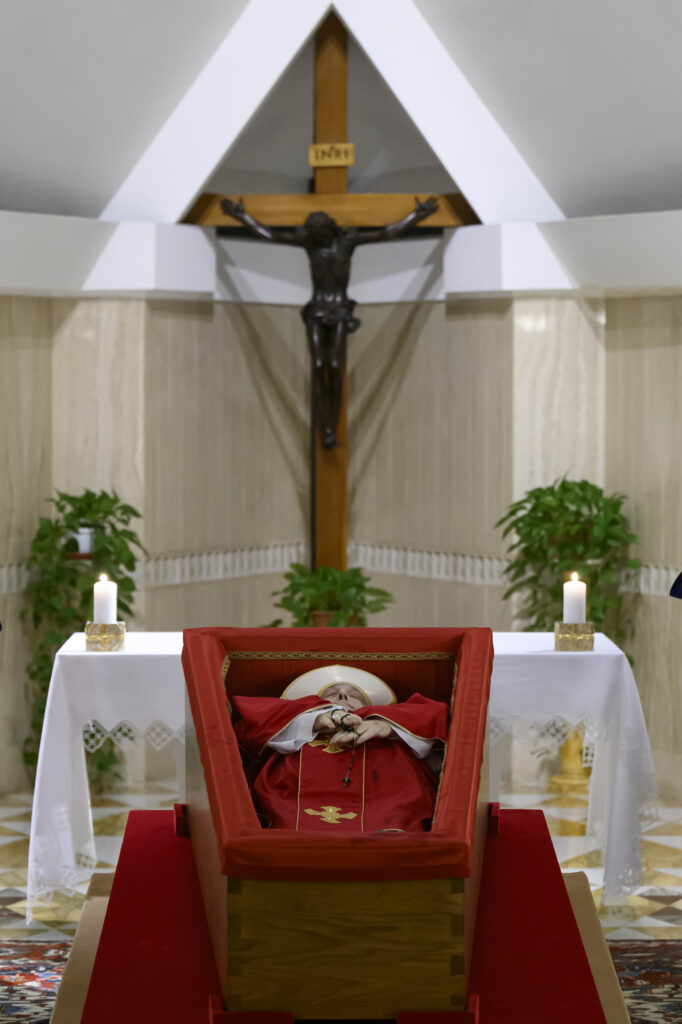
El cuerpo del papa Francisco yace en su capilla privada en el Vaticano, el lunes 21 de abril de 2025. (Foto: AP/Vatican Media)
En su testamento final, Francisco confirmó que sería enterrado en la basílica de Santa María la Mayor, que está fuera del Vaticano y alberga su imagen favorita de la Virgen María. Después de cada viaje al extranjero, Francisco iba a la basílica para rezar ante la pintura de estilo bizantino que presenta una imagen de María, vestida con un manto azul y con el niño Jesús en brazos, quien a su vez sostiene un libro dorado con joyas.
Francisco se detuvo en la basílica de camino a casa desde el hospital Gemelli el 23 de marzo, después de su estancia hospitalaria de 38 días, para entregar flores que se colocaron ante el icono. Regresó el 12 de abril para rezar ante la Madonna por última vez.
La reacción del mundo
Las campanas repicaron en capillas, iglesias y catedrales de todo el mundo y las banderas ondearon a media asta en Italia, India, Taiwán y Estados Unidos después de que la muerte de Francisco fuera anunciada por el camarlengo del Vaticano. Los partidos de fútbol en Italia y Argentina fueron suspendidos en honor al papa argentino que fue un fanático de toda la vida del club de fútbol San Lorenzo.
Los líderes mundiales elogiaron a Francisco por su liderazgo moral y compasión, mientras que los fieles comunes recordaban su simplicidad y humanidad.
Catalina Favaro, de 23 años y que acudió a a rendirle homenaje en la iglesia de Buenos Aires donde Francisco descubrió su vocación sacerdotal, dijo que había sido un rebelde, y que sus contradicciones también eran algo positivo.
En Timor Oriental, donde la última misa al aire libre de Francisco atrajo a casi la mitad de la población el pasado septiembre, el presidente José Ramos-Horta elogió el coraje de Francisco. «El papa Francisco fue un hombre valiente que no tuvo miedo de hablar en contra de los gobernantes del mundo que buscan la guerra, pero no quieren buscar la paz», dijo Ramos-Horta.
«Desafió a los poderosos a actuar con justicia, llamó a las naciones a acoger al extranjero y nos recordó que nuestro hogar común —esta Tierra— es un regalo que debemos proteger para las futuras generaciones», dijo el presidente de Nigeria, Bola Tinubu, quien es musulmán. Nigeria es el país más poblado de África y tiene alrededor de 30 millones de católicos, que suponen aproximadamente el 14% de la población total.
El velatorio del papa
Las habitaciones oficiales del papa en el Palacio Apostólico y en el hotel Santa Marta fueron selladas el lunes por la noche, siguiendo un ritual centenario. Farrell, quien como camarlengo tuvo la tarea de anunciar la muerte y confirmarla una vez determinada la causa, presidió el ritual.
Sin embargo, Francisco eligió no vivir en el palacio, sino en una suite de dos habitaciones en Santa Marta al otro lado de la Ciudad del Vaticano. Allí murió y su cuerpo fue trasladado a la capilla del hotel en el vestíbulo, donde se celebró un velorio privado el martes para funcionarios del Vaticano y miembros de la casa pontificia.
De acuerdo a los cambios realizados por Francisco el año pasado, su cuerpo no fue colocado en tres ataúdes de madera, como había sido para papas anteriores. En cambio, Francisco fue colocado en un ataúd de madera simplificado con un ataúd de zinc en su interior.
Una vez en San Pedro, su ataúd no será colocado en un catafalco elevado, sino que simplemente será colocado frente a los bancos, con el cirio pascual cerca.
«Fue un papa que no cambió su camino cuando se trataba de ensuciarse», dijo el vicario de Francisco para Roma, el cardenal Baldassarre Reina, en una misa en su honor. “Para él, los pobres y los migrantes eran el sacramento de Jesús”.
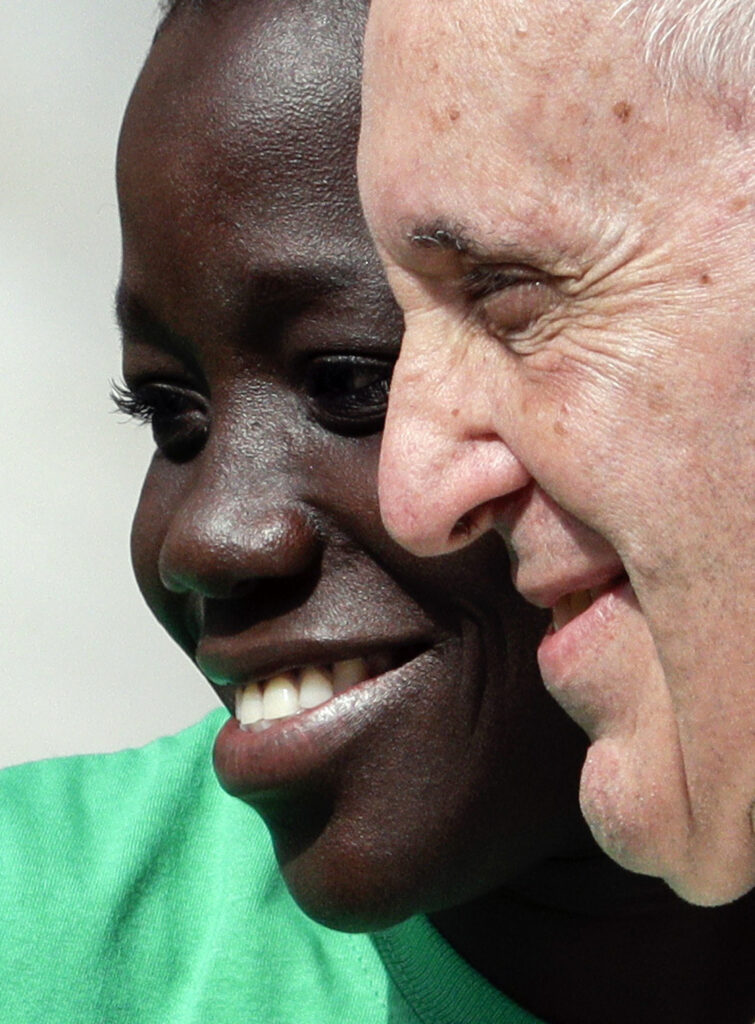
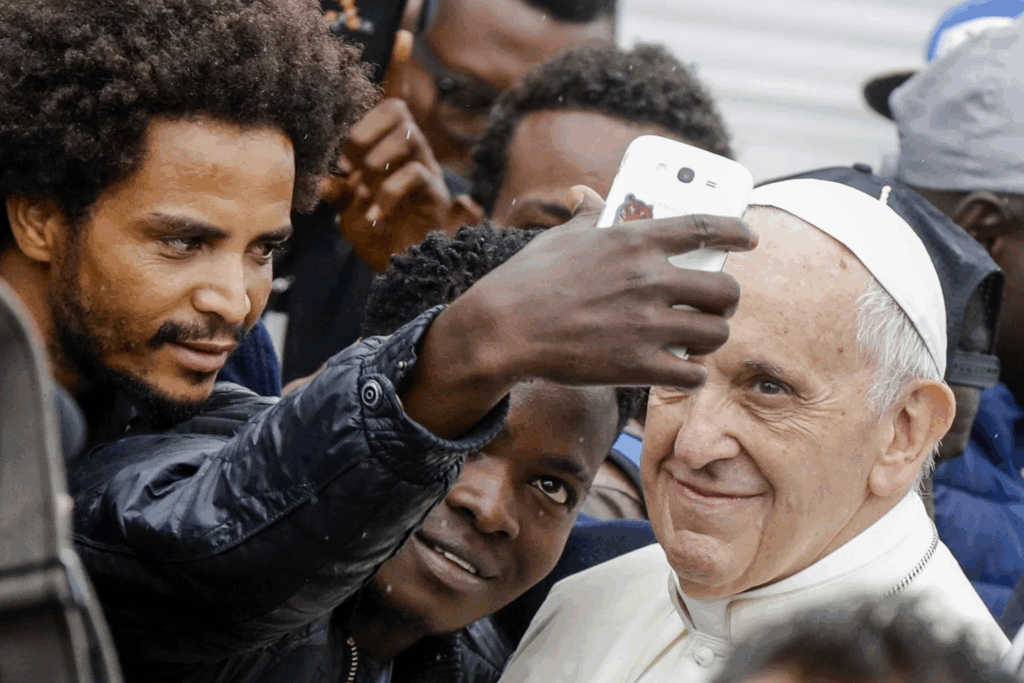
El papa Francisco posa para una selfie con una migrante durante su audiencia general semanal, en el Vaticano, el 27 de septiembre de 2017. (Foto: AP/Andrew Medichini/Archivo)
Elección del próximo papa
Después del funeral, hay nueve días de luto oficial, conocidos como los «novendiali». Durante este período, los cardenales llegan a Roma para participar en reuniones antes del cónclave para elegir al próximo papa.
Para dar tiempo a que todos se reúnan, el cónclave debe comenzar de 15 a 20 días después de que se declare la «sede vacante», aunque puede comenzar antes si los cardenales están de acuerdo.
Una vez que comienza el cónclave, los cardenales votan en sesiones secretas en la capilla Sixtina. Después de las sesiones de votación, las papeletas se queman en una estufa especial. El humo o fumata negra indica que no se ha elegido papa, mientras que el humo o fumata blanca indica que los cardenales han elegido al próximo líder de la Iglesia católica.
El que haya conseguido dos tercios de los votos gana. Si acepta, su elección es anunciada por un cardenal desde la logia de la basílica de San Pedro que anuncia «Habemus papam», que en latín significa «Tenemos un papa».
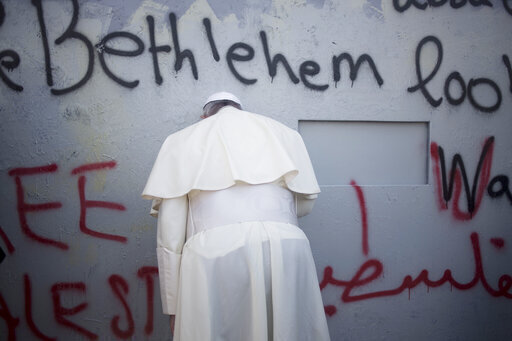
El papa Francisco reza ante la barrera de separación de Israel de camino a una misa en la Plaza del Pesebre, junto a la Iglesia de la Natividad, en la ciudad cisjordana de Belén, el domingo 25 de mayo de 2014. (Foto: AP/Ariel Schalit/Archivo)
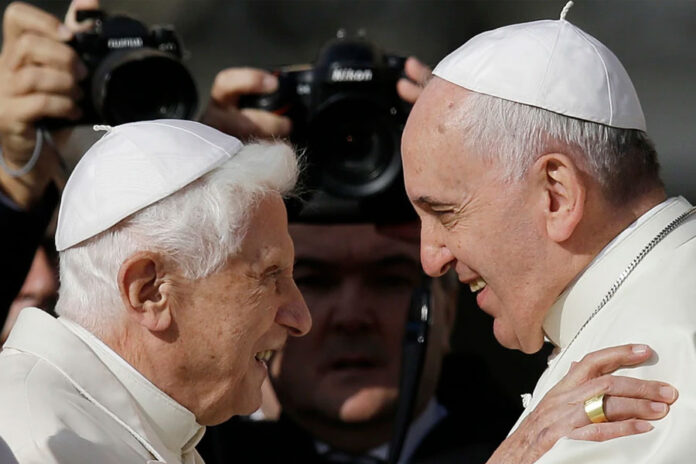
El papa Francisco (derecha), abraza al papa emérito Benedicto XVI antes de una reunión en la Plaza de San Pedro del Vaticano, el 28 de septiembre de 2014. (Foto: AP/Gregorio Borgia/Archivo)
Ciudad del Vaticano.— El papa Benedicto XVI sorprendió al mundo al anunciar su renuncia en 2013, la primera en 600 años. Eso llevó a algunos a preguntarse si, a medida que su salud se debilitaba, el papa Francisco seguiría sus pasos.
Aunque mantuvo abierta esa posibilidad e incluso tenía preparada una carta de renuncia, recientemente afirmó que creía que el papado era para toda la vida. Y vivió de acuerdo con esa creencia, sirviendo en su ministerio hasta su muerte el lunes, a la edad de 88 años.
Benedicto, incluso antes de su renuncia, había argumentado que un pontífice debería hacerse a un lado si se volvía demasiado viejo o enfermo para cumplir con sus funciones. No obstante, fue una sorpresa cuando anunció, en latín, que su «fuerza mental y física» había disminuido y que no podía continuar.
Su dramática salida allanó el camino para la elección de Francisco y creó una situación sin precedentes con dos papas conviviendo en el tiempo. Benedicto residió en un monasterio reconvertido en los jardines del Vaticano hasta su muerte el 31 de diciembre de 2022.
En sus memorias de 2024, «Vida: Mi historia a través de la historia», Francisco relató cómo, cuando aún era arzobispo de Buenos Aires, pensó que había entendido mal la noticia cuando se enteró de la renuncia de su predecesor.
«Por un momento me quedé paralizado. Apenas podía creer lo que estaba escuchando», escribió el pontífice. «Era una noticia que nunca esperé recibir en mi vida: la renuncia de un papa era inimaginable, aunque estaba prevista en el derecho canónico.»
Pero, según afirmó, se dio cuenta de que Benedicto habría meditado y rezado durante mucho tiempo antes de llegar a esa «valiente e histórica decisión».
Durante la década que vivieron juntos en el Vaticano como papa reinante y «papa emérito», Francisco elogió repetidamente el coraje y la humildad de Benedicto por renunciar y dijo que había «abierto la puerta» para que futuros pontífices siguieran sus pasos.
Pero después de la muerte de Benedicto, Francisco cambió de rumbo. Aunque confirmó que tenía preparada una carta de renuncia en caso de que quedara incapacitado médicamente, señaló los riesgos de que las renuncias papales pudieran convertirse en una «moda» o en la norma.
«Benedicto tuvo el coraje de hacerlo porque no se sentía con fuerzas para continuar debido a su salud. Yo, por el momento, no tengo eso en mi agenda», dijo, según comentarios a puerta cerrada en la comunidad jesuita de República Democrática del Congo en febrero de 2023, que fueron reportados por la revista jesuita La Civilta Cattolica.
«Creo que el ministerio del papa es ad vitam (para toda la vida). No veo razón por la cual no debería ser así. El ministerio de los grandes patriarcas siempre es de por vida. Y la tradición histórica es importante.»
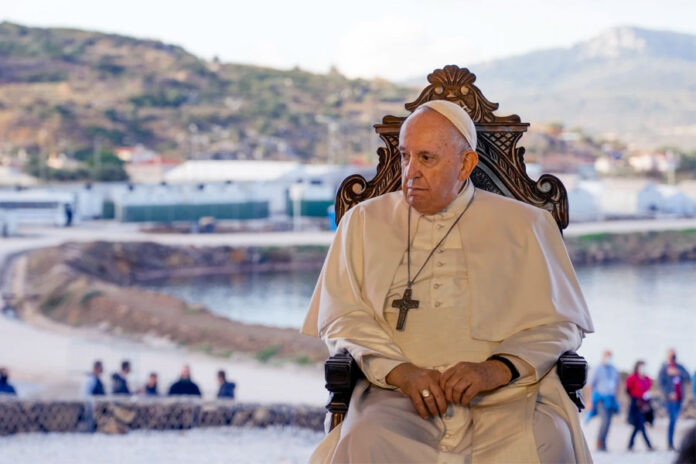
El papa Francisco, asiste a una ceremonia en el campo de refugiados de Karatepe, en la isla de Lesbos, en el mar Egeo, Grecia, el 5 de diciembre de 2021. (Foto: AP/Alessandra Tarantino/Archivo)
Defender a los migrantes fue una de las prioridades del papa Francisco.
Su papado fue testigo de una crisis de refugiados en el Mediterráneo, un aumento vertiginoso de la migración en el continente americano y una disminución de la empatía pública, lo que derivó en políticas cada vez más restrictivas en todo el mundo.
Francisco abordó la difícil situación de los migrantes con frecuencia. Llevó a solicitantes de asilo con él desde campamentos insulares superpoblados y denunció las iniciativas fronterizas del presidente estadounidense Donald Trump.
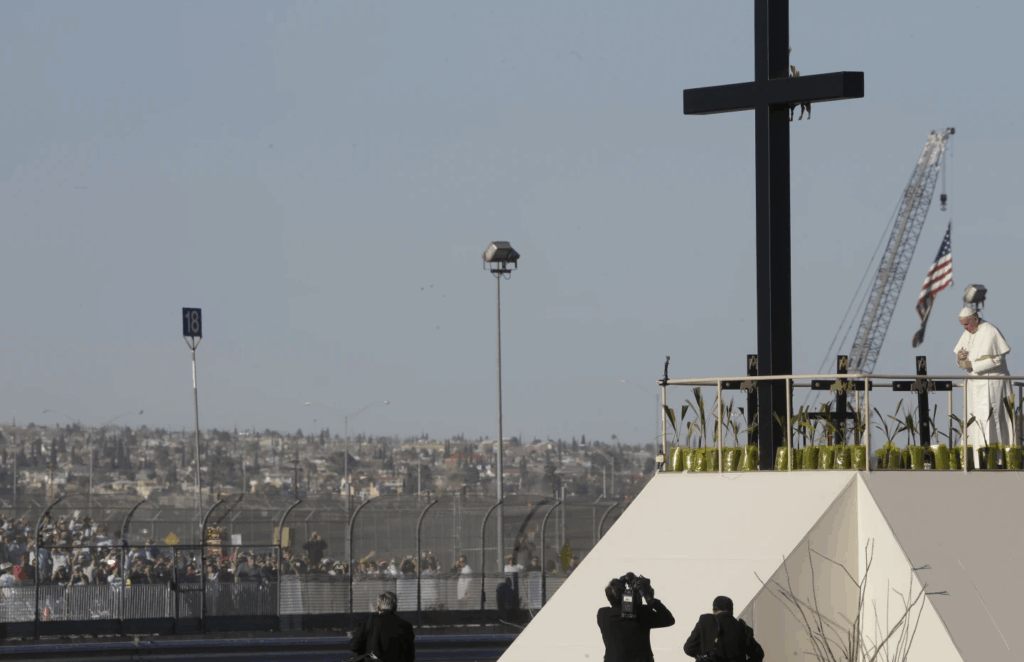
Cientos de personas se congregan en el lado estadounidense de la frontera para ver al papa Francisco durante un rezo junto a la cerca fronteriza, a lo largo del río Bravo, en Ciudad Juárez, México, el 17 de febrero de 2016. (Foto: AP/Gregorio Borgia/Archivo)
Aquí algunos momentos memorables en los que se pronunció al respecto:
8 de julio de 2013. Lampedusa, Italia
Su primera visita pastoral fuera de Roma tras su elección fue a la isla italiana de Lampedusa, un punto en el Mediterráneo cuya cercanía con el norte de África la coloca en primera línea de numerosas rutas de contrabando y naufragios mortales.
Al reunirse con migrantes que habían estado en Libia, Francisco condenó su sufrimiento y denunció la “globalización de la indiferencia”, que afectaba a quienes arriesgaban sus vidas intentando llegar a Europa.
Una década más tarde, en una visita al puerto francés de Marsella en septiembre de 2023, Francisco volvió a criticar el “fanatismo de la indiferencia” hacia los migrantes, mientras los responsables políticos europeos redoblaban sus esfuerzos en materia fronteriza ante el auge de la extrema derecha que rechaza la migración.
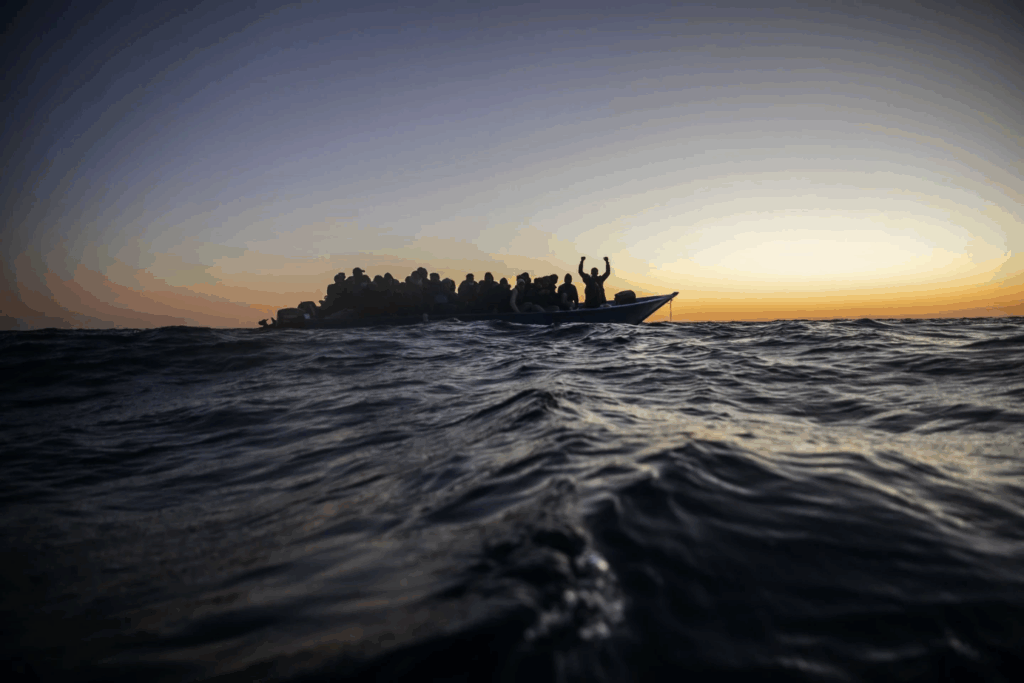
Migrantes y refugiados esperan ayuda a bordo de una embarcación de madera sobrecargada en el mar Mediterráneo, ante la costa de Libia, el 12 de febrero de 2021. (Foto: AP/Bruno Thevenin/Archivo)
16 de abril de 2016. Lesbos, Grecia
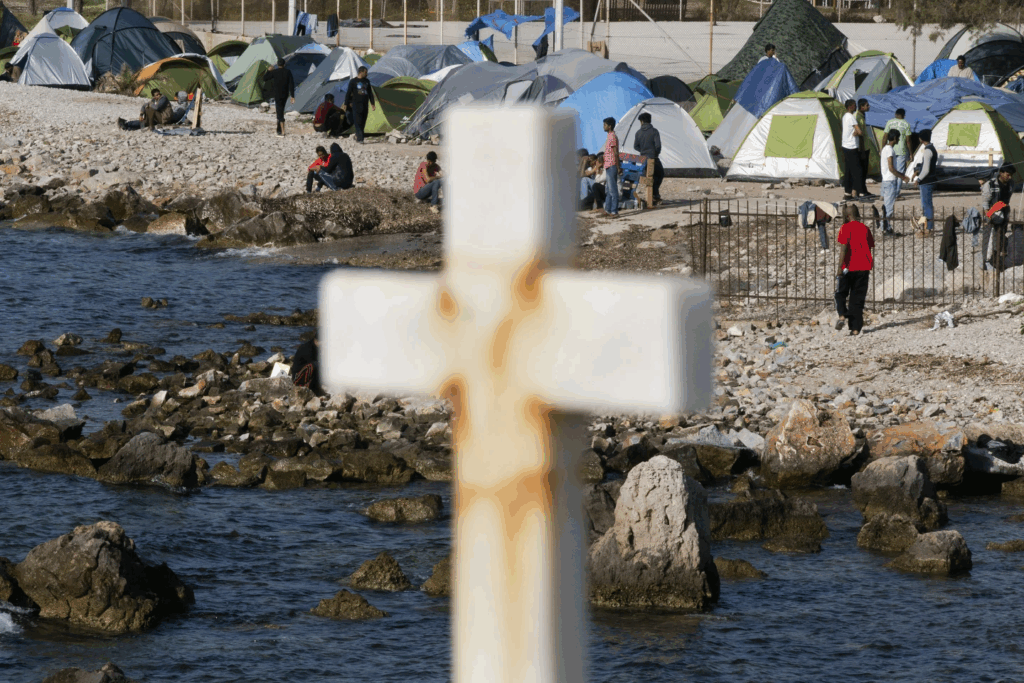
Francisco viajó a la isla griega de Lesbos en medio de una crisis de refugiados durante la cual llegaron cientos de miles de personas que huían de la guerra civil en Siria y otros conflictos en Medio Oriente y el sur de Asia.
El papa llevó con él a tres familias musulmanas a bordo del avión papal. Rescatar a esos 12 sirios de un campamento desbordado fue “una gota de agua en el mar, pero después de esta gota, el mar nunca volverá a ser el mismo”, dijo Francisco.
Durante su hospitalización a principios de 2025, una de esas familias, que se estableció en Roma, dijo que Francisco no solo les cambió la vida. “Quería iniciar un diálogo global para que los líderes mundiales supieran que ni siquiera un migrante indocumentado debe temer”, dijo Hasan Zaheda.
Su esposa, Nour Essa, añadió: “Luchó por difundir las voces de los migrantes. Por explicar que, al fin y al cabo, son solo seres humanos que han sufrido en las guerras”.
En diciembre de 2021, Francisco volvió a llevar a una docena de solicitantes de asilo a Italia, esta vez tras su visita a Chipre.
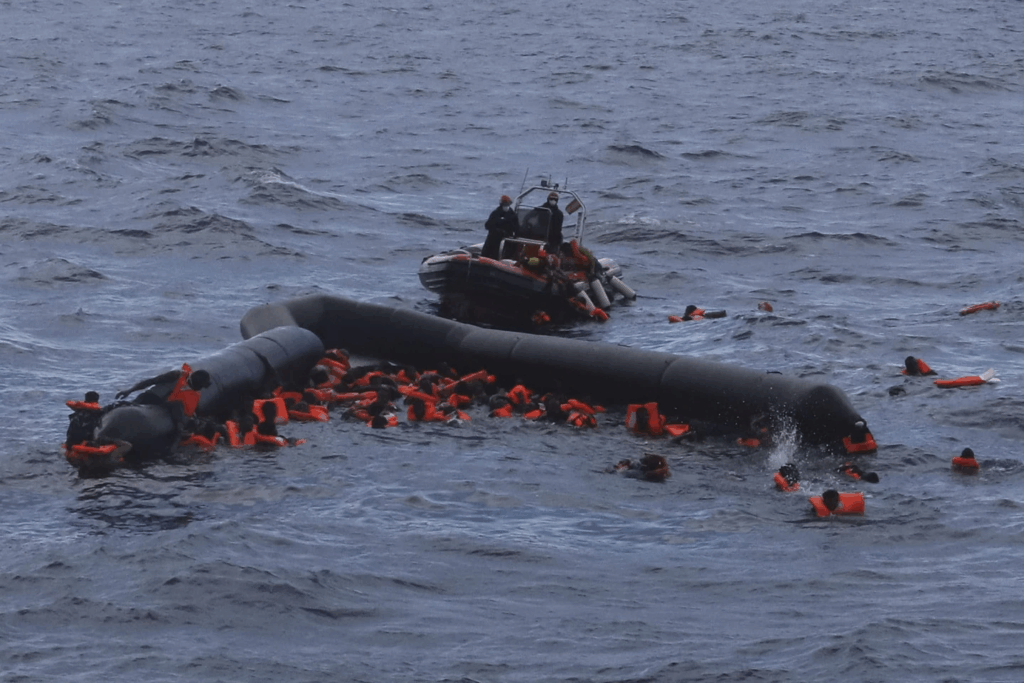
Refugiados y migrantes son rescatados por miembros de la ONG española Proactiva Open Arms en el mar Mediterráneo, el 11 de noviembre de 2020. (Foto: AP/Sergi Camara/Archivo)
17 de febrero de 2016. Frontera entre Estados Unidos y México
Durante la celebración de una misa en la ciudad fronteriza de Ciudad Juárez, en México, y que fue transmitida en vivo en El Paso, Texas, Francisco pidió por “corazones abiertos” ante la “tragedia humana que supone la migración forzada”.
En respuesta a la pregunta de un periodista durante su vuelo de regreso a Roma, dijo que quien aboga por la construcción de muros “no es cristiano”.
Trump, entonces candidato presidencial, hacía campaña para hacer precisamente eso, y respondió que era “vergonzoso” cuestionar la fe de una persona. Criticó al papa por no comprender “el peligro de la frontera abierta que tenemos con México”.
Migrantes y refugiados caminan por detrás de una cruz en un campamento habilitado por voluntarios cerca del puerto de Mytilini, en la isla griega de Lesbos, el 15 de abril de 2016. (Foto: AP/Petros Giannakouris/Archivo)
24 de octubre de 2021. Ciudad del Vaticano
Ante la creciente presión en Italia y otras partes de Europa para combatir la migración ilegal, Francisco hizo un ferviente llamado a poner fin a la práctica de devolver a las personas rescatadas en el mar a Libia y a otros países inseguros, donde sufren una “violencia inhumana”.
Describió los centros de detención en Libia como “verdaderos campos de concentración”.
Desde allí, miles de migrantes son llevados por traficantes en embarcaciones, a menudo inservibles.
El mar Mediterráneo se ha convertido en la mayor fosa común de migrantes del mundo, con más de 28.000 muertes registradas en la última década, según un informe de 2024 del Proyecto Migrantes Desaparecidos de la Organización Internacional para las Migraciones.
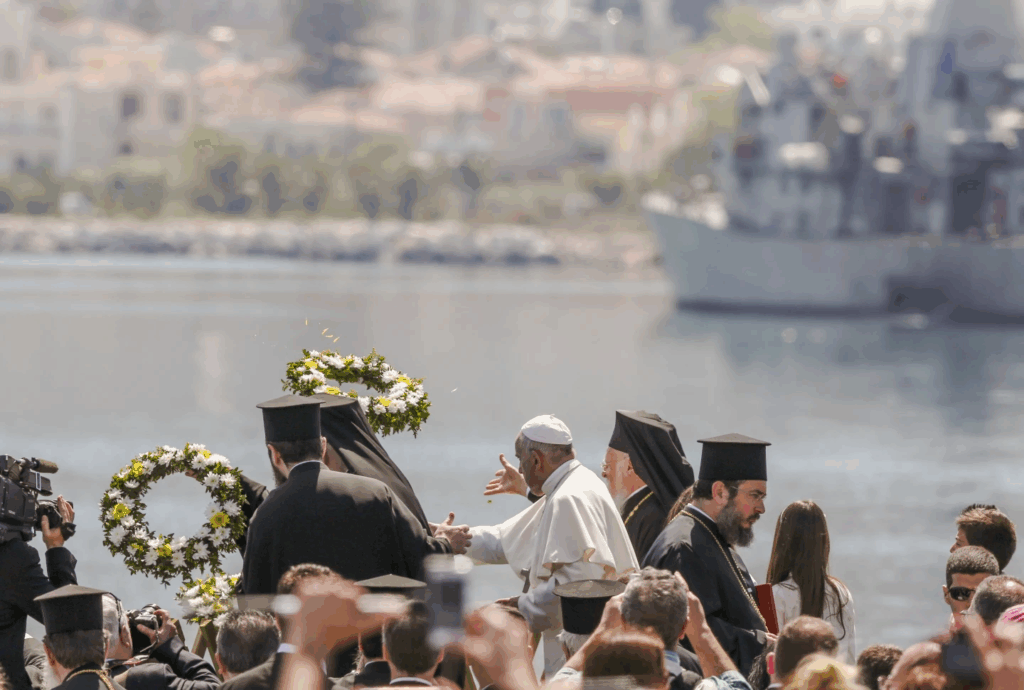
El papa Francisco (centro), el patriarca ecuménico Bartolomé I (izquierda), y el arzobispo de Atenas, Ieronymos II, arrojan coronas de flores al mar en la isla griega de Lesbos, el 16 de abril de 2016. (Foto: AP/Petros Giannakouris/Archivo)
12 de febrero de 2025. Ciudad del Vaticano
Tras el regreso de Trump a la Casa Blanca, Francisco criticó duramente los planes estadounidenses de realizar deportaciones masivas, calificándolos de “vergüenza”. El triunfo de Trump en parte estuvo impulsado por la indignación pública ante la inmigración ilegal.
Con la oleada de cambios políticos de Trump para combatir las prácticas migratorias, Francisco escribió a los obispos estadounidenses y advirtió que las deportaciones “acabarían mal”.
“El acto de deportar a personas que, en muchos casos, han abandonado su tierra por motivos de extrema pobreza, inseguridad, explotación, persecución o grave deterioro ambiental, atenta contra la dignidad de muchos hombres y mujeres”, escribió.
El zar fronterizo estadounidense, Tom Homan, contraatacó de inmediato, señalando que el Vaticano es una ciudad-estado rodeada de muros y que Francisco debería dejar la vigilancia fronteriza en manos de su oficina.
El papa Francisco posa para una selfie con migrantes en un centro para migrantes en Bolonia, Italia, el 1 de octubre de 2017. (Foto: AP/Luca Bruno/Archivo)
El Departamento de Justicia de EE. UU. anunció este lunes acusaciones contra 27 personas asociadas con la banda criminal transnacional Tren de Aragua (TdA) bajo cargos de conspiración para cometer crimen organizado, tráfico de drogas y robo, entre otros delitos.
De los 27 acusados, 21 se encuentran se encuentran este lunes bajo custodia federal, cinco fueron arrestados anoche y este lunes en operativos en Nueva York y otras jurisdicciones cercanas. Seis se encuentran en búsqueda y captura.
La fiscal de Estados Unidos, Pamela Bondi, dijo en un comunicado que el Tren de Aragua “no es solo una pandilla callejera; es una organización terrorista altamente estructurada que ha destruido familias estadounidenses con violencia brutal”.
Explicó que las acusaciones formales y los arrestos de este lunes abarcan tres estados y “devastarán” la infraestructura del Tren de Aragua en esa región del país.
Por su parte, el fiscal federal interino para el Distrito Sur de Nueva York, Matthew Podolsky, dijo que los 27 sospechosos enfrentan cargos por supuestamente “cometer asesinatos y tiroteos, obligar a mujeres jóvenes venezolanas a la prostitución, robar y extorsionar a pequeños negocios y vender ‘tusi’, una droga en polvo rosa que se ha convertido en su seña de identidad”.
Entre los acusados se encuentran Jarwin Valero Calderón, también conocido como ‘La Fama’, de 29 años; Samuel González Castro, que responde al alias ‘Klei’, de 28; Eferson Morillo Gómez, conocido como ‘Jefferson’ y ‘Efe Trébol’, de 20; Brayan Oliveros Chero, de 28; Sandro Oliveros Chero, de 25; y Armando José Pérez González, también conocido como ‘Biblia’, de 30 años.
La acusación hace parte de la mano dura del Gobierno del presidente Donald Trump contra el Tren de Aragua, a la que declaró una organización terrorista. Su campaña ha enfrentado críticas por vincular sin pruebas a inmigrantes venezolanos con esta banda criminal, nacida en una cárcel de Venezuela.
Este lunes el mandatario estadounidense cargó contra los tribunales de su país que no quieren permitirle «sacar a los criminales fuera del país”.
La queja de Trum se refiere al fallo del fin de semana de la Corte Suprema, que le prohibió deportar a inmigrantes valiéndose de la Ley de enemigos extranjeros de 1798 y que de ese modo paralizó la expulsión de un grupo de 50 venezolanos desde un centro de detención de Texas.
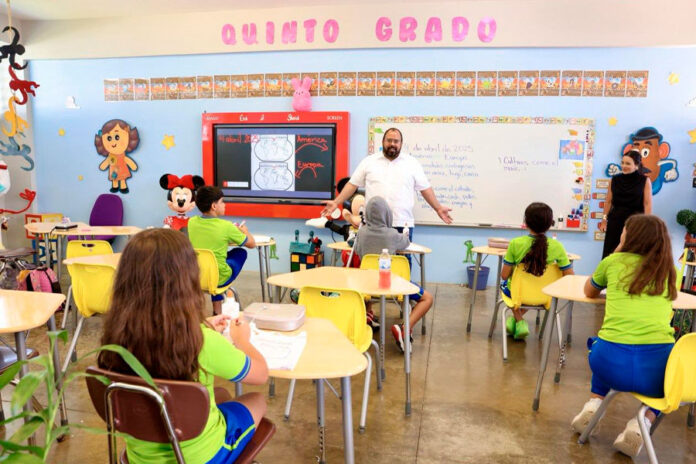
(Foto: Departamento de Educación/Puerto Rico/Archivo)
San Juan.– El Departamento de Educación celebra desde este lunes al próximo día 21 la Semana de la Fiesta de la Lengua, en la que resaltarán la riqueza, diversidad y valor del castellano como vehículo esencial de identidad, pensamiento y cultura.
Las actividades, que incluyen certámenes de oratoria, cuentacuentos, géneros literarios, cartel y trova, contarán con la participación de estudiantes de toda la isla y se desarrollarán en distintos espacios educativos y culturales, informó la agencia en un comunicado.
La celebración será liderada por Jeannette Ramos Ramos, gerente de operaciones del Programa de Español, quien ha organizado un programa que reconoce el talento estudiantil y promueve el dominio del idioma español desde una perspectiva académica, creativa y formativa.
«Este esfuerzo representa un reconocimiento a nuestra lengua y a las voces jóvenes que la mantienen viva y vigente», expresó en la nota el secretario de Educación, Eliezer Ramos Parés.
Las actividades arrancan este lunes con un acto de apertura en el Centro de Convenciones Sylvia J. Lucena García, en Hatillo, y la premiación de estudiantes ganadores en los certámenes de cartel y géneros literarios.
Hoy también se celebrará la final del certamen de oratoria entre estudiantes de nivel superior (9-12), representantes de las siete regiones educativas.
Como parte del programa, el día 23 se llevará a cabo el Certamen de Cuentacuentos en el recinto metropolitano de la Universidad Interamericana, con la participación de estudiantes de escuela elemental, intermedia y superior, así como docentes.
El jueves 24, el Centro de Recepciones y Bellas Artes de Barranquitas será sede del Certamen de Trova, donde 33 estudiantes demostrarán sus habilidades en la décima, todos dedicando sus interpretaciones a la homenajeada de este año.
El festín se dedica a la profesora Zulma Ayes Santiago, catedrática de la Universidad Interamericana, escritora e investigadora destacada por su incansable labor en la promoción de la lectura y la literatura infantil y juvenil.
«Dominar y valorar nuestra lengua materna es clave para el desarrollo integral de los estudiantes», afirmó Ramos Parés.
«A través de estas actividades reafirmamos el poder de la palabra como herramienta para comunicar, imaginar y transformar. Esta Semana de la Lengua celebra lo que somos como pueblo, nuestra historia y nuestras tradiciones», concluy
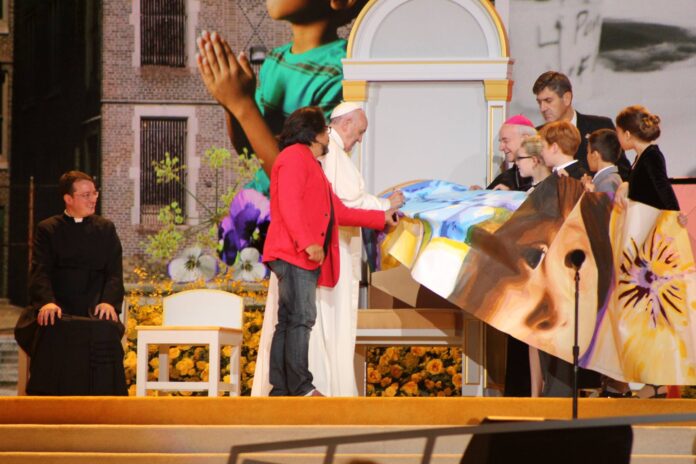
“Indudablemente es uno de los momentos más importantes en mi vida. No todos los días te escucha la persona más influyente en el planeta. Tuve la oportunidad de explicarle que miles de personas unieron sus fuerzas para darle ese regalo que no se podía llevar, pude darle las gracias por ser lo que es junto con el cambio que trae consigo y pedir por el descanso en el corazón de los padres en dolor. Cumplí lo que me prometí y él sonrió, asintió y lo firmó”. Cesar Viveros. RRSS
(Foto: Irving Viveros)
El mundo se despertó el lunes 21 de abril con la noticia de que pasadas las 7.35 de la mañana de Roma había fallecido el prelado argentino Jorge Mario Bergoglio, quien ocupaba la “Catedra de San Pedro” bajo el nombre de papa Francisco. La noticia causó cierta sorpresa, porque Francisco estaba, recuperándose «sorprendentemente a decir de sus doctores», tras regresar al Vaticano una semana atrás, luego de pasar cerca de 40 días recluido en el Policlínico Gemelli de la capital italiana.
Aunque se sabía que la situación del pontífice era delicada, la noticia causó conmoción en Roma y en las comunidades católicas distribuidas a lo largo y ancho del mundo, ya que Francisco fue un pontífice que generó muchos cambios y trajo un impulso de renovación desde el momento mismo de su llegada a la sede central del catolicismo, tras ser elegido pontífice el 13 de marzo de 2013. Jorge Bergoglio sucedió al papa Benedicto XVI, quien había anunciado su renuncia en febrero de 2013 por agotamiento y quebrantos de salud.
Católicos de Filadelfia, y otros testigos de su visita, han llenado las redes sociales con recuerdos de su visita a la “ciudad del amor fraternal” en el otoño de hace casi 10 años.
El Encuentro Mundial de las Familias 2015, cuyo lema oficial fue Love is Our Mission: The Family Fully Alive (“El Amor es Nuestra Misión: La Familia Plenamente Viva”), marcó un hito al ser la primera vez que este evento se celebró en territorio estadounidense. El evento reunió a miles de asistentes en Filadelfia y fue seguido por millones de personas a través de transmisiones en vivo en todo el mundo.
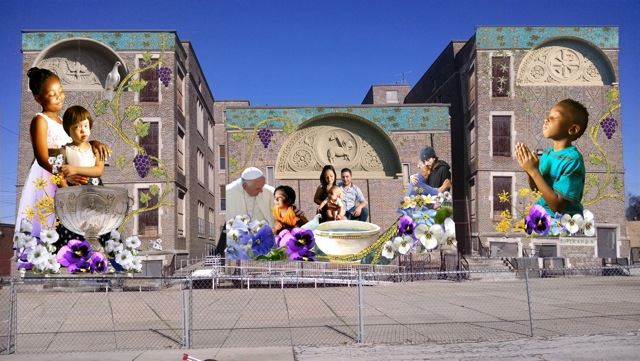
Dentro de los muchos hispanos que recordaron al papa por su paso en Filadelfia y lamentaron su muerte, esta el veracruzano César Viveros Herrera, quien fue el autor de la obra que se pintó al norte de la ciudad, durante la visita del papa Francisco el 26 y 27 de septiembre del 2015.
Viveros fue seleccionado para la realización de un mural que obtuvo un récord Guinness por la participación de más de 2 mil personas pintando en un solo mural. La obra se pintó como un mensaje de recibimiento a las familias del mundo, ya que llegaron cientos de familias de todo el mundo para celebrar con el papa.
Los fieles se reunieron en diversas misas que se celebraron en honor del papa Bergoglio. El arzobispo de Filadelfia, Nelson Perez, recordó el legado de obispo de Roma, y lo considera una gran bendición para el mundo.
Francisco despertó rápidamente la simpatía de muchos católicos de los sectores más progresistas de la Iglesia, y poco a poco, también de cristianos de otras iglesias, lo mismo que de personalidades del mundo político, artístico y deportivo, después de mostrar con gestos y hechos simbólicos, que quería encabezar un papado menos jerárquico y principesco, y más desde la simplicidad de un ministerio orientado al servicio de los pobres y de los “cristianos de las periferias”; es decir, las comunidades de creyentes ubicadas en los rincones más alejados del planeta, o en naciones donde ser cristiano o ser católico es una elección y un desafío que fácilmente se paga con la muerte.
Bergoglio no solo era el primer pontífice en surgir del continente americano y el primer no europeo en casi 1300 años. Al elegir el nombre de Francisco, el sucesor de Pedro quiso dar una indicación desde el comienzo de su llamado a trabajar por los más pobres, y a convertir la Iglesia misma en un “hospital de campaña”; en una institución que supiera vivir más en la pobreza, invitando a muchos obispos y cardenales a evitar los privilegios de los palacios para vivir una vida más acorde y parecida a la de nuestro Señor Jesucristo.
El papa argentino sorprendió poco después de la elección, cuando dijo que renunciaría a vivir en los antiguos y tradicionales apartamentos papales, y que se trasladaría a vivir a una sencilla suite en la Casa Santa Marta, el pequeño “Hotel” que en el interior del Vaticano atiende a las docenas de clérigos, obispos y funcionarios de la Iglesia que pasan por Roma durante todo el año.
A dos años del inicio de su pontificado, Francisco causaría de nuevo revuelo al publicar la carta encíclica “Laudato Si”, sobre el cuidado del planeta; pues era la primera vez que un papa intervenía en temas no religiosos y le hablaba clara y decididamente al mundo, haciéndole, de una parte, una fuerte crítica a la sociedad del consumismo desenfrenado, del desarrollismo económico irresponsable y de la contaminación de los mares y la degradación del ambiente; y por la otra, invitaba a las naciones ricas a abrirse más a las necesidades de las regiones pobres, a invertir más en la protección de “la casa común”, y a acoger a los inmigrantes y desplazados por el hambre, la violencia, los conflictos políticos y el cambio climático.
ARCHIVO – El papa Francisco sale al final de su audiencia semanal general en la plaza de San Pedro, en el Vaticano, el miércoles 15 de mayo de 2019. (AP Foto/Andrew Medichini, Archivo)
A pesar de todo, Francisco no se vio libre de críticas y desacuerdos, desde fuera y desde dentro de la misma Iglesia. Le tocó enfrentar controversias, especialmente por el tema de los abusos sexuales de los que fueron acusados muchos clérigos, sobre todo en países como Estados Unidos, Francia e Irlanda, pero también en otros de Europa y América; y aunque el papa intentó establecer nuevos reglamentos y cortafuegos para que esos hechos no se repitan, los escándalos han dejado una secuela y una mancha difícil de reparar.
El papa también ha sido cuestionado desde sectores más conservadores por la mayor apertura que ha mostrado hacia temas como que los divorciados vueltos a casar puedan recibir la comunión; o la mayor apertura de la Iglesia hacia las personas LGTB. Su carta apostólica “Fiducia Supplicans”, en la cual Francisco parece indicar que se podían bendecir las uniones entre parejas homosexuales, se encontró con el fuerte rechazo de muchos sectores de la iglesia en diferentes países y continentes.
Sin embargo, el papa se mantuvo siempre en su línea de apertura al diálogo con el mundo, con las otras religiones y con representantes de organizaciones sociales y de organismos multilaterales. También abogó por que las mujeres pudieran ocupar posiciones de mayor responsabilidad dentro de la jerarquía de la Iglesia, y le pidió a las diócesis y parroquias que “se concentraran en servir al pueblo de Dios y no en ser una aduana que impone reglamentos y condiciones a quienes quieren entrar en la Iglesia”.
Francisco se ha ido sin poder cumplir un sueño que había manifestado, y era su deseo de realizar una visita oficial a la gran China Comunista. Igualmente, los creyentes argentinos se quedaron con el dolor de que el pastor que salió de su suelo nunca regresó a su nación de origen después de ser elegido pontífice, principalmente, según explicaron sus voceros, por temor a que los partidos políticos en el poder quisieran aprovecharse de su visita para buscar apalancamiento popular.
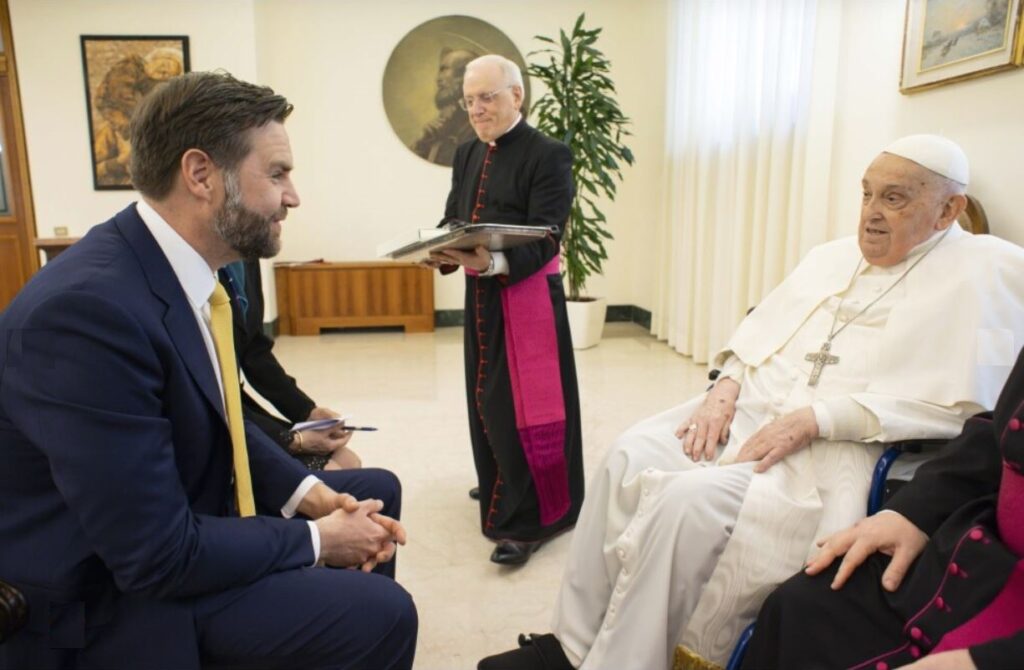
El vicepresidente J. D. Vance visita al papa en el Vaticano, justo un día antes de su muerte. (Foto: AP News)
Habrá que esperar hasta después de sus exequias y de la elección del nuevo papa para poder hacer un balance más profundo y completo de los cambios, frutos y los desafíos que enfrentó con tanta paciencia y tesón el primer papa latinoamericano, el humilde pastor de las barriadas de Buenos Aires que, la noche de su elección, se presentó ante el pueblo de Roma como “el papa venido del fin del mundo”. Paz en su tumba.
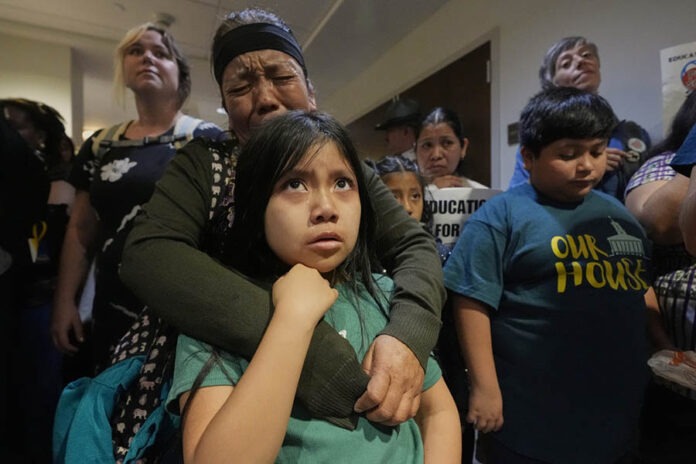
Una mujer abraza a su hijo fuera de una audiencia de la cámara baja durante protestas en contra de un proyecto de ley que permitiría que escuelas públicas y chárter nieguen la inscripción de estudiantes inmigrantes, el 11 de marzo de 2025, en Nashville, Tennessee. (AP Foto/George Walker IV, Archivo)
NASHVILLE, Tennessee, EE. UU.— Legisladores republicanos de Tennessee pusieron en pausa un proyecto de ley que tenía como objetivo impugnar el derecho constitucional de los niños a asistir a escuelas públicas sin importar su estatus migratorio. En cambio, con poco tiempo restante en la sesión legislativa, han solicitado a funcionarios federales orientación sobre si la iniciativa pondría en riesgo los fondos federales para la educación.
La medida anunciada el lunes por el líder de la mayoría en la Cámara de Representantes del estado, William Lamberth —promotor del proyecto de ley— reduce las posibilidades de que la iniciativa sea aprobada este año mientras los legisladores se preparan para un probable cierre de sesión esta semana. The Tennessee Journal fue el primero en informar sobre la decisión de Lamberth.
Cientos de niños se han presentado este año en el Capitolio del estado para expresar su rechazo a una iniciativa de ley que va en contra de las protecciones establecidas en una decisión histórica de la Corte Suprema federal en 1982, en el caso Plyler vs Doe. El fallo invalidó una ley de Texas que buscaba negar la inscripción a cualquier estudiante que no hubiera sido «admitido legalmente» en el país.
El Senado de Tennessee, de mayoría republicana, ya ha aprobado una versión del proyecto de ley, el cual requeriría una prueba de residencia legal en el país para poder inscribirse en escuelas públicas de kínder a 12do grado y le otorgaría a los distritos escolares la opción —más no la obligación— de rechazar o cobrar matrícula a los estudiantes que no presenten los documentos requeridos. La versión de la cámara baja, que permanece inactiva en una subcomisión, difiere en cuanto a que permitiría que las escuelas públicas verifiquen el estatus migratorio, en lugar de requerirlo.
Lamberth destacó que Tennessee recibe cada año aproximadamente 1.100 millones de dólares en fondos federales para la educación.
“Confiamos plenamente en que el gobierno del presidente (Donald) Trump no retendrá dólares federales para nuestras escuelas debido a la aprobación del Proyecto de Ley 793 de la Cámara/Proyecto de Ley 836 del Senado”, expresó Lamberth. “Sin embargo, por precaución, queremos ser excepcionalmente cuidadosos antes de continuar para garantizar que no se ponen en riesgo los dólares de los contribuyentes federales”.
Cada vez más líderes conservadores presionan a los estados para anular el fallo del caso Plyler vs Doe, incluido al grupo de expertos The Heritage Foundation. Los legisladores republicanos de Tennessee fueron algunos de los más agresivos en cuanto a ir tras la idea que va directamente en contra del precedente de la Corte Suprema.
Los defensores de la iniciativa han restado importancia en gran medida a la negación del derecho a la educación de los niños, enfocándose en cambio en el impacto fiscal que enfrentan los estados al educar a niños que residen ilegalmente en Estados Unidos. Sin embargo, se desconoce si la propuesta de ley resultaría en algún ahorro.
Al expresar su oposición, los estudiantes se han derrumbado en lágrimas frente a las comisiones legislativas, abrumados ante la posibilidad de que sus compañeros sean expulsados de su escuela y preocupados por quién podría ser el siguiente. Algunos activistas aplaudieron la noticia del lunes, pero advirtieron que el proyecto de ley no está muerto hasta que los legisladores cierren la sesión anual.
“Lo que es innegable es esto: los legisladores se han visto obligados a reconocer la abrumadora oposición bipartidista de todo el estado de ir contra los niños y negarles una educación”, afirmó Lisa Sherman Luna, directora ejecutiva de Tennessee Immigrant & Refugee Rights Coalition.
Legisladores y otros partidarios conservadores han resaltado en varias ocasiones la votación de 5-4 en la Corte Suprema que resolvió el caso de Plyler vs. Doe en 1982, argumentando que el estrecho margen significa que existe una mejor oportunidad para que la Corte Suprema actual anule el precedente. Cabe destacar que el máximo tribunal ya invalidó el derecho al aborto.
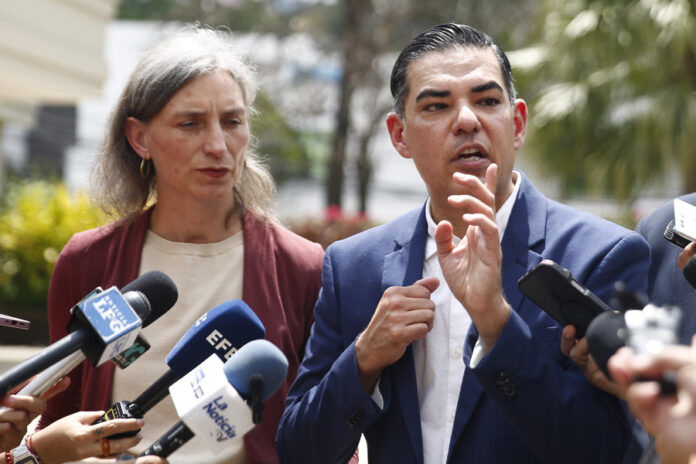
San Salvador.- Cuatro legisladores demócratas estadounidenses llegaron este lunes a El Salvador para abogar, así como lo hizo el senador Chris Van Hollen, por el salvadoreño Kilmar Ábrego García, que está detenido en una cárcel de El Salvador tras ser deportado desde Estados Unidos a pesar de tener un estatus legal en el país norteamericano.
Se trata de los representantes Robert García (demócrata de California), Maxwell Frost (demócrata de Florida), Yassamin Ansari (demócrata de Arizona) y Maxine Dexter (demócrata de Oregón).
Los legisladores brindarán una conferencia de prensa en un hotel de la capital San Salvador, según informó un contacto de prensa de Maxwell Frost.
La semana pasada, el senador demócrata Chris Van Hollen estuvo en el país centroamericano para solicitar la liberación de Ábrego, a quien logró ver luego que se le negara su entrada a la megacárcel Centro de Confinamiento del Terrorismo (Cecot) donde se sabía que estaba el salvadoreño.
Sin embargo, tras la conversación con Ábrego el senador Van Hollen señaló que el salvadoreño fue trasladado a otra cárcel en el departamento de Santa Ana, el oeste del país, pero sigue sin poder comunicarse con el exterior y está «traumatizado» tras su experiencia en la megacárcel, dijo.
El vicepresidente salvadoreño, Félix Ulloa, con quien Van Hollen también se reunió, le dijo al legislador que Ábrego estaba encarcelado porque el presidente estadounidense, Donald Trump, «está pagando» para mantenerlo detenido.
Ábrego García, quien residía en el estado de Maryland, huyó de El Salvador por las extorsiones y amenazas que él y su familia recibieron por parte de la pandilla Barrio 18, de acuerdo con documentos judiciales presentados por su defensa.
El salvadoreño Ábrego es uno de los más de 200 migrantes -en su mayoría venezolanos- expulsados de EE. UU. y enviados a la prisión de alta seguridad sin posibilidad de apelar sus casos ante una corte, en lo que grupos en defensa de los derechos humanos calificaron como «desaparición forzada».
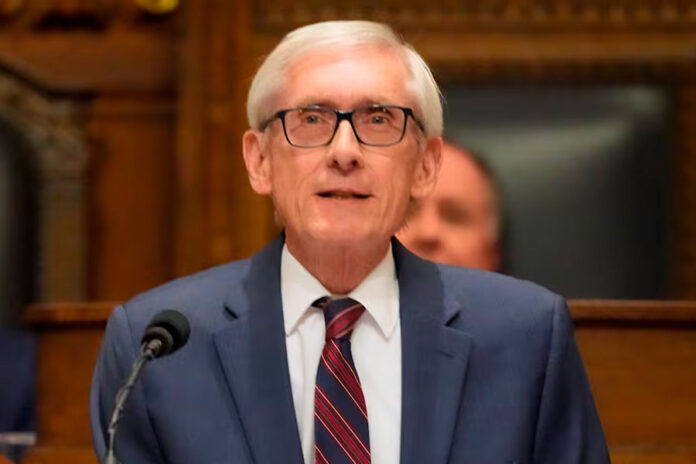
El gobernador de Wisconsin, Tony Evers, durante su informe anual el 22 de enero de 2025, en el Capitolio estatal, en Madison, Wisconsin. (Foto: AP/Morry Gash/Archivo)
Las recomendaciones que emitió la oficina del gobernador de Wisconsin, el demócrata Tony Evers, para que los empleados estatales sepan qué hacer si agentes de inmigración o miembros de otras agencias federales se presentan en su lugar de trabajo recibieron fuertes críticas el lunes por parte de los republicanos, quienes aseguraron que las directrices violan la ley y desafían al presidente Donald Trump.
El memorando que la oficina de Evers envió la tarde del viernes se produce en un momento en que el gobierno federal ha intensificado sus esfuerzos para deportar a personas que viven en el país sin autorización legal, lo que ha dado origen a una serie de demandas y oposición por parte de los demócratas.
A continuación, lo que hay que saber sobre lo que hizo Evers en Wisconsin.
El memorando detalla cómo responder a ICE
Anne Hanson, subsecretaria de Gobernación de Evers, indicó en el correo electrónico a los empleados estatales que se enviaron las directrices después de recibir preguntas sobre cómo responder si agentes del Servicio de Control de Inmigración y Aduanas de Estados Unidos (ICE por sus iniciales en inglés) o algún otro elemento de una agencia federal se presentan en su lugar de trabajo.
El memorando, el cual cuenta con cinco puntos, pide a los empleados del estado que conserven la calma e informen de inmediato a su supervisor. Después de pedir a los agentes que se identifiquen y presenten documentación para justificar su presencia, se recomienda que el trabajador se ponga en contacto con el departamento jurídico de su oficina.
El memorando recomienda que los empleados estatales no respondan a las preguntas de los agentes, no les den permiso para ingresar a zonas restringidas ni les den acceso a archivos en papel o digitales sin primero hablar con un abogado.
Todos los empleados estatales de Wisconsin tienen la responsabilidad de proteger datos e información confidenciales, asegura el memorando.
“Debido a esto, los empleados estatales no le pueden otorgar al ICE ni a ningún otro agente acceso a dichos datos o información sin la autorización de su asesor legal o una orden judicial válida”, concluye la recomendación.
Consejos estándar
Hanson afirma que las directrices se pusieron a disposición de forma similar a lo hecho por otras entidades públicas.
Las recomendaciones son similares a las que emitió el gobernador de Connecticut, también demócrata, en enero pasado. El documento también refleja lo que el Centro Nacional de Leyes de Inmigración y otros grupos de defensa han dicho que se debe hacer cuando agentes de inmigración se presentan en un lugar de trabajo.
Similar a las recomendaciones de Wisconsin, el National Immigration Law Center aconseja a los empleados ponerse en contacto con un abogado, no hablar con agentes federales y no permitirles ingresar a ninguna zona restringida del lugar de trabajo a menos que presenten una orden judicial.
Republicanos acusan al gobernador de desafiar la ley
Los republicanos intentaron usar el memorando contra Evers, quien aún no ha dicho si se postulará para un tercer mandato el próximo año en un estado sin clara preferencia política.
El representante federal Tom Tiffany, quien representa el norte de Wisconsin y sopesa la posibilidad de postularse para gobernador en 2026, dijo que las recomendaciones equivalen a “ordenar a los empleados estatales que le impidan al ICE hacer su trabajo”.
“Wisconsin merece algo mejor”, publicó Tiffany en la red social X. En su mensaje añadió a la secretaria de Justicia federal, Pam Bondi.
El presidente del Partido Republicano de Wisconsin, Brian Schimming, calificó las directrices como una orden para “impedir que se haga justicia”.
“Este flagrante desafío a la ley y el orden, en oposición directa al enfoque del gobierno de Trump en materia de seguridad pública, pone en riesgo a nuestras comunidades, familias y niños”, dijo Schimming en un comunicado.
Enfoques opuestos en cuestiones de inmigración
El memorando se produce en un momento en que los republicanos que controlan la Legislatura de Wisconsin y la minoría demócrata toman posturas opuestas en materia de inmigración.
La Asamblea de Wisconsin aprobó el mes pasado un proyecto de ley que requiere que la policía del condado colabore con las autoridades federales de inmigración. Evers ha dicho que probablemente vetará la medida.
Los demócratas presentaron una propuesta competidora que le impediría a los funcionarios locales y estatales cooperar con los esfuerzos federales de deportación a menos que cuenten con una orden judicial. Sin embargo, ese proyecto de ley no tiene futuro en la Legislatura, de mayoría republicana.
El presentador de radio conservador Dan O’Donnell fue el primero en dar a conocer las directrices de Evers mediante una publicación en sus redes sociales.