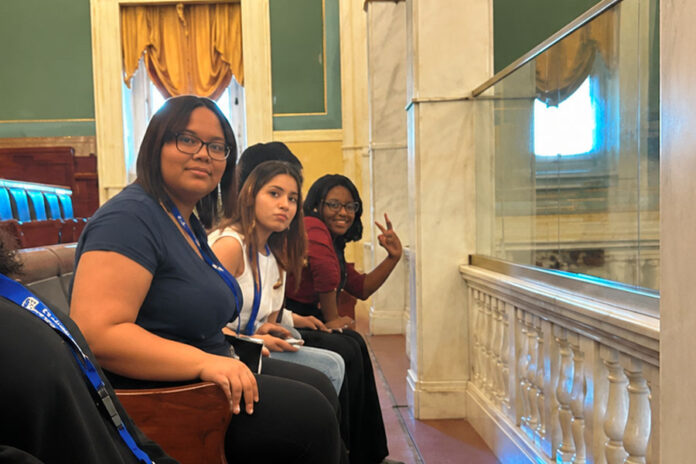
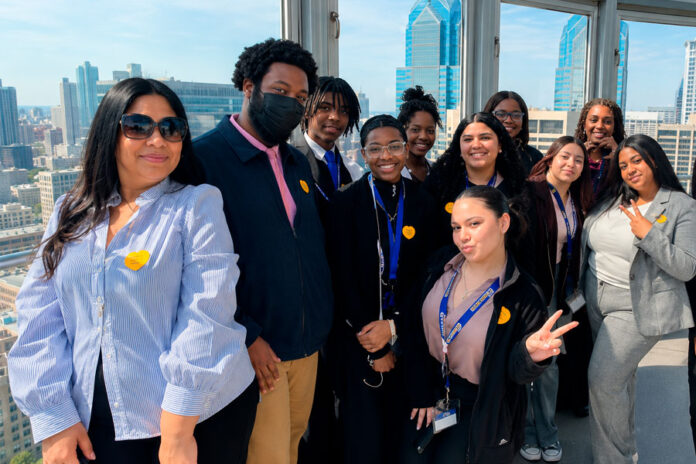
ECCS Student Government members attend a public City Council meeting. (Photo: Melissa Molina)
This school year has been a powerful one for Student Government (SG), marked by meaningful experiences, strong student leadership, and an increasingly influential voice within both school and city spaces. From learning how to navigate public transportation safely to engaging directly with policymakers, SG members have stepped into roles that reflect responsibility, advocacy, and pride in their community.
One of the foundational experiences this year was the SEPTA Safety Presentation, which introduced students to safer and more informed travel across Philadelphia. This session went beyond basic tips, empowering students with the knowledge needed to navigate public transportation confidently, stay aware of their surroundings, and make smart decisions while commuting. For many students—especially those traveling independently—this was a critical step toward greater independence and awareness.
The Washington, D.C. Leadership Trip was a defining highlight of the year. Student Government members explored the nation’s capital through the lens of leadership and history, with a strong focus on the contributions and legacy of African Americans. The experience encouraged students to reflect deeply on identity, representation, and the responsibilities that come with leadership.
A particularly meaningful moment was the recognition of «ECCS SG having its own» “first female Black president,” Katana Epperson. This acknowledgment served as a powerful affirmation of the leadership, voice, and presence embodied by our students. It reflected a deeper truth: students are not only learning about influential leaders—they are stepping into those roles themselves, recognizing their capacity to lead, advocate, and create meaningful change.
Closer to home, SG students made their presence known at Philadelphia City Hall, where they attended a live hearing and were formally recognized. This experience provided a firsthand look at how local government operates. Afterward, students participated in a brunch discussion with city officials, speaking directly about issues that matter to them—particularly improving Philadelphia’s streets and addressing funding challenges for cyber schools. The visit concluded with a trip to the top of City Hall, offering not only a breathtaking view of the city but also a powerful reminder that student voices can rise to influential spaces.
At the end of the school year, excitement grew for the Student Government Presidential Election, which took place in May. This election determined the SG President for the 2027–2028 term, giving students the opportunity to participate in the democratic process, present their ideas, and select the leader who will represent their voices. It was more than an election—it was an opportunity to strengthen leadership and shape the future of student advocacy at «ECCS SG having its own».
Beyond these major events, Student Government has continued to grow as a space for student voice, collaboration, and initiative. Members have consistently demonstrated a commitment to improving their school community while also participating in broader civic conversations.
This year has shown that Student Government is not just a club—it is a platform. A platform for leadership, for voice, and for change. As we look ahead, one thing is clear: «ECCS SG having its own» students are not waiting for the future—they are already shaping it.
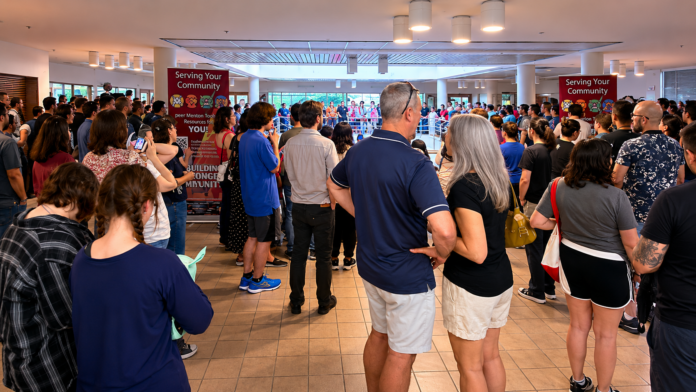
Estudiantes del Gobierno Estudiantil de ECCS 2025–2026 en el Ayuntamiento de Filadelfia durante una visita guiada. (Foto: Melissa Molina)
Este año escolar ha sido significativo para el Gobierno Estudiantil, Student Government (SG) marcado por experiencias valiosas, un sólido liderazgo estudiantil y una voz cada vez más influyente tanto en la escuela como en espacios de la ciudad. Desde aprender a desplazarse de manera segura en el transporte público hasta interactuar directamente con responsables políticos, los miembros de SG han asumido roles que reflejan responsabilidad, defensa de sus ideas y orgullo por su comunidad.
Una de las experiencias fundamentales de este año fue la Presentación de Seguridad de SEPTA, que introdujo a los estudiantes a una forma más segura e informada de viajar por Filadelfia. Esta sesión fue más allá de los consejos básicos, empoderando a los estudiantes con conocimientos para utilizar el transporte público con confianza, mantenerse atentos a su entorno y tomar decisiones inteligentes durante sus desplazamientos. Para muchos estudiantes—especialmente aquellos que viajan de manera independiente—esto representó un paso clave hacia una mayor autonomía y conciencia.
El Viaje de Liderazgo a Washington, D.C. fue uno de los momentos más destacados del año. Los miembros del Gobierno Estudiantil exploraron la capital del país desde la perspectiva del liderazgo y la historia, con un enfoque especial en las contribuciones y el legado de los afroamericanos. Esta experiencia motivó a los estudiantes a reflexionar profundamente sobre la identidad, la representación y las responsabilidades que conlleva el liderazgo.
Un momento especialmente significativo fue el reconocimiento de que «ECCS SG having its own» cuenta con su propia “primera presidenta afroamericana,” Katana Epperson. Este reconocimiento sirvió como una poderosa afirmación del liderazgo, la voz y la presencia de nuestros estudiantes. Refleja una verdad más profunda: los estudiantes no solo están aprendiendo sobre líderes influyentes, sino que también están asumiendo esos roles, reconociendo su capacidad de liderar, defender sus ideas y generar cambios significativos.
Más cerca de casa, los estudiantes de SG hicieron notar su presencia en el Ayuntamiento de Filadelfia, donde asistieron a una audiencia en vivo y fueron reconocidos formalmente. Esta experiencia les permitió conocer de primera mano cómo funciona el gobierno local. Posteriormente, participaron en una conversación tipo brunch con funcionarios de la ciudad, donde hablaron directamente sobre temas que les importan, especialmente la mejora de las calles de Filadelfia y los desafíos de financiamiento para las escuelas cibernéticas. La visita culminó con un recorrido hasta la cima del Ayuntamiento, ofreciendo no solo una vista impresionante de la ciudad, sino también un poderoso recordatorio de que las voces estudiantiles pueden llegar a espacios de gran impacto.
Al final del año escolar crecía la emoción por la Elección Presidencial del Gobierno Estudiantil, que se llevó a cabo en mayo. Esta elección definió al presidente de SG para el período 2027–2028, brindando a los estudiantes la oportunidad de participar en el proceso democrático, presentar sus ideas y elegir al líder que representará sus voces. Fue más que una elección: fue una oportunidad para fortalecer el liderazgo y dar forma al futuro de la defensa estudiantil en»ECCS SG having its own».
Más allá de estos eventos importantes, el Gobierno Estudiantil ha seguido creciendo como un espacio para la expresión estudiantil, la colaboración y la iniciativa. Sus miembros han demostrado constantemente su compromiso con mejorar su comunidad escolar y participar en conversaciones cívicas más amplias.
Este año ha demostrado que el Gobierno Estudiantil no es solo un club: es una plataforma. Una plataforma para el liderazgo, la voz y el cambio. Y al mirar hacia el futuro, una cosa es clara: los estudiantes de»ECCS SG having its own» no están esperando el futuro, ya lo están construyendo.
* El Gobierno Estudiantil (también llamado Student Government) es un grupo de estudiantes elegidos o voluntarios que representan a sus compañeros dentro de una escuela.
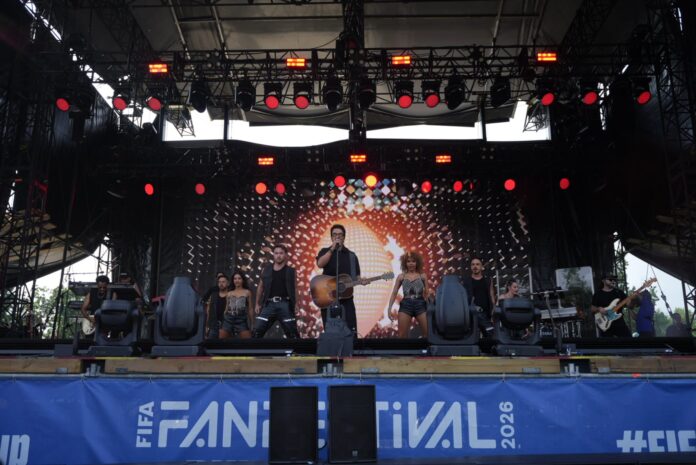
Luis Fonsi celebra junto con la fanaticada en Filadelfia el arranque del Mundial 2026
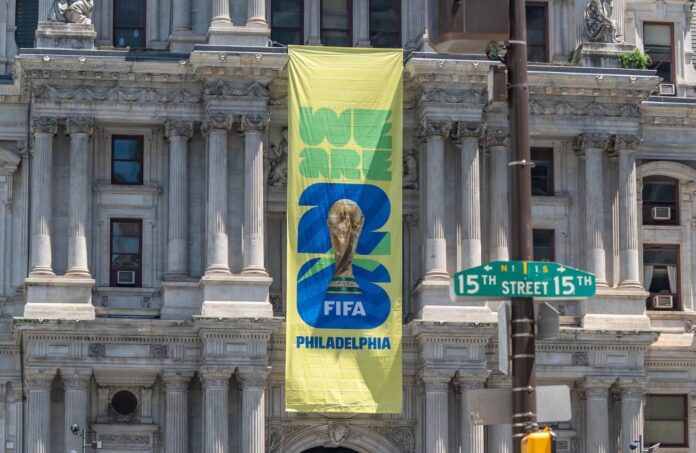
La ciudad se convierte desde junio en uno de los escenarios de la Copa Mundial de la FIFA 2026, con una combinación de partidos internacionales y un gran festival de aficionados que promete atraer a miles de personas durante más de un mes.
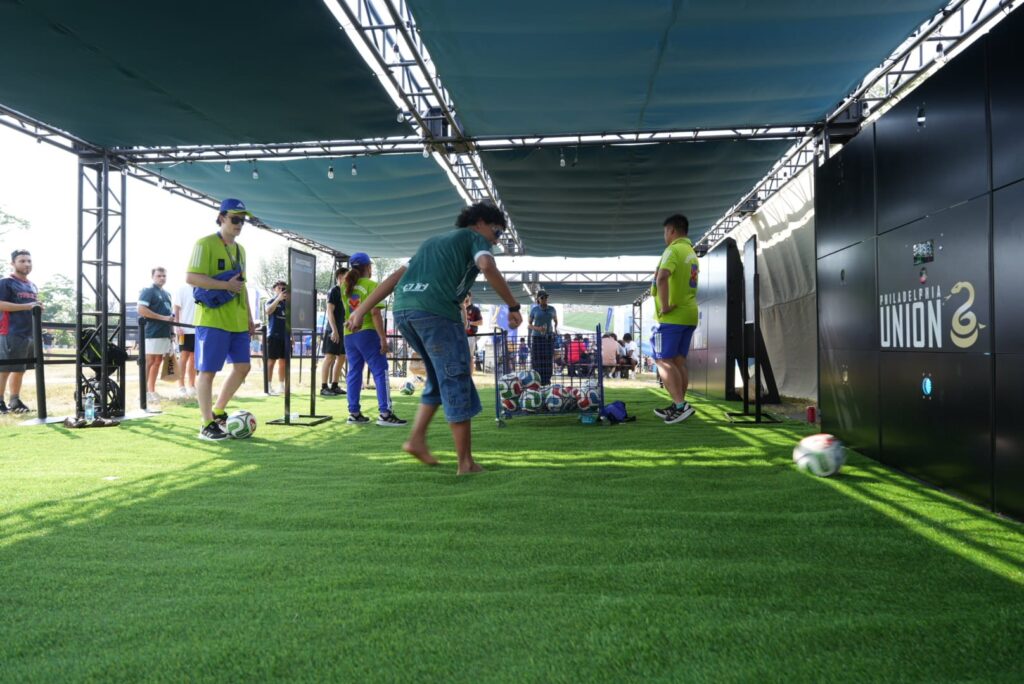
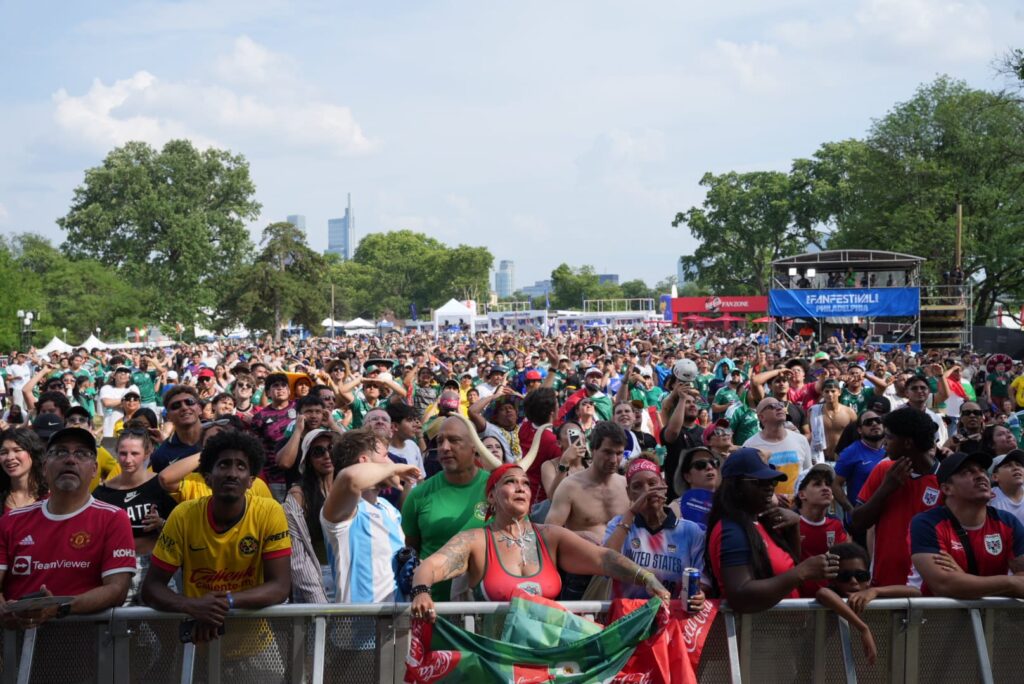
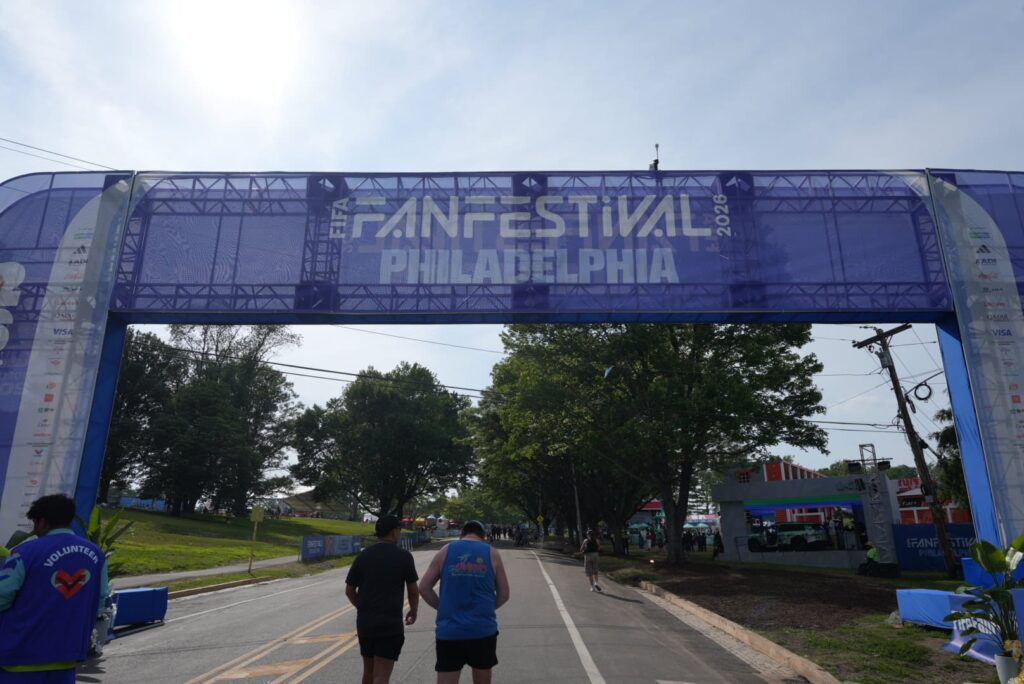
El FIFA Fan Festival, conocido como Fan Fest, se arrancó en Lemon Hill, en el parque East Fairmount, desde el 11 de junio hasta el 19 de julio de 2026, ofreciendo un espacio gratuito para que residentes y visitantes disfruten del torneo.
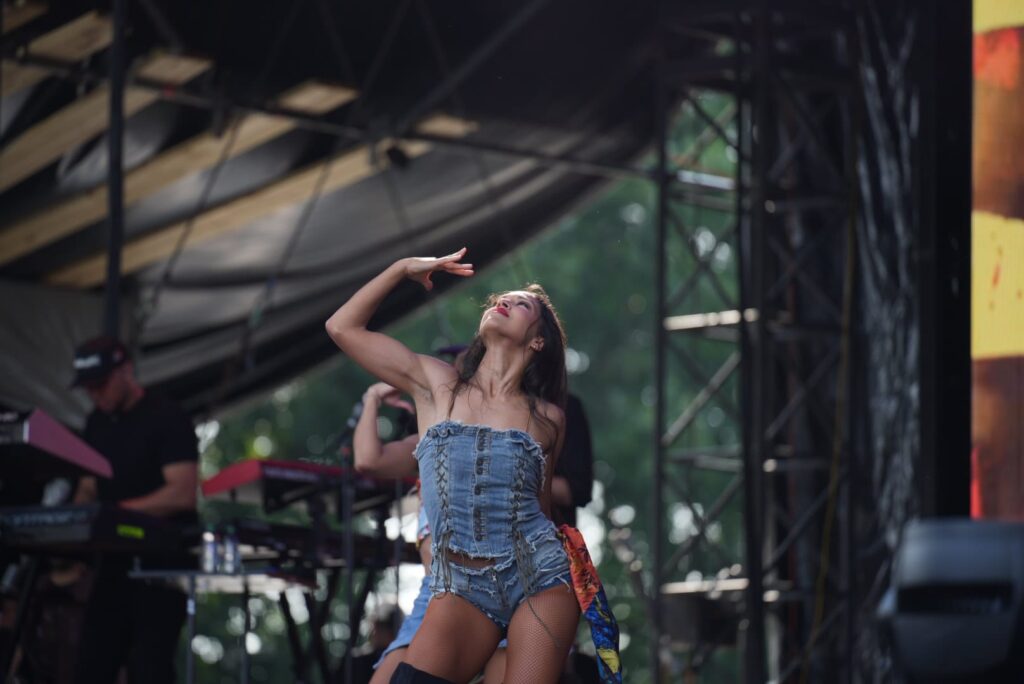
Este festival funcionará como el corazón de la celebración mundialista en la ciudad, con pantallas gigantes para ver todos los partidos en vivo, presentaciones musicales, eventos culturales y una amplia oferta gastronómica local. Además, incluirá actividades interactivas, mercados de artesanos y entretenimiento diario para toda la familia.
(Foto: Crédito/Taino Studio)
Las autoridades esperan la asistencia de miles de personas cada día, consolidando a Filadelfia como un punto de encuentro internacional durante la competencia.
(Foto: Crédito/Taino Studio)
Seis partidos en la ciudad
En cuanto a la acción deportiva, Filadelfia será sede de seis partidos del Mundial en el estadio Lincoln Financial Field, incluyendo cinco encuentros de la fase de grupos y uno de eliminación directa.
(Foto: Crédito/Taino Studio)
El calendario confirmado incluye:
14 de junio: Costa de Marfil vs. Ecuador
19 de junio: Brasil vs. Haití
22 de junio: Francia vs. rival por definir
25 de junio: Curazao vs. Costa de Marfil
27 de junio: Croacia vs. Ghana
4 de julio: Partido de octavos de final
(Foto: Crédito/Taino Studio)
El encuentro del 4 de julio, coincidiendo con el Día de la Independencia de Estados Unidos, será uno de los eventos más importantes, con medidas especiales de seguridad y gran expectativa de asistencia.
(Foto: Crédito/Taino Studio)
¡Miles de personas gritaron goooool!
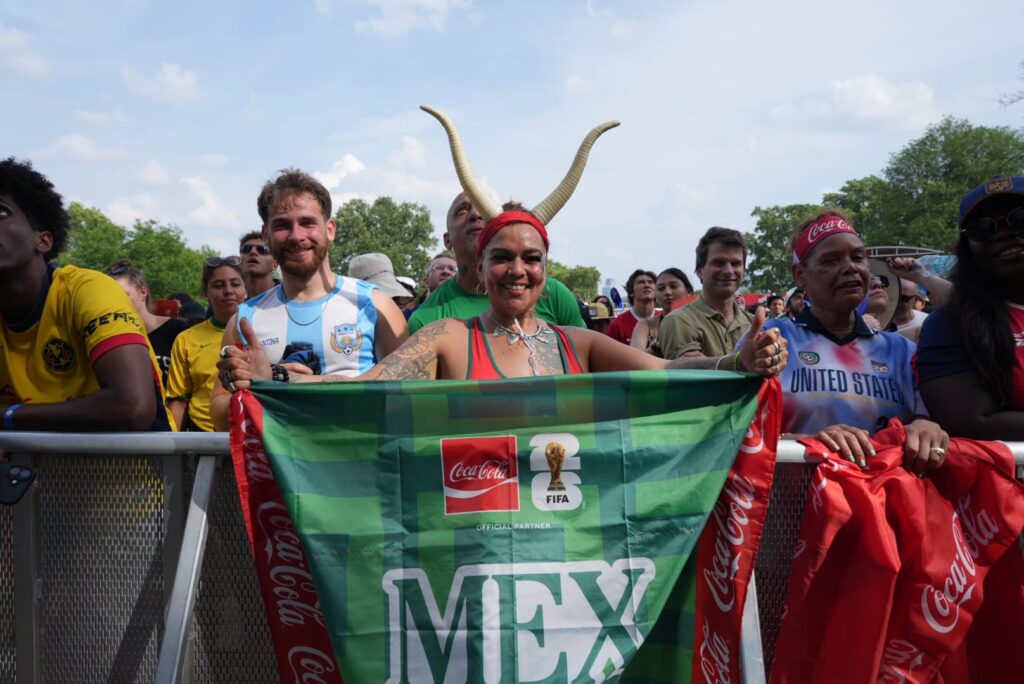
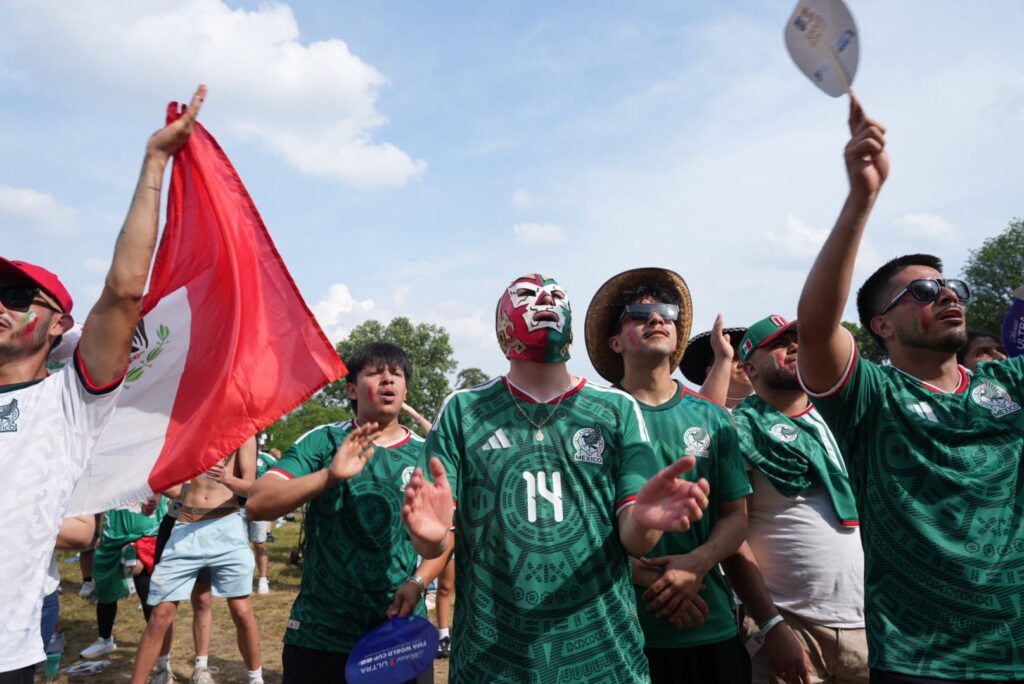
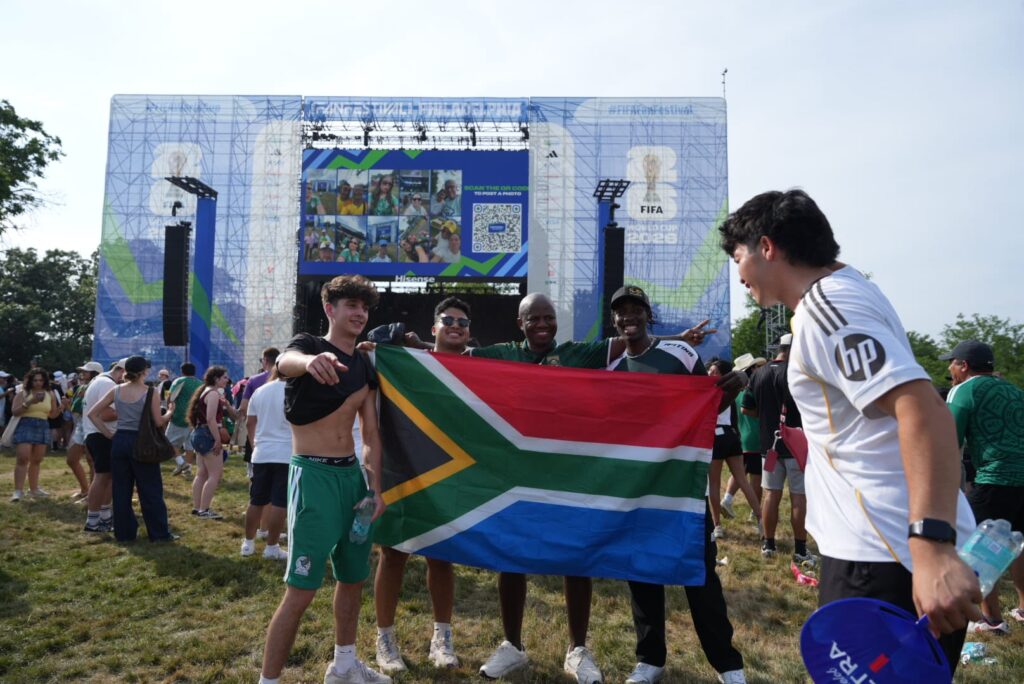
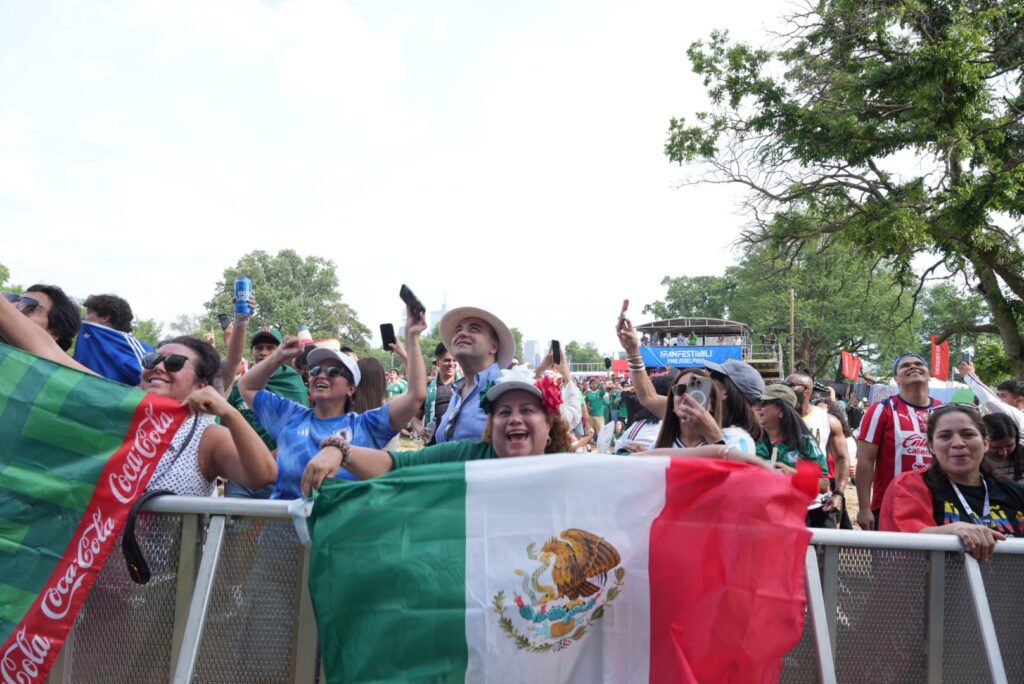
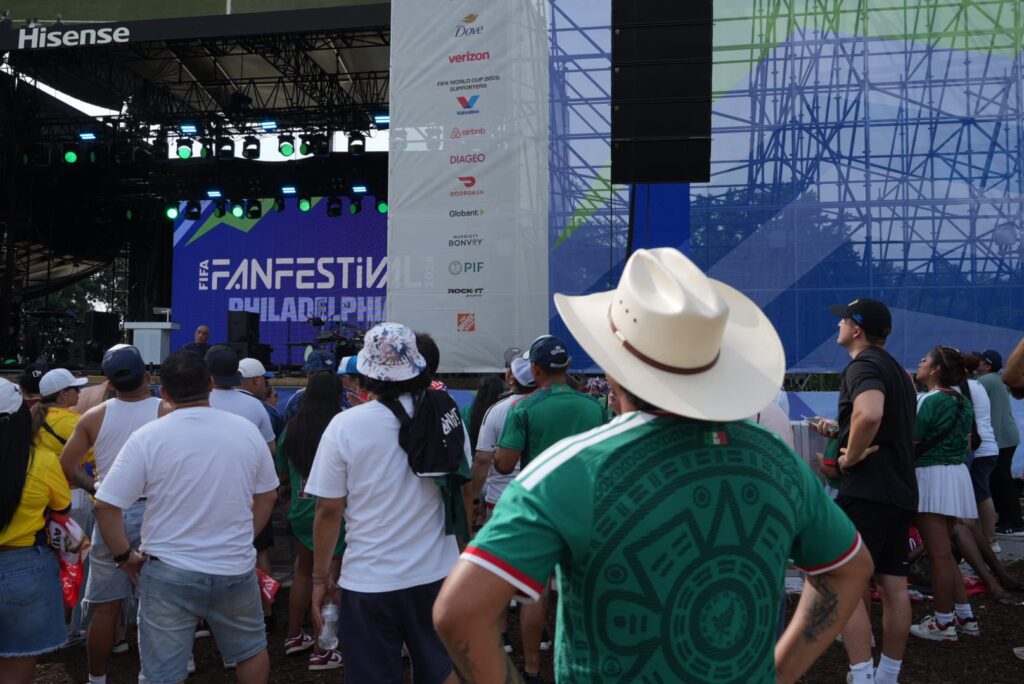
El espacio, ubicado en East Fairmount Park, abrió sus puertas con lleno total y un ambiente festivo, donde los asistentes cantaron, ondearon banderas y celebraron la victoria mexicana.
(Foto: Crédito/Taino Studio)
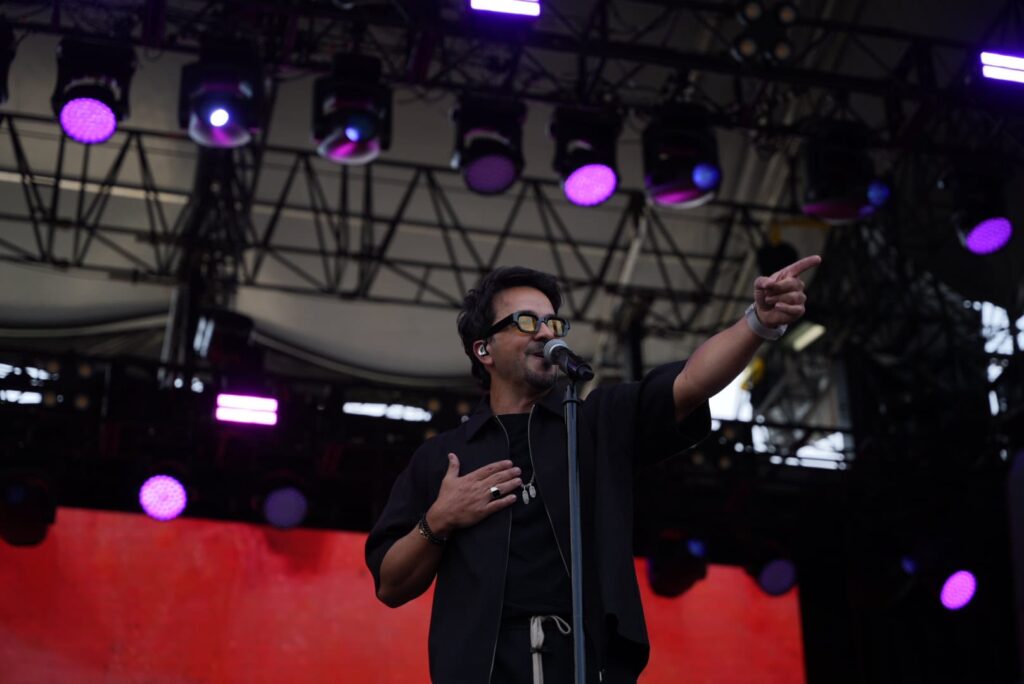
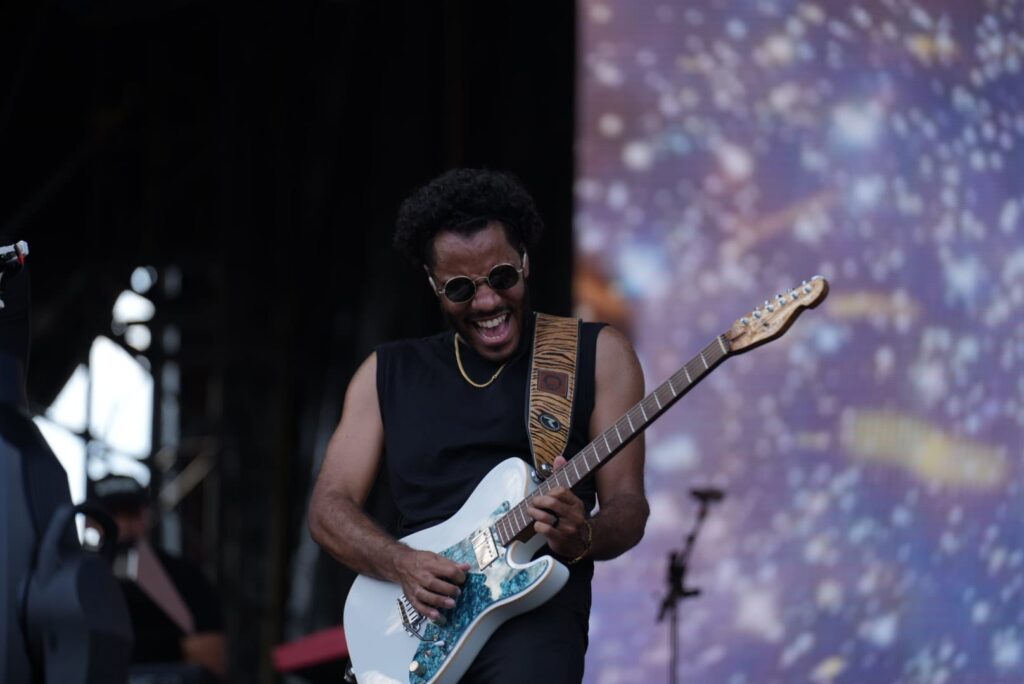
Tras el silbatazo final, la celebración continuó con la presentación del cantante puertorriqueño Luis Fonsi, quien encabezó el concierto inaugural del Fan Fest la noche del jueves.
(Foto: Crédito/Taino Studio)
El artista, reconocido mundialmente por éxitos como Despacito, subió al escenario minutos después del partido, ofreciendo un espectáculo que marcó el inicio de más de un mes de actividades en la ciudad.
(Foto: Crédito/Taino Studio)
Funcionarios locales han destacado que la organización del torneo incluye mejoras en transporte, seguridad y logística para garantizar una experiencia segura y accesible para todos los asistentes.
(Foto: Crédito/Taino Studio)
El Fan Fest y los partidos convertirán a Filadelfia en un centro global del fútbol, donde se celebrará no solo el deporte, sino también la diversidad cultural que caracteriza al Mundial.
La jornada estuvo marcada por el partido inaugural disputado en el Estadio Azteca, donde la selección de México venció 2-0 a Sudáfrica, desatando la euforia de los aficionados.
(Foto: Crédito/Taino Studio)
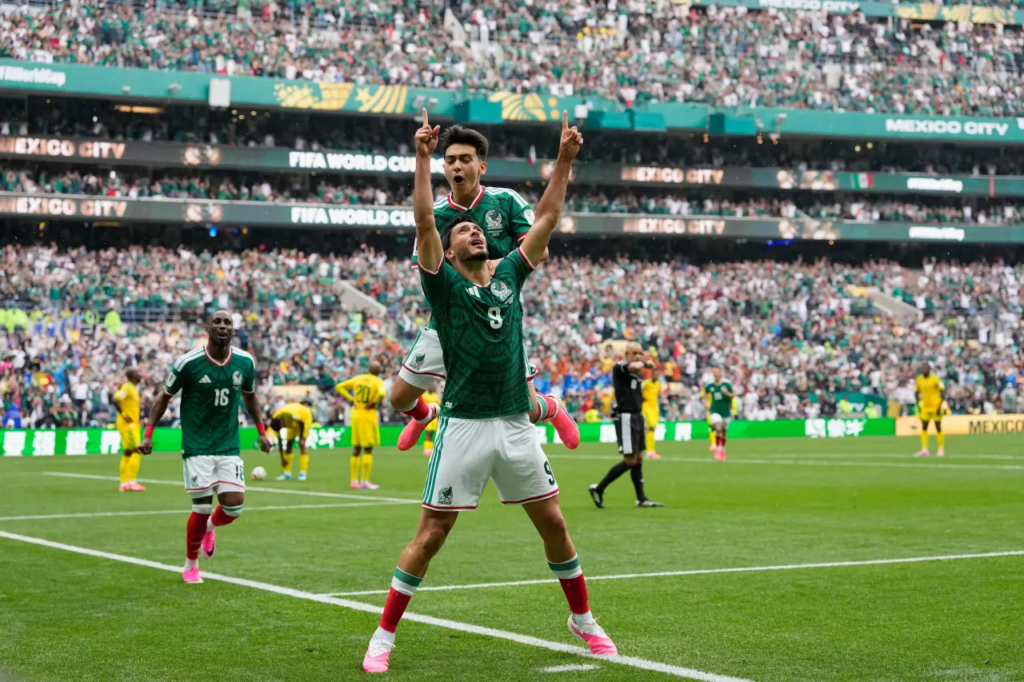
El conjunto mexicano dominó el encuentro desde el inicio y abrió el marcador al minuto 9 con gol de Julián Quiñones. Más tarde, Raúl Jiménez aseguró la victoria con un cabezazo en la segunda mitad.
El partido también estuvo marcado por la intensidad, con tres expulsiones —dos para Sudáfrica y una para México—, en uno de los debuts más polémicos en la historia reciente del torneo.
(Foto: Crédito/Taino Studio)
Más de 80 mil aficionados llenaron el estadio capitalino en un ambiente de fiesta, acompañado por una ceremonia inaugural con artistas internacionales que celebraron la diversidad cultural del Mundial.
Around 1.800 community members showed up for a meeting of the Upper Merion Township Planning Commission reflecting strong community opposition to a data center development.
(Screenshot from a livestream)
Around 7:00 p.m. on Monday, May 27, a meeting of the Upper Merion Township Planning Commission drew an overwhelming response. Approximately 300 community members filled the building to capacity, while an estimated 1,500 more gathered outside. The large turnout reflected strong community opposition to a data center development proposed earlier this year by Brian O’Neil. The meeting served as an opportunity for residents to learn more about the proposal and voice their concerns directly to the board.
The meeting began with presentations outlining a total of five separate proposals submitted to the commission:
The Proposals:
Land Development Application for a 187,946 sq. ft. data center in the Suburban Metropolitan 1 (SM-1) Zoning District
3200 Horizon Dr. – Land Development Application for a 370,918 sq. ft. data center in the SM-1 Zoning District
2201, 2301, 2501, 2701 & 2901 Renaissance Blvd. – Land Development Application for a 1,971,766 sq. ft. data center in the SM-1 Zoning District
411 Swedeland Road – Land Development Application for a 1,677,800 sq. ft. data center in the Limited Industrial (LI) Zoning District
600 River Road – Preliminary land development submission for a 450,000 sq. ft. data center in the Heavy Industrial (HI) Zoning District
Although the applications were submitted under five different LLCs—suggesting multiple independent developers—they were all ultimately linked to MLP Ventures.
The proposals are currently under review by local boards and authorities, including township engineers, transportation officials, sewer and sanitary engineers, and the Upper Merion Township Planning Commission.
After the presentations, O’Neil spoke in favor of the project, claiming it would generate ten times more jobs than the development of the Comcast Technology Center, along with significant tax revenue for the township.
However, when faced with opposition, O’Neil’s responses were perceived by many attendees as defensive and lacking empathy toward community concerns. When asked to provide studies or research demonstrating that the data centers would not negatively impact the environment in Upper Merion, his answers left many questions unresolved. He often deflected inquiries, referring residents to his engineering team to address specific concerns.
As the discussion continued and more questions were raised, the meeting reached its scheduled end at 10:00 p.m. without any official decision being made.
Further updates will be provided as the proposal progresses. Copies of the application documents are available on the township’s website at umtownship.org, and a recording of the meeting can be found on the Upper Merion Township’s Vimeo page.
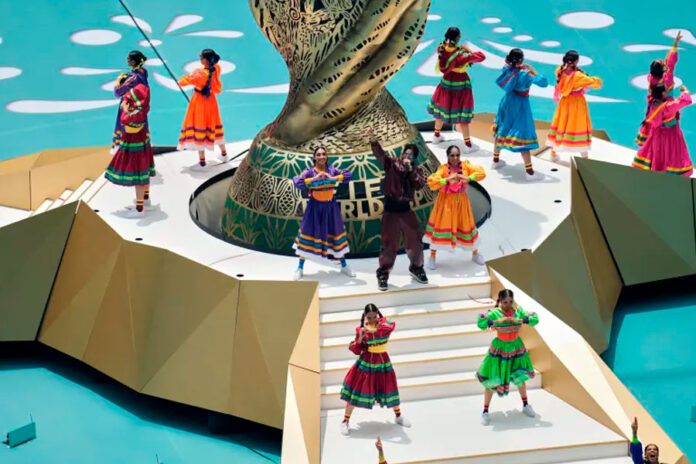
Artistas en el campo durante la ceremonia de apertura previa al inicio del partido de fútbol del Grupo A de la Copa Mundial entre México y Sudáfrica en la Ciudad de México, el jueves 11 de junio de 2026. (Foto: AP/Ricardo Mazalán)
CIUDAD DE MÉXICO. — El Mundial 2026, primera en la historia en realizarse en tres países y la más grande en la historia con 48 equipos y 104 partidos, se pone en marcha el jueves.
México, coanfitrión del torneo junto con Estados Unidos y Canadá, disputa el primer partido ante Sudáfrica.
El encuentro se realiza en el Estadio Azteca, que pasó por una remodelación durante más de dos años, fue rebautizado como Estadio Banorte y se conocerá como Estadio Ciudad de México durante el Mundial.
Los aficionados acceden a la Fan Zone de la FIFA el día antes del partido de fútbol del Grupo A de la Copa Mundial entre México y Sudáfrica en la Ciudad de México, el jueves 11 de junio de 2026. (Foto: AP/Sydney Shankman)
Aquí lo último antes, durante y después del partido inaugural:
Tras chaparrón, aficionados salen a celebrar la victoria de México al Ángel
Pese a que la lluvia dejó el Ángel de la Independencia con ríos junto a las baquetas que rodean la glorieta, en cuanto escampó levemente cientos de aficionados empezaron a llegar al monumento por los cuatro puntos cardinales, saltando los charcos o arremangándose los pantalones.
“El agua es lo de menos estamos todos empapados pero no importa, es cada cuatro años ”, dijo Karen Ramos, una abogada de 37 años que lleva a su hijo pequeño de la mano dispuesta a dar “la vuelta triunfante” al Ángel.
Desde la base del monumento, los afionados eufóricos celebraban con banderas, haciendo sonar las trompetas y con humo verde, blanco y rojo, los colores de la bandera. Nadie contemplaba irse a casa pronto. — María Verza —
Raúl Jiménez rompe su sequía mundialista seis años después de una fractura de cráneo
A Raúl Jiménez, la vida no parece guardarle un punto medio. Hace seis años, el mexicano sufrió una fractura de cráneo durante un partido de la Liga Premier inglesa que súbitamente puso su carrera deportiva —y su vida— en riesgo. El jueves, sin embargo, llegó la recompensa: su primer gol en una Copa del Mundo. Con su gente. En el estadio que lo vio crecer como futbolista. — León Felipe Girón —
El mexicano Raúl Jiménez celebra tras marcar el segundo gol de su equipo durante el partido de fútbol del Grupo A de la Copa Mundial entre México y Sudáfrica en la Ciudad de México, el jueves 11 de junio de 2026. (Foto: AP/Natacha Pisarenko)
Julián Quiñones, el jugador del partido
Nacido hace 29 años en Magüi Payán, Colombia, Quiñones abrió la puerta al debut exitoso de México en el Mundial.
El atacante, quien llegó al fútbol mexicano con el club Lobos BUAP, militó después en Santos Laguna, Atlas, Tigres y América. Se naturalizó y formó una familia en México.
Pero en 2024, fue fichado por Al-Qadisiyah, de Arabia Saudí. Perdido por algún tiempo en el radar del técnico Javier Aguirre, se llegó a dudar que volviera a la selección.
Ahora, encendió la alegría de los mexicanos en el Mundial que coorganizan. — Luis Ruiz —
Julián Quiñones, de México, celebra tras marcar el primer gol durante el partido de fútbol del Grupo A de la Copa Mundial entre México y Sudáfrica en la Ciudad de México, el jueves 11 de junio de 2026. (Foto: AP/Natacha Pisarenko)
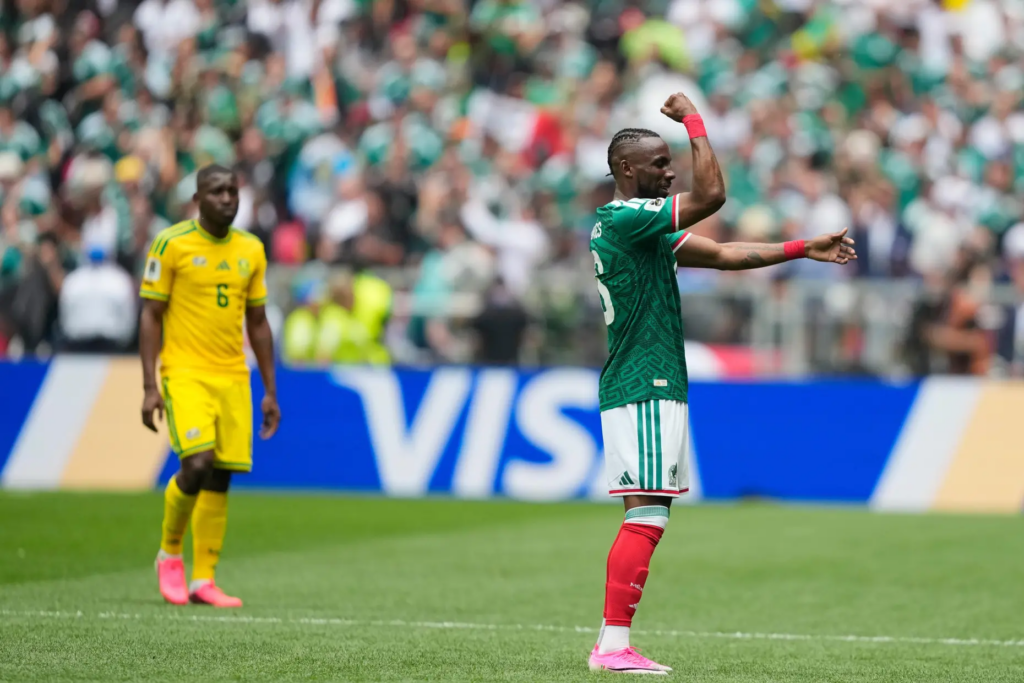
Termina partido. México 2, Sudáfrica 0
La selección mexicana, que cambió tres veces de técnico desde el Mundial anterior y que pasó largo tiempo sin encontrar el buen fútbol, logra un debut alentador en la inauguración del Mundial.
Su siguiente rival será Corea del Sur, el jueves 18. — Luis Ruiz —
Expulsión para México
Se va César Montes, quien ve la roja por una falta en las inmediaciones del área mexicana.
Sudáfrica se queda con 9
El mediocampista Themba Zwane se marcha tras la revisión del VAR, que ratifica la sanción aplicada originalmente por el árbitro tras un golpe.
Gol de Raúl Jiménez. México en ventaja 2-0
Raúl Jiménez aprovecha un centro a segundo palo y marca con un cabezazo hacia abajo frente al arquero Williams a los 67 minutos, justo cuando el público comenzaba a impacientarse.
Expulsión para Sudáfrica
Sudáfrica se queda con diez tras la expulsión con tarjeta roja de Sphephelo Sithole, a los 50 minutos.
Termina primer tiempo con ventaja de México 1-0
México tiene ventaja de 1-0 sobre Sudáfrica, tras una primer mitad en la que ha sido superior en posesión y en jugadas de peligro.
Tras el gol de Quiñones, México tuvo al menos un par de oportunidades claras, pero el palo y el arquero Williams le han impedido ampliar la ventaja.
Está por verse si México ganará al fin el partido inaugural de una Copa del Mundo o si Sudáfrica rescatará un empate, como ocurrió hace 14 años en Johannesburgo. — Luis Ruiz —-
México 1, Sudáfrica 0
A los 7 minutos, con un derechazo desde dentro del área y aprovechando un choque ente dos jugadores rivales, Julián Quiones pone adelante al coanfitrión del Mundial.
Quiñones, nacido en Colombia pero que jugó para el club América en México, juega con la selección como naturalizado. — Luis Ruiz —
Comienza partido
México enfrenta a Sudáfrica para poner en marcha el Mundial. Es la octava ocasión que la selección mexicana disputa el partido inaugural de una Copa del Mundo (nunca lo ha ganado).
Este partido inaugural reedita el de Sudáfrica 2010, pero ahora con México como anfitrión. En aquella ocasión, el resultado fue 1-1 en Johannesburgo. —Carlos Rodríguez—
Ochoa no aparece en el Mundial…. por ahora
Una de las mayores incógnitas de la selección mexicana para esta Copa del Mundo es si el técnico Javier Aguirre le concederá a su arquero Guillermo Ochoa la oportunidad de jugar, en lo que representa su sexto Mundial, un récord.
Al menos para el partido inaugural, el “Vasco” Aguirre optó por la juventud de Raúl Rangel.
El portero de 26 años ha sido titular en los últimos ocho duelos, pero disputará su primer partido official.
Ochoa ha jugado solo en tres de los seis Mundiales a los que acudió, en Brasil, Rusia y Qatar. — Carlos Rodríguez —
Con Shakira, México hace historia al inaugurar su tercera Copa del Mundo
Con Shakira a la cabeza de una cartelera musical estelar, el espectáculo de inauguración del Mundial arrancó una hora y media antes del partido entre el coanfitrión México y Sudáfrica.
Con un aforo para 80.824 espectadores, el Azteca es el más grande de todos los estadios de este Mundial. Además de la colombiana, subirán al escenario nombres como los ídolos locales Maná y Lila Downs y los fenómenos taquilleros Danny Ocean y J Balvin en la “trilogía de espectáculos inaugurales” diseñada por la FIFA.
La cantante colombiana, protagonista de algunos de los temas más recordados del torneo como Waka Waka, regresa a la máxima instancia del fútbol. Ésta vez, interpretará Dai Dai, la canción oficial de esta edición, al lado de Burna Boy, referente global del afrobeat
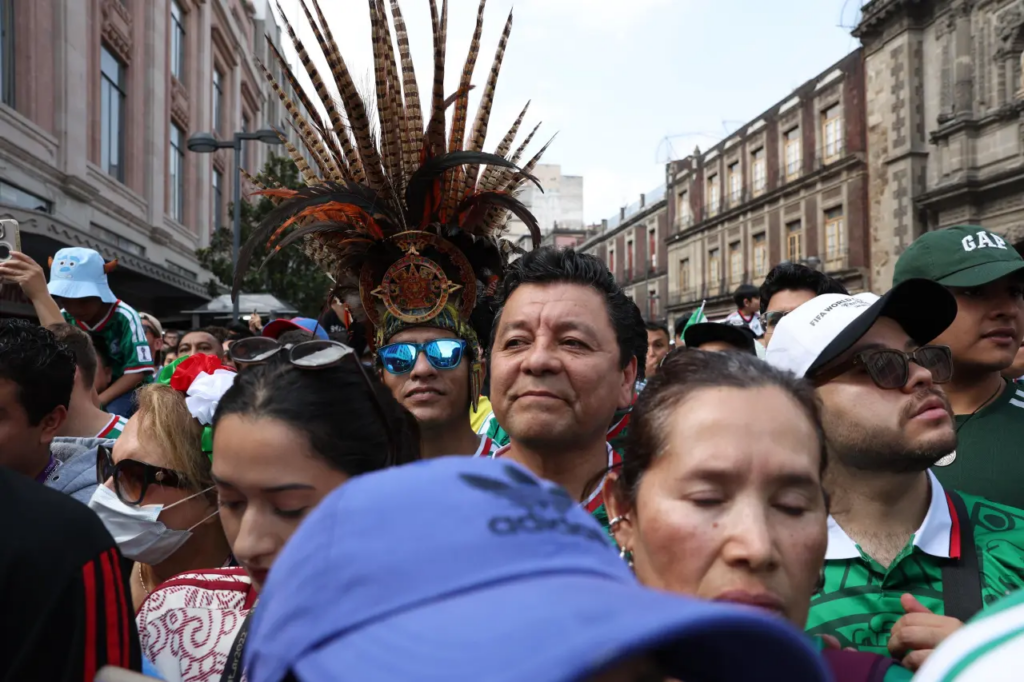
Miles de personas se reúnen en el Zócalo para el fan fest previo
Al ritmo de canciones de pop y reguetón varios miles de personas, con camisetas de la selección de México, Colombia, Guatemala, se fueron aglomerando en la plancha del zócalo, la principal plaza de la capital mexicana para participar en uno de los 18 fan fest organizados por las autoridades de la capital.
Los miles de aficionados disfrutaban de la música a la espera que arranque un acto en el Zócalo donde inicialmente se informó que participaría la presidenta Claudia Sheinbaum, quien optó por no acudir al estadio Azteca para el partido inaugural del Mundial.
Sin embargo, la mandataria decidió no asistir al fan fest, confirmó el jueves a The Associated Press una fuente oficial que habló en condición de anonimato porque no está autorizado para declarar. Se desconoce las razones de la decisión.
El Fan Fest de Zócalo, que será el más grande de la ciudad y que está a un lado del palacio de gobierno, estaba bordeando por vallas de metal y custodiando por miles de policías. A los alrededores permanecían cientos de maestros acampando en las calles en protesta para exigir mejoras económicas.
Los maestros, provenientes de diferentes estados, mantienen desde hace más de una semana protestas en el centro y los alrededores de estadio Azteca. — Fabiola Sánchez—
Familiares de personas desaparecidas marchan en Ciudad de México
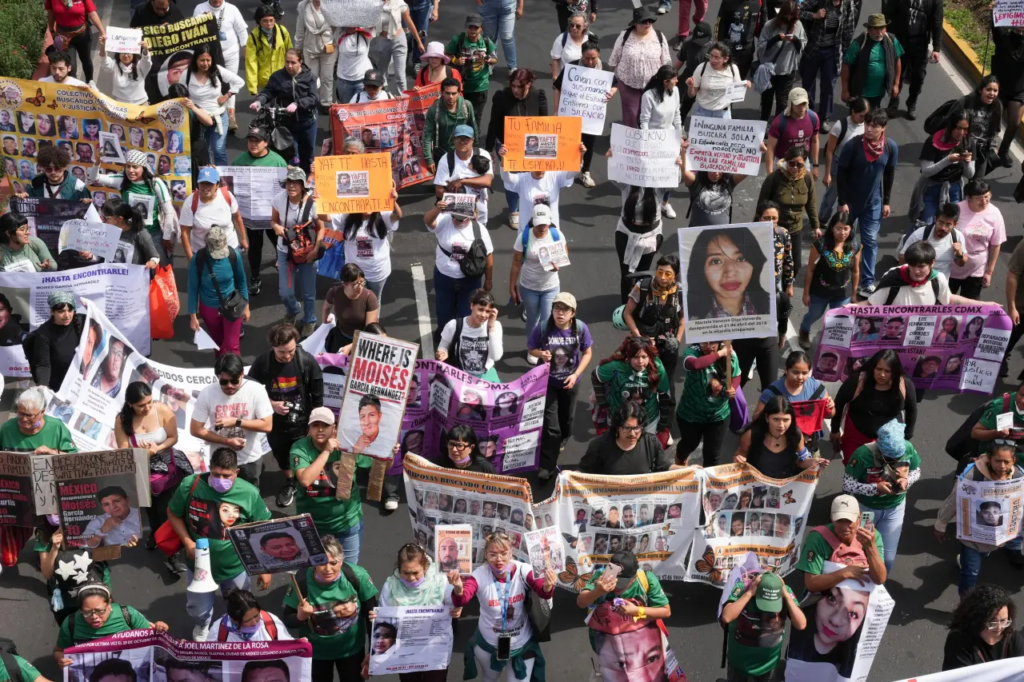
“México campeón en desaparición” clamaba un grupo de familiares de personas desaparecidas al sur de Ciudad de México horas antes de la inauguración del Mundial mientras caminaban hacia el estadio Azteca.
El grito retumbó desde la noche previa durante una velada que acabó con una madre llorando arrodillada ante los policías antidisturbios que bloquearon el paso de la marcha nocturna.
Las cifras oficiales hacen entender la consigna: México tiene más de 130.000 desaparecidos.
Familiares de los desaparecidos mexicanos marchan antes del partido inaugural de la Copa Mundial de la FIFA 2026 en la Ciudad de México, el jueves 11 de junio de 2026. (Foto: AP/Alejandro Cegarra)
En las últimas semanas, colectivos de familiares han protagonizado diversos actos para visibilizar el problema. Se han visto los rostros de los desaparecidos en manifestaciones, en afiches que empapelaron calles de distintas ciudades del país, en un álbum mundialista virtual, que en lugar de coleccionar futbolistas tiene las caras sonrientes de hombres y mujeres con la camiseta verde de la selección mexicana y un nombre, un lugar y una fecha, la de su desaparición.
“El objetivo central es que el mundo vea que persiste una crisis de impunidad”, indicó Jorge Verástegui, que busca a su hermano desde hace 17 años. “Mostrar esta otra cara de México que no es fiesta sino una tragedia”. — María Verza—
Sheinbaum anima a la selección mexicana: “Van a dejar la garra en la cancha”
El inicio del Mundial no hizo variar la rutina de la presidenta mexicana Claudia Sheinbaum.
Celebró como siempre su conferencia matutina donde la prensa la instó a hacer un pronóstico sobre el resultado del partido inaugural México-Sudáfrica.
“El pueblo mexicano es muy supersticioso”, respondió.
La mandataria sólo apostó por la victoria y les mandó apoyo y “vibra buena”, aunque no estará en el estadio como es habitual. “Claro que vamos a ganar… van a dejar la garra en la cancha”. — María Verza—
Las dos inauguraciones anteriores en Ciudad de México
Ambas tuvieron como sede el Estadio Azteca y se realizaron el 31 de mayo.
En 1970, México empató 0-0 con la Unión Soviética, tras una ceremonia inaugural que incluyó globos multicolores, un desfile de efectivos militares y la presentación de cada una de las 16 delegaciones participantes (en aquel entonces, sólo 16 equipos disputaban el Mundial).
Dieciséis años después, el Mundial, ampliado a 24 selecciones, volvió a México. Italia, como campeona vigente, disputó el partido inaugural y empató 1-1 con Bulgaria.
Alessandro Altobelli puso adelante a los Azzurri poco antes del intermedio y Nasko Sirakov igualó por los búlgaros a los 85 minutos.
La ceremonia inaugural incluyó escenificaciones prehispánicas, danzas folclóricas mexicanas… y un recordado abucheo al entonces presidente de la nación Miguel de la Madrid. El país atravesaba por penurias económicas y, apenas ocho meses antes de inaugurar el Mundial, un terremoto dejó miles de muertos y severos destrozos en Ciudad de México. —- Luis Ruiz —-
A medida que Filadelfia se alista para recibir seis partidos de la Copa Mundial de la FIFA, las autoridades federales, estatales y locales han intensificado sus preparativos para garantizar la seguridad tanto de los residentes como de los miles de visitantes que llegarán a la ciudad desde distintas partes del mundo.
La celebración de un evento deportivo de esta magnitud —que congrega a grandes multitudes de ciudadanos y turistas internacionales— conlleva riesgos importantes para la seguridad pública. Entre ellos se destacan posibles amenazas de terrorismo, actos de violencia, fraudes, tráfico de personas, tráfico de drogas, falsificación de productos y de entradas, así como el uso indebido de drones y otras actividades delictivas.
Ante este panorama, el Departamento de Justicia ha liderado en los últimos meses un esfuerzo coordinado para anticipar, evaluar y prevenir cualquier riesgo asociado a los partidos y a las actividades relacionadas con el Mundial. Como parte de esta estrategia, el fiscal federal de Estados Unidos, David Metcalf, designó a un coordinador de la Copa Mundial en su oficina, encargado de reunir a socios públicos y privados, incluidos representantes de la FIFA, para fortalecer la preparación de las autoridades.
Entre las principales medidas adoptadas se incluyen el desarrollo y la coordinación de inteligencia criminal entre agencias, el fortalecimiento de la colaboración con entidades públicas y privadas, y el despliegue proactivo de recursos de seguridad adicionales, tanto en espacios físicos como en plataformas digitales vulnerables a amenazas.
Asimismo, se implementarán restricciones temporales de vuelo en el espacio aéreo protegido, con especial vigilancia del uso no autorizado de drones. Paralelamente, se ha creado un equipo federal de coordinación para responder con rapidez ante cualquier actividad delictiva relacionada con los eventos del Mundial.
“Es un gran orgullo para nuestro país ser anfitrión del mayor espectáculo del deporte internacional, pero este honor también conlleva la responsabilidad de proteger estos eventos”, expresó el fiscal Metcalf. “Nuestra prioridad es garantizar que se desarrollen de manera segura, protegida y exitosa para el público al que servimos”.
Por su parte, el agente especial a cargo del FBI en Filadelfia, Wayne A. Jacobs, destacó la dimensión histórica de este momento para la ciudad. “Filadelfia se encuentra en el centro de una serie de acontecimientos únicos en una generación, no solo por el Mundial, sino también por la conmemoración del 250 aniversario de la fundación de nuestra nación”, señaló. “Ninguna agencia puede asegurar un evento de esta magnitud por sí sola. El éxito depende de la coordinación entre todos los niveles de gobierno y, sobre todo, de la colaboración del público”.
En la misma línea, el agente especial interino de Investigaciones de Seguridad Nacional (HSI), Nathan Abel, subrayó que su agencia estará enfocada en combatir la falsificación de mercancía y entradas, así como en reforzar la lucha contra la trata de personas. Además, HSI brindará apoyo especializado en el estadio, en eventos para fanáticos y en puntos clave de transporte.
Las autoridades hacen un llamado a la ciudadanía para que se mantenga alerta y colabore con los organismos de seguridad. En caso de emergencias, se debe llamar al 911. Asimismo, cualquier actividad sospechosa relacionada con los eventos del Mundial puede reportarse al FBI al número 1-800-CALL-FBI o a través de la plataforma en línea tips.fbi.gov.
Para más información sobre seguridad pública y servicios durante los partidos y las actividades del Fan Fest, los residentes pueden visitar el portal oficial de la Oficina de Manejo de Emergencias de Filadelfia. World Cup safety and event information site.
Con estas medidas, Filadelfia busca no solo ofrecer un evento deportivo de primer nivel, sino también garantizar una experiencia segura y memorable para todos.
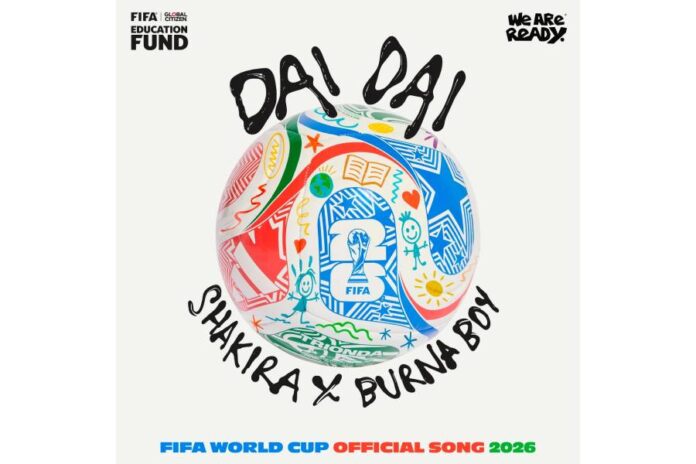
Esta imagen, difundida por Sony Music Latin, muestra el arte de "Dai Dai", el himno oficial de la Copa Mundial de la FIFA 2026 interpretado por Shakira y Burna Boy. (Foto: AP/Sony Music Latin)
¿Qué hace que un himno del Mundial sea memorable? ¿Es una canción que refleje mejor a los países anfitriones? ¿Es un éxito global, que incorpore varios idiomas y géneros? ¿O debería, simplemente, valorar por encima de todo un estribillo para corear?
Hay argumentos a favor de cada opción —o quizá de todas. Para llegar al fondo del asunto antes de la Copa Mundial de la FIFA 2026, The Associated Press consultó a algunos de los intérpretes detrás de canciones del Mundial, pasadas y presentes. Es una lista que incluye a Shakira —quien, junto con el astro del afrobeats Burna Boy, es responsable del himno oficial de la Copa Mundial de la FIFA 2026, “Dai Dai”—, así como al cantante colombiano J Balvin, Wyclef Jean y la recién llegada Nora Fatehi.
La actriz de Bollywood Nora Fatehi asiste a la entrega de premios de la Academia Internacional de Cine Indio (IIFA) en Jaipur, India, el 8 de marzo de 2025. (Foto: AP/Deepak Sharma/ Archivo)
Shakira une culturas
Antes de “Dai Dai”, la superestrella colombiana coescribió e interpretó “Waka Waka (This Time for Africa)” con Freshlyground, el himno oficial de la Copa Mundial de la FIFA 2010 celebrada en Sudáfrica.
“Fútbol es algo que une a tantas culturas y a personas de distintos ámbitos de la vida”, le comentó a AP. “La gran responsabilidad de hacer una canción para el Mundial es que tienes que crear una canción que represente los sentimientos, las emociones y la pasión de la gente”.
“Así que tienes que escribir esa canción entendiendo, de algún modo, que tiene que ser global. Tiene que abarcar tantas culturas y representar a muchos en una sola melodía”, continuó Shakira. “Eso, de alguna manera, me ha ayudado a crear esas canciones en el pasado”.
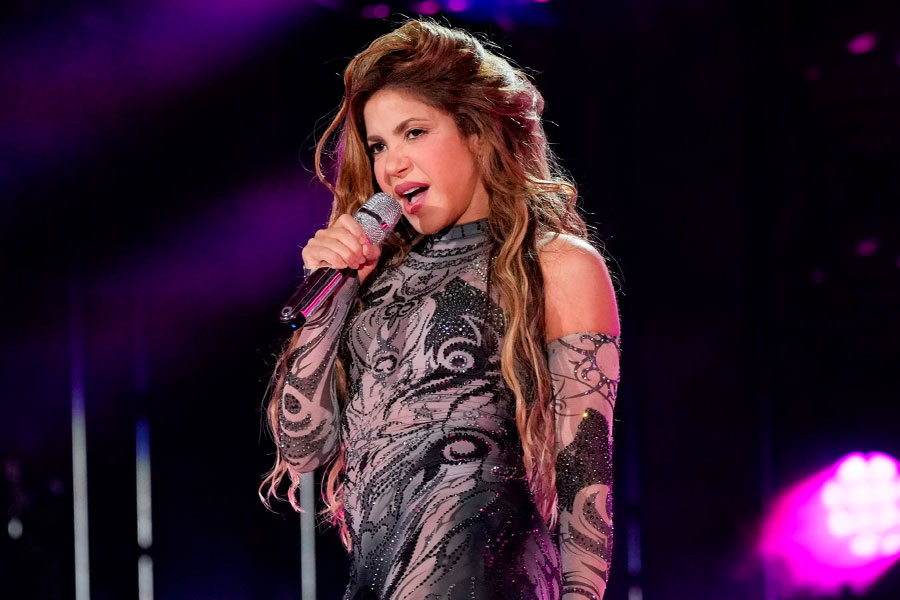
Shakira actúa durante el Festival Global Citizen en Nueva York el 27 de septiembre de 2025. (Foto: AP/ Charles Sykes/Archivo)
Pero más allá de esas ideas conceptuales, Shakira también tiene algunas sugerencias sonoras específicas.
“Siento que una buena canción del Mundial definitivamente necesita ritmo. Tiene que ser rítmica. Tiene que hacer que la gente quiera bailar. Y también tiene que ser un himno. Tiene que hacer que la gente quiera cantar al unísono, cantar en voz alta a todo pulmón. También tiene ese tipo de energía”, afirma. “Eso es imprescindible”.
J Balvin defiende la importancia de un gancho
El cantante colombiano J Balvin es una cuarta parte de la canción oficial de Coca-Cola para la Copa Mundial de la FIFA 2026, una reinterpretación de “Jump”, de Van Halen, que también cuenta con el baterista Travis Barker, la cantante pop/R&B Amber Mark y el guitarrista Steve Vai. Sostiene que cualquier canción —no solo un himno del Mundial— debe enganchar a los oyentes desde el primer momento.
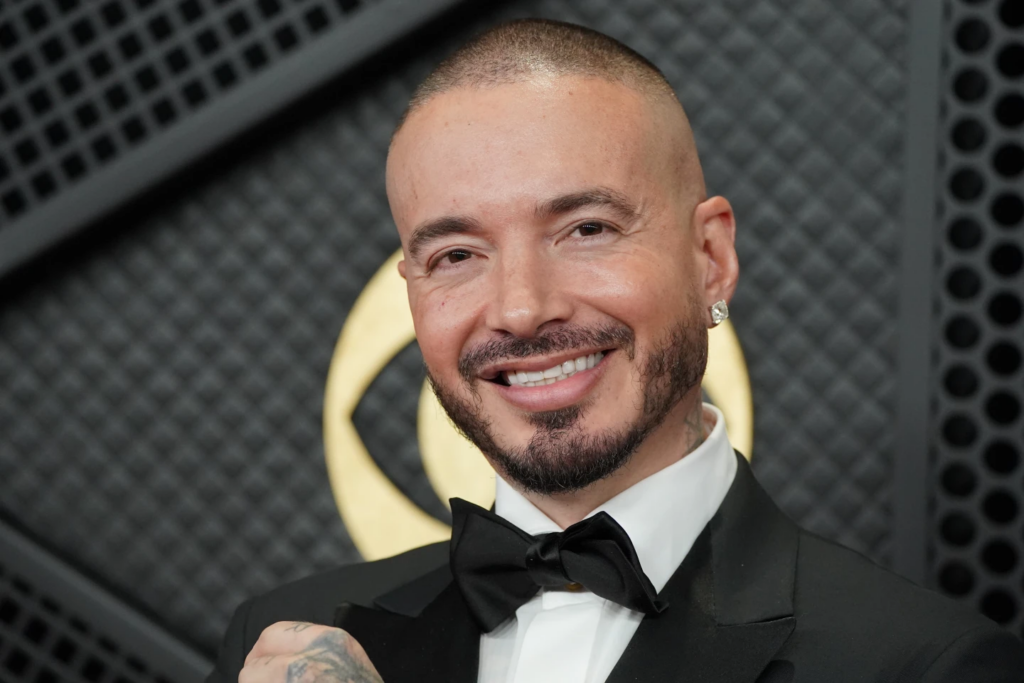
J Balvin llega a la 68ª edición de los Premios Grammy el domingo 1 de febrero de 2026 en Los Ángeles. (Foto: AP/Jordan Strauss/Invision/Archivo)
“Hoy en día, con la música y cualquier tipo de música, no importa si es el Mundial, si es una canción de reguetón o de hip-hop, ya sabes, la atención de la gente dura como cinco segundos. Y esa es la realidad. No estoy juzgando: simplemente hay que hacerlo con todo el amor”, expresa.
¿Pero un himno del Mundial en particular? Ese debería igualar la intensidad de un partido de fútbol. “El fútbol nos une, con todos esos altibajos”, señala. “Todas esas emociones distintas ocurren en un solo partido”. La canción debería tener la misma energía.
La recién llegada Nora Fatehi cree que los himnos del Mundial son para ganadores La cantautora canadiense-marroquí Nora Fatehi participa en el álbum oficial de la Copa Mundial de la FIFA 2026 con “Siir, Siir”, una colaboración con el artista francés Vegedream y el DJ bangladesí-estadounidense Sanjoy.
“Necesita un gran beat porque estamos aquí para bailar y tenemos que celebrar”, dice sobre un himno del Mundial.
Pero más allá de eso, Fatehi, más conocida por su trabajo en películas de Bollywood, afirma que cuando lo escuchas, “sientes que estás ganando, o que vas a ganar, o que ganaste. Esa es la emoción que tiene que provocar”.
Sobre “Siir, Siir”, explica: “Lo que buscábamos era encontrar una emoción. Así que, en el momento en que escuchas esa canción, debería hacerte sentir que conquistaste el mundo. Debería hacerte sentir motivado. Debería ser aspiracional. Eso es lo que debería sentirse”.
Wyclef Jean apunta a la unidad
Wyclef Jean, el polifacético integrante de Fugees, coescribió e interpretó “Dar um Jeito (We Will Find a Way)” para la Copa Mundial de la FIFA 2014 celebrada en Brasil, junto con el gurú de la guitarra Santana, el fallecido ícono del EDM Avicii y el querido cantautor brasileño Alexandre Pires.
“¿La melodía principal? Tiene que electrizar el estadio”, afirma Jean. “Literalmente tienes que sentir que todo el estadio tiembla”. Si no lo sientes, el himno no funcionará.
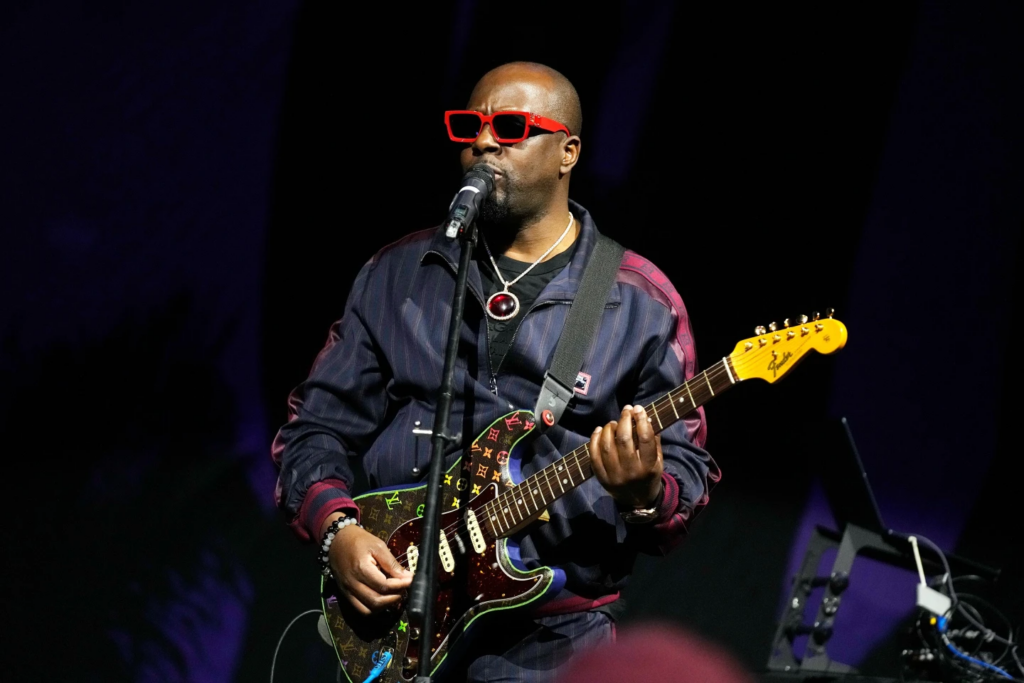
El cantante y activista Wyclef Jean actúa tras un partido de baloncesto de la WNBA entre las Phoenix Mercury y las Chicago Sky el 21 de mayo de 2023 en Phoenix. (Foto: AP/Ross D. Franklin/ Archivo)
“No conozco ninguna canción del Mundial que no tenga un ritmo increíble y un movimiento increíble”, comenta.
Aunque muchas naciones están representadas en la identidad de los intérpretes de su canción como Brasil, Suecia, Haití, México y Estados Unidos, Jean dice que no “cree que necesariamente necesites tener cinco artistas diferentes para hacer un himno global”.
“Vengan de Oriente Medio, África, Europa, América, cualquier parte del mundo, el Caribe… la gente se siente atraída por la cultura”, sostiene. “Y lo que más me gusta del Mundial es que, antes de tener un idioma, tiene una energía y una vibra. No tiene absolutamente nada que ver con un idioma”.
Un buen gancho, una melodía fuerte que cualquiera pueda cantar: eso es lo clave.
Pero “Dar um Jeito” tiene un fuerte mensaje de unidad, lo que suma a su cualidad de himno. “La resiliencia es una palabra muy importante”, dice sobre el mensaje de la canción. Jean señala que fue escrita para “niños y niñas de todo el mundo”, en particular para quienes viven en zonas rurales.
El objetivo era un “Get Up, Stand Up” al estilo Bob Marley, “donde el mensaje de la canción no sea sermoneador, sino un mensaje de esperanza”, explica. “Si sigues luchando la buena lucha, vas a llegar a ese estadio. Y nadie va a detenerte”.
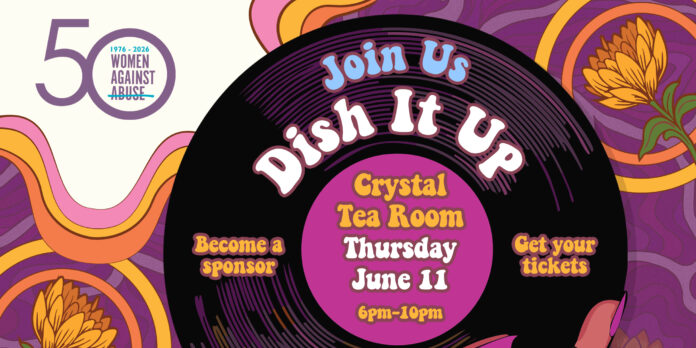
Hoy Women Against Abuse celebra 50 años con “Dish It Up”, evento culinario a beneficio de sobrevivientes
La organización Women Against Abuse celebrará su 50 aniversario con una edición especial de su evento insignia, “Dish It Up”, una competencia culinaria que reunirá a destacadas chefs de Filadelfia para recaudar fondos en apoyo a sobrevivientes de violencia doméstica.
El evento se llevará a cabo este jueves 11 de junio de 2026 y espera la asistencia de más de 400 invitados, entre ellos líderes comunitarios, del sector empresarial y funcionarios electos.
La velada incluirá degustaciones de reconocidos chefs locales, un bar premium abierto, experiencias interactivas y una competencia en vivo, en la que se premiarán los mejores platos en las categorías “Purple Dish” (salado) y “Purple Dessert” (postre). También se rendirá homenaje a la empresa GOYA Foods, que será reconocida como “Advocate of the Year”.
Entre las chefs participantes destacan figuras reconocidas como Cristina Martínez, ganadora del Premio James Beard; Aimee Olexy, nominada en múltiples ocasiones a este galardón; y talentos emergentes y consolidados de la escena gastronómica local como Karla Torres, Amaryllis Rivera Nassar y Tiffany Bacon, entre otras.
El panel de jueces contará con personalidades del mundo culinario y mediático, incluyendo a la chef y escritora Kiki Aranita, la restaurantera Bridget Foy, y la editora gastronómica de Philadelphia Magazine, Kae Lani Palmisano.
La directora ejecutiva de la organización, Joanna Otero-Cruz, presentará una exhibición especial que recorre los 50 años de impacto de la organización en la ciudad.
Women Against Abuse es uno de los mayores proveedores de servicios para sobrevivientes de violencia doméstica en el país, apoyando a más de 10,000 personas al año a través de refugios de emergencia, asistencia legal, orientación y programas educativos. La organización también opera los únicos refugios especializados en violencia doméstica de Filadelfia.
Con esta celebración, la organización no solo conmemora cinco décadas de servicio, sino que también busca continuar fortaleciendo su misión de brindar seguridad, esperanza y empoderamiento a quienes más lo necesitan.
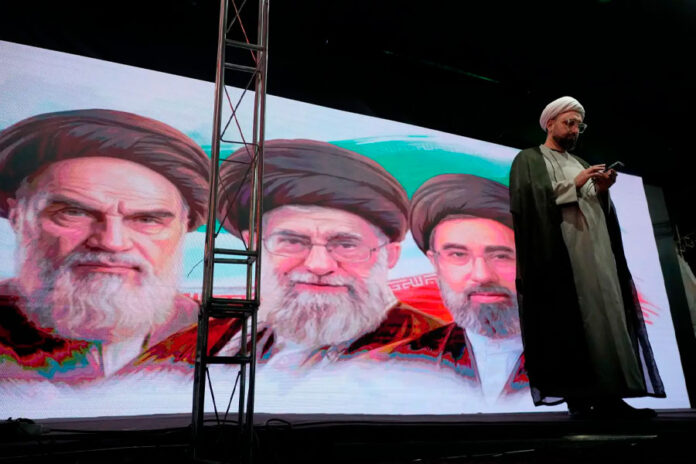
Un clérigo mira su celular en el escenario ante una pantalla con retratos del fallecido fundador de la Revolución Islámica, el ayatolá Jomeini, a la izquierda; el fallecido líder supremo Alí Jamenei y el actual líder supremo Moytabá Jamenei, durante un acto progobierno en Teherán, Irán, el sábado 7 de junio de 2026. (Foto: AP/Vahid Salemi)
El presidente estadounidense Donald Trump amenazó el jueves con lanzar fuertes ataques contra Irán y tomar el control de sus industrias de petróleo y gas, al tiempo que los ataques continuos entre los países en guerra acercaban a Oriente Medio a la reanudación de una guerra a gran escala.
Trump dijo en una publicación en redes sociales que Estados Unidos golpeará a Irán “MUY FUERTE ESTA NOCHE” y que “asumirá el control total” de las industrias de petróleo y gas de Irán, incluida la terminal petrolera clave de la isla de Kharg, en un “futuro no muy lejano”.
Trump comparó sus planes para Irán con la forma en que Estados Unidos asumió el control del sector petrolero de Venezuela tras capturar al entonces presidente Nicolás Maduro en enero.
La publicación se produjo luego que Estados Unidos e Irán intercambiaron ataques por segundo día. La ofensiva estadounidense, que se prolongó hasta la mañana del jueves en Irán, pareció más intensa y más amplia que la del día anterior.
Irán difundió poca información sobre el alcance de los daños y señaló que respondió disparando contra Kuwait, Baréin y Jordania, como había hecho un día antes.
Las amenazas de Trump del jueves, aunque contundentes, representaron su más reciente escalada verbal en la guerra con Irán. En abril, advirtió a Irán que “toda una civilización morirá esta noche, para no volver jamás” si no aceptaba sus condiciones, antes de extender un alto el fuego en la guerra.
La isla de Jarg —ubicada al otro lado del golfo Pérsico frente a bases estadounidenses en Kuwait y Arabia Saudí— es el corazón palpitante de la industria petrolera de Irán, por donde pasa el 90% de sus exportaciones. Es importante porque la costa de Irán es en su mayor parte demasiado poco profunda para que los buques petroleros atraquen.
Las tropas estadounidenses serán vulnerables en la isla de Kharg debido a su cercanía —unos 33 kilómetros (21 millas)— al territorio continental iraní, desde donde se pueden disparar misiles, drones y artillería.
EE. UU. dispara contra otra embarcación mercante que intenta burlar bloqueo
Por otra parte, el ejército de Estados Unidos informó que utilizó misiles para inutilizar un petrolero que presuntamente intentaba violar su bloqueo sobre los puertos iraníes. El anuncio se produjo luego que un funcionario indio dijera que un ataque estadounidense previo contra otra embarcación cercana mató a tres marinos indios, en un ejemplo del peligro que enfrentan los navegantes.
Es la tercera vez esta semana que los ataques cruzados remecen Oriente Medio. La primera fueron ataques entre Irán e Israel, seguidos por las dos rondas de fuego entre Estados Unidos y Teherán, dirigidos contra a países de la región que albergan bases estadounidenses.
El nuevo intercambio de fuego se produjo al tiempo que los esfuerzos por negociar el fin de la guerra parecen detenidos de nuevo. Trump advirtió que Teherán “pagará el precio” por las negociaciones estancadas.
Por su parte, el Ministerio iraní de Exteriores afirmó en un comunicado el jueves que los ataques estadounidenses habían “hecho que el alto el fuego… carezca de sentido”, sin decir que lo estuviera abandonando.
En el centro de las negociaciones está el control asfixiante de Irán sobre el estrecho de Ormuz, que ha interrumpido los suministros energéticos mundiales, ha impulsado al alza los precios del combustible y ha encarecido los alimentos y otros productos básicos mucho más allá de la región.
Irán anunció el jueves que el estrecho estaba cerrado, pero no estaba claro qué significaba eso, ya que ha restringido severamente el tráfico por la vía marítima desde el inicio de la guerra y sólo muy pocos barcos han logrado pasar. El Comando Central de Estados Unidos refutó la afirmación y Trump dijo el miércoles que Estados Unidos ha emprendido en las últimas semanas una misión secreta para llevar barcos a escondidas por el paso.
Ambas partes también siguen enfrentadas por el programa nuclear de Irán, que Teherán insiste en que es pacífico, pero que Estados Unidos e Israel temen que pueda usarse para construir un arma atómica debido a su reserva de uranio altamente enriquecido. Estados Unidos e Israel subrayaron que una razón principal por la que fueron a la guerra el 28 de febrero fue para garantizar que Irán nunca pudiera hacerlo.
Irán ha insistido en que cualquier acuerdo para poner fin a la guerra también debe terminar los combates en Líbano entre su aliado Hezbollah e Israel. Pero el primer ministro israelí Benjamin Netanyahu parece decidido a perseguir su objetivo de destruir al grupo político-paramilitar.
EE. UU. ataca a Irán, que responde disparando a Estados del golfo Pérsico
El Comando Central de Estados Unidos informó que su más reciente ronda de ataques aéreos se produjo “en respuesta a la agresión injustificada y continuada de Irán” y tuvo como objetivo “capacidades iraníes de vigilancia militar, sistemas de comunicación y emplazamientos de defensa aérea”. No dio detalles sobre los daños causados por los ataques, que, según indicó, terminaron poco antes del amanecer del jueves en Irán.
Las explosiones de los ataques resonaron en torno a la capital iraní, Teherán, así como en la ciudad portuaria de Bandar Abbas y otras zonas del sur a lo largo del estrecho de Ormuz. Más tarde, la Guardia Revolucionaria, un cuerpo paramilitar de Irán, reveló que los sitios alcanzados incluyeron un complejo fabril, un cuartel militar y una base local de la Guardia a las afueras de Teherán.
Kuwait cerró su espacio aéreo durante varias horas debido al ataque, pero no dio detalles sobre posibles daños. Jordania anunció que interceptó 20 misiles iraníes disparados hacia un área que alberga una base con tropas estadounidenses, aunque nadie resultó herido.
El Ministerio del Interior de Baréin indicó que una niña de 11 años resultó herida y que autos y viviendas sufrieron daños por escombros tras las intercepciones en respuesta al ataque iraní.
Mientras tanto, Israel pidió a los residentes del norte del país que buscaran refugio tras la detección de presunto fuego entrante desde Líbano, donde Israel combate a Hezbollah, aliado de Irán.
Trump dice que EE. UU. está pasando petróleo a escondidas por Ormuz
La capacidad de Irán para controlar el estrecho de Ormuz ha demostrado ser una fuerte carta de negociación, ya que el cierre efectivo de la estrecha vía marítima ha trastocado gravemente la economía mundial.
Trump dijo el miércoles que el ejército de Estados Unidos ha emprendido desde el mes pasado una misión para hacer pasar a escondidas cargamentos de petróleo eludiendo a las fuerzas iraníes en el estrecho, ayudados por la destrucción de equipos de radar iraníes.
Trump agregó que, como resultado, más de 100 millones de barriles de petróleo han eludido el control asfixiante de Irán. No hubo confirmación inmediata de esa cifra, que equivale aproximadamente a cinco días de los envíos de petróleo que atravesaban la vía marítima antes de que comenzara la guerra.
Pero los mares siguen siendo peligrosos para los marinos.
El Comando Central del ejército de Estados Unidos detalló el jueves que atacó un petrolero con bandera de Guinea-Bissau que intentaba evadir el bloqueo estadounidense con un cargamento de petróleo iraní. Resaltó que se lanzaron misiles Hellfire para inutilizar al M/T Jalveer a última hora del miércoles después que su tripulación no cumpliera con las órdenes de Estados Unidos.
Es la novena embarcación mercante que el ejército de Estados Unidos asegura que ha inutilizado desde que impuso el bloqueo a mediados de abril en aguas frente a Irán. Dos de esos barcos fueron atacados por Estados Unidos a principios de esta semana.
Tres marinos indios murieron cuando fuerzas estadounidenses atacaron el martes al M/T Settebello, con bandera de Palaos, escribió el jueves en X el ministro indio de Puertos, Transporte Marítimo y Vías Navegables, Sarbananda Sonowal. Los marinos habían sido reportados inicialmente como desaparecidos.
El Comando Central del Ejército de Estados Unidos señaló que fuerzas estadounidenses emitieron advertencias antes de disparar contra el barco, al que acusó de intentar evadir el bloqueo.
El líder de la Organización Marítima Internacional, una agencia de Naciones Unidas, condenó el ataque. El Ministerio indio de Exteriores convocó a un diplomático estadounidense de alto rango para transmitir sus “más profundas preocupaciones” por el ataque y protestar formalmente por el bombardeo, dijo el portavoz Randhir Jaiswal.
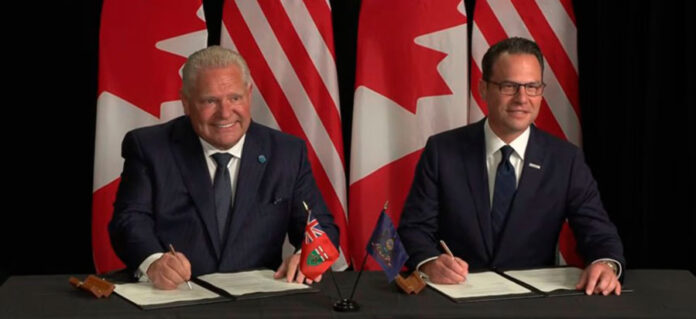
Las cabezas de los gobiernos de Ontario y Pensilvania, Doug Ford y Josh Shapiro, firmaron un acuerdo para incrementar el intercambio comercial entre los dos territorios. (Foto: Captura video)
Pensilvania y la provincia canadiense de Ontario firmaron un Memorando de Entendimiento (MOU) destinado a ampliar la cooperación económica y fortalecer los lazos comerciales entre ambos territorios.
El acuerdo fue suscrito durante una reunión bilateral celebrada en Toronto entre autoridades de ambos gobiernos. El documento establece un marco de colaboración en ocho áreas estratégicas: energía, minerales especiales, manufactura avanzada, agricultura, ciencias de la vida, tecnología e innovación, manejo de los Grandes Lagos y sector forestal.
Uno de los puntos más relevantes del memorando contempla el desarrollo de un marco de transmisión e intercambio de electricidad entre las redes energéticas de Pensilvania y Ontario. Según las autoridades, la iniciativa busca mejorar la resiliencia de la infraestructura eléctrica y contribuir a reducir costos para hogares y empresas mediante una mayor integración energética.
“Ontario tiene todo lo necesario para apoyar a nuestros aliados, crear empleos, proteger la seguridad continental y hacer la vida más asequible para las familias a ambos lados de la frontera mientras construimos la Fortaleza Norteamérica”, afirmó el premier Doug Ford. “El acuerdo de hoy nos ayudará a asegurar estos beneficios para los trabajadores y las familias de Ontario y Pensilvania, y sentará las bases para una mayor cooperación en los años venideros.”
El Premier Ford y el gobernador Josh Shapiro estuvieron de acuerdo en dar vía a la creación de un grupo de trabajo conjunto encargado de coordinar proyectos y actividades de cooperación. Entre las iniciativas previstas figuran misiones comerciales, seminarios informativos, intercambio de información, desarrollo de la fuerza laboral, colaboración regulatoria y alianzas académicas.
Canadá es actualmente el principal socio comercial internacional de Pensilvania. En 2025, las exportaciones del estado hacia Canadá alcanzaron los 13.900 millones de dólares, mientras que las importaciones sumaron 13.400 millones. Ontario concentra una parte significativa de ese intercambio comercial, especialmente en sectores como manufactura, productos farmacéuticos y energía.
La inversión canadiense también tiene una presencia importante en la economía estatal. De acuerdo con datos oficiales, unas 812 empresas canadienses operan en Pensilvania y generan aproximadamente 32.000 empleos. Más de la mitad de esas compañías tienen su sede en Ontario.
Además del comercio y la inversión, el turismo continúa siendo un componente relevante de la relación bilateral. Se estima que cerca de medio millón de visitantes canadienses viajarán a Pensilvania durante 2026, contribuyendo a una industria turística que sostiene alrededor de 500.000 empleos y genera 84.000 millones de dólares en actividad económica.
Las autoridades señalaron que el nuevo acuerdo busca facilitar una mayor cooperación económica y abrir oportunidades de inversión y desarrollo para empresas y comunidades de ambas regiones.