

-1.3 C
Philadelphia
spot_img
Inicio Blog Página 398

Jesuita hispano salvadoreño dice que inicia «persecución política» a migrantes en EE. UU.

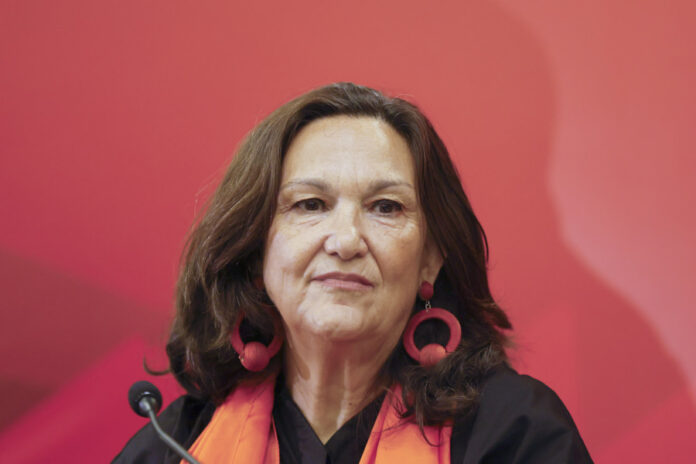
Fotografía de archivo de José María Tojeira, sacerdote jesuita, en San Salvador (El Salvador). (Foto: EFE/Rodrigo Sura)

El jesuita hispano salvadoreño José María Tojeira, quién se desempeñó como rector de la Universidad Centroamericana (UCA) de El Salvador, afirmó este martes que «ha comenzado» una «persecución política» contra migrantes que viven en EE. UU. luego de que transcendiera que el presidente Donald Trump ha dado vía libre a redadas.

«Ha comenzado una persecución racista contra migrantes dirigida por millonarios desquiciados», dijo hoy en X el sacerdote católico de la Compañía de Jesús naturalizado salvadoreño.

El Gobierno del presidente Trump dio vía libre este martes a las redadas de migración en lugares previamente considerados «protegidos» como escuelas, iglesias y hospitales.

El Departamento de Seguridad Nacional (DHS, en inglés) revocó así una directriz de la Administración de Joe Biden que instruía a las autoridades migratorias a evitar redadas en estos lugares o cerca a ellos.

El Gobierno alega que la decisión de este martes «empodera» a los agentes de migración a «seguir las leyes» y capturar a los que llaman «criminales extranjeros», según indicó un portavoz del DHS en un comunicado.

La decisión llega un día después de que Trump asumiera el poder y enfatizara que cumplirá con su promesa de campaña de llevar a cabo la mayor campaña de deportaciones de migrantes en la historia de EE. UU..

Países como México y Guatemala ya han anunciado planes y medidas ante estas deportaciones. Sin embargo, las autoridades salvadoreñas se han mantenido al margen y aún no brindan una postura ante esta situación.

De acuerdo con la viceministra de Diáspora y Movilidad Humana del Ministerio de Relaciones Exteriores, Cindy Portal, el Gobierno del presidente Nayib Bukele busca soluciones «integrales» y «permanentes» para los salvadoreños que se encuentran en Estados Unidos amparados en un programa de protección temporal y para los que se encuentra con un estatus irregular.

Portal expuso recientemente en una entrevista en un canal local que El Salvador «es muy respetuoso de las decisiones soberanas de cada país», al ser preguntada sobre la posición del país sobre las deportaciones masivas promovidas por Trump.

Making Pennsylvania Communities Safer: Shapiro-Davis Administration Invests $15 Million for Nonprofit Organizations to Combat Hate Crime through Enhanced Security

Shapiro-Davis

Since 2023, PCCD awarded $15 million in funding for more than 300 grants to nonprofit entities to increase security measures

Harrisburg, PA — Since taking office, the Shapiro-Davis Administration has invested $15 million across 301 grants through the Nonprofit Security Grant Fund Program for nonprofit organizations to combat hate crimes by protecting the safety and security of visitors at their facilities. In the 2024-25 budget, the Administration secured twice the amount of funding provided through the program the previous year to support much needed planning, training, equipment, and technology upgrades for places of worship, community centers, and other nonprofit entities.

“Hate has absolutely no place in Pennsylvania. Everyone— no matter their race, ethnicity, religion, or sexual orientation— deserves to feel safe in their communities,” said Lt. Governor Austin Davis, chair of the Pennsylvania Commission on Crime and Delinquency (PCCD). “With the additional $5 million investment—totaling $10 million— that our Administration secured in this year’s budget, even more nonprofit organizations are able to enhance security at their facilities, allowing those they serve to feel more safe and secure while receiving services. This program is delivering on our promise to make Pennsylvania communities safer.”

PCCD’s latest Nonprofit Security Grant Fund Program solicitation was awarded in  October and provided $10 million to 208 nonprofit organizations across 31 Pennsylvania counties. Based on reported data on the number of people who visit grant-funded facilities, it is estimated that approximately four million people across the Commonwealth have been impacted by this funding to date.

Testimonials on how this funding has helped entities across Pennsylvania:

Bucks – Reproductive Health Center

“We have received PCCD Nonprofit Security Grant in the past and the success has been extremely noticeable. Most recently, an aggressive person caused damages to one of our centers while assaulting the onsite security guard. However, because of the grant and the usage of security guards, we were able to minimize the aggressor’s impact to patients and staff.”

Cumberland – College

“The items purchased through the grant included products to improve and enhance the security (surveillance cameras, card access building entry control system, shatterproof film for all windows accessible from the first floor, and a video doorbell with “buzz in” entry capabilities) at our on-campus religious center. After the installation of these items, we experienced two incidents of hate-related vandalism. In both cases, the security system implemented as a part of the grant allowed the college to identify the offenders, who were subsequently arrested and charged through the court system. Information obtained in one of these investigations indicated the perpetrator may have performed more acts of vandalism, but when they noticed the surveillance system, they fled the area.”

Lancaster – Public Library

“Previously we received PCCD Nonprofit Security Grant Funding to update our security cameras inside the library and add security cameras outside the building. Since the security cameras were installed, we have utilized them at least once a month to gain footage of incidents occurring in the library parking lot or on the library campus. Most recently, an individual was discovered starting a fire by the skatepark on the library campus.”

Philadelphia – Social Service Organization

“The new video surveillance system has helped us to better monitor and report security threats and helps us better identify those who use the doorbell system to prevent intruders. We’ve also installed new door locks on the front doors which can be locked and unlocked remotely. The new locks help provide more security for the building, especially during nights/weekends when less staff are in the building. There have been instances of trespassers in the building, who we were able to identify because of the video cameras installed with PCCD Nonprofit Security Grant funding. There have also been theft, violence, and driving accidents that occurred outside of the building which have been caught on our cameras and provided to local law enforcement.”

Pittsburgh – Synagogue

“We have received PCCD Nonprofit Security Grant Funding in the past that has included video surveillance equipment, steel doors, and keypads for entry. A couple of years ago a man aggressively tried to break into our rear door, and was not able to penetrate the door—he only broke off the covering to the keypad and the downspout as he tried to climb on the roof. This was all captured on our video cameras and the man was prosecuted. We have also had privacy film installed on our outdoor-facing classroom windows. This measure in itself has been very appreciated by staff and students’ parents as a safety measure.”

York – Church/Cathedral

“After installing security cameras with grant funding, the organization was able to deter unauthorized access. In one instance, surveillance footage helped identify a suspicious individual attempting to access a restricted area after hours, allowing staff to take appropriate action. Also, unauthorized individuals were effectively kept out of sensitive areas. This also reduced the risk of theft of valuable or sensitive items stored in these zones. The addition, motion-activated lights around the facility perimeter improved visibility at night, which deterred trespassers and allowed security personnel to monitor the area more effectively.”

Trump pone fin al “parole” para venezolanos, cubanos, nicaragüenses y haitianos: ¿qué sucederá con los beneficiarios?

Trump
Los solicitantes de asilo esperan noticias sobre sus citas de CBP One con las autoridades estadounidenses antes de cruzar por el puerto El Chaparral en Tijuana, estado de Baja California, México, el 20 de enero de 2025. (Foto: VOA)

En su primer día de mandato, el presidente Donald Trump terminó el parole humanitario que otorgaba dos años de estancia legal en EE. UU. a venezolanos, cubanos, nicaragüenses y haitianos. Los expertos opinan qué podría ocurrir con los beneficiarios y con quienes están a la espera de aprobación.

A través de una orden ejecutiva firmada el lunes, el presidente de Estados Unidos, Donald Trump, puso fin al programa de parole humanitario que había sido implementado por la administración anterior para venezolanos, cubanos, nicaragüenses y haitianos.

Este proceso permitía a ciudadanos de esos países vivir y trabajar legalmente por dos años en territorio estadounidense. Hasta diciembre de 2024, unas 531.690 personas habían llegado al país bajo este programa, según datos de la Oficina de Aduanas y Protección Fronteriza (CBP, por sus siglas en inglés).

La orden ejecutiva llamada “Asegurar Nuestras Fronteras” establece diferentes acciones relacionadas a la inmigración que el presidente Trump buscaba priorizar desde el primer día de su administración. Entre ellas, adoptar “todas las medidas adecuadas” para construir el muro fronterizo, desplegar personal de defensa a la frontera sur y detener a los migrantes irregulares.

El propósito de esta, según dice el documento, es “detener la avalancha sin precedentes de extranjeros ilegales a los Estados Unidos”.

La determinación sobre el parole humanitario se plasmó junto al fin de la aplicación CBP One, que permitía a los migrantes sacar una cita con un funcionario de inmigración en alguno de los puertos fronterizos vecinos a México.

«La orden ejecutiva pretende poner fin a un programa de la era Biden que creó un proceso especial para los nacionales de estos cuatro países que la orden ejecutiva de Trump consideró contrario a las políticas de Estados Unidos», dijo a la Voz de América Cori Alonso-Yoder, profesora especializada en derecho de inmigración de la Universidad George Washington.

¿Qué sucede ahora?

La orden ejecutiva puso en efecto la suspensión de manera inmediata de nuevas solicitudes de personas que buscaran ser patrocinadores de estos migrantes.

Para poder optar a este programa, los venezolanos, cubanos, nicaragüenses y haitianos debían contar con un “sponsor” o patrocinador financiero dentro de Estados Unidos.

El Departamento de Seguridad Nacional (DHS, por sus siglas en inglés) informó el martes que la eliminación del programa se hará de manera «gradual».

«La Administración Biden-Harris abusó del programa de parole humanitario para permitir indiscriminadamente que 1,5 millones de migrantes ingresaran a nuestro país. Todo esto se detuvo el primer día de la Administración Trump. Esta acción devolverá al programa de parole humanitario su propósito original de analizar a los migrantes caso por caso», dijo en comunicación escrita un portavoz de DHS.

Elizabeth Jacobs, experta del Centro de Estudios de Inmigración en Washington, explicó a la Voz de América que “es probable que a las personas que ya han recibido el parole a través de este programa se les permita permanecer en los Estados Unidos en libertad condicional hasta que expire su período”.

Esto, según agregó, significa que las personas regresarían al estatus que tenían antes de que se les otorgara el parole, “es decir, sin estatus”.

Thomas Rachko del Instituto de Liderazgo Hispano de la Universidad George Washington, resaltó a la VOA que parte de la suspensión de este programa incluye que «la página web de CHNV que anteriormente mantenía el Servicio de Ciudadanía e Inmigración de Estados Unidos bajo la administración de Biden ya no está disponible».

«Esa falta de claridad e incertidumbre es una sensación familiar para las comunidades inmigrantes sin estatus legal permanente o ciudadanía», agregó Rachko.

Por su parte, la organización Welcome.US que ayudaba a los migrantes a conectar con posibles patrocinadores, aseguró que “no está claro en este momento si la nueva administración seguirá tramitando las solicitudes que los estadounidenses ya han presentado”.

Específicamente, según CBP, 110.970 cubanos, 213.150 haitianos, 96.270 nicaragüenses y 120.760 venezolanos alcanzaron a ser examinados y autorizados para viajar; y 110.240 cubanos, 211.040 haitianos, 93.070 nicaragüenses y 117.330 venezolanos llegaron a EE. UU.

«Quienes tenían la protección de libertad condicional antes del 20 de enero tendrán que buscar su estatus migratorio por otras vías o se arriesgarán a ser expulsados de Estados Unidos», agregó Alonso-Yoder.

Desde su creación, el parole humanitario tuvo un límite de tiempo de dos años que no era renovable.

“La administración entrante de Trump ha dicho que no solo cancelará cualquier uso futuro de parole humanitario para cubanos, nicaragüenses y venezolanos, sino que no lo renovará”, dijo el martes en una llamada con la prensa Doris Meissner del Instituto de Políticas Migratorias en Washington.

Meissner agregó que, al momento, no se ha visto en las órdenes ejecutivas “una indicación” de que el parole humanitario vaya a ser cancelado para quienes ya son beneficiarios del programa. Pero, “ciertamente no lo van a renovar”.

“Entonces, ¿qué pasa con esas personas? Si se quedan en Estados Unidos (una vez terminado el plazo de dos años), por supuesto, caen en un estatus no autorizado. Pierden su autorización de trabajo y ciertamente están sujetas a la deportación”, apuntó.

Alternativas legales de migración

Al implementar el parole humanitario, el DHS estableció en el documento oficial del programa que los dos años de permiso permitirían «a las personas solicitar ayuda humanitaria u otros beneficios de inmigración».

Los cubanos tienen, en su mayoría, la posibilidad de solicitar la regulación de su estatus gracias a la Ley de Ajuste Cubano de 1966 que les ofrece un camino a la residencia permanente. Venezolanos y haitianos podrían acogerse al Estatus de Protección Temporal (TPS) que ofrece un alivio contra la deportación y un permiso de trabajo.

Los nicaragüenses y las otras tres nacionalidades son elegibles para solicitar asilo, sin embargo, deben poder demostrar miedo creíble de persecución en sus países de origen debido a su raza, religión, nacionalidad, grupo social u opinión política.

Este programa fue implementado por primera vez por la administración del presidente Biden en octubre de 2022, orientado solo a venezolanos. En enero de 2023, se amplió a nicaragüenses, cubanos y haitianos, las nacionalidades más representadas en ese momento entre los inmigrantes irregulares que llegaban a la frontera sur de EE. UU.

Mayor Cherelle L. Parker Signs Executive Order and announces new Kensington Neighborhood Wellness Court

Cherelle L. Parker
Mayor Cherelle L. Parker.

The Neighborhood Wellness Court will operate in tandem with the Office of Public Safety’s Kensington Wellness Support Center

Philadelphia. – Today, Mayor Cherelle L. Parker signed Executive Order No. 1-25 “Implementation of a Pilot Wellness Court Program in Kensington,” which allows the following to take place: 1) Establishes a Wellness Court where a person who would otherwise be arrested for misdemeanor charges associated with public drug use is offered the opportunity for same -day physical and behavioral health assessment, basic medical care and withdrawal management, a judicial hearing, and diversion and intake for treatment. 2) Allows for a limited exception to Executive Order No. 8-16 – in the limited geographic area where Wellness Court will pilot and where state law allows for the arrest of certain behavior by someone who is engaging in public drug use can now be arrested for certain summary offenses.

The Office of Public Safety Kensington Neighborhood Wellness Court (NWC) is an innovation in the community courts model and serves people arrested for public drug use. A post-arrest, rapid diversion program, individuals arrested for eligible offenses are transported immediately to the OPS Kensington Wellness Support Center, located at 265 E Lehigh Avenue, where they are pre-screened for ability to attend court that day and where related medical and behavioral supports are readily available. If eligible, an individual is then brought to the Neighborhood Wellness Court located at 3910 Whitaker Avenue, Philadelphia, PA . The pilot operates once a week and is a partnership between The Office of Public Safety (OPS), the Philadelphia Police Department (PPD), the Department of Behavioral Health and Intellectual disAbility Services (DBHIDS), Community Behavioral Health (CBH), the First Judicial District of Pennsylvania, the Defenders Association, Supreme Court of Pennsylvania, Merakey, and Penn Addiction Medicine.

“Since day one, my administration has been committed to addressing the challenge facing Kensington and our City at large when it comes to homelessness and substance abuse disorder,” said Mayor Cherelle L. Parker. “The signing of today’s Executive Order, along with the opening of the Kensington Neighborhood Wellness Court is a victory for our city and the addition of another critical resource in our City’s public safety and public health toolkit. The Neighborhood Wellness Court is not just an accountability measure, it is a humane and effective way to serve Kensington’s residents and its most vulnerable community members.”

The Kensington Neighborhood Wellness Court is a post-arrest, rapid-diversion program designed to align with established court functions for same-day arrests while ensuring timely medical and behavioral health treatment for drug users in Kensington. Designed by the Office of Public Safety, the NWC aims to creatively fill gaps in the current diversion continuum for people arrested for drug use in Philadelphia by having them see a medical professional who specializes in substance use disorder (SUD) first and increasing access to treatment options for individuals with substance use disorder.

“I am incredibly proud of the work my Office and our partners have done to stand up the Kensington Wellness Support Center and the Neighborhood Wellness Court,” said Adam Geer, Chief Public Safety Director, of Philadelphia. “Under Mayor Parker’s leadership, we continue to build a City that breaks down silos to deliver a government that our residents can see touch and feel. I look forward to the work we will accomplish here and the partnerships we will expand upon here in Kensington.”

The Kensington Neighborhood Wellness Court establishes an alternative process for individuals arrested for a misdemeanor offense. In many instances prior to the establishment of the NWC, arrest for a misdemeanor:

carries at a minimum a maximum penalty of up to oneyear incarceration or probation and a $2,500.00 fine.
Required an individual to be held in a cell until charges are either declined or approved by the DAO.
If charged, to appear before a magistrate at arraignment and have bail set.
Be given a date for a later time for an adjudication on the charges that are pending.
In many instances these individuals will either return to the street and fail to appear at their first listing of the court case without ever seeing a medical professional or receiving a connection to substance abuse disorder professionals.

Under the process established under theNWC:

Individuals arrested consistent with this Executive Order shall be transported promptly to the OPS Kensington Wellness and Support Center where they will be first taken to a nurse who determines if an individual needs to go to a hospital, or if withdrawal management can be provided at the Wellness Support Center.
Afterwards, individuals are provided food and comfort medication.
An on-site behavioral health professional will assess the individual and offer intake for treatment, if eligible.
Individuals are allowed access to a city paid criminal defense attorney who has experience in providing legal services to individuals who have been arrested for offenses related to substance abuse and are suffering from SUD.
While awaiting Court, eligible participants are held in a secured portion of the KWSC, comfortable and without handcuffs.
If eligible, individuals are assessed for the opportunity to have prior bench warrants lifted through an innovative remote bench warrant lift program.
Most importantly, participants are offered same day adjudication for their summary offense. A judge will assess the participants ability to enter into an agreement for diversion.
Based on the assessments and observations of the trained medical and behavioral health professionals at the KWSC, individuals are placed into an appropriate diversion program.

The design of the Kensington Neighborhood Wellness Court has several advantages:

The NWC prioritizes health and well-being by addressing the health needs of prospective participants before arrest processing or any judicial process.
By offering diversion immediately post-arrest, prospective participants can avoid jail and even detention in a holding cell, unlike other post-charge diversion programs.
Participants benefit from ongoing communication, support, and involvement made possible by judicial supervision.
The NWC minimizes the use of vital City resources by streamlining the diversion process.

The design of the Neighborhood Wellness Court was informed by the Sequential Intercept Model (SIM), which details how individuals with substance use disorders come into contact with, or are “intercepted,” and move through the legal system. Using this model, OPS identified resource and service gaps in already existing intercepts and designed the Neighborhood Wellness Court to address these gaps.

Individuals may come into contact with the Neighborhood Wellness Court at various intercepts from pre-arrest (community services) to immediate post-arrest. An individual can be referred to the NWC without arrest, but individuals who are arrested must be arrested for a summary offense, the lowest level of criminal offense in Pennsylvania. At the NWC, individuals receive an assessment from a nurse and are placed in hospital care, if necessary. If diversion is offered, the NWC judge will set expectations and goals for the individual, based upon DBHIDS clinical recommendations.

The Kensington Wellness Support Center is in the final design and installation phase with Mural Arts that will include a mural to surround the facility and art inspired by the Color Me Back program. Additionally, the Office of Public Safety, City partners, and community organizations are exploring future opportunities for collaboration within the Center and throughout the neighborhood.

Support provided by major stakeholders and partners in the Neighborhood Wellness Court:

· Casey O’Donnell, CEO of Impact Services: “Wellness court is a diversion program that offers multiple paths to safety, treatment, and recovery, allowing people to turn away from incarceration. I’m 100% in support of people getting out of the carceral system and into a system of care.”

· Malcolm Musgrove, Vice President of Adult Behavioral Health Services, SEPA states: “Merakey is grateful for the opportunity to partner with the City of Philadelphia to assist individuals in their recovery from behavioral health issues and substance use disorders. The Parker Administration’s vision to create innovative solutions through community-based collaborative approaches aligns perfectly with Merakey’s mission of empowering individuals to overcome challenges, achieve their recovery goals, and lead healthier lives.”

Trump inicia nuevo mandato con un 47 % de aprobación; indultos son impopulares: Reuters/Ipsos

Trump
Enrique Tarrio (der.), líder de los Proud Boys, junto a un hombre no identificado, a las afueras de la Conferencia de Acción Política Conservadora (CPAC, en inglés) en Orlando, Florida, EEUU, el 27 de febrero de 2021. (Foto: VOA/Octavio Jones)

Alta aprobación de Donald Trump a su regreso a la Casa Blanca con un 47 %, pero los indultos masivos a los participantes del asalto al Capitolio son impopulares, según encuesta de Reuters/Ipsos.

Alrededor del 47 % de los estadounidenses aprueban la presidencia de Donald Trump en su regreso a la Casa Blanca esta semana, una señal de un país dividido tras la victoria del republicano en noviembre, según una encuesta de Reuters/Ipsos que se terminó el martes.

La encuesta de dos días, en las horas posteriores a la toma de posesión del presidente Trump el lunes, mostró que su popularidad era más alta de lo que fue durante la mayor parte de su mandato 2017-2021.

Pero el sondeo también reflejó que los estadounidenses ya estaban descontentos con algunas de sus primeras medidas. Alrededor del 58 % de los encuestados dijo que Trump no debería indultar a todas las personas condenadas por delitos durante el asalto al Capitolio de Estados Unidos el 6 de enero de 2021.

Trump esencialmente hizo precisamente eso -indultar a la mayoría de las casi 1.600 personas acusadas de participar en el asalto y poner fin a las condenas de los 14 líderes- horas después de comenzado su segundo mandato, mientras se realizaba la encuesta.

Los encuestados ven con mejores ojos el enfoque de Trump en otras cuestiones. Alrededor del 46 % de los encuestados aprueban su gestión de la migración, un tema que muchos estadounidenses querrían ver como la principal prioridad de la nueva administración.

Trump ganó las elecciones de 2024 al imponerse a la demócrata Kamala Harris por 312 a 226 en el Colegio Electoral de Estados Unidos, aunque solo obtuvo el 49,8 % del voto popular nacional frente al 48,3 % de Harris.

Biden comenzó su presidencia con un 55 % de aprobación, pero el índice bajó rápidamente. Tocó fondo con un 35 % en vísperas de las elecciones de noviembre.

El sondeo de Reuters/Ipsos, fue conducido por internet, encuestó a 1.077 adultos estadounidenses y tuvo un margen de error de unos 4 puntos porcentuales en cada dirección.

22 estados demandan para frenar la orden de Trump que anula la ciudadanía por nacimiento

estados
El presidente Donald Trump firma una orden ejecutiva sobre la ciudadanía por derecho de nacimiento en el Despacho Oval de la Casa Blanca, el lunes 20 de enero de 2025, en Washington. (AP foto/Evan Vucci)

Los fiscales generales de 22 estados demandaron el martes para bloquear la medida del presidente Donald Trump de poner fin a una práctica de inmigración centenaria conocida como ciudadanía por derecho de nacimiento que garantiza que los niños nacidos en Estados Unidos sean ciudadanos independientemente del estatus de sus padres.

La orden ejecutiva de Trump, de unas 700 palabras, emitida a última hora del lunes, supone el cumplimiento de algo de lo que ha hablado durante la campaña presidencial. Pero no es seguro que tenga éxito, dado que es probable que se produzca una larga batalla legal sobre las políticas de inmigración del presidente y el derecho constitucional a la ciudadanía.

Los fiscales generales demócratas y los defensores de los derechos de los inmigrantes afirman que la cuestión de la ciudadanía por derecho de nacimiento es una ley consolidada y que, aunque los presidentes tienen una amplia autoridad, no son reyes.

“El presidente no puede, de un plumazo, anular la 14ª Enmienda y punto”, dijo el fiscal general de Nueva Jersey, Matt Platkin.

La Casa Blanca dijo que está lista para enfrentar a los estados en los tribunales y calificó las demandas como “nada más que una extensión de la resistencia de la izquierda”.

“Los izquierdistas radicales pueden optar por nadar contra la corriente y rechazar la abrumadora voluntad del pueblo, o pueden subirse a bordo y trabajar con el presidente Trump”, dijo el subsecretario de prensa de la Casa Blanca, Harrison Fields.

El fiscal general de Connecticut, William Tong, ciudadano estadounidense por derecho de nacimiento y el primer fiscal general chino-estadounidense elegido en el país, dijo que la demanda era personal para él.

“La Enmienda 14 dice lo que significa, y significa lo que dice: si naces en suelo estadounidense, eres estadounidense. Y punto. Y punto”, dijo.

“No hay debate legal legítimo sobre esta cuestión. Pero el hecho de que Trump esté totalmente equivocado no le impedirá infligir un grave daño ahora mismo a familias estadounidenses como la mía”.

¿Qué es la ciudadanía por derecho de nacimiento?

La ciudadanía por derecho de nacimiento significa que cualquier persona nacida en Estados Unidos es ciudadana, independientemente del estado migratorio de sus padres. Las personas, por ejemplo, en Estados Unidos con una visa de turista u otra visa o que están en el país ilegalmente pueden convertirse en padres de un ciudadano si su hijo nace aquí.

Está consagrada en la 14ª Enmienda de la Constitución, dicen los partidarios. Pero Trump y sus aliados disputan la interpretación de la enmienda y dicen que se necesitan estándares más estrictos para convertirse en ciudadano.

Estados Unidos es uno de los 30 países en los que se aplica la ciudadanía por derecho de nacimiento, el principio del jus soli o “derecho de la tierra”. La mayoría están en el continente americano, y entre ellos figuran Canadá y México. La mayoría de los demás países conceden la ciudadanía basándose en si al menos uno de los progenitores —jus sanguinis o «derecho de sangre»— es ciudadano, o tienen una forma modificada de ciudadanía por derecho de nacimiento que puede restringir la ciudadanía automática a los hijos de padres que se encuentren legalmente en su territorio.

¿Qué dice la orden de Trump?

La orden cuestiona que la 14ª Enmienda extienda automáticamente la ciudadanía a cualquier persona nacida en Estados Unidos.

La 14ª Enmienda nació en las secuelas de la Guerra Civil y fue ratificada en 1868. Dice: “Todas las personas nacidas o naturalizadas en Estados Unidos y sujetas a su jurisdicción, son ciudadanos de Estados Unidos y del estado en el que residen”.

La orden de Trump afirma que los hijos de los no ciudadanos no están sujetos a la jurisdicción de Estados Unidos. Excluye a las siguientes personas de la ciudadanía automática: aquellas cuyas madres no estaban legalmente en Estados Unidos y cuyos padres no eran ciudadanos estadounidenses o residentes permanentes legales; personas cuyas madres estaban en el país legalmente pero de manera temporal y cuyos padres no eran ciudadanos o residentes permanentes legales.

Continúa prohibiendo a las agencias federales reconocer la ciudadanía de las personas en esas categorías. Entra en vigor 30 días a partir del martes, el 19 de febrero.

No está claro si la orden afectaría retroactivamente a los ciudadanos por derecho de nacimiento. Dice que las agencias federales “no” expedirán documentos de ciudadanía a las personas que excluye ni aceptarán otros documentos de los gobiernos estatales o locales.

¿Cuál es la historia de la cuestión?

La 14ª Enmienda no siempre garantizó la ciudadanía por derecho de nacimiento a todos los nacidos en Estados Unidos. De hecho, el Congreso no autorizó la ciudadanía a todos los indígenas estadounidenses nacidos en Estados Unidos hasta 1924.

En 1898 se desarrolló un importante caso de ciudadanía por derecho de nacimiento en la Corte Suprema de Estados Unidos. La corte sostuvo que Wong Kim Ark, quien nació en San Francisco de migrantes chinos, era ciudadano estadounidense porque había nacido en el país. Después de un viaje al extranjero, se enfrentó a la denegación de reingreso por parte del gobierno federal bajo el argumento de que no era ciudadano bajo la Ley de Exclusión China.

Pero algunos defensores de las restricciones a la inmigración han argumentado que, mientras el caso claramente se aplicaba a los niños nacidos de padres que son ambos migrantes legales, es menos claro si se aplica a los niños nacidos de padres sin estatus legal.

¿Cuál ha sido la reacción a la orden de Trump?

Poco después de que Trump firmara la orden, grupos defensores de los derechos de los migrantes presentaron una demanda para detenerla.

Las secciones de la Unión Americana de Libertades Civiles en Nueva Hampshire, Maine y Massachusetts, junto con otros defensores de los derechos de los migrantes, presentaron una demanda ante el tribunal federal de Nueva Hampshire.

La demanda pide al tribunal que encuentre la orden inconstitucional. Destaca el caso de una mujer identificada como “Carmen”, que está embarazada pero no es ciudadana. La demanda dice que ha vivido en Estados Unidos durante más de 15 años y tiene una solicitud de visa pendiente que podría llevar a un estatus permanente. No tiene ningún otro estatus migratorio, y el padre del hijo que espera tampoco lo tiene, según la demanda.

“Despojar a los niños del ‘tesoro invaluable’ de la ciudadanía es una grave lesión”, dice la demanda. “Les niega la plena membresía en la sociedad estadounidense a la que tienen derecho”.

Además de Nueva Jersey y las dos ciudades, California, Massachusetts, Colorado, Connecticut, Delaware, Hawai, Maine, Maryland, Michigan, Minnesota, Nevada, Nuevo México, Nueva York, Carolina del Norte, Rhode Island, Vermont y Wisconsin se unieron a la demanda para detener la orden.

Arizona, Illinois, Oregon y Washington presentaron una demanda separada en un tribunal federal impugnando también la orden de Trump.

Marco Rubio jura como secretario de Estado de EE. UU. con un mensaje en español

El Secretario de Estado de Estados Unidos, Marco Rubio, saluda a los empleados a su llegada al Departamento de Estado en Washington, DC, el 21 de enero de 2025. (Foto: VOA)

Estados Unidos tiene un nuevo secretario del Departamento de Estado: Marco Rubio, de ascendencia cubana, se convirtió en el primer hispano en ser confirmado para esa posición en la historia del país. Al jurar a su nuevo puesto, el exsenador ofreció un mensaje en español.

Marco Rubio asumió el martes la posición de secretario del Departamento de Estado de Estados Unidos tras ser confirmado de manera unánime por el Senado, convirtiéndose en el primer hispano en ocupar la posición.

Rubio juró en una ceremonia en Washington junto al vicepresidente JD Vance, y en compañía de su esposa y sus cuatro hijos. Es el primero del gabinete del presidente Donald Trump en ser confirmado en su posición.

Durante la breve ceremonia, el nuevo secretario de Estado tomó un momento para enviar un mensaje de agradecimiento en español a su familia. “Quiero darle las gracias a Dios, a mi familia, a mi familia que no está aquí con nosotros hoy, a mis padres que vinieron en este país en el año 1956 y el propósito de su vida fue que nosotros pudiéramos vivir los sueños que no fueron posibles para ellos”, dijo Rubio.

El Senado respaldó a Rubio por 99 votos a favor y ninguno en contra, días después de que superara con éxito su audiencia de confirmación. El veterano político de 53 años, es un duro crítico de China y un defensor de Israel, también ha impulsado medidas duras contra el gobierno de Cuba y sus aliados, así como el gobierno venezolano.

Vance, por su parte, aseguró que Rubio es una de sus «personas favoritas en Washington. Es hijo de inmigrantes cubanos en este país. Creció en un entorno muy humilde, pero tiene un amor increíblemente profundo por nuestra nación”.

El nuevo secretario de Estado reiteró que apoyaría al presidente Trump en avanzar sus prioridades de política exterior “promoviendo el interés nacional de este país».

“El presidente Trump dejó muy claro que todo lo que hacemos, y esto es cierto en el gobierno, pero especialmente en el Departamento de Estado, todo lo que hacemos debe estar justificado por la respuesta a una de tres preguntas: ¿Nos hace más fuertes? ¿Nos hace más seguros? ¿Y nos hace más prósperos?”, agregó.

Rubio concluyó su mensaje en español asegurando que “es un honor increíble ser el secretario de Estado del país más poderoso y más bueno en la historia de toda la humanidad”.

Pennsylvania row officers are sworn in, marking the first time Republicans hold all 3 offices

Pennsylvania
Stacy Garrity, the Republican state treasurer of Pennsylvania, listens during an interview at a campaign event at the Beerded Goat Brewing Co., Thursday, April 25, 2024, in Harrisburg, Pa. (Photo: AP/Marc Levy/File)

HARRISBURG, Pa. — Pennsylvania’s three statewide row officers were sworn in to new four-year terms on Tuesday, joining Democratic Gov. Josh Shapiro in Harrisburg and marking the first time that all three offices were filled at the same time by elected Republicans.

Treasurer Stacy Garrity and Auditor General Tim DeFoor embarked on their second four-year terms, while Attorney General Dave Sunday was sworn in to his first four-year term as the state’s top law enforcement officer.

They took their oaths in separate, back-to-back ceremonies in the ornate Forum Auditorium, across the street from the state Capitol. Shapiro spoke, as did former Govs. Mark Schweiker and Tom Corbett.

The trio is taking office amid divided government in Harrisburg and the start of President Donald Trump’s second term.

In his remarks, Corbett — also a former attorney general — told Sunday to have a thick skin for criticism: “You have to put the tortoise shell on and go forward.» He told the new attorney general to understand that the office will bring challenges that are as much about policy as they are about the law.

Tim DeFoor, the Republican state auditor general of Pennsylvania, speaks at a campaign event at the Beerded Goat Brewing Co., April 25, 2024, in Harrisburg, Pa. (Photo: AP/Marc Levy/File)

«I guarantee you could wake up tomorrow and somebody’s going to come to you with a problem that none of us have ever heard about and expect you to have an answer,” Corbett said.

He also warned Sunday about the political pitfalls of the times.

“You assume this office in a very unusual period of time in our history, a very unsettled period of time, I think, when it comes to politics,” Corbett said. “I would urge you to take the politics, as much as you possibly can, out of this.”

The meat and potatoes of the job of Pennsylvania’s attorney general is prosecuting fraudsters, drug traffickers, gun traffickers, public corruption and environmental crimes, while defending state agencies against lawsuits.

State attorneys general also are becoming big players in forging national policy by increasingly challenging federal laws and regulations in court, usually in bands of Republican-led states or Democratic-led states.

When Shapiro was attorney general, his office sued dozens of times over Trump administration policies, most often with other Democratic-led states, and defended the state’s 2020 presidential election in court against attempts by Trump and his allies to overturn it.

Already on Tuesday, attorneys general from 22 states sued to block Trump’s move to end a century-old immigration practice known as birthright citizenship guaranteeing that U.S.-born children are citizens regardless of their parents’ status. Pennsylvania was not among the states that sued.

Pennsylvania’s three row offices are often viewed as a springboard to running for higher office, and the row officers each have built-in watchdog duties that could affect how Shapiro governs.

For instance, a treasurer or auditor general must approve a general obligation bond issue, while both must approve a tax-anticipation note.

Treasurers can block payments they see as illegal, auditors general can probe politically sensitive programs to see if they comply with the law, and attorneys general have the authority to investigate political corruption.

Attorneys general must ensure all executive branch contracts are legal and can carry a governor’s policy agenda in the courts, such as in clashes with lawmakers or the White House.

All three offices can use their statewide platform to amplify an opposition message.

The three officers will be in office at a time when there is considerable friction between Shapiro and the Republican-controlled state Senate over state spending.

Dave Sunday, the Republican nominee for state attorney general of Pennsylvania, speaks at a campaign event at the Beerded Goat Brewing Co., April 25, 2024, in Harrisburg, Pa. (Photo: AP/Marc Levy/File)

The state is projected to have a $10.5 billion surplus at the end of the fiscal year on June 30, but Garrity and other Republicans are warning that the pace of state spending could deplete that in a few years.

Garrity, meanwhile, is considered a potential GOP challenger to Shapiro as he gears up to seek a second four-year term in the 2026 election.

For his part, Shapiro made the shortlist of running mates for Vice President Kamala Harris in her White House bid last year, and he is widely viewed as a leading contender for the Democratic Party’s nomination for president in 2028.

Sunday, a Navy veteran, was York County’s district attorney for the past seven years. Before Sunday, the last Republican to win an election for attorney general in Pennsylvania was Corbett in 2008.

Four of the last five elected attorneys general went on to run for governor. Corbett won his race for governor in 2010 and Shapiro won in 2022. Both of them won two campaigns for attorney general and served six years in the office.

Marco Rubio became secretary of state without a hitch. Keeping Trump’s favor may be harder

Marco Rubio
Secretary of State Marco Rubio speaks after being sworn in by Vice President JD Vance in the Vice Presidential Ceremonial Office in the Eisenhower Executive Office Building on the White House campus, Tuesday, Jan. 21, 2025, in Washington. (Photo: AP/Evan Vucci)

For Marco Rubio, the easy part is over. He was confirmed by the Senate as secretary of state with unanimous support, Democrats joining Republicans in praising his acumen and judgment.

Now comes the task that will make or break his tenure: retaining the full backing of his new boss, Donald Trump.

The 53-year-old Rubio is coming into the job with more experience than President Trump’s previous secretaries of state, having spent the last 14 years in the Senate becoming intimately acquainted with U.S. foreign policy from the Indo-Pacific to the Middle East and Latin America. But that traditional experience, coupled with Rubio’s longstanding hawkish views on Russia and support for America’s role in NATO, is what some worry will eventually make him the target of Trump’s wrath.

“Rubio is going to face some challenges as he and the president try to come to terms about what is the purpose of American power?” said Thomas Shannon, a former U.S. diplomat, who often worked with Rubio during both the Obama and the first Trump administrations.

Still, it was a collegial scene Tuesday as Rubio was sworn into office. Vice President JD Vance, who served alongside him in the Senate, called him a friend and a “bipartisan solutions seeker” as he delivered the oath.

Rubio echoed Trump in his own brief remarks, emphasizing that anything the government and State Department do must make the country stronger, safer or more prosperous.

“If it doesn’t do one of those three things, we will not do it,” Rubio said.

He repeated that sentiment as he made his first appearance at the State Department, telling staffers that his job, and theirs, would be to defend and execute Trump’s “America First” policies.

Rubio’s support in Washington has an establishment tinge, with many hopeful he will prove a steady hand at a time of global upheaval. In interviews with more than a dozen people, including Republican and Democratic lawmakers, as well as former diplomats and colleagues, he was repeatedly described as the “responsible” choice to represent the U.S. abroad, a known quantity both at home and on the global stage.

“I think he’ll be able to deliver that message, country by country, continent by continent, and that’s uncompromising, but also that’s comforting,” said Sen. Kevin Cramer, a Republican from North Dakota. “Not that I’m looking for every other country to be comfortable with us, but in a way that I think is not alarming.”

Rubio’s worldview has been largely shaped by his own history: the son of Cuban immigrants who arrived in Miami in May 1956 “with nothing but the dream of a better life,» he testified before the Senate Foreign Relations Committee last week. His father was a bartender and his mother a hotel maid.

“Because of them, I had the privilege to be born a citizen of the greatest nation in the history of the world,” he said. “And to be raised in a safe and stable home, by parents who made their children’s future the very purpose of their lives.”

The “only in America” story is one that helped him get elected to public office in Florida, making his way from city commissioner to the Florida House of Representatives, eventually becoming the first Cuban American speaker in the Legislature’s history.

When Rubio became speaker, “it was a very big deal. I think the ceremony was projected towards Cuba, whether they wanted to hear it or not,” said Dan Gelber, who served as Democratic leader at the same time. He said that he and Rubio remained friends over the years despite “severe disagreements about policy.»

«He was never a jerk. He was always respectful of the process and our voice,» Gelber said. “It was sort of the way I always thought a partisan government should operate.”

Rubio’s rise continued in 2010 as he was elected to the Senate as part of the “tea party” wave of outsiders taking on Washington. His first Senate speech focused on the “American miracle» that brings immigrants from all around the world to the U.S. to “leave their children better off then themselves.”

A few years later, he was part of a bipartisan group that advocated for allowing a path to citizenship for immigrants in the country illegally. He played a key role in crafting a sweeping, bipartisan immigration bill that passed the Senate but went nowhere in the House, defeated by a fierce conservative backlash.

In the decade since, Rubio’s views on immigration have shifted toward the hard-line stance of Trump, who on Monday made good on his campaign pledge to aggressively pursue deportations and restrict entry into the United States in his second term.

In his confirmation hearing, Rubio echoed Trump’s dark vision of America’s immigration system, saying that “despots and narco-terrorists» have taken advantage of «open borders to drive mass migration, traffic women and children, and flood our communities with fentanyl and violent criminals.»

It was a remarkable tone for Rubio, who is working overtime to ensure there is no daylight between his public statements and Trump’s. While his colleagues across the aisle believe that he is conforming to Trump’s rhetoric, they’re hopeful he will maintain some of his mainstream views.

«I think Marco is a hawk, but he’s also an internationalist, and I think the challenge for him will be to maintain the long bipartisan tradition of America being indispensable in world affairs,” said Sen. Brian Schatz, a Hawaii Democrat who served with Rubio on the Foreign Relations Committee. “And there are people in the Trump world who want us to run away from being the leaders of the free world. And I’m hoping that Marco’s instincts towards American strength will win the day.”

Both sides agree that it will be Trump who decides if Rubio is MAGA enough to remain a member of his administration and represent his views around the world. He unceremoniously fired his first secretary of State, Rex Tillerson, via tweet, and has long made clear he views foreign policy as his domain.

Rubio is also no stranger to Trump’s fury. The two men exchanged schoolyard jabs during the 2016 Republican primary with the president labeling him “little Marco.” Rubio responded by insulting the size of Trump’s hands and calling him a “con artist” and “vulgar.»

Asked if he believes Rubio can last in the job, Rep. Michael McCaul, who until recently served as chairman of the House Foreign Affairs Committee, gave a nod to past turmoil.

“Well, it is the Trump administration,» McCaul said. «But I think he’s a survivor.”

El gobierno de Trump da vía libre a redadas de migración en escuelas, colegios e iglesias

Trump
Unos agentes de la Patrulla Fronteriza estadounidense reciben a un grupo de migrantes, en el puesto fronterizo de Jacumba, a unas 75 millas (120 kilómetros) al este de San Diego, California (EEUU). Imagen de archivo. (Foto: EFE/Manuel Ocaño)

El Gobierno del presidente de Estados Unidos, Donald Trump, dio vía libre este martes a las redadas de migración en lugares previamente considerados «protegidos» como escuelas, iglesias y hospitales.

El Departamento de Seguridad Nacional (DHS) revocó una directriz de la Administración de Joe Biden que instruía a las autoridades migratorias a evitar redadas en estos lugares o cerca a ellos.

El Gobierno alega que la decisión de hoy «empodera» a los agentes de migración a «seguir las leyes» y capturar a los que llaman «criminales extranjeros, según indicó un portavoz del DHS en un comunicado.

El texto asegura además, sin citar pruebas o ejemplos, que hay «criminales» que se «esconden en las escuelas y las iglesias» de EE.UU. para evadir ser arrestados.

La decisión llega un día después de que Trump asumiera el poder y enfatizara que cumplirá con su promesa de campaña de llevar a cabo la mayor campaña de deportaciones de migrantes en la historia de EE. UU..

La directriz que fue revocada fue emitida por el Gobierno de Biden en 2021 y prohibía a los agentes de migración llevar a cabo arrestos o redadas en algunos lugares sin aprobación de un superior.

Entre los «sitios protegidos» se incluía tanto los centros educativos, como de salud, lugares de culto, albergues para víctimas de violencia doméstica, funerales, manifestaciones o centros de ayuda tras un desastre natural.

La idea de la medida, según el memorando de 2021, era evitar que las personas extranjeras se mostraran reacias a asistir a lugares donde se ofrezcan servicios esenciales.

«Podemos cumplir con nuestra misión sin negar o limitar el acceso de los individuos a la comida, el albergue o la fe», señala ese documento.