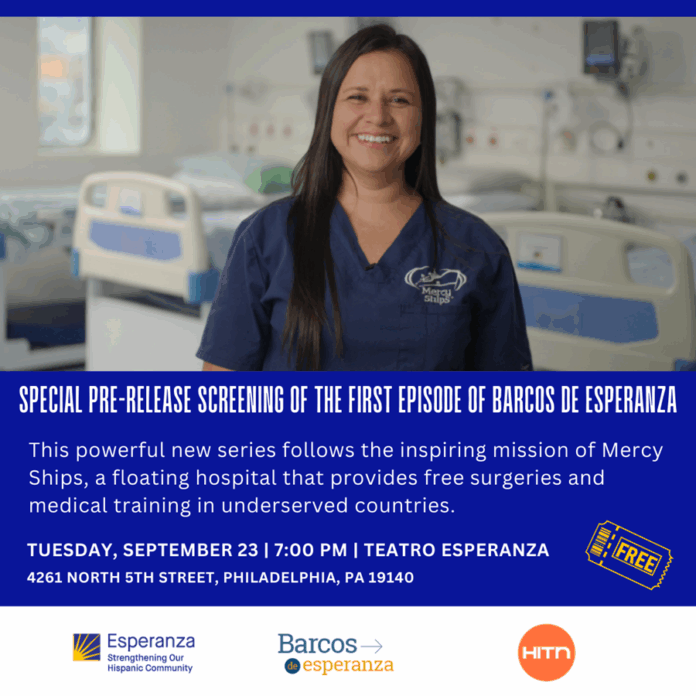
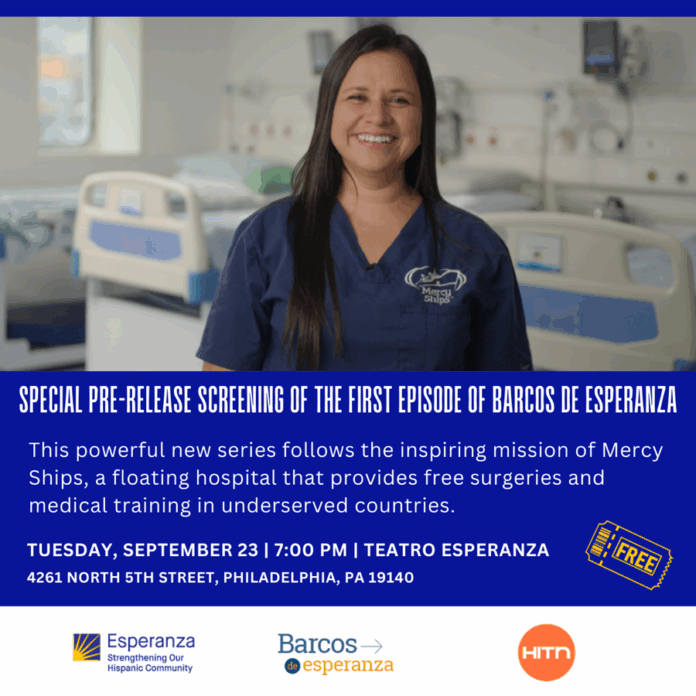
2. Special pre-release screening of the first episode of Barcos de Esperanza (Photo: Courtesy of HITN)
On September 23, Teatro Esperanza in Philadelphia will host the premiere of Barcos de Esperanza, a documentary series produced by HITN Media in collaboration with Mercy Ships. This production aims to shed light on the urgent need for medical care in developing countries, while also inspiring Hispanic youth in the U.S. to get involved in volunteer work.
Guillermo Sierra, EVP, Head of HITN Media, explained in an interview with Impacto that the initiative goes beyond simply informing: «Our mission for nearly 45 years has been to improve the quality of life for the Hispanic community. With Barcos de Esperanza, we want to take it a step further to inspire young people to get involved and make a difference.»
Floating Hospitals that Transform Lives
Inspired by the humanitarian work of Mercy Ships, the series follows two hospital ships traveling across Africa, providing free medical care to communities living in extreme poverty. These ships are staffed entirely by volunteers: doctors, cooks, captains, teachers, and more.
Filmed in a documentary-reality format, the series presents real-life stories of surgeries, recovery, and hope with a special focus on children who lack access to medical services. “A toothache that’s easily treated here can become life-threatening over there,” said Sierra. “Volunteering changes lives not just for those who receive help, but for those who give it as well.”
A Campaign That Encourages Action
Along with the series, HITN is launching the campaign Súmate (Join), aimed at encouraging Hispanic youth to reconnect with their sense of purpose and community through volunteer work. «Many young people spend hours in front of screens. This campaign invites them to step out, get involved, and discover that being a volunteer can also improve your mental health, relationships, academic performance, and sense of belonging,» Sierra explained.
Premier in Philadelphia
The official launch event will take place on September 23 at 7:00 p.m. at Teatro Esperanza. It will feature a special appearance by the Vice President of Mercy Ships, who will answer questions from the audience and share more about the organization’s humanitarian work.
That same day, the website www.SumateYa.org will go live, allowing users to enter their ZIP code and find local volunteer opportunities across various categories.
A Message to Families
Sierra closed the interview with a heartfelt appeal: «We invite parents, youth, and community members to watch the series, attend the event, and most importantly, get involved. Now more than ever, we need young people who are committed, compassionate, and find purpose in serving others. Those who give, receive even more.»
About HITN
Hispanic Information and Telecommunications Network (HITN) is a nonprofit organization that educates and transforms through media. Its channel reaches over 35 million households across the U.S., with content focused on health, science, wellness, technology, and nature.
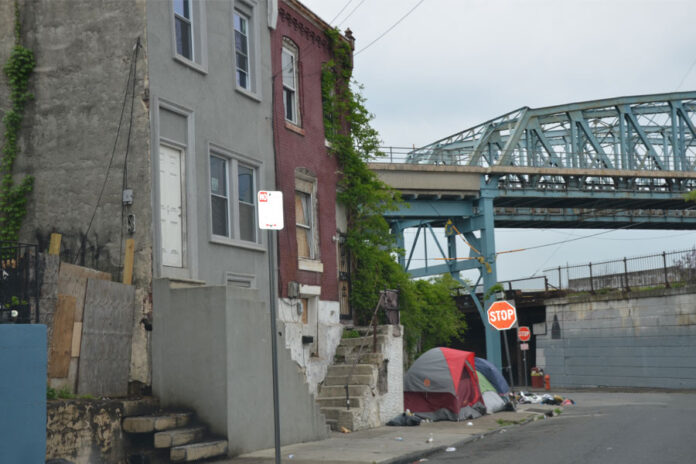
Makeshift camps reflect the persistent poverty and homelessness in Philadelphia. (Photo: Impacto/Staff/File)
Newly released data show that Philadelphia’s poverty rate has fallen below 20% for the first time since at least 1979, according to the U.S. Census Bureau. Houston now takes its place as the poorest large city in the country. Although Philadelphia no longer holds that title, there isn’t much to celebrate about having “given it up.”
Currently, Philadelphia has the second-highest poverty rate among the ten most populated U.S. cities. In 2024, the rate dropped to 19.7%, representing roughly 300,000 residents living in poverty.
This decline marks an important shift for Philadelphia, leaving behind the label of America’s poorest large city. However, challenges remain. Poverty is still higher among children, Hispanic residents, and adults without a high school diploma, while lower among white residents and those with a college education.
One in five Philadelphians lives in poverty.
As Harvard economist Raj Chetty has shown, the Philadelphia region ranks last (50 out of 50) in economic mobility among U.S. metropolitan areas. Reducing generational poverty remains an urgent priority.
Philadelphia’s poverty rate has been falling since its peak in 2011, when it reached 28.4%. Between 2022 and 2023, it dropped more than a full percentage point. from 21.7% to 20.3%, the largest decline in a decade. The current rate of 19.7% is the lowest recorded in 45 years.
The Census Bureau defines poverty by comparing household income to the minimum needed to cover basic needs, adjusted by household size. In 2024, that threshold is roughly $32,000 per year for a family of four.
According to Pew Charitable Trusts, while overall poverty has declined, extreme poverty (income below 50% of the poverty threshold) has fallen more slowly, only 4 percentage points since 2010, and still affects about 57,000 residents. In 2024, the extreme poverty rate stood at 9.4%.
Even those slightly above the poverty line continue to struggle with basic needs such as housing, transportation, and food.
Although Philadelphia has steadily reduced overall poverty in the last decade, the Latino community continues to face the highest rates among all racial and ethnic groups, reflecting structural inequalities that remain unresolved.
A study published this week by Pew shows that in 2013, 27% of residents –about 396,000 people– lived below the federal poverty line. By 2023, that number had fallen to 22% (339,000 people). However, among Latinos, the rate dropped only from 41% to 33%, and in absolute terms, nearly 500 more people joined the ranks of those living in precarious conditions.
“The key for Philadelphia’s Latino community to thrive lies in empowerment. We must recognize that we deserve more and that we have the ability to break cycles of poverty and limitations. In the U.S., countless opportunities exist, but they are often hidden or poorly communicated, making it harder for our people to take advantage of them.
This is where leadership and community come in. As Latinos, we have the responsibility to lift each other up, share information, and open doors. As the saying goes: ‘Give a man a fish and you feed him for a day; teach him to fish and you feed him for a lifetime.’ This principle should guide institutions, organizations, and each one of us.
Education is a key example: every year, millions of dollars in college scholarships go unused because our Latino youth don’t apply. If we motivate and support them to seize these opportunities, we can transform not only their lives, but also our families and neighborhoods.
Latino Philadelphia already has resilience, talent, and spirit. What’s missing is believing in ourselves and taking firm steps toward the future we deserve.”
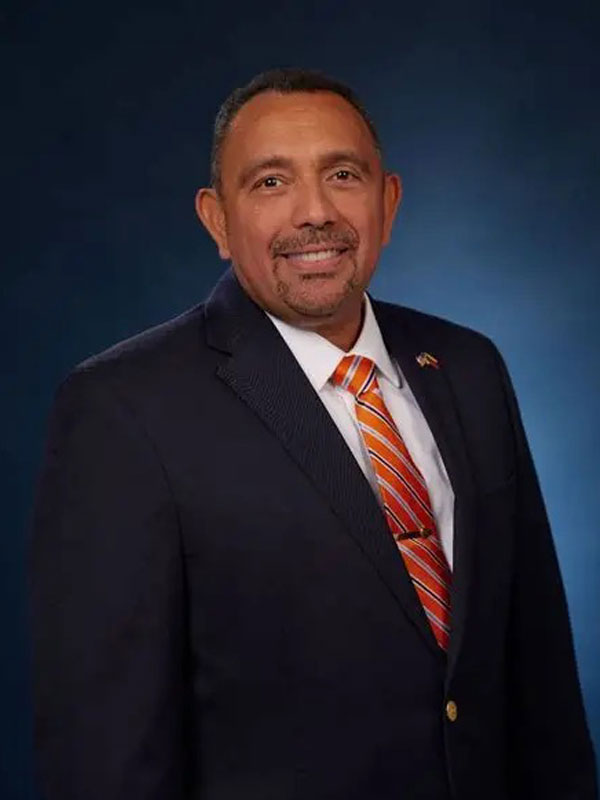
Emilio Buitrago, Member of the Pennsylvania Governor’s Advisory Commission on Latino Affairs (GACLA)
A growing and transforming community
Latinos are the fastest-growing group in the city, with more than 240,000 residents representing 15% of the population. Since the 1990s, their numbers have tripled. Although Puerto Ricans remain the majority (55%), the community has diversified: 34% have roots in other Latin American countries, and 19% are foreign-born immigrants.
Unlike in other cities, in Philadelphia both Puerto Rican-born residents and immigrants show similar poverty rates, suggesting that local factors weigh more heavily than geographic origin.
Children and female-headed households are the most vulnerable. Forty-one percent of Latinos living in poverty are children, compared with 30% citywide. Single-mother households face especially dire conditions: 64% live in poverty, compared with just 9% of single-male-headed households.
“In Philadelphia we barely survive, we don’t thrive. The minimum wage and aid programs stay the same, while expenses rise every year,” said Tabatha Reyes, a single mother and participant in economic development programs at Xiente. “If a community doesn’t thrive, people can’t do so emotionally, financially, or mentally,” she added.
The recent decline in Philadelphia’s poverty rate below 20 percent is a notable development, but it is not a cause for celebration. The data continues to expose persistent inequities, particularly among Hispanic residents, who face a poverty rate of 27.6 percent. This reality demands urgent and sustained action.
At the Greater Philadelphia Hispanic Chamber of Commerce, we hold a firm belief that entrepreneurship is a powerful vehicle for economic mobility and long-term wealth creation. However, for Latino entrepreneurs to succeed, they must be supported by high-quality programs that are geographically accessible and culturally relevant.
Equally important is access to the full continuum of capital — from grants and loans to equity and venture investment. These resources must be aligned with the industries in which Latino-owned businesses are concentrated and tailored to the needs of smaller enterprises. At present, most capital opportunities are not designed with these businesses in mind, leaving a significant gap that must be addressed.
Philadelphia’s progress is encouraging, but it is fragile. If we are to reduce generational poverty and foster inclusive prosperity, we must invest in building the capacity of Latino entrepreneurs and ensure that they have the tools and resources necessary to thrive. The future of our city depends on it.
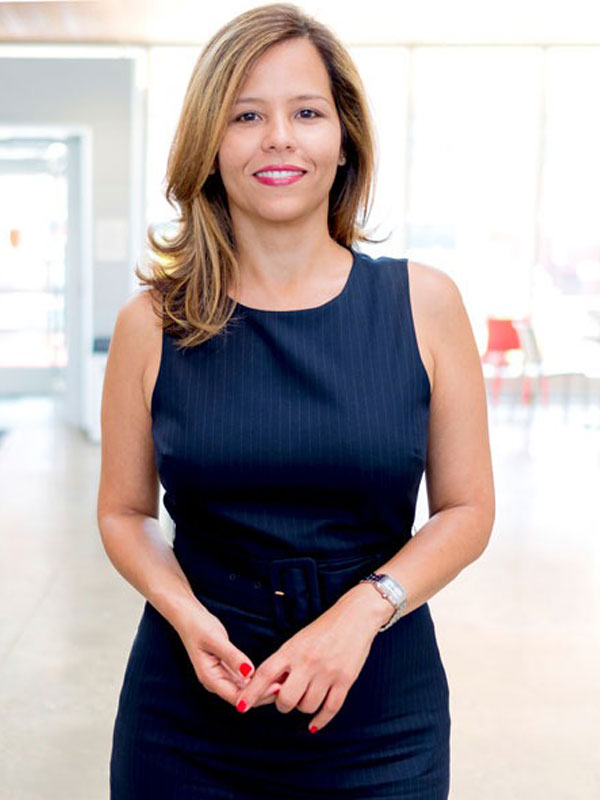
Jennifer Rodríguez, President and CEO, Greater Philadelphia Hispanic Chamber of Commerce
Low wages, high cost of living
The state minimum wage remains at $7.25 per hour, equivalent to about $15,000 annually—far below what’s needed for basic survival. According to the United For ALICE tool, a family of four with two children in childcare needs at least $96,276 annually to cover housing, food, and transportation. In contrast, the median income for Latino households is just $14,490.
Although 75% of working-age Latino adults participate in the labor market—similar to the city average—low wages largely explain the persistently high poverty rates.
Philadelphia is the only city where Latinos have the highest poverty rate compared to whites, Blacks, and Asians. In 2023, the rate was 33%, nearly double the national average.
“Historic disinvestment in key neighborhoods has left many Latinos facing extreme financial stress,” said William García, director of the Mayor’s Office of Latino Engagement.
While the median Latino household income has grown 40% over the past decade—more than the 26% citywide average—59% still earn below the city’s median income of roughly $60,000. Although the number of Latino families earning over $150,000 annually has grown eightfold, most remain in the low-income bracket.
In addition, according to the Census Bureau, there is significant undercounting of Latinos in national surveys, suggesting the scope of the problem may be even greater.
This content is a part of Every Voice, Every Vote, a collaborative project managed by The Lenfest Institute for Journalism. Lead support for Every Voice, Every Vote in 2024 and 2025 is provided by the William Penn Foundation with additional funding from The Lenfest Institute for Journalism, Comcast NBC Universal, The John S. and James L. Knight Foundation, Henry L. Kimelman Family Foundation, Judy and Peter Leone, Arctos Foundation, Wyncote Foundation, 25th Century Foundation, and Dolfinger-McMahon Foundation. To learn more about the project and view a full list of supporters, visit www.everyvoice-everyvote.org. Editorial content is created independently of the project’s donors.
As encouraging as it is to see Philadelphia’s poverty rate dip below 20%, the reality for many Latino families hasn’t changed enough. To move from ‘less poor’ to truly thriving (which is the goal), we need inclusive growth that impacts: income, assets, and stability. That means living-wage jobs. More apprenticeships, industry credentials, and recognition of foreign credentials, alongside affordable childcare and transportation so parents can stay employed.
We must prevent evictions and expand methods to affordable homeownership. Just as important, fund Latino-led organizations with multi-year and flexible support.
At Concilio, we’re aligning Prevention, Community-Based Services, and Family supports into one front door. When families can keep work, keep housing, and build savings, Latino Philadelphia will surely flourish.
La incidencia de cáncer en Puerto Rico relacionado con la obesidad aumentó, entre los años 2000 y 2022, con un cambio porcentual anual promedio (AAPC) de 1,4 %, siendo el grupo de mujeres de entre 30 y 39 años el de mayor incremento de 4,9 %. (Foto: EFE/Sáshenka Gutiérrez)
San Juan.- La incidencia de cáncer en Puerto Rico relacionado con la obesidad aumentó, entre los años 2000 y 2022, con un cambio porcentual anual promedio (AAPC) de 1,4 %, siendo el grupo de mujeres de entre 30 y 39 años el de mayor incremento de 4,9 %.
«Es sumamente preocupante encontrar que las mujeres menores de 50 están experimentando los aumentos más significativos en cánceres relacionados con la obesidad», dijo este viernes en un comunicado Carola Sánchez-Díaz, investigadora asistente en la División de Control del Cáncer y Ciencias de la Población del Centro Comprensivo de Cáncer de Puerto Rico.
El estudio, liderado por Sánchez-Díaz y presentado en una conferencia de la Asociación Americana de Investigación de Cáncer, evaluó la incidencia y las tendencias de los cánceres relacionados con la obesidad en Puerto Rico entre 2000 y 2022, utilizando datos del Registro Central de Cáncer de Puerto Rico.
De acuerdo con Sánchez-Díaz, las personas con obesidad presentan un riesgo mucho mayor de desarrollar cáncer, que va desde un aumento del 10 % hasta un incremento de siete veces en el riesgo en múltiples tipos de cáncer, en comparación con individuos sin obesidad.
Sánchez-Díaz detalló además que el aumento en cáncer en el grupo de mujeres de entre 30 y 39 años entre los años 2000 y 2022, fue de 4,6 %.
Asimismo, entre las mujeres menores de 40, los mayores aumentos se observaron en cáncer de tiroides (AAPC: 6,1 %), cáncer colorrectal (AAPC: 5 %) y cáncer uterino (AAPC: 4,9 %).
Además, las mujeres de 40 a 49 años presentaron incrementos significativos en cáncer de páncreas, renal y de ovario, mientras que los hombres del mismo grupo etario mostraron aumentos en mieloma múltiple.
La investigadora, por otra parte, mencionó que entre los hombres menores de 40 años, los mayores incrementos fueron en cáncer de tiroides (AAPC: 7,5 %), renal (AAPC: 4,4 %) y colorrectal (AAPC: 4 %).
Según datos incluidos en el comunicado, en 2023, la prevalencia general de obesidad en Estados Unidos y sus territorios rondaba el 20 %.
En Puerto Rico, sin embargo, la prevalencia de obesidad superó el 36 %, convirtiéndolo en una de las jurisdicciones con las tasas más altas de la nación.
De cara al futuro, Sánchez-Díaz explicó que el contexto social y ambiental único de la isla -incluyendo crisis económicas, fallas de infraestructura, desastres naturales como el huracán María y los terremotos, y la pandemia de la Covid-19- pudo haber influido en los comportamientos de estilo de vida.
Estas interrupciones pueden restringir el acceso a pruebas de detección de cáncer, atención médica, alimentos nutritivos y espacios seguros para la actividad física, lo que incrementa el riesgo de obesidad.
Sin embargo, se necesita más investigación para evaluar plenamente el impacto de estos eventos.
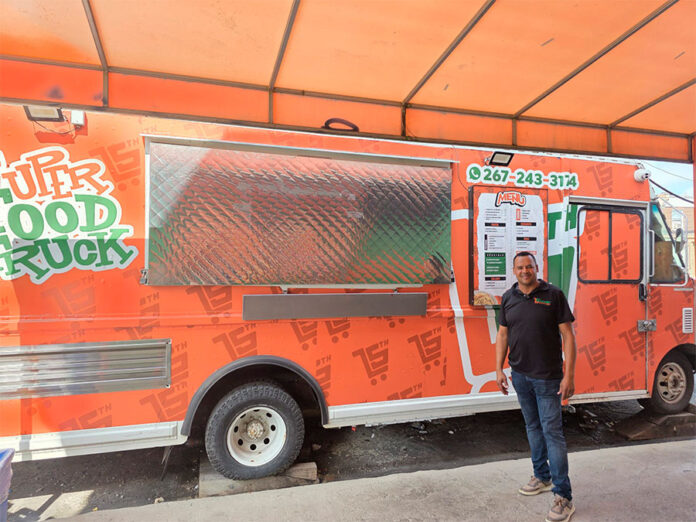
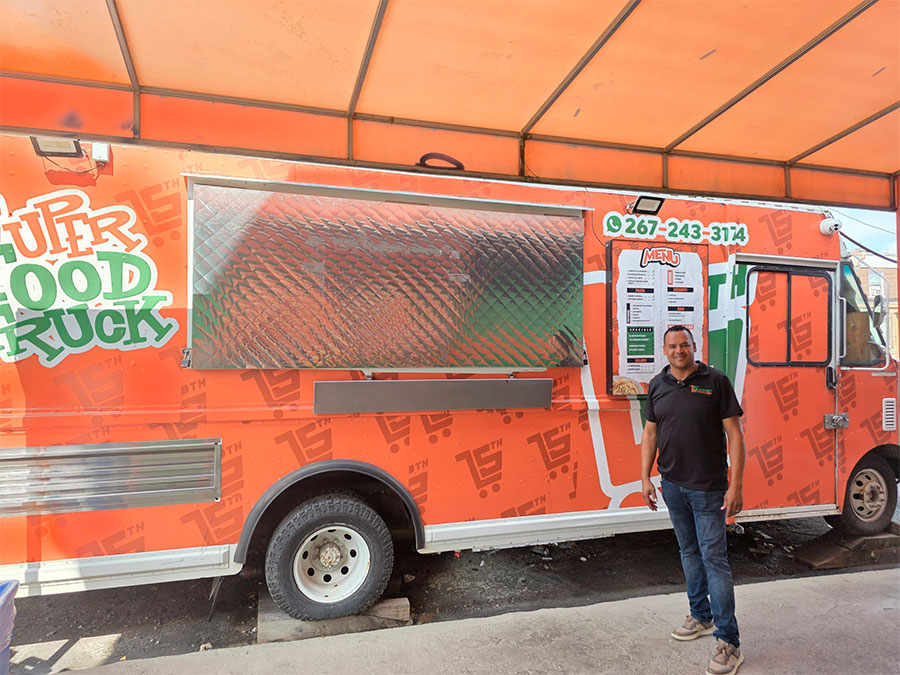
Edward Bonilla comerciante quiere que la comunicación se mantenga por el bien de la comunidad. (Foto: Haydeé Rosario/ Impacto staff)
En enero de 2024, la concejala del Distrito 7, Quetcy Lozada, presentó un proyecto de ley para imponer un toque de queda a negocios como food trucks, restaurantes de comida para llevar y tiendas de conveniencia en Kensington.
La concejala Quetcy Lozada está abierta al diálogo por el bienestar de la comunidad. (Foto: Haydeé Rosario/Impacto Staff)
El objetivo: combatir el narcotráfico al aire libre y la actividad criminal nocturna en una zona históricamente afectada por el desorden urbano. Lozada explicó que la medida busca mejorar la calidad de vida de los residentes, especialmente aquellos que viven cerca de estos negocios.
Durante años, vecinos han denunciado problemas como basura, ruido, música a alto volumen y otros inconvenientes generados por negocios —algunos irregulares— en una región donde, según ellos, la ley ha sido aplicada con indulgencia.
La propuesta se basó en un programa piloto previo en Kensington que, según Lozada, mostró resultados positivos en la reducción de crímenes y disturbios nocturnos. Durante meses se realizaron reuniones comunitarias con participación de vecinos, comerciantes y líderes locales. Entre ellos, Edward Bonilla, quien exigía mayor orden y seguridad.
Detalles de la ley
El toque de queda, que entró en vigor la semana pasada sin la firma de la alcaldesa Cherelle L. Parker, obliga a los negocios sin licencia para vender alcohol a cerrar entre las 11:00 p.m. y las 6:00 a.m. Las infracciones pueden acarrear multas de $500 a $1,000 por noche.
Algunos propietarios de food trucks y pequeños negocios han expresado su preocupación, alegando que la medida afecta directamente sus ingresos, ya que muchos operan principalmente en horario nocturno. Aunque la restricción representa solo una hora menos de operación, algunos temen tener que despedir empleados o incluso cerrar sus negocios.
Edward Bonilla comerciante quiere que la comunicación se mantenga por el bien de la comunidad. (Foto: Haydeé Rosario/ Impacto staff)
Edward Bonilla afirmó haber sido multado con $2,500 por operar fuera del horario permitido. Él, junto con otros comerciantes opuestos a la iniciativa, esperaba que el Concejo Municipal reconsiderara la medida antes del 11 de septiembre, fecha límite para su entrada en vigor.
La ley se proyecta hasta el año 2030, con un periodo de evaluación para analizar su efectividad y realizar ajustes.
“La ciudad necesita datos claros sobre lo que ha funcionado y lo que no”, declaró Lozada, quien ha sido por décadas una defensora activa de la comunidad latina en Filadelfia.
Además del toque de queda, la concejala ha propuesto regular los servicios móviles de ayuda a personas sin hogar y con trastornos de adicción, buscando una coordinación más efectiva entre los actores involucrados.
Acusaciones y respuesta oficial
Ante las acusaciones de comerciantes que afirman estar siendo objeto de represalias por oponerse al toque de queda, Lozada coincidió con la Oficina del director general de Filadelfia —que supervisa el Departamento de Licencias e Inspecciones— en que ninguna persona que testificó ante el Ayuntamiento ha sido perseguida. La aplicación de la ley, aseguró, fue planificada con antelación al 11 de septiembre y forma parte de una estrategia continua de cumplimiento del código municipal.
“Soy legisladora, no funcionaria de la policía ni de los departamentos encargados de aplicar la ley”, aclaró Lozada, en una conversación con Perla Lara, editora jefe de Impacto. “Mi oficina ha promovido asistencia gratuita para que todos los que necesiten asesoría puedan informarse de todo lo que necesitan para estar en orden… Esto se sabía desde hace meses. Han tenido tiempo para reunir su documentación y no deben temer a los inspectores si no tienen nada que ocultar”.
Más diálogo, más acción
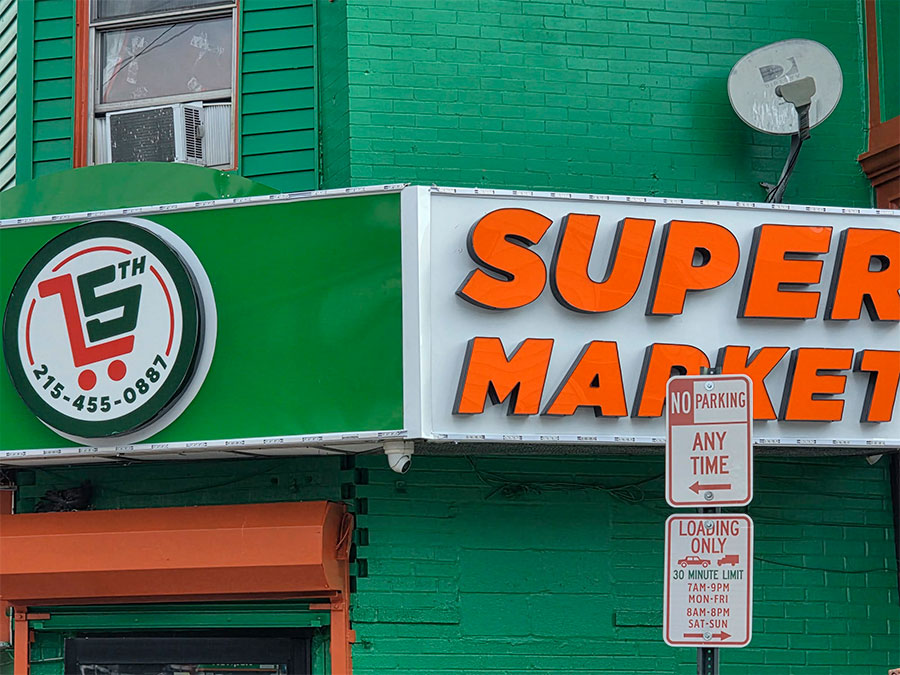
En declaraciones para la directora de Comunicaciones Comunitarias de Impacto Haydee Rosario, Edward Bonilla, propietario de La Quinta Supermarket y de un food truck, señaló que la medida ha reducido sus ventas hasta en un 80 % y ha complicado la organización de su personal.
Edward Bonilla, propietario de La Quinta Supermarket, afirma que sus ventas han bajado considerablemente. (Foto: Haydeé Rosario/Impacto Staff)
“Mientras los negocios con alcohol pueden operar más tarde, nosotros enfrentamos restricciones que nos afectan directamente”, explicó. “Este horario perjudica a trabajadores que salen tarde y no encuentran dónde comprar alimentos básicos”. Por lo que propone extender el horario hasta la medianoche para los negocios sin alcohol, argumentando que no representan un riesgo de seguridad.
“No es algo personal, es una defensa de nuestros derechos laborales y empresariales”, dijo, al tiempo que pidió diálogo con la concejala Lozada.
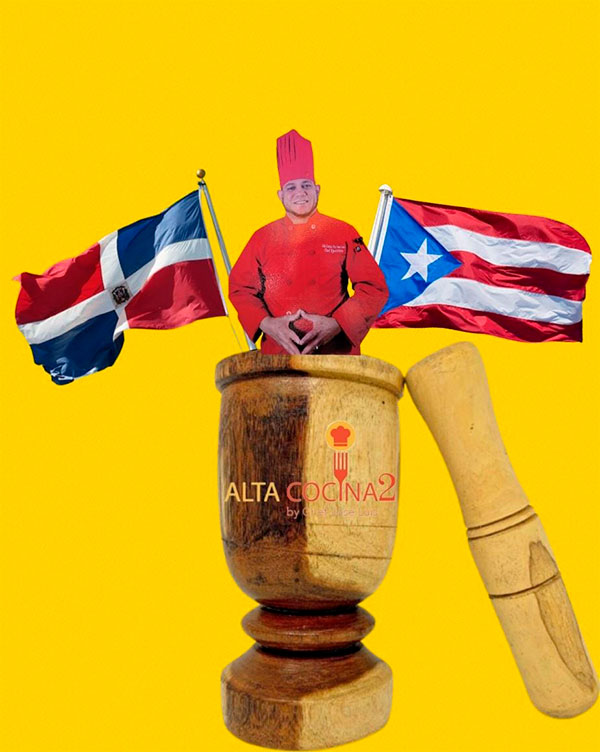
José Luis Reynoso, de Alta Cocina, asegura que su food truck ha sufrido grandes pérdidas económicas. (Foto: Haydeé Rosario/Impacto Staff)
José Luis Reynoso, de Alta Cocina, cuyo camión de comida opera desde 2019, dice que ha sufrido pérdidas significativas.
“Los que cumplimos somos los más afectados. Muchos tienen miedo de hablar, pero yo doy la cara”, le dijo a Rosario. Él propone extender el horario hasta la 1:30 a.m., ya que la mayor parte de sus ventas ocurre por la noche. También cuestiona que la medida busque combatir a la criminalidad, dado que su negocio es familiar y no representa un foco de riesgo.
Por su parte, el reconocido empresario dominicano Victor Tejada considera que, si se va a aplicar la ley con mayor rigor, debe hacerse de forma equitativa.
“No solo con quienes pagan impuestos y tienen sus negocios en regla, sino sobre todo con los irregulares. Ellos saben bien lo que hacen y dónde están. Deberían empezar por cerrar esos ‘hoyitos’”.
Víctor Tejada es más que un dueño de negocios; su app Delivery Guys está marcando la diferencia en la comunidad latina de Filadelfia. (Foto: Cortesía/VT)
¿Qué son los “hoyitos”?
Los hoyitos son espacios ocultos o disfrazados de negocios legítimos que operan fuera de la ley. Allí se vende alcohol sin licencia, se organizan juegos de azar y se facilita el tráfico de drogas. Son puntos calientes donde la gente se reúne sin horarios ni reglas.
“No basta con cerrar más temprano y hacer cumplir las leyes a los negocios establecidos, hay que cerrar los hoyitos desde ya”, enfatiza Víctor, quien emplea a varias docenas de personas y conoce bien cómo los que viven fuera de la ley afectan de muchas maneras esas zonas específicas de la ciudad, ubicadas al norte, noroeste y noreste. El también activista de la prosperidad en Filadelfia, agrega que espera que quienes reporten grandes pérdidas puedan documentarlas en sus declaraciones de impuestos.
Si bien algunos dueños de negocios se dicen afectados y se han organizado en su oposición a la medida, miembros de la comunidad consideran que el toque de queda es una respuesta directa a sus reclamos.
“No es contra los negocios, es contra lo que ocurre alrededor de ellos”, dijo Carmen, vecina de Kensington, quien también coincide que se necesita más: cerrar los hoyitos, limpiar las calles y ofrecer servicios de salud y rehabilitación para quienes viven en adicción.
La alcaldesa Cherelle Parker ha declarado que no se permitirá que los negocios alimenten el desorden. La ley también incluye medidas contra las máquinas de apuestas ilegales en tiendas y gasolineras.
Para Abraham Reyes, que es el vicepresidente de Office of Housing and Diversion Services, estas medidas pueden estar respondiendo a que la Ciudad está actuando preventivamente para comprobar al Gobierno federal que están combatiendo la criminalidad, y así no dar lugar a una potencial intervención con el envío de la Guardia Nacional.
Lo que todos coinciden es en su apertura a seguir dialogando por el bien común.
Este contenido forma parte de Every Voice, Every Vote, un proyecto colaborativo gestionado por The Lenfest Institute for Journalism.
El apoyo principal para Every Voice, Every Vote en 2024 y 2025 es proporcionado por la William Penn Foundation, con financiamiento adicional de The Lenfest Institute for Journalism, Comcast NBCUniversal, The John S. and James L. Knight Foundation, Henry L. Kimelman Family Foundation, Judy and Peter Leone, Arctos Foundation, Wyncote Foundation, 25th Century Foundation y Dolfinger-McMahon Foundation. Para obtener más información sobre el proyecto y ver la lista completa de patrocinadores, visita Every Voice, Every Vote .
El contenido editorial se crea de manera independiente a los donantes del proyecto.
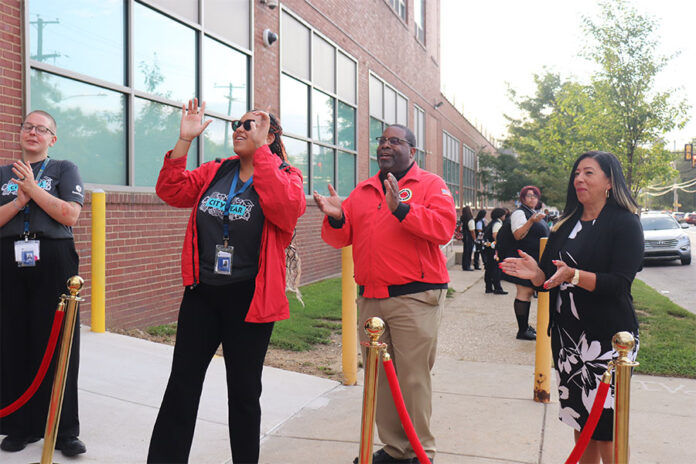
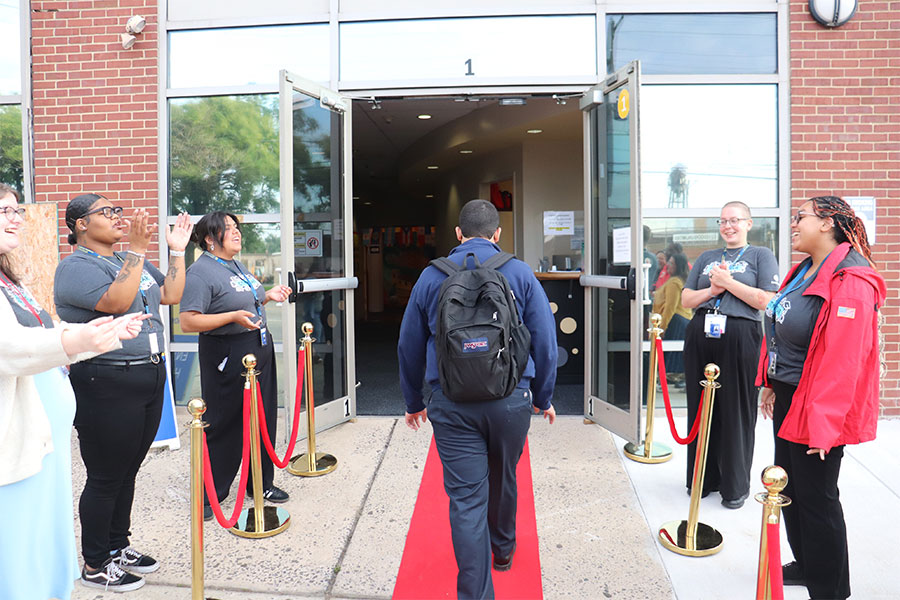
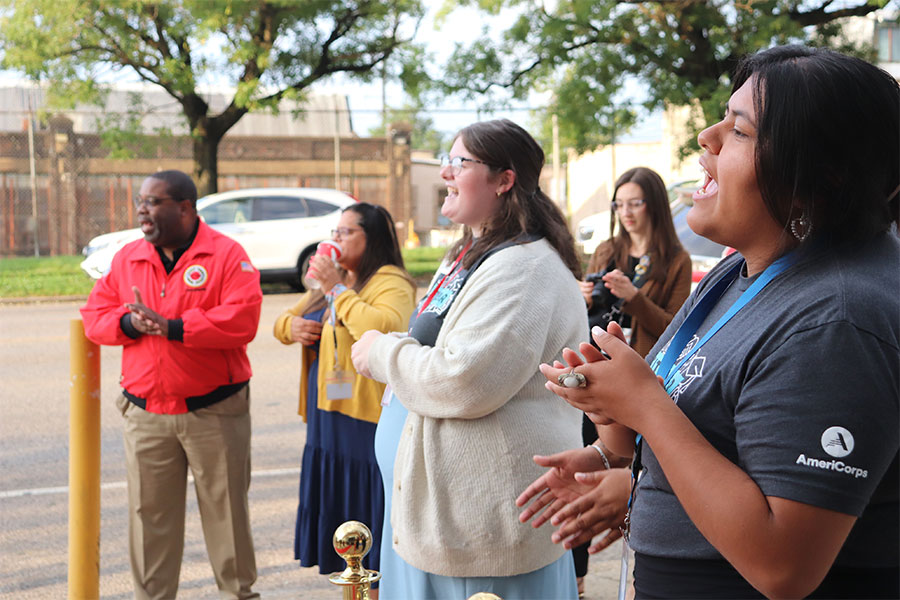
City Year team members use morning greetings to foster a welcoming environment for students and help set a positive tone for the day. (Photo: Credits/Alliyah Maduro)
Philadelphia, PA — Esperanza Academy Charter School (EACS) has launched a powerful new partnership with City Year Philadelphia for the 2025–2026 school year, aimed at boosting academic achievement and strengthening school culture. This collaboration brings eight City Year Student Success Coaches (SSCs) into Esperanza’s high school classrooms, where they will work side-by-side with teachers and students to foster a thriving learning environment.
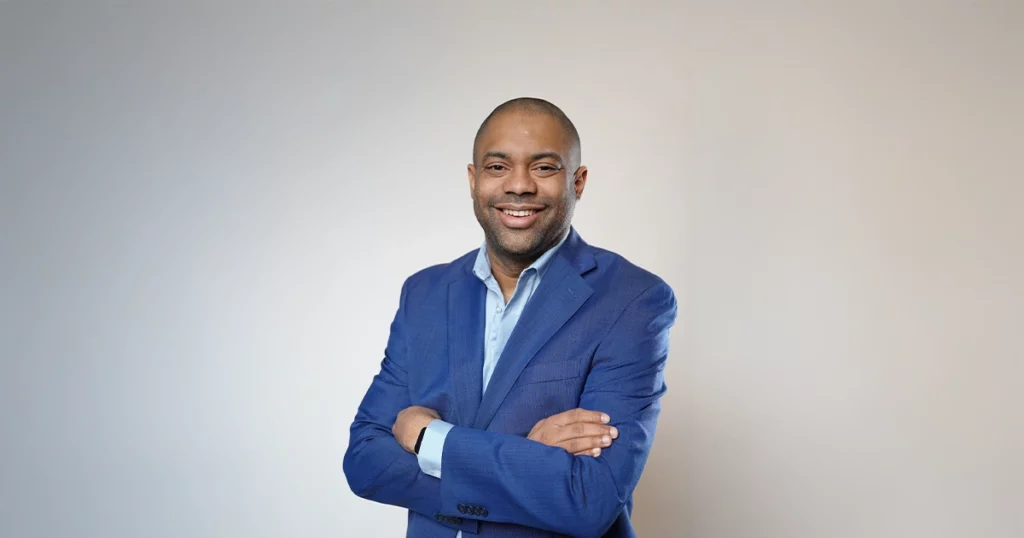
Led by Dawn McCray, Managing Director of Impact, and Deanna Johnson, Senior Director of Learning and Instruction, City Year Philadelphia began training 112 SSCs earlier this month. The Esperanza team officially joined the school community on the first day of classes.
As Esperanza Academy celebrates its 25th anniversary, the school is doubling down on two key priorities: academic growth in Math and English Language Arts (ELA), and a renewed focus on culture and climate that nurtures the whole child. The integration of SSCs into daily school life is designed to provide targeted academic support, strengthen teacher-student relationships, and promote a positive, inclusive school culture.
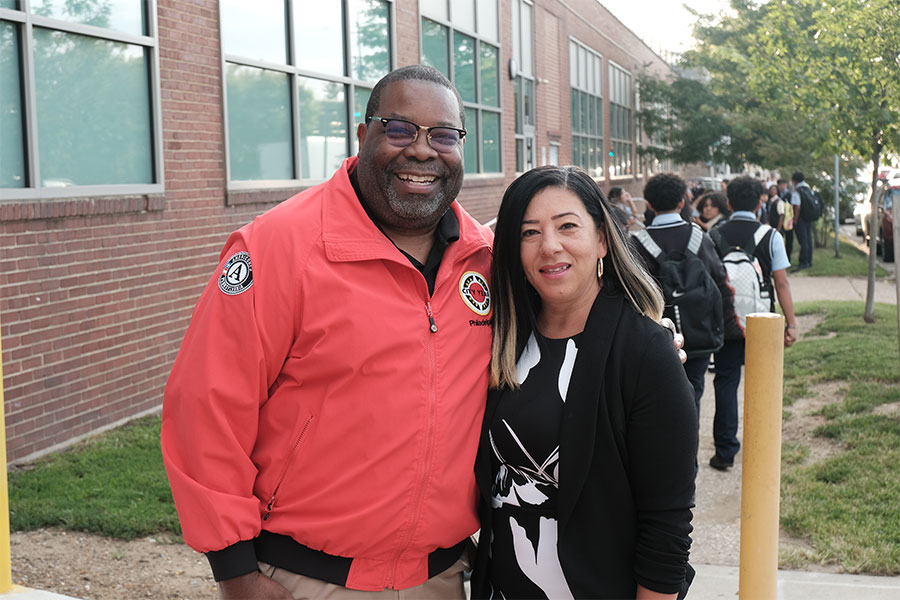
Darryl Bundrige, Senior Vice President and Executive Director of City Year Philadelphia with Dr. Evelyn Nuñez, CEO/Superintendent of Esperanza Academy. (Photo: Credits/Stephanie Woughter)
“At Esperanza Academy, we believe every student deserves the support and encouragement to reach their fullest potential,” said Dr. Evelyn Nuñez, CEO and Superintendent of Esperanza Academy. “Our partnership with City Year brings dedicated mentors into our classrooms and hallways—role models who will walk alongside our students, celebrate their strengths, and help them overcome challenges. Together, we are building a culture of hope, resilience, and academic excellence that empowers our scholars to thrive in school and in life.”
The SSCs will collaborate with teachers to deliver data-informed classroom support, small-group tutoring, and one-on-one interventions. Beyond academics, they will help energize the school day with power greetings, afterschool enrichment, and schoolwide events that build community and student engagement.
Esperanza Academy high school students arrive on the first day of school, cheered on by City Year team members. (Photo: Credits/Alliyah Maduro)
Founded in 1988, City Year is a national service organization that deploys young adults for a year of full-time service in schools across the country. What began with 50 corps members has grown to more than 2,000 serving in 29 U.S. cities, including Philadelphia. City Year’s mission aligns closely with Esperanza’s: a belief that all students can succeed and that nurturing their skills and mindsets contributes to stronger, more vibrant communities.
ity Year team members use morning greetings to foster a welcoming environment for students and help set a positive tone for the day. (Photo: Credits/Alliyah Maduro)
“City Year is proud to partner with Esperanza Academy for the 2025–2026 school year,” said Darryl Bundrige, Senior Vice President and Executive Director of City Year Philadelphia. “We are grateful to Dr. Evelyn Nuñez for her steadfast support—through her leadership in the School District, her service on the City Year Philadelphia Board, and now in her role at Esperanza Academy. Together, we look forward to strong collaboration and meaningful impact for Esperanza’s students and community.”
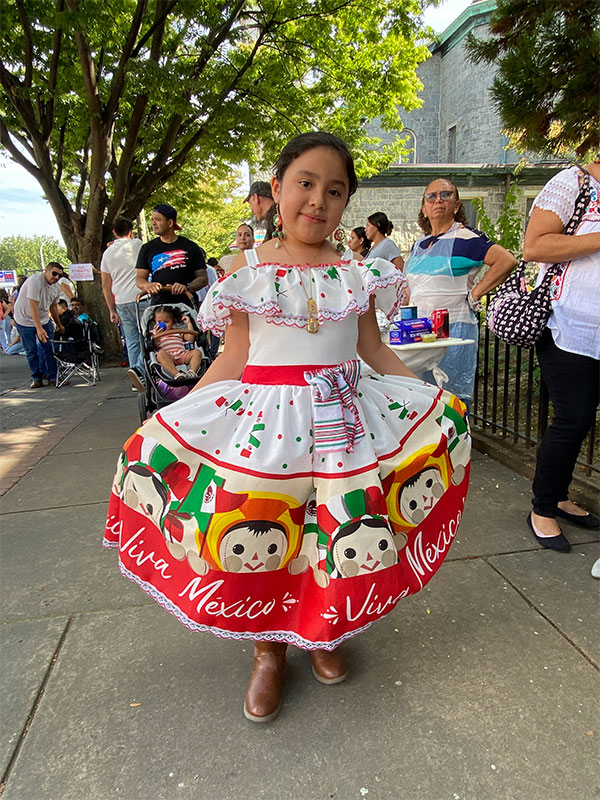
Apasionantes fusiones culturales en las reinterpretaciones artísticas mostradas el 14 de septiembre en el Desfile Hispano de Wilmington (Foto: Crédito/Virginia Esteban–Somalo)
Every year, from September 15 to October 15, we celebrate Hispanic Heritage Month. It’s an invaluable opportunity to recognize our contributions to the United States—from science and medicine to culture, politics, sports, and technology. But beyond the celebration, this month reminds us of something essential: the Hispanic story in this country must be told by us.
Being Hispanic in the United States means living in a constant fusion of languages, customs, traditions, and art. Our cultures intertwine, enrich one another, and give rise to a vibrant, mestizo identity. Today, that blend is lived in every neighborhood, every family, and every generation growing up with Hispanic roots and a forward-looking spirit.
The magic of being Hispanic in the U.S. lies in the fact that, just as it happened more than five hundred years ago, our cultures have permeated and fused with one another, creating an even greater cultural richness than that of the past, which led to a true mestizaje. Now, this coming together of people from different Spanish-speaking countries in the U.S. is further enriched through daily coexistence. And although we preserve the unique traits that make us who we are, we have evolved into a global whole: the Hispanic identity.
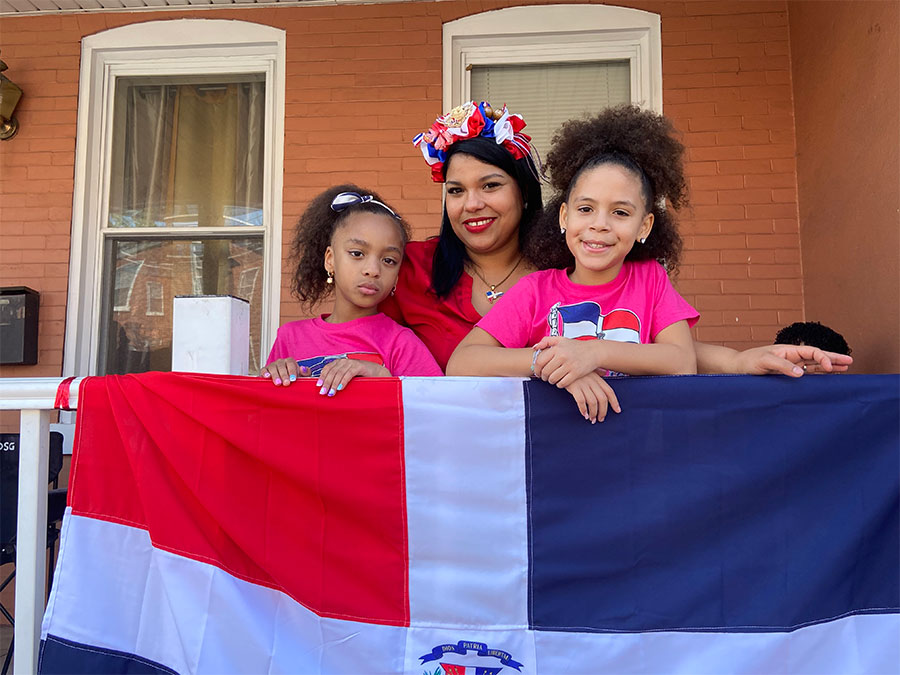
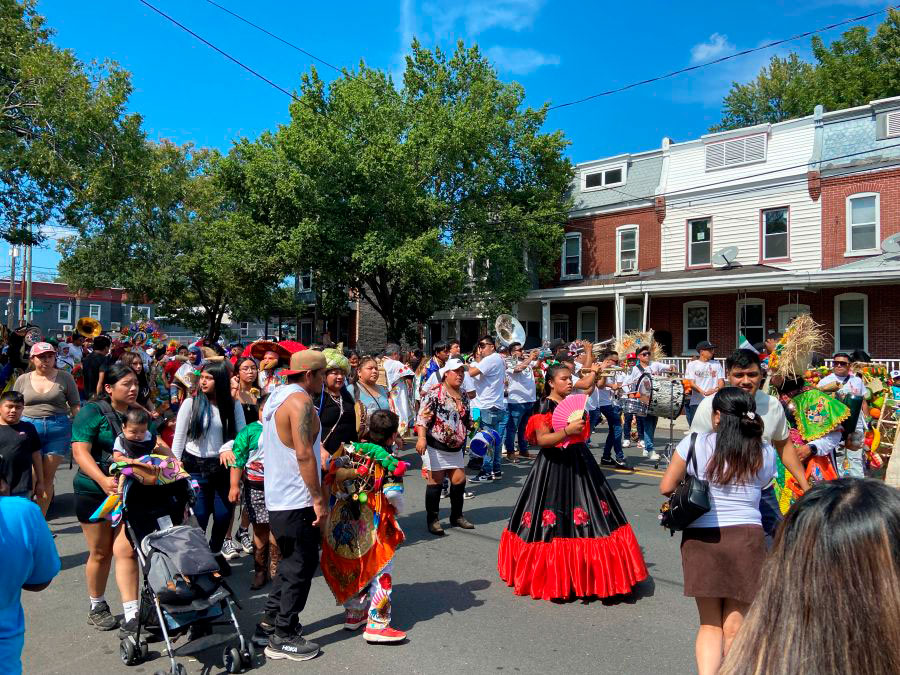
Diversas generaciones celebran lo hispano en la calle 4 de Wilmington, DE. (Foto: Crédito/Virginia Esteban–Somalo)
Hispanic identity is not a sum of isolated parts. It is a shared identity that evolves without losing the particularities that make us unique. And in that unity, we find strength.
Spain, along with the rest of the Spanish-speaking countries, forms a diverse unity. What unites us is far greater than what separates us. It has always been that way. Judging history through today’s social and cultural standards is a mistake. Every era has its own social, cultural, and ethical contexts that must be understood in order to fairly evaluate the past. Failing to do so leads to historical distortion.
For those of us who love history, it’s easy to recognize the Hispanic legacy as an integral part of the origins of the United States. Pedro Menéndez de Avilés was the founder of St. Augustine, the first city in what is now the United States.
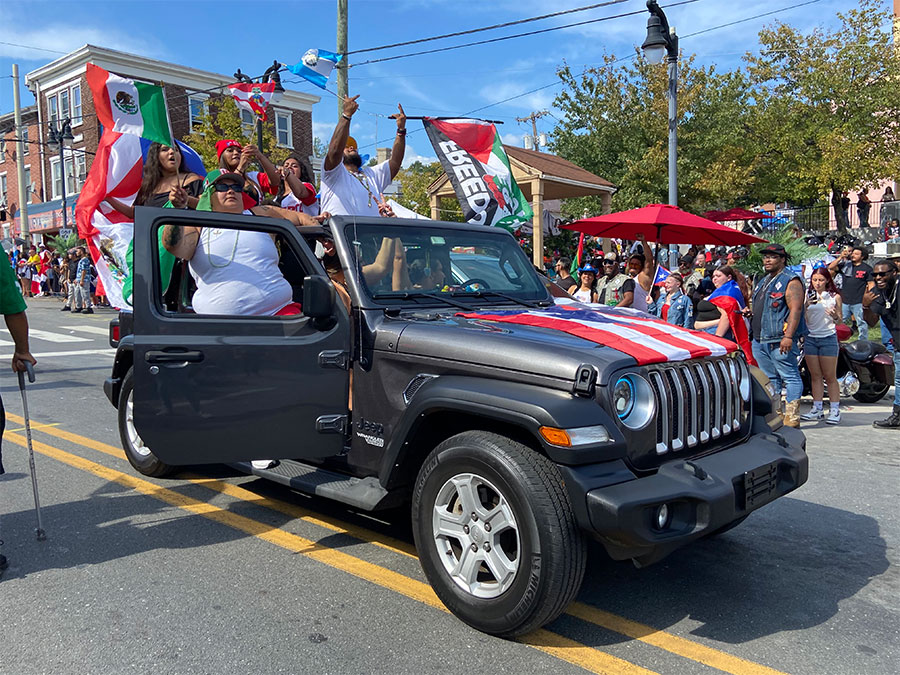
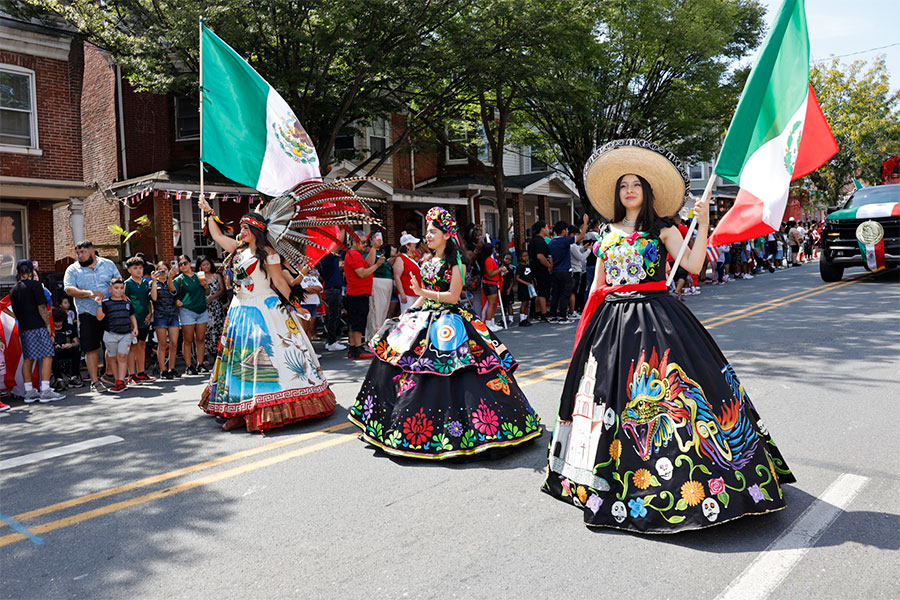
Banderas de todos los colores ondearon en la Wilmington Hispanic Parade 2025 (Foto: Crédito/Virginia Esteban–Somalo)
From Spain’s often misunderstood role in the American Revolutionary War—when Spain included all the territories that now make up Latin America—to the contributions of figures like Bernardo de Gálvez, Fernando de Leyba, and Diego de Gardoqui, Hispanics have been present from the very beginning. They contributed alongside thousands of Hispanic soldiers.
It is no coincidence that so many states, counties, and cities in the U.S. bear Spanish names, or that our symbols appear in flags, coats of arms, and mottos. Our imprint is deep and lasting.
Una nueva generación que lleva dentro lo mejor de dos mundos, el de su país de nacimiento y el de su país de origen (Foto: Crédito/Virginia Esteban–Somalo)
But it’s not just about the past. Hispanics are also the present—and above all, the future. New generations are born and raised in the United States and should do so without shame or hesitation, carrying within them the best of two worlds that have historically complemented each other. They are the best version of “Hispano-Americans”: innovative, diverse, and proud.
A Hispanic person—whether born in Spain or Latin America—should recognize themselves as an heir to that strength.
Todas las banderas de los países hispanos lucieron durante la orgullosa celebración de la Wilmington Hispanic Parade 2025. (Foto: Crédito/Virginia Esteban–Somalo)
Even historic American voices acknowledged our value. Thomas Jefferson considered Spanish essential for the country’s future and taught it to his daughters the way he learned it—by reading Don Quixote.
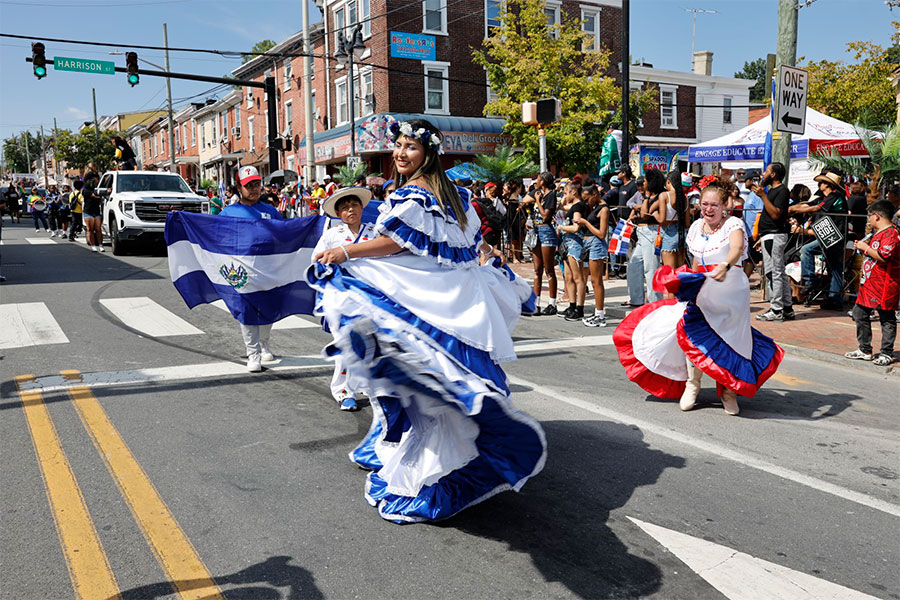
Diferentes culturas (Salvador y Costa Rica) bailando a un mismo son (Foto: Crédito/Virginia Esteban–Somalo)
The renowned American poet—and journalist—Walt Whitman once said:
“We Americans still have much to learn from our past… For the complex identity of the future, it will be the Hispanic character that contributes its most necessary aspects. No legacy carries greater historical weight or compares in its religiosity and loyalty, or in its patriotism, courage, dignity, seriousness, and honor.”
El Desfile Hispano de Wilmington (Wilmington Hispanic Parade) 2025 se celebró el 14 de septiembre. (Foto: Crédito/Virginia Esteban–Somalo)
The future of the United States will have a Hispanic presence—just as its past and present already do. Today, we celebrate all of this. And tomorrow, we will continue working to ensure that future shines brightly, so we can keep being the best version of ourselves—an essential asset without which the United States could not fully understand itself.
Josean Ortiz invites the audience to experience this unforgettable journey. (Photo: Courtesy/Vanessa Serra)
For the first time, Puerto Rican actor, playwright, and producer Josean Ortiz will perform in Philadelphia with his monologue “Tite Curet Alonso: Lyric and Poetry,” a play that pays tribute to the legendary Puerto Rican composer and his musical legacy that has shaped Latino culture worldwide.
A premiere full of emotion and meaning Josean Ortiz shares his excitement about this first visit to Philadelphia: “For me, it’s a great challenge and dream to present this project in such a diverse city with a rich Latino community like here.” He explains that his message transcends borders and connects with the entire Latino diaspora thanks to the universality of salsa and Tite Curet Alonso’s songs, considered the “soundtrack” of many lives.
The challenge of transforming a book into a monologue The project began after an invitation from Javier Santiago, executive director of the National Foundation for Popular Culture in Puerto Rico, as part of the theatrical series “Puro Teatro” and leading up to the centenary of Tite Curet Alonso. The biggest challenge was adapting the more than 400-page book Tite Curet Alonso, Lyric and Song by Norma Salazar into a ninety-minute monologue that, in 38 performances, has been adjusted to suit different audiences and settings.
Josean Ortiz performs in the monologue “Tite Curet Alonso: Lyricism and Poetry.” (Photo: Courtesy/Vanessa Serra)
The cultural and emotional resonance of the work “Tite Curet Alonso composed more than 2,000 songs that are part of the Latino heart. His music evokes memories and emotions that cross generations, and his cultural legacy is invaluable,” said Josean.
Tite Curet Alonso became known for his humility and desire to keep moving forward. (Photo: Courtesy/José Rodríguez)
A spiritual responsibility for the actor “For me, portraying Afro-Caribbean figures like Tite Curet Alonso is a spiritual responsibility: I work with the energies of our ancestors and feel their presence in every performance. This deep connection makes each presentation an act of respect and dedication.”
Tite Curet Alonso composed more than 2,000 songs that are part of the Latin heart. (Photo: Courtesy/José Rodríguez)
A message for the Latino community The monologue invites reflection on cultural identity and the importance of social awareness. “Tite was a humble man from a working-class neighborhood who left a global mark. If he could achieve this with fewer resources, we, with more access to education and technology, can too. Each generation has the commitment to fight for the next.”
The performance on Sunday, October 5th, will include monologues, live music, and videos featuring original performances by artists such as La Lupe, Ismael Rivera, Cheo Feliciano, Héctor Lavoe, and Celia Cruz. Additionally, there will be a post-show conversation for the audience to share their impressions and experiences with the actor.
Josean Ortiz invites the entire Latino community to enjoy this deep look into the life and work of the iconic Puerto Rican composer, promising a unique experience that will leave spectators feeling better than when they arrived—filled with hope and energy.
To purchase tickets and for more information: BoriTix.com
Leo Brouwer is currently composing a choral music cycle based on “Motivos de Son”, by Nicolás Guillén. (Photo: Courtesy/Leo Brouwer)
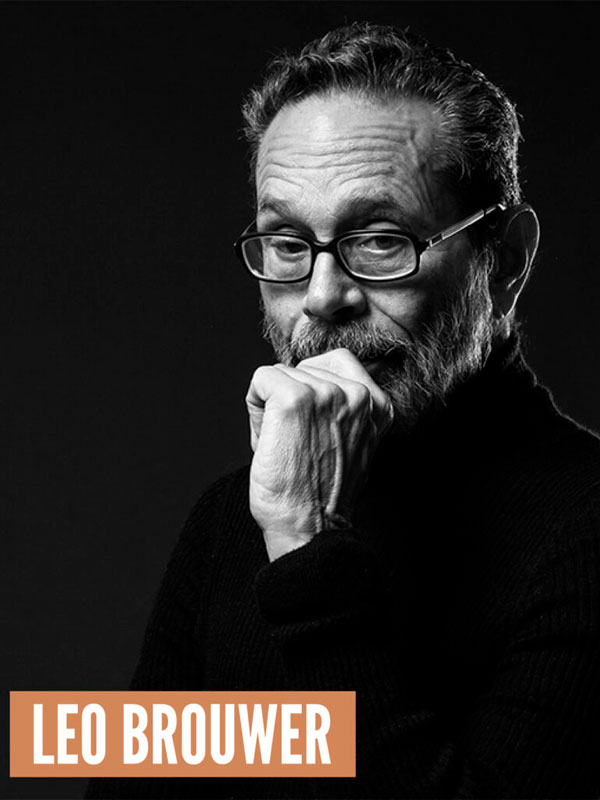
On September 26, the Teatro Esperanza will host an unforgettable evening: the concert «BROUWER PORTRAIT», honoring the renowned Cuban composer, guitarist, and conductor Leo Brouwer, a key figure in contemporary classical music. The event is part of the VOCES series presented by the Esperanza Arts Center.
The concert is included in the 2025/2026 season titled «Orígenes», which celebrates Indigenous roots and Latin creativity. The program will feature iconic works by Maestro Brouwer such as El mito de Sísifo, Perpetuum Mobile, the Toronto Concerto, Sones y danzones, and the world premiere of a new piece inspired by Latin American Indigenous traditions, composed especially for the occasion.
In an exclusive written interview, Brouwer expressed his gratitude: «For any living composer, it is a great joy to have one of their works performed, even more so when it is a monographic concert. That it takes place in a city with such a rich cultural history as Philadelphia makes me feel doubly honored.»
The selection of Network for New Music, an ensemble with over 40 years of experience performing contemporary music, was no coincidence. Their collaboration with Brouwer has already borne fruit this year with the creation of two new works: «Being asked to write music specifically for them has also brought me great satisfaction.»
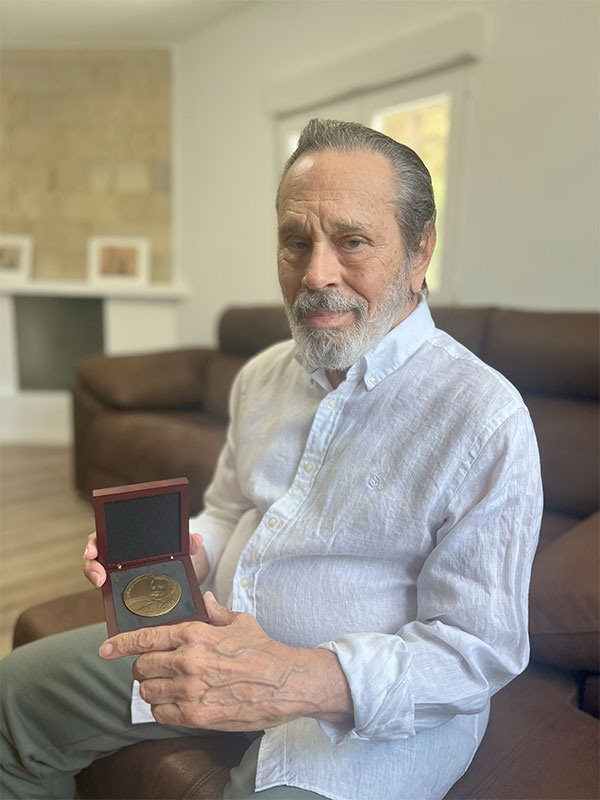
Leo Brouwer received the 2025 Ignacio Cervantes Medal. (Photo: Courtesy/Leo Brouwer)
Art as Resistance and Cultural Legacy
True to his thoughtful and critical perspective, Brouwer also addressed the role of art in Latin American contexts: «Music plays a vital role in preserving cultural identity around the world. It’s not fashion, politics, or politicians that endure it is art and the folklore of the people that survive.»
In this light, he praised initiatives like those of Esperanza Arts Center, which highlight Latin American musical heritage often overlooked by official institutions: “These are necessary projects that showcase repertoires usually buried by the system’s overall inefficiency,» said Brouwer.
Official photo of Leo Brouwer for his event: “Brouwer Portrait” at Esperanza Arts Center. (Photo: Courtesy/Leo Brouwer)
New Works and a Living Legacy
At 86 years old, Brouwer remains remarkably active and prolific, yet his most ambitious project is still ahead: “In future plans, there’s the opera I’ve been thinking about for over 40 years. Finally, it’s time has come.»
To the New Generations
Brouwer also shared a message for young composers and guitarists: “Value your cultural roots, but don’t be limited by them. Our folklore offers an infinite wealth that must be reinterpreted in a contemporary language. New generations should have greater richness in their ideas without rejecting or devaluing what they don’t know or understand.»
A Concert Not to Miss
On September 26, Philadelphia will celebrate Leo Brouwer with a tribute that unites music, identity, and cultural memory. As the Maestro affirms: “Music keeps that identity alive by expressing it sonically and preserves it by reinventing it in the contemporary world.»
«Everyone you meet is fighting a battle you know nothing about. Be kind. Always.» — Robin Williams
Those words from Robin Williams have been echoing in my head lately. They remind me of how quick we often are to jump to conclusions about people’s actions without ever pausing to consider what might be happening in their lives. If someone cuts us off in traffic, we assume they’re careless or rude. If a coworker seems standoffish, we take it personally. If a neighbor gives us a bad look, we think they don’t want to talk.
But what if, instead of defaulting to the negative, we trained ourselves to imagine the best possible scenario? Maybe that driver is rushing a sick child to the doctor. Maybe that coworker just got bad news about a loved one. Maybe that neighbor is silently battling a struggle we know nothing about.
I was talking to my brother this weekend about this, and he reminded me of a story in The Seven Habits of Highly Effective People. Author Stephen Covey talks about an incident on a New York subway. Covey was annoyed by a father whose children were running wild, so he suggested the man should “control his kids a bit.” The father then explained: “We just came from the hospital where their mother died about an hour ago. I don’t know what to think, and I guess they don’t know how to handle it either.”
Covey described this as a paradigm shift. His perception immediately changed from irritation to compassion. That moment taught him—and teaches us—that when we look beyond appearances, we avoid misjudgment and foster empathy.
In our own lives, the same lesson applies. We live in a time when suspicion and division can feel like the default attitude. Too often, we are instantly defensive. Many times, we make snap judgments and overreact without ever pausing to consider the full picture. A sharp word, a bad look, or a small mistake can make us assume the worst about someone’s intentions. Each of us has the power to choose differently—to take a breath, step back, and think before reacting. That small pause can make all the difference.
Choosing kindness doesn’t mean ignoring reality; it means giving people the benefit of the doubt and believing there may be more to their story than what we see in the moment. And it means creating a culture where empathy is stronger than suspicion, and where compassion might have the last word. A little patience and an open mind can shift the tone of the day, and maybe even our attitude—we could even inspire others to do the same.
If we could wake up each morning with the attitude of “good intentions and a positive, open mind,” we would be better prepared for what’s to come and less likely to overreact to the negative situations we encounter during our day. That can be a start.
Kindness costs nothing—but it has the power to change everything.
1. Barcos de Esperanza lanzamiento el 23 de septiembre en Teatro Esperanza. (Foto: cortesía HITN)
El próximo 23 de septiembre, el Teatro Esperanza en Filadelfia será escenario del estreno de Barcos de Esperanza, una serie documental producida por HITN Media en colaboración con Mercy Ships. Esta producción busca visibilizar la necesidad urgente de atención médica en países en desarrollo, al tiempo que inspira a jóvenes hispanos en Estados Unidos a involucrarse en el voluntariado.
Guillermo Sierra, director general de HITN Media, explicó en entrevista con Impacto que esta iniciativa busca ir más allá de informar: “Nuestra misión desde hace casi 45 años ha sido mejorar la calidad de vida de la comunidad hispana. Con Barcos de Esperanza, queremos motivar a los jóvenes a involucrarse y marcar la diferencia”.
Hospitales flotantes que transforman vidas
Inspirada en la labor humanitaria de Mercy Ships, la serie muestra el trabajo de dos barcos-hospital que viajan por África ofreciendo atención médica gratuita a comunidades en situación de extrema pobreza. Estas embarcaciones son operadas totalmente por voluntarios: médicos, cocineros, capitanes, maestros y más.
A través de un formato tipo documental-reality, la serie presenta historias reales de cirugías, rehabilitación y esperanza, con un enfoque especial en niños sin acceso a servicios médicos. “Un dolor de muela que aquí se resuelve fácilmente, allá puede convertirse en una condición grave o incluso fatal. El voluntariado transforma vidas, no solo de quienes reciben ayuda, sino también de quienes la brindan”, explicó Sierra.
Una campaña que invita a actuar
Junto con la serie, HITN lanza la campaña ¡Súmate!, dirigida a jóvenes hispanos para animarlos a reconectarse con su propósito y su comunidad a través del trabajo voluntario. “Muchos jóvenes pasan horas frente a una pantalla. Esta campaña los invita a salir, participar, y descubrir que ser voluntario también mejora tu salud mental, relaciones y sentido de pertenencia”, dijo Sierra.
Estreno en Filadelfia
El evento de lanzamiento se realizará el 23 de septiembre a las 7:00 p.m. en el Teatro Esperanza. Ese mismo día se activará el sitio www.SumateYa.com donde los usuarios podrán ingresar su código postal y encontrar oportunidades de voluntariado cerca de su comunidad.
Un mensaje a las familias
Sierra concluyó con un llamado directo: “Invitamos a los padres, madres y jóvenes a ver la serie, a participar del evento y, sobre todo, a involucrarse. Hoy más que nunca necesitamos jóvenes comprometidos, empáticos, que encuentren propósito sirviendo a los demás. El que da, recibe más”.
Sobre HITN
HITN es una organización sin fines de lucro que educa y transforma a través de los medios. Su canal llega a más de 35 millones de hogares en Estados Unidos, con contenido enfocado en salud, ciencia, bienestar, tecnología y naturaleza.