



Ink, identity, evolution, and representation in the work of Puerto Rican artist Mike Hawthorne
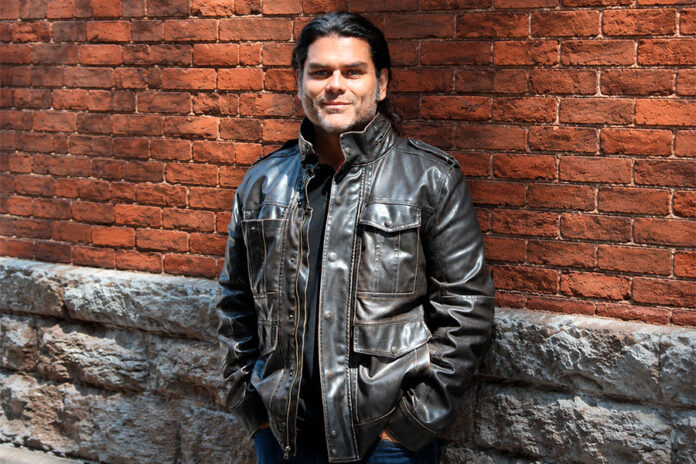
Philadelphia, PA – Mike Hawthorne’s story begins with a mother from Santurce, a curse at the door, and a childhood spent moving between fear and survival.
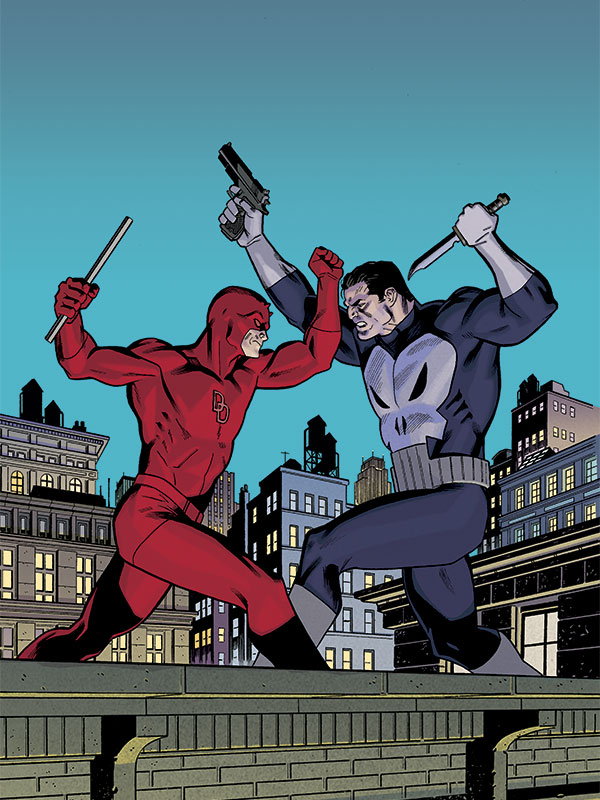
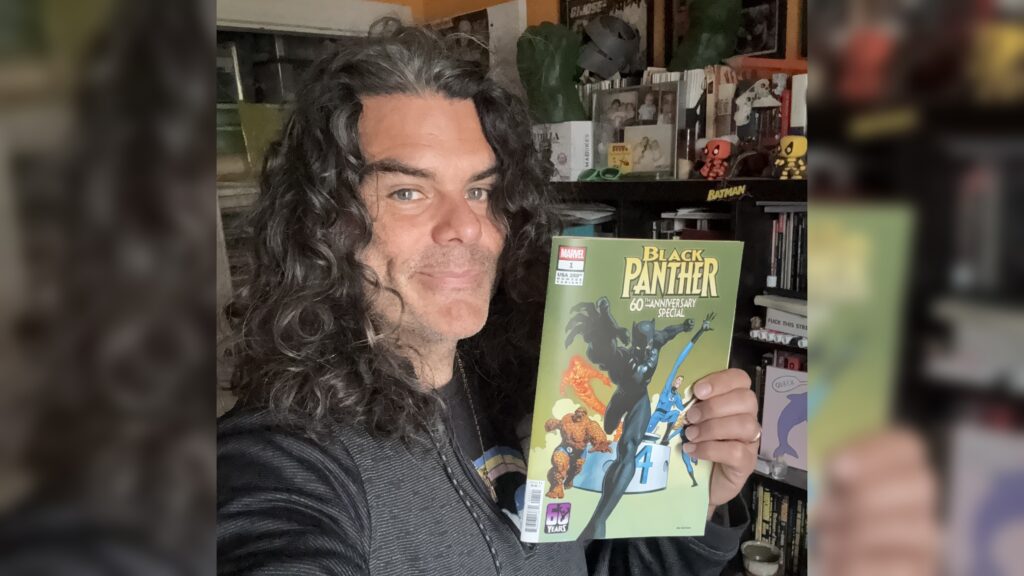
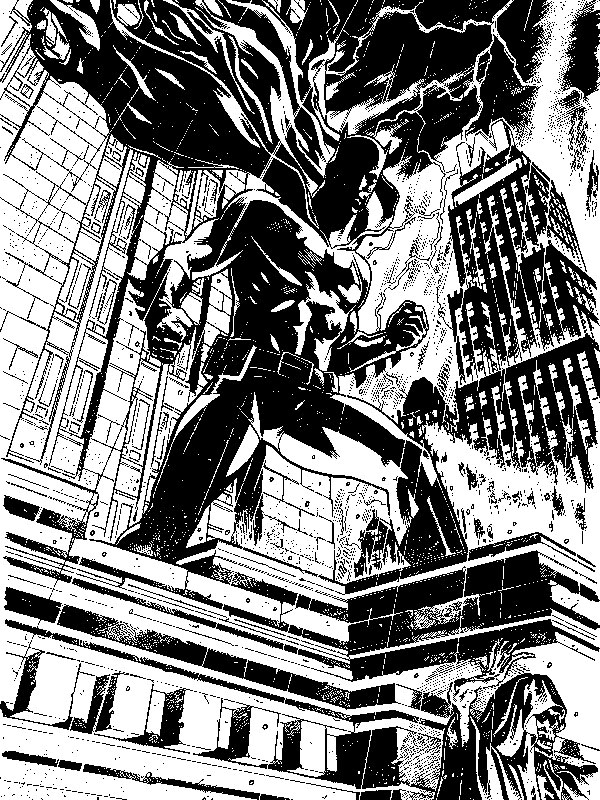
In a Zoom interview, the Puerto Rican artist reflected on his career, his graphic memoir Happiness Will Follow, and what it means to bring Latino and Puerto Rican memory into American visual culture. An Eisner and Harvey Award-nominated cartoonist and illustrator, Mike is known for drawing some of the biggest names in comics, including Deadpool, Spider-Man, Batman, and La Borinqueña. Across that work, he has spent his career placing Latino faces into worlds where they were too often missing.
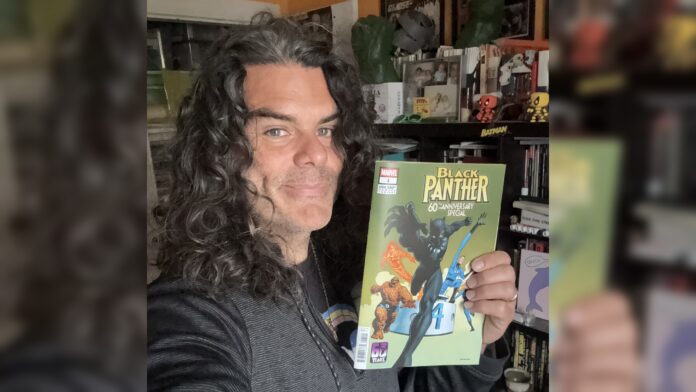
His work is a meaningful contribution to this special Impacto edition highlighting Latino contributions within the context of the United States’ 250-year history. The artist created the cover and back cover, contributing Puerto Rican talent to a commemorative issue that reflects a country shaped by multiple cultures, Hispanic and Latino.
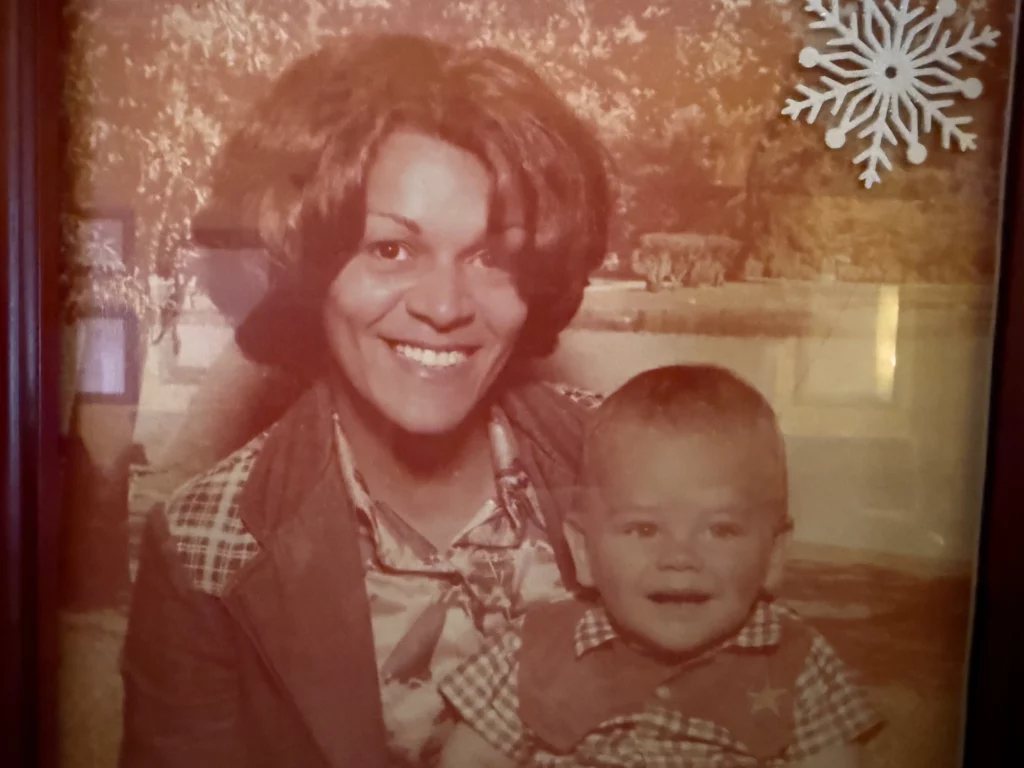
For Mike, that history begins with his mother, Blanca Iris Otero.
“I grew up Puerto Rican,” Mike said. “My mother was from Santurce.”
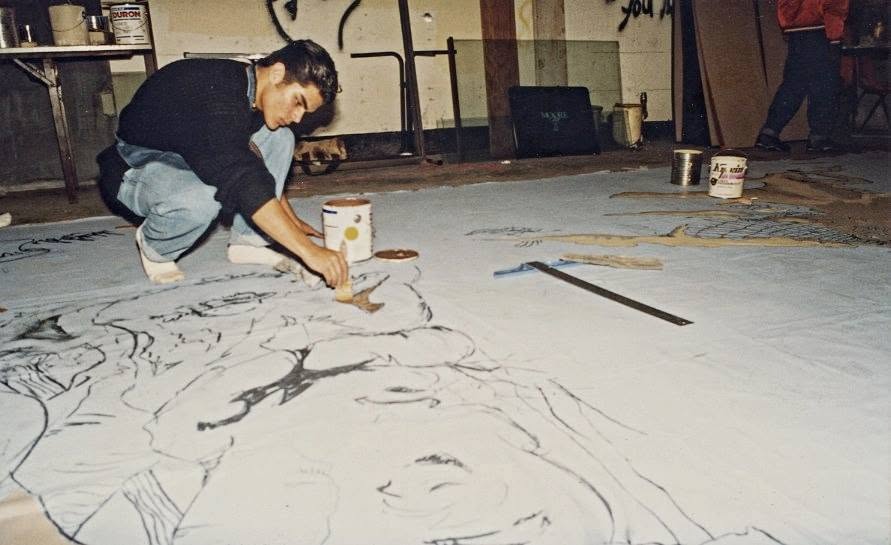
Blanca came to New York as a teenager, a small Afro-Latina woman who did not speak English when she arrived. She gave birth to Mike in 1975, then left the city after she believed a curse had been placed on him. They later lived in Lancaster and York, where he grew up in deep poverty before moving to Philadelphia in 1993 to study fine art at Tyler School of Art.
In Happiness Will Follow, published in 2020, Mike tells the story of growing up with Blanca, including poverty, spiritual fear, Santería, Catholicism, abuse, love, and the complicated ways survival can shape a family. Through it all, he is careful not to flatten his mother into a villain.
“I would remind people to think of how vulnerable you may have felt in a situation at any point in your life,” Mike said. “Now imagine how this physically very small, dark-skinned Latin woman who didn’t speak English as her first language would have felt coming to this country and all the obstacles placed in her way.”
Blanca’s story reflects Puerto Rico’s position within the United States. She was an American citizen, but she did not receive meaningful support when she needed it most.
“This was just a really desperate situation for a woman who had absolutely no resources,” he said. “I tried to make her a sort of stand-in for Puerto Rico itself.”
That connection gives Mike’s work a clear place in America’s 250th anniversary. The United States often tells its history through presidents, wars, and founding documents. Mike’s work points toward another archive: mothers who migrated, children who carried inherited memories, families who survived poverty, and artists who turned those memories into something others could finally see.
The memoir was not easy for him to make. After a complicated first publishing process, Mike got the rights back and sat on the book for nearly a decade.
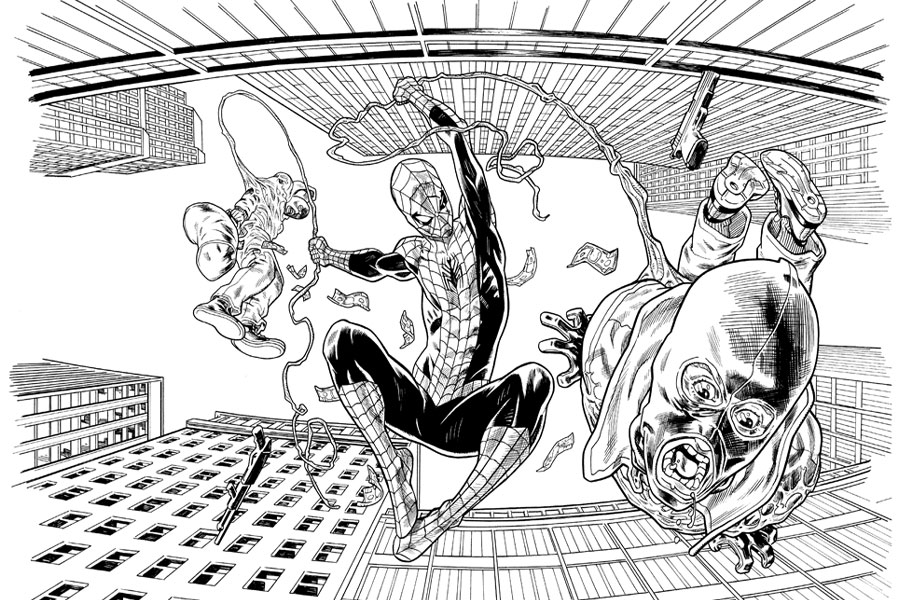
“I was comfortable being a little cowardly in my work,” Mike said. “It’s easy to draw Spider-Man or Batman, as there’s not much of you in it.”
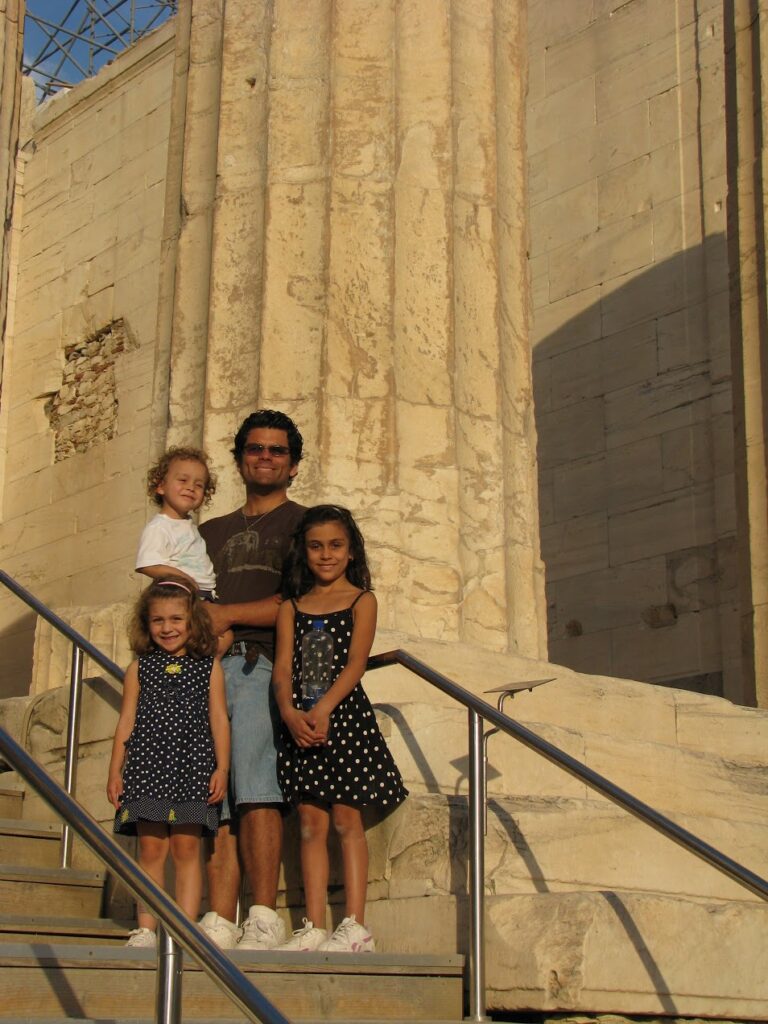
Eventually, Happiness Will Follow found its way to BOOM! Studios’ Archaia imprint. The title came from looking back at what had survived the years of grief and uncertainty. Blanca passed away before she could meet the family Mike would build with his wife, Despina, and their children, Sophia, Maria, and Michael, but he said she still shaped the life he was able to create.
“Her sacrifices were for something,” he said.
Mike’s Puerto Rican identity reaches beyond memoir. From the beginning, he pushed Latino presence into mainstream comics, even when the industry and culture around him did not always make it easy.
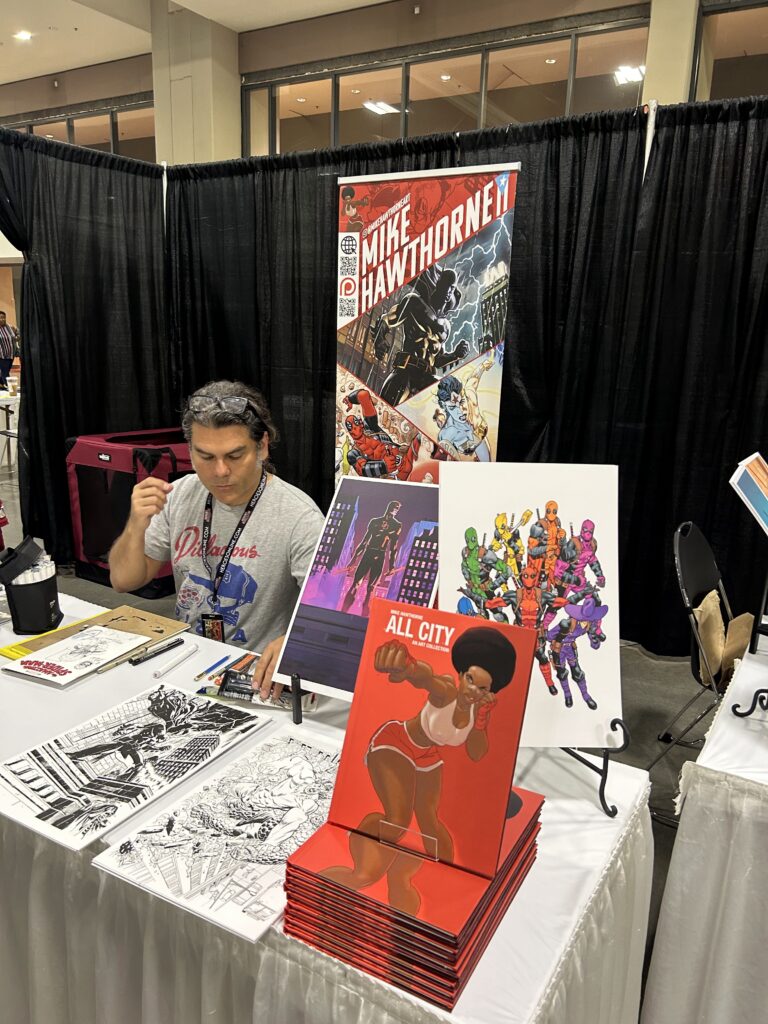
As a teenager, after being accepted into the Pennsylvania Governor’s School for the Arts, Mike told a teacher the news. The teacher asked whether he was the best applicant or simply the best Puerto Rican applicant.
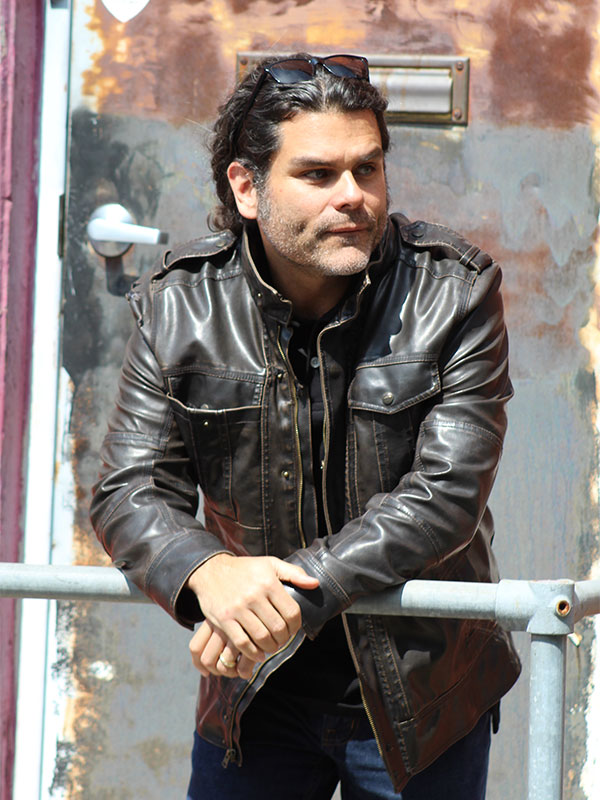
“It was like he punched me in the stomach,” Mike said.
Early in his career, Mike knew opportunities for artists of color were often treated as favors rather than earned achievements. Instead of stepping away from his identity, he found ways to bring Latino characters and faces into the work.
In Deadpool, Mike helped create Massacre, a Mexican version of the character who speaks Spanish. He also designed Deadpool’s daughter to resemble Sophia and based the character’s grandmother on Blanca.
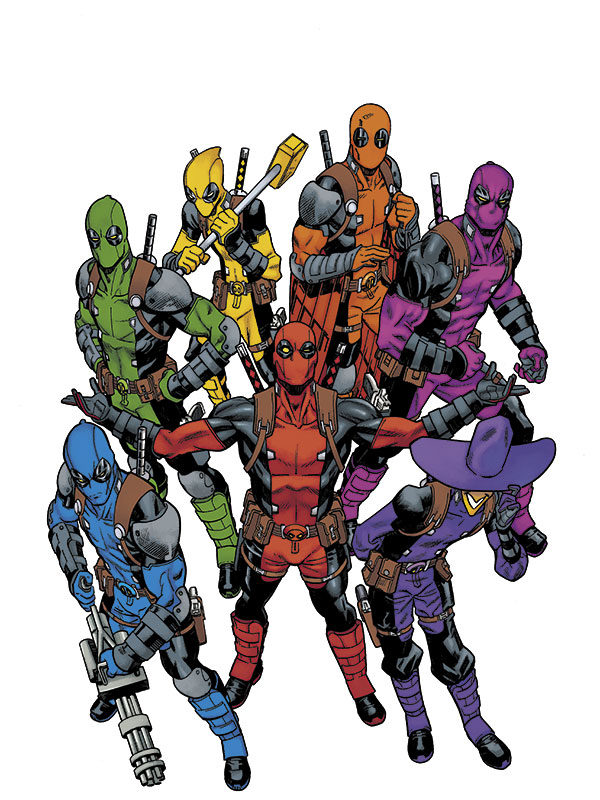
“I was trying to normalize Latin faces in these stories,” Mike said. “I did not want Latin characters where it was playing to some silly stereotype.”
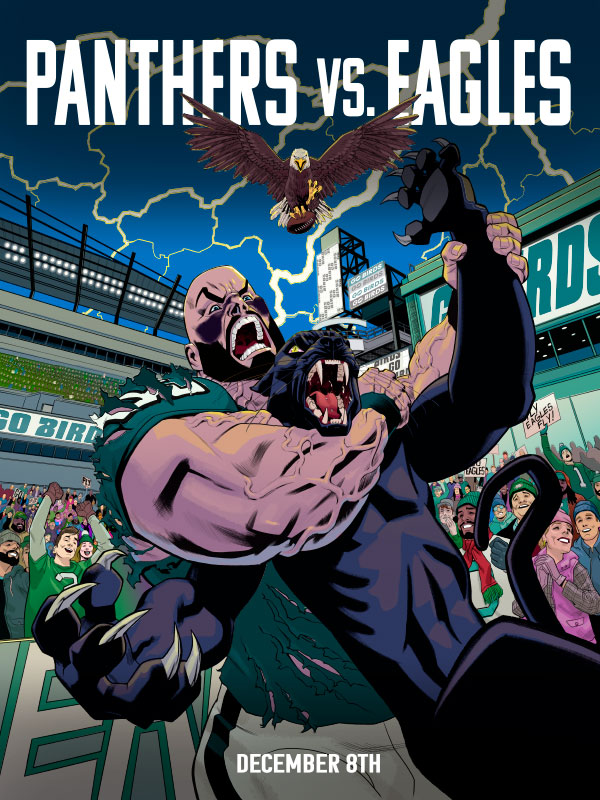
For Latino and Puerto Rican readers, seeing someone like Mike shape major American cultural icons challenges the idea that representation is secondary. It shows that Latino artists are already helping draw the narrative. For Mike, that change happens when different people are actually allowed into the room.
“You need people in the room that expand your view and then let in other people that expand it even further,” Mike said.
His first creator-owned, self-published comic, Hysteria, featured an all-Latino cast and took place on a fictional version of Puerto Rico. It did not initially succeed financially, but it proved he could do the work. Now, he is returning to that world with Hysteria: One Man Gang, a kung fu action story centered on Bruce Lopez, a Latin fighter protecting a Caribbean island.
For young Latino kids who may not know where to begin, Mike’s advice is direct: start drawing, take every art class available, and fill a sketchbook.
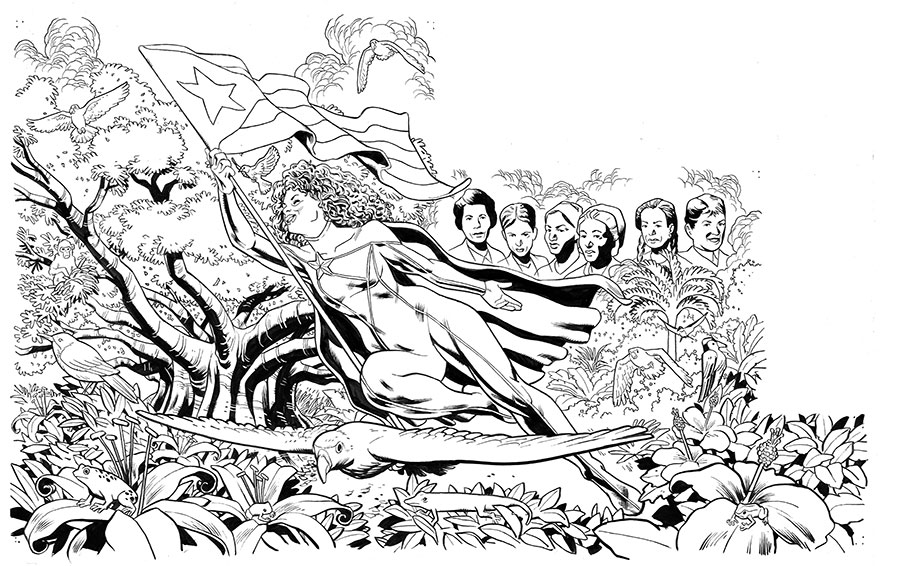
“Get yourself a sketchbook, no matter how you do it, and fill the thing up,” he said.
His belief in process is also why he rejects artificial intelligence as a replacement for artists. For Mike, the problem is historical as much as economic.
“It feels too much like colonizing to me,” he said. “I don’t like that they took a bunch of things that were not theirs. And now they’re saying it’s ours and you’ve got to pay us for it.”
As Impacto marks the 250th anniversary of the United States, Mike Hawthorne’s story reminds us that the nation’s history is also carried by the people whose names are rarely placed at the center of it: mothers who migrated, families who survived without enough support, children who turned inherited pain into art, and Puerto Rican creatives who continue to shape American culture from within.
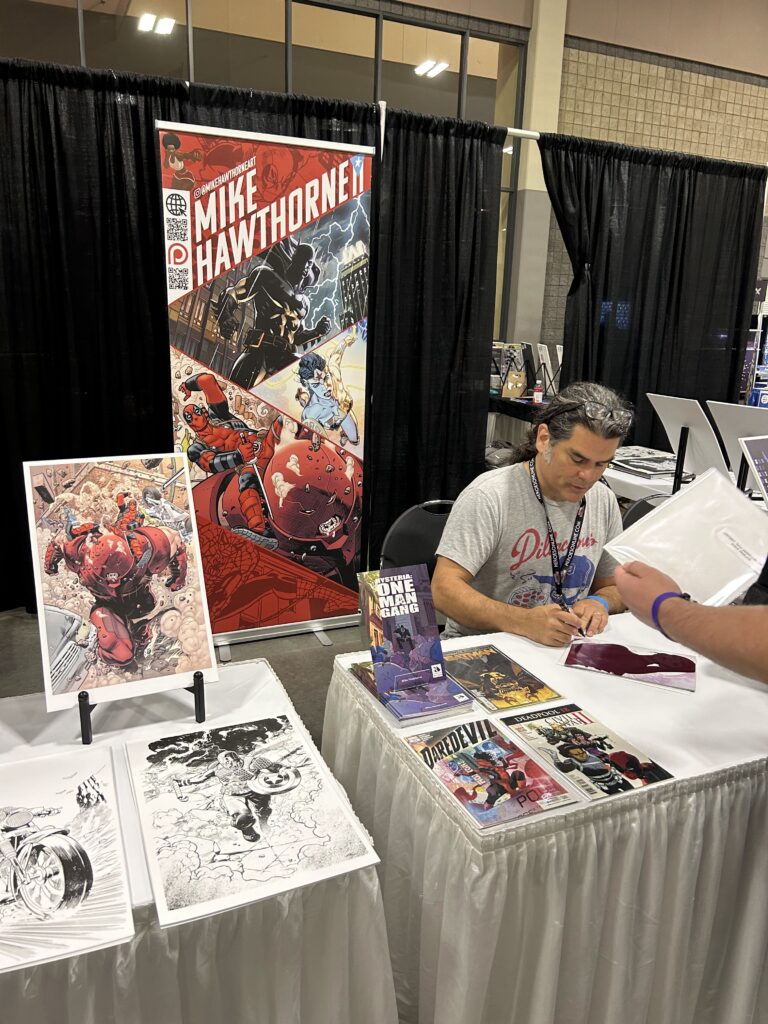
Through his work, Mike brings those memories into comics, pop culture, and now the pages of this special edition, making clear that representation matters. It is a record of who was here, what we carried, and how our stories continue to define the country this anniversary asks us to remember.
Tinta, identidad, evolución y representación en la obra del artista puertorriqueño Mike Hawthorne
Filadelfia, PA – La historia de Mike Hawthorne comienza con una madre de Santurce, una maldición en la puerta y una infancia marcada por el miedo y la supervivencia.
Durante una entrevista por Zoom, el artista puertorriqueño reflexionó sobre su carrera, su novela gráfica autobiográfica Happiness Will Follow (La felicidad llegará) y lo que significa llevar la memoria latina y puertorriqueña a la cultura visual estadounidense. Nominado a los premios Eisner y Harvey, Mike es conocido por ilustrar algunos de los nombres más importantes del cómic, incluyendo Deadpool, Spider-Man, Batman y La Borinqueña. A lo largo de su carrera, ha trabajado para incluir rostros latinos en mundos donde, con demasiada frecuencia, estaban ausentes.
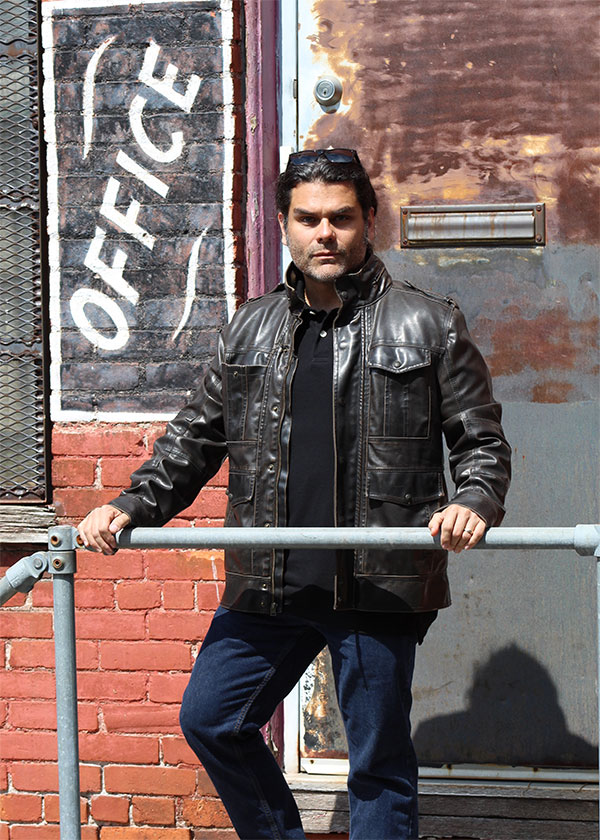
El trabajo de Mike se integra de manera significativa en esta edición especial de Impacto, que destaca las contribuciones latinas en el contexto de los 250 años de historia de Estados Unidos. El artista creó la portada y la contraportada, aportando talento puertorriqueño a un número conmemorativo que refleja un país moldeado por múltiples culturas, hispanas y latinas.
Para Mike, esa historia comienza con su madre, Blanca Iris Otero.
“Crecí como puertorriqueño”, dijo Mike. “Mi madre era de Santurce.”
Blanca llegó a Nueva York siendo adolescente, una pequeña mujer afrolatina que no hablaba inglés. Dio a luz a Mike en 1975 y luego abandonó la ciudad tras creer que habían puesto una maldición sobre él. Más tarde vivieron en Lancaster y York, donde él creció en profunda pobreza antes de mudarse a Filadelfia en 1993 para estudiar bellas artes en la Tyler School of Art.
En Happiness Will Follow, publicado en 2020, Mike narra su infancia junto a Blanca: la pobreza, el miedo espiritual, la santería, el catolicismo, el abuso, el amor y las complejas formas en que la supervivencia puede moldear a una familia. A pesar de todo, evita reducir a su madre a un papel de villana.
“Le recordaría a la gente que piense en cuán vulnerable se ha sentido en algún momento de su vida”, dijo. “Ahora imaginen cómo se habría sentido esta mujer latina, de piel oscura, físicamente muy pequeña, que no hablaba inglés como primer idioma, al llegar a este país y enfrentar todos los obstáculos puestos en su camino”.
La historia de Blanca refleja la posición de Puerto Rico dentro de Estados Unidos. Era ciudadana estadounidense, pero no recibió el apoyo necesario cuando más lo necesitaba.
“Era una situación realmente desesperada para una mujer sin absolutamente ningún recurso”, afirmó. “Intenté convertirla en una especie de representación de Puerto Rico”.
Esa conexión sitúa claramente el trabajo de Mike dentro del aniversario número 250 de Estados Unidos. El país suele contar su historia a través de presidentes, guerras y documentos fundacionales. El trabajo de Mike apunta a otro archivo: madres migrantes, niños que heredaron memorias, familias que sobrevivieron a la pobreza y artistas que transformaron esas experiencias en algo visible para otros.
La creación de sus memorias no fue fácil. Tras un complicado proceso de publicación inicial, Mike recuperó los derechos del libro y lo dejó reposar durante casi una década.
“Me sentía cómodo siendo un poco cobarde en mi trabajo”, dijo. “Es fácil dibujar a Spider-Man o Batman, porque no hay mucho de ti en ello.”
Finalmente, Happiness Will Follow fue publicado por el sello Archaia de BOOM! Studios. El título surge de mirar hacia atrás y reconocer lo que sobrevivió a años de dolor e incertidumbre. Blanca falleció antes de conocer a la familia que Mike formó con su esposa, Despina, y sus hijos, Sophia, Maria y Michael, pero él asegura que su madre sigue influyendo en la vida que logró construir.
“Sus sacrificios tuvieron un propósito”, afirmó.
La identidad puertorriqueña de Mike va más allá de sus memorias. Desde el inicio, ha impulsado la presencia latina en los cómics mainstream, aun cuando la industria no lo facilitaba.
Cuando era adolescente, tras ser aceptado en la Pennsylvania Governor’s School for the Arts, un profesor le preguntó si había sido el mejor solicitante o simplemente el mejor solicitante puertorriqueño.
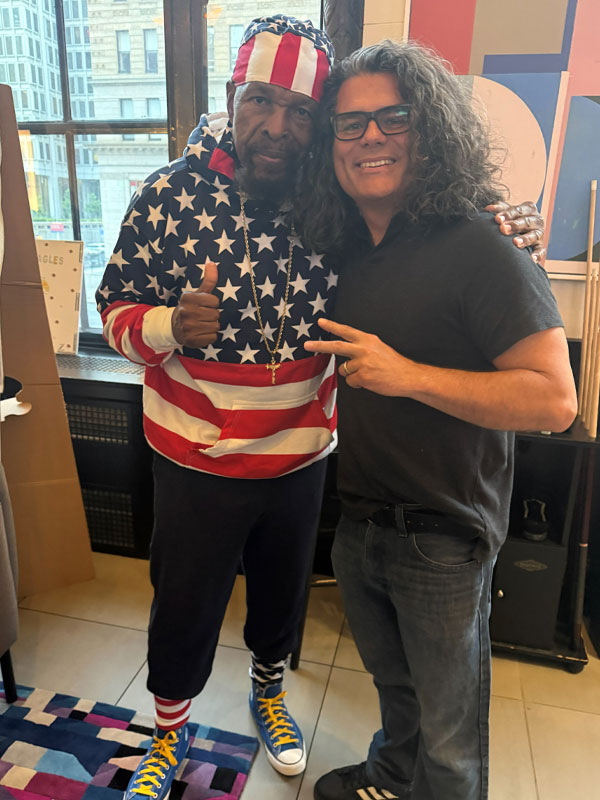
“Fue como un puñetazo en el estómago”, recordó.
Al inicio de su carrera, Mike entendió que las oportunidades para artistas racializados a menudo se consideraban favores en lugar de logros. En lugar de alejarse de su identidad, decidió incorporar personajes y rostros latinos en su trabajo.
En Deadpool, ayudó a crear a Massacre, una versión mexicana del personaje que habla español. También diseñó a la hija de Deadpool inspirándose en Sophia y basó la abuela del personaje en Blanca.
“Intentaba normalizar los rostros latinos en estas historias”, dijo. “No quería personajes latinos que respondieran a estereotipos ridículos”.
Para los lectores latinos y puertorriqueños, ver a alguien como Mike dando forma a íconos culturales estadounidenses desafía la idea de que la representación es secundaria. Demuestra que los artistas latinos ya están construyendo la narrativa. Para Mike, el cambio ocurre cuando se permite que diferentes voces entren en la conversación.
“Necesitas personas en la sala que amplíen tu perspectiva, y luego más personas que la amplíen aún más”, explicó.
Su primer cómic independiente, Hysteria, presentó un elenco completamente latino y se desarrolló en una versión ficticia de Puerto Rico. Aunque no fue un éxito financiero al principio, demostró que podía hacerlo. Actualmente, regresa a ese universo con Hysteria: One Man Gang, una historia de acción estilo kung fu centrada en Bruce López, un luchador latino que protege una isla caribeña.
Para los jóvenes latinos que no saben por dónde empezar, su consejo es directo: dibujar, tomar todas las clases de arte posibles y llenar un cuaderno de bocetos.
“Consigue un cuaderno y llénalo, como sea que lo hagas”, dijo.
Su fe en el proceso también explica por qué rechaza la inteligencia artificial como sustituto de los artistas. Para Mike, el problema es tanto histórico como económico.
“Se siente demasiado como colonización”, afirmó. “No me gusta que hayan tomado cosas que no eran suyas y ahora digan que son de ellos y que debes pagarles por ello.”
Mientras Impacto conmemora el 250 aniversario de Estados Unidos, la historia de Mike Hawthorne nos recuerda que la historia del país también vive en quienes rara vez ocupan el centro: madres migrantes, familias que sobrevivieron sin apoyo suficiente, niños que transformaron el dolor heredado en arte y creativos puertorriqueños que siguen moldeando la cultura estadounidense desde dentro.
A través de su trabajo, Mike da vida a esas memorias en los cómics, la cultura popular y ahora en las páginas de esta edición especial, dejando claro que la representación importa. Es un registro de quiénes estuvieron aquí, qué cargaron consigo y cómo nuestras historias siguen definiendo el país que este aniversario nos invita a recordar.
Raíces sin fronteras: entre dos países y muchas culturas
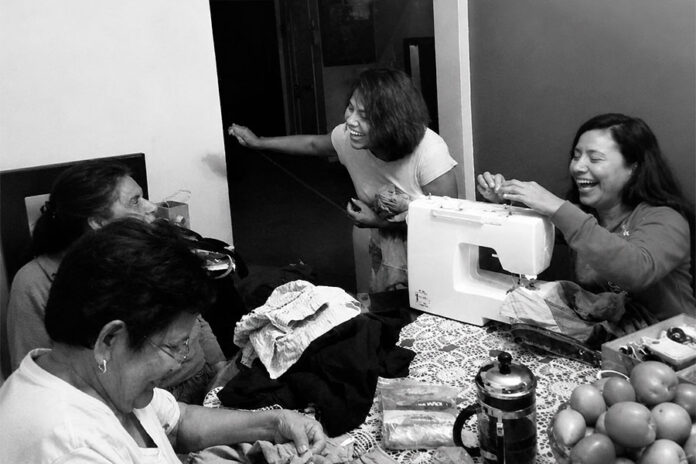
Hay historias que comienzan con una maleta, la mía comenzó con los sueños de mis padres.
Cuando pienso en mi vida, siempre regreso a la imagen de aquella pequeña niña que cruzó la frontera rumbo a Estados Unidos. No entendía del todo lo que significaba emigrar, pero mis padres sí. Ellos sabían que dejaban atrás una parte de su vida para ofrecerles a sus hijos la oportunidad de construir una nueva.
Desde la década de 1980, Estados Unidos se convirtió en mi hogar. Aquí crecí, formé una familia, encontré amistades que hoy considero parte de mi vida y conocí personas de todos los rincones del mundo. Sin embargo, nunca dejé de ser mexicana.
Ser latina, hispana, mexicana e inmigrante no es una etiqueta. Es la esencia de quien soy. Es el motor que impulsa mi trabajo, mi compromiso con la comunidad y mi deseo de tender puentes entre culturas.
Siempre bromeo diciendo que mi español tiene su propia personalidad. No es el español perfecto que enseñan los libros. Es un español que ha viajado conmigo. Tiene un poco de chilango, un poco de poblano, palabras que aprendí de mis amigos puertorriqueños y dominicanos, expresiones que escuché durante años en los barrios donde crecí y trabajé. Es un español que refleja mi historia.
Durante más de cuatro décadas he tenido el privilegio de convivir con personas de distintas nacionalidades y culturas: africanos, asiáticos, caribeños, anglosajones y muchos más. Esa convivencia me enseñó que la diversidad no nos divide; nos enriquece.
Hoy, cuando veo a mis hijos y a mis nietos, descubro que ellos representan el futuro de nuestra comunidad. En sus venas corre sangre mexicana, puertorriqueña, afromexicana y anglosajona. Son una hermosa mezcla de culturas que demuestra que nuestras raíces no desaparecen cuando se encuentran con otras; florecen.
Con el paso de los años he comprendido que ser inmigrante significa vivir entre dos mundos sin dejar de pertenecer a ninguno. Significa extrañar la tierra donde naciste mientras aprendes a amar la tierra que te recibió. Significa conservar las tradiciones, el idioma, los sabores y los recuerdos, mientras escribes nuevos capítulos para las siguientes generaciones.
A mis padres les debo mucho más que una oportunidad. Les debo el ejemplo del trabajo, la perseverancia, la empatía y el amor por nuestras raíces. Ellos me enseñaron que nunca debemos olvidar de dónde venimos y que el éxito solo tiene sentido cuando también sirve para ayudar a los demás.
Por eso continúo contando historias, apoyando a mi comunidad y compartiendo nuestras tradiciones con mis hijos y mis nietos. Porque nuestras historias merecen ser escuchadas y nuestra cultura merece seguir viva.
Hoy puedo decirlo con el corazón lleno de gratitud: soy orgullosamente latina, hispana, mexicana e inmigrante. Y si pudiera volver a empezar, elegiría el mismo camino una y otra vez, porque cada paso me convirtió en la mujer que soy.
Esta nota es dedicada a todas las mujeres que ayudaron a formarme y lo que ahora soy, gracias a mis ancestros.
Gracias mamá.
Benito’s Message: The day that America recognized itself
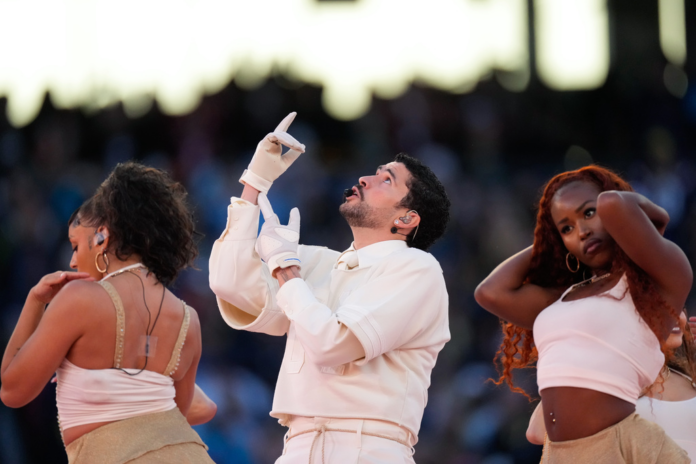
It felt like a massive earthquake—transformative, spiritual, and historic—that unfolded at the Super Bowl. A tremor that seemed to shake heaven and earth, reaching deep into the souls of those inside the stadium and the millions watching and listening around the world.
It was as if a prophet had emerged, carrying something called a football, upon which was inscribed the message: “WE ARE ALL AMERICA.”
He opened his sacred book—the book of books—and took us to a place called Puerto Rico, connecting us to historical struggles and to dreams that go far beyond what is known as the American Dream.
He danced, sang, rapped, prayed, and embraced the spotlight for 13 intense minutes, creating a powerful, beautiful, and deeply moving vision of Latin American culture and music.
Even the most hardened by life set aside their habits—their pipes and syringes—while, along with so many others walking that same path, they were transported on a magic carpet that interrupted, even if only for a moment, their daily struggle to survive in this chaotic world. It was, without a doubt, the greatest journey of all journeys.
For those 13 minutes, everyone was honored, everyone was sacred. And this prophet reminded us that we do not need a specific language to understand music and dance, because they are our universal—even intergalactic—forms of communication.
For a moment, the oppressed shook off the chains of racism, sexism, and hate, and instead smiled, shouted, and danced with overflowing hearts.
From Africa to Asia, entire countries began to reinterpret their own realities through this message of love delivered by a prophet from one of the smallest geographies in the world.
Earthquakes always have aftershocks, and sometimes they are as powerful—or even more so—than the original tremor.
As people left Levi’s Stadium in Santa Clara, powerful echoes were already being felt in Colombia, Brazil, Australia, and Japan. Brazil, not easily moved, embraced the moment with its musical soul. In Australia, a Latino presence long overlooked became visible. And in Japan, people were soon singing the lyrics as if they had grown up on Puerto Rican rum, Dominican beer, or tequila.
Racist elements on the far right tried to silence this prophet, demanding that he sing only in English. He responded firmly: “English was not my first language, nor was it the first language of the Americas.” And for the record, the United States has no official language.
The aftershocks have been so powerful and so beautiful that those who preach fear have begun to retreat in the face of this message of love.
Millions have watched these 13 minutes again and again. As I write this, I confess I have watched the performance more than 20 times and have listened to dozens of hours of commentary filled with emotion from every corner of the world.
There were so many signs, symbols, and meanings in those 13 minutes that archaeologists, anthropologists, and social scientists could spend centuries unraveling every layer of this earthquake that shook consciousness, freeing minds, hearts, and imaginations.
A flock of false prophets from the American right tried to overpower him, riding on fear and hate, against a single man—his language, his dreams, his love for all people under the sun.
But they were defeated. Not with hate, but with LOVE.
Today, many are asking how to build and share more of this new religion of hope and freedom.
And this humble prophet reminded us that his journey began with something simple yet powerful: he never stopped believing in himself. And he invited us to do the same… opening the door to a better tomorrow.

Editor’s Note:
This article was submitted on March 12, 2023, by our beloved Leno. It was one of the last pieces he wrote before passing on to eternal life. We share it in honor of his legacy, his voice, and his invaluable contribution to our community.
El mensaje de Benito: el día que América se reconoció a sí misma
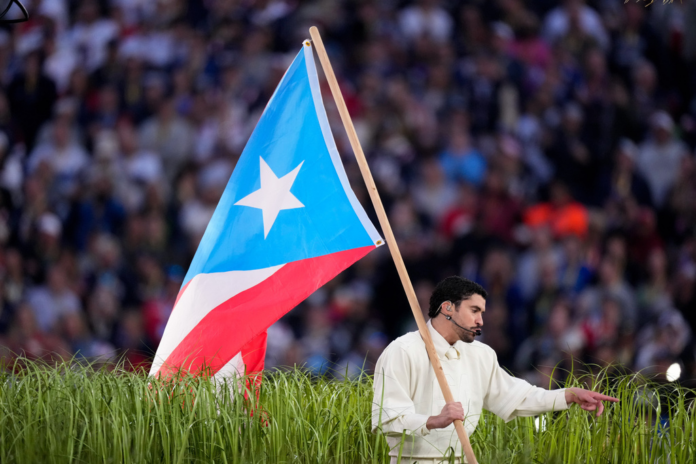
Fue un enorme terremoto inspirador, espiritual e histórico el que ocurrió en el Super Bowl. Un sismo que pareció mover el cielo y la tierra, que descendió hasta lo más profundo de las almas de quienes estaban en el estadio y de los millones que observaban y escuchaban en todo el mundo.
Parecía que había surgido un profeta, portando algo llamado un balón de fútbol americano, en el que estaba estampado el mensaje: “WE ARE ALL AMERICA” (Todos somos América)
Abrió su libro sagrado —el libro de los libros— y nos llevó a un lugar llamado Puerto Rico, conectándonos con muchas luchas y con sueños más grandes que el llamado Sueño Americano.
Bailó, cantó, rapeó, oró y abrazó la luz de las luces durante 13 largos minutos, creando una visión hermosa, intensa y profundamente conmovedora de la cultura y la música latinoamericana.
Incluso los adictos más empedernidos dejaron a un lado sus pipas y jeringas mientras, junto a tantos otros que transitan este camino, fueron transportados en esta alfombra mágica especial, interrumpiendo —aunque fuera por un momento— su lucha diaria por sobrevivir a los obstáculos de este mundo caótico. Fue el viaje más grande entre todos los viajes.
Durante 13 minutos, todos fueron honrados y tratados como sagrados. Y este profeta nos recordó que no necesitábamos conocer ningún idioma especial para comprender la música y la danza, porque son nuestros sistemas internacionales e intergalácticos de comunicación.
Por un instante, los oprimidos se quitaron las cadenas del racismo, el sexismo y el odio, y en su lugar sonrieron, gritaron y bailaron con el corazón desbordado.
Países desde África hasta Asia comenzaron a adaptar sus propias realidades a esta comprensión del amor transmitida por este profeta, proveniente de una de las piezas geográficas más pequeñas del mundo.
Los terremotos tienen réplicas, que a menudo son tan fuertes o incluso más que el sismo original.
Al salir del estadio Levi’s de Santa Clara, supimos que había fuertes réplicas en Colombia, Brasil, Australia y Japón. Brasil, difícil de conquistar, aceptó el momento especial de la música y el mensaje. En Australia, nunca supimos que había tantos latinos. Y pronto los japoneses estaban cantando las letras como si hubieran estado bebiendo ron puertorriqueño, cerveza Presidente dominicana o quizá un buen tequila.
Intereses racistas de la extrema derecha intentaron silenciar a este profeta, diciendo que solo debía cantar en inglés. Y él respondió: “El inglés no fue mi primer idioma, ni tampoco fue el primer idioma de las Américas”. Y, para que conste, Estados Unidos no tiene un idioma oficial.
Las réplicas han sido tan grandes y tan hermosas que la derecha ha huido de este profeta del amor.
Millones y millones han visto estos 13 minutos de amor más de una vez. Al escribir esto, debo admitir que he visto el espectáculo más de 20 veces y he escuchado más de 40 horas de comentarios llenos de emoción y entusiasmo provenientes de todo el mundo.
Hubo tantas señales, evidencias y direcciones en esos 13 minutos que arqueólogos, antropólogos y científicos sociales podrían pasar siglos tratando de desentrañar todos los elementos de este terremoto que sacudió casi todo, liberando mentes, corazones e imaginaciones.
La bandada de falsos profetas de la derecha estadounidense cabalgó sobre las alas de un gran dragón de odio y miedo, oponiéndose a un solo hombre: a sus sueños, a su idioma, a su amor por todas y todos bajo el sol.
Pero los enemigos fueron derrotados, no con odio, sino con AMOR.
Hoy, muchos quieren saber cómo construir y compartir más de esta nueva RELIGIÓN DE ESPERANZA Y LIBERTAD.
Este humilde profeta nos dijo que solo estaba aquí porque nunca dejó de creer en sí mismo, y que todos nosotros deberíamos creer en nosotros mismos… abriendo así una puerta para que todos entremos en un mañana mejor.
Nota de la Editora:
Este texto fue enviado el 12 de marzo de 2023 por nuestro querido Leno. Fue una de las últimas piezas que escribió antes de partir a la vida eterna. La compartimos en honor a su legado, su voz y su invaluable contribución a nuestra comunidad.
July 4, 2026: Between despair and hope
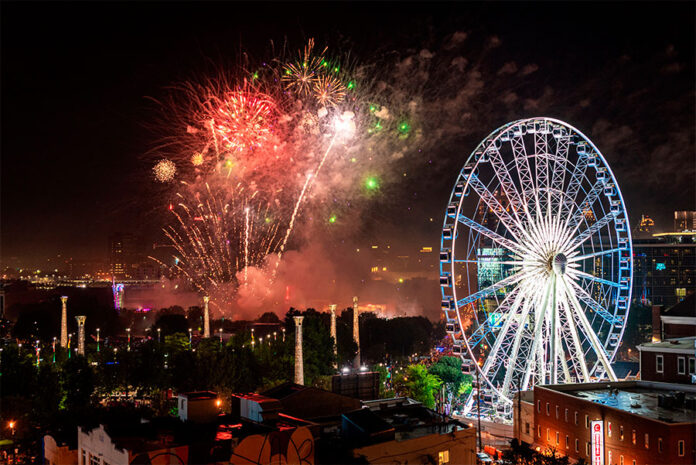
«It was the best of times, it was the worst of times…» Charles Dickens opened A Tale of Two Cities with those unforgettable words, capturing the contradictions of 18th-century France and England in the years leading up to the French Revolution. It was an age of intellectual progress and Enlightenment ideals, yet also one marked by staggering inequality, widespread poverty, and growing political instability.
Without being overly dramatic, it’s hard not to see echoes of that tension in our own time. Dickens went on to write, «It was the age of wisdom, it was the age of foolishness… it was the spring of hope, it was the winter of despair.» His words still resonate in an era defined by political polarization, rapid technological change, and competing versions of reality itself.
The point is not to draw simplistic historical parallels but to recognize recurring patterns in the way power operates. History rarely repeats itself exactly, but it often rhymes.
| Power Dynamic | Late 18th Century | Today |
| Concentration of wealth and influence | Aristocracies with inherited privilege and control over resources | Economic elites, corporate concentration, and widening inequality |
| Crisis of political legitimacy | Monarchies increasingly viewed as detached from the people | Polarized democracies, declining trust in institutions, and populist or authoritarian currents |
| Information and propaganda | Political pamphlets spreading rapidly with little verification | Social media platforms and algorithms amplifying both information and misinformation |
| Social inequality | Heavy taxation and hunger among the lower classes | Rising living costs, housing shortages, and unequal access to opportunity |
| Public response | Riots, uprisings, and revolutionary movements | Mass demonstrations, digital activism, and deep political polarization |
The lesson is not that we are destined to repeat history. Rather, it is that certain structural conditions—extreme inequality, weakened institutions, and fractured public discourse—have historically created fertile ground for instability.
Polarization today is hardly confined to one ideology. Around the world, political movements on both the right and the left, as well as long-standing institutions, are grappling with deep internal divisions. History reminds us that authoritarian tendencies are not exclusive to any one political philosophy.
Whenever power becomes concentrated, accountability erodes, and dissent is treated as a threat rather than an essential feature of democracy, democratic norms begin to weaken.
Economic power also deserves attention. Today’s concentrations of wealth—whether expressed through multinational corporations, media ecosystems, or financial influence—can shape public debate and public policy in ways that would have been unimaginable centuries ago, yet they often reflect familiar patterns of elite influence.
On this Fourth of July, we celebrate far more than a date on the calendar. We celebrate an extraordinary political experiment built upon the principles of liberty, equality, and self-government. Those ideals were boldly expressed in the Declaration of Independence here in Philadelphia in 1776 and later strengthened through the Constitution, creating a framework designed not only to establish a nation but to preserve those ideals for future generations.
Yet history is never finished. Every generation rewrites it through its choices, its civic engagement, and its willingness to defend democratic institutions.
I often think of Marcus Aurelius, the Roman emperor and Stoic philosopher, whose reflections remain remarkably relevant. We do not possess the past because it has already slipped away. We cannot claim the future because it has not yet arrived. The only time we truly own is the present—and that is where our responsibilities, our opportunities, and our lives unfold.
There is something profoundly reassuring about that perspective.
This summer, Philadelphia welcomed the world as one of the host cities of the FIFA World Cup. We celebrated together, shared our city’s warmth, and showcased what makes our communities special. Moments like these remind us that beyond politics and disagreement, we remain connected through family, friendship, neighborhood, and shared experience.
As we gather with loved ones to celebrate Independence Day, we should also renew our commitment to the values that unite us: civic responsibility, democratic participation, respect for one another, and hope for the future.
Happy Fourth of July. Cherish the present, stay engaged, and never lose hope.
Hispanic Fiesta claims space: At LOVE Park, Latino joy becomes belonging
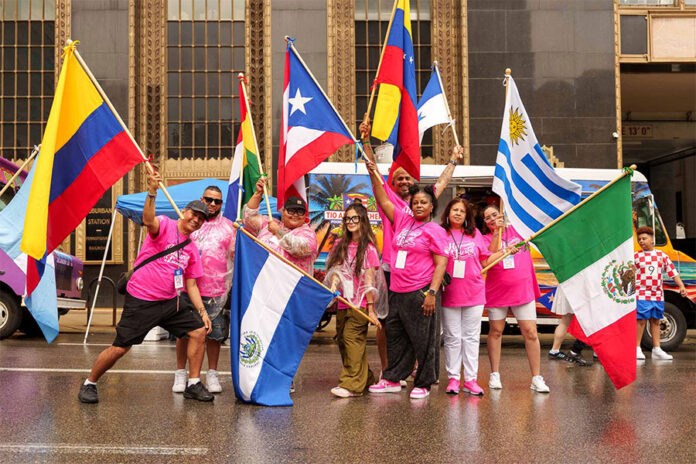
Philadelphia, PA — Concilio’s Annual Hispanic Fiesta returned Saturday, June 27, as a citywide celebration of Hispanic culture. Even in the rain, LOVE Park was filled with people.
The event brought live music, cultural performances, food vendors, community organizations, and a headlining performance by Puerto Rican icon Olga Tañón. It was a reminder that public celebration is a form of belonging.
That matters as Philadelphia and the country celebrate America’s 250th anniversary. The national story is often told through official ceremonies and fireworks. But on this day, it was told through the people who gathered in the rain to dance, claim space in the city they help shape, and experience a moment of joy in what has proven to be a difficult year.
In today’s political climate, especially with the targeting of immigrant families, that joy should not be mistaken for escape. It is persistence. Latino communities know that story well. We know what it means to build across borders, to carry culture through hardship, and to navigate systems that often make belonging conditional.
Saturday’s rain could have emptied the park. Instead, people stayed. They moved between vendor tents, watched performances, shared food, and waited for the music to continue. The scene felt familiar. Latino communities have always found ways to gather, even when the conditions are not easy.
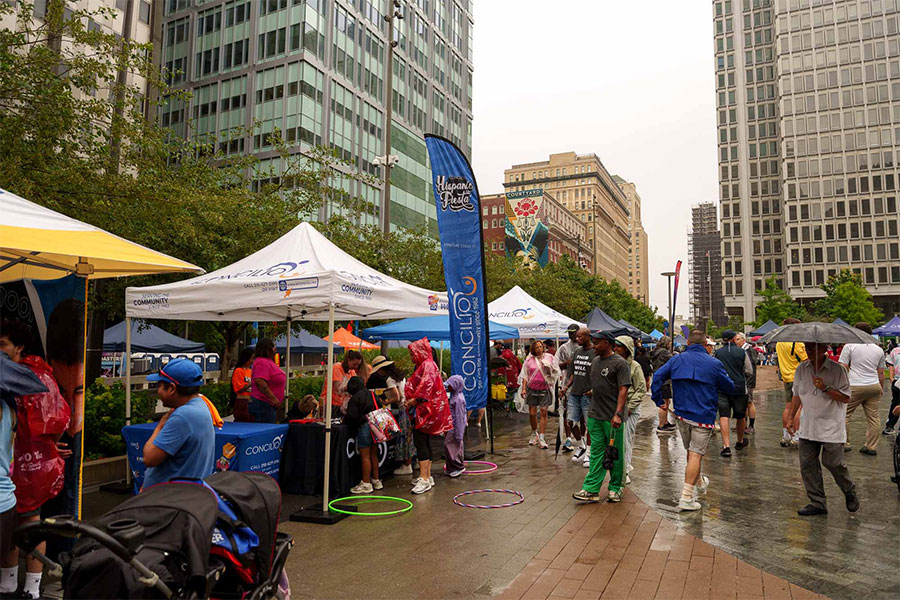
That is where Concilio’s role becomes vital. Concilio de Organizaciones Hispanas de Filadelfia (originally known as the Council of Spanish Speaking Organizations) is widely recognized as the oldest Latino organization in Philadelphia and, by extension, one of the oldest in the greater Philadelphia region. Founded on October 1, 1962, by Puerto Rican and other Spanish-speaking community leaders, Concilio was established to address the social, economic, and political needs of the city’s growing Latino population. Over the past six decades, the organization has played a vital role in advancing community development, advocacy, social services, cultural preservation, and educational opportunities for Hispanic residents throughout Philadelphia.
“Concilio is proud to create spaces where Hispanic culture is celebrated, shared, and uplifted,” said Hil Walker, Interim CEO of Concilio.
Hispanic Fiesta is one of those spaces, acting as a cultural convener and as a bridge between survival and celebration. The same communities that need resources, advocacy, services, and protection also deserve music, dance, visibility, and joy.
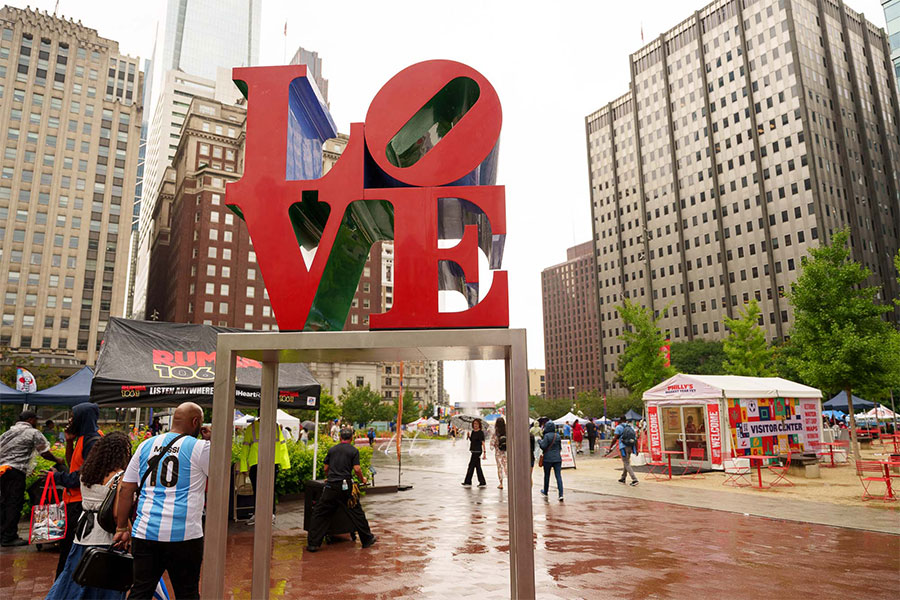
LOVE Park is no stranger to Latino culture. Salsa parties and community gatherings have long brought rhythm into that public space. Seeing the Hispanic Fiesta fill the park at this scale, during one of Philadelphia’s largest civic celebrations, carried a different weight. Latino culture was at the center of the city.
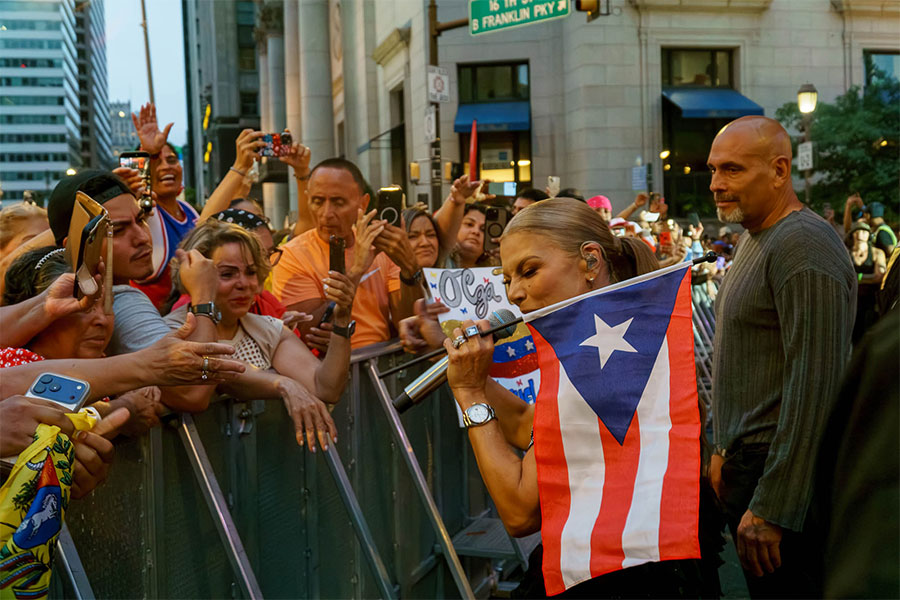
That feeling reached its peak during Olga Tañón’s performance. Her presence brought nostalgia, command, and a joy that moved through the crowd. When Olga came offstage and shook hands near the photo pit, people lit up. You could see the awe on their faces.
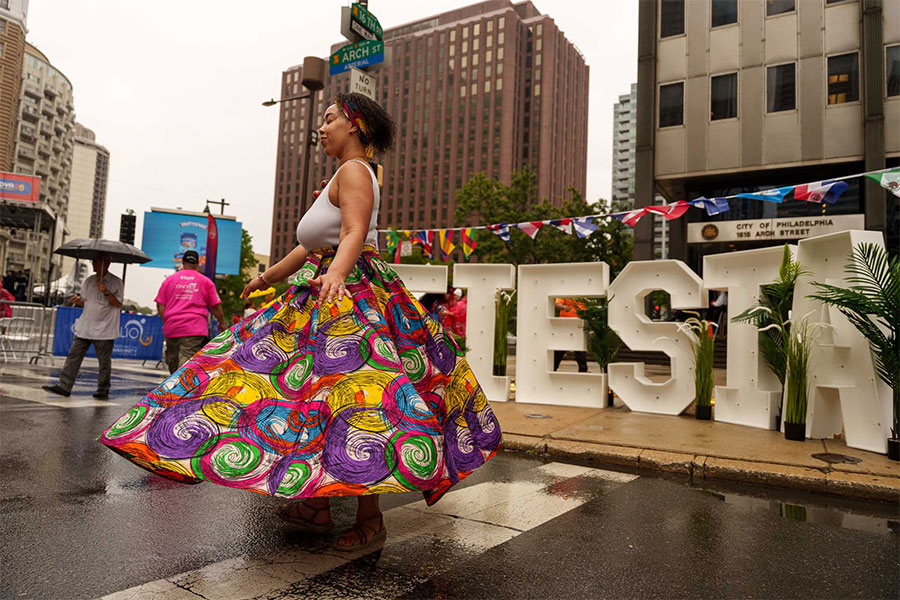
As America celebrates 250 years, we should be honest about who helped build this country and who continues to shape it. Latino communities are not guests in America’s story. We are part of its foundation, its culture, its labor, and its future. Supporting institutions like Concilio means supporting the people and organizations that make belonging real, not only through celebration but through the everyday work of serving, protecting, and uplifting our communities.
La Hispanic Fiesta reclama su espacio: en LOVE Park, la alegría latina se convierte en pertenencia
Filadelfia, PA — La Fiesta Hispana Anual de Concilio regresó el sábado 27 de junio como una celebración de la cultura hispana para toda la ciudad. Incluso bajo la lluvia, LOVE Park se llenó de vida.
El evento reunió música en vivo, presentaciones culturales, vendedores de comida, organizaciones comunitarias y una actuación estelar de la icónica artista puertorriqueña Olga Tañón. Fue un recordatorio de que la celebración pública es una forma de pertenencia.
Eso cobra importancia mientras Filadelfia y el país conmemoran 250.º aniversario de Estados Unidos. La historia nacional suele contarse a través de ceremonias oficiales y fuegos artificiales. Pero ese día se contó a través de las personas que se reunieron bajo la lluvia para bailar, reclamar su espacio en la ciudad que ayudan a construir y vivir un momento de alegría en lo que ha demostrado ser un año difícil.
En el clima político actual, especialmente ante la creciente presión sobre las familias inmigrantes, esa alegría no debe confundirse con una vía de escape. Es perseverancia. Las comunidades latinas conocen bien esa historia. Sabemos lo que significa construir más allá de las fronteras, preservar la cultura en tiempos de dificultades y navegar sistemas que con frecuencia convierten la pertenencia en algo condicionado.
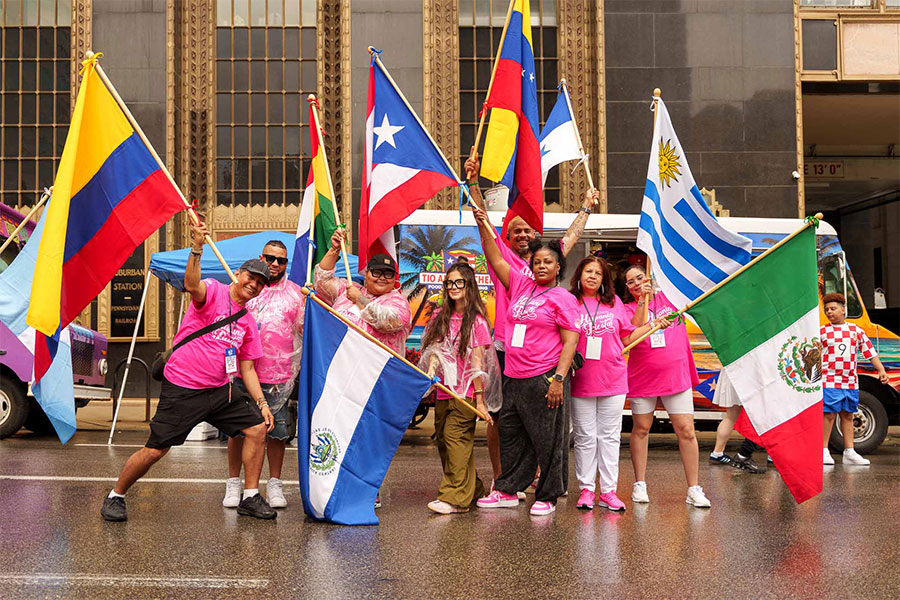
La lluvia del sábado pudo haber vaciado el parque. En cambio, la gente se quedó. Caminaron entre las carpas de los vendedores, disfrutaron de las presentaciones, compartieron comida y esperaron que la música continuara. La escena resultaba familiar. Las comunidades latinas siempre han encontrado maneras de reunirse, incluso cuando las condiciones no son fáciles.
Ahí es donde el papel de Concilio de Organizaciones Hispanas de Filadelfia (originalmente llamado Council of Spanish Speaking Organizations), la primera organización latina de la región se vuelve relevante. Se fundó en 1962 por líderes puertorriqueños y de otras comunidades hispanohablantes para responder a las necesidades sociales, económicas y políticas de la creciente población latina.
“Concilio se enorgullece de crear espacios donde la cultura hispana es celebrada, compartida y promovida,” afirmó Hil Walker, directora ejecutiva interina de Concilio.
La Fiesta Hispana es uno de esos espacios, actuando como un punto de encuentro cultural y como un puente entre la supervivencia y la celebración. Las mismas comunidades que necesitan recursos, defensa de sus derechos, servicios y protección también merecen música, baile, visibilidad y alegría.
LOVE Park no es ajeno a la cultura latina. Durante años, fiestas de salsa y reuniones comunitarias han llenado ese espacio público de ritmo y energía. Ver la Fiesta Hispana ocupar el parque a esta escala, durante una de las celebraciones cívicas más importantes de Filadelfia, tuvo un significado distinto. La cultura latina estaba en el centro de la ciudad.
Ese sentimiento alcanzó su punto máximo durante la presentación de Olga Tañón. Su presencia trajo nostalgia, fuerza y una alegría que recorrió toda la multitud. Cuando Olga bajó del escenario y saludó a los asistentes cerca del área de fotógrafos, la gente se iluminó. Se podía ver la emoción y el asombro en sus rostros.
Mientras Estados Unidos celebra 250 años de historia, debemos ser honestos sobre quiénes ayudaron a construir este país y quiénes continúan dándole forma. Las comunidades latinas no son invitadas en la historia de Estados Unidos. Somos parte de sus cimientos, de su cultura, de su fuerza laboral y de su futuro. Apoyar a instituciones como Concilio significa apoyar a las personas y organizaciones que hacen real el sentido de pertenencia, no solo a través de la celebración, sino también mediante el trabajo diario de servir, proteger y fortalecer a nuestras comunidades.
From my parents’ dream to my grandchildren’s future
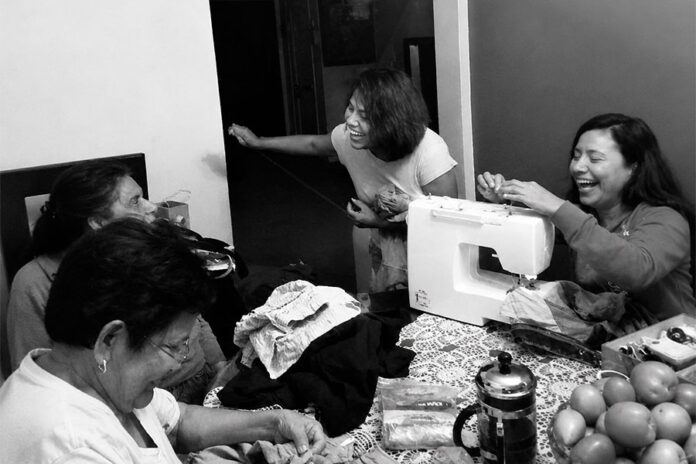
Some stories begin with a suitcase. Mine began with my parents’ dreams.
When I reflect on my life, I always return to the image of a little girl crossing the border into the United States. I did not fully understand what immigration meant, but my parents did. They knew they were leaving behind a part of their lives to give their children the opportunity to build a new one.
Since the 1980s, the United States has been my home. Here I grew up, raised a family, formed friendships that have become part of my life, and met people from every corner of the world. Yet, I have never stopped being Mexican.
Being Latina, Hispanic, Mexican, and an immigrant is not simply a label. It is the essence of who I am. It is the force that drives my work, my commitment to the community, and my desire to build bridges between cultures.
I often joke that my Spanish has a personality of its own. It is not the perfect Spanish taught in textbooks. It is a Spanish that has traveled with me throughout my life. It carries a little of Mexico City, a little of Puebla, words I learned from Puerto Rican and Dominican friends, and expressions I heard for years in the neighborhoods where I grew up and worked. It is a Spanish that reflects my story.
For more than four decades, I have had the privilege of living and working alongside people from many different backgrounds and cultures—Africans, Asians, Caribbeans, Anglo-Americans, and countless others. Those experiences taught me that diversity does not divide us; it enriches us.
Today, when I look at my children and grandchildren, I see the future of our community. Flowing through their veins is Mexican, Puerto Rican, Afro-Mexican, and Anglo-Saxon heritage. They are a beautiful blend of cultures, proving that our roots do not disappear when they come into contact with others—they flourish.
Over the years, I have come to understand that being an immigrant means living between two worlds while never truly leaving either behind. It means missing the land where you were born while learning to love the land that welcomed you. It means preserving traditions, language, flavors, and memories while writing new chapters for future generations.
I owe my parents far more than an opportunity. I owe them the example of hard work, perseverance, empathy, and love for our roots. They taught me never to forget where I came from and that success only has meaning when it is used to help others.
That is why I continue telling stories, supporting my community, and sharing our traditions with my children and grandchildren. Our stories deserve to be heard, and our culture deserves to thrive.
Today, I can say with a heart full of gratitude that I am proudly Latina, proudly Hispanic, proudly Mexican, and proudly an immigrant. If I had the chance to start over, I would choose the same path again and again, because every step shaped me into the woman, I am today.
This article is dedicated to all the women who helped shape my life and the person I have become. It is a tribute to my ancestors, whose strength and resilience continue to guide me.
Thank you, Mom.