The labor market in the United States keeps challenging the central bank’s monetary policy tightening. After 10 consecutive increases in the federal-funds interest rate, from zero to a range of 5 to 5.25 percent, so far this year 1.6 million new jobs have been created, with 339,000 of those created in May. Job openings increased in April to 10.1 million, almost double the amount of the 5.7 million unemployed.
The strength in the job market, in May, was evident in almost all sectors, except in manufacturing and information. Professional and business services gained 64,000 new jobs, followed by health care 52,400, leisure and hospitality 48,000 and government 25,000. Even construction gained 25,000 jobs in May, despite the slowdown in housing. But the unemployment rate increased from 3.4 percent in April, the lowest in almost half a century, to 3.7 percent in May, which is evidence of a slowdown, but still amid strong job creation.
The question is how the Open Market Committee will interpret these signals of strength and weakness, at its next June 13-14 meeting. As described by Federal Reserve Chairman Jerome Powell, “We’ve come a long way in policy tightening, and the stance of policy is restrictive, and we face uncertainty about the lagged effects of our tightening so far and about the extent of credit tightening from recent banking stresses.” (Quoted in Bloomberg News 05/19/23).
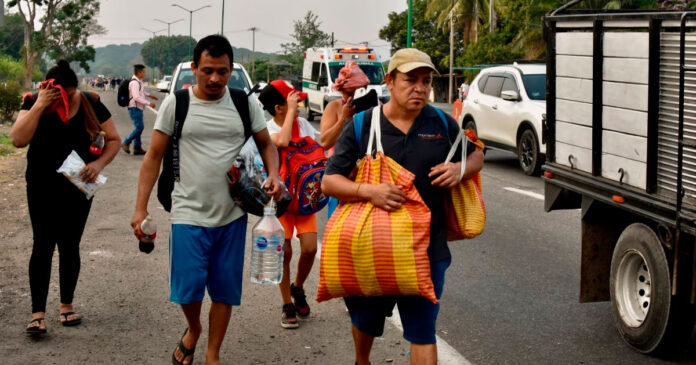
Migrantes marchan hacia Huehuetán, estado de Chiapas, México, el lunes 24 de abril de 2023. (Foto: VOA)
Autoridades migratorias de EE. UU. revelaron el martes que tras el fin del Título 42 se ha visto una “reducción significativa” de los encuentros con migrantes irregulares en la frontera suroeste del país.
El número de entradas ilegales a Estados Unidos a través de la frontera suroeste ha disminuido más del 70 por ciento luego del 11 de mayo, cuando terminó el Título 42, según reveló el martes el Departamento de Seguridad Nacional de Estados Unidos (DHS, por sus siglas en inglés).
“DHS ha seguido experimentando una reducción significativa en los encuentros en la frontera suroeste”, dijo la agencia en un informe.
Desde el 12 de mayo hasta el 2 de junio, DHS había repatriado a 38.400 no ciudadanos bajo las autoridades del Título 8, la ley migratoria de larga data que establece la deportación de migrantes irregulares y la prohibición para acceder a vías legales de migración por cinco años.
Las repatriaciones reportadas por la agencia incluyen sobre 1.400 nacionales de Cuba, Haití, Nicaragua y Venezuela que han sido retornados a México, según el acuerdo bajo el que el país centroamericano aceptó recibir cada mes hasta 30.000 de estos migrantes que son expulsados de EE. UU.
“Miles más están siendo detenidos por la Oficina de Aduanas y Protección Fronteriza (CBP, por sus siglas en inglés) y el Servicio de Control de Inmigración y Aduanas (ICE, por sus siglas en inglés) y procesados para evaluar sus solicitudes de asilo… aquellos que no tenían un temor creíble han sido y seguirán siendo removidos de manera expedita”, agregó DHS.
Una vez terminó el Título 42, CBP ha reportado un promedio de 3.400 encuentros con migrantes irregulares cada día en la frontera. Las tres nacionalidades más comunes, según las autoridades, son mexicanos, hondureños y guatemaltecos.
Miles continúan agendando citas en CBP One y aplicando al parole humanitario
El informe de DHS reveló, además, que un promedio de 1.070 personas se están presentando a los puntos de entrada en la frontera cada día con citas coordinadas a través de la aplicación CBP One.
Las nacionalidades con mayor número de citas para presentarse ante un oficial migratorio son haitianos, mexicanos y venezolanos.
Por otro lado, las autoridades aseguraron que 23.000 personas han entrado a EE. UU. desde el 12 de mayo con parole humanitario, el programa que permite a venezolanos, haitianos, cubanos y nicaragüenses permanecer en el país por dos años.
“Somos conscientes de que las condiciones en el hemisferio que están impulsando movimientos de personas sin precedentes aún están presentes y que los cárteles y los coyotes continuarán difundiendo desinformación sobre cualquier cambio potencial en las políticas en la frontera para poner la vida de los migrantes en peligro por su beneficio. Permaneceremos atentos y continuaremos ejecutando nuestro plan, haciendo ajustes donde sea necesario”, agregó DHS.
En medio de audiencias y batallas legales
El informe de DHS se publicó horas antes de que Blas Nuñez Neto, subsecretario de política fronteriza e inmigración de DHS, y Benjamine Huffman, comisionado adjunto interino de CBP, testifiquen a partir de las 2 de la tarde en una audiencia en el Congreso liderada por el republicano Clay Higgins.
La audiencia se realizará en el Comité de Seguridad Nacional de la Cámara de Representantes.
Esto ocurre, además, un día después de que el Circuito de Apelaciones denegara la petición de la administración del presidente Joe Biden de suspender la orden que bloqueó la liberación expedita de migrantes que ingresan ilegalmente a Estados Unidos desde México y que -según alegaban- podría generar mayor presión sobre las instalaciones de detención de CBP.
El panel de tres jueces rechazó la moción, argumentando que “DHS no ha cumplido con su obligación de demostrar que sufrirá una lesión irreparable” con la ausencia de esta medida.
Visiones encontradas sobre personal de migración en la frontera
Legisladores republicanos y demócratas debatieron este martes en el subcomité de Seguridad Nacional, Frontera y Relaciones Exteriores los retos a los que se enfrenta el personal de CBP en la frontera, tras un informe de la Oficina del Inspector General de DHS en el que se aseguró que hay “un impacto negativo en la salud y la moral del personal encargado de hacer cumplir la ley, que se sienten sobrecargados de trabajo e incapaces de realizar sus funciones principales de aplicación de la ley”.
Los cambios en las políticas de inmigración, las oleadas de inmigrantes, el COVID-19 y el aumento general del número de encuentros con inmigrantes a lo largo de la frontera, son algunos de los factores que -según el informe- están impactando la salud de los trabajadores de CBP.
“Estos desafíos han dejado a los hombres y mujeres en la primera línea de esta crisis abrumados y llevados al límite para cumplir con los requisitos de la misión”, dijo el representante Glenn Grothman, quien -junto a la bancada republicana- defendió la labor de Joseph Cuffary, inspector general de DHS.
Los demócratas, por otra parte, llamaron a este un informe “fallido” debido a que “se realizó una encuesta no estadística…que no puede ser proyectada a toda la población de CBP o ICE”.
“Hemos brindado recursos sin precedentes a los hombres y mujeres que protegen nuestras fronteras”, dijo el representante Robert García. “Este informe no está verificado y no debería ser aceptable para nadie para sacar ningún tipo de conclusiones”, concluyó.
La investigación oncológica acaba de ofrecer razones para la esperanza a quienes tienen un glioma de grado 2 con mutación en el gen IDH, un tumor cerebral maligno para el que se ha descubierto un tratamiento oral que consigue detener varios años su evolución.
Los resultados del ensayo en fase III INDIGO se presentaron en el marco del congreso anual de la Sociedad Americana de Oncología Clínica (ASCO, por sus siglas en inglés), que se celebra desde el pasado viernes y hasta este martes en Chicago, y han sido publicados también en la revista The New England Journal of Medicine.
En el estudio, liderado por Estados Unidos y participaron 331 pacientes en 10 países, incluido España.
El Hospital 12 de Octubre de Madrid, que ha formado parte de la investigación, explica que estos gliomas de bajo grado con mutación del gen IDH representan en torno al 30 % de los tumores cerebrales. Crecen de forma continua aunque lenta, se infiltran en el cerebro y finalmente se convierten en tumores agresivos con crecimiento acelerado y síntomas graves.
Sus afectados suelen ser jóvenes, entre los 25 y los 50 años, y su tratamiento actual pasa por una intervención quirúrgica para extirparlo y por radioterapia y quimioterapia para tenerlo bajo control, pero estas dos últimas tienen una toxicidad significativa.
Los enfermos participantes en el estudio solo habían sido operados.
INDIGO es el primer estudio de fase III que se ha podido efectuar en ese tipo de pacientes que no habían recibido ni radio ni quimio, según explica el doctor Juan Manuel Sepúlveda, coordinador de la Unidad de Neurooncología del Hospital 12 de Octubre y único autor español de ese ensayo. Su centro comenzó a reclutar a pacientes para el mismo en 2020.
Aunque la quimiorradiación puede prolongar la vida en buenas condiciones entre 5 y 20 años, al cabo del tiempo sus efectos secundarios se traducen en deterioro cognitivo y dificultades motoras y de concentración, entre otras.
El inhibidor vorasidenib, protagonista del ensayo, ha demostrado que consigue que se preserven y mejoren las capacidades cognitivas y funcionales y por ende la calidad de vida de los pacientes durante años, al detener la progresión del tumor y retrasar los tratamientos agresivos.
Esa pastilla prolongó una media de 27,7 meses la supervivencia libre de progresión de la enfermedad, frente a los 11,1 meses de quienes tomaron placebo, y pospuso más de 40 meses la necesidad de tratamiento agresivo, siendo en algunos casos indefinida.
ASCO precisa en su página web que los efectos secundarios negativos más comunes con el vorasidenib fueron niveles elevados de las enzimas transaminasas y diarrea. Salvo eso, el tratamiento resultó bien tolerado.
«La eventual aprobación de vorasidenib podría retrasar la necesidad de terapias más agresivas, marcando un cambio de paradigma en esta enfermedad. Realmente es un paso importante hacia una terapia contra el cáncer menos tóxica y más precisa para esos pacientes jóvenes», apunta el neuroncólogo del Memorial Sloan Kettering Cancer Center de Nueva York Ingo Mellinghoff, principal autor del estudio.
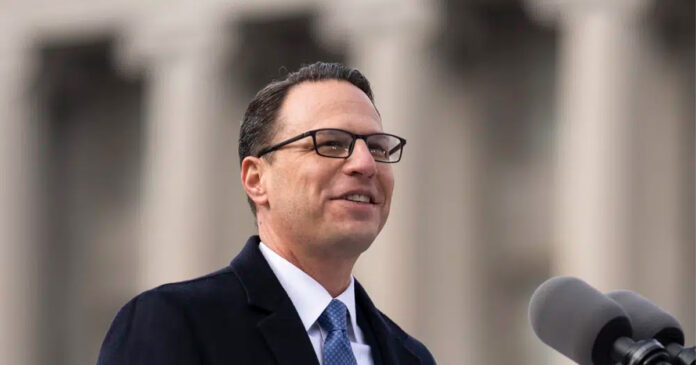
Democratic Gov. Josh Shapiro speaks at the state Capitol in Harrisburg, Pa., Jan. 17, 2023. Pennsylvania state lawmakers returned to session Monday, June 5 for a weeks-long slog to the July 1 fiscal year deadline, a stretch that could demonstrate whether Gov. Shapiro can advance his agenda in a politically divided Legislature as he works to establish himself in his freshman year. (Photo: AP/Matt Rourke/file)
HARRISBURG, Pa.— Pennsylvania state lawmakers returned to session Monday for a weekslong slog to the budget deadline, as House Democrats unveiled a spending plan that could test whether Gov. Josh Shapiro can manage a politically divided Legislature in his freshman year.
It could also set the tone for how the Democratic governor will advance his agenda while balancing the demands of an entrenched Senate Republican majority with those of a one-vote House Democratic majority that took power this year.
House Democrats on Monday proposed a spending plan that goes well beyond what Shapiro has requested for the budget year starting July 1. Primarily, they are insisting on more money for public schools and say strong tax collections during the spring will help support it.
A floor vote on the main budget bill could happen later Monday.
If it can pass the chamber, it is likely to get a chilly reception in the Republican-controlled Senate. There, GOP leaders had already been skeptical of Shapiro’s more modest spending proposal, citing forecasts of slowing tax collections, budget deficits and possibly a recession.
But a landmark court decision — and some $13 billion in state reserves — have emboldened Democratic lawmakers to demand far more money for public schools out of this year’s spending plan to fix decades of what they view as a debilitating and discriminatory funding scheme.
“That has to be a central theme in whatever we do on June 30,» said Sen. Vince Hughes of Philadelphia, the ranking Democrat on the Appropriations Committee.
The House Democratic plan would increase spending by almost $1.4 billion above Shapiro’s proposal, about half of it for public schools.
All told, it would boost spending for the 2023-24 fiscal year through the state’s main bank account to $45 billion, or a 5% increase over this year’s approved budget. The increase would be 8% when including an additional $1.3 billion in new proposed spending through off-budget accounts.
The plan envisions no increases in income or sales taxes, the state’s two main revenue sources, and most of the new money in it would go to education, health care and social services. Like Shapiro’s plan, it relies on roughly $2 billion in reserves to balance.
For his part, Shapiro has sought to manage Democrats’ expectations, suggesting that he will come up with a farther-reaching school funding increase next year.
In his budget plan in March, Shapiro proposed roughly $1 billion in new money for public schools, including grants for mental health needs, security improvements and removing environmental hazards.
However, many Democrats said it did not go far enough and public school advocates say the poorest school districts should get billions of dollars more to live up to the spirit of the court decision.
In a statement Monday, Shapiro praised House Democrats “for taking this important step forward and adding to our shared priorities.»
“Now, as this process moves on to the Senate, we look forward to continuing to work with Republicans and Democrats alike to bring people together and deliver a budget that addresses the most pressing issues facing our Commonwealth,” Shapiro’s office said.
Senate Republicans are waiting to see what passes the House before they begin discussing it with Shapiro or Democrats.
For now, Republicans have not developed their own plan and are warning against relying too heavily on reserves to balance the budget.
A legislative agency, the Independent Fiscal Office, projects that Pennsylvania is returning to its long-term pattern of deficits now that federal pandemic aid has been spent and inflation-juiced tax collections subside.
“Anyone talking about spending a lot more than we’re generating in revenue right now is not something our caucus and our body will support,” said Senate Appropriations Committee Chairman Scott Martin, R-Lancaster.
Since Shapiro released his more modest budget plan, tax collections outpaced expectations and the state accumulated more savings in health care programs from federal pandemic aid.
House Appropriations Committee Chairman Jordan Harris, D-Philadelphia, said the state is fiscally stable enough to address long-overlooked needs.
“The numbers that I want to focus on are all the missed opportunities we’ve had over the years by not investing the money that should be invested in the programs that we know benefit Pennsylvanians,” Harris said.
Fotografía del conjunto de cruces que recuerdan a los niños fallecidos en el incendio en 2009 de la Guardería ABC, el 4 de junio de 2023, en un parque de la ciudad de Hermosillo, Sonora (México). (Foto: EFE/Daniel Sánchez)
Abogados, padres y sobrevivientes al incendio de la Guardería ABC, donde murieron 49 bebés en Hermosillo, en el norteño estado mexicano de Sonora, denuncian que la impunidad persiste a 14 años del siniestro, una de las mayores tragedias del país en la historia reciente.
Los padres han denunciado que existe complicidad entre el Gobierno de México y la Suprema Corte de Justicia para que el crimen permanezca impune.
Ha pasado casi una década y media desde el hecho, pero nadie está en prisión por su responsabilidad en el incendio y, aunque se han fincado responsabilidades a más de 20 exfuncionarios públicos, muchos han muerto y quienes están vivos no han recibido sentencia.
Los únicos que han pisado la cárcel fueron quienes incumplieron órdenes del juez, como no acudir a firmar o viajar en libertad condicional.
Miguel Nava Alvarado, representante legal de 40 familias, informó en entrevista con EFE que los tribunales han concedido más de 120 amparos que representan fallos judiciales a favor de las víctimas, pero el Estado los ha ignorado.
“En el caso de la Guardería ABC se conjugan la injusticia y la corrupción, de las cuales se deriva la impunidad», expresó.
UN FUEGO QUE NO SE APAGA
El 5 de junio del 2009 en Hermosillo un incendio que inició en una bodega de la Secretaría de Hacienda del Gobierno de Sonora se propagó hacia la Guardería ABC, que estaba subrogada por el Instituto Mexicano del Seguro Social (IMSS).
La guardería tenía las salidas de emergencias bloqueadas e incumplía con las medidas de seguridad.
El hecho despertó acusaciones contra el Gobierno federal, entonces del Partido Acción Nacional (PAN), y contra el estatal, del Partido Revolucionario Institucional (PRI), pero el abogado de las víctimas no ve la justicia que prometió el partido del presidente Andrés Manuel López Obrador, Morena.
«En 14 años de litigio con la mayor parte de las víctimas podemos decir que la administración del PAN, del PRI y de Morena son exactamente lo mismo, partidos políticos y funcionarios lucran con la tragedia», sostuvo Nava Alvarado.
La señora Marisol Montaño (i) y su hija Danna Paola, sobreviviente del incendio de la Guardería ABC de 2009, posan durante una entrevista con EFE el 4 de junio de 2023, en la ciudad de Hermosillo, Sonora (México). (Foto: EFE/Daniel Sánchez)
HERIDAS QUE NO SANAN
El incendio también dejó más de 100 heridos, incluyendo niños que viven con secuelas hasta ahora.
Danna Paola sobrevivió al incendio, pero perdió nueve dedos y tiene quemaduras en el 60 % de su cuerpo, además de un daño neuronal irreversible que le complica todas sus funciones motrices.
Su madre, Marisol Montaño, lamentó que las víctimas tengan que seguir suplicando justicia y batallando para recibir atención médica.
«Todavía tienen una deuda muy grande con nuestros hijos, la justicia que nosotros hemos peleado aún no llega y es el derecho de ellos y nosotros, como papás, así como de las familias que perdieron a un hijo que el día de hoy podría estar aquí», indicó la mujer.
Danna Paola ha tenido más de 30 operaciones y todavía le restan decenas de intervenciones quirúrgicas para mantener su calidad de vida.
Después del incendio, el diagnóstico que los médicos mexicanos le daban a su madre era que Danna Paola, entonces de dos años, no podría caminar, ver, ni escuchar y mucho menos hablar, pero su recuperación ha sido milagrosa, gracias a los especialistas del Hospital Shriners.
Ahora quiere estudiar una ingeniería en Tecnologías de la Información para desarrollar aplicaciones como las que a ella le han facilitado la vida para ayudar a otros niños que padecen alguna discapacidad.
“Siempre me ha gustado mucho la tecnología, quiero estudiar una ingeniería en informática, me gustaría crear aplicaciones y cosas así, lo que uso más en mi vida”, comentó la joven.
A pesar de las secuelas que le dejó el incendio de la Guardería ABC, Danna Paola dice que no tiene nada que perdonar, aunque sí considera importante que algún día llegue la justicia.
“Se puede decir que de alguna manera nosotros no sabemos bien qué pasó, entonces no tenemos clara esa parte (del perdón), pero sí sentimos que es necesario algo de justicia”, concluyó.
Fotografía de archivo de una mujer que se realizó una mastectomía consecuencia del cáncer de seno. (Foto: EFE/Sáshenka Gutiérrez)
Los enfermos de cáncer con una alta concentración de la proteína HER2 y que no han obtenido respuesta con los tratamientos habituales han encontrado una terapia prometedora en el fármaco trastuzumab deruxtecan (Enhertu®), un «caballo de Troya» que actúa de forma inteligente contra ella.
El ensayo clínico promovido y diseñado por la farmacéutica AstraZeneca en colaboración con Daiichi Sankyo refleja que la combinación del anticuerpo monoclonal (trastuzumab) con el fármaco citotóxico (deruxtecan) obtiene resultados positivos en una amplia gama de cánceres, como el de vejiga, cervical, ovárico o de páncreas.
La fase II del estudio DESTINY-PanTumor02 presentó este lunes sus conclusiones en Chicago, donde desde el pasado viernes y hasta el martes se celebra el congreso anual de la Sociedad Americana de Oncología Clínica (ASCO, por sus siglas en inglés), el principal del sector.
El trastuzumab deruxtecan se aplicó a pacientes con sobreexpresión de HER2 y que estaban en una fase avanzada o metastásica, que había empeorado después de al menos un tratamiento sistémico o que ya no tenía más opciones terapéuticas.
El fármaco ya había demostrado su eficacia contra el cáncer de mama HER2 positivo (HER2+), siendo capaz de reconocer esas células HER2+ y de «burlar» sus defensas, como el caballo de Troya, para introducirse en ellas y destruirlas, dañando menos las células sanas.
Este ensayo apunta a un grupo más amplio de enfermos. Aquellos cuya enfermedad no está impulsada por la proteína HER2, pero que contiene demasiadas copias de la misma, lo que se conoce como sobreexpresión, explica a EFE el vicepresidente ejecutivo de la división de Oncología de AstraZeneca, Dave Fredrickson.
Participaron en el mismo 267 personas y en el seguimiento efectuado al cabo de 9,7 meses se vio una tasa de respuesta objetiva (TRO) del 37,1 %.
Ese concepto incluye tanto una respuesta parcial, entendida como la disminución del tamaño del tumor o de la cantidad de cáncer en el cuerpo, como una total, con la desaparición completa de todos los signos de cáncer.
En concreto, la TRO fue del 57,5 % en pacientes con cáncer de endiometrio, del 50 % en el cervical, del 45 % en el ovárico y del 39 % en el urotelial, el tipo más común de cáncer de vejiga. También del 22 % en las personas con cáncer de las vías biliares y del 4 % en el de páncreas.
Aunque los participantes pudieron soportar en su mayoría el tratamiento, un 11,6 % tuvo que abandonarlo por los efectos secundarios adversos sufridos. Los más comunes son náuseas, cansancio y niveles bajos de células sanguíneas (citopenia).
Se trata del primer estudio que evalúa la aplicación de trastuzumab deruxtecan en una amplia gama de tumores con sobreexpresión de HER2.
«Es un tratamiento muy transformador», se congratuló Fredrickson, sobre los resultados de este ensayo global iniciado en agosto de 2020, en el que participaron países como España, Estados Unidos, Rusia o Tailandia y entre cuyos siguientes pasos está evaluar el análisis de su efectividad en concentraciones más bajas de HER2.
Caleb Kauffman, en el podio, habla en un mitin frente al Capitolio del estado de Pensilvania en Harrisburg, Pensilvania, el 5 de junio de 2023. Kauffman, un sobreviviente y defensor, y otros pidieron al Senado estatal que apruebe dos leyes que abrir una ventana de dos años para que los sobrevivientes de abuso sexual infantil presenten demandas de otro modo obsoletas sobre su reclamo. (Foto AP/Brooke Schultz)
Los sobrevivientes de abuso sexual infantil presionaron a los legisladores de Pensilvania el lunes para que sigan adelante con la apertura de una ventana de dos años para que presenten demandas obsoletas sobre sus reclamos, pero una lucha partidista en la Legislatura mantuvo la propuesta reprimida sin una resolución a la vista.
En medio del estancamiento, los sobrevivientes renovaron los pedidos para que la Legislatura apruebe cualquiera de las versiones de la medida, una que les daría a los votantes la última palabra en la ventana en forma de enmienda constitucional, la otra legislación que también necesitaría la firma del gobernador demócrata Josh Shapiro.
Hablando en un mitin en los escalones exteriores del Capitolio, los amish, los menonitas y los llanos se encontraban entre los que relataron los abusos que habían sufrido e instaron a pasar por la ventana.
“Aquí estamos nuevamente luchando por nuestros derechos como víctimas y sobrevivientes de abuso sexual infantil que han estado esperando muchos, muchos años por la oportunidad de justicia, para descubrir la verdad, para responsabilizar a nuestros perpetradores, para responsabilizar a las instituciones”, dijo. El representante Mark Rozzi, un demócrata del condado de Berks que ha defendido la legislación durante años.
Un informe del gran jurado encontró en 2018 que cientos de sacerdotes católicos romanos en Pensilvania abusaron de más de 1,000 niños, y posiblemente muchos más, desde la década de 1940, y altos funcionarios de la iglesia encubrieron sistemáticamente el abuso.
Tras el informe, y mientras los legisladores buscaban legislación, la diócesis de Pensilvania estableció fondos de compensación y realizó pagos a las víctimas.
Ambas cámaras aprobaron su propia versión de la medida que suspendería temporalmente el plazo de prescripción para los delitos de abuso sexual, y la Cámara votó a favor con apoyo bipartidista en febrero.
El Senado, de mayoría republicana, combinó la medida con dos iniciativas favorables al Partido Republicano: ampliar los requisitos de identificación de votantes y reducir el umbral para invalidar las regulaciones estatales impulsadas por la administración de un gobernador. Las tres enmiendas constitucionales fueron aprobadas por el Senado en una votación casi partidaria en enero.
La Cámara tomó la versión del proyecto de ley del Senado el mes pasado y eliminó las prioridades escritas por el Partido Republicano. Ese proyecto de ley ahora tendría que ser votado en el Senado en su forma actual antes de que pueda presentarse ante los votantes. El Senado no ha mostrado interés por reducir su paquete de enmiendas propuestas.
Kate Flessner, vocera de los republicanos del Senado, dijo que su grupo «sigue abierto a conversaciones sobre cómo lograr las tres importantes enmiendas constitucionales incluidas inicialmente» en su versión del proyecto de ley.
Marca otro obstáculo para el esfuerzo, que los legisladores habían superado con apoyo bipartidista hace más de dos años, pero el mal manejo por parte del estado significó que nunca llegó a los votantes, y los legisladores tuvieron que comenzar el proceso nuevamente.
Un trabajador llena un saco de desechos plásticos para reciclaje en el Día Mundial del Medio Ambiente en Karachi, Pakistán, el 5 de junio de 2023. (Foto: VOA)
Este año, el foco del Día Mundial del Medio Ambiente está concentrado en los plásticos, un problema de contaminación de grandes proporciones, y en la búsqueda de soluciones para reducir y controlar su expansión.
Este lunes 5 de junio es el Día Mundial del Medio Ambiente, un evento anual creado por la Asamblea General de Naciones Unidas en 1972 para llamar la atención sobre la necesidad de proteger nuestro entorno y promover acciones que ayuden a contrarrestar y reparar los daños causados por el hombre.
El Programa para el Medio Ambiente de la ONU espera que más de 150 países participen en el evento que tendrá lugar en la Costa de Marfil, en África, con el apoyo de los Países Bajos, y que millones de personas se sumen a las actividades presenciales y en línea.
Este año, el foco del Día Mundial del Medio Ambiente está concentrado en los plásticos, un problema de contaminación de grandes proporciones, y en la búsqueda de soluciones para reducir y controlar su expansión.
Según datos de la ONU, a humanidad produce más de 430 millones de toneladas de plástico al año, dos tercios de las cuales son productos de vida corta que en poco tiempo se convierten en desechos.
Los costos sociales y económicos de la contaminación por plásticos oscilan entre los 300.000 y 600.000 millones de dólares al año.
Pero hay más: muchos de estos plásticos terminan en los océanos, afectando la vida marina y alterando ecosistemas completos. La producción y eliminación de plásticos también emiten gases de efecto invernadero, lo que contribuye al cambio climático.
Un reciente informe del Programa de las Naciones Unidas para el Medio Ambiente titulado «Cerrar el grifo» busca rediseñar la forma en que producimos, utilizamos, recuperamos y eliminamos los plásticos y los productos para ahorrar 4,5 billones de dólares desde ahora hasta 2040.
Entre las actividades para este Día Mundial del Medio Ambiente se han programado limpiezas de playas en Bombay, en la India, talleres de costura de bolsas de tela en Ghana y conciertos en directo con cero residuos plásticos en Atlanta.
Además, en Nueva York, se presentará en el World Trade Center un proyecto artístico integrado totalmente de residuos plásticos. En la India, estrellas de la pantalla y músicos famosos crearon un video musical para compartir mensajes que animen a más gente a actuar contra la contaminación por plásticos.
Los expertos esperan que el impulso de estos actos pueda incitar a gobiernos, ciudades, instituciones financieras e industrias a utilizar su poder para invertir y aplicar soluciones a gran escala para superar y revertir la crisis de la contaminación por plásticos, dice la ONU.
Fotografía de archivo del secretario del Departamento de Estado de Puerto Rico, Omar J. Marrero. (Foto: EFE/Alfonso Rodríguez)
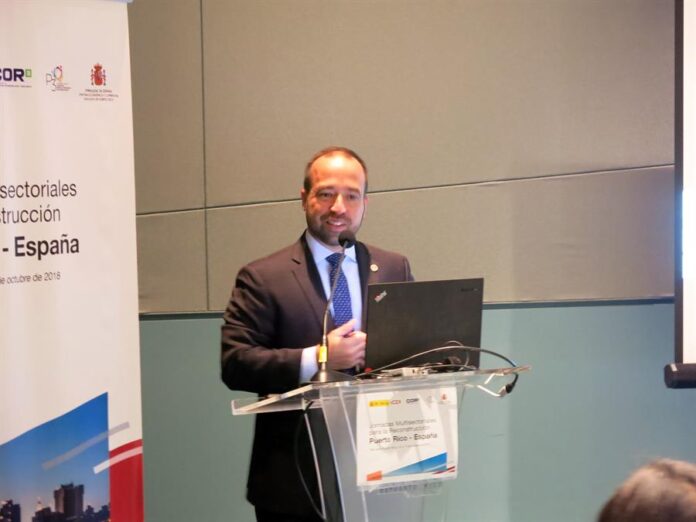
San Juan, Puerto Rico.- El secretario del Departamento de Estado de Puerto Rico, Omar J. Marrero, viaja este lunes a España para fortalecer los lazos bilaterales de índole cultural, turístico, educativo y comercial.
La delegación encabezada por Marrero, que realizará visitas a Madrid y Sevilla, incluye al presidente de la Universidad de Puerto Rico (UPR), Luis A. Ferrao Delgado, y a representantes de Descubre Puerto Rico y de la Universidad Interamericana.
Marrero indicó en un comunicado que la visita, de cinco días de duración, «representa una apuesta más al fortalecimiento» de la relación de Puerto Rico con España.
«Continuaremos los esfuerzos realizados durante nuestra visita oficial a España en abril del año pasado, dando seguimiento a las iniciativas para allanar las oportunidades comerciales de nuestra clase empresarial con socios de negocio en la Madre Patria», agregó.
El secretario de Estado participará de varios eventos, entre ellos la inauguración mañana, martes, de una exposición en la Biblioteca Nacional de España, en Madrid, sobre la contribución cultural y artística de una comunidad de exiliados españoles que se radicó en San Juan tras la Guerra Civil española.
La exposición, titulada «El exilio intelectual español en Puerto Rico», tiene como figuras centrales a los escritores Juan Ramón Jiménez (Premio Nobel de Literatura 1956) y su esposa Zenobia Camprubí.
La muestra recrea el mundo cultural y académico en el que se desenvolvieron varias de estas figuras españolas que hicieron de Puerto Rico su segunda casa, y para quienes la UPR se convirtió en un foro de libertad y creatividad artística.
«La Universidad de Puerto Rico (UPR) abrió sus aulas para recibir a un considerable número de exiliados republicanos españoles que llegaron al finalizar la guerra civil en España (1939), entre los que podemos mencionar a Francisco Ayala, Aurora de Albornoz, José Medina Echavarría, María Zambrano, entre muchos otros», indicó Ferrao Delgado.
Entre la comunidad de artistas exiliados destaca asimismo el famoso violonchelista Pau Casals, impulsor de la creación del Conservatorio y la Orquesta Sinfónica de Puerto Rico, así como la inspiración detrás de Festival Casals.
Al respecto, Marrero dijo que «Puerto Rico acogió a estos intelectuales incomparables y ellos le dieron lo mejor de sí mismos».
«España y Puerto Rico son tierras hermanas que siempre han hablado el mismo idioma en cuestiones culturales. Es para nosotros un orgullo poder colaborar con España para potenciar y dar muestra de esta importante relación», subrayó.
La UPR y la Universidad de Sevilla firmarán, además, un Convenio General de Colaboración e Intercambio con el fin de fortalecer la colaboración académica entre ambas universidades.
Este convenio incluirá el intercambio tanto de estudiantes como de personal docente, así como el desarrollo conjunto de investigaciones y la creación de conferencias, talleres y actividades de intercambio cultural y científico.
Como parte de la agenda de trabajo, se firmará también un acuerdo de carácter similar entre la UPR y la Universidad de Granada.
El legendario Ricardo Rocha Reynaga, referente del periodismo en México, y quien fuera maestro y semillero de una gran diversidad de periodistas y comunicadores, falleció este 4 de junio a los 76 años, a las 3 de la tarde, según lo informó su amigo, Joaquín López Doriga.
Rocha nació en la Ciudad de México y vivió su infancia en Tepito. Además de su larga trayectoria en la televisión, radio y prensa, era un gran humanista, amante del arte y la cultura.
Tenía una salud debilitada, por algunas enfermedades crónicas, pero su muerte era inesperada. Familiares y amigos lo despiden en una funeraria al sur de la ciudad de México. Su cuerpo será incinerado.
Su hijo, el también comunicador Jorge Armando Rocha, confirmó la noticia a través de su cuenta de Twitter: “Papá abre tus alas, fuiste bueno, un hombre muy digno con los mejores valores.Abriste brecha cuando el sistema lo tenía controlado. Dejas gran escuela periodística. Ayudaste a todo aquel que se te acercó. Te vamos a alcanzar. Te amo. Que Dios te bendiga siempre, con él estás”, ha difundido a través de la red social.
Otro de sus hijos, Juan Rocha, redactó en Twitter: “Muchas gracias por todo papá. Todavía reímos ayer. Así te recordaré. Te amo”. En entrevista con Radio Fórmula, el también periodista indicó que pese a los problemas del riñón y anemia que padecía su padre, sus médicos habían pronosticado que se recuperaría: “Sus doctores le dijeron que tenía un buen futuro por delante. A pesar de que tenía estos problemas relacionados con el riñón, con la falta de apetito que le generó esta anemia. Pero al final, lo dieron de alta diciéndonos que podemos estar tranquilos, que todo iba a tener un periodo en donde podría bajar un poco de peso, con lo que había sucedido, pero que se iba a recuperar rápidamente”, declaró en la entrevista radiofónica.
Ricardo Rocha Reynaga 1947-2023. Con casi 50 años de carrera, también formó parte del proyecto de noticieros televisa ECO. (Foto: RRSS)
El presidente de México, Andrés Manuel López Obrador, en su conferencia “mañanera”, lamentó el deceso de quien marcara un antes y un después en el periodismo mexicano, y reconoció su apoyo.
“Lamento el fallecimiento de Ricardo Rocha. Fuimos muy amigos, me abrió espacios en medios de comunicación cuando casi todo estaba cerrado para nosotros. Abrazo a toda su familia”.
Redactor, reportero, corresponsal de guerra, conductor, entrevistador, productor y columnista; durante más de cuatro décadas de trayectoria, el periodista fue una de las voces más reconocidas del gremio en habla hispana.
Aunque ingresó a la licenciatura de Administración de Empresas en la UNAM en los años sesenta, su ingreso a los estudios de televisión en el canal 8, en la Televisión Independiente de México, marcaría el inicio de su prolífera carrera.
En 1977 ganó el Premio Nacional de Periodismo por su trabajo al cubrir la Revolución Sandinista en Nicaragua. Después fue llamado a las filas de Televisa y de Grupo Radio Acir donde condujo durante años el programa Panorama Detrás de la Noticia.
Rocha fue un pionero que diseñó y condujo los recordados programas de televisión Para gente grande, (al aire durante 14 años) y En vivo.
Fue presidente de Radiopolis, Televisa Radio, y más tarde creó y dirigió su propio espacio noticioso. En 1997 creó el concepto Detrás de la Noticia (DDN) y en 1999, tras separarse de la empresa Televisa, consolidó dicho espacio convirtiéndolo en su propia agencia informativa.
Desde el 2001 comenzó a escribir una columna para el periódico El Universal. En 2005 el comunicador decidió formar parte de la barra informativa de la cadena TV Azteca, donde condujo entre otros programas, Animal Nocturno y Reporte 13.
También se desempeñó como director del canal de la Asamblea Legislativa del Distrito Federal. Entre los libros que publicó figuran Yo Corresponsal de Guerra y Conversaciones para Gente Grande.
A lo largo de su amplia carrera, donde marcó una época, marcó un parteaguas con sus reportajes de los años 90, cubriendo las injusticias sociales con reportajes históricos como Aguas Blancas, en Guerrero. En febrero de 1996, en un hecho insólito en la televisión comercial, Rocha transmitió por Televisa un video que documentaba cómo la policía de Guerrero había asesinado el año anterior a 17 campesinos desarmados en la comunidad de Aguas Blancas, en ese estado.
Al año siguiente, documento la situación previa a la matanza de Acteal en Chiapas, donde casi 50 indígenas fueron asesinados. Los responsables directos de la masacre fueron grupos paramilitares opuestos al Ejército Zapatista de Liberación Nacional (EZLN).
Diversos periodistas, dentro y fuera de su país, así como todo tipo de personalidades, publicaron mensajes en redes sociales tras la noticia de la muerte del entrañable periodista.
Rocha realizó magistralmente varios cientos de entrevistas, de un amplio espectro de temáticas, desde Madre Teresa de Calcuta, hasta el subcomandante Marcos.
Ricardo es recordado por su magistral dominio de la entrevista, ya que lograba empatizar y hacer lucir, tanto incipientes, como connotados, políticos, artistas de todo tipo de artes, deportistas, escritores, científicos, etc., que se sentaron delante de un encantador de la palabra, icono del periodismo mexicano, al que ahora, que sorpresivamente ya no está, no pueden agradecer en vida, las muchas puertas que abrió, tal y como demuestran la cascadas de mensajes de reconocimiento que circulan por las redes sociales.
Hasta el viernes anterior a su partida, conducía el programa de noticias y comentarios políticos “Detrás de la Noticia”, a través de la frecuencia 104.1 de FM todas las madrugadas de lunes a viernes por Radio Fórmula, y ocasionalmente colaboraba en el programa en redes sociales, Atypical Te Ve con Carlos Alazraki. A través de sus RRSS, con su medio informativo digital rochainforma.com producía el noticiero “10 a las dos”. En su canal de Youtube, se pueden ver varias de sus entrevistas, incluida la que gracias a la tecnologia le hizo a Pedro Infante, de manera figurada.