Una persona pide dinero en Santurce (Puerto Rico). Imagen de archivo. (Foto: EFE/Thais Llorca)
Cerca de 297.526 niños y jóvenes de Puerto Rico, lo que representa el 55 % de esta población menor de edad en la isla, viven en condiciones de pobreza, según revela un estudio del Instituto del Desarrollo de la Juventud (IDJ).
A nivel municipal, el rango de pobreza es aún mayor en Vieques (86 %), Lajas (81 %), Arroyo (78 %) y Adjuntas (78 %), indicó el Índice de Bienestar de la Niñez y la Juventud 2023 del IDJ.
Mientras que el costo de vida sigue en aumento, la media de ingresos de las familias con menores en Puerto Rico se mantiene en poco menos de 23.000 dólares al año.
Esta cifra es casi 36.000 inferior a la media de ingresos de las familias con menores en Nuevo México (58.709 dólares), la segunda jurisdicción de Estados Unidos más baja en esa categoría.
Estos datos muestran que por décimo año consecutivo el archipiélago caribeño obtuvo una calificación deficiente en el Índice de Bienestar de la Niñez y la Juventud.
Según este estudio, Puerto Rico es la jurisdicción de Estados Unidos con las peores condiciones en varios indicadores: pobreza infantil, media de ingresos en familias con menores, familias con menores con uno o ambos padres sin empleo, y participación de hogares en el Programa de Asistencia Nutricional (PAN).
«Puerto Rico continúa estancado en las condiciones de vida en las que se desarrollan la niñez y la juventud, con una clasificación D. Con esta clasificación, Puerto Rico se ubica en la posición número 31 en comparación con las 51 jurisdicciones de Estados Unidos evaluadas en el Índice», expresó María Enchautegui, directora de Investigación y Política Pública del IDJ.
Aunque de 2011 a 2021, el porcentaje de familias con menores donde uno o ambos padres están desempleados disminuyó en casi 10 puntos porcentuales, Puerto Rico aún está en la posición menos favorable, con un 40 %.
Además, el 61 % de las familias reciben el beneficio del Programa de Asistencia Nutricional (PAN), ubicando a Puerto Rico en la posición número 1, en comparación con otras jurisdicciones estadounidenses.
El estudio reveló asimismo que 5 de cada 10 niños y niñas de entre 3 y 4 años no están matriculados en educación preescolar, un aumento de casi 10 puntos porcentuales respecto a 2011.
En comparación con 2011, ha habido, sin embargo, una mejora sustancial en la tasa de mortalidad en jóvenes, de 73 a 44, casi 30 muertes menos por cada 100.000 jóvenes.
«Inevitablemente observamos que la dimensión económica continúa siendo un talón de Aquiles en nuestra sociedad, ya que no vemos cambios significativos en cuanto a mejorías de los indicadores que la componen», comentó Vallerie Blakely Vallecillo, analista de investigación del IDJ.
No obstante, Blakely Vallecillo destacó que «ha habido gran mejoría en otras dimensiones, como una reducción significativa en las tasas de nacimientos en adolescentes y en la tasa de mortalidad infantil y de jóvenes».
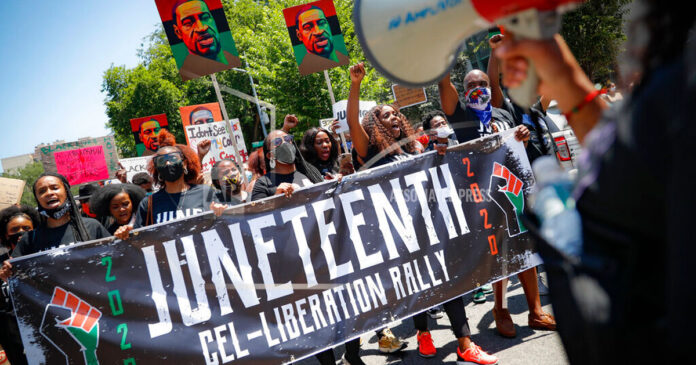
Americans will soon celebrate Juneteenth, marking the day when the last enslaved people in the United States learned they were free.
For generations, Black Americans have recognized the end of one of the darkest chapters in U.S. history with joy, in the form of parades, street festivals, musical performances or cookouts.
And just as many people learn what Juneteenth is all about, the holiday’s traditions are facing new pressures — political rhetoric condemning efforts to teach Americans about the nation’s racial history, companies using the holiday as a marketing event, people partying without understanding why.
Here is a look at the origins of Juneteenth, how it became a federal holiday and more about its history.
HOW DID JUNETEENTH START?
The celebrations began with enslaved people in Galveston, Texas. Although President Abraham Lincoln’s Emancipation Proclamation freed the slaves in 1863, it could not be enforced in many places in the South until the Civil War ended in 1865. Even then, some white people who had profited from their unpaid labor were reluctant to share the news.
Laura Smalley, freed from a plantation near Bellville, Texas, remembered in a 1941 interview that the man she referred to as “old master” came home from fighting in the Civil War and didn’t tell the people he enslaved what had happened.
“Old master didn’t tell, you know, they was free,” Smalley said. “I think now they say they worked them, six months after that. Six months. And turn them loose on the 19th of June. That’s why, you know, we celebrate that day.”
News that the war had ended, and they were free finally reached Galveston when Union Maj. Gen. Gordon Granger and his troops arrived in the Gulf Coast city on June 19, 1865, more than two months after Confederate Gen. Robert E. Lee surrendered to Union Gen. Ulysses S. Grant in Virginia.
Granger delivered General Order No. 3, which said: “The people of Texas are informed that, in accordance with a proclamation from the Executive of the United States, all slaves are free. This involves an absolute equality of personal rights and rights of property between former masters and slaves, and the connection heretofore existing between them becomes that between employer and hired labor.”
Slavery was permanently abolished six months later, when Georgia ratified the 13th Amendment. And the next year, the now-free people of Galveston started celebrating Juneteenth, an observance that has continued and spread around the world. Events include concerts, parades, and readings of the Emancipation Proclamation.
WHAT DOES ‘JUNETEENTH’ MEAN?
It’s a blend of the words June and nineteenth. The holiday has also been called Juneteenth Independence Day, Freedom Day, second Independence Day and Emancipation Day.
It began with church picnics and speeches and spread as Black Texans moved elsewhere.
Most U.S. states now hold celebrations honoring Juneteenth as a holiday or a day of recognition, like Flag Day. Juneteenth is a paid holiday for state employees in Texas, New York, Virginia, Washington, and now Nevada as well. Hundreds of companies give workers the day off.
Opal Lee, a former teacher and activist, is largely credited for rallying others behind a campaign to make Juneteenth a federal holiday. The 96-year-old had vivid memories of celebrating Juneteenth in East Texas as a child with music, food and games. In 2016, the “little old lady in tennis shoes» walked through her home city of Fort Worth, Texas and then in other cities before arriving in Washington, D.C. Soon, celebrities and politicians were lending their support.
Lee was one of the people standing next to Biden when he signed Juneteenth into law.
HOW HAVE JUNETEENTH CELEBRATIONS EVOLVED OVER THE YEARS?
The national reckoning over race ignited by the 2020 murder of George Floyd by police helped set the stage for Juneteenth to become the first new federal holiday since 1983, when Martin Luther King Jr. Day was created.
The bill was sponsored by Sen. Edward Markey, D-Mass., and had 60 co-sponsors, a show of bipartisan support as lawmakers struggled to overcome divisions that are still simmering three years later.
Now there is a movement to use the holiday as an opportunity for activism and education, with community service projects aimed at addressing racial disparities and educational panels on topics such health care inequities and the need for parks and green spaces.
Like most holidays, Juneteenth has also seen its fair share of commercialism. Retailers, museums and other venues have capitalized on it by selling Juneteenth-themed T-shirts, party ware and ice cream. Some of the marketing has misfired, provoking a social media backlash.
Supporters of the holiday have also worked to make sure Juneteenth celebrators don’t forget why the day exists.
“In 1776 the country was freed from the British, but the people were not all free,” Dee Evans, national director of communications of the National Juneteenth Observance Foundation, said in 2019. “June 19, 1865, was actually when the people and the entire country was actually free.”
There’s also sentiment to use the day to remember the sacrifices that were made for freedom in the United States — especially in these racially and politically charged days.
Said Para LaNell Agboga, museum site coordinator at the George Washington Carver Museum, Cultural and Genealogy Center in Austin, Texas: “Our freedoms are fragile, and it doesn’t take much for things to go backward.”
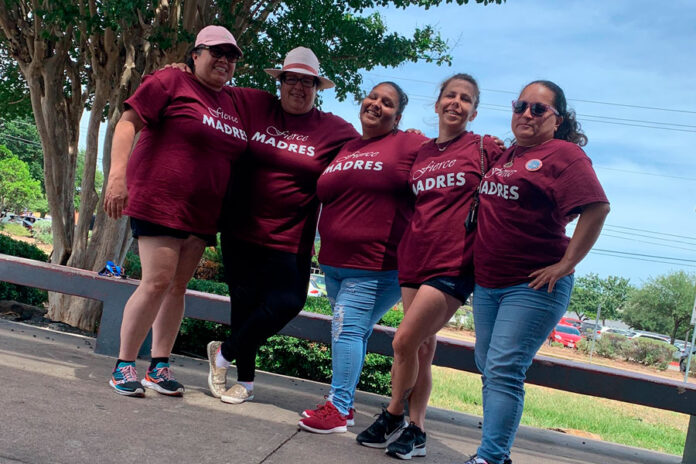
Otras organizaciones en el movimiento de mujeres a nivel estatal y nacional que trabajan por el control de armas dieron la bienvenida a Fierce Madres como una voz necesaria. (Foto: Cortesía/Fierce Madres)
Many of us were shocked beyond belief on May 24, 2022, when a shooter stormed Robb Elementary School in Uvalde, Texas killing 19 students and two teachers.
Families of the victims went to the school board, the city council, the police, and the governor politely asking for answers to this horrific event. Almost 400-armed law enforcement officers stumbled around for 77 minutes as some victims bled to death before confronting the lone shooter.
Angela (Angie) Villescaz who grew up in Uvalde was not so humble but outraged that this had happened. “You may not know much about our culture, but you don’t mess with our kids,” Villescaz said. “We have to stay laser-focused on what Hispanic moms are trying to do because they never have really been given this kind of space.”
Racism and sexism are not new issues in Uvalde but have been the underpinnings of the political system that has not dealt with this discrimination.
In 1970 there was a six-week walk out by students demanding justice. Instead, they were ignored and some were punished by the draft board sending many school walk activists to the war in Viet Nam many losing their lives there.
Talking to Angie you enter into a tsunami filled not just with love but a stiff backbone to political lies and a strong trumpet for justice.
The media, politicians, and the community are sometimes taken aback by strong voices that demand answers. They are even less accepting of these concerns when it is women instead of men making the demands.
Many of the victims’ families were dismayed by the answers or lack of responses from all the public officials they met. And as the weeks went by their requests became demands for staff changes and resolution. Mothers and grandmothers of the victims have developed into strong voices and their outrage is real. What is needed is a strong and unified strategic plan to continue pushing for justice.
Others in the statewide and national women’s movements working for gun control welcomed Fierce Madres as a needed voice.
In my past life, I was part of aggressive and well-organized movements that demonstrated, sat in, and even got arrested as we demanded a change in policies. Some of the moderates criticized us but were happy to benefit from our outrage and actions.
Traveling and working in the Chicano Movement, Farmworkers Union, Anti-War Movement, the Criminal Reform Movement. I have been amazed by the voices and actions of Madres/Mothers who will do what is necessary to protect their families.
It has been a year since the Robb School shooting and there is no final report by the District Attorney s (who is not qualified nor has the resources) who they say was to do a complete investigation into the failures on that horrific day.
It will take the parents and loved ones of the victims and of course, the loud and insistent voices of organizations like Fierce Madres to get to the bottom of all the failures on May 24, 2022.
Fierce Madres is a home for all mothers and grandmothers who cannot nor should be quiet while their children are being killed.
In North Philadelphia, Esperanza is profoundly impacting through its Hope Digital Literacy Project. Esperanza’s commitment to addressing digital literacy disparities creates pathways for personal growth, educational advancement, and economic empowerment for North Philadelphia residents.
Bridging the Digital Divide:
North Philadelphia has long been affected by the digital divide, which has limited access to technology and digital skills for many community members. Recognizing this challenge, Esperanza has taken proactive steps through the Hope Digital Literacy Project to narrow this gap. The organization empowers individuals with the necessary skills to navigate the digital world effectively by offering resources, training, and ongoing support.
Empowering the Community:
The Hope Digital Literacy Project is a driving force behind community empowerment. Esperanza’s workshops, training sessions, and mentorship programs enable residents to develop fundamental digital skills, including computer literacy, internet usage, online safety, and digital communication. By fostering digital literacy, Esperanza ensures that community members have access to a wide range of educational resources, employment opportunities, and essential services previously out of reach. We have several courses coming up to help you come up. See below our Hope Digital skills workshops at CareerLink and Esperanza College.
Enhancing Educational Opportunities:
One of the most significant impacts of the Hope Digital Literacy Project is the improvement of educational opportunities. Through digital skills training, students gain access to online learning platforms, research materials, and collaborative tools. We at Esperanza understand the importance of keeping our students competitive in the digital age, enabling them to excel academically. Esperanza is bridging the educational gap and creating a level playing field for all students by providing the tools and knowledge necessary for success.
Promoting Economic Empowerment:
Digital literacy is essential for economic empowerment. Esperanza’s Hope Digital Literacy Project equips individuals with skills in high demand in today’s job market. By teaching digital literacy and supporting entrepreneurship, Esperanza fosters economic growth and reduces unemployment rates in our community. Residents gain confidence in exploring online job opportunities, starting businesses, and enhancing their employability.
Esperanza’s transformative Hope Digital Literacy Project, backed by the Department of Commerce NTIA Connecting Minority Communities Pilot Program, substantially impacts North Philadelphia. By providing digital skills training and support, Esperanza empowers individuals, enhances educational opportunities, and promotes economic growth. North Philadelphia residents are gaining access to a world of possibilities, breaking barriers, and forging a brighter future for themselves and our community. Esperanza’s dedication to empowering North Philadelphia through the Hope Digital Literacy Project creates lasting change and inspires a stronger, more digitally inclusive community.
Sister Cities Park Outdoor oasis on the Benjamin Franklin Parkway, Philadelphia.
Communities across the United States are experiencing the effects of climate change, as summer temperatures and humidity soar and air quality worsens. Extreme heat is very dangerous. Specifically, high temperatures can pose threats for vulnerable residents like children, the elderly, and people with chronic illnesses or physical disabilities.
People who consider themselves completely healthy can also succumb to the stress of heat. During hot days, it is important for Pennsylvanians to stay in air-conditioned spaces to avoid heat-related illnesses.
Esperanza is a community-based organization in Hunting Park, and this area is considered one of the city’s hottest neighborhoods. Historically redlined neighborhoods like Hunting Park, Cobbs Creek, and Point Breeze are predominantly Black and Latino.
These communities have older infrastructure, less green space, and more blacktop and concreate areas, which results in higher heat indexes compared to other parts of Philadelphia. Research has suggested that exposure to excess heat can make respiratory conditions worse and increase mortality rates. Additionally, heat exhaustion and heat stroke are serious threats during the summer season.
The low-income home energy assistance program (LIHEAP) is a federally funded program that helps households pay for their energy bills. Pennsylvania offers LIHEAP during the winter months for heating but does not currently cover cooling costs in the Summer. Other neighboring states such as New Jersey, Delaware, Virginia, Ohio, and New York offer LIHEAP for cooling.
Esperanza and Community Legal Services (CLS) saw that action needed to be taken as temperatures continue to climb each summer in North Philadelphia. To that end, both organizations worked together and developed a unique survey that asked various questions about cooling needs, shut offs, and affordability of energy bills.
113 Philadelphia residents completed the survey and the results suggested that 76% cannot afford their energy bills in the summer. Additionally, a community listening session was conducted to get a deeper understanding of residents’ personal experience with LIHEAP and recommendations for change.
All participants agreed that LIHEAP should be expanded to include cooling as it is becoming more difficult to afford utilities due to high costs and increasing temperatures. Some even cited that the frequent heat waves are making certain health conditions worse, which is affecting their quality of life.
Participants of the listening session also asked that more program and educational materials be accessible in Spanish to help increase awareness of LIHEAP and better serve the Latino community. The findings from the survey and listening session were presented in a policy brief format. A policy brief is a summary of information that helps readers make decisions about critical policies by providing research and recommendations for the best course of action.
Esperanza and CLS wrote a policy brief to present data, policy solutions, recommendations, community voices, and a clear call to action to Pennsylvania legislators. Climate change is a public health crisis and should be treated like one, as hundreds of people die from extreme heat each year across the United States. Esperanza and CLS urgently call on Pennsylvania legislators to expand LIHEAP to cover cooling needs to avoid adverse health effects of rising temperatures in low-income neighborhoods and communities of color. Lastly, we encourage Philadelphians to take action by calling their elected officials and ask them to expand LIHEAP. You can read the full policy brief here: tinyurl.com/ExpandLIHEAP.
This article is part of the Esperanza Community Anti-Poverty Project, which informs and engages Latinos on key policies and programs impacting their social and economic well-being.
Nick Castellanos, de los Filis de Filadelfia, festeja su elevado de sacrificio ante los Diamondbacks de Arizona, en la décima entrada del encuentro del miércoles 14 de junio de 2023 (Foto: AP/Ross D. Franklin)
Nick Castellanos empujó la carrera de la ventaja mediante un elevado de sacrificio en el décimo inning, después de que dos jugadores de Arizona chocaron mientras perseguían una pelota, y los Filis de Filadelfia superaron el miércoles 4-3 a los Diamondbacks de Arizona.
El abridor venezolano Ranger Suárez limitó a los Diamondbacks durante siete innings en blanco. Sin embargo, Christian Walker empató la pizarra en el octavo, por medio de un jonrón de tres carreras.
Después de que Craig Kimbrel (5-1) dejó varado a un corredor en la antesala en la novena entrada, Trea Turner elevó un globo al jardín derecho ante Scott McGough (0-5).
La pelota cayó cuando el intermedista venezolano Geraldo Perdomo y el jardinero derecho Jake McCarthy colisionaron. Ello dejó corredores en segunda y tercera.
Castellanos bateó una pelota hacia lo más recóndito del jardín central, para producir la carrera de la ventaja. El venezolano José Alvarado dejó varados a dos corredores en la parte baja del inning, para acreditarse su sexto rescate en ocho intentos.
Por los Filis, el panameño Edmundo Sosa de 4-1 con una empujada.
Por los Diamondbacks, el dominicano Perdomo de 4-3 con una anotada. El puertorriqueño Emmanuel Rivera de 5-0. El cubano Lourdes Gurriel Jr. de 4-0. El venezolano Gabriel Moreno de 1-0.
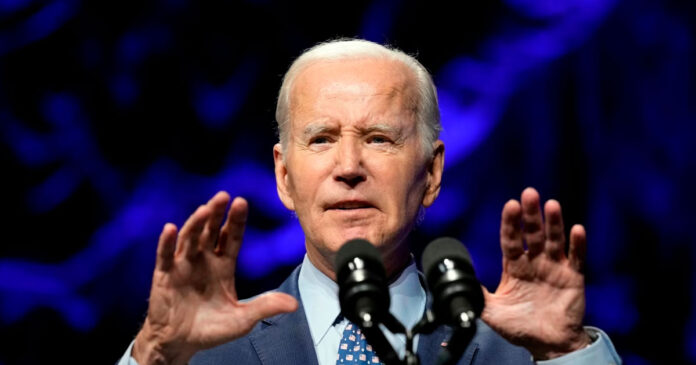
El presidente Joe Biden habla en la cena anual de la Liga de Votantes Conservacionistas, Washington, 14 de junio de 2023. (Foto: VOA)
Biden mencionó en su informe sobre el Estado de la Unión una prioridad en la lucha contra los costos ocultos y ha pedido ponerles fin mediante leyes, regulaciones y medidas del sector privado.
El presidente Joe Biden se reúne este jueves en la Casa Blanca con directivos de Live Nation, Airbnb y otras empresas para destacar una campaña de su gobierno para poner fin a los llamados costos ocultos (“junk fees”), que toman por sorpresa a los clientes.
Biden mencionó en su informe sobre el Estado de la Unión una prioridad en la lucha contra los costos ocultos y ha pedido ponerles fin mediante leyes, regulaciones y medidas del sector privado.
En el evento de este jueves, Biden se dispone a anunciar medidas tomadas por algunas empresas para eliminar esas tarifas, de las que se enteran los clientes solo en el momento en que tienen que pagarlas.
Esta campaña en defensa del consumidor es parte de su mensaje a los votantes, de cara a su aspiración a un segundo período en 2024, de que el gobierno puede ayudar a mejorar sus vidas.
Live Nation, la empresa con sede en Beverly Hills, California, que organiza conciertos y otros eventos en vivo, anunciará que a partir de septiembre dará a conocer a los clientes el precio de compra total de las entradas con todas las tarifas incluidas, y Ticketmaster dará a los clientes la opción de conocer los precios totales de todos los espectáculos en vivo en su plataforma.
SeatGeek, con sede en Nueva York, facilitará la búsqueda de entradas con su precio total.
La empresa de hospedaje Airbnb, con sede en San Francisco, introdujo los precios totales en diciembre, cuando Biden pidió a las empresas que desistieran de ocultar tarifas.
“El presidente Biden ha buscado reducir los costos para las familias trabajadoras al bajar la inflación, poner topes a los precios de la insulina para los mayores y eliminar las tarifas ocultas”, dijo la directora del Consejo Económico Nacional, Lael Brainard, en un comunicado.
“Más empresas escuchan el llamado del presidente para que los estadounidenses sepan de entrada cuánto pagan y de esa manera pueden ahorrar dinero”, agregó.
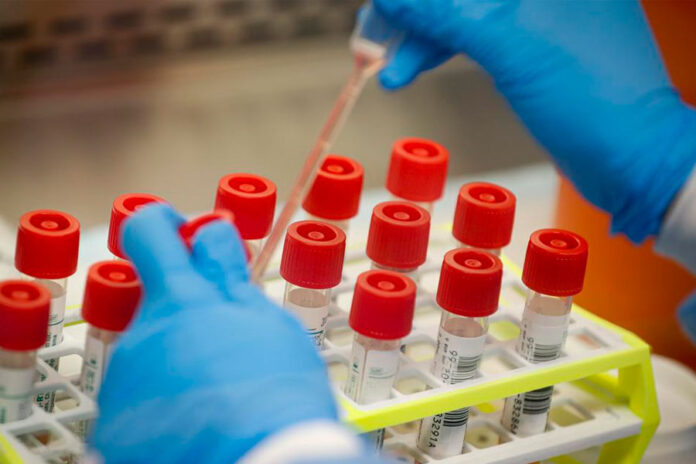
En esta imagen de archivo del miércoles 11 de marzo de 2020, un técnico prepara muestras de COVID-19 de un paciente para realizar pruebas en un laboratorio en Nueva York. (Foto: AP/John Minchillo/Archivo)
La confianza en la comunidad científica disminuyó entre los adultos de Estados Unidos en 2022, muestra una importante encuesta, una caída impulsada por una división partidista en las opiniones sobre la ciencia y la medicina que surgió durante la pandemia de COVID-19.
En general, el 39% de los adultos estadounidenses dijeron que tenían “mucha confianza” en la comunidad científica, frente al 48% en 2018 y 2021. Eso de acuerdo con la Encuesta Social General, un sondeo de larga duración realizado por NORC en la Universidad de Chicago que ha monitoreado las opiniones de la población estadounidense sobre temas clave desde 1972.
Un 48% adicional de los adultos en la última encuesta reportaron “sólo algo” de confianza, mientras que el 13% reportó “casi nada”, según un análisis de la encuesta realizada por The Associated Press-NORC Center for Public Affairs Research.
El sondeo mostró bajos niveles de confianza entre los republicanos a medida que las brechas partidistas que surgieron durante la era de la pandemia se mantuvieron, explicó Jennifer Benz, subdirectora del centro.
“No parece tan drástico cuando sólo se miran las tendencias para el público en general”, indicó Benz. “Pero cuando se profundiza en las afiliaciones políticas de las personas, hay una caída y una polarización realmente marcadas”.
Entre las encuestas de 2018 y 2021, cuando se afianzó la pandemia, los niveles de confianza de los principales partidos tomaron direcciones opuestas. Los demócratas reportaron un nivel creciente de confianza en la ciencia en 2021, quizá como un “efecto rally” en torno a cosas como las vacunas contra el COVID-19 y las medidas de prevención, agregó Benz. Al mismo tiempo, se registró un desplome de confianza entre los republicanos
En el sondeo de 2022, la confianza de los demócratas volvió a caer a los niveles previos a la pandemia, con un 53% reportando una gran confianza en comparación con el 55% en 2018. Pero la confianza de los republicanos continuó su tendencia a la baja, cayendo del 45% al 22% en 2018.
The White House is seen reflected in a puddle, Saturday, Sept. 3, 2022, in Washington. With roughly a year and a half until the 2024 presidential contest, the field of candidates is largely set. Former President Donald Trump and Florida Gov. Ron DeSantis have dominated the early Republican race, but other candidates including former Vice President Mike Pence, former United Nations Ambassador Nikki Haley and U.S. Sen. Tim Scott of South Carolina are looking for an opening in case either falters. President Joe Biden faces a couple of Democratic challengers but is expected to secure his party’s nomination. (Photo: AP/Carolyn Kaster/File)
With roughly a year and a half until the 2024 presidential contest, the field of candidates is largely set.
Former President Donald Trump and Florida Gov. Ron DeSantis have dominated the early Republican race as the other candidates look for an opening to take them on. President Joe Biden faces a couple of Democratic challengers but is expected to secure his party’s nomination.
Here’s a look at the candidates competing for the Republican and Democratic nominations:
The former president announced his third campaign for the White House on Nov. 15 at his Mar-a-Lago resort, forcing the party to again decide whether to embrace a candidate whose refusal to accept defeat in 2020 sparked the U.S. Capitol attack and still dominates his speeches.
The GOP front-runner remains hugely popular in the Republican Party, despite making history as the first president to be impeached twice and inciting the Capitol insurrection on Jan. 6, 2021.
In March, he became the first former U.S. president to be criminally charged, facing 34 felony counts of falsifying business records as part of a hush money scheme. He is now under indictment on dozens of charges related to alleged mishandling and retention of classified documents.
Former President Donald Trump speaks at Trump National Golf Club in Bedminster, N.J., June 13, 2023. (Photo: AP/Andrew Harnik/File)
The Florida governor officially launched his 2024 presidential campaign on May 24 in a glitch-marred Twitter announcement, casting himself as Trump’s only legitimate Republican rival.
Heralding his state as a place “where woke goes to die,” DeSantis has framed his campaign around a desire to bring the conservative policies he championed in Florida to the national stage. He has made a name for himself battling with Disney over the entertainment giant’s opposition to a bill dubbed by critics as the “Don’t Say Gay” law, which bans instruction or classroom discussion of LGBTQ issues in Florida public schools for all grades.
Under his governorship, the state has also banned abortions after six weeks of pregnancy and blocked public colleges from using federal or state funding on diversity programs
Republican presidential candidate Florida Gov. Ron DeSantis, speaks during a campaign event, June 2, 2023, in Lexington, S.C. (Photo: AP/Artie Walker Jr./File)
The former vice president opened his White House bid on June 7 in Iowa with forceful criticism of Trump, accusing his onetime boss of abandoning conservative principles and arguing Trump’s Jan. 6 action and inaction amounted to a dereliction of duty.
While lauding the accomplishments of the “Trump-Pence administration,” Pence has said Trump endangered the vice president’s family and the lives of everyone at the U.S. Capitol by falsely insisting that Pence had the power to overturn the results of the 2020 election.
He faces an uphill battle in a party in which Trump remains the most dominant figure.
Republican presidential candidate former Vice President Mike Pence speaks at the Westside Conservative Club Breakfast, March 29, 2023, in Urbandale, Iowa. (Photo: AP/Charlie Neibergall/File)
The South Carolina senator launched his campaign May 22 in his hometown of North Charleston with what he’s casting as an optimistic and compassionate message that can serve as a contrast with the rest of the field.
The Senate’s sole Black Republican, Scott has rejected the notion that the country is inherently racist and repudiated the teaching of critical race theory. He has said his party and the country are at a crossroads and must choose between “victimhood or victory.”
Republican presidential candidate Sen. Tim Scott, R-S.C., speaks during a town hall, May 8, 2023, in Manchester, N.H. (Photo: AP/Charles Krupa/File)
The former United Nations ambassador and South Carolina governor became the first major GOP challenger to Trump when she kicked off her campaign on Feb. 15 in Charleston. She is the only woman in the GOP field.
The former Trump Cabinet official once said she wouldn’t challenge her former boss for the White House in 2024. But she changed her mind, citing the country’s economic troubles and the need for “generational change,” a nod to the 77-year-old Trump’s age.
Republican presidential candidate Nikki Haley smiles while taking a question from the audience during a campaign event May 24, 2023, in Bedford, N.H. (Photo: AP/Charles Krupa/File)
The wealthy biotech entrepreneur and author of “Woke, Inc.,” kicked off his presidential campaign on Feb. 21 with a video and op-ed.
The son of Indian immigrants, he has gained stature in conservative circles for his criticism of the environmental, social and corporate governance movement that aims to promote socially responsible investing. He has largely self-funded his campaign so far.
Vivek Ramaswamy speaks at the Conservative Political Action Conference, on March 3, 2023, at National Harbor in Oxon Hill, Md. (Photo: AP/Alex Brandon/File)
The former two-term New Jersey governor went after Trump when announcing his presidential campaign on June 6 in New Hampshire, calling the former president a “lonely, self-consumed, self-serving mirror hog” and arguing that he’s the only one who can stop him.
Christie, a 2016 presidential candidate and former Trump adviser, has said that others may be afraid to challenge the former president, but he has no such qualms. “The reason I’m going after Trump is twofold,” Christie said. “One, he deserves it. And two, it’s the way to win.”
Republican presidential candidate former New Jersey Gov. Chris Christie speaks during a gathering, June 6, 2023, in Manchester, N.H. (Photo: AP/Charles Krupa/ File)
The former two-term Arkansas governor launched his presidential campaign on April 26 in Bentonville, pledging to “bring out the best of America” and to reform federal law enforcement agencies.
He announced his campaign shortly after Trump was indicted by a grand jury in New York and has called for the former president to drop out of the race, saying, “The office is more important than any individual person.”
Republican presidential candidate former Arkansas Gov. Asa Hutchinson formally announces his Republican campaign for president, April 26, 2023, in Bentonville, Ark. (Photo: AP/Sue Ogrocki/File)
The two-term North Dakota governor announced his candidacy on June 7 in Fargo. A former computer software entrepreneur, he is known to few outside his home state but portrays himself as a commonsense, rural-state conservative experienced in energy policy.
Republican presidential candidate North Dakota Gov. Doug Burgum speaks during a town hall meeting with employees at Rueter’s Equipment, June 9, 2023, in Elkhart, Iowa. (Photo: AP/Charlie Neibergall/File)
The conservative talk radio host announced his campaign on April 20 on Fox News’ “Tucker Carlson Tonight.» He made his first bid for public office in 2021 in a failed effort to replace California Gov. Gavin Newsom in a recall election.
Republican presidential candidate and radio show host Larry Elder speaks during Sen. Joni Ernst’s Roast and Ride, June 3, 2023, in Des Moines, Iowa. (Photo: AP/Charlie Neibergall/File)
The Miami mayor announced his presidential bid on June 15 on ABC’s “Good Morning America.” Suarez, a two-term mayor first elected in 2017, is also president of the U.S. Conference of Mayors. He is the only Hispanic candidate in the race.
Republican presidential candidate Miami Mayor Francis Suarez speaks at the Conservative Political Action Conference, CPAC 2023, March 3, 2023, at National Harbor in Oxon Hill, Md. (Photo: AP/Alex Brandon/File)
President Joe Biden formally announced his reelection campaign on April 25 in a video, asking voters for time to “finish this job.»
Biden, the oldest president in America history, would be 86 at the end of a second term. A notable swath of Democratic voters has indicated they would prefer he not run, though he is expected to easily win the Democratic nomination.
Biden, who has vowed to “restore the soul of America,” plans to run on his record. He spent his first two years as president combating the coronavirus pandemic and pushing through major bills such as the bipartisan infrastructure package and legislation to promote high-tech manufacturing and climate measures.
President Joe Biden speaks in the Roosevelt Room of the White House, May 28, 2023, in Washington. (Photo: AP/Manuel Balce Ceneta/File)
The bestselling author and environmental lawyer launched a long-shot bid to challenge Biden on April 19 in Boston.
A nephew of President John F. Kennedy and son of Attorney General Robert F. Kennedy, he has emerged as one of the leading voices of the anti-vaccine movement, with public health experts and even members of his own family describing his work as misleading and dangerous. He has also been linked to far-right figures in recent years.
Democratic presidential candidate Robert F. Kennedy Jr. speaks at a campaign event April 19, 2023, at the Boston Park Plaza Hotel, in Boston. (Photo: AP/Josh Reynolds/File)
Self-help author Marianne Williamson entered the Democratic primary on March 4 in Washington, calling for “a vision of justice and love that is so powerful that it will override the forces of hatred and injustice and fear.”
During her unsuccessful 2020 presidential campaign, she proposed the creation of a Department of Peace and argued the federal government should pay large financial reparations to Black Americans as atonement for centuries of slavery and discrimination.
Democratic presidential candidate Marianne Williamson addresses the South Carolina Democratic Party Black Caucus’ Sunday Dinner, March 26, 2023, in West Columbia, S.C. (Photo: AP/Meg Kinnard/File)
La falta de un acceso seguro a la comida de las mujeres latinas en edad reproductiva se relaciona de forma significativa con el padecimiento del síndrome metabólico, el cual aumenta el riesgo de diabetes y enfermedad cardíaca, según un estudio divulgado este jueves.
El síndrome metabólico abarca cinco condiciones que pueden conducir a la enfermedad cardíaca, la diabetes, el infarto y otros problemas para la salud.
El equipo investigador encabezado por Erica Marsh, directora de Endocrinología Reproductiva e Infertilidad en la Universidad de Michigan, presentó el estudio en la reunión anual de la Sociedad Endocrina en Chicago (Illinois).
Otros estudios previos, mencionados en el artículo han encontrado que la prevalencia del síndrome metabólico es de aproximadamente el 33 % entre la población general de EE. UU. y llega al 35 % entre los hispanos.
Un estudio publicado por la Asociación Estadounidense de Diabetes (ADA) encontró que la prevalencia de este síndrome entre las mujeres latinas con edades de 18 a 44, de 45 a 64, y de 65 a 74 años era respectivamente del 23 %, el 50 % y el 62 %.
La prevalencia de este síndrome, de acuerdo con la investigación publicada por ADA, iba desde el 27 % de las latinas de origen sudamericano al 41 % entre las puertorriqueñas.
Se confirma un diagnóstico de este síndrome cuando alguien presenta tres o más de los factores de riesgo que incluyen alto nivel de glucosa en la sangre, bajos niveles de lipoproteína de alta densidad o «colesterol bueno», niveles altos de triglicéridos, cintura grande y alta presión sanguínea.
Las investigadoras observaron a más de 700 latinas con edades de 21 a 50 años de las cuales 143 (24,2 %) presentaban el síndrome metabólico.
Entre las participantes con buena seguridad alimenticia el 20,7 % tenía un diagnóstico de síndrome metabólico en comparación con el 36,3 % de las mujeres con baja seguridad alimenticia y el 33,3 % de las que tenían una muy baja seguridad alimenticia.
«Dada la asociación significativa que se ha identificado entre la inseguridad alimenticia y el síndrome metabólico en las latinas de edad reproductiva, hay posibilidades de reducir los resultados cardio vasculares, metabólicos y reproductivos adversos mejorando el acceso a la comida», señaló la autora principal del artículo Emily Ferrell.
«Aún en países con altos ingresos, como Estados Unidos, hay gente que día a día tiene la preocupación de dónde vendrá la próxima comida», dijo Ferrell.
«La seguridad alimenticia se ha identificado como un determinante social de la salud lo cual significa que una baja seguridad a menudo resulta en consecuencia malas y riesgos mayores para la salud», agregó.