


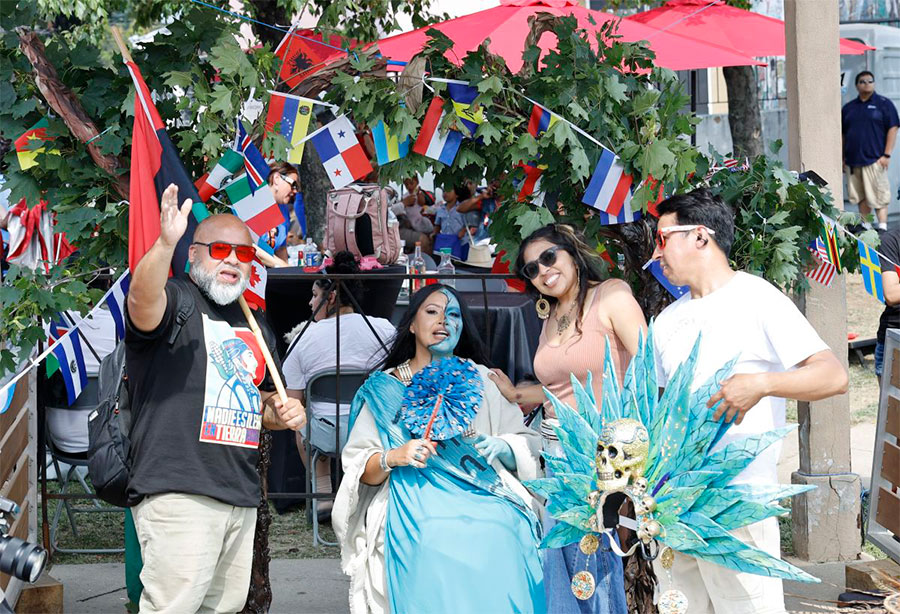
Every year, from September 15 to October 15, we celebrate Hispanic Heritage Month. It’s an invaluable opportunity to recognize our contributions to the United States—from science and medicine to culture, politics, sports, and technology. But beyond the celebration, this month reminds us of something essential: the Hispanic story in this country must be told by us.
Being Hispanic in the United States means living in a constant fusion of languages, customs, traditions, and art. Our cultures intertwine, enrich one another, and give rise to a vibrant, mestizo identity. Today, that blend is lived in every neighborhood, every family, and every generation growing up with Hispanic roots and a forward-looking spirit.
The magic of being Hispanic in the U.S. lies in the fact that, just as it happened more than five hundred years ago, our cultures have permeated and fused with one another, creating an even greater cultural richness than that of the past, which led to a true mestizaje. Now, this coming together of people from different Spanish-speaking countries in the U.S. is further enriched through daily coexistence. And although we preserve the unique traits that make us who we are, we have evolved into a global whole: the Hispanic identity.
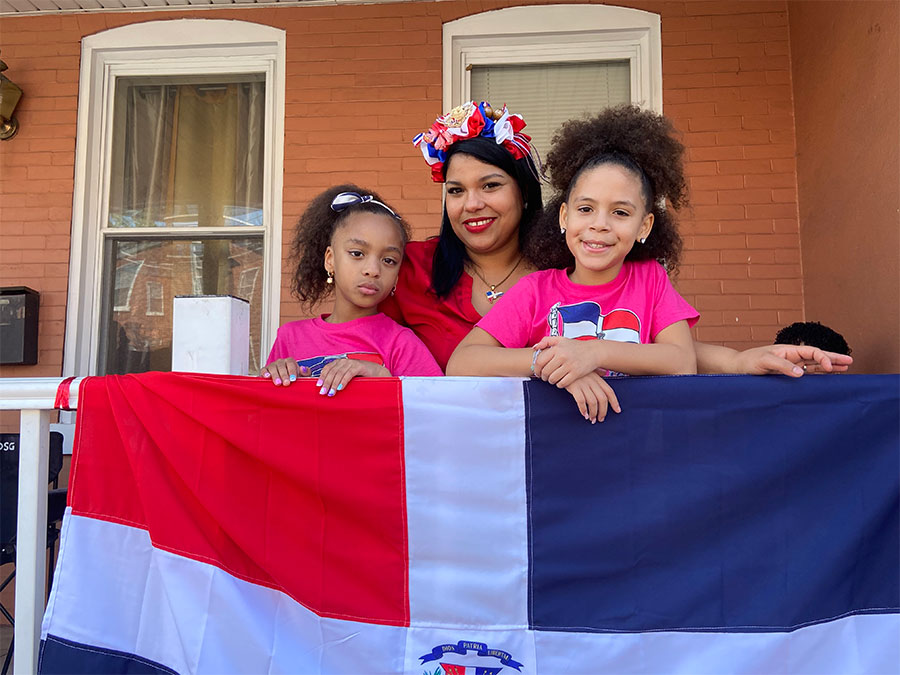
Hispanic identity is not a sum of isolated parts. It is a shared identity that evolves without losing the particularities that make us unique. And in that unity, we find strength.
Spain, along with the rest of the Spanish-speaking countries, forms a diverse unity. What unites us is far greater than what separates us. It has always been that way. Judging history through today’s social and cultural standards is a mistake. Every era has its own social, cultural, and ethical contexts that must be understood in order to fairly evaluate the past. Failing to do so leads to historical distortion.
For those of us who love history, it’s easy to recognize the Hispanic legacy as an integral part of the origins of the United States. Pedro Menéndez de Avilés was the founder of St. Augustine, the first city in what is now the United States.
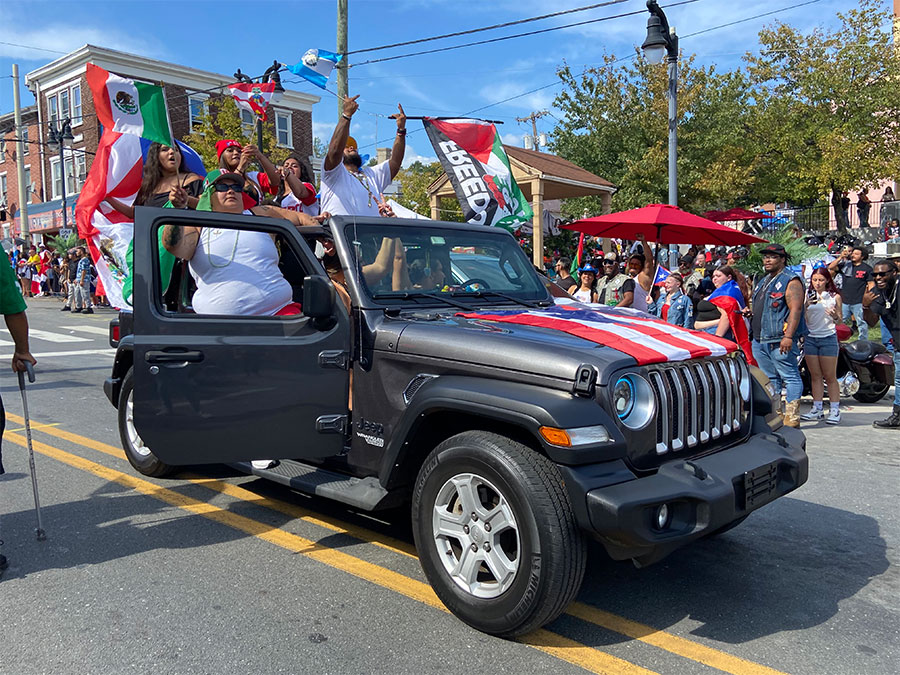
From Spain’s often misunderstood role in the American Revolutionary War—when Spain included all the territories that now make up Latin America—to the contributions of figures like Bernardo de Gálvez, Fernando de Leyba, and Diego de Gardoqui, Hispanics have been present from the very beginning. They contributed alongside thousands of Hispanic soldiers.
It is no coincidence that so many states, counties, and cities in the U.S. bear Spanish names, or that our symbols appear in flags, coats of arms, and mottos. Our imprint is deep and lasting.
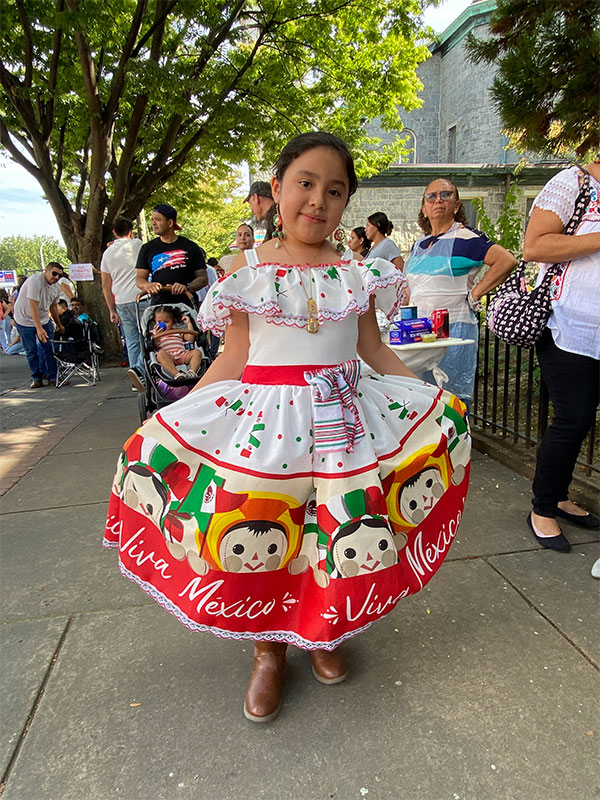
But it’s not just about the past. Hispanics are also the present—and above all, the future. New generations are born and raised in the United States and should do so without shame or hesitation, carrying within them the best of two worlds that have historically complemented each other. They are the best version of “Hispano-Americans”: innovative, diverse, and proud.
A Hispanic person—whether born in Spain or Latin America—should recognize themselves as an heir to that strength.
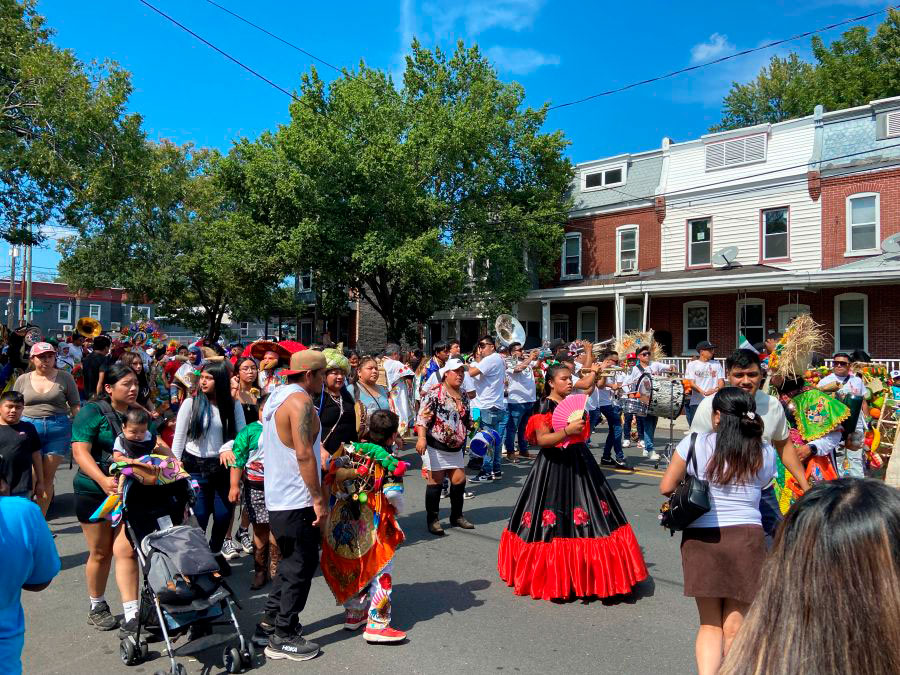
Even historic American voices acknowledged our value. Thomas Jefferson considered Spanish essential for the country’s future and taught it to his daughters the way he learned it—by reading Don Quixote.
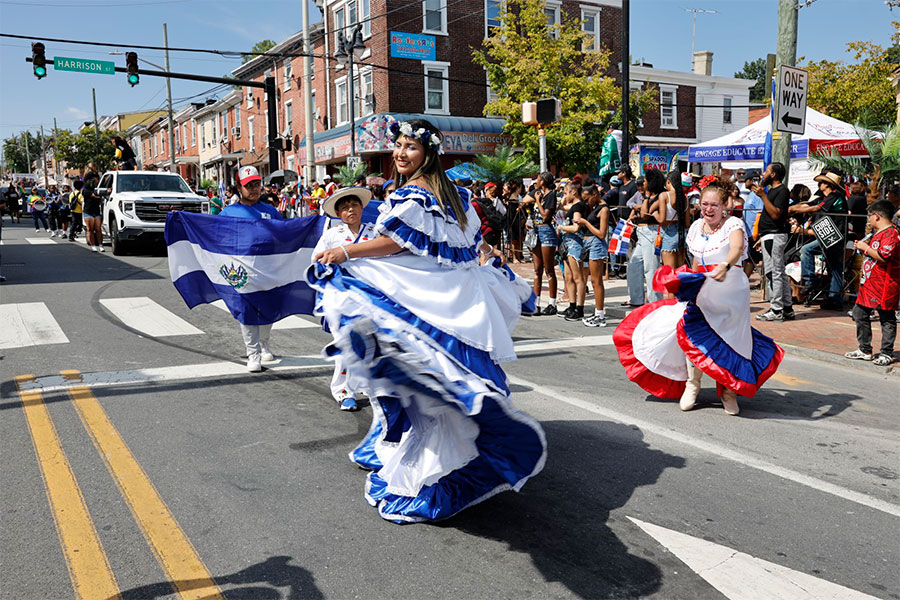
The renowned American poet—and journalist—Walt Whitman once said:
“We Americans still have much to learn from our past… For the complex identity of the future, it will be the Hispanic character that contributes its most necessary aspects. No legacy carries greater historical weight or compares in its religiosity and loyalty, or in its patriotism, courage, dignity, seriousness, and honor.”
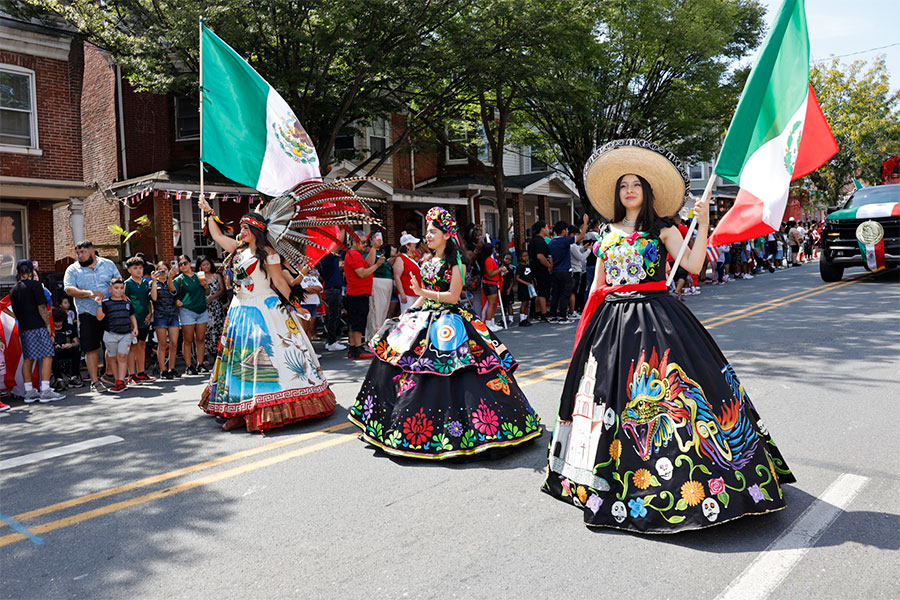
The future of the United States will have a Hispanic presence—just as its past and present already do. Today, we celebrate all of this. And tomorrow, we will continue working to ensure that future shines brightly, so we can keep being the best version of ourselves—an essential asset without which the United States could not fully understand itself.