


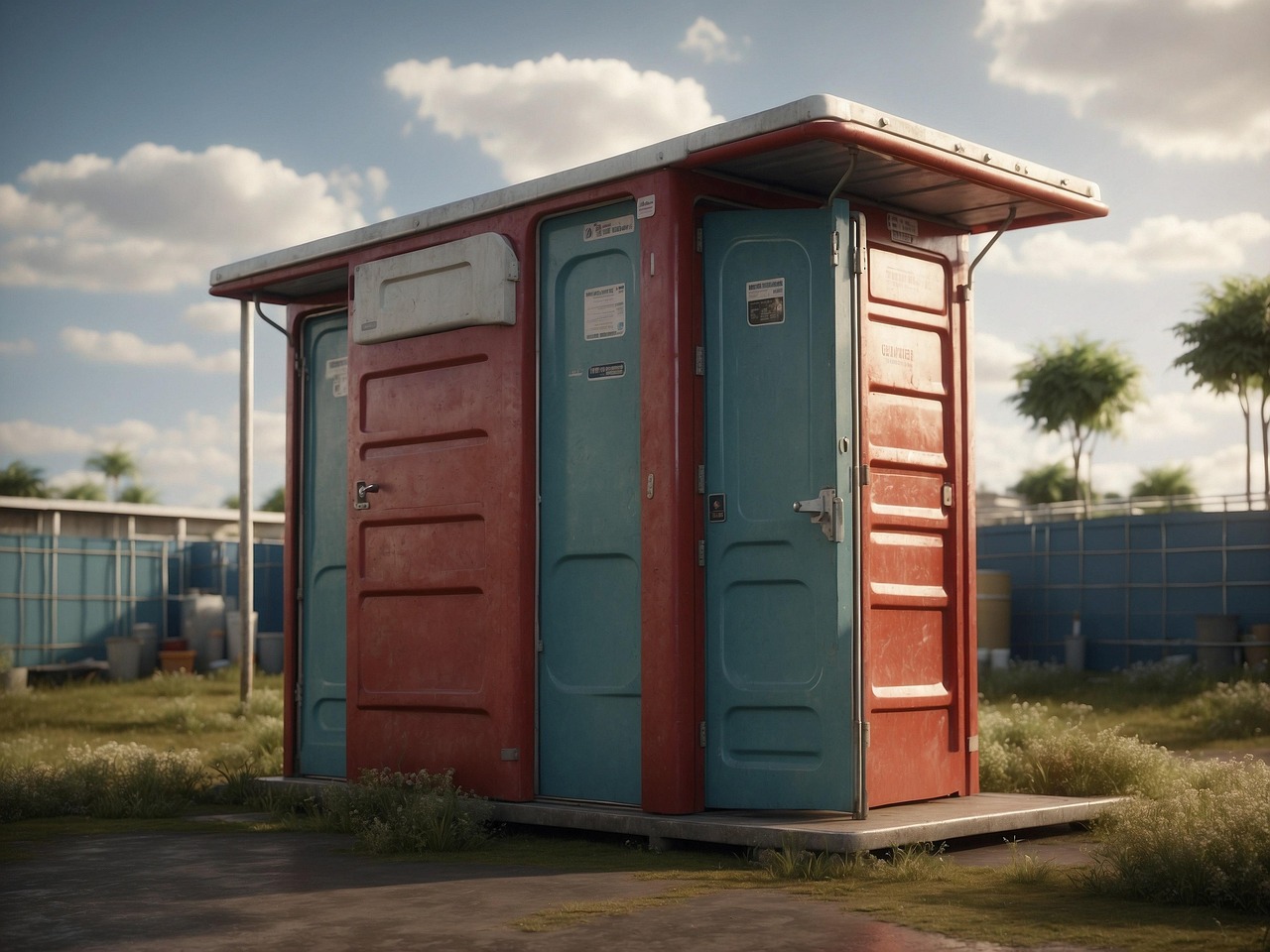
Over the years, our society has developed some bad environmental habits, and we need to start treating toilets and their water as something we should manage carefully.
Every day we all go into these little rooms at home or to larger ones at public venues, which are called bathrooms. We expect white porcelain receptacles into which we dispose of the excess waste from our bodies, using a lot of good water. And this doesn’t include the water we use in the machines to wash our clothes.
Over the years, as my knees got weaker and my body got heavier, I found it much harder to get down to or up from a lower-built toilet seat. My homies would call it a “low rider” seat for an O.G. old guy.
After changing apartments in Magdalena, Mexico, where I’m living, I found that my new apartment—my Ranchito—had a very low toilet seat. I immediately wanted to change it, but didn’t have the money.
Growing up on a farmer’s land in Las Animas, Colorado, we lived in a colony of adobe houses along with other relatives and close, friendly family friends. There was no running water for bathing or for a toilet.
Around 1949, our family moved into town, into a great little house at 124 2nd Street with two bedrooms for 12 kids and two parents. And no indoor plumbing.
But we did have a wooden outhouse that we would move every year to a new hole dug in the ground. We didn’t have packaged toilet paper but instead were given newspapers, and Sears, J.C. Penney, and Montgomery Ward magazines to sanitize ourselves.
It wasn’t until 3–4 years later, after we moved into town, that we actually got indoor plumbing with a toilet seat and a bathtub. In the middle of winter, you did not want to spend any extra time in an outhouse with no lighting or insulation.
In some Asian countries, when traveling in the past, it was difficult to find a regular toilet as we know it. Instead, there was just a hole in the floor, with outlines for where to put your feet, and then you’d need to squat down over the hole. This is very uncomfortable for many of us who want to do our business quickly and move on.
Cultural customs for bathrooms are most interesting. And still, in the USA, we do not accommodate women properly when building bathrooms in public venues.
So I began a search through the sales lists in Tucson for a taller toilet. A brand-new one could be very pricey.
I found a man in Tucson, 100 miles north of me, who was giving away for free a toilet seat higher than mine. After my doctor’s appointment, I went to try to load it into my van.
But it was too heavy. So I went to a homeless encampment near the park and got two strong young houseless persons to help me load the toilet, two very nice gentlemen who enjoyed the air conditioning in my van.
I could have spent all day talking and sharing with these two polite and smart men.
I paid them each $12 and later spent another $68 buying a major family bucket of Popeyes Chicken for their park group of 8 individuals. I still hope to go back to visit them, take some more food, and have a long chat with them.
I remembered that at 13 years of age, I joined a sheep-shearing crew out of the Rio Grande area of Texas that came through Colorado. I worked the summer in the Dakotas, where we never encountered indoor plumbing unless we stopped at a gas station. The few baths I took that summer were in rivers or lakes.
We were a crew made up of 8 men and two women—the crew boss’s wife and his daughter.
Shearing sheep is hard and skilled work, and a dirty one, given the lanolin in the wool and the working conditions.
During the summer, there were some conflicts. At one point, on a Sunday, when a drunk older worker wanted to cut my hair, I refused, and he chased me, shooting at me as I dodged through the 2,000 sheep waiting to be sheared.
And somehow I survived the summer. As you can imagine, we didn’t have cell phones, and I don’t think I called home at a payphone even once. It was an incredible experience for a 13-year-old. I was, obviously, glad to get back to our humble but effective indoor plumbing.
At each farm, we were given an old sheep to cook and then eat. It was good to get a lot of meat in my diet, and lots of black coffee with plenty of sugar. By the end of the summer, I had had enough of the smell of live sheep, of them being cooked, and of the nighttime bleating of young lambs. I think I didn’t eat sheep or lamb for at least the next 10 years.
Today, our indoor plumbing is tied to our access to water. I have lived in countries where we had blackouts, brownouts of electricity, and sometimes no water for as long as two weeks.
The rivers here in Magdalena, Mexico, have been dry for over five years, and I fear the lack of water, here and in so many parts of the world, will affect us all.
We need to pay attention to climate change and change our habits, perhaps bathing only once a week, and doing it quickly. We must also quit wasting water on lawns, personal swimming pools, and golf courses. We might also consider making all farming reliant on drip irrigation. Today, there are toilet designs on the market that use much less water.
While I will soon enjoy my taller toilet seat, I must also push for some water conservation.