

What happens when representation reaches local government, and what does leadership look like once being the “first” or “only” person in a room gives way to the everyday responsibility of serving a community?
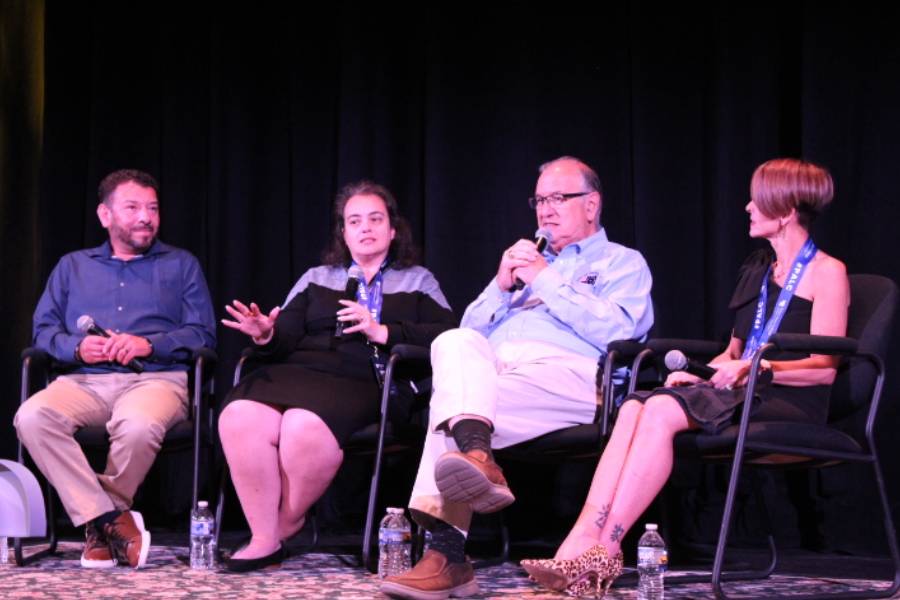
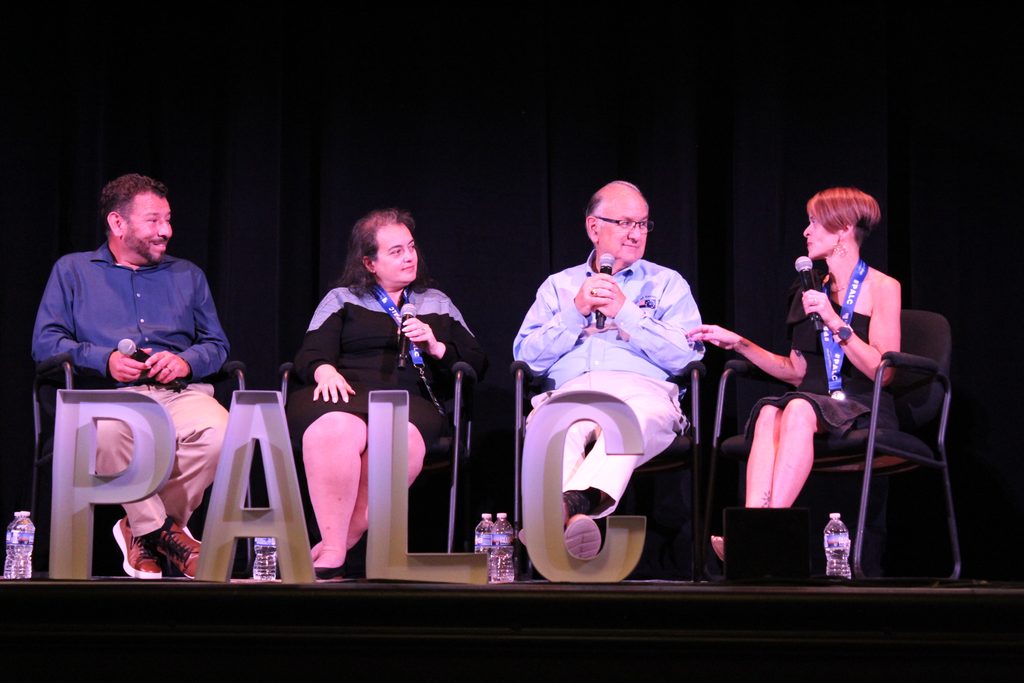
That question shaped the Mayors Roundtable at the 2026 Pennsylvania Latino Convention, where three municipal leaders spoke openly about public service, identity, pressure, accessibility and the responsibility that comes with being one of the most visible people in a community.
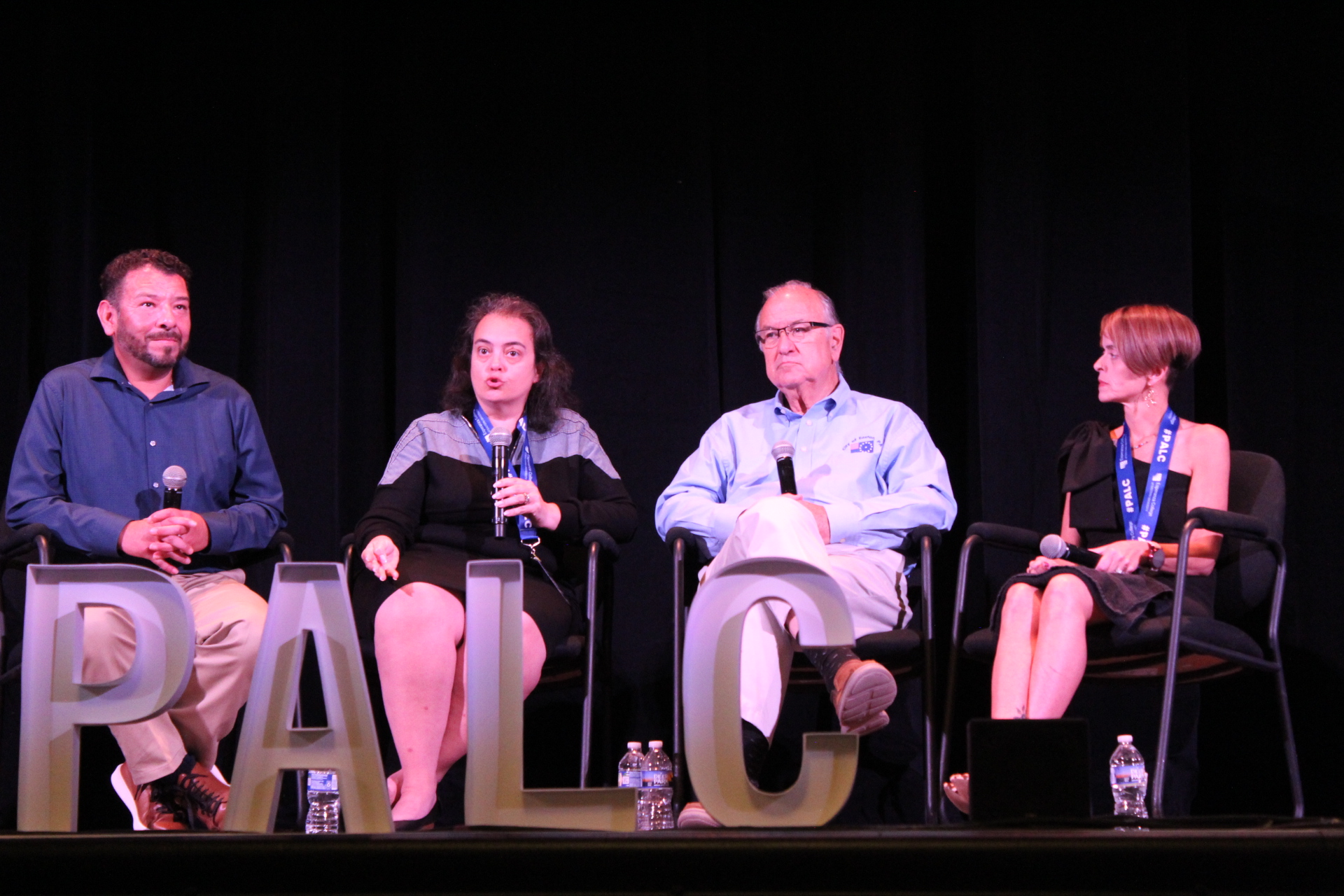
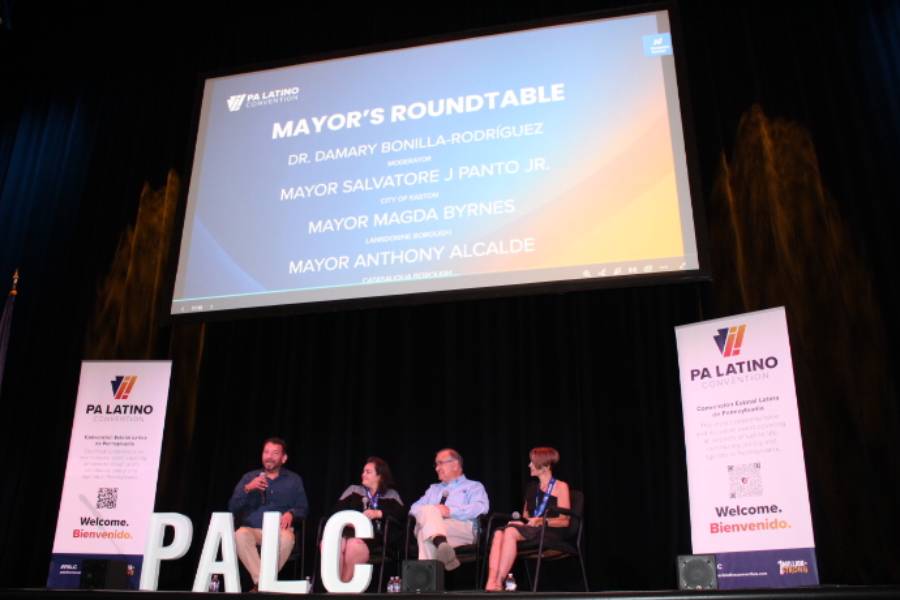
Moderated by Dr. Damary Bonilla-Rodríguez, the roundtable conversation brought together Easton Mayor Salvatore J. Panto Jr., Lansdowne Borough Mayor Magdalena “Magda” Byrne and Catasauqua Borough Mayor Anthony Alcalde.
The conversation began with something more personal than policy: what does it feel like to be first?
Each mayor reflected on experiences of entering spaces where they were new, different or carrying expectations beyond themselves. The conversation also touched on Latino representation and what it means for residents to see people with shared cultural experiences participating in local government.
But Bonilla-Rodríguez pushed the conversation beyond simply reaching the position.
What happens once you are there?
Alcalde described leadership as learning how to manage uncertainty, emotion and pressure without allowing those feelings to control the work. He spoke about asking questions, standing up for what he believes will improve his community and learning when to pause before responding.
For Byrne, accessibility emerged as both a responsibility and a challenge.
She spoke about wanting residents to approach her when they have concerns, while also maintaining boundaries around how those conversations happen. Being an elected official, she explained, does not mean residents will always agree with you, and accessibility does not eliminate the need for mutual respect.
That distinction became especially important as the mayors discussed social media.
Panto, whose experience in Easton government spans decades, reflected on how public leadership has changed as residents gained the ability to respond instantly to officials through online platforms. Criticism that once may have happened privately or through traditional government channels can now become public within seconds.
For the three mayors, that visibility is part of the position.
Residents may not always understand which responsibilities belong to a mayor, borough council, municipal staff or another level of government. But when something happens in their neighborhood, the mayor is often one of the people they expect to hear from.
The authority itself also differs by municipality. In Catasauqua, for example, the mayor formally oversees the day-to-day operations of the police department, while Borough Council holds other legislative and financial responsibilities.
Public safety therefore became another part of the conversation.
Alcalde pointed to his borough police department’s accreditation work as a recent accomplishment, describing it as an example of moving an institution forward while navigating challenges.
Byrne offered another example of leadership, but hers centered on one family.
She recalled a mother with four children who came to her after becoming displaced. Finding shelter was complicated because the family included a teenage son, creating additional barriers to finding a placement that would keep the family together.
Byrne described reaching out to other officials and using community relationships to help the mother navigate the situation.
Later, Byrne encountered her again at an event in Philadelphia.
The mother had found employment and housing, and her family had gained greater stability. Byrne became emotional while describing the encounter, explaining that she had not necessarily known what the outcome of her earlier intervention would be.
The moment brought the conversation back to the human side of government.
Local leadership can involve budgets, public safety, infrastructure and policy, but the mayors described a job that also involves answering calls, connecting residents with resources and sometimes helping someone navigate a system they do not understand.
The roundtable ended by looking toward the people who may eventually occupy those seats.
Each mayor encouraged residents to become involved in their communities, whether through volunteering, public boards, civic organizations or eventually elected office. The message was not that public service is simple. Much of the conversation described the opposite: criticism, long hours, difficult decisions and the responsibility of being publicly accountable.
But for Latino youth and other residents who may not traditionally see themselves represented in government, seeing someone from their community in a leadership position can make public service feel less distant.
Representation can open the door.
The roundtable left a larger question: what do leaders do once they walk through it, and does their service create enough space for someone else to eventually follow?