


PHILADELPHIA,PA_For generations, Medicare has represented a basic promise: work, pay into the system, and receive health care in old age or disability. Under the One Big Beautiful Bill (OBBB), that promise is beginning to disappear for low-income Latinos.
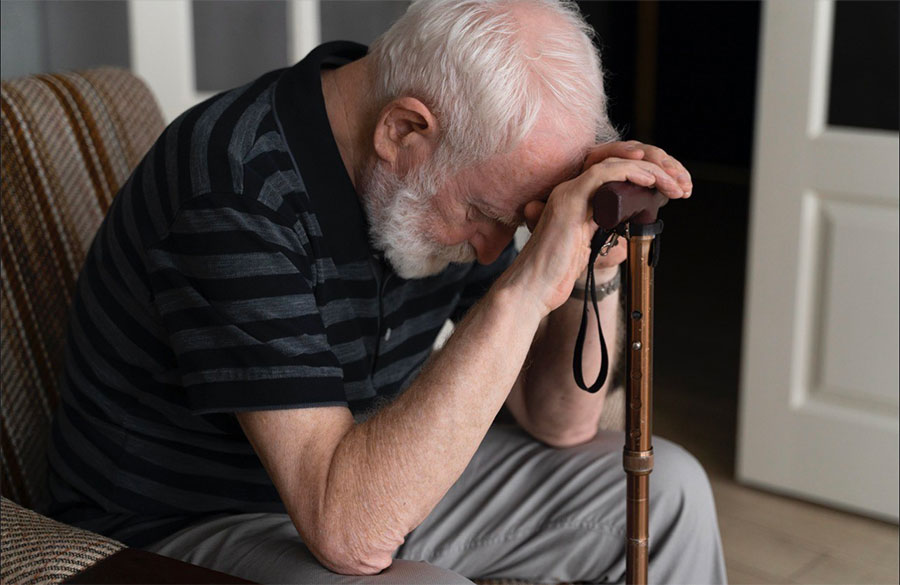
Teodoro Melendez, a 71-year-old Puerto Rican man, paid into Social Security and Medicare during the years in which he was young, healthy and able to work. Now he suffers from diabetes and diabetic complications of blindness and an amputation of his leg. Yet, for 2026, his Social Security income was reduced by close to two hundred dollars out of his $1,294 monthly benefit due to changes to Medicare.
He has no other income. In addition, his transportation benefit for medical appointments has been slashed from 74 one-way trips per year to 24 one-way trips per year. As of the date of this article, he has 10 rides left for 2026. The rest will come out of pocket or perhaps Medicaid rides. Mr. Melendez pays $750 a month in rent in Philadelphia for a one-bedroom apartment, utilities, phone service, and food after his $174 in food stamps are depleted. He also pays for personal care and household items. In an economy where prices are rising quickly, seniors and disabled recipients of Social Security are being squeezed from every side.
What is happening to Mr. Melendez is not an isolated case. Beginning in 2026, Medicare beneficiaries across the country are experiencing higher out-of-pocket costs tied to increased premiums, reduced supplemental benefits, and changes to Medicare Advantage plans. Under OBBB, federal spending reductions have pushed insurers to cut so-called “extra benefits” that many seniors rely on, including transportation, dental, vision, hearing, and over-the-counter allowances.
While these benefits were often marketed as bonuses, for low-income seniors they functioned as lifelines. At the same time, many Social Security recipients are seeing net reductions in their monthly checks because Medicare Part B premiums and related deductions have increased faster than cost-of-living adjustments.
For seniors living on fixed incomes, even a $50 or $100 reduction can mean choosing between medication, food, or utilities. For those receiving Supplemental Security Income or Social Security Disability Insurance, there is often no financial cushion at all.
Latino seniors and people with disabilities are disproportionately affected. Many worked in physically demanding jobs with limited access to employer-sponsored retirement plans, leaving Social Security and Medicare as their primary—and sometimes only—sources of support.
Language barriers limited digital access, and complex enrollment systems further complicate the ability to switch plans or appeal benefit reductions. In cities like Philadelphia, where housing costs continue to climb, these cuts land especially hard. Advocates warn that reduced transportation benefits alone could have serious health consequences.
Missed doctor appointments, delayed treatments, and unmanaged chronic conditions often lead to emergency room visits and hospitalizations—ironically increasing long-term health care costs.
“These are penny-wise, pound-foolish policies,” said Damaris Martinez, a local aging-services coordinator, who noted an uptick in seniors calling for help after losing benefits they once depended on. Despite these challenges, seniors and people with disabilities are finding ways to cope. Many are relying more heavily on food pantries, community health centers, and family support. Others are postponing care, rationing medications, or going without basic needs. Community organizations and legal aid groups are seeing increased demand for benefits counseling and appeals assistance, as beneficiaries struggle to understand sudden changes to systems they thought were stable.
For Mr. Melendez and thousands like him, the fear is not abstract—it is monthly, measurable, and deeply personal. As benefits shrink and costs rise, the question facing many seniors and disabled Americans is no longer how to retire with dignity, but how to survive.