

In the context of significant changes to the health care system expected in 2026, organizations such as BenePhilly, with offices in Esperanza, continue to be a fundamental pillar for working families and people in vulnerable situations in Philadelphia.
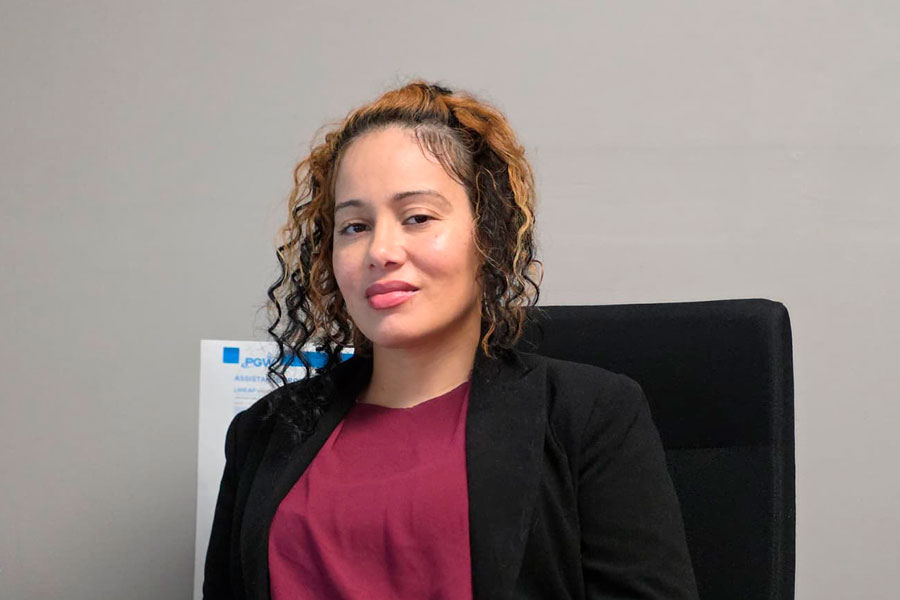
Impacto spoke with Carmen Fonseca, a BenePhilly specialist at Esperanza, who stands out to help the community access public benefits and resources so people can get back on their feet, move forward, and achieve success. As a community worker at Buena Esperanza, Fonseca emphasized the importance of programs such as Medicaid, which allow thousands of residents to access essential medical services. “My job is to help the community with public benefits and resources so they can get back on their feet, overcome challenges, and succeed,” she explained when speaking about her role within the organization.
According to Fonseca, Medicaid is available to anyone experiencing financial hardship, regardless of whether they are working or not. Many employed individuals do not have health insurance offered by their employers or cannot afford private plans that cover their families’ medical needs. “It’s complicated because there are people who work but still can’t afford health insurance that covers all the services they need,” she noted. “That’s why Medicaid and CHIP become a crucial alternative for receiving medical care without having to sacrifice basic expenses such as housing, food, or monthly living costs.”
With changes to eligibility requirements expected in 2026, there is growing concern about how these adjustments could affect the community. For this reason, we spoke with María Iannarelli, National Housing Project Director at Esperanza, who stated: “Latinos in Philadelphia are facing Medicaid loss due to administrative barriers.”
Since the end of the continuous enrollment protection implemented during the pandemic, thousands of Philadelphia residents have begun losing their Medicaid coverage—not because they are no longer eligible, but due to administrative obstacles that make the renewal process difficult.
The policy, which went into effect, requires all individuals enrolled in Medicaid to renew their coverage annually by submitting documentation that confirms their eligibility. However, now in 2026, this change has generated confusion and involuntary losses of health insurance, especially within the Latino community. “Most people who are losing Medicaid are still eligible,” Iannarelli explained.
“The main problem is not eligibility, but the barriers people face in completing the process, such as language, limited internet access, and a lack of clear information on how to renew their coverage.”
Community organizations warn that many families never receive renewal forms or are unable to complete them on time due to the complexity of the system. In other cases, correspondence arrives only in English, posing an additional challenge for those with limited proficiency in the language. “We are seeing people lose their insurance simply because they don’t understand a letter or don’t have access to a computer. These are losses that could be avoided with better communication and support throughout the process,” she stated.
For more information, you can visit the BenePhilly offices at Esperanza, located at 4261 N. 5 Street, Philadelphia.