

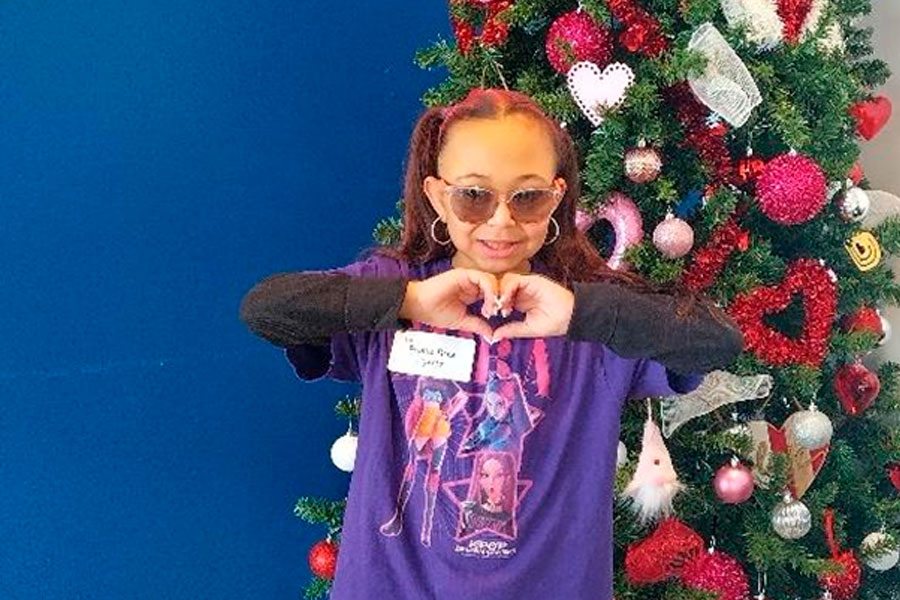
For most families, the search for a school begins with looking at local districts or neighborhood boundaries. Still, for Maria Ugarte and her daughter, Ariana, the search was a matter of life and survival.
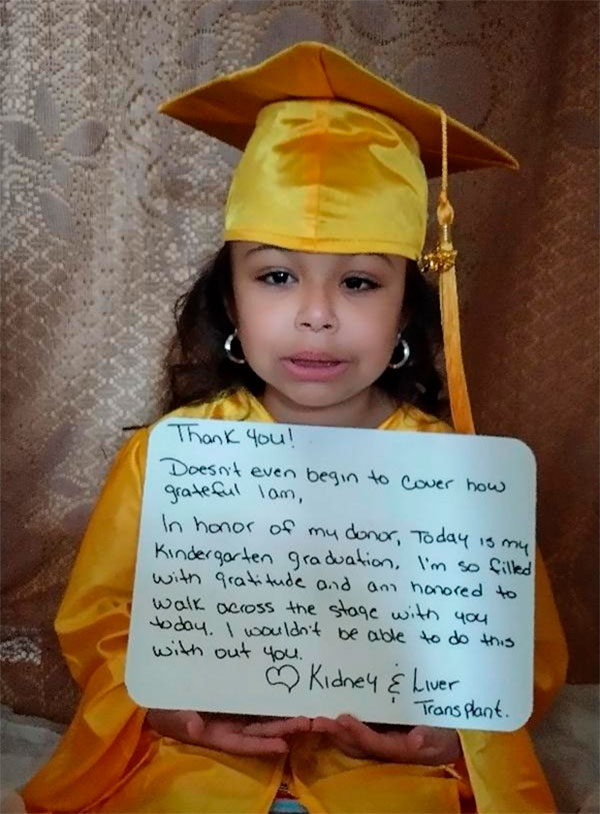
Ariana was born with Nephronophthisis Type 3, a rare genetic condition that meant she entered the world without functioning kidneys. Since she was a newborn, the Ugarte family’s life has been defined by hospital stays and intensive medical procedures. For years, Ariana endured daily dialysis—a process Maria describes as «rough» and physically exhausting for such a young child.
Because of her condition and a severely weakened immune system, a traditional brick-and-mortar school was never a safe option. Ariana requires daily medication and a level of medical monitoring that a standard classroom cannot accommodate. «Regular school was not an option,» Maria explains. The family needed an educational partner that could work around life-saving treatments, which led them to enroll Ariana in Esperanza Cyber Charter School (ECCS) for kindergarten.
Meeting the family halfway
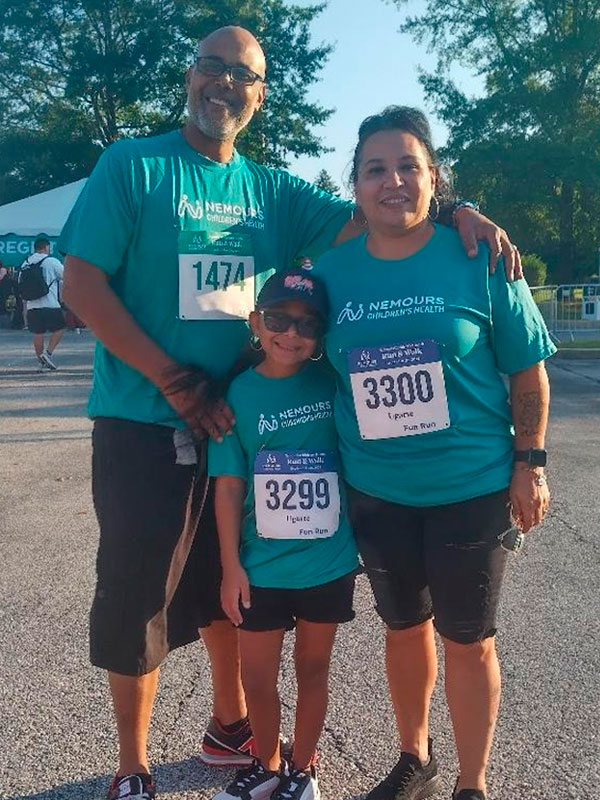
Now in third grade, Ariana has spent her entire academic career at ECCS. For Maria, the school’s flexibility hasn’t just been a convenience—it’s been a lifeline.
«I asked a lot of questions because of her appointments; I wanted to make sure we were okay,» Maria says. She notes that the school consistently «meets you halfway,» providing the open communication and guidance necessary to balance a third-grade curriculum with a complex medical schedule. When health issues impact Ariana’s participation, Maria says the school works directly with her to ensure her daughter never falls behind.
The «social butterfly» of the virtual classroom
There is a common misconception that virtual learning is isolating, but Ariana is living proof of the opposite. Maria describes her daughter as a «social butterfly» who genuinely enjoys learning.
The school provides Ariana with targeted one-on-one support in math and reading, which has caused her confidence to soar. She is so eager to participate in her virtual classes that she actually gets frustrated if she feels there isn’t enough opportunity to engage with her classmates.
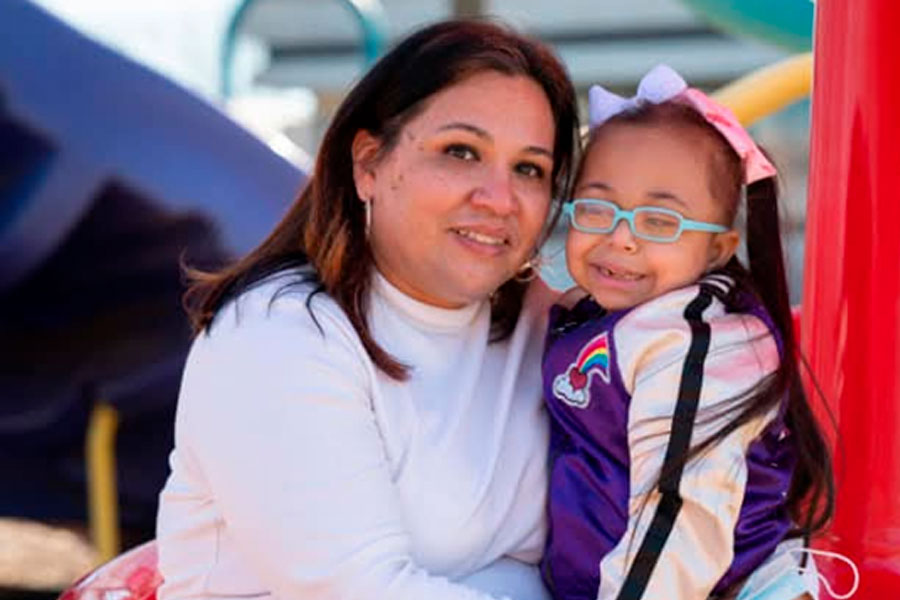
To bridge the gap between the screen and the real world, Ariana also attends the school’s onsite events. Maria emphasizes that these moments are vital, as they help Ariana «normalize life» by allowing her to bond with peers and teachers in person.
A necessity, not a choice
As lawmakers continue to debate the role and funding of cyber charter schools, Maria Ugarte has a clear message: for medically complex children, these schools are a necessity.
«Cyber schools need to exist because some students don’t have another choice,» Maria says. «My daughter was on dialysis daily… that would make it hard for her to have a normal educational life.»
Looking back on their journey since kindergarten, Maria sees a child who is thriving emotionally and academically—a result she credits to the unique environment ECCS provides. Her advice to other parents facing similar medical battles is simple: «Take a leap of faith. It will ease your mind during those already difficult times.»
For the Ugarte family, the fight for cyber schools is a fight for the right to an education where every student—no matter their medical chart—feels welcomed, comfortable, and free.