


Easton, PA – A policy could exist. An interpreter could be available. A complaint process could be written down. But none of it meant much if the person who needed help could not figure out how to reach it.
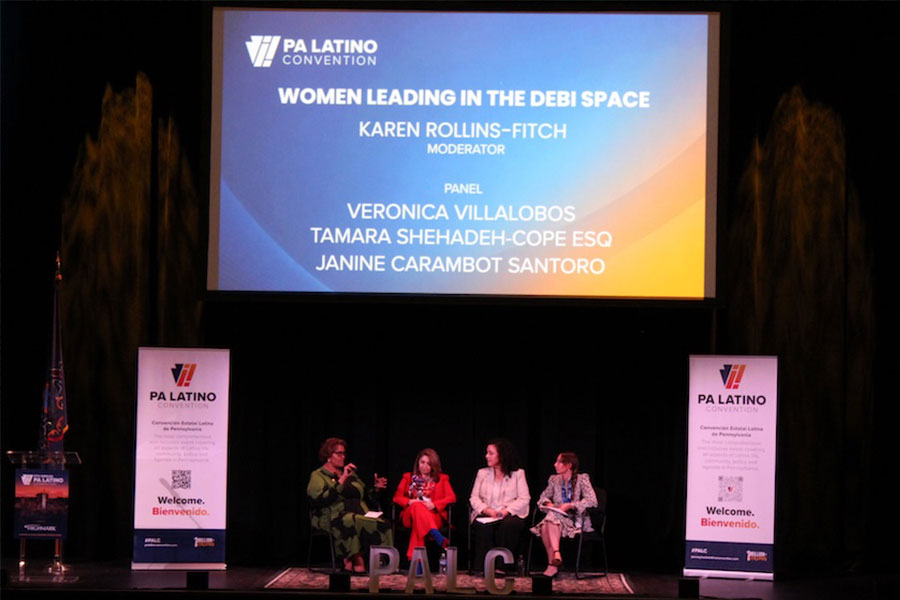
That was the deeper issue behind “Women Leading in the DEIB (Diversity, Equity, Belonging, and Inclusion) Space,” a Sept. 22 fireside conversation at the 2026 Pennsylvania Latino Convention. Moderated by Karen Rollins-Fitch of Highmark Wholecare, the panel included Verónica Villalobos of Highmark Health, Tamara Shehadeh-Cope, Esq., of the Pennsylvania Human Relations Commission, and Janine Carambot Santoro.
The conversation unfolded at a complicated moment for diversity, equity, inclusion and belonging work. Since January 2025, the Trump administration had directed federal agencies to terminate DEI and DEIA programs it characterized as discriminatory and had revoked earlier federal contracting requirements tied to affirmative action. The administration described the changes as an effort to restore merit-based and nondiscriminatory practices.
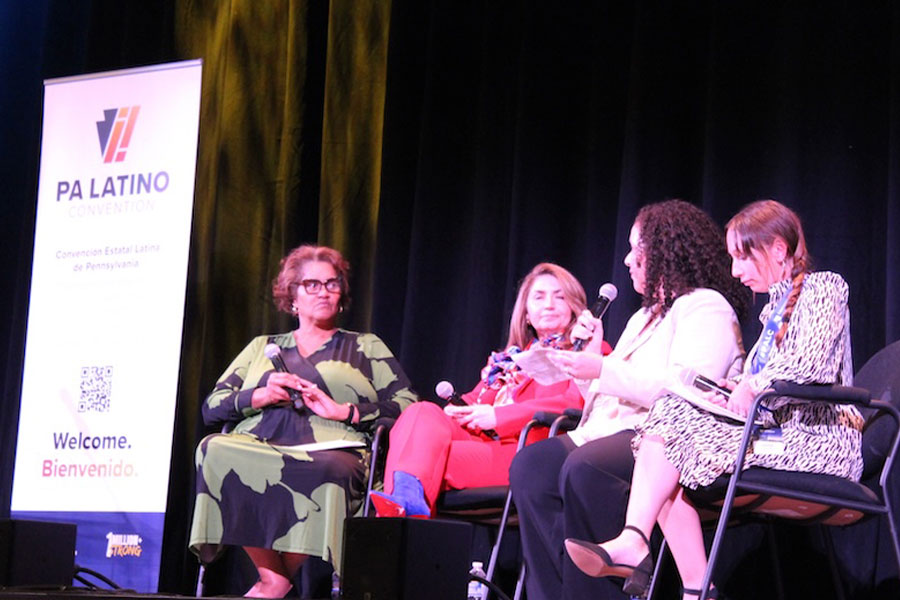
At PALC, however, the discussion moved beyond the terminology. The central concern was what happened when employees and families still encountered discrimination, language barriers or systems they did not understand, even as organizations reconsidered how they talked about inclusion.
That gap between having a resource and being able to use it became one of the strongest themes of the session.
An example shared during the conversation involved a Spanish-speaking family trying to respond to repeated harassment. The difficulty was not only what the family had experienced. It was what happened afterward: documenting the situation, explaining what had occurred and finding the right place to seek assistance while navigating a language barrier.
The example showed how quickly a system intended to help could become another obstacle. A government agency might offer language services, but a resident still had to know how to request them. A workplace might have an anti-discrimination policy, but an employee still had to know where to file a complaint. An institution might publish resources online, but those resources still had to be understandable and reachable.
For Latino families, particularly those more comfortable communicating in Spanish, those questions were practical rather than abstract. A person could have rights and still struggle to exercise them if the process was difficult to understand or navigate.
Pennsylvania’s civil-rights protections remained in place. The Pennsylvania Human Relations Commission continued to enforce state anti-discrimination laws, including the Pennsylvania Human Relations Act, which covers employment, housing and commercial property, education and public accommodations.
The panel emphasized that knowing those protections existed was only the first step. People also needed to know what to do when something happened: where to report discrimination, what information to preserve and how to follow up rather than dismissing an incident because it seemed too small to document.
The discussion also widened to young people. Advocacy, the panel suggested, did not begin with a job title or formal leadership position. It could begin with recognizing that something was wrong, knowing when to speak up and knowing when to seek help from a parent, teacher, trusted adult or institution with the authority to respond.
Self-advocacy did not mean expecting someone to fight every battle alone. It meant understanding that help existed and having enough information and confidence to ask for it.
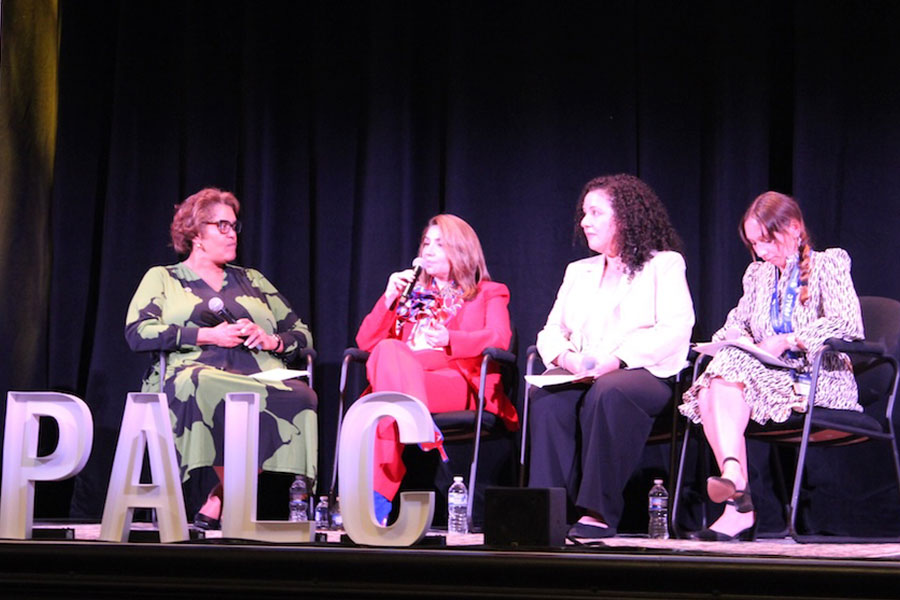
The same principle carried into civic participation. School boards, city councils, legislative offices and other public bodies could feel distant until residents understood how to reach them. Participation did not always require speaking at a microphone. A phone call, letter or email could raise a concern, create a record and place an issue before someone with decision-making authority.
By the end of the session, the conversation had become less about defending DEIB as a label and more about examining the institutions behind it. Did people know where to go? Could they communicate once they arrived? Would someone listen? Would the complaint be documented? Did the system work differently for someone who already knew how to navigate it?
Those questions remained regardless of what an employer, agency or organization called its inclusion work.
The national political environment had changed. Organizations had reconsidered terminology, programs and public messaging. But for a person walking into an office needing help, the practical standard was simpler.
The question was whether the door opened.