


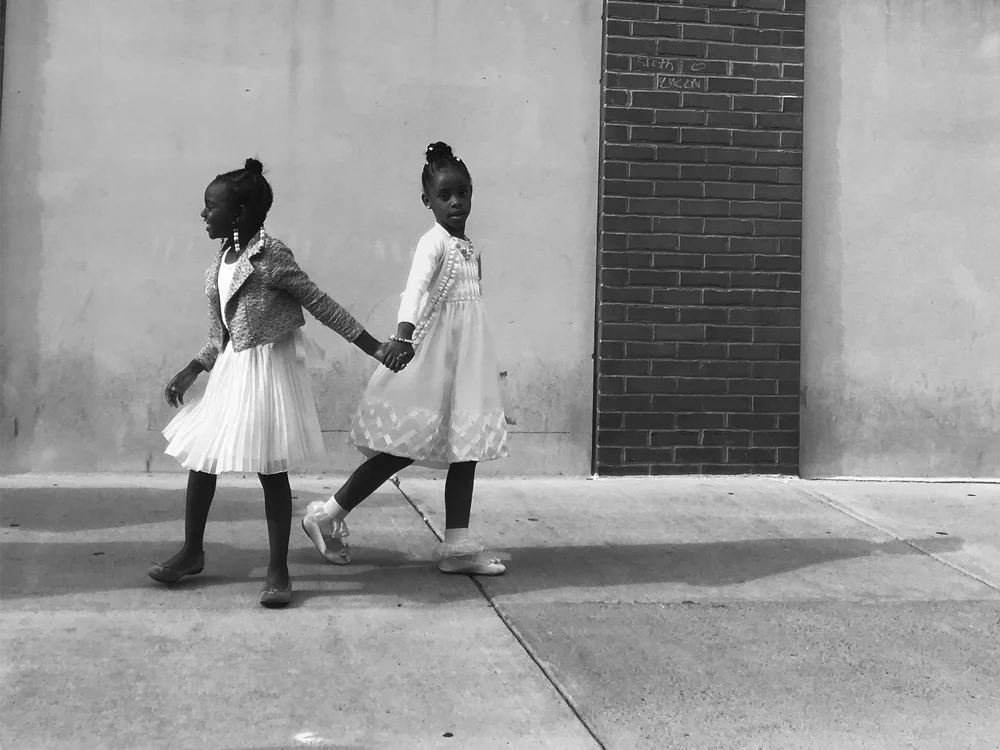
When we think about the neighborhoods we live in, it’s easy to think about how they are: we interact with them constantly. It’s harder to think about why they are the way that they are. This is true for many places in the world, including in the Hunting Park neighborhood in North Philadelphia. So why is Hunting Park the way that it is? In other words, what is the history of Hunting Park?
How we got here
Redlining was a practice from the 1930s until the 1960s where the federal government would section out different neighborhoods in cities, with those that were designated as undesirable often including a large non-white community. As a result, these neighborhoods dealt with higher interest rates on their housing, meaning that they couldn’t spend resources on making their neighborhoods thrive. The practice of redlining created negative narratives about neighborhoods like Hunting Park, with many areas in and around it being marked with the worst “grades” that neighborhoods could get.
Redlining wasn’t the only issue that impacted residents of Hunting Park. Factory jobs started moving overseas, causing job loss in areas including Hunting Park. In 1953, nearly half of the city’s workforce was in industrial jobs; by 1990 it was only 5 %.
Long-term resident of Hunting Park, Leroy Fisher, noted this. He recalled that during the 80’s, after industrial decline, “is when (Hunting Park) just became really bad…they didn’t invest a lot of money into the park at the time.” It is what drove him to eventually work towards revitalizing the area, “back to the glory that I remember in my younger years” he says. Similar challenges motivated the creation of organizations like Esperanza.
Police violence was (and is some ways still is) a major issue throughout North Philadelphia (including Hunting Park) and the city as a whole. This was especially prominent in the 70’s. PPD was sued several times, including by the Department of Justice, for police misconduct and brutality. «We weren’t giving kids a good education. We weren’t supporting them enough in a community where leadership had changed rapidly, and they were just punishing, punishing, punishing, punishing,» says activist Roger Zepernick.
Police violence continued to be a major part of life in Philadelphia into the mid to late 1980s. While much of police violence targeted Black Philadelphians, Puerto Ricans in the city also faced similar things. “We were going through the same thing as other people of color would go through, so like brutality, getting locked up for no reason,” says Masada Devine, archivist at Taller Puertorriqueño.
What you can do
When it comes to the future of our neighborhoods, far-reaching issues that have a long history like these can seem out of our control, but great change can still be made by simple actions by ordinary people.
Push for affordable housing
Many residents in Hunting Park are at risk of displacement, where previous residents of a neighborhood are forced to leave because they can no longer afford to live in the area. Most in the neighborhood make significantly less than other residents of the city, which has been coupled with rising housing prices. From 2019 to 2024, rent in the Hunting Park area increased by 25 %, and housing property prices increased by 40 %.
Esperanza has worked to fight this in Hunting Park, where the organization’s Community Land Trust is renovating abandoned buildings for low-income housing (for more information, call 215-324-0746).
If housing is important to you, you can join a tenant union. Tenant unions can not only help with affordable housing but also help those facing eviction and neglect.
Have a green thumb
A surprising way to help prevent crime in neighborhoods is green space (urban areas with greenery). Studies have shown that green space has the ability to greatly reduce crime. Hunting Park itself is an example. The Fairmount Park Conservancy, in association with Hunting Park United and the city government, invested $5 million into the park, resulting in an 89 % decrease in crime.
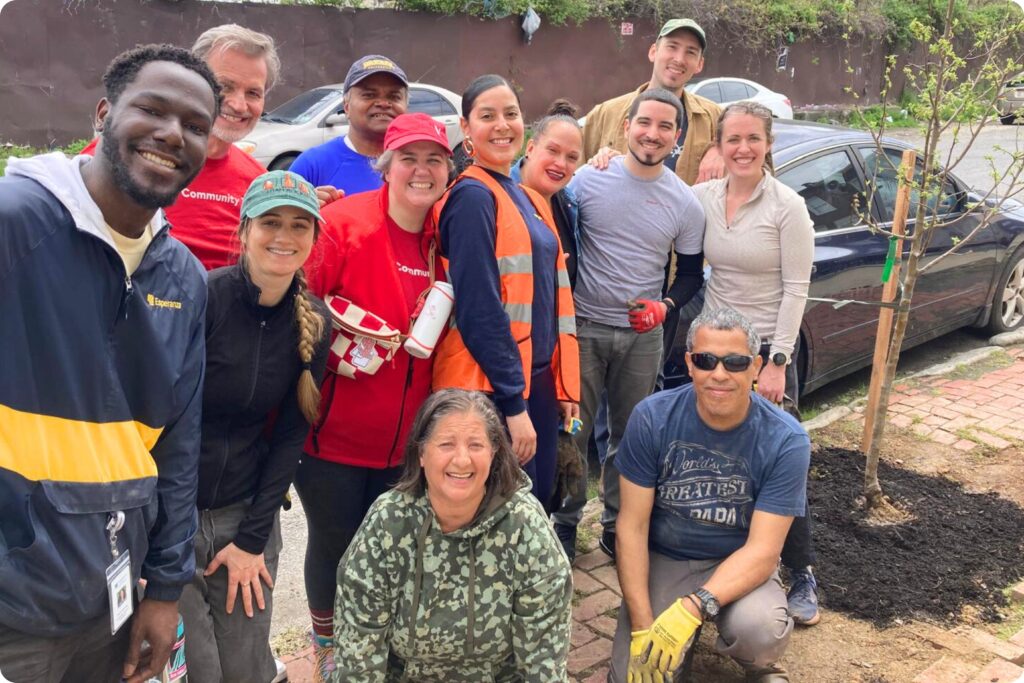
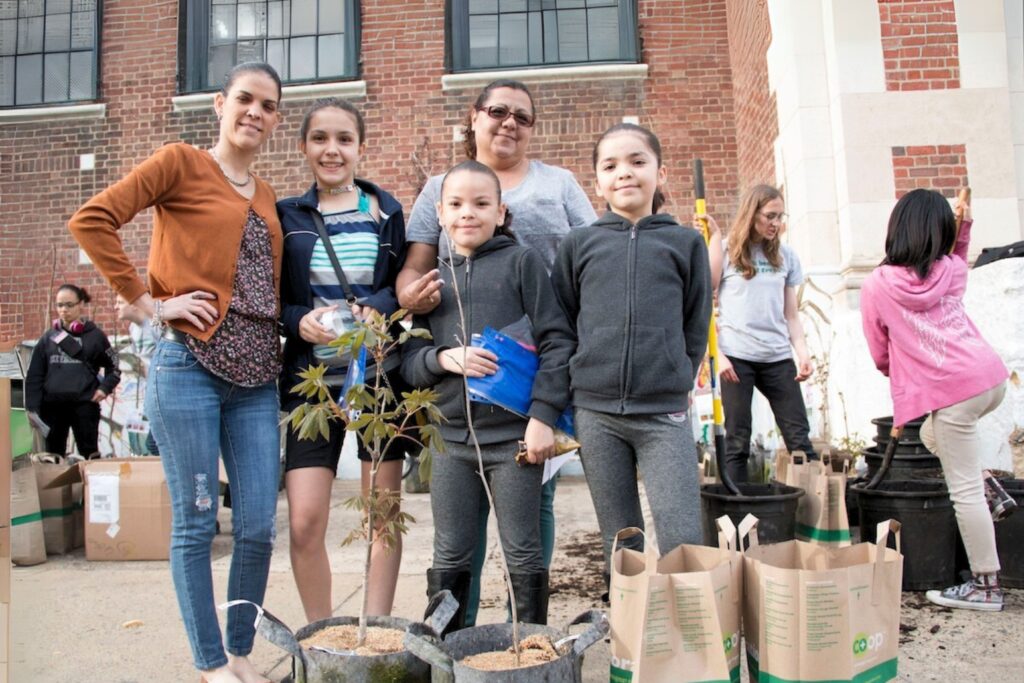
If you would like a free tree for your yard, Tree Philly hosts giveaways around the city in the spring and fall. They can be reached by phone at 215-683-0217. Beyond that, you can also volunteer in neighborhood clean-ups, or work to become a Block Captain.
Be a part of the arts
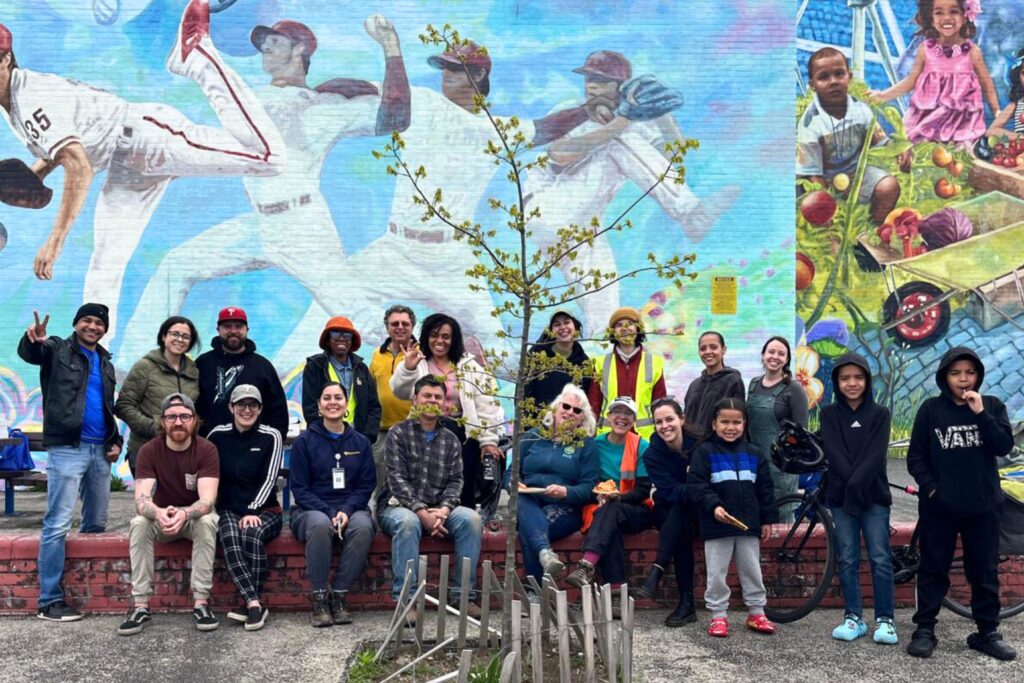
Mural art has also been shown to reduce crime in communities, according to several local studies. Art has also been used to highlight social issues. «I present the opportunity for people that may have those feelings or opinions, but don’t have an outlet to share it,» says Marangeli Meija, Director of the Latino Arts and Film Festival. An example of this idea at play is the work of Shawn Theodore, an artist who documented ’Black life in North Philadelphia’. If you’d like a mural in your neighborhood, the city’s Mural Arts program has an application every spring and winter, as well as youth programs. You can call them for more information at 215-685-0750.
Join youth sports
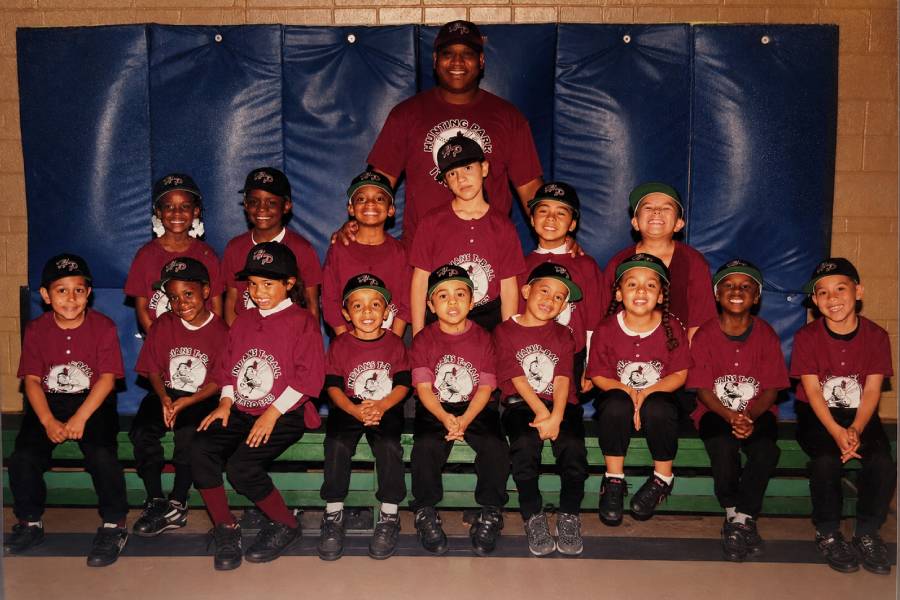
Another way to help your neighborhood is by participating in youth sports. Beyond just physical activity, participation in youth sports has been shown to reduce suspension rates and risky behavior. In Hunting Park, it comes up in the form of the Philadelphia Aztecs football program, founded in 1994. Leory Fisher, one of the founders of the group, speaks to the impact youth sports can have for children, “It changes lives…each and every coach in these programs has touched children and made their lives better.
Sports also brings people together. «People like me can be our own worst enemy by not engaging with those who are right here, in this particular area,” Fisher says.
Special Thanks To: Roger Zepernick, Leroy Fisher, Marangeli Meija, Masada Devine, Shawn Theodore, Gail Pryor