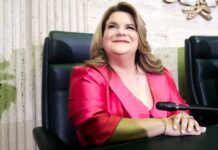


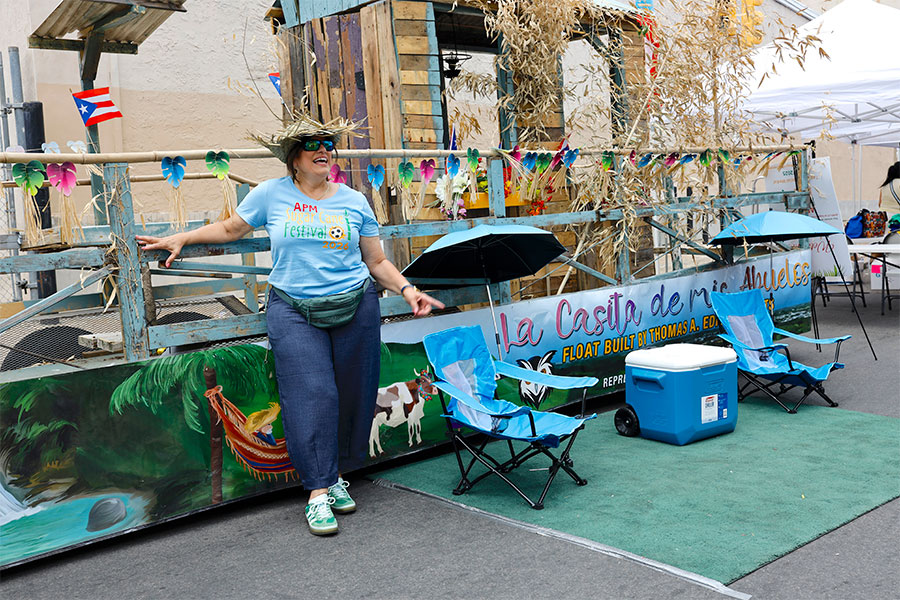
Summer is the season when Latino celebrations come alive on the streets of Philadelphia. One of the community’s most cherished events—especially among Puerto Ricans—is the Sugar Cane Festival, organized by Asociación Puertorriqueños en Marcha (APM). Nilda Ruiz serves as the organization’s president and chief executive officer.
“The Sugar Cane Festival works because it feels authentic. It celebrates our Puerto Rican roots, honors our history in Philadelphia, and brings people together in a joyful atmosphere while connecting them with resources and opportunities. It is a festive event, but it also has a clear purpose,” says the proud Puerto Rican leader, whose family comes from San Sebastián and Isabela, Puerto Rico.
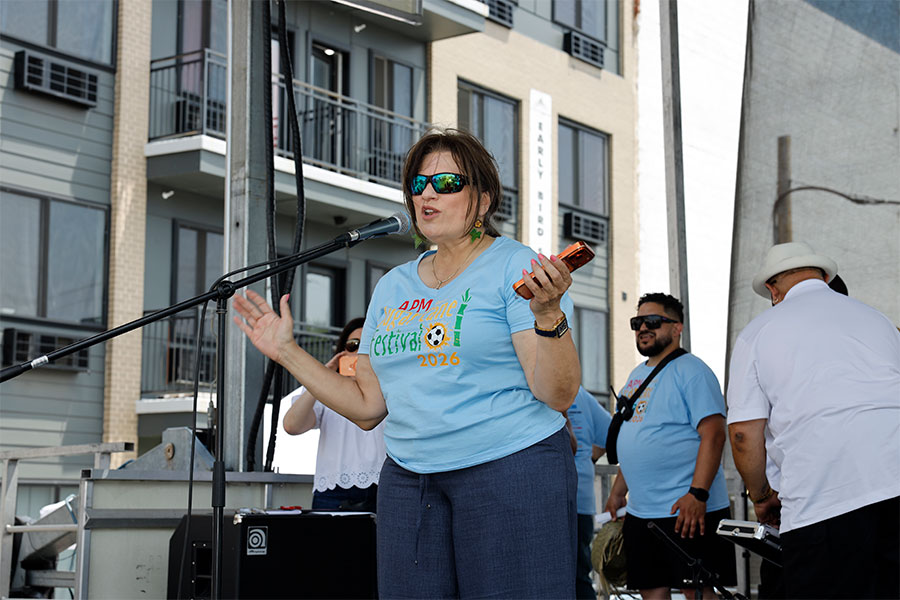
“As with any great dish, the success of this event came from combining many ingredients: culture, history, community pride, strong partnerships, careful planning, and a lot of love,” she adds.
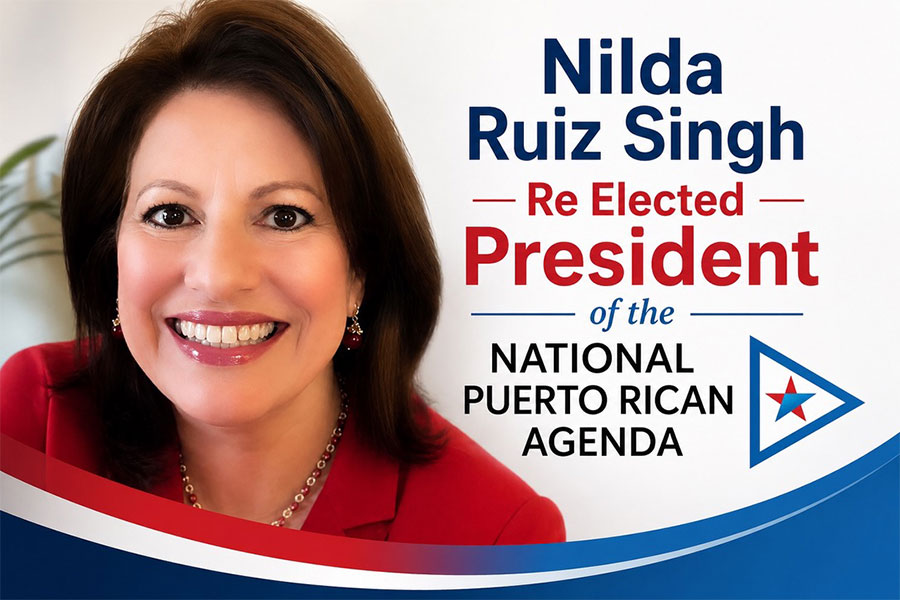
In addition to successfully leading this legendary organization, Nilda is a woman who sits at the tables where decisions are made. She serves on the board of directors of the Local Initiatives Support Corporation (LISC); is national president of the National Puerto Rican Agenda (NPRA); vice chair of New Economics for Women (NEW); and a member of the Federal Home Loan Bank of Pittsburgh’s Affordable Housing Advisory Council.
Balancing all these responsibilities comes down to organization and priorities.
“I try to keep my priorities in this order: God first, family second, and career third. I do not always achieve that balance perfectly, because there are times when work demands more of me than I would like. But I always return to those foundations.”
She relies on a daily routine that serves as her anchor.
“What helps me most is beginning each morning with prayer, Scripture reading, and quiet time focused on gratitude. It gives me perspective and reminds me who I want to be—as a woman of faith, as a wife and mother, and as a leader.”
As president of NPRA, she faces both personal and organizational challenges.
“Although we have already succeeded in bringing member states together around educational, economic, and social issues, the greatest leadership challenge is uniting many strong voices, perspectives, and priorities under a shared national agenda. Puerto Rican leaders across the country care deeply about our people, but they often respond to very different local realities. Achieving alignment requires patience, discipline, and a commitment to unity.
“For the organization itself, the greatest challenge is sustainability. There is tremendous passion and volunteer leadership, but passion alone does not build infrastructure. NPRA needs resources to hire staff, strengthen operations, and establish a stronger presence in Washington, D.C., so it can become the national force our community deserves.”
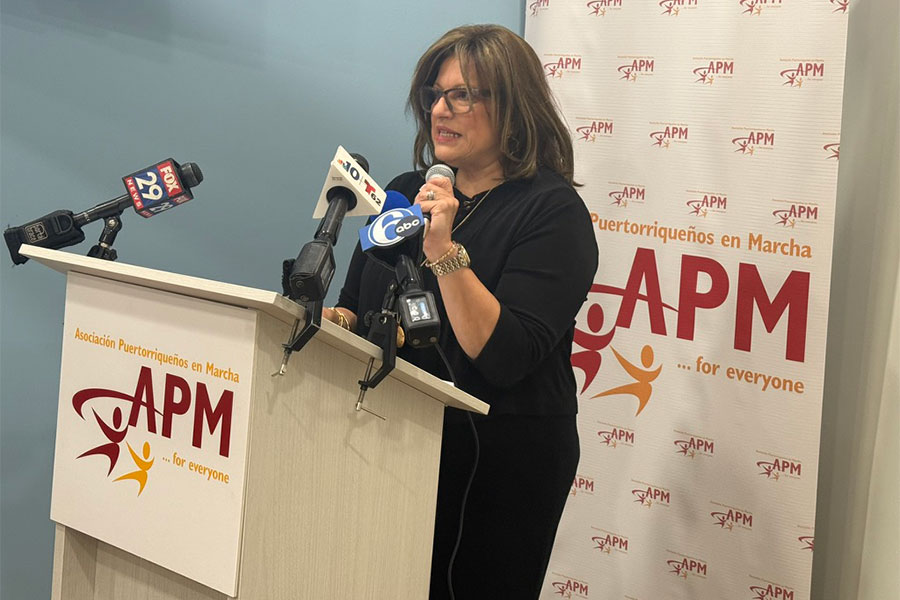
Although her recently renewed leadership role at NPRA remains a top priority, APM is where she invests most of her time. The Latino-based organization focuses on health, human services, and community development, helping families throughout the Philadelphia region reach their full potential.
“APM’s mission is deeply aligned with my own. I care deeply about my community and about addressing the injustices that too many families still face: poverty, housing instability, lack of access, and systems that often fail the people who need them most.”
Ruiz says that APM gave her a place where she could do more than simply care about these issues.
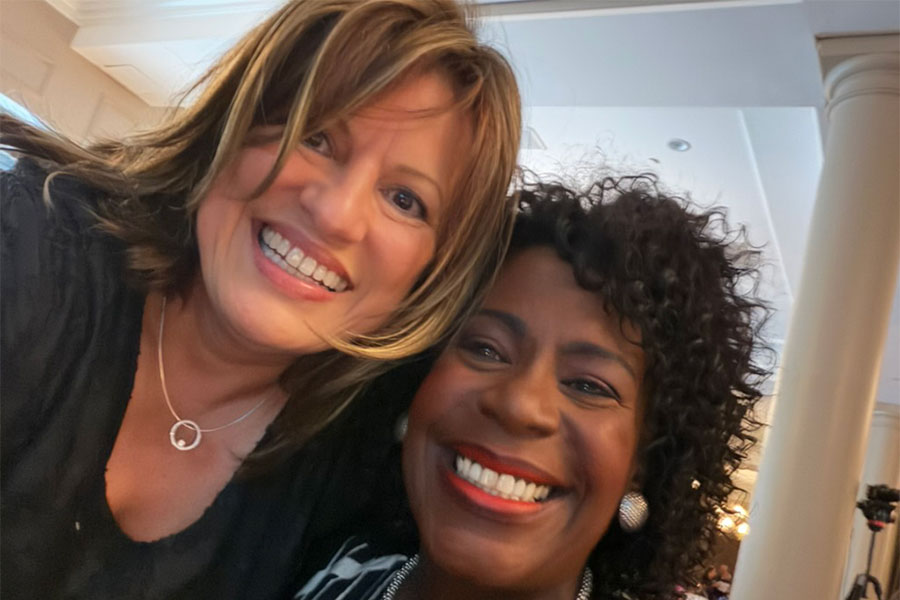
“I could work every day to change them. I have stayed because the mission is meaningful, the work is real, and I have had the privilege of seeing lives transformed because of it.”
During her 21 years of leadership, APM has become one of the nation’s most prominent organizations founded by Puerto Ricans and Latinos. Nilda attributes the organization’s growth and broader impact to her deep pride in her Puerto Rican identity.
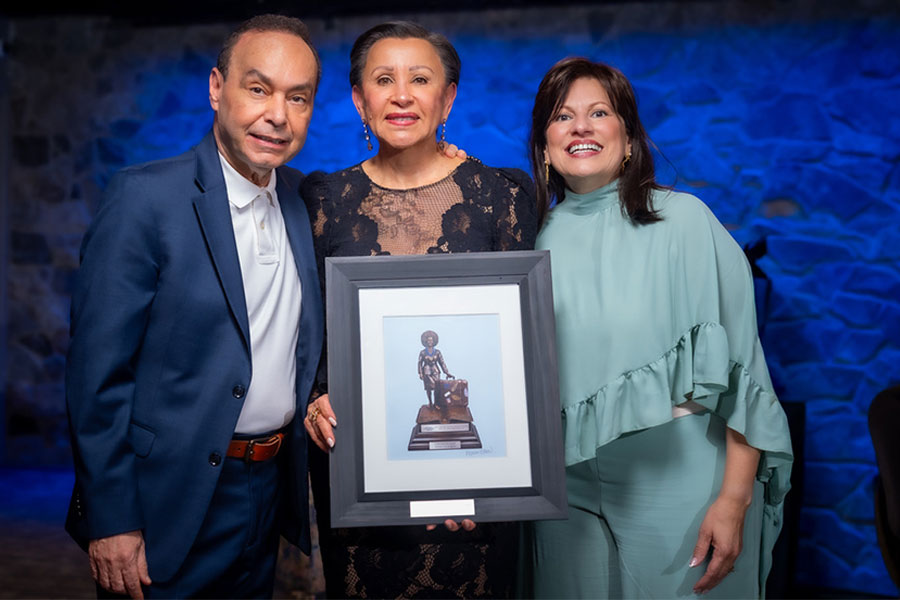
“But I have always believed that our work must be rooted not only in culture but also in humanity. The pain caused by poverty, exclusion, and lack of opportunity is not unique to any one nationality. If APM has the expertise, trust, and capacity to help families beyond our immediate community, then I believe we have a responsibility to do so.”
That is why, although APM remains “proudly Puerto Rican-founded and Puerto Rican-led,” its values—dignity, opportunity, service, and justice—have enabled it to serve a broader population without losing its essence.
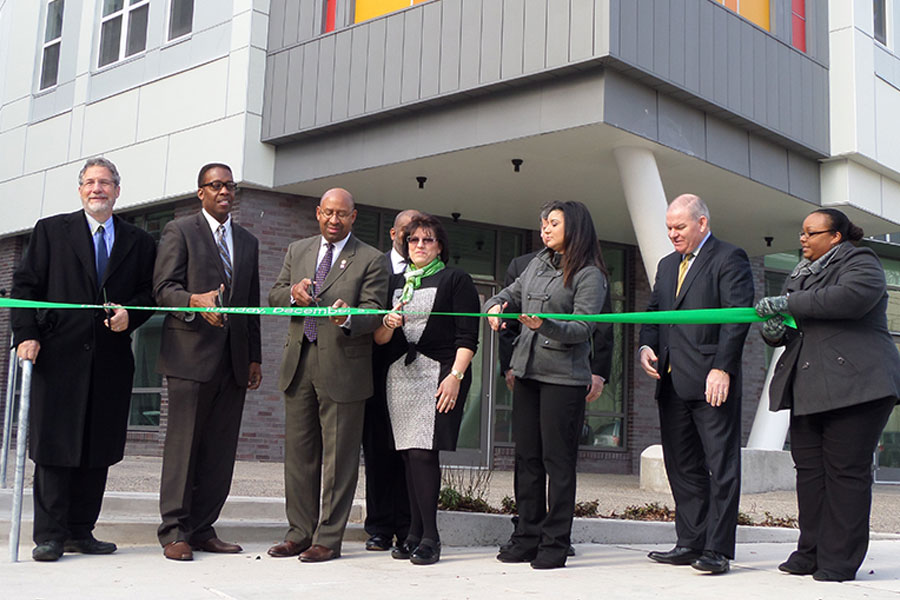
Among the many projects that have come to fruition, Ruiz is especially proud of Paseo Verde.
“I am proud of Paseo Verde because it proved that low-income communities do not have to settle for less. Paseo Verde was the first project of its kind in the country and the first neighborhood development in the United States to earn Triple LEED Platinum certification. We were only the second project in the world to achieve it; China was the first, and they even sent a delegation to visit our building in eastern North Philadelphia.
“The project brought together affordable housing, state-of-the-art green features, sustainability, health, and access to public transit in one place.”
What matters most to her, however, is its impact on residents.
“We have heard testimonies from people whose health improved because of better living conditions. To me, Paseo Verde represents what is possible when you insist that affordable housing can also be innovative, beautiful, and dignified.”
As CEO of APM, Ruiz is filled with plans and goals for the organization’s future.
“Our focus is implementing the neighborhood master plan we developed for Lower Eastern North Philadelphia. This includes affordable housing, economic development, cultural preservation, and community spaces that reflect the pride, cultural history, and everyday lives of the people who live there.”
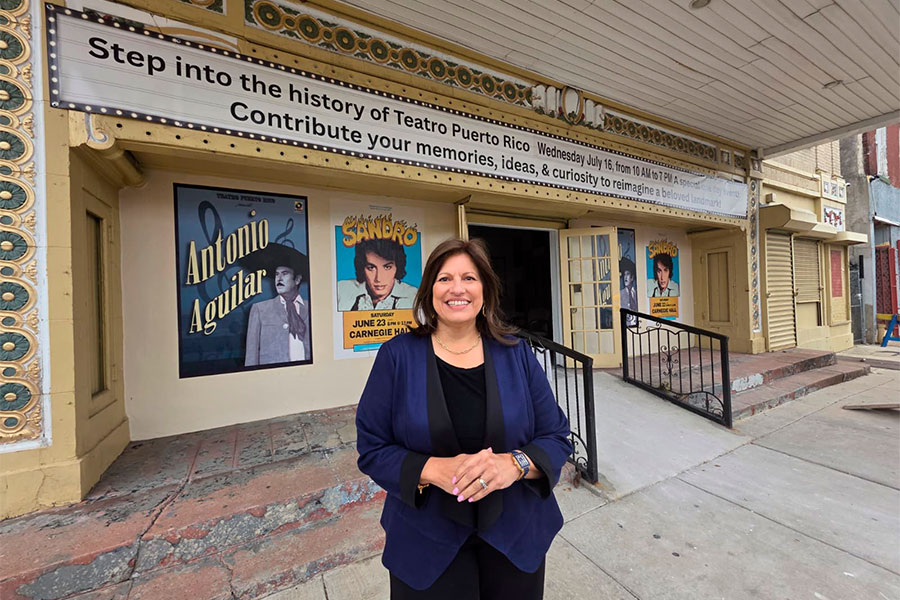
A central part of that vision is the restoration of the Puerto Rico Theater and the continued development of Paseo Boricua as a cultural district—a place where Puerto Ricans, Latinos, and the broader community can gather, celebrate, and experience a strong sense of belonging.
That is why Nilda has made it her mission to save the Puerto Rico Theater.
“Puerto Ricans have been part of Philadelphia’s history since the early twentieth century. The Puerto Rico Theater is important because it can become a permanent home for our history—a place where it is preserved, celebrated, and passed on to future generations.”
To achieve that vision, significant investment, committed partners, and broad community support will be necessary.
“What we are really trying to save is not just a building; we are preserving memories, culture, identity, and a sense of belonging.”
The visionary leader wants future generations to have a place that tells them clearly: you belong here, your history matters, and your community helped build this city.
Puerto Ricans are Philadelphia’s largest Latino group, with approximately 131,857 Puerto Rican residents. According to the most recent data from the Center for Puerto Rican Studies (Centro PR) at Hunter College/CUNY:
- 24.2 % of all Puerto Ricans in Philadelphia live below the federal poverty level.
- 25 % of Puerto Rican families live in poverty.
- Among female-headed households, the poverty rate reaches 37 %.
Although overall poverty in Philadelphia has declined in recent years, Pew research shows that Latinos continue to experience the highest poverty rate among the city’s major racial and ethnic groups.
“Approximately one in four Puerto Ricans in Philadelphia (24.2 %) lives below the federal poverty level.”
For Ruiz, the most urgent need for the community to thrive is access to real economic opportunities.
“In particular, people need jobs that pay a living wage and housing that families can actually afford. People should be able to work hard, support their families, and still have room to breathe, save money, and enjoy life. Too many families do everything right and still struggle.
“If we want our communities to thrive, we need stronger pathways to good jobs, quality education, and affordable housing that creates long-term stability.”
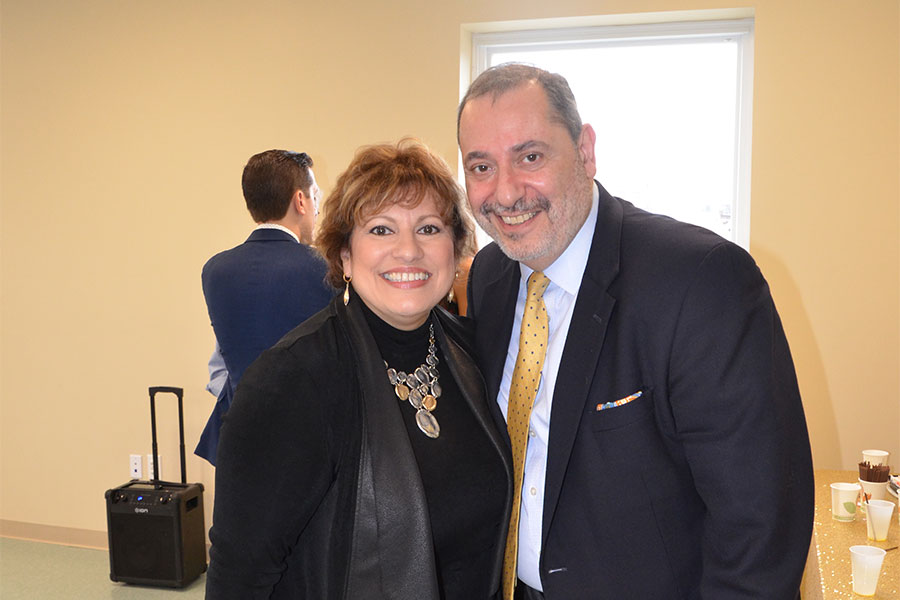
Although APM does not currently have unrestricted emergency funds available to the general public, the organization has intentionally incorporated emergency-assistance resources into many of its grant proposals to help families facing financial hardship.
“Currently, those resources are largely directed toward specific groups, including families connected to our community schools and kinship caregivers raising children,” Ruiz explains.
Recently, APM received support through UnidosUS to assist families affected by circumstances related to ICE activities.
Beyond these targeted funds, APM operates a Financial Opportunity Center year-round, where families can access eligibility screenings, benefits enrollment assistance, housing counseling, financial coaching, workforce development services, and connections to a wide range of city, state, and community resources.
“Our goal is to ensure that families have the tools and support they need to achieve long-term stability and economic mobility,” concludes Ruiz.
Humility, generosity, and hard work in service to the common good define Nilda Ruiz. She is one of the Puerto Rican community’s pillars—a leader who has helped build a network of Hispanic organizations that have become essential to the growth and prosperity of Philadelphia’s Latino community and beyond.