


Leaving an abusive relationship can be a difficult and dangerous process, and a safety plan can help you consider the steps necessary to protect yourself and your children. A safety plan is designed to help you stay safe, whether that means leaving an abusive partner or taking steps to protect yourself while you are still in the relationship.
Every situation is unique, so we encourage anyone feeling unsafe in their relationship to call the Philadelphia Domestic Violence Hotline at 1-866-723-3014 for personalized counseling and support.
YOUR SAFETY PLAN MAY INCLUDE:
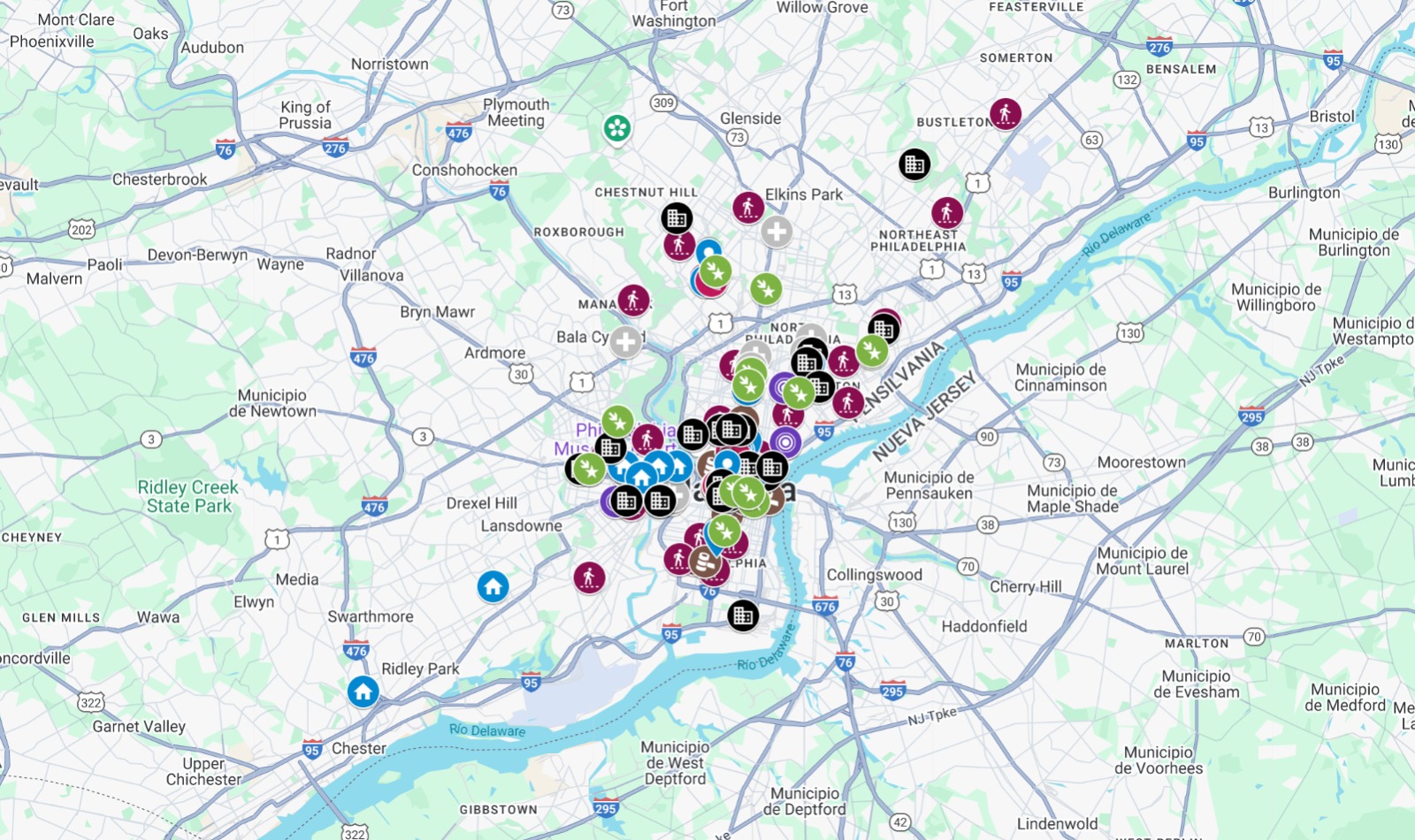
- Know where you can get help. Keep a list of important phone numbers (police, domestic violence hotline, hospital, etc.) and use this mobile resource guide. [link to: https://bit.ly/SafeInPhillyResourceMap]
- Plan with your children. Identify a safe place for them, like a room with a lock or a neighbor’s house. Let them know that their job is to stay safe; not to protect you.
- Arrange a signal with a neighbor or friend for when you need help.
- Prepare an emergency kit or «go bag» that you can get to quickly. You may want to keep it with a trusted friend or neighbor.
- If you want to leave, plan the safest time to get away. Know how you will leave and where you plan to find initial safety.
Leaving an abusive relationship is the most dangerous time because intimate partner violence revolves around power and control. When the survivor decides to end the relationship, the abusive partner may feel their control slipping and could react with more anger or violence. Therefore, if you forget something in your «go bag,» don’t go back to get it. Service providers can help you replace any documents or important items you may need.
Your «go bag» may include:
- Money, EBT card, checkbook, credit cards, pay stubs
- Birth certificate, passport, immigration documentation, photo ID, etc.
- Health insurance cards, extra medication for you and your children
- Deed or lease to your house or apartment
- Court papers or orders, social security card or green card/work permit
- Change of clothes for you and your children
- An extra set of house and car keys
- Gender-affirming hormones
- Phone charger
*A monthly column by the Philadelphia Domestic Violence Collaborative
This is part of a monthly series by Congreso de Latinos Unidos, Lutheran Settlement House, Women Against Abuse and Women in Transition that will share information about domestic violence, the available local resources, and how to be an advocate for healthy relationships.