


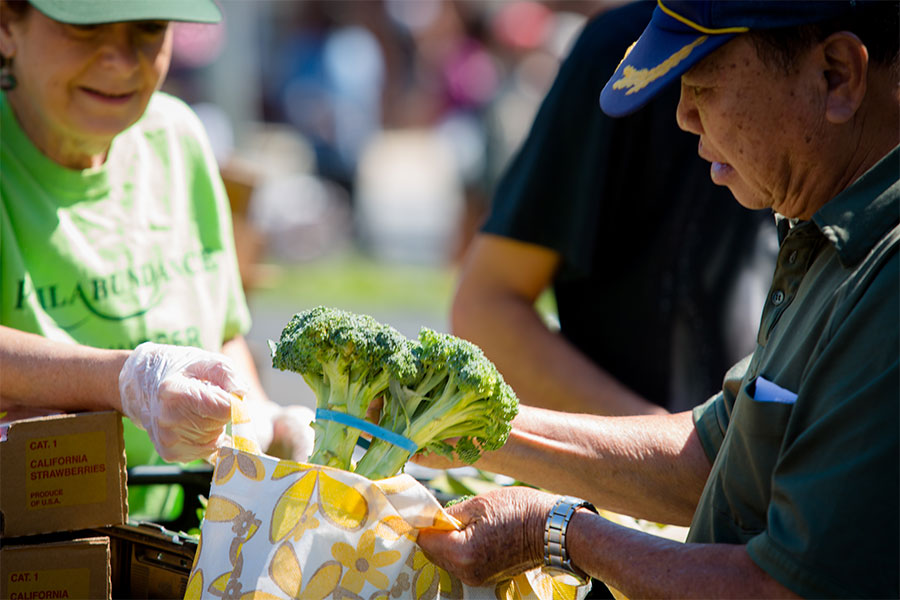
Philabundance, one of the largest hunger-relief organizations in the region, celebrates more than 40 years of continuous service while facing an increasingly challenging landscape. Its CEO, Loree Jones-Brown, reaffirms that the mission remains the same as when it was founded: “Our mission is to eliminate hunger in our communities today and work to end it for good.” Operating across southeastern Pennsylvania and southern New Jersey, the organization serves nine counties where, according to Jones-Brown, the situation has worsened due to the rising cost of living. “Many of the people we serve have jobs, but their wages are not enough to keep up with the increase in housing, healthcare, and food,” she explains.
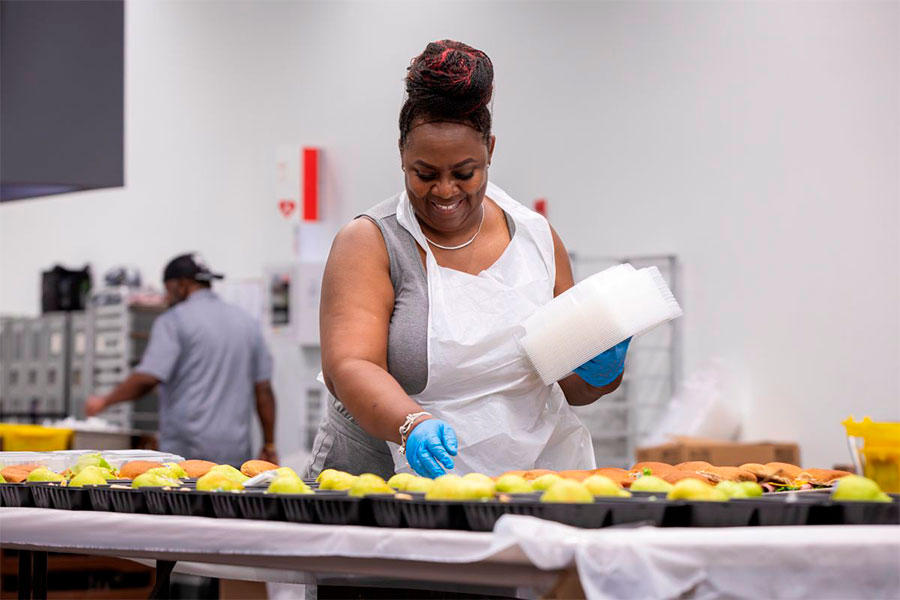
Essential services and emergency response
Philabundance functions as a food bank that distributes millions of meals each year through 350 partner organizations, including churches, schools, and community centers. “We make sure our neighbors have access to the fresh, healthy food they need and deserve,” Jones-Brown says. In addition to providing groceries, the organization offers a free workforce development program at the Philabundance Community Kitchen, which has operated for 25 years. There, low-income individuals receive culinary training and certification to improve their employment opportunities.
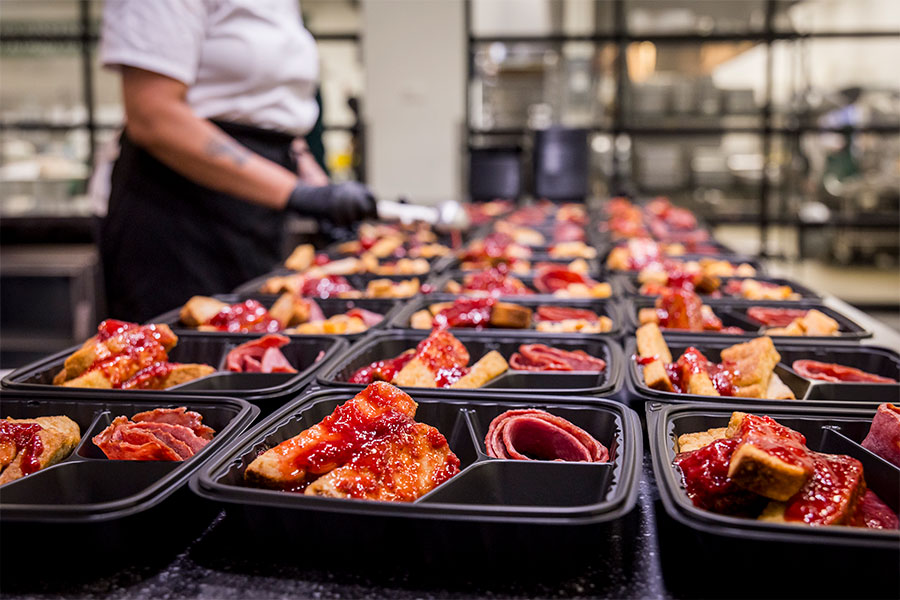
The director recalls a recent episode that tested the organization’s emergency response capabilities: the temporary cuts to the SNAP program during a federal government shutdown. “For the first time in history, SNAP benefits were reduced. We knew our neighbors were in a vulnerable situation, so we increased our food distribution by 25%. People were extremely grateful,” she recounts. Childhood hunger remains particularly alarming: “In Philadelphia, one in three children experiences food insecurity. That number is far too high.” For this reason, Philabundance distributes food on weekends, holidays, and during summer break, when students lose access to school meals.
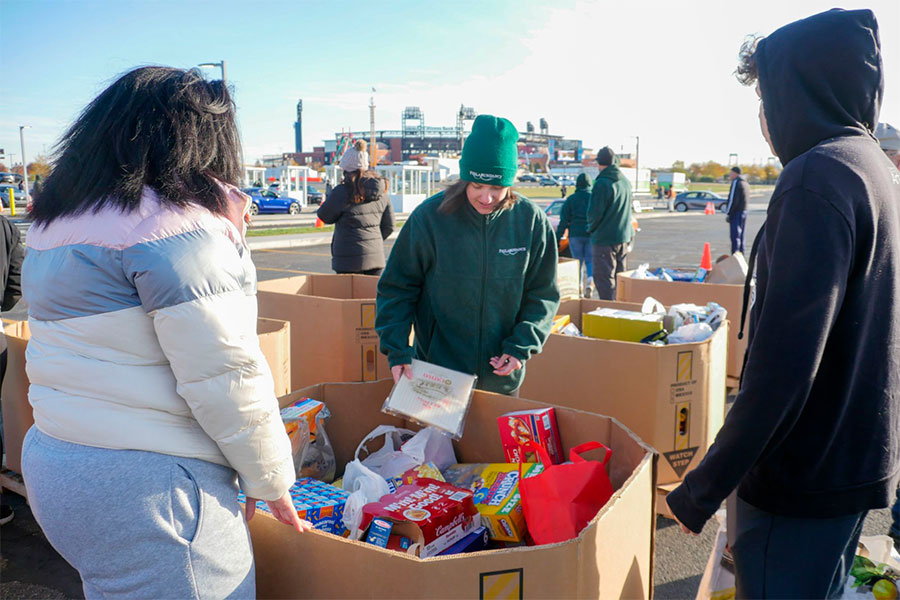
Partnerships, community, and outlook
Collaboration is essential to the organization’s daily operations. “We could not do this work without our hundreds of partners: faith-based institutions, schools, senior centers, social service organizations, and government agencies,” Jones-Brown notes. This year, Philabundance was selected by the Philly Gives program—an acknowledgment that, according to the director, “helps increase visibility for our work and allows everyday citizens to contribute whatever they can.”

All funds received will go to the Food Fund, which supports the purchase of fresh food for distribution. Jones-Brown highlights the scale of the annual effort: “Last year, we distributed 44 million pounds of food, which equals 36 million meals.” Community participation remains vital. “We have children who donate their piggy banks and young people who run lemonade stands to support us. We are deeply grateful for every contribution,” she says.
Looking ahead, the executive director reaffirms Philabundance’s commitment to expanding its impact and supporting those who need it most. “We want to do everything we can to improve the lives of every person facing food insecurity. Our goal is to provide the tools they need to become self-sufficient.” Her final message is clear: “We are here to serve. We want to offer nutritious, delicious, and accessible food, always in a dignified and respectful way.”
Philabundance has been selected to participate in this year’s Philly Gives campaign, which will take place from November 1 to December 31, 2025. All donations made through phillygives.org will go directly to the 10 nonprofit organizations chosen, ensuring that 100% of the funds raised support essential programs.