

The possibility of Spanish citizenship for Puerto Ricans has sparked enthusiasm and questions within the Puerto Rican diaspora, including the large community established in Philadelphia. However, although the issue has gained momentum on social media and in community forums, there is currently no formal bill introduced before the Spanish Parliament.
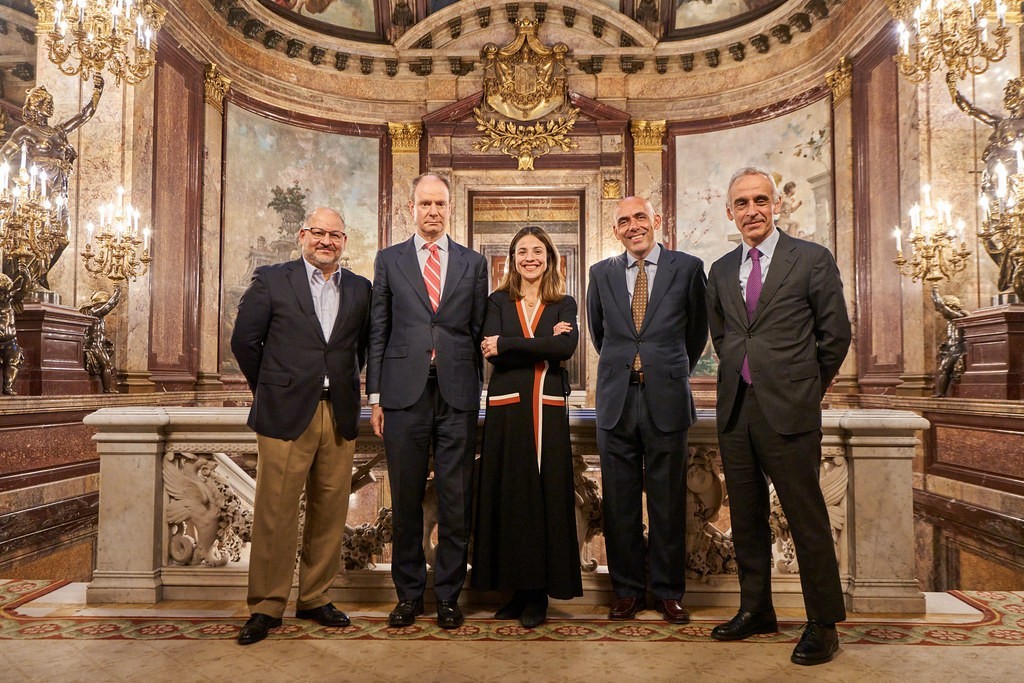
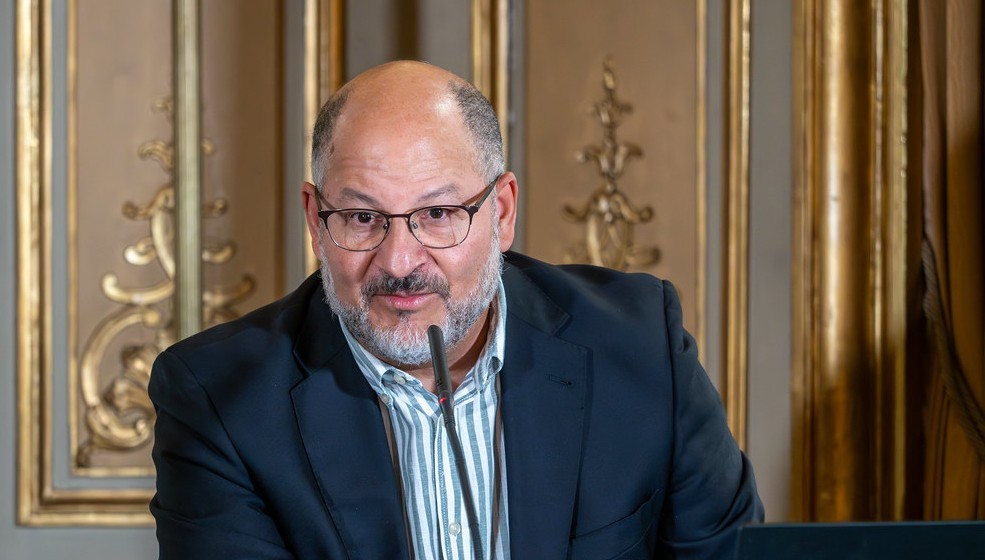
This was explained by Rafael Pérez Colón, a Puerto Rican resident in Spain and leader of Casa de Puerto Rico en España, an organization that promotes cultural ties between both peoples and has been active in Spanish territory for decades: “The law does not exist. That is the plain reality. It is an academic initiative that has generated interest, but it has not reached the Spanish Parliament, nor does it have a formally filed bill,” Pérez Colón stated.
The proposal stems from an analysis by Spanish professor and attorney Rafael Maldonado, who argues that in 1898, following the Treaty of Paris between Spain and the United States, Puerto Ricans were stripped of their Spanish citizenship without prior consultation. According to this thesis, legislation of a “remedial” nature could be explored, similar to measures applied in other historical cases, such as that of the Sephardim.
Nevertheless, Pérez Colón warns that the process would be complex and would depend on political will in Spain and, eventually, on conversations with the United States: “This is not going to happen overnight. It is a long process that would require legislative support and intense political work,” he said.
No bill and no formal political support
Although the issue has been discussed in academic spaces in Spain and Puerto Rico, there is currently no clear public backing from Spanish lawmakers: “I have not seen any member of Parliament publicly supporting it. There may be conversations, but officially, there is no bill presented,” Pérez Colón indicated.
The community leader also explained that, in Spain, citizenship can currently be obtained through different legal avenues, such as long-term residency, family ties, or marriage. However, these alternatives are independent of the proposal being discussed regarding Puerto Rico.
On the street, he said, the reaction of the average Spanish citizen has been more curiosity than rejection: “In principle, everyday citizens find it interesting. Many say, ‘If Puerto Rico was part of Spain, why not?’ I have not seen negative reactions,” he commented.
Between hope and uncertainty in the diaspora
In Philadelphia, home to one of the largest Puerto Rican communities in the country, the issue is being discussed in family gatherings, churches, and community organizations. For some, the idea represents a possible alternative amid the current political climate in the United States.
María, a resident of North Philadelphia, acknowledged that she had heard comments about the issue but was unaware of the details: “I thought it had already been approved. On social media, they make it seem like you could apply tomorrow. I didn’t know there wasn’t even a law yet,” she said.
Similarly, Carlos Rivera, a construction worker in the city, admitted that he received the information in fragments: “I’ve heard you could get a European passport, but I don’t understand how it works. The truth is, you get hopeful, especially with so much uncertainty here, but we need clear guidance,” he said.
Pérez Colón confirmed that he has received many similar inquiries. “I have relatives and acquaintances who had never shown any interest in Spain, and now they are asking if they can move there. The situation the Latino community is experiencing in the United States has created concern, and many people are looking for alternatives,” he explained.
Even so, he reiterated that anyone interested in living in Spain should seek information through existing official channels: “If someone wants to explore real options for residing in Spain, they should contact the Spanish consulate and learn about the current legal instruments. This project, if it materializes, will take time,” he emphasized.
Meanwhile, dialogue between Puerto Rico and Spain has strengthened in recent years in the commercial and cultural spheres, with official missions, tourism exchanges, and greater institutional presence. That context could contribute to the debate, but it does not guarantee immediate results.
For now, the so-called “Spanish citizenship for Puerto Ricans” remains a developing proposal, with no active legislative process. For the community in Philadelphia, the message is clear: stay informed, avoid unrealistic expectations, and remain attentive to any official developments.