

Inicio Blog Página 77

Mexicanos en Filadelfia crean agentes de IA para hacer crecer pequeños negocios latinos

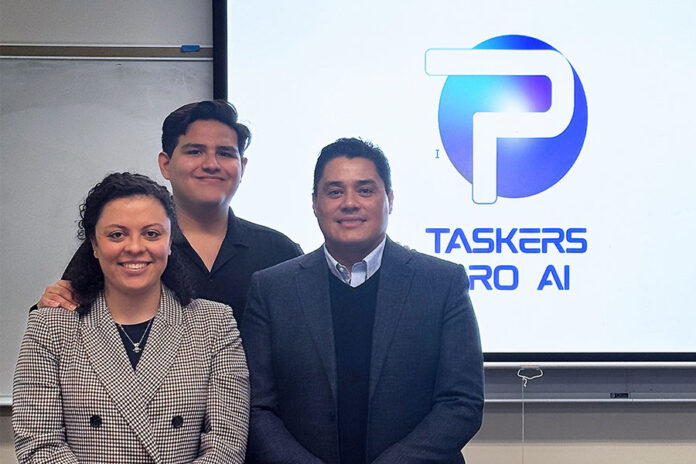
(I–D) Taskers Pro AI es una empresa de inteligencia artificial fundada por Gerardo Coronado junto a sus socios Al Rashid Martínez, Chantal Selem, y Miguel Nevárez (Foto: Cortesía/Taskers Pro AI)

El crujido de los lápices sobre cuadernos de contabilidad gastados y el tecleo tímido en teléfonos inteligentes marcan el ritmo del sur de Filadelfia, un rincón de la ciudad donde el aroma a maíz tostado y pan dulce se mezcla con las ganas de salir adelante.

En estas calles históricas de Old City, donde el pasado de Estados Unidos se respira en cada ladrillo, la comunidad migrante latina está reclamando su derecho a la modernidad. No lo hace con discursos, sino con código, audacia y una herramienta diseñada para derribar la última gran frontera del comercio hispano: la tecnológica.

Gerardo Coronado Benítez, un potosino de 30 años criado en Querétaro, México, es el rostro de esta transformación. Llegó a Filadelfia en 2022, deslumbrado por la imponente carga histórica de una metrópoli que contrastaba con su previa experiencia en la quietud pandémica de Kansas City.

Heredero de una larga estirpe de comerciantes, desde un bisabuelo con tienda de abarrotes, abuelo con taller de aire acondicionado, su padre experto en bienes raíces y una madre que hoy conquista las ventas en línea, Gerardo entendió rápidamente que el motor económico de los vecindarios latinos latía con fuerza, pero competía en desventaja. “Los negocios latinos tienen una gran desventaja de acceso a recursos, tecnología y educación por la barrera del idioma”, explica con la serenidad de quien ha estudiado el problema desde las aulas de la Universidad Widener, en donde estudió su MBA gracias a una beca del 100% de Widener SBDC.
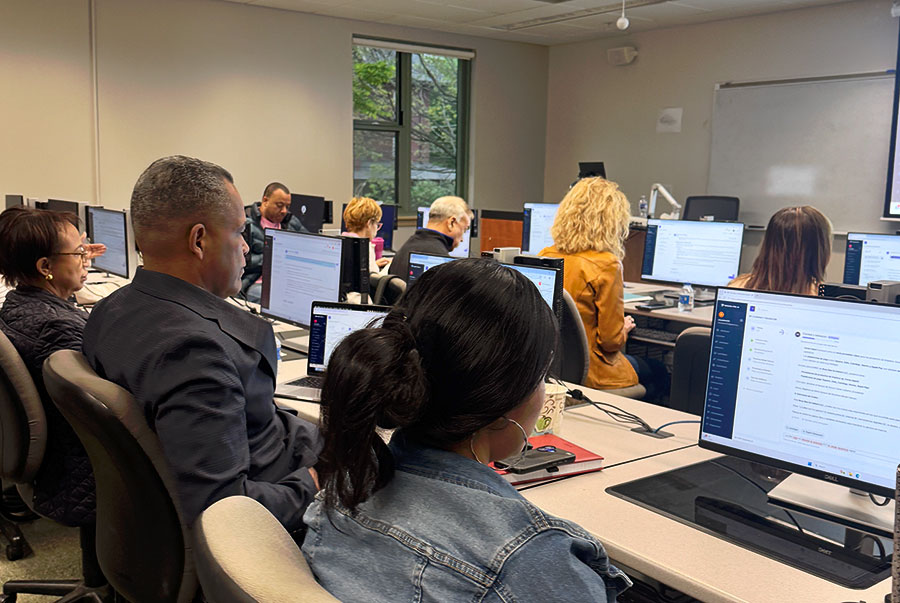
Treinta empresarios locales probaron el sistema de Taskers Pro AI mediante un plan piloto con el Widener SBDC. (Foto: Cortesía/Taskers Pro AI)

La respuesta a esa brecha nació en el verano de 2025 bajo el nombre de Taskers Pro AI, una empresa de inteligencia artificial fundada por Coronado junto a sus socios Al Rashid Martínez, Chantal Selem, y Miguel Nevárez. Lejos de las frías oficinas de Silicon Valley, esta plataforma se gestó pensando en el taquero, en la dueña de la empresa de limpieza residencial y en el contratista local. El núcleo del proyecto es revolucionario por su sencillez: humanizar la tecnología a través de «agentes» virtuales que automatizan páginas web, manejan redes sociales y atienden clientes por WhatsApp, utilizando la propia memoria y contexto del negocio en un solo clic.

El núcleo del proyecto es humanizar la tecnología a través de «agentes» virtuales que automatizan páginas web, manejan redes sociales y atienden clientes por WhatsApp. (Foto: Cortesía/Taskers Pro AI)
 

El desafío no ha sido técnico, sino cultural. En una comunidad donde los tratos se cierran con un apretón de manos y la confianza es la moneda más valiosa frente al temor al fraude, la inteligencia artificial suele verse con recelo. El equipo de Taskers comenzó a derribar ese muro mediante un plan piloto con el Widener SBDC, donde treinta empresarios locales probaron el sistema.

Los resultados conmovieron a los propios desarrolladores. Una de las usuarias, tras plasmar en hora y media una estrategia comercial que le había tomado cinco años estructurar en su cabeza, confesó con lágrimas: “Estoy enamorada de lo que sea que es esto”.


El objetivo final de este grupo de empresarios mexicanos es expandirse por todo el continente y convertirse en un unicornio latino. Para lograrlo, cuentan con la guía tecnológica de Al Rashid, un profesional de 51 años que aporta firmeza a la empresa. Mientras tanto, en los pasillos de los mercados del sur de Filadelfia, el futuro ya no asusta; hoy se escribe con acento propio y se programa con orgullo hispano.
More than votes: Participation, leadership, and opportunities for progress

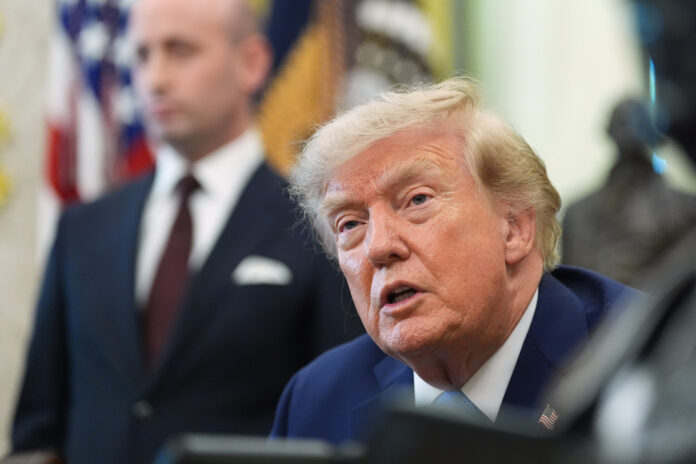
El presidente Donald Trump en el Despacho Oval de la Casa Blanca, el jueves 6 de agosto de 2026, en Washington. (Foto: AP/Alex Brandon)

Pennsylvania once again finds itself at the center of the national political conversation. As elections approach and campaigns intensify their efforts to mobilize voters, three recent developments offer a clear lesson: the future of our communities will not depend solely on who wins an election, but on how engaged citizens are in public life and how effectively leaders respond to people’s real needs.

That is why initiatives such as UnidosUS matter. Recently, UnidosUS announced a $50 million Affiliate Legacy Fund aimed at strengthening community-based organizations that serve Latino families and communities across the country. The fund is designed to provide flexible resources to organizations working on the front lines to support children, families, workers, and immigrants.

The creation of the 2026 Latino Civic Engagement Coalition, bringing together some of the nation’s leading Hispanic organizations, signals that the Latino community is determined to transform its growing demographic strength into proportional political influence. More than 36 million Latinos are eligible to vote in the United States, and every year a new generation of citizens reaches voting age. Yet millions remain disconnected from the political process, often because they are rarely heard, seldom informed about how their participation can influence decisions that affect their daily lives, or are only engaged during election season.

But voting alone does not solve a community’s problems. Democratic participation must be accompanied by leadership, commitment, and tangible results.

The experience of Pennsylvania State Senator Sharif Street offers an important reflection on this point. Regardless of political ideology, his message underscores a fundamental truth: public service has value when it seeks to address the concrete needs of people’s lives. Access to health care, food security, quality schools, affordable housing, and safe neighborhoods are not partisan talking points. They are everyday concerns for thousands of families seeking practical solutions and meaningful outcomes.

Equally significant is Street’s warning about civic apathy. Many of today’s challenges can be traced, at least in part, to the growing disconnect between citizens and the political process. When people stop participating, others make decisions on their behalf. When communities choose not to raise their voices, they lose their ability to influence the public policies that shape their future.

This challenge is particularly relevant for Pennsylvania’s Latino community. Recognition during election campaigns is not enough. What is needed is sustained civic engagement that includes monitoring government performance, attending community meetings, advocating for local priorities, and developing the next generation of leaders.

Congressman Ro Khanna’s recent visit to Philadelphia adds a third dimension to this conversation. During his meeting with community, business, and nonprofit leaders, a reality emerged that deserves far greater attention: the tremendous economic potential of Latino entrepreneurs continues to face significant barriers to accessing capital and growth opportunities.

While entire sectors of the U.S. economy are being transformed by technology and innovation, many Latino-owned small businesses continue to struggle to secure the financing necessary to expand, hire employees, and compete on equal footing. Economic disparities cannot be overcome through individual effort alone. They require investment, access to resources, and public policies that enable communities to participate fully in wealth creation.

This is where these three stories intersect.

Civic participation, community leadership, and economic development are not separate issues. They are part of the same equation. Communities that vote are more likely to be heard. Communities that are heard are more likely to attract investment and resources. And communities that create economic prosperity strengthen their ability to influence political decisions.

For that reason, the real challenge in the years ahead will not simply be increasing the number of Latino voters. It will be transforming that participation into a force capable of advancing better schools, stronger local economies, greater business opportunities, expanded access to health care, and safer neighborhoods.

The upcoming midterm elections will carry enormous significance for Pennsylvania. Democrats and Republicans have already begun extensive mobilization efforts because they understand that every vote matters in a state that has often helped determine the national political direction. Yet civic responsibility does not end on Election Day.

Democracy functions best when participation is continuous rather than occasional. It thrives when citizens demand results beyond campaign speeches, when leaders understand that governing means serving, and when communities recognize that their future depends not only on those who hold public office, but also on their own collective willingness to engage, organize, and act.

Today, the Latino community has a historic opportunity. Its demographic growth, economic contributions, and cultural influence are undeniable. The next step is to consolidate that strength through active, informed, and sustained participation.

Because real change does not happen only at the ballot box. It happens when a community chooses to be present, defend its interests, and embrace the role it deserves to play in shaping its future.

This edition of Impacto highlights several examples of that engagement. It also includes a new Civics 101 series, intended to revisit key chapters of our history so that we can better understand the present and help build the future to which we aspire.

ABCs of American government: How the United States began, in our own backyard

The United States was born right here, in Philadelphia. On July 4, 1776, inside the red brick walls of Independence Hall on Chestnut Street, 13 colonies declared themselves free from England — and a new country, with a new government, began. But the famous promise made that day, that “all men are created equal,” did not include everyone.

Before we celebrate 250 years, we must tell the whole story. Long before any colonists arrived, indigenous people lived on this land. They fished these rivers, planted these fields, and raised their children here. As England built its 13 colonies along the Atlantic coast, native families were displaced, killed, and pushed farther west. 

The colonists came for religious freedom and the hope of a better life, a hope many immigrant families carry in their own suitcases today. In the 1600’ when settlements were in their infancy, they called themselves British subjects, loyal to the king. But by the 1770s, something changed. The settlers began feeling more attached to their new land than to the country that they had left behind and began using a new word for themselves: Americans.

The colonists were angry, and they had reasons. England taxed them heavily, but they had no representation, no voice, no vote, in the government. British soldiers could enter their homes without permission, taking their food and intimidating the families. There was no way for the colonists to protect themselves. There were no safeguards for their families. The freedoms they desired eventually became the Bill of Rights.

Anger turned to war on April 19, 1775, at Lexington and Concord, with “the shot heard ‘round the world.” Weeks later, leaders of what they then called the “United Colonies” met in Philadelphia at Independence Hall for the Second Continental Congress. On June 14, 1775, they created the Continental Army, stitching farmers and shopkeepers together like patches in a quilt. Five days later, they chose George Washington to lead it. Young men who would shape the nation served too: Alexander Hamilton, James Monroe, John Marshall.

Then came the Declaration of Independence and its beautiful words. But in 1776, “all men” meant only white men who owned land. Slavery was in full force. Indigenous people were dismissed as “savages.” African Americans, people of color, and all women were left out. Their freedom would take more than a hundred years — and the struggle to make the promise real continues today.

The fighting ended when the British surrendered at Yorktown in 1781, and England officially recognized American independence in the Treaty of Paris in 1783. In 1787, the founders returned to Philadelphia to write the Constitution, the rulebook of our government, and on March 4, 1789, that government formally began functioning within a legal framework forged over time by lawmakers and public officials democratically elected by the people. Government decisions shape how our tax dollars are used, who protects our rights, and who represents our communities.

This fall, in the midterm elections, we have a chance to make our voices heard and elect those who will represent us, exactly the kind of self-government the colonists fought for.

Next week: the Bill of Rights — ten promises born from ten complaints.

ABC del gobierno estadounidense: cómo se fundó en nuestro vecindario Estados Unidos

Estados Unidos nació aquí mismo, en Filadelfia. El 4 de julio de 1776, dentro de los muros de ladrillo rojo del Independence Hall, en la calle Chestnut, 13 colonias declararon su independencia de Inglaterra y comenzó una nueva nación con un nuevo gobierno. Pero la famosa promesa hecha ese día, que afirmaba que “todos los hombres son creados iguales”, no incluía a todas las personas.

Antes de celebrar 250 años de historia, debemos contar la historia completa. Mucho antes de que llegaran los colonos, los pueblos indígenas vivían en estas tierras. Pescaban en estos ríos, cultivaban estos campos y criaban a sus hijos aquí. A medida que Inglaterra establecía sus 13 colonias a lo largo de la costa atlántica, las familias indígenas fueron desplazadas, asesinadas y empujadas cada vez más hacia el oeste.

Los colonos llegaron en busca de libertad religiosa y de la esperanza de una vida mejor, una esperanza que muchas familias inmigrantes todavía llevan consigo hoy. En el siglo XVII, cuando los asentamientos apenas comenzaban, se consideraban súbditos británicos leales al rey. Pero para la década de 1770 algo había cambiado. Los colonos empezaron a sentirse más ligados a su nueva tierra que al país que habían dejado atrás y comenzaron a llamarse de una nueva manera: estadounidenses.

Los colonos estaban enojados, y tenían razones para estarlo. Inglaterra les imponía fuertes impuestos, pero ellos no tenían representación, ni voz, ni voto en el gobierno. Los soldados británicos podían entrar en sus hogares sin permiso, tomar sus alimentos e intimidar a sus familias. Los colonos no tenían forma de protegerse ni de proteger a sus seres queridos. Las libertades que exigían terminarían convirtiéndose en la Carta de Derechos.

La indignación se convirtió en guerra el 19 de abril de 1775 en Lexington y Concord, con el famoso “disparo que se escuchó alrededor del mundo”. Semanas después, los líderes de lo que entonces llamaban las “Colonias Unidas” se reunieron en Filadelfia, en el Independence Hall, para el Segundo Congreso Continental. El 14 de junio de 1775 crearon el Ejército Continental, uniendo a agricultores y comerciantes como si fueran retazos de una misma colcha. Cinco días más tarde eligieron a George Washington como su comandante. También sirvieron jóvenes que más adelante ayudarían a moldear la nación, entre ellos Alexander Hamilton, James Monroe y John Marshall.

Luego llegó la Declaración de Independencia y sus hermosas palabras. Pero en 1776, la expresión “todos los hombres” significaba únicamente hombres blancos propietarios de tierras. La esclavitud estaba plenamente vigente. Los pueblos indígenas eran considerados “salvajes”. Los negros y morenos, y  las mujeres, quedaron excluidos. Su libertad tardaría más de un siglo en avanzar significativamente, y la lucha por hacer realidad aquella promesa continúa hasta nuestros días.

Los combates terminaron cuando los británicos se rindieron en Yorktown en 1781, y Gran Bretaña reconoció oficialmente la independencia estadounidense mediante el Tratado de París en 1783. En 1787, los fundadores regresaron a Filadelfia para redactar la Constitución, el documento que establece las reglas de nuestro gobierno. El 4 de marzo de 1789, ese gobierno comenzó formalmente a funcionar dentro de un marco legal forjado a lo largo de los años por legisladores y funcionarios elegidos democráticamente.

Las decisiones gubernamentales influyen en cómo se utilizan nuestros impuestos, quién vela por nuestros derechos y quién da voz a nuestras comunidades.

En las elecciones, tenemos la oportunidad de hacer oír nuestra voz y escoger a quienes nos representen, exactamente por aquello que lucharon los colonos.

La próxima semana: la Carta de Derechos, diez promesas nacidas de diez reclamos.

LeBron James y Luis Arráez encabezan la renovación de los equipos de Filadelfia

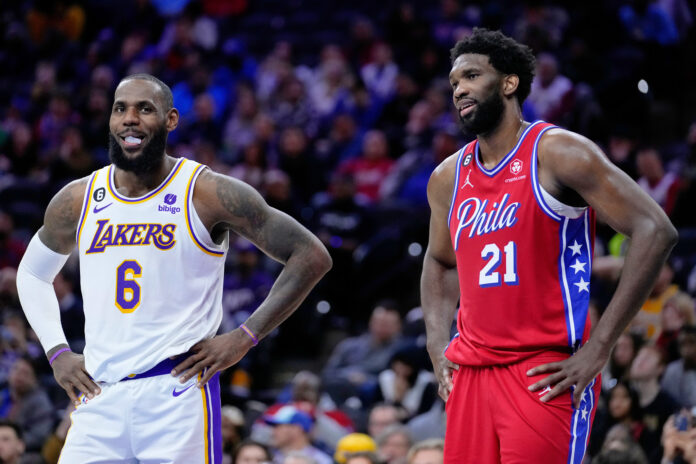
LeBron James (izquierda) de los Lakers de Los Ángeles y Joel Embiid de los 76ers de Filadelfia durante un juego de la NBA, el viernes 9 de diciembre de 2022, en Filadelfia. (Foto: AP/Matt Slocum)

Los aficionados al deporte en Filadelfia tienen motivos de sobra para entusiasmarse. En los últimos meses, varias de las principales franquicias de la ciudad han incorporado figuras de gran nivel con el objetivo de fortalecer sus plantillas y aumentar sus posibilidades de competir por campeonatos. Sin duda, la contratación que más ha llamado la atención es la llegada de LeBron James a los Philadelphia 76ers, una incorporación que ha cambiado por completo las expectativas para la próxima temporada de la NBA.

Considerado uno de los mejores basquetbolistas de todos los tiempos, LeBron James inicia una nueva etapa en su carrera al vestir el uniforme de los Sixers. A lo largo de más de dos décadas en la NBA ha construido un legado histórico con múltiples campeonatos, premios al Jugador Más Valioso, selecciones al Juego de Estrellas y récords que lo colocan entre las máximas figuras del deporte mundial. Su llegada representa mucho más que un refuerzo: aporta liderazgo, experiencia en playoffs y una mentalidad ganadora a una organización que busca volver a conquistar un título, algo que no consigue desde 1983.

La ilusión de los aficionados aumentó aún más con la incorporación de Jaylen Brown, quien se une a un núcleo estelar conformado por LeBron James, Joel Embiid y Tyrese Maxey. En el papel, los 76ers cuentan ahora con una de las plantillas más talentosas de la liga y con argumentos suficientes para pelear por el campeonato de la Conferencia Este y competir por el título de la NBA.

En el béisbol, los Phillies también realizaron una de las adquisiciones más importantes antes de la fecha límite de cambios al incorporar al venezolano Luis Arráez, una noticia que ha sido recibida con entusiasmo, especialmente por la comunidad latina de Filadelfia. Reconocido como uno de los mejores bateadores de contacto de las Grandes Ligas, Arráez ha conquistado múltiples títulos de bateo y se distingue por su extraordinaria capacidad para poner la pelota en juego, y producir carreras en momentos clave.

Su llegada fortalece una alineación que ya cuenta con figuras como Bryce Harper, Trea Turner, Kyle Schwarber y Zack Wheeler como uno de los líderes del equipo desde el montículo. Los Phillies confían en que la consistencia ofensiva de Arráez sea un elemento decisivo para mantenerse entre los contendientes de la Liga Nacional y regresar a la Serie Mundial.

Los Philadelphia Eagles tampoco permanecieron inactivos durante la temporada baja. La organización reforzó su defensiva con el apoyador Jonathan Greenard y el esquinero Tariq Woolen, además de sumar al receptor abierto Marquise Brown, conocido por su velocidad y capacidad para generar jugadas explosivas.

Luis Arráez, de los Filis de Filadelfia, completa su swing tras conectar un doblete productor contra el lanzador de los Nacionales de Washington, Zack Littell, durante la tercera entrada de un partido de béisbol el martes 4 de agosto de 2026, en Filadelfia. (Foto: AP/Matt Slocum)

Con movimientos de gran impacto en las tres principales ligas profesionales, Filadelfia demuestra que está decidida a competir al más alto nivel. La llegada de LeBron James a los 76ers, la incorporación de Luis Arráez a los Phillies y los refuerzos de los Eagles han renovado el entusiasmo de los aficionados, quienes esperan que estas apuestas se traduzcan en temporadas memorables y, finalmente, en nuevos campeonatos para la ciudad.

People’s World Cup vs. the commercialization of soccer

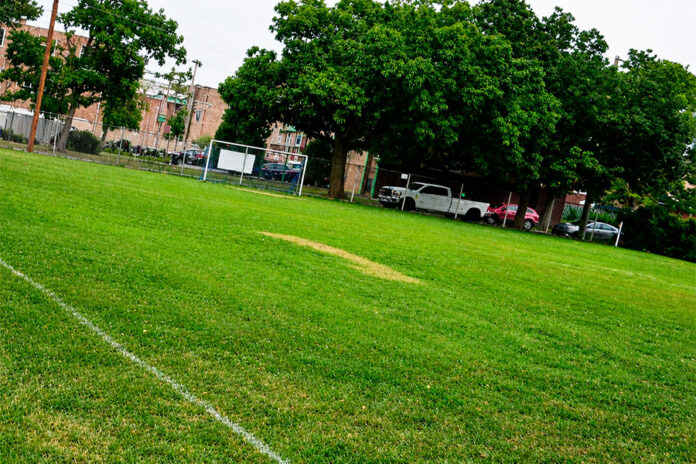
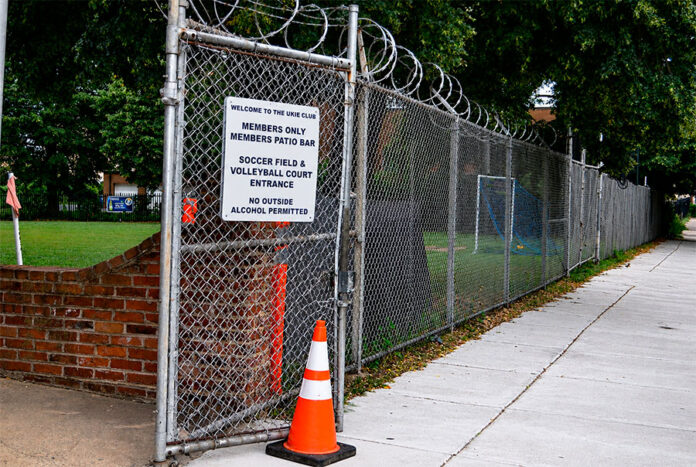
The final matches of the People's World Cup will be played on August 15 at Ukie Club. (Photo: Leticia Roa Nixon)

During July, Philadelphia hosted a series of community soccer tournaments as part of the People’s World Cup (PWC), organized by various social justice groups.

The tournament final was originally scheduled for August 2, but due to rain it was rescheduled for August 15 at 3 p.m. at the Ukie Club field, located at 847 N. Franklin St. in the Northern Liberties neighborhood.

The event celebrates internationalism through sporting matches featuring players of all skill levels in a community-centered environment, complemented by artistic performances and DJ music.

The PWC was created to reclaim soccer as a space for community, resistance, and alternative narratives, in contrast to the growing corporate spectacle surrounding the sport. This year, its political statement focused on criticizing the commercialization of soccer and the global influence of structures linked to the Fédération Internationale de Football Association (FIFA), which was founded in 1904.

The matches were organized “by the people and for the people,” highlighting the joy of soccer within local communities and promoting social solidarity, especially among immigrants and historically marginalized groups. In addition to Philadelphia, the People’s World Cup was held in several cities, particularly in host cities of FIFA World Cup events, including New York, Washington, D.C., and Toronto.

Philadelphia hosted four rounds of competition throughout July. The first took place at the Lee Cultural Center. Each event focused on a specific theme: decolonization on July 5, when the tournament began; immigration on July 12; anti-militarism on July 19; and surveillance during the semifinals on July 26. The August 15 final will focus on the theme of “Abolition and Revolution.”

Black Alliance for Peace, one of the participating organizations, stated on its website that “the World Cup should be a global celebration of camaraderie, but the United States consistently undermines that spirit by supporting violence and cruelty around the world.”

Sponsors and participating organizations include Church of Revolution, Philly for Cuba, Philly for Sudan, Philly Boricuas, Korea Peace Project, ANAKBAYAN (an organization dedicated to mobilizing young people for the liberation of the Philippines), Anti Billionaires, Brewerytown-Sharswood Neighborhood Coalition, Philly Thrive, People’s Tech Project, Mobilization for Mumia, Philly Over FIFA Coalition, Black Alliance for Peace, and Black Workers Project, among others.

La Copa Mundial del Pueblo vs. la comercialización del fútbol

Los partidos finales de la Copa Mundial del Pueblo se jugarán el próximo 15 de agosto en Ukie Club. (Foto: Leticia Roa Nixon)

Durante julio, Filadelfia fue sede de una serie de torneos comunitarios de fútbol como parte de la Copa Mundial del Pueblo (People’s World Cup, PWC), organizada por diversas agrupaciones de justicia social.

La final del torneo estaba programada para el 2 de agosto, pero debido a las lluvias fue reprogramada para el 15 de agosto a las 3 p.m. en la cancha del Ukie Club, ubicada en el 847 N. Franklin St., en el vecindario de Northern Liberties.

El evento celebra el internacionalismo a través de encuentros deportivos en los que participan jugadores de todos los niveles de habilidad, en un ambiente comunitario complementado con presentaciones artísticas y música de DJ.

La PWC surgió con el propósito de reivindicar el fútbol como un espacio de comunidad, resistencia y construcción de narrativas alternativas, en contraste con el creciente espectáculo corporativo que rodea al deporte. Este año, su declaración política se centró en criticar la comercialización del fútbol y el poder global de las estructuras vinculadas a la Federación Internacional de Fútbol Asociación (FIFA), organismo fundado en 1904.

Los encuentros fueron organizados “por el pueblo y para el pueblo”, destacando la alegría del fútbol en las comunidades locales y promoviendo la solidaridad social, especialmente entre inmigrantes y grupos históricamente marginados. Además de Filadelfia, la Copa Mundial del Pueblo se celebró en varias ciudades, particularmente en algunas de las sedes de la Copa Mundial de la FIFA, como Nueva York, Washington, D.C., y Toronto.

En Filadelfia se realizaron cuatro jornadas de competencia durante julio. La primera tuvo lugar en el Centro Cultural Lee. Cada fecha estuvo dedicada a un tema específico: el 5 de julio, cuando comenzó el torneo, se abordó la descolonización; el 12 de julio, la inmigración; el 19 de julio, el antimilitarismo; y el 26 de julio, durante las semifinales, la vigilancia. La final del 15 de agosto tendrá como tema “Abolición y Revolución”.

La organización Black Alliance for Peace, una de las participantes, expresó en su sitio web que “la Copa Mundial debería ser una celebración global de la camaradería, pero Estados Unidos contradice constantemente ese espíritu al respaldar la violencia y la crueldad en distintas partes del mundo”.

Entre los patrocinadores y organizaciones participantes se encuentran Church of Revolution, Philly for Cuba, Philly for Sudan, Philly Boricuas, Korea Peace Project, ANAKBAYAN (organización dedicada a movilizar a la juventud por la liberación de Filipinas), Anti Billionaires, Brewerytown-Sharswood Neighborhood Coalition, Philly Thrive, People’s Tech Project, Mobilization for Mumia, Philly Over FIFA Coalition, Black Alliance for Peace y Black Workers Project, entre otras.

Climate crisis is not neutral: Indigenous event in Philadelphia promotes community action

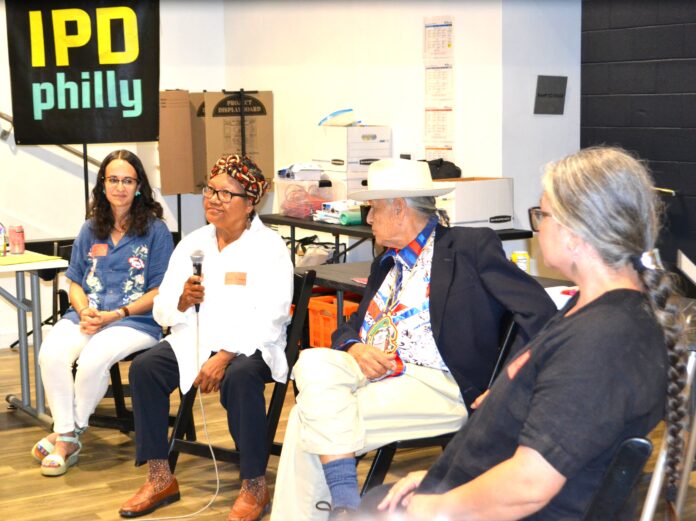
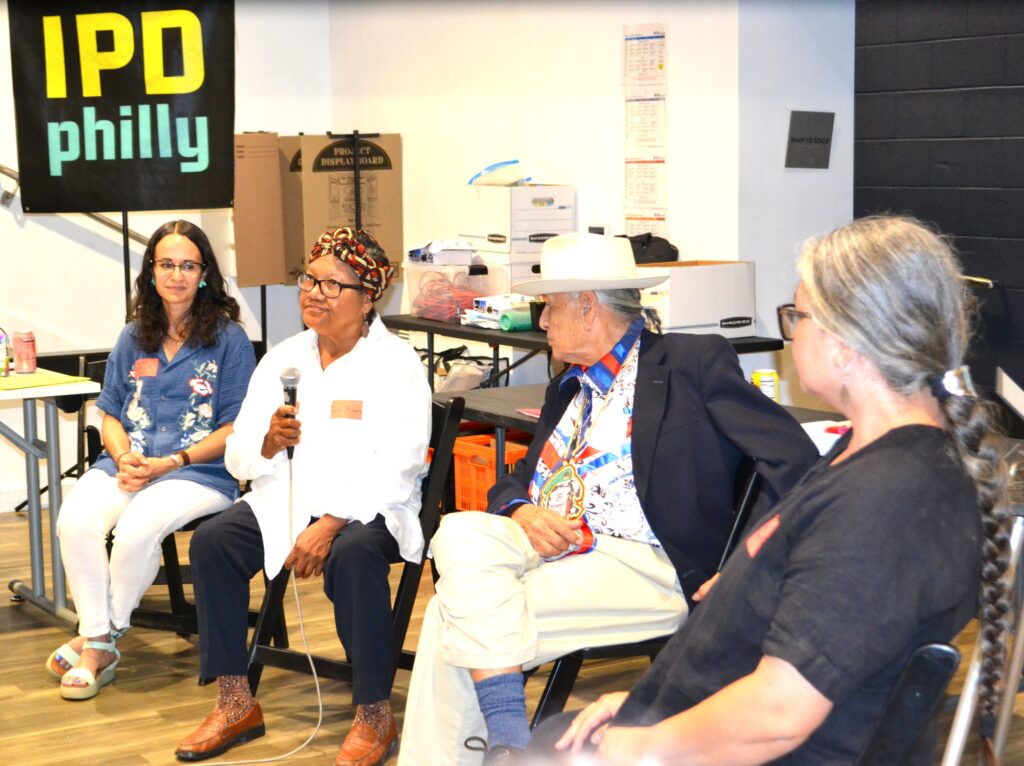
From left to right: Andria Bibiloni, Iris Brown, Dr. John Thomas, and Mabel Negrete. (Photo: Leticia Roa Nixon)

Most descendants of Indigenous peoples in the United States, the Caribbean, and Latin America maintain ancestral beliefs about their interconnectedness with plants, animals, and the natural world. For centuries, they have upheld a responsibility to protect natural resources for future generations. This worldview stands in sharp contrast to the legacy of colonialism, land dispossession, forced displacement, environmental racism, and efforts by governments, industries, and corporations to erase Indigenous history and culture.

In North Philadelphia, Mabel Negrete, executive director of the nonprofit organization Indigenous People’s Day, along with her team, organized a day-long series of presentations on August 1 under the theme “Climate Crisis is not Neutral: Reclaiming Land, Cultures & Futures” at Taller Puertorriqueño. The event featured speakers engaged in conservation projects at both the personal and community levels, highlighting initiatives that contribute to environmental stewardship.

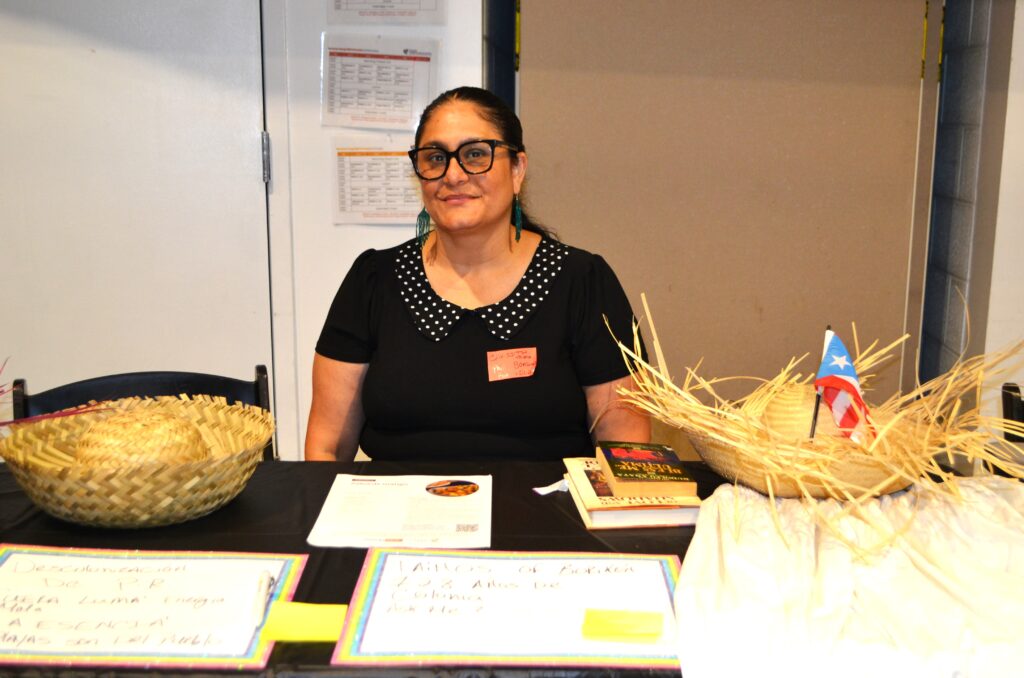
Charito Morales, member of Philly Boricuas and environmental activist. (Photo: Leticia Roa Nixon)

Dr. John Thomas participated alongside students from Perkiomen Valley Middle School East in Collegeville, Pennsylvania, to discuss the Lenape Arboretum Project, established in 2021. Layla Johnston of the Cherokee Nation shared her work distributing native seeds and plants from her ancestral territory. Eugene Black Crow, founder and director of the Lakhota Woglakapo Project, spoke about providing free tutoring to help preserve the Lakota language among community members.

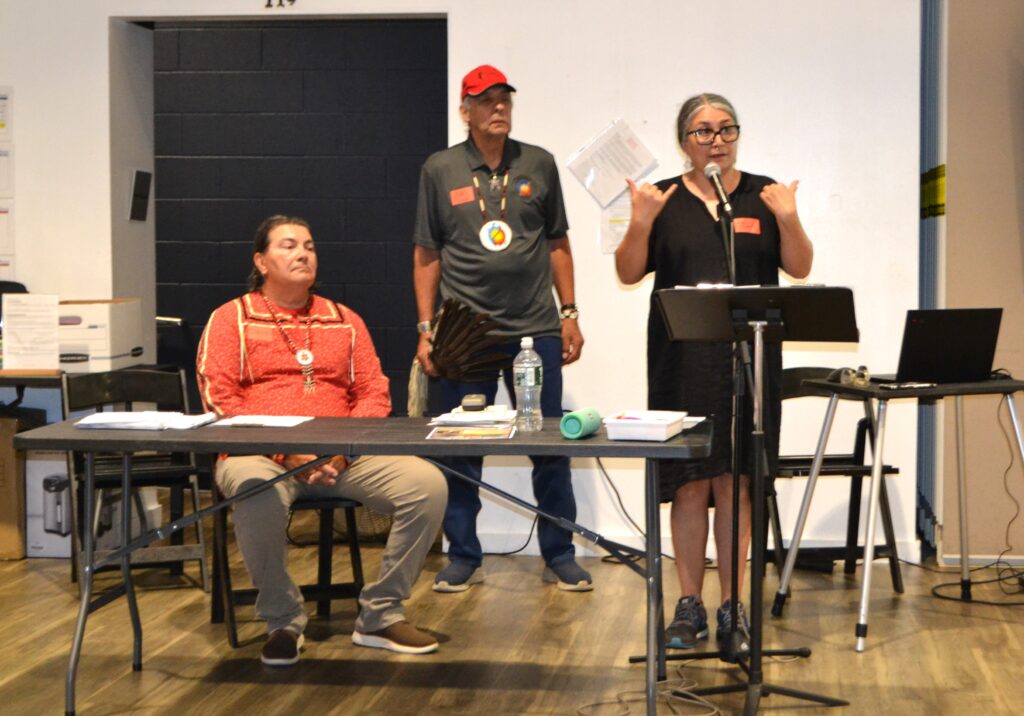
Back row: Bart Cartwright; left: Curtis Zuhniga; right: Mabel Negrete. (Photo: Leticia Roa Nixon)

Black Crow’s presentation focused on reclaiming the history of Pennsylvania before the fraudulent 1737 treaty engineered by Thomas Penn, son of Pennsylvania founder William Penn. According to historical accounts, Thomas Penn hired and trained the colony’s three fastest runners to participate in what became known as the Walking Purchase. On September 19, 1737, the runners traveled at marathon pace along a trail that had been cleared in advance, covering more than 65 miles, or approximately 105 kilometers, enabling colonial authorities to claim a vast area of Indigenous land.

Priscila Flores, who is of Purépecha descent, was born and raised in California’s Central Valley and has documented both the history of the region and that of her own family. Bart Cartwright, a member of the Delaware Nation, has served as an education advisor at the Museum of the American Indian since 2019.

Puerto Rican activist Iris Brown, who was born in Loíza Aldea, spoke about Grupo Motivos, a grassroots initiative that eventually evolved into Philadelphia’s Norris Square Neighborhood Project, which includes community garden plots. Brown recalled how a group of women came together to organize the collective as a response to drug trafficking in their neighborhood while also creating spaces for community building and urban agriculture.

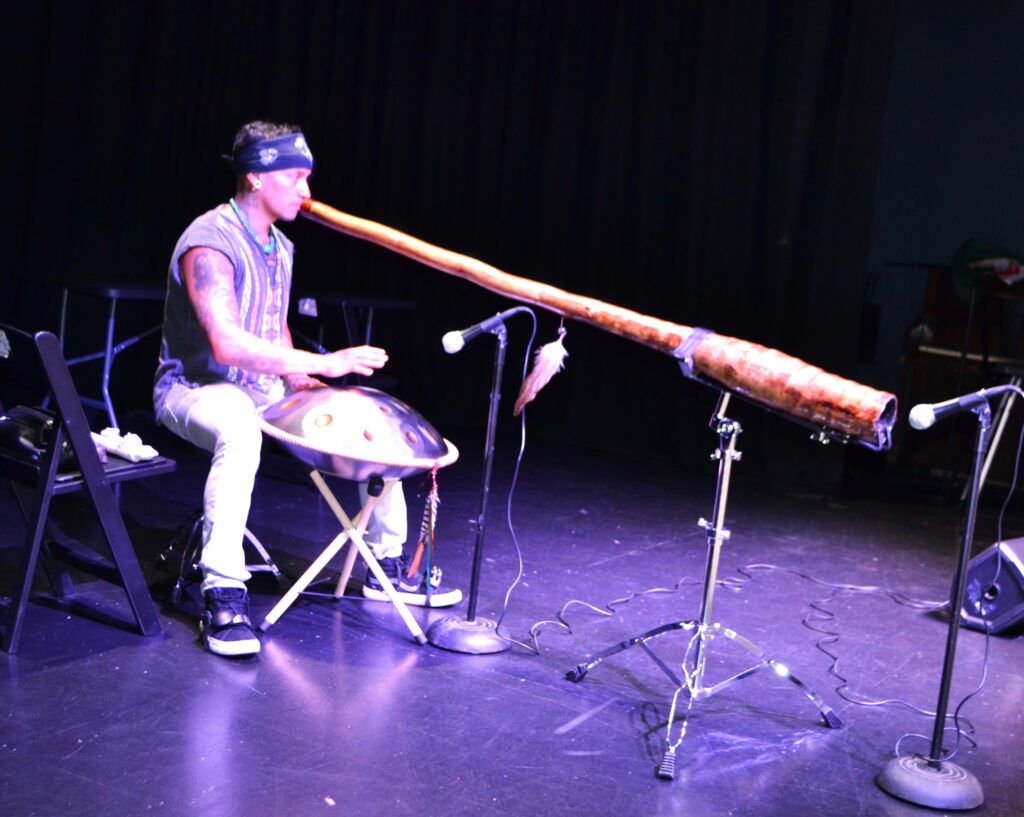
Edgar Alcántara playing a steel drum and the Maya trumpet. (Photo: Leticia Roa Nixon)

Although the event focused broadly on the climate crisis, the gathering also celebrated culture through music, dance, and food prepared by chef Joseph Rocchi.

Beyond discussions about climate change, the event highlighted how Indigenous peoples and historically marginalized communities continue to lead efforts in conservation, education, and cultural preservation. Their experiences demonstrate that environmental protection is deeply connected to the defense of ancestral lands, historical memory, and social justice, all of which are essential to building a more sustainable and equitable future.

La Crisis Climática no es Neutral: encuentro indígena en Filadelfia promueve acción comunitaria

Charito Morales, integrante de Philly Boricuas y activista ambiental. (Foto: Leticia Roa Nixon)

La mayoría de los descendientes de los pueblos originarios de Estados Unidos, del Caribe y Latinoamérica conservan sus creencias acerca de su interconexión con la fauna y la flora manteniendo desde hace siglos su misión ancestral de conservar los recursos naturales del medio ambiente para las generaciones futuras. Esta filosofía contrasta con el colonialismo, el despojo de las tierras, el desplazamiento forzado, el racismo ambiental y los esfuerzos de borrar su historia y cultura por parte del gobierno, la industria y las grandes corporaciones.

Al norte de Filadelfia, Mabel Negrete, directora ejecutiva de la organizaciónsin fines de lucro Indigenous People’s Day, junto con su equipo, organizó el pasado 1 de agosto, un día de sesiones bajo el tema “La Crisis Climática no es Neutral” en el Taller Puertorriqueño. Ahí participaron presentadores que realizan proyectos de conservación a nivel personal y comunitario para beneficio de la conservación ambiental.

De izq. A der. Andria Bibiloni, Iris Brown, Dr. John Thomas y Mabel Negrete. (Foto: Leticia Roa Nixon)

El Dr. John Thomas participó con estudiantes de Perkiomen Valley Middle School East, en Collegiville, PA en el Proyecto Lenape Arboretum establecido en 2021. Por su parte, Layla Johnston de la nación cherokee, distribuye semillas y plantas nativas de su territorio. Eugene Black Crow, fundador y director de Lakhota Woglakapo Project provee tutoría gratuita para preservar el idioma Lakota de los miembros de la comunidad.

Edgar Alcántara tocando un tambor metálico y la trompeta maya. (Foto: Leticia Roa Nixon)

Su plática se centró en la recuperación del territorio de Pensilvania antes del Tratado de 1737 establecido fraudulentamente por Thomas Penn, hijo del fundador de Pensilvania, William Penn, quien contrató y entrenó a los tres hombres más rápidos de la colonia.  El 19 de septiembre de 1737, los corredores avanzaron a una velocidad de maratón por un sendero previamente limpiado de obstáculos, cubriendo más de 65 millas (unos 105 kilómetros). Priscila Flores, de ascendencia purépecha, nació y creció en el Valle Central de California y ha documentado la historia de ese valle, así como la de su familia. Bart Cartwright, de la nación Delaware, es asesor de educación de Museo de los Indígenas desde 2019.

Atrás Bart Cartwright , a la izq. Curtis Zuhniga y a la derecha Mabel Negrete. (Foto: Leticia Roa Nixon)

Por su parte, la activista puertorriqueña Iris Brown, nacida en Loiza Aldea, habló sobre su Grupo Motivos que dio origen a lo que hoy es Norris Square Neighborhood Project de Filadelfia, que cuenta con parcelas para cultivo comunitario. Un grupo de mujeres organizó ese colectivo para enfrentar el trasiego de drogas en su vecindario.

Aunque el tema del evento fue la crisis climática en general, la jornada incluyó la música, la danza y la gastronomía a cargo del chef Joseph Rocchi.

Más allá de las discusiones sobre el cambio climático, el evento puso de relieve cómo los pueblos originarios y las comunidades históricamente marginadas continúan liderando iniciativas de conservación, educación y fortalecimiento cultural. Sus experiencias demuestran que la protección del medio ambiente está estrechamente vinculada con la defensa del territorio, la memoria histórica y la justicia social, aspectos esenciales para construir un futuro más sostenible y equitativo.

Youth share stories about climate change and health through Photography

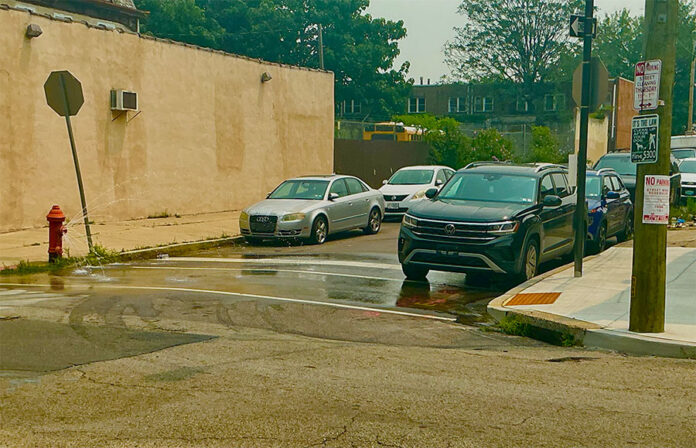
What Its Come To. (Photo: Taken by Amirah Bedford)

Over the course of several weeks in July, a group of youth from in and around the Hunting Park neighborhood participated in a study about the impacts of climate change on community health and well-being, using Photovoice. Photovoice is a research method where participants take photos about a topic and then use those photos to reflect about what is happening in their lives and their community, to understand and document challenges and think about opportunities together to act for positive change.

The Photovoice project is part of a larger study that I lead at Esperanza, supported by the Robert Wood Johnson Foundation’s Evidence for Action program (Grant #84014). The views expressed here do not necessarily reflect those of the Foundation.

These youth, ranging from 14 years to 19 years old, were part of a paid internship program at Esperanza funded by the City of Philadelphia. This study was one of many activities and experiences that the youth were engaged in this summer. They also participated in door-to-door canvassing for trees, community garden maintenance, heat-related data collection, and field trips.

For the Photovoice project, the youth were first introduced to the project, the study questions, and trained in good photography techniques by Photography Without Borders. The questions were: 1) How has climate change affected your health/well-being? 2) What helps or prevents people in our community from coping with the effects of climate change? Afterward, the youth were able take photos using their own phones for about a week, responding to the study questions. Once the photo-taking was complete, they participated in individual, one-on-one interviews with me, to talk about their photos and select their favorites. Finally, the youth gathered a group to share their photos, collectively tell stories about what the photos mean, then identify themes or ideas together. The youth enjoyed participating; one of them, Amari Spain-Croxton, said when reflecting on her experience that “sometimes the bigger picture comes from the smallest plant.”

The youth had a lot to say about extreme heat in Hunting Park and how it affects people who need to try to stay cool. They also talked about air quality and what people breathe in, including smoke from wildfires. Their ideas for solutions included planting more trees, maintaining green spaces, cleaning up trash, keeping people from idling in their cars, and providing more options for people to cope with heat in a healthy way. At the end of the project, the youth also brainstormed different ways to share their photos and stories with others, including people in positions of power who can make change. One idea that was popular was a public photo exhibition in an art gallery.

Esperanza will complete Photovoice with more cohorts of youth over the next year or so, which means there will be more opportunities for additional youth to share their stories through photographs and help researchers and other stakeholders understand what their climate change and health experiences are in Hunting Park and what can be done to make things better.