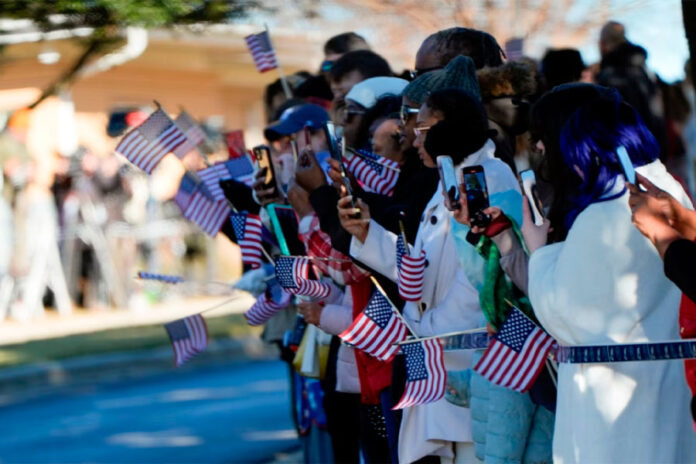
La gente observa cómo el coche fúnebre que transporta el ataúd envuelto en la bandera del expresidente Jimmy Carter sale del Centro Médico Phoebe Sumter en Americus, Georgia, el 4 de enero de 2025. (Foto: VOA)
Los eventos oficiales en honor al expresidente Jimmy Carter comenzaron con una procesión fúnebre en Georgia, estado natal del mandatario número 39 de EE. UU. Carter será homenajeado en Washington con un funeral de Estado el próximo 9 de enero.
El largo adiós a Jimmy Carter comenzó el sábado en el sur de Georgia, donde nació el 39º presidente de Estados Unidos hace más de 100 años.
La caravana con el féretro, cubierto con la bandera estadounidense, partió del Centro Médico Phoebe Sumter en Americus, donde exagentes del Servicio Secreto que protegieron al difunto presidente actuaron como portadores del féretro y caminaron junto al coche fúnebre al salir del campus del centro médico.
La familia Carter, incluidos los cuatro hijos del expresidente y muchos nietos y bisnietos, están acompañando a su patriarca en una procesión que llevará sus restos a través de su querida ciudad natal de Plains y pasará por su casa de la infancia, en su camino hacia Atlanta.
Carter falleció en su hogar en Plains el 29 de diciembre a la edad de 100 años.
Familias se alinearon a lo largo de la ruta de la procesión en el centro de Plains, cerca del histórico depósito de trenes donde Carter estableció su campaña presidencial. Algunos llevaban ramos de flores o llevaban botones conmemorativos con la foto de Carter.
“Queremos rendirle homenaje”, dijo Will Porter Shelbrock, de 12 años, quien nació más de tres décadas después de que Carter dejara la Casa Blanca en 1981. “Él estaba adelantado a su tiempo en lo que intentó hacer y lograr”.
Fue idea de Shelbrock hacer el viaje a Plains desde Gainesville, Florida, con su abuela, Susan Cone, de 66 años, para que pudieran presenciar el inicio del último viaje de Carter. Shelbrock dijo que admira a Carter por su trabajo humanitario construyendo casas y promoviendo la paz, y por instalar paneles solares en la Casa Blanca.
Carter y su esposa Rosalynn, quien falleció en noviembre de 2023, nacieron en Plains y vivieron la mayor parte de sus vidas en y alrededor del pueblo, con las excepciones de la carrera naval de Jimmy y sus mandatos como gobernador de Georgia y presidente.
La procesión se detendrá frente a la casa de Carter en la granja familiar justo fuera de Plains. El Servicio de Parques Nacionales hará sonar la antigua campana de la granja 39 veces para honrar su lugar como el 39º presidente. Los restos de Carter luego procederán a Atlanta para un momento de silencio frente al Capitolio de Georgia y una ceremonia en el Centro Presidencial Carter.
Allí, reposará hasta el martes por la mañana, cuando será trasladado a Washington para yacer en el Capitolio de Estados Unidos. Su funeral de estado es el jueves a las 10 a.m. en la Catedral Nacional de Washington, seguido por un regreso a Plains para un funeral privado en la Iglesia Bautista Maranatha.
Será enterrado cerca de su hogar, junto a Rosalynn Carter.
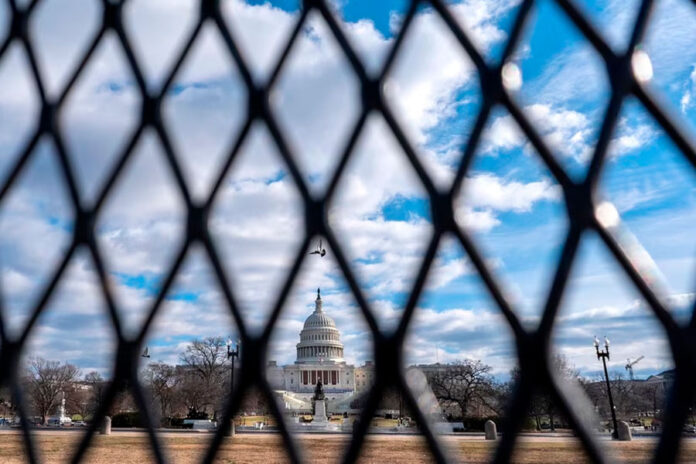
Un pájaro vuela enmarcado por una valla de seguridad frente al Capitolio de Estados Unidos, que se ha instalado en un perímetro alrededor del complejo, el 2 de enero de 2025, en Washington. (Foto: VOA)
Washington está en un «entorno de mayor amenaza» tras el ataque del día de Año Nuevo en Nueva Orleans y un incidente en Las Vegas. Las agencias de seguridad blindan la capital previo al funeral de Estado del expresidente Jimmy Carter y la toma de posesión de Donald Trump este enero.
Las agencias de aplicación de la ley y de seguridad en Washington y sus alrededores están trayendo refuerzos mientras se preparan para asegurar tres eventos de alto perfil en la capital del país, luego del ataque terrorista del día de Año Nuevo en Nueva Orleans y el atentado del Cybertruck frente al Hotel Internacional Trump en Las Vegas.
El primer evento tendrá lugar el lunes, cuando el Congreso se reúna para certificar los resultados de las elecciones presidenciales, cuatro años después de los disturbios en el Capitolio de 6 de enero de 2021.
El segundo será el funeral de Estado del difunto presidente Jimmy Carter, que comenzará con una ceremonia y una procesión el martes y concluye el jueves.
“Eso nunca había sucedido antes. Tenemos tres [Eventos Especiales de Seguridad Nacional] en un período de 15 días”, dijo el viernes a los periodistas Matt McCool, agente especial a cargo de la Oficina de Campo del Servicio Secreto de Estados Unidos en Washington.
«Pero lo que les diré es que somos flexibles. Somos adaptables. Hemos estado trabajando en estos eventos, en algunos casos, años», dijo. «Entonces, vamos a estar preparados».
A pesar de las preocupaciones derivadas del ataque de Nueva Orleans y el atentado de Las Vegas, los funcionarios de seguridad confían hasta ahora en que los acontecimientos en Washington se desarrollarán de forma segura.
«No estamos rastreando ninguna amenaza creíble o específica asociada con estos eventos», dijo David Sundberg, subdirector a cargo de la oficina de campo del FBI en Washington.
Sin embargo, las fuerzas del orden y las agencias de seguridad no se arriesgan, reconociendo que la ciudad y la región están operando en un entorno de mayor amenaza.
El Servicio Secreto dijo el viernes que traería agentes de todo el país para aumentar los niveles de personal, que ya eran los más altos en tres años.
El Departamento de la Policía Metropolitana de Washington dijo que ha añadido a sus filas casi 4.000 agentes, procedentes de departamentos de todo el país.
La Oficina de la Guardia Nacional de la capital confirmó que también aprobó solicitudes de apoyo adicional, incluida la provisión de 500 guardias para los actos oficiales de certificación electoral del 6 de enero y para el funeral de Estado.
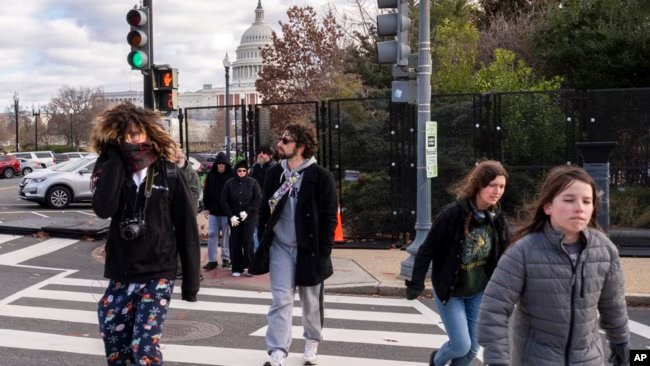
Abrigados contra el frío, los turistas caminan a través de una valla de seguridad que se ha instalado en el perímetro del complejo del Capitolio, el 2 de enero de 2025, en Washington. (Foto: AP/Jacquelyn Martin)
Está pendiente una solicitud adicional de 7.800 soldados y aviadores de la Guardia Nacional para ayudar con la seguridad de la toma de posesión de Trump.
Ya se han implementado mayores medidas de seguridad, incluidas barreras y cercas, en partes de Washington y alrededor del Capitolio, pero están por llegar más.
«Una multitud de medidas de seguridad visibles e invisibles operarán en conjunto para garantizar que un plan de seguridad integral y fluido llegue a buen término», dijo McCool, y agregó que las medidas incluirán el uso de drones aéreos.
«El Servicio Secreto utilizará drones como parte de nuestro plan de seguridad integral», dijo McCool. «No se alarmen si ven estos activos durante los próximos eventos o capacitaciones en los próximos días».
El Departamento de Policía Metropolitana dijo que sus mayores medidas de seguridad entrarían en vigor a partir del domingo, con el despliegue de agentes especializados en toda la ciudad para responder a cualquier emergencia.
La Policía del Capitolio de Estados Unidos, cuyos 2.400 agentes y empleados civiles son responsables de proteger el Capitolio y a los miembros del Congreso, también informóؚ que estaba más preparada para manejar contingencias que hace cuatro años, cuando los alborotadores, molestos por el resultado de las elecciones presidenciales de 2020, irrumpieron el Capitolio, obligando a los legisladores a huir e insultando a los agentes de policía.
Alrededor de 1.560 personas han sido acusadas de delitos federales durante los disturbios. Hasta el momento, alrededor de 979 se han declarado culpables, mientras que otros 210 han sido condenados.
«La capital de nuestra nación está preparada para garantizar que el proceso legislativo se desarrolle sin interrupciones y que nuestro gobierno tenga una transferencia pacífica del poder», dijo el jefe de policía del Capitolio, J. Thomas Manger, y señaló que la fuerza ha implementado más de 100 recomendaciones hechas tras los disturbios de 2021.
Los funcionarios en Washington también se están preparando para posibles protestas, diciendo que varias manifestaciones planificadas ya han obtenido los permisos necesarios.
«Estamos comprometidos a defender el derecho a reunirse y protestar pacíficamente aquí en nuestra ciudad», dijo la jefa de la Policía Metropolitana, Pamela Smith.
«Damos la bienvenida a los visitantes para que vengan y experimenten lo que esta increíble ciudad tiene para ofrecer, pero aquellos que deliberadamente realizan actividades ilegales deben saber que habrá consecuencias», dijo Smith. «Sin embargo, como dije antes, cuando tengamos eventos especiales, y quiero dejar en claro, no toleraremos ninguna violencia, disturbios, destrucción de propiedad o cualquier comportamiento que amenace la seguridad de nuestra ciudad».
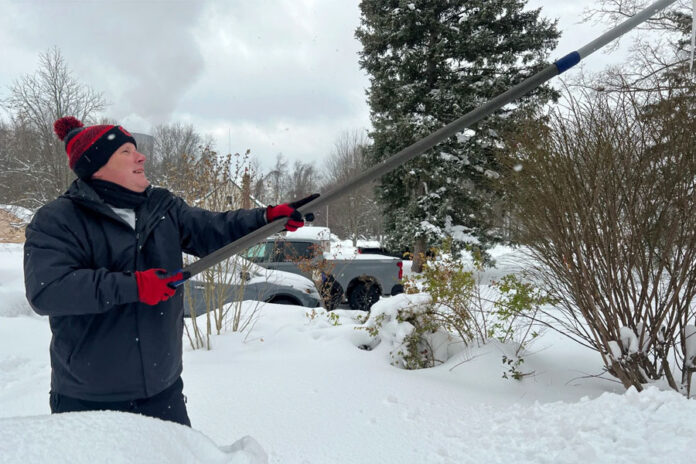
Resident Todd Brainard cleans snow off of the roof of his home in North Perry, Ohio on Tuesday, Dec. 3, 2024. (Photo: AP/Patrick Aftoora-Orsagos/File)
A major winter storm forecast to produce heavy snow, significant ice and frigid temperatures was set to begin in the central U.S. on Saturday and move east over the next several days, according to the National Weather Service.
Here is what to know about the storm expected to affect millions in the eastern two-thirds of the country:
Major winter storm sets up
A large system made landfall along the West Coast on Friday afternoon, bringing rain to the Pacific Northwest with snow expected in the Cascade Mountains, according to meteorologists.
The system will be responsible for the development of a major winter storm from the Central Plains to the Mid-Atlantic this weekend into early next week.
Snow to fall throughout Central Plains and move east
By Saturday evening, widespread heavy snow is likely in areas between central Kansas and Indiana, especially along and north of Interstate 70, where there is a high chance of at least 8 inches (20.3 centimeters).
For places in the region that typically experience the highest snow totals, it may be the heaviest snowfall in at least a decade, meteorologists said.
The storm will then move into the Ohio Valley, where severe travel disruptions are expected. It will reach the Mid-Atlantic states on Sunday into Monday.
Blizzard conditions possible
Wind gusts higher than 35 mph (56 kph) and heavy rates of snowfall could lead to blizzard conditions, particularly in Kansas and nearby portions of the Central Plains by Sunday morning.
Whiteout conditions may make driving dangerous to impossible and heighten the risk of becoming stranded.
Freezing rain expected from eastern Kansas to the Ozarks
Dangerous sleet and freezing rain, particularly detrimental to power lines, also is anticipated to start Saturday from eastern Kansas to Missouri, Illinois, Indiana and much of Kentucky and West Virginia.
Treacherous travel conditions are expected with power outages likely in areas with more than a quarter-inch (a half centimeter) of ice accumulation.
“It’s going to be a mess, a potential disaster,” private meteorologist Ryan Maue said.
Frigid air from the Artic to blast areas as far south as Florida
Starting Monday, hundreds of millions of people in the eastern two-thirds of the country will experience dangerous, bone-chilling air and wind chills, forecasters said.
Temperatures could be 12 to 25 degrees Fahrenheit (7 to 14 degrees Celsius) colder than normal as the polar vortex stretches down from the high Arctic.
“This could lead to the coldest January for the U.S. since 2011,” AccuWeather Director of Forecast Operations Dan DePodwin said Friday, noting there could be up to a week or more of «temperatures that are well below historical average.”
The biggest drop below normal is likely to be centered over the Ohio Valley, but significant and unusual cold will extend south to the Gulf Coast, said Danny Barandiaran, a meteorologist at the National Weather Service’s Climate Prediction Center.
A hard freeze is even expected in Florida, he added.
“The wind chills are going to be brutal,” Woodwell Climate Research Institute climate scientist Jennifer Francis said. «Just because the globe is warming doesn’t mean these cold snaps are going away.”
Weather may be triggered by a fast-warming Arctic
The brutal weather may be triggered in part by a fast-warming Arctic, a reminder that climate change gooses weather extremes, said Judah Cohen, seasonal forecast director at the private firm Atmospheric and Environmental Research.
The polar vortex — ultra-cold air spinning like a top — usually stays above the North Pole, but sometimes stretches down to the U.S., Europe or Asia, causing intense doses of cold.
Cohen and colleagues have published several studies showing an increase in the polar vortex stretching or wandering. Cohen and others published a study last month attributing the cold outbreaks partly to changes from an Arctic that is warming four times faster than the rest of the globe.
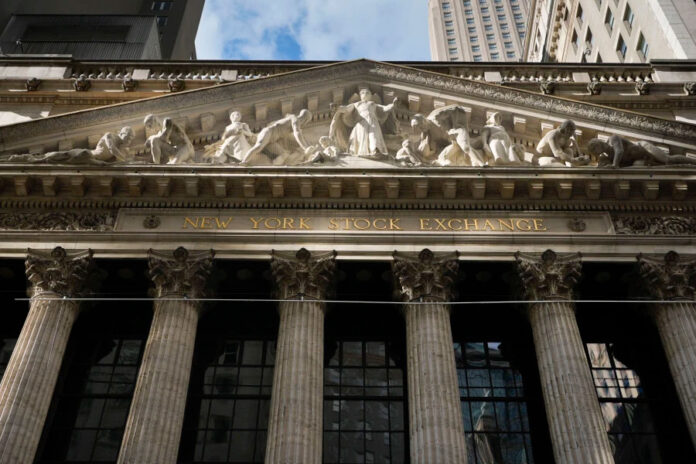
La Bolsa de Valores de Nueva York el miércoles 29 de enero de 2025. (Foto: AP/Seth Wenig)
Los precios de las acciones en la Bolsa de Valores de Nueva York perdieron el viernes las ganancias que habían logrado en la jornada y cerraron a la baja después de que la Casa Blanca anunciara que el presidente Donald Trump impondría los aranceles prometidos a algunos socios comerciales de Estados Unidos.
El índice S&P 500 cayó 30,64 puntos, o 0,5%, para cerrar en 6.040,53, y el compuesto Nasdaq bajó 54,31 unidades, o 0,3%, ubicándose en 19.627,44. Ambos habían tenido sólidas ganancias en las operaciones matutinas y registraron su primera pérdida semanal en tres semanas. Por su parte, el promedio industrial Dow Jones cayó 337,47 enteros, o 0,8%, y cerró en 44.544,66.
Trump impondrá aranceles del 25% a las importaciones procedentes de Canadá y México, y del 10% a los productos de China a partir del sábado. La Casa Blanca no proporcionó información acerca de si habría alguna exención a las medidas, que podrían resultar en aumentos rápidos de precios para los consumidores estadounidenses.
La caída fue generalizada, y aproximadamente el 75% de las emisoras en el S&P 500 cerraron a la baja. Las empresas de tecnología y energía representaron una gran parte del declive.
“Si Trump dice que es algo que podría suceder mañana, eso no deja mucho margen de maniobra”, declaró Sam Stovall, estratega en jefe de inversiones en CFRA. “Hay demasiada incertidumbre relacionada con elevar los aranceles a nuestros tres principales socios comerciales”.
Las ganancias que había tenido Wall Street en la mañana habían ayudado a reducir las pérdidas desde el inicio de la semana debido a preocupaciones de que el auge de la inteligencia artificial podría no requerir tanta inversión como se pensaba.
Apple lideraba las ganancias del mercado el viernes, pero cerró con una pérdida del 0,7%. La compañía había reportado ganancias más altas en el último trimestre de lo previsto por los analistas. La empresa más valiosa de Wall Street, y por lo tanto la más influyente en el S&P 500 y otros índices, indicó que las ventas de iPhones disminuyeron. Pero los ingresos de sus negocios de servicios, como AppleCare y su tienda de aplicaciones, subieron hasta un nivel récord.
KLA, un proveedor para la industria electrónica, subió en un principio después de reportar ganancias e ingresos que superaron las expectativas de los analistas, pero luego cerró con una baja del 0,6%. La compañía, que atribuyó sus resultados a la expansión de inversiones en inteligencia artificial y computación de alto rendimiento, cayó 6,3% el lunes.
Las acciones de Nvidia, considerada el buque insignia de la fiebre por la IA, descendieron 3,7% para cerrar una semana difícil para los fabricantes de circuitos integrados. Se tenía previsto que su director general, Jensen Huang, se reuniera con Trump el viernes en Washington.
Las preocupaciones de que los aranceles podrían terminar impulsando la inflación ayudaron a incrementar los rendimientos de los bonos a largo plazo, incluido el del Tesoro a 10 años, que subió de 4,52% a 4,54%.
Fotografía cedida por Cheery Viruet y Fundación Good Bunny del cantante y compositor, Bad Bunny, firmando autógrafos durante el evento “Bonita Tradición” este viernes, en Vega Baja (Puerto Rico). (Foto: EFE/Cheery Viruet /Fundación Good Bunny)
San Juan.– Bad Bunny se estrenó este viernes como director y guionista de un conmovedor cortometraje sobre los cambios que ha vivido Puerto Rico, que acompaña a su próximo álbum, ‘Debí Tirar Más Fotos’, del que reveló la lista de canciones.
El vídeo, dirigido y escrito también por Arí Maniel Cruz, está protagonizado por el veterano cineasta y actor puertorriqueño Jacobo Morales, quien reflexiona sobre su vida y su isla natal.
Acompañado de su fiel compañero, Concho (una rana), Morales recuerda con nostalgia un Puerto Rico pasado que en parte ya ha desaparecido.
«Fui a muchos países, a casi todas partes el mundo, pero ninguna como Puerto Rico, o como lo que era antes. Aquí había algo especial, no sé qué, pero una magia increíble. Y todavía la hay. Quisiera haber tirado más fotos para enseñarte», dice Morales.
Durante el cortometraje, Morales se cruza con estadounidenses que residen o visitan la isla y acude a una panadería que se ha modernizado y en la que le hablan en inglés y no aceptan efectivo, entre otras situaciones.
En cuanto al listado de canciones, este revela que el álbum incluye colaboraciones con Rainao, Dei V, Chuwi y Pleneros de la Cresta.
Entre los temas figuran ‘Café con ron’, ‘Voy a llevarte pa’ PR’, ‘Lo que le pasó a Hawai’, ‘La mudanza’ y otros con pronunciación fonética puertorriqueña de palabras en inglés como ‘Nuevayol’ (Nueva York).
Bad Bunny se ha mostrado en canciones previas muy crítico con la situación de la isla, destacando problemas como la gentrificación y los apagones.
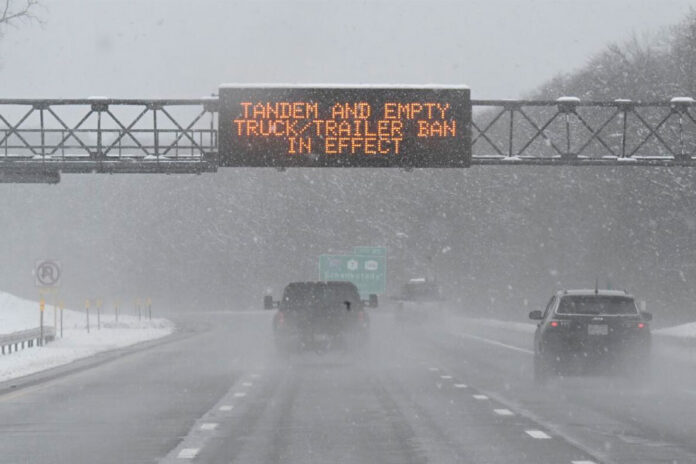
La autopista New York Thruway durante una tormenta invernal, el 14 de marzo de 2023, en Albany, Nueva York. (Foto: AP/Hans Pennink/Archivo)
En Filadelfia se espera para este fin de semana temperaturas más frías de lo normal, en un vórtice polar que se extiende desde las partes altas del Ártico. Desde este viernes se empezaron a pintar varias regiones de blanco. Se alerta para el lunes una fuerte tormenta de nieve y hielo, seguida de condiciones brutalmente frías, que impactaran los dos tercios orientales de Estados Unidos a medida que el aire helado fluya desde el Ártico, llegando hasta Florida, pronostican los meteorólogos.
A partir del sábado, millones de personas se verán afectadas por nieve de moderada a intensa desde Kansas City hasta Washington DC, lo que incluye una alta probabilidad de al menos 20,3 centímetros de nieve entre el centro de Kansas e Indiana, advirtió el viernes el Servicio Meteorológico Nacional.
Es probable que se forme un hielo peligroso, especialmente letal para las líneas eléctricas —“tan pesado como el engrudo, y difícil de retirar”, dijo el meteorólogo privado Ryan Maue— justo al sur de la zona, en el sur de Kansas, Missouri, Illinois, Indiana y gran parte de Kentucky y Virginia Occidental.
“Va a ser un caos, y puede convertirse en un desastre”, dijo Maue. “Es algo que no hemos visto en bastante tiempo”.
El meteorólogo del Servicio Meteorológico Nacional, Alex Lamers, dijo el viernes que el potencial de condiciones de ventisca va en aumento, particularmente en Kansas y partes vecinas de las Grandes Llanuras Centrales, y que las ráfagas de viento podrían alcanzar los 80,4 km/h.
Conforme la tormenta se disipe el lunes por la tarde y noche, cientos de millones de personas en los dos tercios orientales de la nación se verán sumergidas en un aire peligrosamente frío y vientos helados durante toda la semana, dijeron meteorólogos gubernamentales y privados.
Las temperaturas podrían ser de 7 a 14 grados Celsius más frías de lo normal, mientras el temido vórtice polar se extiende desde las partes altas del Ártico, provocando un clima frío, dijeron.
“Esto podría hacer que este sea el enero más frío en Estados Unidos desde 2011″, dijo el viernes Dan DePodwin, director de operaciones de pronóstico de AccuWeather. “No es solo un día. Serán de tres a cinco, y en algunos casos una semana o más, de temperaturas que están muy por debajo del promedio histórico”.
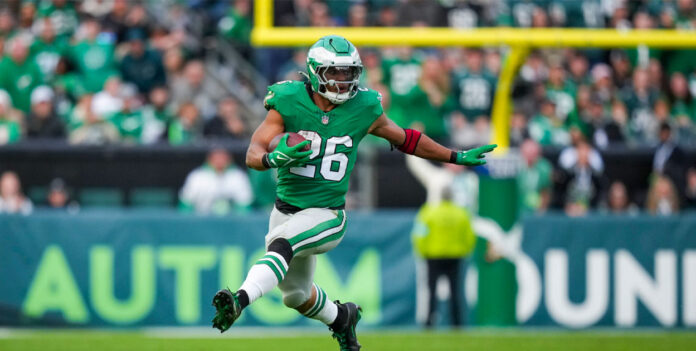
l corredor de los Eagles de Filadelfia, Saquon Barkley (26), corre el balón contra los Cowboys de Dallas durante la segunda mitad de un partido de fútbol americano de la NFL, el domingo 29 de diciembre de 2024, en Filadelfia. (Foto: AP/Matt Slocum)
“No firmé aquí para romper el récord de Eric Dickerson”, dijo Barkley. “Vine aquí para ganar un Super Bowl”.
Saquon Barkley tuvo una conversación sincera con su padre que estuvo más marcada por la tristeza que por la esperanza sobre la búsqueda del récord de más yardas terrestres en una temporada de la NFL por parte del corredor de los Eagles de Filadelfia.
La emocionante persecución a Eric Dickerson terminó: se perderá el último partido de la temporada regular de los Eagles el domingo, negándole al corredor la oportunidad de romper la marca.
La noticia llegó con una difícil llamada con su padre, Alibay.
“Definitivamente él quería que jugara”, dijo Barkley el miércoles en su casillero. “De manera egoísta por él, tienes que pensarlo… nuestro apellido habría estado vinculado a eso. También lo veo desde ese lado. Al final del día, lo más importante es ganar. Él fue quien me crió para darle prioridad al equipo. Puede tener su pequeño momento egoísta, pero lo superará”.
Barkley insistió en que él también se recuperó del golpe. Así lo hará una línea ofensiva que empujó para que la estrella estableciera el récord, e incluso los fanáticos que querían decir que estuvieron allí el domingo en el Linc contra los Giants de Nueva York y presenciar un pequeño pedazo de la historia de la NFL.
Barkley terminaría la temporada con 2.005 yardas terrestres, a solo 101 yardas de romper el récord de Dickerson de 2.105, establecido con los Rams de Los Ángeles en 1984.
Los Eagles (13-3) aseguraron el Este de la NFC y el segundo sembrado en la conferencia, dejando poco por qué jugar contra los Giants. Eso incluía récords de la NFL.
El entrenador de los Eagles, Nick Sirianni, tomó la decisión final, después de un par de conversaciones con Barkley, jugadores, entrenadores, el gerente general Howie Roseman, de darle la semana libre a Barkley y no arriesgar una posible lesión a quizás su jugador más valioso y solo el noveno corredor en la historia de la NFL en superar las 2.000 yardas terrestres en una temporada.
“Quizás nunca tenga otra oportunidad como esa de nuevo”, dijo Barkley. “Así que, estoy decepcionado. Pero al final del día, no quiero poner al equipo en riesgo. Él es el entrenador en jefe por una razón. Él toma esas decisiones”.
Barkley probablemente tendrá mucha compañía entre la alineación titular descansando el domingo antes de que los Eagles reciban a Washington o Green Bay en un juego de playoffs de comodín de la NFC.
Sirianni dijo que estaba listo para dar descanso a la mayoría de los titulares, notablemente al quarterback Jalen Hurts, quien se perdió la paliza del domingo contra Dallas debido a los efectos persistentes de una conmoción cerebral, para que descansen y se recuperen antes de lo que la franquicia espera sea una carrera profunda rumbo al Super Bowl.
“Estoy feliz de no haber tenido que tomar esa decisión”, dijo Barkley. “Nick me lo hizo bastante fácil y estoy verdaderamente en paz con eso”.
Los Eagles tuvieron su semana de descanso en la semana 5, y regresaron de un inicio de 2-2 para ganar 10 juegos seguidos y tomar el control de la división.
Pero 12 juegos consecutivos, donde Barkley agregó a sus 345 acarreos líderes en la NFL, también jugaron un papel en que Sirianni le diera a Barkley y a los titulares una semana libre antes de que los Eagles abran los playoffs.
Algunos Eagles adoptaron un tono melancólico dentro del vestuario de que la carrera de Barkley fue detenida.
“A todos nos gustaría tener el récord”, dijo el tackle ofensivo Lane Johnson. “También nos gustaría tener al jugador para un juego de playoffs, y ganar un juego de postemporada con él”.
Después de correr 167 yardas en la victoria del domingo contra Dallas, Barkley dijo que quería el récord, pero haría lo que fuera mejor para el equipo, incluso si eso significaba perderse el último partido de la temporada regular.
“El domingo, probablemente no me importaba demasiado”, dijo Barkley. “Cuando lo pensé, fue como, fue una oportunidad para escribir mi nombre en la historia del fútbol americano”.
Sí, Barkley no puede alcanzar a Dickerson, pero superó a LeSean McCoy, Brian Westbrook y Wilbert Montgomery por la mejor temporada de un corredor en la historia de los Eagles. Estableció el récord de los Eagles para yardas terrestres en una sola temporada y estableció una marca de la franquicia de temporada para yardas totales (2.283).
McCoy estableció la marca de 2.146 yardas en 2013. Las yardas, las victorias y los récords nunca parecieron dejar de llegar para Barkley y los Eagles.
Barkley corrió para 147 yardas contra Nueva Orleans en la semana 3. Tuvo 176 yardas en una victoria en su primer encuentro contra los Giants.
Corrió para touchdowns de 70 y 72 yardas contra los Rams de Los Ángeles y terminó el juego con un récord personal de 255 yardas terrestres en 26 acarreos y dos touchdowns por esa vía en noviembre.
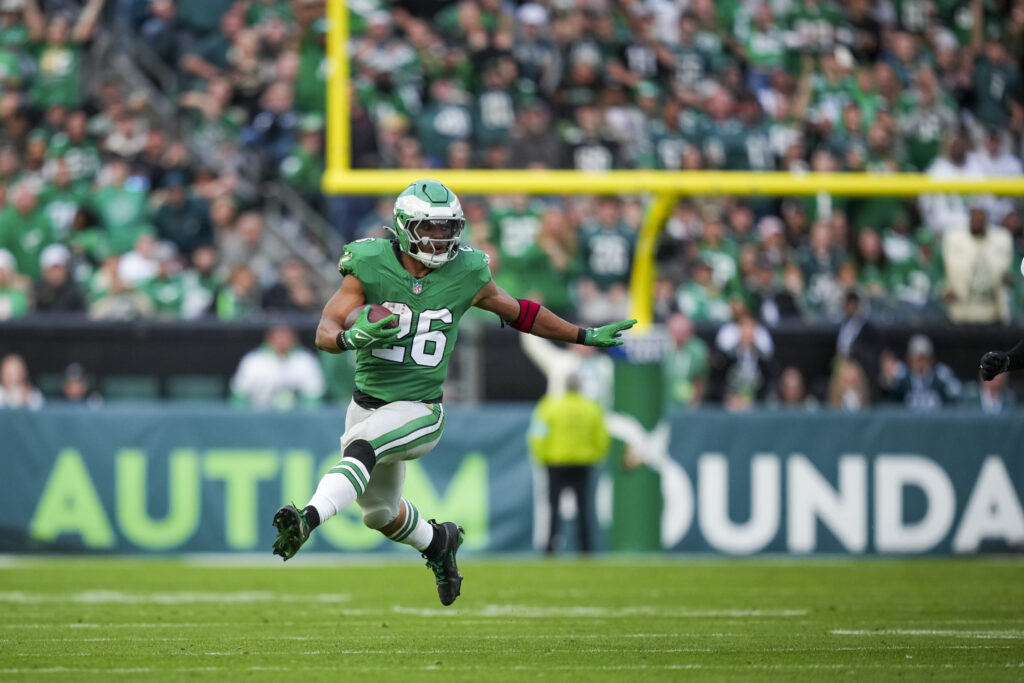
El corredor de los Eagles de Filadelfia, Saquon Barkley (26), corre el balón contra los Cowboys de Dallas durante la segunda mitad de un partido de fútbol americano de la NFL, el domingo 29 de diciembre de 2024, en Filadelfia. (Foto: AP/Matt Slocum)
“Si tuviera que salir y obtener el récord, me sentía realmente lo suficientemente bien para hacerlo también”, dijo Barkley. “Hice una broma a uno de mis amigos la otra noche, mi cuerpo no se siente como si hubiera corrido para 2.000 yardas. Eso es algo bueno”.
Hurts todavía estaba en el protocolo de conmoción cerebral de la NFL y no ha podido practicar ni jugar hasta que fue dado de alta.
Kenny Pickett comenzó para los Eagles la semana pasada y corrió y lanzó para un touchdown antes de salir con costillas lesionadas. Tanner McKee, el QB de tercer equipo, lanzó un par de pases de touchdown mientras ponía los toques finales en una paliza a los Cowboys.
Los Eagles solo tuvieron un entrenamiento ligero el miércoles y se estimó en el informe de lesiones que Pickett había faltado a la práctica, lo que significa que McKee está en línea para comenzar el domingo.
Barkley está listo para preguntarse, ¿qué pasaría si? La decisión también pone fin a esa preocupación de que Barkley habría establecido el récord en un juego adicional 17 que Dickerson no tuvo en 1984.
En 1984, Dickerson superó las 100 yardas terrestres 12 veces para romper el récord de O.J. Simpson de 1973 con Buffalo de 2.003 yardas terrestres en una sola temporada.
Simpson estableció su récord en 14 juegos antes de que la NFL se expandiera a 16 en 1978. La NFL pasó a 17 juegos en 2021.
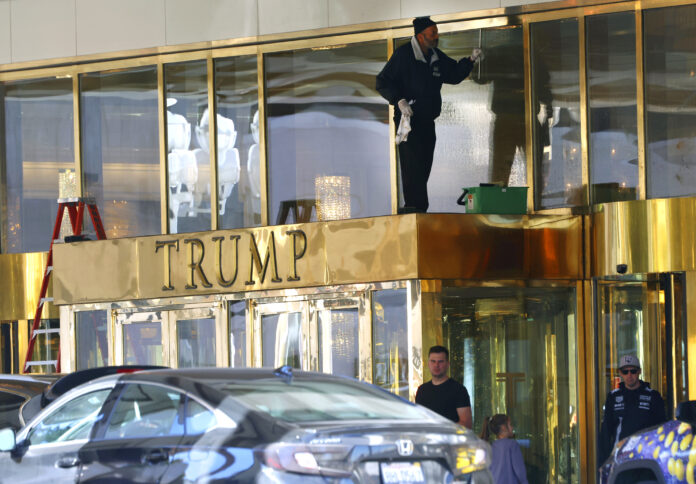
Un trabajador limpia las ventanas del Hotel Internacional Trump, el jueves 2 de enero de 2025, en Las Vegas. (Bizuayehu Tesfaye/Las Vegas Review-Journal via AP)
n soldado que murió en la explosión de una camioneta Cybertruck de Tesla en el Hotel Internacional Trump de Las Vegas dejó una nota diciendo que se trataba de una acción que pretendía servir como una “llamada de atención” para los males que aquejan al país, dijeron el viernes los investigadores.
Matthew Livelsberger, un Boina Verde de 37 años de edad oriundo de Colorado Springs, Colorado, aparentemente no guardaba ningún rencor hacia el presidente electo Donald Trump, informaron los agentes del Departamento de Policía del condado de Clark.
Livelsberger escribió en la nota que necesitaba “limpiar mi mente” de las vidas perdidas de personas que conocía y “la carga de las vidas que tomé”.
“Aunque este incidente es más público y más sensacional de lo habitual, parece ser finalmente un trágico caso de suicidio que involucra a un veterano de combate altamente condecorado que batallaba con un trastorno por estrés postraumático y otros problemas”, dijo el agente especial a cargo del FBI, Spencer Evans, en una conferencia de prensa.
La explosión causó heridas leves a siete personas, pero prácticamente ningún daño al hotel.
“Esto no fue un ataque terrorista, fue una llamada de atención. Los estadounidenses sólo prestan atención a los espectáculos y a la violencia. Qué mejor manera de transmitir mi punto que un ardid con fuegos artificiales y explosivos”, escribió Livelsberger en una carta encontrada por las autoridades, quienes sólo publicaron extractos de ella.
Los investigadores han identificado al conductor del Tesla —quien quedó irreconocible a causa de las quemaduras que sufrió— mientras la oficina del médico forense del condado de Clark dijo que su muerte fue un suicidio causado por la herida de bala.
Funcionarios del Pentágono han rechazado decir si Livelsberger había sufrido problemas de salud mental, pero señalaron que han entregado su historial médico a la policía.
Los nuevos detalles surgieron mientras los investigadores buscaban determinar el motivo de Livelsberger, incluido si buscaba hacer una declaración política con el Tesla y el hotel que lleva el nombre del presidente electo.
El director general de Tesla, Elon Musk, recientemente se ha convertido en miembro del círculo íntimo del presidente electo Donald Trump. Ni Trump ni Musk estaban en Las Vegas el miércoles temprano, el día de la explosión. Ambos habían asistido a la fiesta de Nochevieja de Trump en su residencia del sur de Florida.
Musk gastó aproximadamente 250 millones de dólares durante la campaña presidencial para apoyar a Trump, quien ha nombrado al empresario, el hombre más rico del mundo, para codirigir un nuevo esfuerzo para encontrar formas de reducir el tamaño y el gasto del gobierno.
Los investigadores sospechan que Livelsberger podría haber estado planeando un ataque más dañino, pero el vehículo con lados de acero absorbió gran parte de la fuerza del explosivo construido de forma rudimentaria.
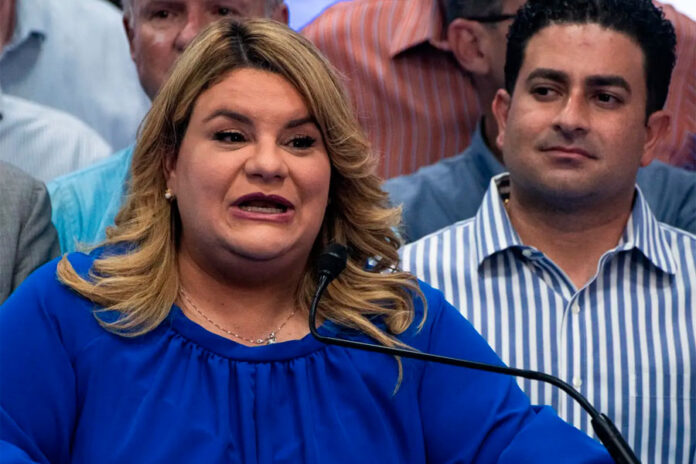
Imagen de archivo de Jenniffer González (c), del Partido Nuevo Progresista, ofrece declaraciones en compañía de su esposo José Jovín Vargas (d) en San Juan (Puerto Rico). (Foto: EFE/Enid M. Salgado Mercado)
San Juan.- La nueva gobernadora de Puerto Rico, Jenniffer González, solicitó este viernes mediante carta al presidente de Estados Unidos, Joe Biden, la declaración de un estado de emergencia energética para la isla tras el apagón general ocurrido hace tres días.
Este llamado busca priorizar la atención federal para resolver esta crisis que afecta tanto a los ciudadanos como a los sectores industriales de la isla, un Estado Libre Asociado a EE. UU., según el comunicado.
Puerto Rico sufrió un apagón masivo en vísperas de Año Nuevo debido a una avería en una línea soterrada y, aunque se ha restablecido el servicio eléctrico, en los últimos días se han registrado interrupciones temporales debido a la falta de generación.
La red eléctrica de Puerto Rico es muy frágil desde que quedó destrozada tras el paso del huracán María en 2017 y, para su reconstrucción, el Gobierno estadounidense ha aprobado millonarios fondos federales.
González, quien asumió ayer el cargo de gobernadora, también firmó una serie de órdenes ejecutivas dirigidas a optimizar los procesos de permisos y atender la situación crítica de infraestructura vial en la isla.
Estas medidas buscan simplificar trámites, agilizar proyectos federales y atender deslizamientos que afectan a las carreteras tras los huracanes de los últimos años, según el comunicado.
La primera orden ejecutiva establece la creación de un grupo de trabajo para identificar procesos innecesarios y recomendar la derogación de leyes que no se alineen con la política pública.
Este equipo, que tiene un plazo de 60 días para presentar sus recomendaciones, también tiene como objetivo proponer un nuevo reglamento de permisos y agilizar las aprobaciones relacionadas con proyectos financiados con fondos federales.
La segunda orden ejecutiva busca poner en vigor disposiciones de las leyes 118-2024,119-2024y 131-2024 y disponer de procesos para agilizar permisos de proyectos financiados con fondos federales, proyectos designados como críticos o estratégicos y proyectos de emergencia.
En cuanto a la tercera, esta declara un estado de emergencia ante la condición crítica de la infraestructura vial y los deslizamientos ocurridos en diversas carreteras.
Esta medida busca implementar acciones inmediatas para garantizar la seguridad pública, la continuidad del tránsito y la conectividad vial.
Durante el periodo de vigencia de esta declaración, se activará un proceso expedito que exime al Departamento de Transportación y Obras Públicas (DTOP), la Autoridad de Carreteras y Transportación (ACT) y otras agencias gubernamentales de cumplir con requisitos ordinarios relacionados con permisos y consultas.
Esta exención incluye permisos de la Oficina de Gerencia de Permisos (OGPe), el Departamento de Recursos Naturales y Ambientales (DRNA) y el Instituto de Cultura Puertorriqueña (ICP).
«Estas acciones son necesarias para atender de manera efectiva las emergencias que comprometen la seguridad y el bienestar de nuestra población», concluyó la gobernadora.
El cirujano general de Estados Unidos -la máxima autoridad sanitaria del país-, Vivek Murthy, recomendó este viernes que las bebidas alcohólicas incluyan una advertencia sobre el riesgo de cáncer y dijo que los límites recomendados para el consumo de alcohol deberían ser reevaluados.
«El consumo de cualquier tipo de alcohol (cerveza, vino o licores) aumenta el riesgo de al menos siete tipos de cáncer, incluidos los cánceres de mama en las mujeres, colorrectal, esófago, hígado, boca, garganta y laringe», destacó Murthy en X hoy.
De acuerdo con el experto, el alcohol es la tercera causa prevenible de cáncer en EE. UU., y contribuye a unos 100.000 casos de la enfermedad y 20.000 muertes cada año en el país.
Murthy destacó que un mayor consumo de alcohol aumenta el riesgo de cáncer relacionado con el alcohol, pero que solo el 45 % de los adultos estadounidenses saben que el consumo de alcohol aumenta su riesgo de desarrollar cáncer.
Es por ello que el cirujano general recomendó hoy que el Congreso debería autorizar una actualización en las etiquetas de las bebidas para «incluir una advertencia sobre el riesgo de cáncer». Algo parecido a los mensajes que ya se ven en las cajetillas de tabaco.
Las actuales etiquetas de las bebidas alcohólicas en EE. UU. advierten sobre el peligro del consumo de alcohol durante el embarazo y el impacto del alcohol en la conducción de automóviles o el manejo de maquinaria. Mensaje que no se ha actualizado desde 1988.
El pasado junio, Murthy abogó por introducir avisos -como los del tabaco y el alcohol- sobre la salud mental en las redes sociales.
El presidente electo, Donald Trump, que asumirá el cargo el 20 de enero, ha anunciado a Janette Nesheiwat, médica de medicina familiar y de urgencias y ex colaboradora de Fox News, como su elección para la próxima cirujana general.