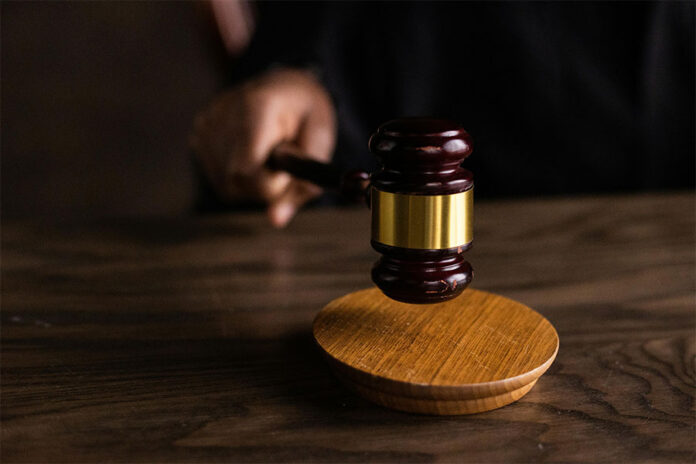
Los bloqueadores de la pubertad son medicamentos prescritos a algunos niños que sufren disforia de género. (Foto: Ilustrativa/Pexels)
El gobierno británico prohibió indefinidamente el miércoles el uso de bloqueadores de pubertad para niños con disforia de género después de que expertos independientes determinaran que existe un riesgo inaceptable al prescribir este medicamento.
La decisión, que será revisada en 2027, de hecho prohíbe un tratamiento común para jóvenes que buscan transiciones. También contradice los estándares mantenidos por grupos médicos como las Asociaciones Profesionales Europeas y Mundiales para la Salud Transgénero, así como la Asociación Médica Estadounidense y la Academia Estadounidense de Pediatría.
La prohibición impedirá la prescripción de medicamentos supriman o pausen la pubertad en niños con disforia de género, proporcionando más tiempo para considerar opciones que podrían incluir la reasignación de género.
El anuncio llega después de que un juez este verano respaldara una prohibición de emergencia en una sentencia que indicaba que el tratamiento era potencialmente dañino. La prohibición de emergencia fue establecida por el gobierno conservador y ahora ha sido extendida por el gobierno laborista.
La prohibición no se aplica a aquellos que ya están recibiendo bloqueadores de pubertad para disforia de género, a su uso en estudios clínicos o en el tratamiento de niños con pubertad precoz, una condición médica poco común.
Se aplica en todo el Reino Unido después de una consulta con los gobiernos escocés y galés, y un acuerdo con Irlanda del Norte.
El secretario de Salud, Wes Streeting, dijo que el próximo año se establecerá un ensayo clínico para evaluar mejor el uso de los medicamentos.
“Necesitamos actuar con precaución y cuidado cuando se trata de este grupo vulnerable de jóvenes, y seguir el consejo de los expertos”, dijo Streeting.
El Servicio Nacional de Salud en Inglaterra dejó de prescribir bloqueadores de pubertad en clínicas de identidad de género el año pasado, diciendo que no había suficiente evidencia sobre los beneficios y daños.
En julio, la jueza Beverley Lang dijo que una revisión encargada por el Servicio Nacional de Salud encontró “riesgos muy sustanciales y beneficios muy limitados” para el tratamiento. Concluyó que la atención de género es un área de “evidencia notablemente débil” y que los jóvenes han sido atrapados en un “discurso social tormentoso”.
La Asociación Médica Británica, que señaló que la revisión del Servicio Nacional de Salud fue controvertida e incluyó entre sus críticos a pacientes, académicos, científicos y expertos legales, votó para llevar a cabo una evaluación basada en evidencia de ese informe.
La demanda judicial fue presentada por el grupo TransActual y un joven que no puede ser nombrado, según una orden judicial.
TransActual criticó la decisión del miércoles, diciendo que los bloqueadores de pubertad se han usado por 40 años y que no se ha demostrado que planteen un peligro.
“Prohibir medicamentos sin evidencia de daño grave, solo para personas trans… es discriminación pura y simple”, dijo Keyne Walker, director de estrategia del grupo. “Siguen apareciendo evidencias del daño causado por la prohibición temporal y seguro aumentarán ahora que se ha hecho permanente”.
Philadelphia. – United States Attorney Jacqueline C. Romero announced that Nateirah Ortiz, 25, of Upper Darby, Pennsylvania, was sentenced today to 96 months in prison, five years of supervised release, and a $300 special assessment by United States District Court Judge Chad F. Kenney, for one count of carjacking; one count of carrying and using a firearm during, and in relation to, the commission of a crime of violence; and one count of possession of a firearm by a felon.
Ortiz was indicted on those violations in April of this year. She pleaded guilty in August, admitting to carjacking a man at approximately 7 p.m. on January 31, 2024, in South Philadelphia. As part of her plea, the defendant also admitted to carrying and using a firearm to commit this offense.
According to the publicly filed documents in this case, the victim reported being carjacked on the 1100 block of Washington Avenue. He relayed that, while walking to his vehicle, a silver 2018 Toyota RAV4, the defendant demanded his car keys and pointed a gun at him. The victim complied, giving the defendant his key, and ran to a nearby business for assistance calling 911. The defendant entered the victim’s vehicle and fled the scene.
Information about the incident was soon broadcast via police radio citywide. At approximately 9:17 p.m., 24th District police officers on patrol observed the carjacked vehicle traveling on the 3100 block of Kensington Avenue and attempted to conduct a vehicle investigation. The officers stopped their vehicle in front of the RAV4 and another police unit stopped behind it. After waiting for the officers to get out of their car and approach her, Ortiz fled at a high rate of speed, nearly striking their police vehicle in the process. The officers immediately went over the air requesting assistance, and units in the area began searching for the carjacked vehicle.
As police officers drove down Richmond Street, they observed that a RAV4 fitting that description had crashed into several cars parked on the 3700 block of Richmond. The officers saw the defendant walking away from the scene and apprehended her, with police recovering a loaded handgun from underneath a parked van a few feet away.
“Gunpoint carjackings are terrifying for victims and unsettling for the entire community,” said U.S. Attorney Romero. “That’s why this office will continue to work hand-in-hand with the Philadelphia Police Department and ATF to prosecute these violent offenders. As Nateirah Ortiz’s sentence shows, committing a carjacking in our city is a life-changing decision. A crime that took just moments will land you in prison for years.”
“Nateirah Ortiz is going back to prison for a senseless and dangerous crime — carjacking a man at gunpoint, endangering the neighborhood and police as she sped away, and wrecking multiple cars,” said Eric DeGree, Special Agent in Charge of the ATF Philadelphia Field Division. “Working together with the Philadelphia Police Department in the Carjacking Task Force, we will continue to hold carjackers accountable and help keep Philadelphia’s streets safe.”
“Today’s sentencing is a powerful reminder of the impact we can have when law enforcement agencies stand shoulder-to-shoulder,” said Police Commissioner Kevin J. Bethel. “Through constant collaboration with our federal partners — particularly the U.S. Attorney’s Office and the ATF — we’ve sent a clear message that violent crime will be met with swift, decisive action. By working together, we ensure that those who endanger our communities are held fully accountable, and we reinforce our shared commitment to keeping every Philadelphian safe.”
This case is part of Project Safe Neighborhoods (PSN), a program bringing together all levels of law enforcement and the communities they serve to reduce violent crime and gun violence, and to make our neighborhoods safer for everyone. On May 26, 2021, the department launched a violent crime reduction strategy strengthening PSN based on these core principles: fostering trust and legitimacy in our communities, supporting community-based organizations that help prevent violence from occurring in the first place, setting focused and strategic enforcement priorities, and measuring the results.
The case was investigated by the Bureau of Alcohol, Tobacco, Firearms and Explosives and the Philadelphia Police Department and is being prosecuted by Assistant United States Attorneys Anthony J. Carissimi and Robert E. Eckert.
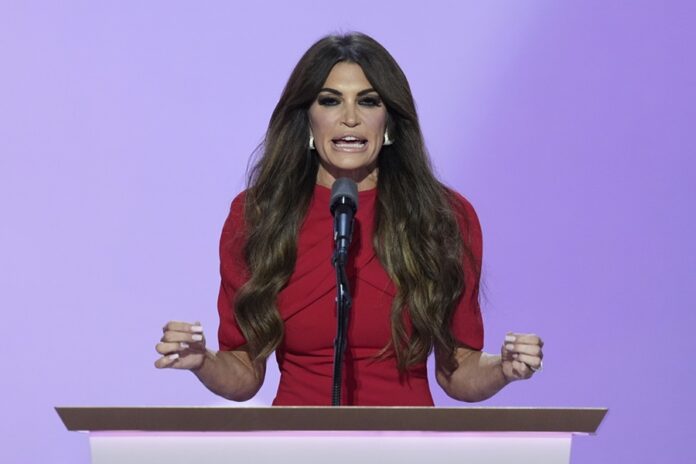
Kimberly Guilfoyle habla durante la Convención Nacional Republicana, el 17 de julio de 2024, en Milwaukee. (Foto AP/J. Scott Applewhite)
WASHINGTON— El presidente electo Donald Trump realizó otra serie de nominaciones el martes, y postuló a Andrew Ferguson como el nuevo presidente de la Comisión Federal de Comercio (FTC, por sus siglas en inglés), a Ron Johnson como embajador en México, y a Kimberly Guilfoyle como embajadora en Grecia.
Ferguson, quien ya es uno de los cinco comisionados de la FTC, reemplazará a Lina Khan, quien se convirtió en un punto de controversia para Wall Street y Silicon Valley al bloquear miles de millones de dólares en adquisiciones corporativas y demandar a Amazon y Meta por supuesto comportamiento anticompetitivo.
“Andrew tiene un historial probado de enfrentarse a la censura de las grandes empresas tecnológicas y de proteger la libertad de expresión en nuestro gran país”, escribió Trump en la red social Truth Social. “Andrew será el presidente de la FTC más orientado a Estados Unidos y más proinnovación en la historia de nuestro país”.
Johnson —no el senador republicano— fungió como embajador de Estados Unidos en El Salvador durante el primer mandato de Trump. Su nombramiento llega en un momento en que el presidente electo ha estado amenazando con imponer aranceles a las importaciones mexicanas y con la deportación masiva de inmigrantes que han llegado a la frontera entre Estados Unidos y México. Johnson también fue miembro del Ejército de Estados Unidos y trabajó para la CIA.
Guilfoyle es una exfiscal de California y personalidad de noticieros de televisión que lideró la recaudación de fondos para la campaña de 2020 de Trump y se comprometió con Don Jr. en 2020. Trump se refirió a ella como “una amiga cercana y aliada” y elogió su “intelecto agudo que la hace supremamente calificada”. Guilfoyle estuvo en el escenario con la familia durante la noche de las elecciones.
“Estoy muy orgulloso de Kimberly. Ella ama a Estados Unidos y siempre ha querido servir al país como embajadora. Será una líder increíble para Estados Unidos Primero”, publicó Don Jr.
Tom Barrack fue nominado para fungir como embajador de Estados Unidos en Turquía. Barrack, un financiero adinerado, conoció a Trump en la década de 1980 mientras ayudaba a negociar la compra del renombrado Hotel Plaza por parte de Trump. Fue acusado de usar su cercanía con Trump para promover secretamente los intereses de los Emiratos Árabes Unidos, pero fue absuelto de todos los cargos en un juicio federal en 2022.
Trump se refirió a Barrack como una “voz de la razón bien respetada y experimentada”.
Los puestos de embajador deben ser ratificadas por el Senado de Estados Unidos.
Los Ángeles (EE.UU.).- El Departamento de Seguridad Nacional (DHS) anunció este martes la regla final que aumenta la extensión automática del permiso de empleo para ciertas categorías de inmigrantes, una medida aplaudida por los activistas y los empresarios que protege a estos trabajadores ante la llegada de Donald Trump a la Casa Blanca.
En un comunicado, el DHS dijo que la extensión de la validez hasta 540 días hace parte de los esfuerzos del gobierno del presidente Joe Biden para reducir las interrupciones en la contratación de inmigrantes autorizados, que en muchos casos debían abandonar sus puestos en espera a la renovación del permiso.
Subrayó que la necesidad de esta extensión “es clara”, ya que el Servicio de Inmigración y Ciudadanía (USCIS) ha recibido una cifra récord de solicitudes de permisos de trabajo este año.
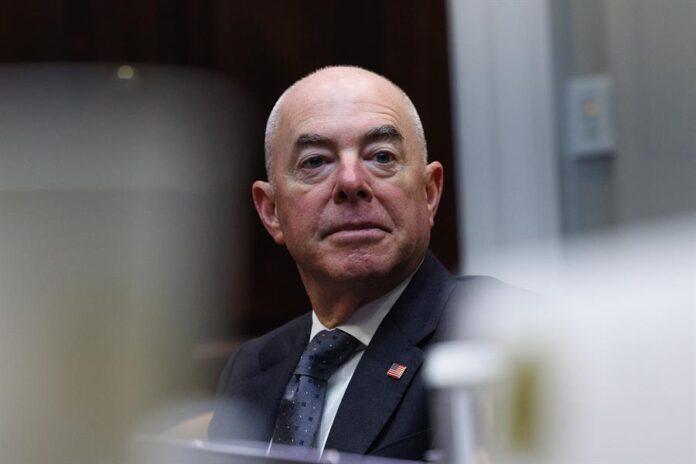
“(La extensión automática) ayudará a eliminar la burocracia que agobia a los empleadores, a asegurar que cientos de miles de personas elegibles para empleo puedan continuar contribuyendo a nuestras comunidades”, dijo en el comunicado el secretario del DHS, Alejandro Mayorkas.
La extensión automática entrará en vigencia el 13 de enero de 2025.
Defensores de los inmigrantes como Todd Schulte, presidente de FWD.us, aplaudieron la medida.
El activista dijo en un comunicado que la extensión es un “alivio crucial” a cientos de miles de trabajadores inmigrantes y sus familias, protegiéndolos de perder el empleo y el acceso a las licencias de conducir debido a demoras en el procesamiento.
Por su parte el abogado de inmigración Fernando Romo, asesor de la Asociación de Salvadoreños de Los Ángeles (Asosal), dijo a EFE que la extensión llega en un momento crucial ya que el presidente electo, Donald Trump, y sus aliados han criticado la extensión automática de los permisos de trabajo por largos periodos.
“Esto puede beneficiar a los inmigrantes que corren el riesgo de perder su permiso de trabajo bajo la nueva administración de Trump, y extiende el tiempo en que están protegidos contra una deportación”, agregó el abogado.
Esta es la medida más reciente tomada por la administración demócrata para ayudar a los inmigrantes autorizados. Biden ha adoptado más medidas ejecutivas relacionadas con la inmigración (605) que Trump en su primer mandato (472), imponiendo un número récord en esa materia, según un informe difundido este martes por el Instituto de Política Migratoria (MPI).
No obstante, Schulte dijo que el Gobierno Biden tiene una ventana de acción para “tomar medidas” como la redesignación del Estatus de Protección Temporal (TPS) para ciertos países.
Un juez federal en Dakota del Norte falló a favor de 19 estados que impugnaron una regla de la administración Biden que permite —por primera vez— que las personas traídas a Estados Unidos de niños, sin papeles, conocidas como Dreamers, se inscribieran para obtener cobertura de salud a través de los mercados establecidos por la Ley de Cuidado de Salud a Bajo Precio (ACA).
La decisión prohíbe a los beneficiarios del programa de Acción Diferida para los Llegados en la Infancia (DACA) en esos 19 estados inscribirse o recibir subsidios para pagar los planes de ACA.
Abogados que siguen el caso dijeron que este fallo no parece afectar la inscripción ni la cobertura en otros estados.
La administración Biden probablemente apelará, aunque un representante de los Centros de Servicios de Medicare y Medicaid (CMS,) la entidad federal que coordina estos mercados, dijo por correo electrónico que la agencia no comentará sobre el litigio.
Aunque se podría presentar una apelación rápidamente, una decisión final podría no ocurrir antes de que comience la próxima administración Trump. “Podrían tomar una posición diferente sobre el litigio”, dijo Zachary Baron, experto legal de Georgetown Law, quien ayuda a administrar el O’Neill Institute Health Care Litigation Tracker.
Mientras tanto, no está claro qué sucederá con los Dreamers inscritos en los 19 estados cuya cobertura ya comenzó o comienza a principios del próximo año, aunque la decisión del juez no menciona que sea retroactiva, señaló Baron.
El caso fue presentado en agosto en el Tribunal de Distrito de los EE. UU. para el Distrito de Dakota del Norte.
Anteriormente, el gobierno federal estimó que alrededor de 100.000 personas sin seguro, de medio millón de beneficiarios de DACA, podrían inscribirse a partir del 1 de noviembre, la fecha de inicio de la temporada de inscripción en todos los estados excepto Idaho.
La regla de la administración Biden, finalizada en mayo, aclaró que quienes califican para DACA serían considerados como “presentes legalmente” en el país a los propósitos de inscripción en planes de salud de ACA, que están disponibles para ciudadanos estadounidenses e inmigrantes denominados “presentes legalmente”.
Al otorgar una orden judicial preliminar y una suspensión, el juez federal Daniel Traynor, nombrado en 2019 por el entonces presidente Donald Trump, señaló en su fallo del lunes 9 de diciembre que es probable que los demandantes ganaran gracias a los méritos de su argumento.
Los estados que impugnan la regla de ACA argumentan que causará cargas administrativas y de recursos al aumentar el número de inscritos y que alentará a más personas a permanecer en el país sin documentos legales.
Además de Kansas y Dakota del Norte, los estados que se unieron a la demanda son Alabama, Arkansas, Florida, Idaho, Indiana, Iowa, Kentucky, Missouri, Montana, Nebraska, New Hampshire, Ohio, Carolina del Sur, Dakota del Sur, Tennessee, Texas y Virginia.
“El fallo del juez Traynor es tanto decepcionante como erróneo en cuanto a la ley”, dijo Nicholas Espíritu, subdirector legal del Centro Nacional de Leyes de Inmigración, en un comunicado por correo electrónico.
“Mientras estudiamos la decisión del tribunal para evaluar los próximos pasos en este caso, continuaremos luchando en nombre de nuestros clientes y cientos de miles de beneficiarios de DACA que han esperado más de una década para acceder a atención vital bajo la Ley de Cuidado de Salud a Bajo Precio”.
DACA fue establecido mediante acción ejecutiva en junio de 2012 por el presidente Barack Obama, protegiendo de la deportación y proporcionando permiso de trabajo a algunos residentes no autorizados traídos al país de niños. Debían cumplir con ciertos requisitos para calificar: haber llegado antes de junio de 2007 y haber completado la escuela secundaria, estar asistiendo a la escuela o servir en el ejército.
Antes de la orden judicial, otros 19 estados y el Distrito de Columbia presentaron un informe en apoyo de la regla de la administración Biden. Liderados por Nueva Jersey, esos estados incluyen muchos en el Este y Oeste del país, como California, Colorado, Nevada, Nuevo México, Nueva York, Oregon y Washington.
Esta historia fue producida por KFF Health News, la redacción nacional enfocada en el tratamiento en profundidad de temas de salud que es uno de los principales programas de KFF, la fuente independiente de investigación de políticas de salud, encuestas y periodismo.
With the theme of “Celebrating Together,” the Shapiro-Davis Administration hosted the annual Harrisburg tradition, lighting a 24-foot Douglas Fir from Carbon County in the Capitol Rotunda decorated by Pennsylvania’s children and older adults.
Harrisburg, PA – Today, Governor Josh Shapiro, First Lady Lori Shapiro, Lieutenant Governor Austin Davis, andDepartment of General Services Secretary Reggie McNeil kicked off the holiday season at the Capitol in Harrisburg with the 2024 Annual Tree Lighting Ceremony.
«I’m thrilled to once again celebrate this cherished holiday tradition by lighting the beautiful 24-foot Douglas Fir from Carbon County,» said Governor Shapiro. «This season is all about coming together, and I hope every Pennsylvanian finds time to reflect, connect with loved ones, and embrace the joy of the holidays. From Lori, our children, and me, we wish you a Merry Christmas, Happy Holidays, and a wonderful New Year.»
The tree is a 24-foot Douglas Fir from Crystal Spring Tree Farm in Lehighton, Carbon County. It is decorated with 1,250 LED lights and more than 700 handmade ornaments donated by Pre-K for PA students and older adults from across the Commonwealth. This is the tallest tree to grace the Capitol Rotunda in at least 10 years.
«I want to recognize all of the state workers who have made today possible — the folks from General Services who put up the tree and all of these wonderful decorations, and the team at Commonwealth Media Services that helps produce this event every year. Your hard work often happens behind the scenes, but it is invaluable to making the Capitol a great place to visit and enjoy this festive time of year,» said Lieutenant Governor Davis.
The Governor was also joined by Department of Agriculture Deputy Secretary Fred Strathmeyer, Reverend Anjel Scarborough of All Saints Episcopal Church in Hershey, PA, and dozens of Pre-K for PA students and staff for the holiday celebration.
The Central Dauphin High School Choir led the audience in singing Christmas carols and Santa Claus made an appearance. In addition to the Rotunda Tree, there is another Douglas Fir — also from Crystal Spring Tree Farm — located outdoors on the Capitol steps.
The tree in the Rotunda will be lit daily from 8:00 AM to 8:00 PM and the tree on the Capitol steps will be lit daily from 5:00 PM to midnight through January 8, 2025.
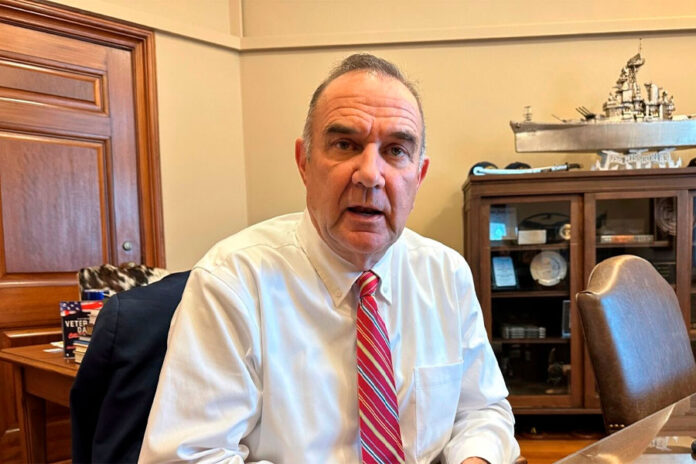
El vicegobernador de Missouri, Mike Kehoe, habla en su oficina del Capitolio en Jefferson City, Mo., el viernes 6 de diciembre de 2024. (Foto: VOA)
Algunos gobernadores y legisladores republicanos en varios estados de EE. UU. ya están proponiendo iniciativas que podrían facilitar el cumplimiento de Trump de deportar a millones de personas.
Mientras el presidente electo Donald Trump forma su gabinete, gobernadores y legisladores republicanos en algunos estados ya están presentando propuestas que podrían ayudarlo a cumplir su promesa de deportar a millones de personas que viven en Estados Unidos de forma no autorizada.
Legisladores en un número creciente de estados están proponiendo otorgar a las fuerzas del orden locales el poder de arrestar a personas que ingresaron al país ilegalmente, reflejando leyes recientes en Texas y otros lugares que han sido suspendidas mientras los tribunales evalúan si usurpan inconstitucionalmente la autoridad federal.
Otra legislación presentada antes de las sesiones legislativas del próximo año requeriría que las agencias locales de aplicación de la ley notifiquen al Servicio de Control de Inmigración y Aduanas de Estados Unidos (ICE, por sus siglas en inglés) cuando detengan a alguien que está en el país ilegalmente, incluso si los cargos no tienen nada que ver con su estado migratorio.
Aunque no fueron solicitadas específicamente por Trump, muchas de las propuestas estatales complementarían sus políticas de inmigración.
“Encontraríamos a personas que están violando esta ley, y las entregaríamos de manera directa al puerto de deportación más cercano para que puedan ser removidas de manera segura y ordenada”, dijo el senador estatal de Missouri, Curtis Trent, quien está patrocinando una de las propuestas.
El Departamento de Seguridad Nacional de Estados Unidos calcula que 11 millones de migrantes no autorizados vivían en el país en 2022, según las últimas estadísticas disponibles. Durante su campaña, Trump habló de crear “el programa de deportación masiva más grande de la historia” y propuso usar la Guardia Nacional y las fuerzas policiales domésticas en la medida.
Algunos estados liderados por demócratas ya están mostrando resistencia. La Asamblea Legislativa de California ha convocado una sesión especial para intentar proteger a las personas de las posibles políticas de Trump, incluido el aumento de la ayuda legal para los migrantes que enfrentan la deportación.
Es probable que legisladores en numerosos estados intenten frustrar o cooperar con la agenda de inmigración de Trump, dijo el lunes Tim Storey, director general de la Conferencia Nacional de Legislaturas Estatales.
En Missouri, el proyecto de ley de Trent otorgaría a los agentes locales el poder de arrestar a personas por un nuevo delito estatal de “entrada indebida por un extranjero”, punible con una multa de hasta 100.000 dólares y un traslado ordenado por la corte a la frontera de Estados Unidos.
Otro proyecto de ley, propuesto por el senador estatal electo de Missouri, David Gregory, también crearía un delito estatal y ofrecería una recompensa de 1.000 dólares a los informantes que alerten a la policía sobre personas que están en el país ilegalmente. Permitiría que cazadores de recompensas privados los encuentren y detengan.
Si bien algunas jurisdicciones se niegan a cooperar con los funcionarios de inmigración federales, “estamos dando un paso adelante y encontrando una manera de ayudar”, dijo Gregory en un comunicado el martes.
El gobernador electo republicano de Missouri, Mike Kehoe, no ha respaldado un plan legislativo específico después de hacer campaña contra la inmigración ilegal y la plaga de fentanilo que se contrabandea a través de la frontera de Estados Unidos. Pero le dijo a The Associated Press: “Si están aquí ilegalmente, definitivamente eso debería activar algo más de lo que lo hace actualmente”.
Los grupos de defensa de los migrantes ya están expresando alarma sobre algunas propuestas estatales. El sistema de recompensas propuesto en Missouri “crearía un caos absoluto y división”, dijo Ashley DeAzevedo, presidenta de American Families United, un grupo que aboga por ciudadanos estadounidenses casados con extranjeros.
Más de 4 de cada 10 votantes dijeron que la mayoría de los migrantes que están en Estados Unidos ilegalmente deberían ser deportados al país del que vinieron, según AP VoteCast, una encuesta de más de 120.000 votantes en las elecciones de este año. Eso es un aumento respecto a aproximadamente 3 de cada 10 en 2020.
Más de la mitad de los votantes dijeron que la mayoría de los migrantes que se encuentran en Estados Unidos ilegalmente deberían tener la oportunidad de solicitar un estatus legal, una disminución respecto a aproximadamente 7 de cada 10 que afirmaron esto en 2020, según AP VoteCast.
Muchos republicanos señalan a Texas como un modelo para la aplicación de la ley de inmigración. Su programa Operation Lone Star de 11 mil millones de dólares ha erigido alambre de púas y otras barreras a lo largo de la frontera con México, ha estacionado a policías estatales y miembros de la Guardia Nacional de Texas en ciudades fronterizas y ha enviado en autobús a miles de migrantes a ciudades “santuario” lideradas por demócratas como Nueva York, Chicago, Denver, Filadelfia y Washington.
Los agentes de Texas también han hecho decenas de miles de arrestos, incluidos muchos por invasión de propiedad privada.
Tom Homan, el “zar de la frontera” de Trump, visitó Texas el mes pasado y dijo que sus tácticas de seguridad fronteriza pueden ser un modelo para el gobierno de Trump. La oficina del gobernador de Texas, Greg Abbott, confirmó que ha estado en contacto regular con el equipo de Trump sobre estrategias.
Siguiendo el ejemplo de Texas, las legislaturas lideradas por republicanos en Iowa, Louisiana y Oklahoma aprobaron medidas que permiten a los agentes arrestar a personas que están en Estados Unidos ilegalmente.
Poco después de la elección de Trump, el gobernador de Oklahoma, Kevin Stitt, anunció que estaba trabajando en un plan para deportar a algunos de los más de 500 migrantes que actualmente están en prisiones de Oklahoma y que no son ciudadanos con estatus legal.
Los votantes de Arizona también aprobaron el mes pasado una medida electoral que permite a la policía local arrestar a migrantes sospechosos de ingresar ilegalmente desde México, aunque no entrará en vigor hasta que una ley similar en Texas u otro estado haya estado en vigor durante 60 días consecutivos.
Otras medidas estatales republicanas buscan aumentar la cooperación entre los oficiales de la ley locales y los funcionarios de inmigración federales.
El gobernador de Utah, Spencer Cox, anunció recientemente una iniciativa para mejorar la coordinación con los funcionarios federales para identificar a los migrantes indocumentados en el sistema de justicia penal del estado y entregarlos para su deportación. Cox dijo que habrá “tolerancia cero” para “aquellos que demuestren ser una amenaza para la seguridad pública mientras están en el país ilegalmente”.
Una ley de Georgia promulgada a principios de este año requiere que los carceleros verifiquen el estatus migratorio de los reclusos y soliciten ayuda para hacer cumplir las leyes federales de inmigración.
La medida ganó tracción después del asesinato de la estudiante de la Universidad de Georgia, Laken Riley. Un hombre venezolano que había ingresado a Estados Unidos ilegalmente fue condenado por matarla y sentenciado a cadena perpetua.
La asamblea legislativa controlada por los republicanos de Carolina del Norte el mes pasado anuló un veto del gobernador demócrata Roy Cooper para promulgar una ley que ordena a los jefes de policía locales cumplir con las solicitudes de los agentes de inmigración federales para retener a los reclusos. Esto ocurrió después de que varios jefes de policía demócratas de condados urbanos se negaran a cooperar con el ICE.
Otros gobernadores demócratas que enfrentan legislaturas lideradas por republicanos están resistiendo la posibilidad de planes de deportación generalizados. La gobernadora demócrata de Kansas, Laura Kelly, dijo que apoya la deportación de personas que cometen delitos mientras viven en Estados Unidos ilegalmente, pero no enviará a la Guardia Nacional para ayudar a hacer cumplir las leyes federales de inmigración.
El gobernador demócrata de Wisconsin, Tony Evers, quien también enfrenta una asamblea legislatvia liderada por republicanos, dijo que los migrantes indocumentados “son una parte realmente importante de nuestra economía” en sectores como la agricultura y la manufactura.
“Tratar de sacarlos del país es irracional”, dijo Evers. “Así que haremos todo lo posible por evitarlo”.
Luigi Mangione, de 26 años, sospechoso del asesinato en la ciudad de Nueva York del ejecutivo de UnitedHealth Brian Thompson, llega para su comparecencia ante el juzgado del condado de Blair en Hollidaysburg, Pensilvania, el 9 de diciembre de 2024. (Foto: VOA)
El sospechoso de ejecutar al principal ejecutivo de UnitedHealth, Luigi Mangione, no tiene antecedentes penales y una persona con su nombre tiene presencia en redes sociales donde critica la Inteligencia Artificial. Aquí explicamos lo que se conoce de este joven de 26 acusado de asesinato.
Las publicaciones de Luigi Mangione, el joven de 26 años que la policía de Nueva York mencionó como el sospechoso del asesinato de un ejecutivo de seguros de salud la semana pasada en Nueva York, retratan a un graduado de la Ivy League que se había vuelto crítico de las redes sociales y la inteligencia artificial.
Esto es lo que se sabe sobre Luigi Mangione:
¿Qué dice la policía?
Mangione nació y se crió en Maryland, fue a la universidad en Pensilvania y se cree que tenía «mala voluntad hacia las corporaciones estadounidenses» de acuerdo con un documento que se le encontró, dijo Joseph Kenny, jefe de detectives de la policía de Nueva York.
Mangione tiene vínculos con San Francisco, vivió en Honolulu hasta hace poco y se cree que actuó por su cuenta, dijo Kenny. No tiene antecedentes penales conocidos en Nueva York, dijo Kenny.
¿Dónde cursó estudios?
Por su nombre ha sido identificado como alumno destacado en 2016 de la escuela privada para varones Gilman School en Baltimore. La escuela no respondió de inmediato a una solicitud de comentarios.
El diario estadounidense The New York Times informó que Gilman envió un correo electrónico el lunes a los exalumnos en el que el director Henry Smyth dijo: «Esta es una noticia profundamente angustiante que se suma a una situación ya terrible».
La Universidad de Pensilvania dijo que una persona llamada Luigi Mangione se graduó en 2020 con una maestría en ciencias de la ingeniería, con especialización en informática y ciencias de la información.
La Universidad de Stanford dijo que una persona con el mismo nombre fue empleada como consejero principal en el programa de Estudios Preuniversitarios de Stanford entre mayo y septiembre de 2019.
¿Dónde ha trabajado y qué ha opina excolega?
Luigi Mangione trabajó para TrueCar hasta 2023, según un portavoz del sitio de venta minorista de automóviles.
Un colega, ingeniero de software en TrueCar, dijo que Mangione lo ayudó a escribir un código particularmente difícil. «Tiene que haber un error. El Luigi que conozco es un tipo súper amable», dijo el excolega, que pidió permanecer en el anonimato para evitar la atención en las redes sociales.
«Todo lo que recuerdo es un tipo muy dulce. Siempre dispuesto a ayudar a la gente. Muy inteligente», afirmó la fuente cuya identidad está bajo reserva.
¿Qué dicen las redes sociales?
Un perfil de Facebook de Luigi Mangione lo identifica como oriundo de Towson, Maryland. Los medios locales dijeron que su familia era dueña de un club de campo y una estación de radio en el área de Baltimore y que su primo era el miembro de la Cámara de Delegados de Maryland, Nino Mangione. El legislador no respondió de inmediato a una solicitud de comentarios.
Un banner en la página X de Mangione, que dice que vive en Honolulu, incluye una imagen de rayos X de lo que parecen ser tornillos y placas insertados en la espalda baja de alguien.
Las publicaciones de X de hace dos años incluyen críticas a la inteligencia artificial, publicaciones repetidas de comentarios en contra de los programas de diversidad, equidad e inclusión, y comentarios sobre cómo los teléfonos inteligentes dañan a los niños y el daño causado por la agricultura comercial.
Una publicación de 2022 analiza su discurso de la escuela secundaria sobre temas que van desde la IA hasta la inmortalidad humana. Las publicaciones parecen cuestionar algunas de las tecnologías que Mangione parecía admirar en la escuela secundaria.
En Goodreads, un Luigi Mangione elogia el libro de Ted Kaczynski, el autor de Unabomber, «La sociedad industrial y su futuro», como «profético» sobre la sociedad moderna.
Al calificar a Kaczynski de «revolucionario político extremo», el autor cita la observación de otro comentarista en línea sobre Unabomber de que «cuando todas las demás formas de comunicación fallan, la violencia es necesaria para sobrevivir». El mensaje también critica a las empresas de combustibles fósiles, diciendo que «la violencia contra quienes nos llevan a tal destrucción se justifica como autodefensa».
Mangione is being held without bail in Pennsylvania on charges of possession of an unlicensed firearm, forgery and providing false identification to police. Late Monday, Manhattan prosecutors charged him with five counts, including murder, criminal possession of a weapon and criminal possession of a forged instrument.
Here’s the latest:
The White House condemns the ‘horrific’ killing of UnitedHealthcare’s CEO
White House press secretary Karine Jean-Pierre says “violence to combat any sort of corporate greed is unacceptable” and the White House will “continue to condemn any form of violence.”
She declined to comment on the investigation into the Dec. 4 shooting death of UnitedHealthcare CEO Brian Thompson or reports that writings belonging to the suspect, Luigi Mangione, said insurance companies care more about profits than their customers.
“This is horrific,” Jean-Pierre said of the fatal shooting of Thompson as he walked in Manhattan.
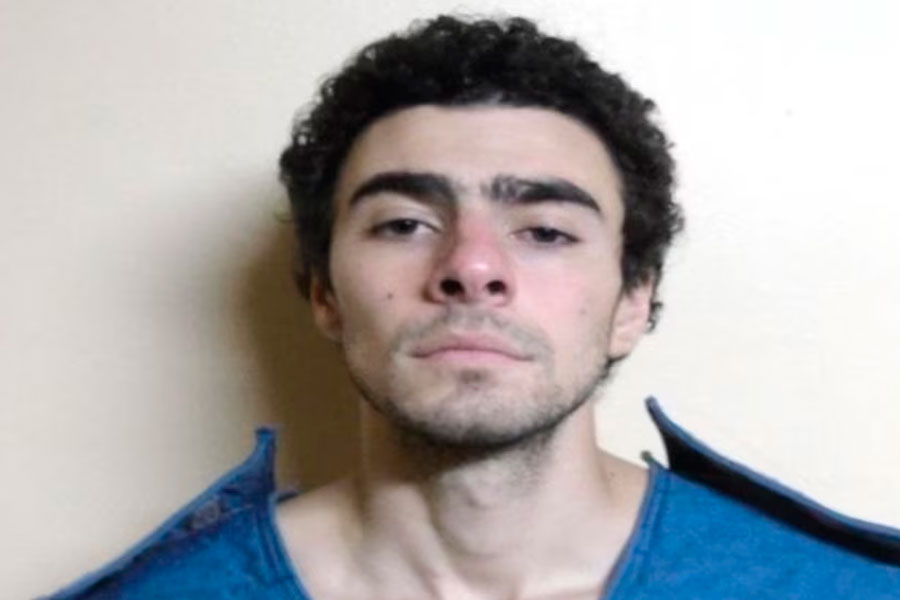
This booking photo released Monday, Dec. 9, 2024, by the Pennsylvania Department of Corrections shows Luigi Mangione, a suspect in the fatal shooting of UnitedHealthcare CEO Brian Thompson. (Photo: AP/Pennsylvania Department of Corrections)
Mangione leaves the courthouse
He didn’t appear to say anything as deputies led him to a waiting car outside.
New York Gov. Kathy Hochul issues a statement on the shooting
“I’m deeply grateful to the men and women of law enforcement whose efforts to solve the horrific murder of Brian Thompson led to the arrest of a suspect in Pennsylvania,” Gov. Hochul said in the statement. “I am coordinating with the District Attorney’s Office and will sign a request for a governor’s warrant to ensure this individual is tried and held accountable. Public safety is my top priority and I’ll do everything in my power to keep the streets of New York safe.”
New York Gov. Kathy Hochul will issue a governor’s warrant for Mangione so he can stand trial in NY
That’s according to a spokesperson for the governor who said Gov. Hochul will do it as soon as possible.
From wealth and success to murder suspect, the life of Luigi Mangione took a hard turn
Luigi Nicholas Mangione, the suspect in the fatal shooting of a healthcare executive in New York City, apparently was living a charmed life: the grandson of a wealthy real estate developer, valedictorian of his elite Baltimore prep school and with degrees from one of the nation’s top private universities.
Friends at an exclusive co-living space at the edge of touristy Waikiki in Hawaii where the 26-year-old Mangione once lived widely considered him a “great guy,” and pictures on his social media accounts show a fit, smiling, handsome young man on beaches and at parties.
Now, investigators in New York and Pennsylvania are working to piece together why Mangione may have diverged from this path to make the violent and radical decision to gun down UnitedHealthcare CEO Brian Thompson in a brazen attack on a Manhattan street.
The killing sparked widespread discussions about corporate greed, unfairness in the medical insurance industry and even inspired folk-hero sentiment toward his killer.
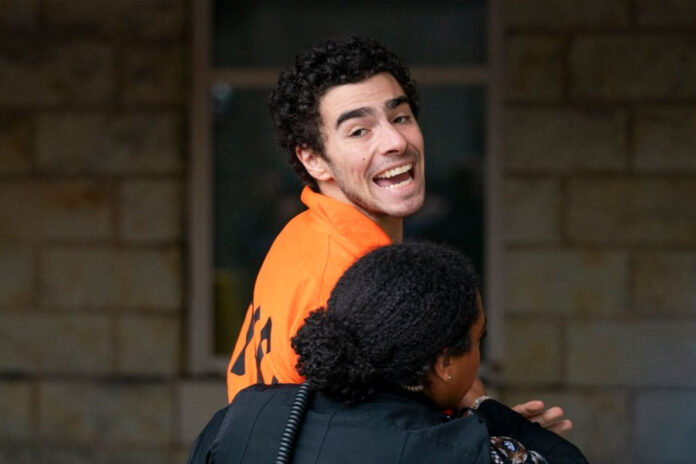
Suspect Luigi Mangione is taken into the Blair County Courthouse on Tuesday, Dec. 10, 2024, in Hollidaysburg, Pa. (Foto: AP/Benjamin B. Braun/Pittsburgh Post-Gazette)
Pennsylvania prosecutor will work with NY officials to return suspect
Peter Weeks, the Blair County district attorney, says he’ll work with New York officials to try to return suspect Luigi Mangione there to face charges.
Weeks said the New York charges are “more serious” than in Blair County.
“We believe their charges take precedent,” Weeks said, promising to do what’s needed to accommodate New York’s prosecution first.
Weeks spoke to reporters after a brief hearing at which a defense lawyer said Mangione will fight extradition. The defense asked for a hearing on the issue. In the meantime, Mangione will be detained at a state prison in western Pennsylvania.
What New York officials will do to bring Mangione back there
Manhattan District Attorney Alvin Bragg’s office said Tuesday it will seek a Governor’s warrant to secure Mangione’s extradition to Manhattan.
Under state law, New York Gov. Kathy Hochul can issue a warrant of arrest demanding Mangione’s return to the state. Such a warrant must recite the facts necessary to the validity of its issuance and be sealed with the state seal. It would then be presented to law enforcement in Pennsylvania to expedite Mangione’s return to New York.
District attorney says Mangione contesting extradition will create ‘extra hoops’ to jump through
But Blair County District Attorney Peter Weeks says it won’t be a substantial barrier to returning Mangione to New York.
He noted that defendants contest extradition “all the time,” including in simple retail theft cases.
In court, Mangione said he understood his rights
Dickey, his defense lawyer, questioned whether the second-degree murder charge filed in New York might be eligible for bail under Pennsylvania law, but prosecutors raised concerns about both public safety and Mangione being a potential flight risk, and the judge denied it.
Mangione will continue to be housed at a state prison in Huntingdon.
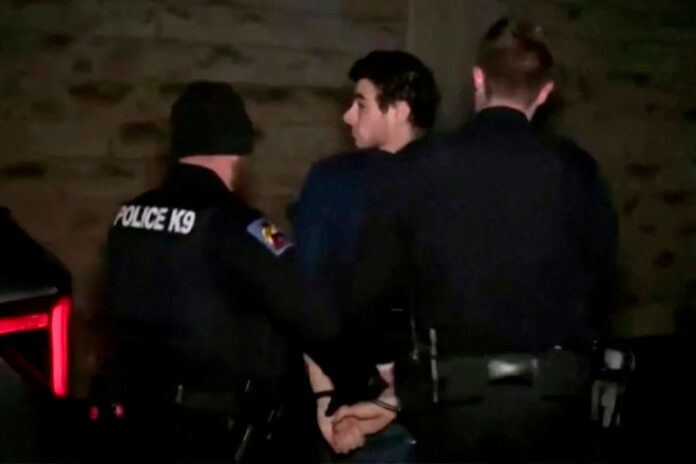
New York Police officers arrive at Altoona Police Department, where a man with a gun thought to be similar to the one used in the killing of UnitedHealthcare CEO Brian Thompson has been taken into police custody for questioning, Monday, Dec. 9, 2024, in Altoona, Pa. (Photo: AP/Gene J. Puskar)
Defense lawyer Thomas Dickey told the court Mangione wants a hearing on the extradition issue
He has 14 days to challenge the detention.
Prosecutors, meanwhile, have a month to seek a governor’s warrant out of New York.
Mangione’s demeanor in court
Mangione, wearing an orange jumpsuit, mostly stared straight ahead at the hearing, occasionally consulting papers, rocking in his chair, or looking back at the gallery.
At one point, he began to speak to respond to the court discussion, but was quieted by his lawyer.
Suspect in the killing of UnitedHealthcare’s CEO is contesting his extradition back to New York
Luigi Mangione, 26, has also been denied bail at a brief court hearing in western Pennsylvania. He has 14 days to challenge the bail decision.
An account on X that appears to belong to Mangione was still up as of Tuesday
That’s with some intervention from owner Elon Musk.
The account, which hasn’t posted since June, was briefly suspended by X. But after a user inquired about it in a post Monday, Musk responded “This happened without my knowledge. Looking into it.” The account was later reinstated.
Other social media companies such as Meta have removed his accounts. According to X rules, the platform removes “any accounts maintained by individual perpetrators of terrorist, violent extremist, or mass violent attacks, as well as any accounts glorifying the perpetrator(s), or dedicated to sharing manifestos and/or third party links where related content is hosted.”
Mangione is not accused of perpetrating a terrorist or mass attack — he has been charged with murder — and his account doesn’t appear to share any writings about the case.
Mangione shouted and struggled with officers as he arrived in court
He shouted something that was partly unintelligible, but referred to an “insult to the intelligence of the American people.”
He’s there for an arraignment on local charges stemming from his arrest Monday.
Mangione arrives at court in Pennsylvania
He was dressed in an orange jumpsuit as officers led him from a vehicle into the courthouse.
Local defense lawyer Thomas Dickey is expected to represent the 26-year-old at a Tuesday afternoon hearing at the Blair County Courthouse. Dickey declined comment before the hearing.
Mangione could have the Pennsylvania charges read aloud to him and may be asked to enter a plea.
They include possession of an unlicensed firearm, forgery and providing false identification to police. In New York, he was charged late Monday with murder in the death of UnitedHealthcare’s CEO Brian Thompson.
Bulletin says Mangione likely motivated by anger toward ‘parasitic’ health insurance companies
Mangione likely was motivated by his anger with what he called “parasitic” health insurance companies and a disdain with corporate greed, said a a law enforcement bulletin obtained by The Associated Press.
He wrote that the U.S. has the most expensive healthcare system in the world and that the profits of major corporations continue to rise while “our life expectancy” does not, according to the bulletin, based on a review of the suspect’s hand-written notes and social media postings.
He appeared to view the targeted killing of the UnitedHealthcare CEO as a symbolic takedown, asserting in his note that he is the “first to face it with such brutal honesty,” the bulletin said.
Mangione called “Unabomber” Ted Kaczynski a “political revolutionary” and may have found inspiration from the man who carried out a series of bombings while railing against modern society and technology, the document said.
Police say they found ‘written admissions about the crime’ in Luigi Mangione’s belongings
A felony warrant filed in New York cites Altoona Officer Christy Wasser as saying she found the writings along with a semi-automatic pistol and an apparent silencer.
The filing echoes earlier statements from NYPD Chief of Detectives Joseph Kenny who said Mangione had a three-page, handwritten document that shows “some ill will toward corporate America.”
Mangione is now charged in Pennsylvania with being a fugitive of justice.
McDonald’s customer: ‘My one friend thought he looked like the shooter’
A customer at the McDonald’s in Altoona, Pennsylvania, where Mangione was arrested said one of his friends had commented beforehand that the man looked like the suspect wanted for the shooting in New York City.
“It started out almost a little bit like a joke, my one friend thought he looked like the shooter,” said the customer, who declined to give his full name, on Tuesday.
“It wasn’t really a joke, but we laughed about it,” he added.
Manhattan prosecutors have obtained a warrant for Mangione’s arrest
The warrant on murder and other charges is a step that could help expedite his extradition from Pennsylvania.
In court papers made public Tuesday, a New York City police detective reiterated key findings in the investigation he said tied Mangione to the killing, including surveillance footage and a fake ID he used to check into a Manhattan hostel on Nov. 24.
Police officers in Altoona, Pennsylvania, found that ID when they arrested Mangione on Monday.
Mangione is being held without bail in Pennsylvania on charges of possession of an unlicensed firearm, forgery and providing false identification to police. Late Monday, Manhattan prosecutors charged him with five counts, including murder, criminal possession of a weapon and criminal possession of a forged instrument.
Mangione doesn’t yet have a lawyer who can speak on his behalf, court officials said.
Pennsylvania authorities release photos of Luigi Mangione at McDonald’s and in cell
Images of Mangione released Tuesday by Pennsylvania State Police showed him pulling down his mask in the corner of the McDonald’s while holding what appeared to be hash browns and wearing a winter jacket and ski cap. In another photo from a holding cell, he stood unsmiling with rumpled hair.
The suspect’s cousin, a Maryland lawmaker, is postponing a fundraiser
Mangione’s cousin, Maryland lawmaker Nino Mangione, announced Tuesday morning that he’s postponing a fundraiser planned later this week at the Hayfields Country Club north of Baltimore, which was purchased by the Mangione family in 1986.
“Because of the nature of this terrible situation involving my Cousin I do not believe it is appropriate to hold my fundraising event scheduled for this Thursday at Hayfields,” Nino Mangione said in a social media post. “I want to thank you for your thoughts, prayers, and support. My family and I are heartbroken and ask that you remember the family of Mr. Thompson in your prayers. Thank you.”
The search for the suspect involved dogs, drones and scuba divers
Officers used New York City’s muscular surveillance system. Investigators analyzed DNA samples, fingerprints and internet addresses. Police went door to door looking for witnesses.
When an arrest came five days later, those sprawling investigative efforts shared credit with an alert civilian’s instincts. A customer at a McDonald’s restaurant in Pennsylvania noticed another patron who resembled the man in the oblique security-camera photos New York police had publicized.
Suspect is expected to be eventually be extradited to New York
He remains jailed in Pennsylvania, where he was initially charged with possession of an unlicensed firearm, forgery and providing false identification to police. By late Monday evening, prosecutors in Manhattan had added a charge of murder, according to an online court docket.
It’s unclear whether Luigi Nicholas Mangione has an attorney who can comment on the allegations. Asked at Monday’s arraignment whether he needed a public defender, Mangione asked whether he could “answer that at a future date.”
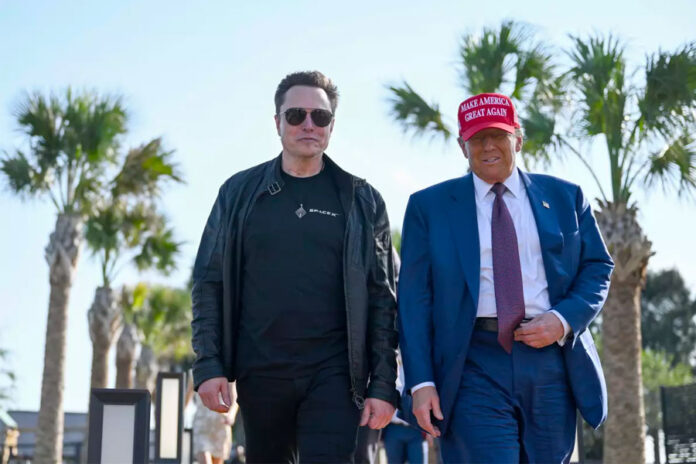
President-elect Donald Trump walks with Elon Musk before the launch of the sixth test flight of the SpaceX Starship rocket Tuesday, Nov. 19, 2024 in Boca Chica, Texas. (Photo: AP/Brandon Bell)
A week after President-elect Donald Trump’s victory, Elon Musk said his political action committee would “play a significant role in primaries.”
The following week, the billionaire responded to a report that he might fund challengers to GOP House members who don’t support Trump’s nominees. “How else? There is no other way,” Musk wrote on X, which he rebranded after purchasing Twitter and moving to boost conservative voices, including his own.
And during his recent visit to Capitol Hill, Musk and entrepreneur Vivek Ramaswamy delivered a warning to Republicans who don’t go along with their plans to slash spending as part of Trump’s proposed Department of Government Efficiency.
“Elon and Vivek talked about having a naughty list and a nice list for members of Congress and senators and how we vote and how we’re spending the American people’s money,» said Rep. Marjorie Taylor Greene, R-Ga.
Trump’s second term comes with the specter of the world’s richest man serving as his political enforcer. Within Trump’s team, there is a feeling that Musk not only supports Trump’s agenda and Cabinet appointments, but is intent on seeing them through to the point of pressuring Republicans who may be less devout.
One Trump adviser, speaking on condition of anonymity to discuss internal political dynamics, noted Musk had come to enjoy his role on the campaign and that he clearly had the resources to stay involved.
The adviser and others noted that Musk’s role is still taking shape. And Musk, once a supporter of President Barack Obama before moving to the right in recent years, is famously mercurial.
“I think he was really important for this election. Purchasing Twitter, truly making it a free speech platform, I think, was integral to this election, to the win that Donald Trump had,” said departing Republican National Committee co-chair Lara Trump, the president-elect’s daughter-in-law. “But I don’t know that ultimately he wants to be in politics. I think he considers himself to be someone on the outside.”
During the presidential campaign, Musk contributed roughly $200 million to America PAC, a super PAC aimed at reaching Trump voters online and in person in the seven most competitive states, which Trump swept. He also invested $20 million in a group called RBG PAC, which ran ads arguing Trump would not sign a national abortion ban even as the former president nominated three of the justices who overturned a federally guaranteed right to the procedure.
Musk’s donation to RBG PAC — a name that invokes the initials of former Supreme Court Justice Ruth Bader Ginsburg, a champion of abortion rights — wasn’t revealed until post-election campaign filings were made public Thursday.
Musk has said he hopes to keep America PAC funded and operating. Beyond that, he has used his X megaphone to suggest he is at least open to challenging less exuberant Trump supporters in Congress.
Another key Trump campaign ally has been more aggressive online. Conservative activist Charlie Kirk, whose group Turning Point Action also worked to turn out voters for Trump, named Republican senators he wants to target.
“This is not a joke, everybody. The funding is already being put together. Donors are calling like crazy. Primaries are going to be launched,» Kirk said on his podcast, singling out Sens. Joni Ernst of Iowa, Jim Risch of Idaho, Mike Rounds of South Dakota and Thom Tillis of North Carolina as potential targets. All four Republican senators’ seats are up in 2026.
For now, Musk has been enjoying the glow of his latest conquest, joining Trump for high-level meetings and galas at the soon-to-be president’s Mar-a-Lago resort home in Palm Beach, Florida. The incoming administration is seeded with Musk allies, including venture capitalist and former PayPal executive David Sacks serving as the “White House A.I. & Crypto Czar” and Jared Isaacman, a tech billionaire who bought a series of spaceflights from Musk’s SpaceX, named to lead NASA.
Musk could help reinforce Trump’s agenda immediately, some GOP strategists said, by using America PAC to pressure key Republicans. Likewise, Musk could begin targeting moderate Democrats in pivotal states and districts this spring, urging them to break with their party on key issues, Republican strategist Chris Pack said.
“Instead of using his influence to twist GOP arms when you have majorities in both houses, he could start going after Democrats who vote against Trump’s agenda in states where the election was a referendum for Trump,” said Pack, former communications director for the National Republican Senatorial Committee. “Otherwise, if you pressure Republicans with a primary, you can end up with a Republican who can’t win, and then a Democrat in that seat.”