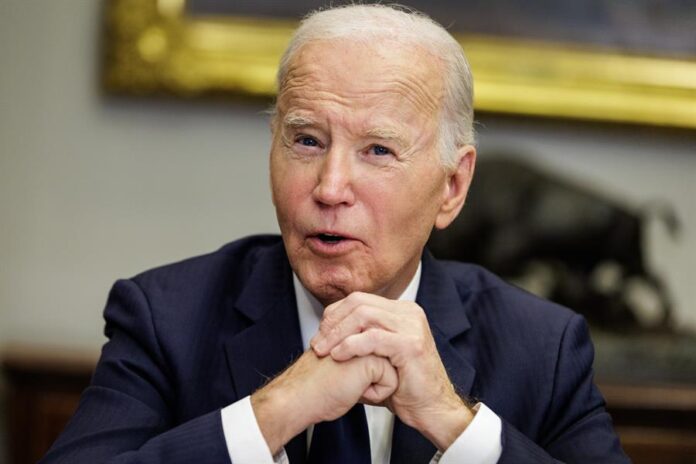
Fotografía de archivo del presidente de EE. UU., Joe Biden. EFE/EPA/SAMUEL CORUM / POOL
Nueva York.- El presidente saliente de Estados Unidos, Joe Biden, anunció el pasado lunes la decisión de condonar la deuda con las universidades de otras 150.000 personas, lo que eleva a más de 5 millones el número total de estadounidenses beneficiados por su Administración en este sentido.
Entre estos 150.000 deudores ahora agraciados se incluyen 85.000 individuos que asistieron a escuelas, facultades o centros universitarios y fueron «engañados» por sus sistemas de pago e intereses; 61.000 personas con una falta de «capacidad total o permanente» para sufragar sus préstamos; y 6.100 funcionarios públicos.
En concreto, esta condonación comprende 1.250 millones para los estudiantes estafados; 2.500 millones en el caso de quienes no tenían recursos para asumir los pagos; y 465 millones para los trabajadores públicos.
«Mi Administración ha tomado medidas históricas para reducir la carga de la deuda estudiantil, hacer que los malos actores rindan cuentas y luchar en nombre de los estudiantes de todo el país», afirmó Biden en un comunicado distribuido por la Casa Blanca.
Desde que Biden asumió el cargo hace cuatro años, ha perdonado la deuda de más de 5 millones de personas con préstamos estudiantiles federales, valorados en un total de 183.600 millones de dólares.
«El primer día de mi administración, prometí garantizar que la educación superior sea un boleto a la clase media, no una barrera para las oportunidades, y estoy orgulloso de decir que hemos perdonado más deuda de préstamos estudiantiles que cualquier otra Administración en la historia», añadió Biden.
En 2023, la Corte Suprema de EE. UU. bloqueó el plan demócrata de otorgar una condonación a gran escala de los préstamos estudiantiles a decenas de millones de prestatarios.
Sin embargo, Biden logró eliminar una gran parte de la deuda estudiantil pendiente del país al mejorar los programas de alivio de la deuda ya existentes del Departamento de Educación de Estados Unidos.
Las tasas de interés en los préstamos estudiantiles federales exceden el 8 % y hay más de 25 millones de prestatarios con una deuda superior al monto total tomado en préstamo.
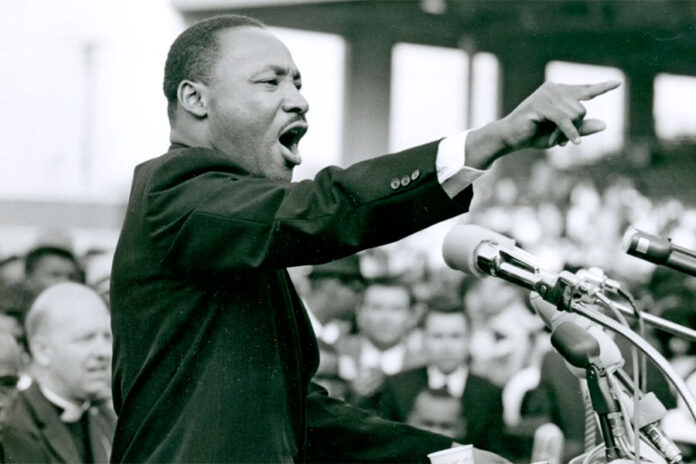
On April 4, 1968, a racist assassin ended the life of Martin Luther King Jr. in Memphis, Tennessee, where he was supporting sanitation workers with the Southern Christian Leadership Conference. King’s murder sparked riots, marches, prayer gatherings, and protests across the nation. Those who wanted him dead believed that killing him would end the civil rights movement. Now, the same right-wing, racist forces are trying to destroy everything King stood for, including his «I Have a Dream» speech.
When King was assassinated, he was being criticized for opposing the Vietnam War and focusing on poverty in America. At the University of Colorado, where I was a student, black athletes and I, the lone Latino, were organized by Students for a Democratic Society (SDS) to protest King’s death. These white radicals understood the significance of the moment, and through our demonstrations in the following weeks, we brought change to the university.
On the night of King’s assassination, SDS students found me at home, glued to the television, tears streaming down my face. They pushed me to stand up, to use my voice, and to channel my love for King into action. To be honest, I was afraid; I had never been part of such an effort before. Four days after King’s death, Congressman John Conyers introduced a bill to make King’s birthday a national holiday, a campaign he continued until President Ronald Reagan signed it into law on November 2, 1983. That year, my family and I attended a rally in Washington, D.C., organized by Conyers, where Stevie Wonder performed «Happy Birthday.» It was a small gathering, but the snowflakes that fell made it a day to remember.
The holiday was created to keep the dream alive. In his death, King’s legacy persisted, as we, his followers, worked to sustain hope. Racists who killed King are now trying to kill the dream. In recent years, we’ve seen right-wing efforts to dismantle the dream and extinguish hope in the hearts of many. The ultra-right movement, now embodied in MAGA madness, has been eroding protections and opportunities for the most vulnerable among us. They have banned books and rewritten America’s history to suit their agenda. America has a proud history, but it also has dark chapters that must be acknowledged.
If we don’t stand up for the truth, we risk a sanitized version of history. Imagine history books depicting blacks lynching whites, Native Americans forcing white settlers on death marches, or straight people being killed by violent mobs. While these events didn’t happen, the truth about America’s dark past is being buried, and it’s just as dangerous.
This year, the MLK holiday falls on the same day as Donald Trump’s inauguration. Right-wing America has done everything to diminish the power of people of color, banning books that tell the true story of this country, and attacking efforts to establish equality under the law. In the past, the Republican Party stood for the Constitution. Today, they work to deny rights to anyone who isn’t white or straight.
King’s «I Have a Dream» speech was not just for African Americans—it was for all Americans. It was my dream too. Later in life, I had the honor of working with Coretta Scott King and many civil rights icons. So, what are we to do this year? Should we go to Trump’s inauguration and wave our American flags, knowing that his administration will continue to undermine democracy and the values of our Constitution? The recent election showed that many citizens still buy into the false narratives of the right.
It’s suggested that all people of good conscience stand up on this day and ensure that their service is directed toward protesting this storm of hate. This should be the beginning of a struggle to protect democracy, where we must stand and work together. If you can attend a demonstration, do so—even if you have to go in a wheelchair or with a walker. Your presence is needed. If you’re stuck at home or in a hospital, spend every minute calling, texting, and contacting family and friends, urging them to join us on this day as we begin our work to save the dream.
You don’t need a Ph.D. to tell the truth and protect human rights. You just need the courage to stand strong and show that love will last longer than hate. We are here to stay, and we are part of a united coalition fighting for freedom and justice. And yes, we still believe in the dream, and in the end, we will win.
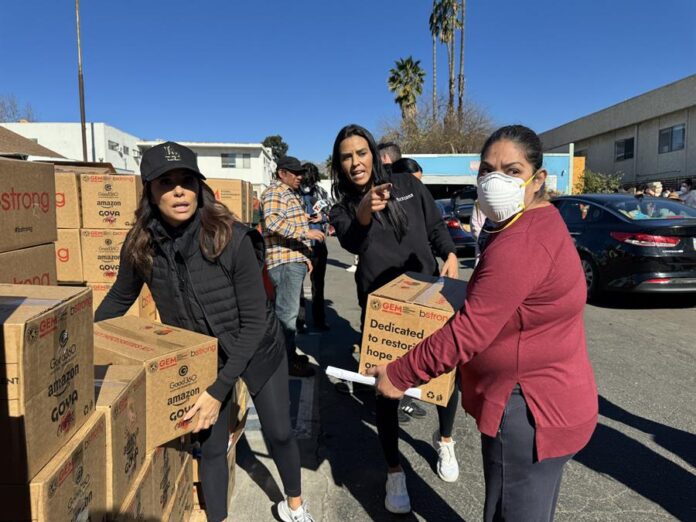
Fotografía cedida por el por Centro de Trabajadores Jornaleros de Pasadena donde aparece la actriz y productora Eva Longoria (i), cargando junto a unas voluntarias unas cajas de ayuda para los afectados por los incendios este miércoles, en Pasadena, California (Estados Unidos). EFE/ Centro de Trabajadores Jornaleros de Pasadena
Los Ángeles.- La actriz y productora Eva Longoria se unió este miércoles a las cuadrillas de voluntarios, la mayoría jornaleros inmigrantes, que ayudan con la recuperación de las zonas aledañas al incendio Eaton en Los Ángeles, que se ha cobrado la vida de 16 de las 25 que dejan las llamas en este condado.
Con chaleco de reflectores y casco, Longoria, de raíces mexicanas, acompañó a jornaleros, la mayoría trabajadores indocumentados, que desde hace ocho días desarrollan una Brigada de Servicio impulsada por la Red Nacional de Jornaleros (NDLON).
La actriz llegó esta mañana al Centro de Trabajadores Jornaleros de Pasadena (California) con cajas de ayuda tanto para los afectados por los incendios como para los voluntarios que ya han comenzado con la recuperación de esta zona.
«Queremos enfocarnos en la grandiosa respuesta de solidaridad. Hay muchos voluntarios y toda la comunidad está ayudando para poder recuperarnos. Todos estamos sufriendo pero unidos lograremos salir adelante», dijo la artista nacida en Texas, que donó un millón de dólares a la emergencia que ya cumplió ocho días.
Longoria no ha sido la única artista latina que se ha volcado en ayuda, la banda mexicano-estadounidense Fuerza Regida alquiló un hotel para ayudar a las familias desplazadas por los incendios forestales, que aún mantienen a más de 80.000 personas bajo órdenes de evacuación.
«A nuestra querida comunidad afectada por los incendios de Los Ángeles: estamos aquí para ustedes en este momento difícil? Sepan que estamos con ustedes y continuaremos brindándoles apoyo durante este período difícil», anunció la banda oriunda de California en un comunicado en sus redes sociales.
Los artistas mexicanos Alejandro Fernández, Peso Pluma y la banda Maná anunciaron donaciones a la Fundación del Departamento de Bomberos de Los Ángeles, entre otras organizaciones locales.
Desde el pasado 7 de enero Los Ángeles afronta una de las peores devastaciones debido al estallido de una serie de incendios que se perfilan como los más costosos de EE. UU.
El incendio de Palisades, uno de los focos más letales, ha podido ser contenido en un 19 % y ha devastado una de las zonas más exclusivas de la ciudad de las estrellas, mientras que el Eaton ha logrado ser contenido en un 45 %.
Under Governor Shapiro’s leadership, the Administration has bolstered public safety by securing funding for over 800 new Pennsylvania State Police troopers and nearly 700 municipal law enforcement officers
This funding will enable adding almost 1,500 officers statewide, including $14,000 in PCCD funding for the Lock Haven Police Department to hire additional officers and enhance local safety efforts.
Governor Shapiro has delivered real results in his first two years in office – and the Governor and his entire Administration are laser focused on keeping Pennsylvania communities safe.
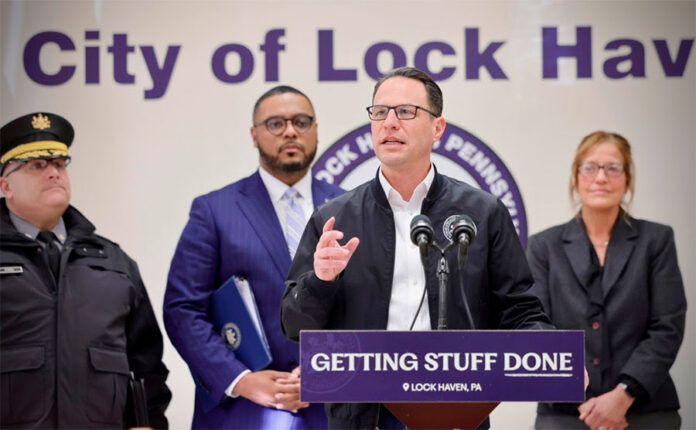
Lock Haven, PA – Today, Governor Josh Shapiro, Lieutenant Governor Austin Davis, and Pennsylvania State Police (PSP) Colonel Christopher Paris joined local law enforcement leaders and elected officials at the Lock Haven Police Department in Clinton County to highlight the Shapiro-Davis Administration’s ongoing commitment to strengthening public safety and investing in law enforcement across the Commonwealth.
As Governor Shapiro marks two years in office, his Administration continues to deliver real results to make Pennsylvania safer — supporting law enforcement and first responders, investing in local communities, addressing crime and gun violence, and implementing reforms to ensure the safety and well-being of all residents.
«Every Pennsylvanian deserves to be safe and feel safe — and our Administration is working to ensure law enforcement has the resources and support they need to protect our families and our communities,» said Governor Shapiro. «From day one, we have been laser-focused on improving public safety — making historic investments in public safety, standing up for law enforcement, and delivering funding to reduce crime violence across the Commonwealth. That work continues every day, and we will keep showing up and delivering for the good people of Pennsylvania to continue building safer, stronger communities.”
«Across Pennsylvania, we’re seeing real progress from the investments we’ve made — with many of our major cities seeing reductions in homicides and gun violence,” said Lieutenant Governor Davis. “I’m proud of the impactful work being done by the Pennsylvania Commission on Crime and Delinquency, as well as the dedication of PSP and local police departments. But we can’t let up now — we must stay the course and continue making smart investments to ensure our communities are safer for everyone.»
Investments in Public Safety and Law Enforcement
Under Governor Shapiro’s leadership, the Administrationhas secured funding to hire over 800 new Pennsylvania State Police troopers and recruit and train nearly 700 municipal law enforcement officers. The Lock Haven Police Department, for example, received $14,000 from the Pennsylvania Commission on Crime and Delinquency (PCCD) to hire two additional officers, helping to further strengthen local public safety efforts.
“The partnership between state and local law enforcement is at the heart of our efforts to keep communities safe,” said Colonel Paris. “Lock Haven’s success demonstrates how targeted funding and collaboration can enhance public safety. Governor Shapiro’s steadfast support of law enforcement is making a real difference in the lives of Pennsylvanians.”
“The funds will be used to reimburse costs associated with Act 120 training for officers joining the Lock Haven Police Department,” said Chief Matthew Rickard, Lock Haven Police Department. “This funding has opened doors for applicants who previously faced barriers, allowing us to build a fully staffed department and better serve the residents of Lock Haven. We are grateful for this support and investment in our community.”
«Clinton County Government is very appreciative of Governor Shapiro and his administration’s focus on crime and delinquency, as well as their efforts to help Clinton County — and most recently the City of Lock Haven — secure valuable funding to enhance law enforcement and support the men and women whose careers are a chosen sacrifice to the safety of all,” said Angela Harding, Clinton County Commissioner.
“Investing in our police department ensures safety for residents, businesses, and visitors alike. These grants are crucial for small cities like ours,” said Lock Haven Mayor Joel Long. “We’re grateful for the continued support of the Commonwealth, Pennsylvania Commission on Crime and Delinquency, and Governor Shapiro in strengthening local law enforcement.»
Tackling Gun Violence and Supporting First Responders
Governor Shapiro has prioritized public safety initiatives to reduce gun violence, equip law enforcement, and support first responders, including:
Reducing Gun Violence: Doubling funding for the Nonprofit Security Grant Fund, re-establishing the Pennsylvania Office of Gun Violence Prevention, and investing $11.5 million in the Building Opportunity through Out of School Time (BOOST) program to reduce community violence.
Expanding Law Enforcement Resources: Funding eight Pennsylvania State Police cadet classes to train over 800 new troopers and filling almost 700 municipal law enforcement positions.
Investing in State Police Training: Construction underway on a nearly $400M capital project to modernize the Pennsylvania State Police Academy to meet the evolving needs of law enforcement training.
Deploying Body Cameras: Expanding the use of body-worn cameras for Pennsylvania State Police across 61 counties to improve transparency and accountability.
Supporting First Responders: Securing $31 million in grants for fire companies, EMS, and rescue squads, along with $20.7 million to increase ambulance mileage reimbursements.
Combatting the Opioid Crisis: Enacting legislation to restrict access to xylazine, or “tranq,” and seizing almost $120 million worth of illegal drugs through Pennsylvania State Police operations.
Getting Stuff Done for Pennsylvanians
Governor Shapiro and his Administration remain committed to finding commonsense solutions to the pressing issues we face and delivering real results for all Pennsylvanians. Public safety has been a top priority for this Administration as we work to ensure communities all across the Commonwealth are safer, stronger, and better equipped for the future. Learn more about how the Shapiro-Davis Administration is Investing in Safer Communities For All.
El 4 de abril de 1968, un asesino racista acabó con la vida de Martin Luther King Jr. en Memphis, Tennessee, donde estaba apoyando a los trabajadores de saneamiento con la Conferencia de Liderazgo Cristiano del Sur. El asesinato de King desató disturbios, marchas, reuniones de oración y protestas en todo el país. Quienes querían matarlo creían que matarlo pondría fin al movimiento por los derechos civiles. Ahora, las mismas fuerzas racistas de derecha están tratando de destruir todo lo que King defendía, incluido su discurso «Tengo un sueño».
Cuando King fue asesinado, lo criticaban por oponerse a la guerra de Vietnam y centrarse en la pobreza en Estados Unidos. En la Universidad de Colorado, donde yo era estudiante, los atletas negros y yo, el único latino, fuimos organizados por Estudiantes por una Sociedad Democrática (SDS) para protestar por la muerte de King. Estos radicales blancos entendieron la importancia del momento y, a través de nuestras manifestaciones en las semanas siguientes, logramos un cambio en la universidad.
La noche del asesinato de King, los estudiantes de SDS me encontraron en casa, pegado al televisor, con lágrimas corriendo por mi rostro. Fue un impulso para levantarme, usar mi voz y canalizar mi amor por King en acciones concretas. Para ser honesto, tenía miedo; nunca había sido parte de un esfuerzo así. Cuatro días después de la muerte de King, el congresista John Conyers presentó un proyecto de ley para convertir el cumpleaños de King en feriado nacional, una campaña que continuó hasta que el presidente Ronald Reagan la convirtió en ley el 2 de noviembre de 1983. Ese año, mi familia y yo asistimos a un mitin en Washington, D.C., organizado por Conyers, donde Stevie Wonder cantó «Happy Birthday». Fue una reunión pequeña, pero los copos de nieve que cayeron lo convirtieron en un día para recordar.
El día festivo fue creado para mantener vivo el sueño. Con su muerte, el legado de King persistió, mientras nosotros, sus seguidores, trabajamos para mantener la esperanza. Los racistas que mataron a King ahora están tratando de matar el sueño. En los últimos años, hemos visto esfuerzos de la derecha por desmantelar el sueño y extinguir la esperanza en los corazones de muchos. El movimiento de ultraderecha, ahora encarnado en la locura MAGA, ha estado erosionando las protecciones y oportunidades para los más vulnerables entre nosotros. Han prohibido libros y reescrito la historia de Estados Unidos para adaptarla a sus intereses. Estados Unidos tiene una historia orgullosa, pero también tiene capítulos oscuros que deben reconocerse.
Si no defendemos la verdad, corremos el riesgo de tener una versión desinfectada de la historia. Imaginemos libros de historia que muestren a negros linchando a blancos, a nativos americanos obligando a los colonos blancos a marchas de la muerte o a personas heterosexuales asesinadas por turbas violentas. Si bien estos eventos no sucedieron, la verdad sobre el oscuro pasado de Estados Unidos está siendo enterrada, y es igual de peligroso.
Este año, el feriado de MLK cae el mismo día que la toma de posesión de Donald Trump. La derecha estadounidense ha hecho todo lo posible para disminuir el poder de las personas de color, prohibiendo libros que cuentan la verdadera historia de este país y atacando los esfuerzos por establecer la igualdad ante la ley. En el pasado, el Partido Republicano defendía la Constitución. Hoy, trabajan para negar derechos a cualquiera que no sea blanco o heterosexual.
El discurso de King «Tengo un sueño» no era sólo para los negros, era para todos los estadounidenses. Era mi sueño también. Más adelante en la vida, tuve el honor de trabajar con Coretta Scott King y muchos íconos de los derechos civiles. Entonces, ¿qué vamos a hacer este año? ¿Deberíamos ir a la toma de posesión de Trump y ondear nuestras banderas estadounidenses, sabiendo que su administración seguirá socavando la democracia y los valores de nuestra Constitución? La reciente elección mostró que muchos ciudadanos todavía creen en las falsas narrativas de la derecha.
Se sugiere que todas las personas de buena conciencia se pongan de pie en este día y se aseguren de que su servicio esté dirigido a protestar contra esta tormenta de odio. Este debería ser el comienzo de una lucha para proteger la democracia, donde debemos levantarnos y trabajar juntos. Si puedes asistir a una manifestación, hazlo, incluso si tienes que ir en silla de ruedas o con un andador. Tu presencia es necesaria. Si estás atrapado en casa o en un hospital, dedica cada minuto a llamar, enviar mensajes de texto y comunicarte con familiares y amigos, instándolos a unirse a nosotros en este día en el que comenzamos nuestra labor para salvar el sueño.
No necesitas un doctorado para decir la verdad y proteger los derechos humanos. Solo necesitas el coraje para mantenerte firme y demostrar que el amor durará más que el odio. Estamos aquí para quedarnos y somos parte de una coalición unida que lucha por la libertad y la justicia. Y sí, todavía creemos en el sueño y, al final, ganaremos.
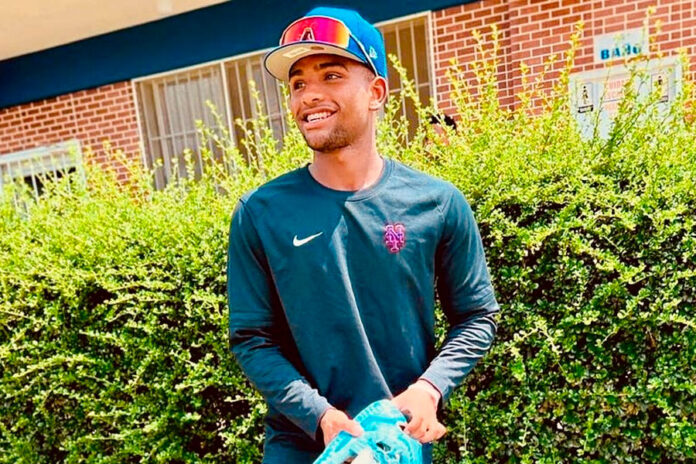
El torpedero dominicano Elian Peña, quien cumplió 17 años en octubre, acordó el miércoles un bono de 5 millones de dólares con los Mets de Nueva York, la cantidad más alta en el primer día del período de firmas internacionales de 2025.
Peña figura como el prospecto número 3 en la clase internacional de este año por MLB.com, detrás del lanzador japonés Roki Sasaki, quien tiene hasta el 23 de enero para llegar a un acuerdo. El segundo en la lista es el campocorto dominicano Josuar De Jesús González, quien firmó con los Gigantes de San Francisco por 2.997.500 dólares.
Los Dodgers de Los Ángeles, los Padres de San Diego y los Azulejos de Toronto, todos con la esperanza de firmar a Sasaki, no finalizaron ningún contrato con bonos de más de 10.000, que cuentan contra sus montos. Apenas la mitad de los 30 equipos finalizaron acuerdos de más de 10.000 dólares en las primeras horas del período de firmas.
El jardinero dominicano Cris Rodríguez, cuarto en el ranking, firmó con Detroit por 3.197.500 dólares, y Andrew Salas, un campocorto y jardinero que figura quinto, firmó con Miami por 3,7 millones. Salas nació en Estados Unidos y se mudó a Venezuela.
Con la esperanza de convertirse en un jugador que lanza y batea como Shohei Ohtani, Shotaro Morii, de 18 años, tomó la rara decisión de pasar por alto completamente el béisbol profesional japonés y acordó con los Atléticos por 1.510.500 dólares.
Otros acuerdos incluyeron al infielder dominicano Johan De Los Santos y Pittsburgh (2,25 millones), al receptor venezolano Gabriel Davalillo y los Ángeles de Los Ángeles (2 millones), al infielder venezolano Brayan Cortesia y Washington (1,92 millones), al infielder dominicano Darell Morel y Pittsburgh (1.778.600), al infielder venezolano Leon Santiago y Minnesota (1.697.500), al jardinero dominicano Maykel Coret y Tampa Bay (1,6 millones), al jardinero venezolano Breyson Guedez y los Atléticos (1,5 millones), al jardinero dominicano Elian De La Cruz y Arizona (1,1 millones), al campocorto dominicano Christopher Acosta y Milwaukee (1,1 millones), al infielder dominicano Raymer Medina y Tampa Bay (1,1 millones), al receptor venezolano Daniel Hernández y Washington (1,1 millones) y al infielder dominicano Warel Solano y Tampa Bay (1,05 millones).
Los jugadores nacidos del 1 de septiembre de 2007 al 31 de agosto de 2008 son elegibles para firmar durante el período de este año, que termina el 15 de diciembre. Los equipos tienen un monto de bonos de firma que van desde aproximadamente 5,1 millones hasta 7,6 millones. Los bonos de firma de 10,000 y menos no cuentan contra el límite del equipo.
Support for the project is possible thanks to Governor Josh Shapiro’s 2024-25 bipartisan budget, which doubled the Neighborhood Assistance Program’s funding to $72 million.
A Gift of Smiles dental clinic is one of 218 NAP second-round award recipients across the Commonwealth, reinforcing the Shapiro Administration’s commitment build vibrant and resilient regions to help our communities flourish, boost the economy, and create real opportunity for Pennsylvanians.
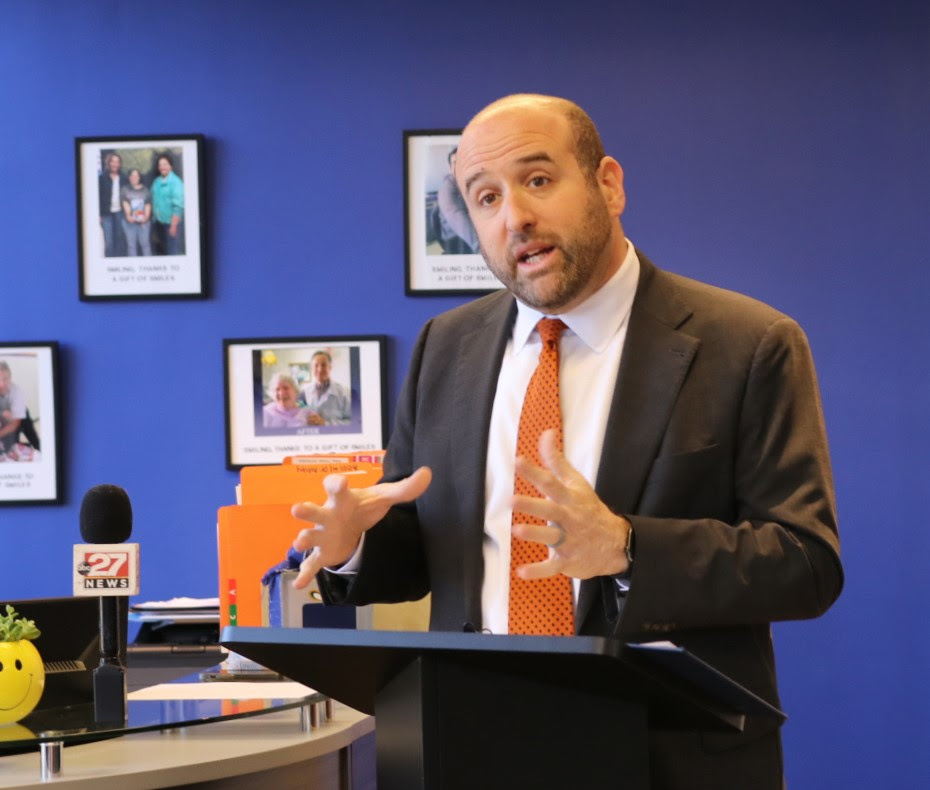
Wormleysburg, PA – Today, Department of Community and Economic Development (DCED) Secretary Rick Sigerhighlighted the Shapiro Administration’s $33,750 investment in the A Gift of Smiles program during a tour of its newly opened dental clinic in Lemoyne. The clinic provides free dental care to low-income residents with disabilities who live in Cumberland County and Harrisburg. The funding is supported through the Neighborhood Assistance Program (NAP), which provides tax credits to private businesses that contribute to nonprofit organizations’ efforts to support neighborhoods and communities across Pennsylvania.
Governor Shapiro’s bipartisan 2024-25 budget doubled the funding for the NAP from $36 million to $72 million, allowing for two rounds of awards. The recently announced second round of awards will support 218 nonprofit organizations across the Commonwealth. The first round was announced by Secretary Siger in September 2024.
Since taking office two years ago, Governor Josh Shapiro and his Administration have focused on investing in our communities to help make Pennsylvania a global leader in innovation, job creation, and economic development.
“The goal of the Neighborhood Assistance Program is to strengthen our communities and improve the quality of life for all Pennsylvanians,” said Secretary Siger. “I’m thrilled to visit the new dental clinic opened by A Gift of Smiles to celebrate this award, which will help to ensure the health and safety of adults and children with disabilities in Cumberland County and the Harrisburg area.”
Of the 218 organizations and developers receiving awards through NAP, 35 community investments are being made in the central region.
“The A Gift of Smiles Dental Clinic is a vital step toward ensuring that our most vulnerable residents have access to the essential dental care they deserve,” said Representative Nathan Davidson. «This year’s doubling of Neighborhood Assistance Program awards shows Pennsylvania’s commitment to building stronger, more vibrant communities and ensuring better health and quality of life for our neighbors in need.”
“This NAP funding will enable the A Gift Of Smiles clinic to provide care to those in need by providing the clinic with needed equipment to provide community members with free dental care,’ said Dr. Dwight Ashby, DDS, Founder, A Gift Of Smiles. “A Gift of Smiles is deeply grateful to participating local businesses including Alba Orthodontics, Fields Family Dentistry, Mid Penn Bank, and MKL Orthodontics, and the Shapiro Administration who made the Neighborhood Assistance Program Tax Credit program funding possible.”
“Mid Penn Bank is proud to have the opportunity to support Dr. Ashby’s inspiring work at A Gift of Smiles through the Neighborhood Assistance Program,” said Dawn Spahr, Director of CRA/Community Impact, Mid Penn Bank. “Partnering with DCED through NAP funding is vital to our mission of critically serving and supporting all of our customers and communities, and we look forward to continuing our investment in organizations doing work to improve the lives of Pennsylvanians.”
The NAP has five main components: The Neighborhood Assistance Program (NAP), Special Program Priorities (SPP), the Neighborhood Partnership Program (NPP), Charitable Food Program (CFP), and the Enterprise Zone Program (EZP). More information is available on the NAP impact brochure.
For more information about the Neighborhood Assistance Program or the Department of Community and Economic Development, visit DCED’s website, Facebook, X, and LinkedIn.
Governor Shapiro’s Record of Delivering for Economic Development
Governor Shapiro has had many major economic development successes at the midway point of his first term including:
Creating the first statewide economic development strategy in nearly two decades with a focus on five key industry sectors: agriculture, energy, life sciences, manufacturing, and robotics and technology.
Securing $500 million in state funds to significantly expand the PA SITES program to develop shovel-ready sites and bring more commercial and industrial sites to Pennsylvania, building on the success of the pilot program that awarded $10.6 million to seven projects.
Creating the new Main Street Matters program and securing $20 million to fund it and support downtowns, main streets, and surrounding neighborhoods.
Expanding opportunities for small, minority-owned businesses by securing a $20 million investment for the Historically Disadvantaged Business Program in his first and second budgets.
Governor Shapiro:Two Years of G-S-D
As Governor Shapiro marks two years in office, his Administration is continuing to focus on innovation, economic development, and our economy. The Shapiro Administration’s commitment to investing in our businesses, communities, and workforce is positioning Pennsylvania to be a global economic development leader while opening the doors of opportunity.
Kansas City Chiefs quarterback Patrick Mahomes is seen before an NFL football game against the Denver Broncos Sunday, Jan. 5, 2025, in Denver. (Photo: AP/David Zalubowski)
The road to the NFL’s final four features seven of the eight division winners.
Patrick Mahomes and the two-time defending Super Bowl champion Kansas City Chiefs open the divisional round weekend against C.J. Stroud and the Houston Texans on Saturday afternoon.
Rookie sensation Jayden Daniels leads the Washington Commanders against the No. 1 seed Detroit Lions in a prime-time matchup. Daniels helped the Commanders upset the Tampa Bay Buccaneers in a wild-card game.
Saquon Barkley and the Philadelphia Eagles host the Los Angeles Rams, who are coming off a short week following a Monday night win, in the early game Sunday.
Then it’s Lamar Jackson and the Baltimore Ravens against Josh Allen and the Buffalo Bills to cap the weekend.
Three of the home teams are favorites by at least six points, according to Bet MGM Sportsbook.
Buffalo Bills quarterback Josh Allen (17) motions for a first down during the first quarter of an NFL wild card playoff football game against the Denver Broncos, Sunday, Jan. 12, 2025, in Orchard Park, N.Y. (Photo: AP/Seth Wenig)
Houston (11-7) at Kansas City (15-2)
Line: Chiefs minus 8 1/2
Kansas City’s quest for a three-peat starts against the Texans, who are coming off an impressive 32-12 win over the Los Angeles Chargers. Stroud made big plays with his arm and even had a career-long 27-yard run that sparked the offense against Los Angeles. Houston’s defense baffled Justin Herbert, forcing four interceptions, including a pair by All-Pro cornerback Derek Stingley. If Stroud and the offense avoid turnovers and Joe Mixon has another 100-yard game rushing, the Texans can keep Mahomes off the field and have a chance to pull off the upset.
The Chiefs beat the Texans 27-19 in Week 16. They were home for that one, too. Houston lost wide receiver Tank Dell to a knee injury on a touchdown catch in that game. Mahomes finished the season with 11 TDs and zero picks in his last six games. After sitting out in Week 18 and a bye, Mahomes and most of the starters have to avoid being rusty in their first game action in three weeks.
The Chiefs are 8-0 with Mahomes in the divisional and wild-card rounds. They’re 6-0 against the spread in their past six playoff games. But Kansas City is 22-32-3 ATS as a favorite of at least seven points with Mahomes, including 0-5-1 this season.
CHIEFS: 27-17
Detroit Lions quarterback Jared Goff talks to the medial following an NFL football game against the Minnesota Vikings Monday, Jan. 6, 2025, in Detroit. (Photo: AP/Rey Del Rio)
Washington (13-5) at Detroit (15-2)
Line: Lions minus 9 1/2
The Commanders keep finding ways to win late with five straight victories coming down to the final play. The victory in Tampa Bay was the franchise’s first playoff win since 2006. Daniels connected often with Terry McLaurin and Dyami Brown, but Washington will need Brian Robinson and Austin Ekeler to run more effectively to have a chance against Detroit. A defense that held Baker Mayfield and the Buccaneers to their worst game in eight weeks has to step up against the most dynamic offense in the NFL.
The Lions could get running back David Montgomery back to join Jahmyr Gibbs in an elite backfield. That should open things up even more for Jared Goff throwing to All-Pro wide receiver Amon-Ra St. Brown and other playmakers.
Since the NFL expanded to 14 playoff teams with only two getting a bye, No. 1 seeds are 3-5 against the spread in the divisional round.
Teams that won as an underdog in the wild-card round are 2-20 straight up and 10-12 ATS in the divisional round.
LIONS: 30-24
Philadelphia Eagles quarterback Jalen Hurts (1) looks to pass during the second half of an NFL wild-card playoff football game against the Green Bay Packers on Sunday, Jan. 12, 2025, in Philadelphia. (Photo: AP/Matt Slocum)
Los Angeles Rams (11-7) at Philadelphia (15-3)
Line: Eagles minus 6
Jalen Hurts shook off the rust after a three-week layoff and the Eagles relied on a stout defense to beat the Packers 22-10 last week.
The Rams used a dominant defensive effort to eliminate the Vikings, sacking Sam Darnold nine times in a 27-9 victory. Getting to Hurts won’t be that easy behind an offensive line that features five guys who received All-Pro votes.
Plus, the Eagles are going to run the ball often with Barkley, who set a franchise record with 255 yards rushing in a 37-20 win in Los Angeles on Nov. 24.
Rams coach Sean McVay vs. Eagles defensive coordinator Vic Fangio should be a classic head-to-head matchup. Matthew Stafford had success throwing against Philly’s No. 1 defense in the previous meeting. He connected with Puka Nacua and Cooper Kupp 17 times for 177 of his 243 yards passing.
The Rams have to travel cross-country and have one less day of rest following a Monday night win. But McVay is 16-7 against the spread on short rest, going 7-1 ATS in his past eight games. With Stafford at quarterback, McVay is 8-2 ATS on short rest.
Still, playing in Philadelphia in January is different and the Eagles are 6-0 straight up at home in the divisional round, covering the spread in five of those games.
BEST BET: EAGLES: 29-17
Baltimore (13-5) at Buffalo (13-4)
Line: Ravens minus 1
Jackson vs. Allen gets all the hype but this isn’t going to decide the NFL MVP. Votes were cast before the playoffs started. Jackson, who earned All-Pro honors, led Baltimore to a 28-14 win against Pittsburgh last week while Allen and the Bills routed Denver 31-7.
The Ravens put a 35-10 beatdown on the Bills at home in Week 4. They’re road favorites, a sign of disrespect for Buffalo. The Bills haven’t been home underdogs in the playoffs since 1967 against the Chiefs.
Buffalo’s defense has a tough task trying to slow down Jackson and Derrick Henry. Greg Rousseau, Von Miller and Ed Oliver need to pressure Jackson and somehow keep him contained.
Baltimore has to do the same against an offense led by Allen and James Cook. Ravens rookie cornerback Nate Wiggins on Bills rookie receiver Keon Coleman should be a fun matchup.
The Bills have been trying to get back to the AFC title game after three straight losses in this round.
UPSET SPECIAL: BILLS: 30-27
___
Last week: Straight up: 4-2. Against spread: 3-3.
Overall: Straight up: 196-82. Against spread: 147-127-4.
Best Bet: Straight up: 11-7. Against spread: 10-8.
Upset Special: Straight up: 9-9. Against spread: 9-9.
___
Pro Picks is a weekly column where AP Pro Football Writer Rob Maaddi shares his picks for upcoming games. For all previous Pro Picks, head here.
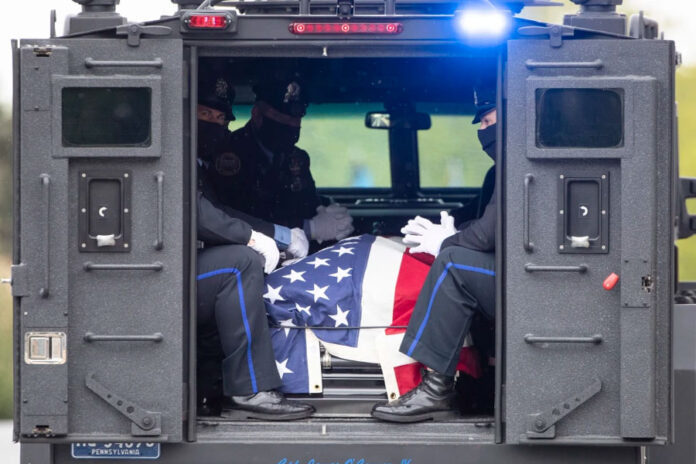
Police officers wearing a protective face masks as a precaution against the coronavirus accompany the remains of Cpl. James O'Connor as they depart from Our Lady of Calvary Church in Philadelphia, Friday, May 8, 2020. O'Çonnor was shot and killed early Friday, March 13, as he served a homicide warrant at a home in the Philadelphia's Frankford section. (Photo: AP/Matt Rourke/File)
PHILADELPHIA. — Two men pleaded guilty Wednesday to murder and racketeering charges in the March 2020 shooting death of a Philadelphia police officer.
Hassan Elliott, 26, and Khalif Sears, 23, admitted killing SWAT Cpl. James O’Connor IV, as police sought to arrest them in a 2019 homicide. As police climbed an interior stairwell at Elliott’s apartment, he fired a dozen shots through a wall that struck O’Connor in the neck and arm, authorities said.
Sears and two others were arrested inside. Federal prosecutors said they were part of a gang that had shot a dozen people, killing three, as they sought to control drug sales in the city’s Frankford section.
They plan to recommend that Elliott serve 55 to 75 years in prison and Sears, as a co-conspirator, serve 35 to 50 years in prison. The pair are expected to be sentenced this spring. An attorney for Sears declined comment while Elliott’s lawyer did not immediately return phone and email messages seeking comment Wednesday.
O’Connor’s widow, Terri, called his death unfair and said it had “ruined our lives,” The Philadelphia Inquirer reported. O’Connor, 46, had two children, including a son who was on the police force at the time.
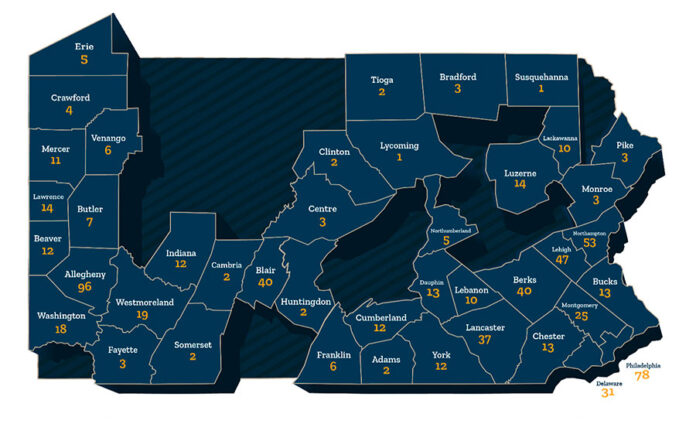
Harrisburg, PA — Supporting the Shapiro-Davis Administration’s goal to ensure Pennsylvania’s law enforcement agencies have the tools and personnel to keep our communities safe, the Pennsylvania Commission on Crime and Delinquency(PCCD), has provided more than $3 million in grants to help attract and train high-quality recruits and fill 692 vacant municipal law enforcement positions across the Commonwealth. Additionally, Governor Shapiro has secured state funding for over 800 new Pennsylvania State Troopers – providing funding to add nearly 1,500 new law enforcement officers in our communities in just two years.
See the breakdown for municipal officers funded by PCCD in the chart below. Funding was provided through two of PCCD’s Law Enforcement Recruitment Incentives solicitations, aimed at addressing one of the most pressing public safety and workforce challenges Pennsylvania faces – the hiring shortage of police officers.
County
Amount awarded
Officers supported
Adams
$ 10,000
2
Allegheny
$ 484,800
96
Beaver
$ 68,000
12
Berks
$ 209,510
40
Blair
$ 48,000
40
Bradford
$ 21,000
3
Bucks
$ 58,142
13
Butler
$ 41,000
7
Cambria
$ 14,000
2
Centre
$ 15,000
3
Chester
$ 62,890
13
Clinton
$ 14,000
2
Crawford
$ 8,600
4
Cumberland
$ 56,600
12
Dauphin
$ 59,600
13
Delaware
$ 159,000
31
Erie
$ 27,000
5
Fayette
$ 3,600
3
Franklin
$ 36,000
6
Huntingdon
$ 14,000
2
Indiana
$ 56,000
12
Lackawanna
$ 12,000
10
Lancaster
$ 185,002
37
Lawrence
$ 70,000
14
Lebanon
$ 50,000
10
Lehigh
$ 234,671
47
Luzerne
$ 22,600
14
Lycoming
$ 5,000
1
Mercer
$ 50,000
11
Monroe
$ 15,000
3
Montgomery
$ 125,000
25
Northampton
$ 189,906
53
Northumberland
$ 31,000
5
Philadelphia
$ 351,000
78
Pike
$ 17,000
3
Somerset
$ 14,000
2
Susquehanna
$ 7,000
1
Tioga
$ 2,400
2
Venango
$ 42,000
6
Washington
$ 20,600
18
Westmoreland
$ 67,400
19
York
$ 68,000
12
Total
$ 3,046,321
692
In addition to investing in hiring, recruiting, and training law enforcement officers, under the Shapiro-Davis Administration, PCCD delivered $5.8 million in grant funding to support law enforcement system upgrades which will enable the reporting of crime statistics to the Federal Bureau of Investigation’s (FBI) National Incident-Based Reporting System (NIBRS). The 68 approved law enforcement entities can use this funding for upgrades to software, hardware, and labor needed to install NIBRS-compliant record management systems; training on how to collect and submit NIBRS data; and/or technical assistance for personnel responsible for data collection and submission.
The data collected through NIBRS captures greater detail on criminal incidents than its predecessor (Uniform Crime Reporting System), including information on victims, known offenders, relationships between victims and offenders, arrestees, and property involved in crimes. Broader utilization of NIBRS by law enforcement agencies will result in better data collection, which in turn will make law enforcement agencies more effective in keeping Pennsylvania communities safe.
Learn more about the Shapiro-Davis Administration’s investments to make communities safer on PCCD’s website.