

3.3 C
Philadelphia
spot_img
Inicio Blog Página 495

Philadelphia DA says he is suing Elon Musk’s America PAC over its $1 million giveaway

Elon Musk
Elon Musk speaks before Republican presidential nominee former President Donald Trump at a campaign rally at Madison Square Garden, Sunday, Oct. 27, 2024, in New York. (Photo: AP/Alex Brandon)

The district attorney of Philadelphia said Monday that he has filed a lawsuit to halt Elon Musk ‘s $1 million giveaways as part of his political organization’s effort boosting Donald Trump ‘s presidential campaign.

The suit by Democratic District Attorney Larry Krasner is the first legal action to be brought over the America PAC’s sweepstakes offering $1 million every day until Nov. 5 to a person in a battleground state who has signed a petition supporting the Constitution.

Krasner’s office said the lawsuit, coming just over a week before Election Day, doesn’t preclude potential criminal action.

“The Philadelphia District Attorney is charged with protecting the public from public nuisances and unfair trade practices, including illegal lotteries. The DA is also charged with protecting the public from interference with the integrity of elections,” Krasner’s office said in a statement published on its website.

A spokesperson for the billionaire tech mogul’s America PAC, emailed for comment on the lawsuit and asked if the cash awards would continue, responded with a link to an X post, which showed the latest $1 million winner holding an oversized check.

Krasner’s office didn’t immediately respond to questions about the lawsuit, including whether it compels Musk to immediately stop the giveaway or whether the dispute can be resolved before Election Day.

Reflecting the state’s importance in the election, both Harris and Trump have made numerous recent visits to Pennsylvania, including Trump’s photo op at a suburban Philadelphia McDonald’s and Harris’ Sunday visit in the city that included stops at a church and a barbershop.

Elon Musk speaks a campaign rally for Republican presidential nominee former President Donald Trump at Madison Square Garden, Sunday, Oct. 27, 2024, in New York. (Photo: AP/Julia Demaree Nikhinson)

Speaking in Delaware after casting his ballot Monday, President Joe Biden called the giveaway “totally inappropriate.”

Some attending Musk’s events have a different view.

Michele Costantino, 64, a retired health care administrator from Elverson, Pennsylvania, said she thought the giveaway was a “good idea.”

“I think he’s playing the same game as the other side,” said Costantino, standing outside Musk’s rally Saturday in Lancaster. “If you need to flash some big money to get people’s attention, I think it’s a good idea.”

She noted Musk is not running for office himself. “I never heard him say, ‘Here, I’ll give you a million dollars if you vote,’” Costantino said.

Musk’s giveaway requires entrants to sign a petition backing the First and Second Amendments of the Constitution and calls for them to serve as spokespeople for the organization as a condition of winning.

The awards have carried on after election law experts raised questions that it violates federal law barring anyone from paying a person to vote or register to vote. The issue, they say, is that winning the award requires contestants to be registered to vote in one of a handful of battleground states. Musk has cast the money as both a prize as well as earnings for work as a spokesperson for the group.

The woman awarded the $1 million check that was presented by Musk on stage Saturday in Lancaster declined to comment about it afterward to a reporter, saying she was directed to leave the town hall event before it was over.

In his statement announcing the lawsuit, Krasner characterized the $1 million prize as a “lottery,” which would make it more heavily regulated than if it were a prize or work-related.

Brought in Pennsylvania court, Krasner’s suit doesn’t directly apply to the other swing states whose residents are eligible for the $1 million.

Musk, who founded SpaceX and Tesla and owns X, has gone all in on Trump this election, saying he thinks civilization is at stake if he loses. He is undertaking much of the get-out-the-vote effort for Trump through his super PAC, which can raise and spend unlimited sums of money. He has committed more than $70 million to the super PAC to help Trump and other Republicans win in November.

El fiscal de Filadelfia pide a la Justicia que suspenda la lotería de Musk

Musk
(Foto: EFE/EPA/WILL OLIVER/Archivo)

El fiscal del distrito de Filadelfia (Estados Unidos) pidió este lunes a la Justicia que suspenda la lotería de un millón de dólares para votantes registrados promovida por el multimillonario Elon Musk, aliado del candidato republicano, Donald Trump.

El fiscal, el demócrata Larry Krasner, presentó una demanda civil contra Musk y su comité de campaña (PAC) alegando que se trata de una «lotería ilegal» en el estado de Pensilvania.

En la denuncia, Krasner recuerda que la ley en Pensilvania requiere que toda lotería sea operada por el estado.

«Musk está engañando a los ciudadanos de Filadelfia (…) para que entreguen su información personal y hagan un compromiso político a cambio de la oportunidad de ganar un millón de dólares», dijo el fiscal en esa demanda.

«Esto es una lotería. Y es, indiscutiblemente, una lotería ilegal», añadió.

El Departamento de Justicia de Estados Unidos también advirtió la semana pasada a Musk que su lotería podía violar la ley federal.

El dueño de X y consejero delegado de Tesla y SpaceX ha prometido un millón de dólares al día hasta el día de las elecciones a votantes de Arizona, Pensilvania, Carolina del Norte, Georgia, Míchigan, Nevada o Wisconsin.

Para participar hay que firmar una petición en favor de la Primera y la Segunda Enmienda de la Constitución, que defienden la libertad de expresión y el derecho a portar armas.

Para firmarla, no obstante, hay que estar registrado en los estados considerados clave para los comicios del 5 de noviembre.

La ley federal veta pagar a la gente para que se registre para votar.

Musk se ha involucrado en las últimas semanas en cuerpo y alma en la campaña presidencial de Trump, participando en múltiples mítines y habiendo donado más de 130 millones de dólares a través de su propio comité de campaña.

Trump, por su parte, ha dicho que creará un puesto en el Gobierno para Musk dedicado a recortar drásticamente el gasto público.

¿Vale la pena participar en la Lotería de Visas 2026?

Visas
(Foto: Archivo)

Como abogado de inmigración, recibo a menudo preguntas sobre la Lotería de Visas para Inmigrantes, también conocida como la Lotería de Tarjetas Verdes. Este programa, diseñado para diversificar la inmigración a EE. UU., ofrece 55.000 visas de residencia permanente cada año a solicitantes de países con bajos niveles de inmigración. Pero, ¿realmente vale la pena? Aquí te presento los pros, contras y detalles que necesitas saber para tomar una decisión informada.

El mayor atractivo del programa es la posibilidad de obtener la residencia permanente sin necesidad de una oferta de trabajo, patrocinio familiar o de cumplir con criterios extremadamente complejos. Para aquellos que cumplen con los requisitos, es una oportunidad única que no está disponible en otras vías de inmigración. El programa es gratuito y la aplicación es 100% en línea, lo que lo convierte en un proceso accesible desde cualquier parte del mundo.

Además, la posibilidad de incluir a cónyuges e hijos menores de 21 años brinda una opción para que la familia pueda emigrar junta si el solicitante principal es seleccionado. Otro aspecto positivo es que hay flexibilidad en cuanto a la nacionalidad. Si naciste en un país no elegible, podrías reclamar el país de nacimiento de tu cónyuge o padres en ciertas circunstancias, lo que amplía tus posibilidades.

Contras y limitaciones

Aunque participar es simple, la competencia es feroz. Solo 55.000 visas están disponibles, y millones de personas aplican cada año. Incluso si resultas seleccionado en el sorteo, no hay garantías de que obtendrás la visa, ya que se te evaluará en función de otros criterios adicionales, como cumplir con los requisitos educativos o de experiencia laboral. Además, debes considerar que no todos los países son elegibles, y en 2026, Venezuela, un país con alta emigración hacia EE. UU., no podrá participar.

Otro contra significativo es la incertidumbre que rodea al proceso. Si bien la inscripción es sencilla, cumplir con los requisitos posteriores no lo es. Las solicitudes duplicadas pueden descalificarte, y los errores en la documentación pueden hacer que pierdas tu oportunidad. Por ello, contar con el apoyo de un abogado es vital para minimizar errores y maximizar tus posibilidades de éxito.

¿Vale la pena participar?

En mi opinión como abogado, la Lotería de Visas es una excelente opción, pero con advertencias. Si cumples con los requisitos y tu país es elegible, te animo a participar, pero con la conciencia de que las probabilidades de éxito no son altas. La asistencia legal puede marcar la diferencia al asegurarte de que cumples con todas las normativas y que tu aplicación está correctamente presentada.

Finalmente, es importante recordar que este programa es una vía adicional, pero no la única para lograr la residencia en EE. UU. Explorar otras opciones mientras aplicas a la lotería, puede brindarte mayores oportunidades a largo plazo.

* Héctor Benítez Cañas es abogado de inmigración en Miami. Su firma Benme Legal se dedica a la práctica exclusiva de la Ley de Inmigración. https://www.benmelegal.org/

Shapiro administration invests more than $6.7 million to support Mitsubishi Electric Power Products, Inc.’s expansion in Pennsylvania, creating 200 New jobs in the Pittsburgh Region

Pittsburgh

The company, which is investing at least $86 million to construct a new advanced switchgear factory and expand its existing power electronics business in the Pittsburgh region, will create 200 new jobs and retain 806 existing jobs

PA’s energy and manufacturing industries are a key element of the Shapiro Administration’s 10-year Economic Development Strategy, which is the blueprint for increasing economic competitiveness and opportunity in Pennsylvania

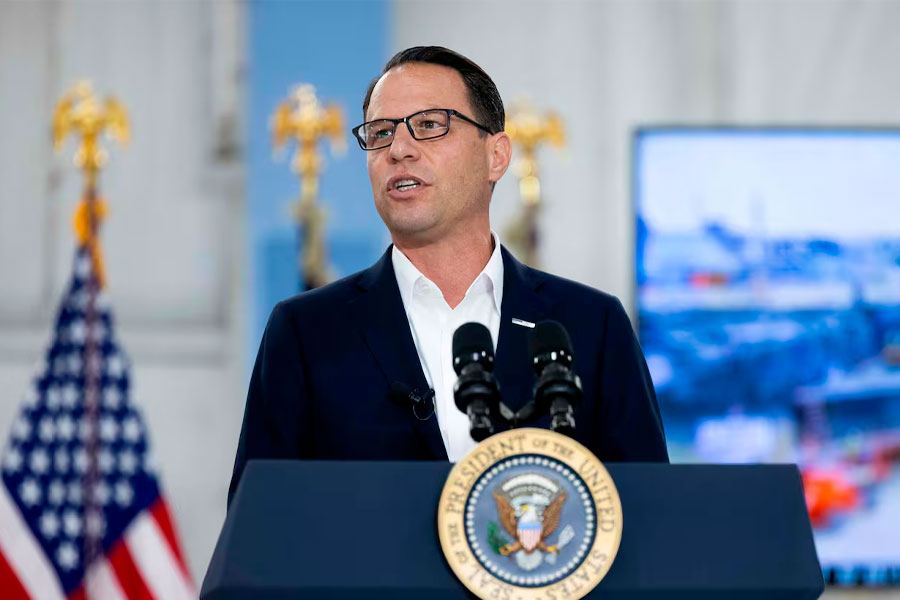
Harrisburg, PA – Today, Governor Josh Shapiro announced the Commonwealth is investing over $6.7 million to support the growth of Mitsubishi Electric Power Products, Inc. (MEPPI) in the Pittsburgh region. MEPPI, in collaboration with its parent company Mitsubishi Electric Corporation (MELCO) in Japan, is making an $86 million investment to build an advanced switchgear factory and expand its power electronics facilities and test labs. The new factory will create at least 200 new jobs and retain an additional 806 jobs in Southwestern Pennsylvania.   

The factory will produce both gas insulated and vacuum circuit breakers.  This investment is driven by the increasing demand for transmission and distribution grid products as the U.S. moves toward renewable energy and decarbonization goals.   

Pennsylvania successfully competed against Ohio for the MEPPI project, proving the Commonwealth is open for business under the Shapiro Administration

“Pennsylvania is open for business, and we are working every single day to make our Commonwealth the best state in the nation for business growth and economic opportunity,” said Governor Shapiro. “Right here in the Pittsburgh region, we’re making targeted investments to attract more projects like this one, boost our economy, and create good-paying jobs for Pennsylvanians. Since day one, my Administration has been focused on building a stronger economy that creates opportunities and a brighter future for our communities – and these jobs are yet another step forward in that work.” 

MEPPI received a funding proposal from the Department of Community and Economic Development (DCED) for a $4 million Redevelopment Assistance Capital Program (RACP) grant and a $2.75 million Pennsylvania First grant. The company was also encouraged to apply for a tax deduction through the Qualified Manufacturing Innovation and Reinvestment Deduction (QMIRD) program. 

“MEPPI’s investment in the Pittsburgh region is a tremendous win for all of Pennsylvania,” said DCED Secretary Rick Siger. “Energy and manufacturing are two key sectors we’re focusing on in the Economic Development Strategy, and projects like MEPPI’s are further fueling these industries and our economy. Governor Shapiro and I are committed to investing in more projects like this one to build a stronger Pennsylvania that works for everyone.” 

Headquartered in Warrendale, Pennsylvania, MEPPI is a wholly owned subsidiary of Mitsubishi Electric Corporation of Japan and serves the North American power systems, data center, rail transportation, and large visual display markets with electrical and electronic products, systems, solutions, and services. 

«By investing in a state-of-the-art switchgear factory, we will serve our customers, and we will significantly advance the production of critical components that strengthen both distribution and transmission grids while driving new technologies forward in support of the nation’s decarbonization initiatives,” said Tricia Breeger, President and CEO of MEPPI. “Our switchgear and power electronics solutions are essential for meeting the growing demand for electricity, from powering homes and businesses to supporting the rapid expansion of data centers.” 

“The Pittsburgh region has been a hub of advanced manufacturing and energy innovation for centuries. We commend MEPPI on their decision to expand here through their commitment to solving complex challenges with sustainable energy solutions,” said Allegheny Conference on Community Development CEO Stefani Pashman. “It was our privilege to work side-by-side with MEPPI leadership to integrate the efforts of dozens of state and county partners to make this expansion a reality. We stand at the ready to continue partnering with MEPPI and other businesses who have committed to growing and developing our region.” 

Energy and manufacturing are two of the industries highlighted in Governor Shapiro’s Economic Development Strategy, the first plan of its kind in almost 20 years. Governor Shapiro and Secretary Siger unveiled the economic development strategy earlier this year in order to capitalize on the Commonwealth’s strengths and will reignite our economy by focusing on the Agriculture, Energy, Life Sciences, Manufacturing, and Robotics and Technology sectors. 

Since taking office, the Shapiro Administration has secured and announced over $3 billion in private sector investments.  

The2024-25 bipartisan budget delivers on the Governor’s key priorities to make Pennsylvania more competitive economically, and includes: 

  • $500 million for site development, including $400 million for the PA SITES (Pennsylvania Strategic Investments to Enhance Sites) program; 
  • $20 million for the Main Street Matters program to support small businesses and commercial corridors that are the backbone of communities across our Commonwealth; and 
  • $15 million for tourism marketing to boost our economy, attract more visitors, and support good-paying jobs — building on the Governor’s launch of the Great American Getaway brand to encourage tens of millions within a few hours’ drive to visit Pennsylvania. 

La posibilidad de una victoria de Trump inquieta a los dirigentes económicos de todo el mundo

Trump
El candidato presidencial republicano y expresidente de Estados Unidos, Donald Trump, hace gestos durante un mitin en Novi, Michigan, Estados Unidos, el 26 de octubre de 2024. (Foto: VOA)

El posible retorno de Donald Trump a la Casa Blanca ha despertado preocupaciones en el mundo financiero, que teme que Trump sacuda el sistema con aumentos masivos de aranceles, acumule miles de millones de dólares más en emisión de deuda y signifique un retroceso en las políticas ambientales.

El bajo crecimiento, la elevada deuda y la escalada de las guerras encabezaron la agenda oficial de las reuniones anuales del Fondo Monetario Internacional y el Banco Mundial, pero líderes financieros de todo el mundo dedicaron gran parte de su energía a preocuparse por los posibles impactos de un regreso de Donald Trump al poder en las elecciones presidenciales estadounidenses de noviembre.

El candidato republicano Trump ha conseguido acercarse a su oponente demócrata, la vicepresidenta Kamala Harris, en las encuestas, borrando gran parte de la ventaja inicial de esta última, tema que copó casi todas las conversaciones entre los responsables de finanzas, banqueros centrales y grupos de la sociedad civil que asistieron a las reuniones en Washington la semana pasada.

Entre las preocupaciones estaba el potencial de Trump para poner patas arriba el sistema financiero mundial con aumentos masivos de aranceles, billones de dólares más en emisión de deuda y un retroceso en el trabajo para luchar contra el cambio climático a favor de una mayor producción de energía a partir de combustibles fósiles.

«Todo el mundo parecía preocupado por la gran incertidumbre sobre quién será el próximo presidente y qué políticas se adoptarán bajo su mandato», dijo Kazuo Ueda, gobernador del Banco de Japón.

Otro banquero central, que habló bajo condición de anonimato, describió las preocupaciones de forma más directa: «Empieza a parecer que Trump va a ganar».

Trump ha prometido imponer un arancel del 10 % a las importaciones de todos los países, y aranceles del 60 % a las importaciones procedentes de China. Esto afectaría a las cadenas de suministro de todo el mundo, lo que probablemente desencadenaría represalias y aumentaría los costes.

El ministro alemán de Finanzas, Christian Lindner, dijo a Reuters el viernes que solo habría perdedores en una guerra comercial entre Estados Unidos y la UE.

Trump también ha tratado de atraer a los votantes estadounidenses con ofertas de numerosas rebajas fiscales, desde la extensión de todos los recortes de impuestos individuales de 2017 hasta la exención de ingresos por propinas, pago de horas extras y beneficios de jubilación de la Seguridad Social. Los analistas presupuestarios dicen que esto añadiría al menos otros 7,5 miles de millones de dólares en nueva deuda estadounidense durante una década, además de los 22 miles de millones de dólares en crecimiento de la deuda estimados previamente por la Oficina Presupuestaria del Congreso hasta 2034.

La victoria de Harris, por el contrario, es vista por dirigentes financieros como una continuación del nuevo compromiso del presidente Joe Biden en la cooperación multilateral durante los últimos cuatro años en materia de clima, impuestos de sociedades, alivio de la deuda y reformas de los bancos de desarrollo. También es probable que sus planes aumenten la deuda, pero mucho menos que los de Trump.

Biden mantuvo los anteriores aranceles de Trump sobre las importaciones de acero, aluminio y productos chinos, pero los aumentó drásticamente sobre las importaciones chinas en nuevos sectores como los vehículos eléctricos y la energía solar. Harris ha respaldado este enfoque «selectivo» y ha descrito los amplios planes arancelarios de Trump como un impuesto al consumo de 4.000 dólares para las familias estadounidenses.

Los mercados apuestan por Trump

Los mercados financieros están viendo un retorno de las operaciones relacionadas con la expectativa de una victoria de Trump en activos que van desde las acciones al bitcóin pasando por el peso mexicano a medida que sus números en las encuestas han mejorado.

El dólar ha protagonizado su mayor subida mensual en más de dos años y medio: el índice del dólar .DXY, que mide el billete verde frente a las principales divisas, ha subido un 3,6 % en lo que va de octubre. Steve Englander, analista de Standard Chartered, atribuyó el 60 % de la subida del dólar a la mejora de las perspectivas de Trump en los mercados de apuestas.

El gobernador del banco central de Brasil, Roberto Campos Neto, dijo que las apuestas del mercado a favor de Trump ya estaban teniendo un impacto inflacionista en los futuros de los tipos de interés a largo plazo en la economía brasileña, que es sensible al dólar, y añadió que tanto los planes fiscales de Trump como los de Harris tenían elementos inflacionistas.

Las preocupaciones sobre un giro de Trump en el comercio y el gasto surgieron cuando el FMI declaró que la batalla mundial contra la inflación se había ganado en gran medida sin grandes pérdidas de empleo, en un momento en que la fortaleza de Estados Unidos estaba compensando la debilidad en China y Europa.

La directora gerente del FMI, Kristalina Georgieva, instó a los dirigentes monetarios a empezar a reducir una enorme cantidad de deuda inducida por el COVID o enfrentarse a un futuro de bajo crecimiento que dejaría a las poblaciones cada vez más insatisfechas.

Preguntada sobre cómo el espectro de un regreso de Trump impactó en las reuniones y en el asesoramiento político del FMI, Georgieva dijo que las discusiones se habían centrado en resolver los problemas económicos actuales.

«Los miembros creen que las elecciones son para el pueblo estadounidense», dijo Georgieva en una conferencia de prensa. «Lo que nos corresponde identificar es cuáles son los desafíos y cómo el FMI puede abordar constructivamente estos desafíos».

Tensiones emergentes

El recorte de tipos de medio punto de la Reserva Federal debería normalmente señalar un momento «Ricitos de Oro» (escenario ideal de crecimiento no excesivo) para el crecimiento de los mercados emergentes, a medida que se relajan las condiciones de financiación y las presiones inflacionistas sobre las divisas.

Pero los mayores déficits de Estados Unidos bajo una presidencia de Trump ya tienen a algunos preocupados de que la fiesta pueda terminar rápidamente.

«Un mayor déficit significa una deuda creciente, una deuda creciente significa tipos a largo plazo más altos y eso puede significar también un dólar estadounidense fuerte», dijo el ministro turco de Finanzas, Mehmet Simsek, durante un evento al margen de la reunión.

«Los elevados tipos de interés a largo plazo en Estados Unidos y un dólar fuerte no benefician a los mercados emergentes», afirmó.

Los temores a una guerra comercial mundial que frene la relajación de las presiones inflacionistas estaban muy extendidos.

«Si un país impone aranceles, se supone que los demás países no responderán de la misma manera, pero si los demás países responden imponiendo aranceles en todo el mundo y los precios suben, el proceso de desinflación podría convertirse en un reto para los bancos centrales del mundo», afirmó Lesetja Kganyago, gobernador del Banco Central de Sudáfrica.

El presidente del comité directivo del FMI, el ministro de Finanzas de Arabia Saudí, Mohamed al-Jadaan, hizo hincapié en la cooperación pasada con las administraciones republicanas y demócratas de Estados Unidos, incluida la de Trump: «Solo tenemos que asegurarnos de continuar ese diálogo.» Otros también estuvieron en sintonía con esta afirmación en las reuniones.

«Creo que logramos lidiar con tantas cosas, COVID y tensiones geopolíticas y todo», dijo la ministra de Finanzas de Angola, Vera Daves de Sousa. «Cada reto es una oportunidad para reorganizarnos y aprender a afrontarlo».

Trump encabeza mitin en Nueva York tras comentarios vulgares y racistas de aliados

Trump
El candidato presidencial republicano, el expresidente Donald Trump, saluda en un mitin de campaña en el Madison Square Garden, el domingo 27 de octubre de 2024, en Nueva York. (Foto: VOA)

Oradores en un masivo evento de campaña del expresidente republicano Donald Trump profirieron insultos vulgares y racistas, llamaron «isla flotante de basura» a Puerto Rico y atacaron a la vicepresidenta demócrata Kamala Harris.

El candidato republicano Donald Trump encabezó el domingo un mitin en el Madison Square Garden de Nueva York que comenzó con una serie de comentarios vulgares y racistas por parte de aliados del expresidente.

Trump, una celebridad de Nueva York durante décadas, esperaba utilizar el evento en el icónico escenario para presentar su argumento final contra la demócrata Kamala Harris, a pesar de que el estado respaldó por última vez a un candidato presidencial republicano en 1984.

Trump habló repetidamente sobre sus planes para detener la inmigración ilegal y deportar a los inmigrantes que describió como «criminales viciosos y sedientos de sangre» si gana las elecciones del 5 de noviembre.

Trump calificó a Harris como una «persona con un coeficiente intelectual muy bajo» y recibió aplausos de sus partidarios por su retórica dura hacia los inmigrantes.

Se comprometió a prohibir las ciudades santuario, que se niegan a cooperar con el gobierno federal en la aplicación de las leyes de inmigración, e invocar la Ley de Enemigos Extranjeros de 1798 para deportar a los inmigrantes con antecedentes penales.

Trump, que se presentó más de dos horas después de lo previsto, fue presentado por su esposa, Melania Trump, en una inusual aparición pública de la exprimera dama, que no ha acompañado a su esposo en la campaña.

Una larga lista de oradores de apertura incluyó al exluchador profesional Hulk Hogan, el exalcalde de la ciudad de Nueva York Rudy Giuliani y los hijos de Trump, Eric y Don Jr.

Algunos utilizaron un lenguaje racista y misógino para calentar el ambiente ante un estadio repleto.

Giuliani, exabogado personal de Trump, afirmó falsamente que Harris estaba «del lado de los terroristas» en el conflicto israelí-palestino.

El comediante Tony Hinchcliffe usó un lenguaje grosero al bromear diciendo que a los latinos «les encanta tener bebés» y llamó al territorio estadounidense de Puerto Rico una «isla flotante de basura».

La broma no tardó en recibir críticas del equipo de campaña de Harris, quien compite con Trump por los votos de las comunidades puertorriqueñas en Pensilvania y en otros estados sin clara preferencia política.

En una parada de campaña, Harris visitó el domingo un restaurante puertorriqueño en Filadelfia, la ciudad más grande de Pensilvania, y publicó un video en las redes sociales en el que prometía «invertir en el futuro de Puerto Rico» como presidenta.

El renombrado cantante puertorriqueño Bad Bunny le otorgó su apoyo a Harris poco antes del acto de Hinchcliffe. Al intérprete se le unieron famosos nombres de artistas boricuas como Ricky Martin y Jennifer López, quienes publicaron su respaldo por la demócrata a sus millones de seguidores en redes sociales.

El equipo de campaña de Trump, usualmente combativo, tomó la inusual medida de distanciarse de Hinchcliffe. “Esta broma no refleja las posturas del presidente Donald Trump ni de su campaña”, declaró la asesora Danielle Alvarez en un comunicado.

Pero otros oradores también realizaron comentarios incendiarios. David Rem, un amigo de la infancia de Trump, se refirió a Harris como “el anticristo” y “el diablo”. El empresario Grant Cardone le dijo a la multitud que vicepresidenta demócrata y sus “proxenetas destruirán a nuestro país”.

El evento del Madison Square Garden fue reflejo del tono que ha utilizado el expresidente a lo largo de su tercera campaña rumbo a la Casa Blanca. Aunque el domingo se abstuvo de hacerlo, Trump a menudo se refiere a Harris en términos ofensivos y personales, poniendo en tela de juicio en las últimas semanas la estabilidad mental y la inteligencia de la candidata demócrata, además de llamarla “holgazana”, un calificativo racista que se ha usado de forma habitual desde hace tiempo en contra de las personas de raza negra.

La campaña de Harris dijo en un correo electrónico que el mitin en el Madison Square Garden estaba «reflejando el mismo mensaje peligrosamente divisivo y degradante» que Trump.

La oponente presidencial de Trump en 2016, la demócrata Hillary Clinton, lo acusó de «recrear» una manifestación pro nazi que se celebró en el Madison Square Garden en 1939 antes de la Segunda Guerra Mundial.

Los críticos de Trump lo han acusado durante mucho tiempo de empoderar a los supremacistas blancos con una retórica deshumanizante y racista.

«Hoy esta es la casa de Donald Trump», dijo el luchador Hulk Hogan el domingo. Rechazó las acusaciones de que Trump es un fascista: «No veo ningún nazi aquí».

Trump promocionó su historial en política exterior durante su presidencia de 2017-21 y dijo que no iniciaría guerras en el cargo, aunque agregó que si Estados Unidos tuviera una guerra con China, «les patearíamos el trasero».

Las encuestas muestran que Harris y Trump están empatados en los estados clave que decidirán quién será el próximo presidente a poco más de una semana del día de las elecciones. Ya se han emitido más de 38 millones de votos en todo el país.

La clase política de Puerto Rico rechaza el insulto de un trumpista a la isla

Puerto Rico
Combo de fotografías de archivo del gobernador de Puerto Rico, Pedro Pierluisi, y Jenniffer González, candidata a la gobernación por el Partido Nuevo Progresista (PNP) y simpatizante del expresidente y candidato republicano Donald Trump. (Foto: EFE/Archivo)

San Juan.– La clase política de Puerto Rico expresó su rechazo a las palabras del comediante estadounidense Tony Hinchcliffe, partidario de Donald Trump, que dijo en un mitin electoral que Puerto Rico es «una isla flotante de basura».

«Basura es lo que salió de la boca de @TonyHinchcliffe, y todos los que lo aplaudieron deberían sentirse avergonzados por faltarle el respeto a Puerto Rico», sostuvo el gobernador de Puerto Rico, Pedro Pierluisi, en su cuenta de X.

«Comentarios como esos dejan al descubierto los prejuicios y el racismo que lamentablemente aún existen en nuestra Nación, y nos recuerdan la importancia de escoger líderes que rechacen y luchen contra ese tipo de intolerancia», agregó el saliente gobernador del anexionista Partido Nuevo Progresista (PNP).

Hinchcliffe dijo dicha expresión como orador previo a un discurso que el expresidente y candidato por el Partido Republicano, Donald Trump (2017-2021), ofreció el domingo en un mitin en el Madison Square Garden de Nueva York al que asistieron unas 20.000 personas.

Hinchcliffe tenía previsto viajar a Puerto Rico esta semana y presentarse en Gala, uno de los principales centros turísticos de San Juan, y en Norbertos Piano Bar & Lounge, en la zona exclusiva de Palmas del Mar en Humacao (este), pero las administraciones de ambos lugares cancelaron su acto.

Por su parte, el director de campaña de Trump-JD Vance en Puerto Rico, Alfred Ocasio, se refirió en un comunicado a Hinchcliffe como «un desconocido alegado comediante», y que «sus expresiones no se pueden calificar de otra manera sino como repugnantes y racistas y de ninguna manera son el reflejo de lo que es el Partido Republicano».

«Este partido abraza la diversidad de razas, respeta todas las culturas y rechaza el racismo. El Sr. Hinchcliffe no tiene cabida en el Partido Republicano y hemos solicitado que no sea contratado nuevamente para cualquier actividad del Partido Republicano», afirmó Ocasio.

A su vez, la candidata a la gobernación por el PNP y simpatizante de Trump, Jenniffer González, dijo que las expresiones de Hinchcliffe «son despreciables, desacertadas y repugnantes».

«Lo que ha dicho no es cómico, de la misma manera que fueron rechazadas por el público asistente, se merece el enérgico repudio de todos», expresó González en un comunicado.

«No se le pueden dar espacios a expresiones tan infames y racistas como esas. Las mismas no representan los valores del GOP (Partido Republicano)», añadió la comisionada residente en Washington, D.C.

Mientras, el aspirante a la gobernación por el Partido Independentista Puertorriqueño y la Alianza, Juan Dalmau, sostuvo que las expresiones de Hinchcliffe no son necesariamente el problema principal, sino Trump.

Trump es «el mismo que desprecia a los puertorriqueños, el que nos tiró papel toalla como bolas de baloncesto, en el peor momento de nuestra historia luego del huracán ‘María’ y aguantó los fondos de recuperación», rememoró Dalmau.

Por su parte, el candidato a gobernador por el Partido Popular Democrático, Jesús Manuel Ortiz, exigió a González «retirarle inequívocamente su apoyo a Donald Trump» por lo enunciado por el comediante norteamericano.

«Estamos cansados de sus excusas y explicaciones cínicas. Hable con la verdad. ¡Este pueblo se respeta!», enfatizó Ortiz en X.

Finalmente, el candidato a gobernador por el Partido Proyecto Dignidad, Javier Jiménez, defendió a Puerto Rico por ser una «tierra rica en cultura, historia y dignidad» y afirmó que «su pueblo ha contribuido enormemente en todos los ámbitos, desde el arte y el deporte hasta el servicio militar y la ciencia».

«Rechazamos cualquier ataque que intente manchar la reputación de nuestro pueblo. Como puertorriqueños, exigimos el respeto que merecemos», apuntó.

Republicans seek votes among the Amish, who rarely cast them, in swing-state Pennsylvania

Amish
A voting advertisement geared toward the Amish population of Lancaster County is seen from the road in Strasburg, Pa., on Tuesday, Oct. 15, 2024. (Photo: AP/Jessie Wardarsk

LANCASTER, Pa. On a recent weekday afternoon, an Amish man in a horse-drawn buggy navigated through a busy intersection of auto traffic in Pennsylvania’s Lancaster County, past a billboard proclaiming: “Pray for God’s Mercy for Our Nation.”

The billboard featured a large image of a wide-brimmed straw hat often worn by the Amish. If there was any further doubt as to its target audience, the smaller print listed the sponsor as “Fer Die Amische” — referring to the Amish in their Pennsylvania German dialect.

Researchers say most of the Amish don’t register to vote, reflective of the Christian movement’s historic separatism from mainstream society, just as they’ve maintained their dialect and horse-and-buggy transportation.

But a small minority have voted, and the Amish are most numerous in the all-important swing state of Pennsylvania. So they’re being targeted this year in the latest of decades of efforts to register more of them to vote.

Republicans are seeking their votes through billboards, ads, door-to-door canvassing and community meetings. Republican campaigners see the Amish as receptive to GOP talking points — smaller government, less regulation, religious freedom.

“They just want government to stay not only out of their businesses but out of their religion,” said U.S. Rep. Lloyd Smucker, R-Pa., whose district includes Lancaster County, at the heart of the nation’s largest Amish population. Smucker, whose own family background is Amish, predicted a dramatic increase in the Amish vote, “basing that on the enthusiasm we see.”

A Republican political advertisement is displayed in Ephrata, Pa., on Wednesday, Oct. 16, 2024. (Photo: AP/Jessie Wardarski)

Most Amish don’t vote, but every vote matters in a swing state

But while such efforts could yield an increase, don’t expect the Amish vote to dramatically swing the Keystone State’s bottom line, said Steven Nolt, director of the Young Center for Anabaptist and Pietist Studies at Elizabethtown College in Lancaster County.

“For most Amish history and in most Amish communities today, Amish people don’t vote,” he said. “They haven’t voted, they’re not voting, and I think it’s safe to say in the near future we wouldn’t expect them to.”

But Amish in a handful of settlements in Lancaster and elsewhere have voted, typically less than 10% of their population, Nolt said. He has overseen post-election analyses of voting registration trends in areas with significant Amish populations — painstaking research that involves cross-checking voter rolls and church directories by hand and can’t be conducted in real time during an election.

There are currently about 92,000 Amish of all ages in Pennsylvania, according to the Young Center’s research, which is based on a number of sources, including almanacs, newspapers, and directories. About half are in the Lancaster area and the rest dispersed around the state.

But in a community with many children, less than half the Amish are of voting age, Nolt said. In 2020, he estimated that about 3,000 Amish voted in the Lancaster area, and several hundred elsewhere, he said.

“Even if we would imagine, for example, that here in Lancaster, there would be a tremendous percentage in percentage terms … we’re looking at several hundred to maybe a thousand additional voters,” he said.

On its own, that cannot come close to flipping a state that went for Democrat Joe Biden in 2020 by about 80,000 votes.

Of course, the Amish are hardly the only religious or ethnic constituency being courted by candidates. “In a context where every vote counts, every vote counts,” Nolt said. “But no, we’re not talking tens of thousands of Amish votes.”

Still, Smucker is optimistic about a larger turnout. He said Republican messages resonate with a changing Amish community.

“It was once more agrarian, but they’ve long ago run out of land in Lancaster County,” he said. Only a minority are still in farming, with many starting small businesses, where the Republican emphasis on limited regulation is appealing. Plus, he said, the Amish community perceives Republicans as more friendly to religious liberty and opposed to abortion.

He said Amish tell stories of how their forebears were more likely to vote in the 1950s during controversies about compulsory school policies, but the practice has decreased since then.

Wayne Wengerd, Ohio state director of the Amish Steering Committee, which navigates relations between Amish community leaders and government officials, recalls registration efforts as far back as the 1960s. Get-out-the-vote activists are “going to go after everyone and anyone they think they could possibly convince to vote for their party,» he said. «The Amish are no different.”

A voting advertisement geared toward the Amish population of Lancaster County is displayed on Tuesday, Oct. 15, 2024, in Strasburg, Pa. (Photo: AP/Jessie Wardarski)

Amish theology keeps the church separate from government

But most Amish avoid voting in keeping with “two-kingdom” theology, which puts a stark separation between earthly government and the church with its focus on a heavenly kingdom. They see themselves “being citizens primarily in another kingdom,” Wengerd said.

But, he noted, some still vote. “The Amish are just like any other people,” he said. “Not everyone thinks the same.”

Rural Lancaster County has for generations voted Republican, Nolt said, and so it’s also not surprising that any Amish who do vote would be influenced by their neighbors’ preferences. Most Amish voters register as Republicans, he said. .

An ad in a Lancaster-area newspaper, attributed to an anonymous “Amishman” from Ohio, said refusing to vote would violate Scripture by failing to “stand against evil” while “every good thing our nation stands for is destroyed.” A voicemail message seeking comment, left with the phone number on the ad, wasn’t returned.

Nolt said that ad is appealing to a theology more similar to that of mainstream Reformed Protestantism, which says Christians have a duty both to God and country, than to traditional Amish two-kingdom theology.

“It’s very different than anything in historic Amish documents, which would have said responsibility of the church is to be the church,” he said.

Nolt said a letter being sent to Amish residents did call for voting Republican but didn’t appear aimed at the Amish in particular, citing such issues as immigration.

The widespread support for Trump among conservative Christians of many types has long perplexed observers, given his casino ventures, allegations of sexual assault and vulgar public statements.

Nolt, however, said that compared with the Amish’s separatist lifestyles, neither presidential candidate looks much like them — one reason most of them don’t vote. “Donald Trump’s life is very different from an Amish person’s life, but so is Kamala Harris’,” he said.

US voters concerned about post-election violence and efforts to overturn the results: AP-NORC poll

voters
Rioters loyal to President Donald Trump storm the Capitol, Jan. 6, 2021, in Washington. (Photo: AP/John Minchillo/File)

American voters are approaching the presidential election with deep unease about what could follow, including the potential for political violence, attempts to overturn the election results and its broader implications for democracy, according to a new poll.

The findings of the survey, conducted by The Associated Press-NORC Center for Public Affairs Research, speak to persistent concerns about the fragility of the world’s oldest democracy, nearly four years after former President Donald Trump’s refusal to accept the 2020 election results inspired a mob of his supporters to storm the U.S. Capitol in a violent attempt to stop the peaceful transfer of power.

About 4 in 10 registered voters say they are “extremely” or “very” concerned about violent attempts to overturn the results after the November election. A similar share is worried about legal efforts to do so. And about 1 in 3 voters say they are “extremely” or “very” concerned about attempts by local or state election officials to stop the results from being finalized.

Relatively few voters — about one-third or less — are “not very” or “not at all” concerned about any of that happening.

Trump has continued to lie about fraud costing him reelection four years ago and is again forecasting that he can lose this time only if the election is rigged against him, a strategy he has deployed since his first run for office. His allies and the Republican National Committee, which he reshaped, have filed lawsuits around the country that are a potential prelude to post-election legal challenges should he lose.

“I thought after Jan. 6 of 2021, the GOP would have the sense to reject him as a candidate,” Aostara Kaye, of Downey, California, said of Trump. “And since they didn’t, I think it just emboldened him to think he can do anything, and they will still stick with him.”

Many voters think Trump won’t concede if he loses

Trump’s wide-ranging attempts to reject the will of the voters and remain in power after his 2020 loss have led to concerns that he will again fail to concede should he lose to Vice President Kamala Harris.

Nearly 9 in 10 voters said the loser of the presidential election is obligated to concede once every state has finished counting its votes and legal challenges are resolved, including about 8 in 10 Republicans. But only about one-third of voters expect Trump to accept the results and concede if he loses.

Democrats and Republicans have widely divergent views on the matter: About two-thirds of Republican voters think Trump would concede, compared to only about 1 in 10 Democrats.

The same concern does not apply to Harris. Nearly 8 in 10 voters said Harris will accept the results and concede if she loses the election, including a solid majority of Republican voters.

Democratic presidential nominee Vice President Kamala Harris speaks during a campaign rally at the Wings Event Center in Kalamazoo, Mich. (Photo: AP/Jacquelyn Martin)

Democrats and Republicans divided on who would weaken democracy

Members of both parties have broad concerns about how American democracy might fare depending on the outcome of the November election.

Overall, about half of voters believe Trump would weaken democracy in the U.S. “a lot” or “somewhat” if he wins, while about 4 in 10 said the same of Harris.

Not surprisingly, Americans were deeply divided along ideological lines. About 8 in 10 Republicans said another term for Trump would strengthen democracy “a lot” or “somewhat,» while a similar share of Democrats said the same of a Harris presidency.

About 9 in 10 voters in each party said the opposing party’s candidate would be likely to weaken democracy at least “somewhat” if elected.

Kaye, a retired health care system worker, called Trump an “existential threat to the Constitution.” One prospect she said frightens her is that if Trump wins, he likely will not have the guardrails in his new administration that were in place in the last one.

Republican voter Debra Apodaca, 60, from Tucson, Arizona, said it’s Harris who is a greater threat to democracy. She said President Joe Biden’s administration has placed too great a priority on foreign aid and shown a lack of concern for its own people.

“Our tax dollars, we’re just sending it everywhere. It’s not staying here. Why aren’t we taking care of America?” she said. “Why should we pay taxes if we’re just sending it away?”

That lack of concern also includes the border, she said, adding that a Harris win would be “the end to the Border Patrol.”

Republican presidential nominee former President Donald Trump dances at a campaign rally at the Bryce Jordan Center, Saturday, Oct. 26, 2024, in State College, Pa. (Photo: AP/Alex Brandon)

The January 6th attack on the Capitol is a dividing line

Part of what divides voters on their views of American democracy is the Jan. 6 attack on the U.S. Capitol and who is to blame. Democrats and independents are much more likely than Republican voters to place “a great deal” or “quite a bit” of responsibility on Trump.

Susan Ohde, an independent voter from Chicago and a retiree from the financial sector, said she’s concerned that “crazy people will buy the misinformation that they’re given,” leading to another such attack.

Giovanna Elizabeth Minardi of Yucaipa, California, said other issues are more important in this year’s election. She said her chief concern is the economy and feels that high prices, especially in her home state, are chasing off businesses and creating a dependency on government. It’s a dependency Harris wants to continue, said Minardi, a children and family services advocate.

Views about the Jan. 6 attack are not the only ones where voters split along ideological lines. Following Trump’s lead, a majority of Republicans maintain that Biden was not legitimately elected. Nearly all Democrats and about 7 in 10 independents believe Biden was legitimately elected.

Other aspects of the political system are divisive too

This year’s presidential campaign has highlighted one aspect of the American political system that some believe is undemocratic — the use of the Electoral College to elect the president rather than the popular vote. Trump and Harris have concentrated their campaign events and advertising in seven battleground states that represent just 18% of the country’s population.

About half of voters think the possibility that a candidate could become president by winning the Electoral College but losing the popular vote is a “major problem” in U.S. elections. As with many other issues, the question also reveals a partisan divide: About two-thirds of Democrats say the potential for an Electoral College-popular vote split is a major problem, compared to about one-third of Republicans.

Debra Christensen, 54, a home health nurse and Democrat from Watertown, Wisconsin, is opposed to the Electoral College that could give Trump the White House even if he loses the popular vote for the third time.

“In this day and age with technology what it is, why can’t we have one person one vote?» she said.

Here’s what to watch in the final full week of the presidential campaign

campaign
This combination of file photos shows Republican presidential nominee former President Donald Trump, left, speaking at at a town hall on Oct. 20, 2024, in Lancaster, Pa., and Democratic presidential nominee Vice President Kamala Harris, right, speaking at a campaign rally on Oct. 14, 2024, Erie, Pa. (Photo: AP)

Uncertainty reins entering the final full week of the 2024 campaign with Democrat Kamala Harris and Republican Donald Trump locked in a fiercely competitive presidential contest. What happens in the coming days will be pivotal in deciding the winner.

Here’s what we’re watching this week:

Will wars in the Middle East shift the focus?

U.S. presidential elections are rarely shaped by foreign affairs, but the wars in the Middle East are escalating at the very moment that millions of voters are preparing to cast ballots.

It’s still unclear how Iran would respond to Israel’s unusually public airstrikes across Iran on Friday. The answer could determine whether the region spirals further toward all-out war or holds steady at an already devastating and destabilizing level of violence.

Iran’s response could also determine the extent to which the Middle East conflict shapes the U.S. election.

The issue has been especially difficult for Harris to navigate as she simultaneously vows to support Israel and offers empathy for those tens of thousands of Palestinians killed by Israel’s response to Hamas’ Oct. 7, 2023 attacks. The Democratic vice president continues to face intense pressure from her party’s progressive base, which has been extremely critical of Israel.

Trump has been unapologetically supportive of Israel, although some Arab American leaders — especially in swing-state Michigan — have been unusually supportive of the Republican former president, who famously banned travel from many Muslim countries during his first term.

Even in a best-case scenario, the next president will inherit one of the most volatile foreign policy challenges in decades.

Will Harris’ closing message harness Democrats’ anxiety?

It would be an understatement to describe Democrats as anxious as Election Day looms. But there was a deliberate effort by Harris’ senior team over the weekend to project optimism to help temper the fear.

Harris senior adviser Jenn O’Malley Dillon predicted victory on MSNBC on Sunday: “We are confident we’re going to win this thing,” she said. “We’re seeing extraordinary enthusiasm. This is going to be a close race, and our campaign is exactly where we want to be.”

Harris will try to alleviate Democratic anxiety further on Tuesday when she delivers her “closing argument” at the Ellipse, the same spot near the White House where Trump spoke on Jan. 6, 2021 shortly before his supporters attacked the Capitol.

Harris is expected to focus her remarks on the danger Trump poses to U.S. democracy. She has called her Republican rival “a fascist” in recent days. And she’s been joined by an unlikely ally, Trump’s former chief of staff John Kelly, who has also described Trump as a fascist recently.

But she’s expected to hit broader themes as well, encouraging voters to look behind her at the White House and imagine who will be sitting at the Resolute Desk at a moment of great consequence. She’s aiming to drive home the stakes of the Nov. 5 election for undecided voters — especially moderate Republicans who may be uncomfortable with Trump’s divisive leadership and extreme rhetoric. And while Harris’ team is betting that there is a significant number of moderates who can still be persuaded, progressive Democrats are worried she’s not focused enough on economic issues in the campaign’s closing days.

Democratic anxiety, we have learned, may be a fact of life.

Can Trump stay on message (relatively speaking)?

Even before the week began, Trump’s campaign risked being knocked off course by controversy. A rally at New York City’s Madison Square Garden late Sunday that was meant to serve as a closing message was instead overshadowed by racist insults, including a comedian who called Puerto Rico a “floating island of garbage.»

And with eight days to go until Election Day, history suggests Trump is virtually guaranteed to say or do something else controversial in the final stretch. The only question is whether it will break through.

If there’s one thing we know, it’s that Trump cannot help himself. He’s been using authoritarian-style rhetoric in recent days to suggest that his Democratic opponents, whom he calls “ the enemy within,» are more dangerous to the nation than the threat posed by Russia and China.

Democrats will be combing through every Trump interview and public appearance for something similar to exploit. There are also multiple ongoing criminal investigations into Trump, who has already been convicted of 34 felony charges, that could reveal new information.

Yet Democrats are the first to admit that voter opinions of Trump is so hardened that it would take something truly stunning to change the course of the election.

There is precedent for a final-week stunner, however. Remember, it was Oct. 28, 2016 when former FBI Director James Comey sent a letter to Congress indicating that federal investigators learned of new emails pertinent to the investigation into Hillary Clinton’s use of a private email server.

Where will they go?

The candidates’ evolving travel schedules will tell us much about the battlegrounds that will matter most on Election Day.

Here’s what we know for sure: Harris and Trump are aggressively competing in just seven swing states that will ultimately decide the election. They are the three so-called «Blue Wall» states — Michigan, Pennsylvania and Wisconsin — in addition to Arizona, Georgia, Nevada and North Carolina.

For a political perspective, however, not every one of the seven is created equal.

Harris spent Sunday in Pennsylvania, which may be the election’s biggest prize. Harris is next scheduled to go to Michigan. And after Tuesday’s closing argument in Washington, she plans to visit North Carolina, Pennsylvania and Wisconsin on Wednesday alone. She heads to Nevada and Arizona on Thursday.

What do we know about Trump’s schedule? He’s booked to host at least one rally every day next week: Monday in Georgia, Tuesday in Pennsylvania, Wednesday in Wisconsin, Thursday in Nevada, Friday in Wisconsin again and Saturday in Virginia.

But as a reminder, these schedules are likely to change based on the campaigns’ intelligence on the ground.

Will the early voting surge continue?

More than 41 million votes have already been cast in the election nationwide. Democrats generally have an advantage in early voting, but so far, at least, Republicans are participating at a much higher rate than they have in the past.

The question: Will it last?

Trump, of course, has for years encouraged his supporters to cast only in-person ballots on Election Day. The practice put the GOP at a significant disadvantage. He largely reversed course in recent months as he and his party acknowledged the obvious benefit of being able to bank their votes as early as possible.

Because of the Republican participation, the early turnout was breaking records last week in swing states such as Georgia and North Carolina.

But with the GOP more focused on “election integrity” rather than a traditional get-out-the-vote operation, it’s unclear whether the uptick in Republican early voting will continue. Democrats hope it won’t.

How hard will Trump work to undermine election results?

History may one day decide that the most significant thing Trump said in the closing days of the 2024 election is the thing that many voters barely notice anymore: his persistent warnings that this election is rigged against him.

Indeed, as Election Day approaches, Trump is increasingly warning his supporters that he will lose on Nov. 5 only if his political opponents cheat. Such statements have no basis in fact. There was no evidence of significant voter fraud in the 2020 election, which Trump lost, and there is no evidence that Trump’s adversaries can or will rig this election against him either.

Still, Trump’s unfounded warnings make an already tense and violent election season even more fraught. And there are real threats that foreign adversaries — especially Russia, China and Iran — will meddle in the election.

At the same time, the Republican National Committee has invested tens of millions of dollars into an operation to mobilize thousands of polling place monitors, poll workers and attorneys to serve as “election integrity” watchdogs. Democrats are worried that the effort could lead to harassment of election workers and undermine trust in the vote.

Both parties are aggressively preparing for long legal battles no matter who wins.