Un violento incidente en el centro de la ciudad de Filadelfia (Foto cortesía Olga Renteria)
La tarde de este miércoles, alrededor de las 6:15 p.m., se registró un violento incidente en el centro de la ciudad, luego de que un individuo robara un vehículo y emprendiera la huida por la calle 13, en dirección norte, desde Chestnut Street hacia Market Street.
De acuerdo con testigos presenciales, el conductor del vehículo robado provocó una serie de colisiones a lo largo de la calle. Al menos cinco automóviles resultaron impactados, quedando con daños significativos.
Durante el recorrido, un joven que transitaba en bicicleta fue atropellado, lo que generó gran preocupación entre las personas que se encontraban en la zona en ese momento, una hora de alto tráfico peatonal y vehicular debido a la salida laboral.
Testigos indicaron que varios de los involucrados en el incidente eran de origen hispano. Destaca la acción de un joven hispano, quien intervino para ayudar a detener al sospechoso, contribuyendo a su captura.
Elementos de la policía lograron finalmente detener al individuo tras un forcejeo. Aunque el sospechoso fue puesto bajo custodia, los daños materiales fueron considerables y varios vehículos quedaron prácticamente destruidos.
Las autoridades continúan investigando los hechos, mientras se espera información oficial sobre el estado de salud del ciclista afectado.
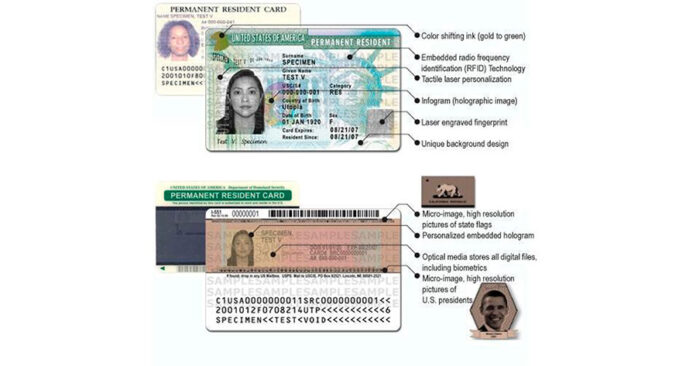
En lo que va de 2026, el gobierno de Estados Unidos ha implementado nuevas disposiciones migratorias que impactan directamente a los portadores de la Green Card, también conocidos como residentes permanentes legales. Aunque no se aprobó una reforma migratoria integral en el Congreso, las autoridades federales sí avanzaron con cambios administrativos y ejecutivos que endurecen la supervisión, modifican beneficios económicos y elevan los requisitos para conservar el estatus migratorio.
Las medidas, impulsadas principalmente por el Departamento de Seguridad Nacional (DHS) y el Servicio de Ciudadanía e Inmigración (USCIS), forman parte de una estrategia más amplia de control migratorio bajo la administración del presidente Donald Trump.
Más vigilancia y verificación para residentes permanentes
Uno de los cambios más relevantes es el reforzamiento del escrutinio sobre los residentes permanentes, incluso aquellos que llevan años viviendo legalmente en el país. En abril de 2026, el USCIS confirmó que actualizó sus procesos de revisión de estatus migratorios, incluyendo los de titulares de Green Card.
Entre las principales modificaciones se incluyen:
Verificación biométrica más estricta, aun en casos donde las huellas ya estaban registradas.
Chequeo obligatorio y ampliado de antecedentes penales antes de resolver solicitudes de renovación o ajustes.
Mayor revisión de redes sociales y finanzas, como parte del cruce de datos para detectar fraude o inconsistencias.
Reevaluaciones más frecuentes en procesos de naturalización y trámites derivados.
Las autoridades señalaron que estos ajustes responden a “fallas de control detectadas en años anteriores” y buscan reforzar la seguridad del sistema migratorio.
Viajar fuera de EE.UU.: un riesgo mayor si no se cumplen las reglas
Aunque circularon rumores en redes sociales sobre una supuesta prohibición de viaje para residentes permanentes, no existe ninguna orden que impida a los portadores de Green Card salir o regresar a Estados Unidos. Sin embargo, el reingreso al país está siendo evaluado con mayor rigor.
Las autoridades migratorias advierten que:
Ausencias de un año o más sin un permiso de reingreso (Formulario I‑131) pueden interpretarse como abandono de residencia.
Incluso viajes más cortos pueden derivar en interrogatorios intensivos si el residente no demuestra vínculos sólidos con EE. UU., como empleo, domicilio fijo o declaraciones de impuestos.
Casos recientes reportados por medios internacionales indican que algunos residentes han enfrentado demoras o revisiones adicionales al volver al país, especialmente tras estancias prolongadas en el extranjero.
Restricciones económicas: adiós a préstamos federales para algunos residentes
Otro cambio que afecta directamente a los portadores de Green Card es la exclusión de residentes permanentes de los préstamos federales para pequeños negocios, administrados por la Small Business Administration (SBA).
Desde marzo de 2026, la normativa establece que solo empresas propiedad al 100 % de ciudadanos estadounidenses pueden acceder a estos programas de financiamiento. Esto significa que, si una empresa tiene participación, aunque sea minoritaria, de un residente permanente, queda automáticamente excluida.
Organizaciones de emprendedores y grupos latinos han advertido que la medida podría afectar de forma desproporcionada a negocios familiares y pequeñas empresas creadas por inmigrantes legales, muchos de los cuales dependen de estos créditos para operar o expandirse.
Green Card por matrimonio: controles más estrictos
En el caso de las residencias obtenidas mediante matrimonio, el USCIS también reforzó la fiscalización. Desde enero de 2026, la agencia intensificó la verificación de que las uniones sean auténticas y no utilizadas para evadir la ley migratoria.
Las autoridades ahora priorizan pruebas como:
Cuentas bancarias conjuntas
Vivienda compartida (renta o hipoteca)
Seguros médicos o de vida
Correspondencia dirigida al mismo domicilio
Además, los residentes con estatus condicional deben prestar especial atención a la presentación puntual del Formulario I‑751, ya que errores o retrasos pueden derivar en la pérdida automática del estatus.
Lo que no cambió (pero genera confusión)
A pesar del endurecimiento de controles, expertos aclaran que:
No hay cancelaciones masivas de Green Cards.
No existe una prohibición general de viaje para residentes permanentes.
Los vetos migratorios anunciados en 2026 excluyen explícitamente a quienes ya tienen residencia legal.
Un año más difícil para los inmigrantes legales
Analistas coinciden en que 2026 se perfila como un año más exigente para los inmigrantes legales, incluidos los portadores de Green Card. Si bien conservan derechos fundamentales, el mensaje del gobierno es claro: el estatus debe demostrarse y cuidarse activamente.
Las autoridades recomiendan a los residentes permanentes mantener su documentación al día, cumplir estrictamente con las reglas de viaje y buscar orientación confiable antes de realizar trámites sensibles o decisiones que puedan poner en riesgo su estatus migratorio.
¿EE.UU. aprobó nuevas leyes contra los portadores de Green Card?
No. En 2026 no se aprobó una reforma migratoria integral, pero sí se implementaron cambios administrativos y nuevas políticas de control que afectan a los residentes permanentes.
¿Qué cambió para quienes ya tienen Green Card?
Principalmente:
Más controles de antecedentes y biométricos.
Mayor escrutinio en renovaciones y ciudadanía.
Revisión más estricta al reingresar al país tras viajes al extranjero.
Pérdida de acceso a ciertos beneficios económicos.
¿Pueden los residentes permanentes viajar fuera de Estados Unidos?
Sí. Viajar sigue permitido, pero:
Ausencias largas sin permiso pueden poner en riesgo el estatus.
Incluso viajes cortos pueden generar revisiones si no se demuestra residencia activa en EE. UU.
¿Se puede perder la Green Card por salir del país?
En ciertos casos, sí:
Estar fuera más de un año sin permiso de reingreso puede considerarse abandono de la residencia.
La falta de vínculos claros con EE. UU. también puede generar problemas al regresar.
¿Qué pasó con los préstamos para pequeños negocios?
Desde marzo de 2026, los portadores de Green Card ya no pueden acceder a préstamos federales de la SBA si tienen participación en un negocio. Ahora, solo califican empresas propiedad exclusiva de ciudadanos estadounidenses.
¿Cambió algo para quienes obtuvieron la Green Card por matrimonio?
Sí. El USCIS ahora exige:
Más pruebas de convivencia real.
Revisión más exhaustiva de documentos financieros.
Mayor rigor para eliminar la residencia condicional.
¿Hay cancelaciones masivas de Green Cards?
No. No hay una política de cancelación masiva, pero sí mayor control caso por caso.
¿Qué recomiendan los expertos?
Mantener impuestos y documentos al día.
Evitar ausencias prolongadas sin permisos.
Cumplir estrictamente con plazos y requisitos migratorios.
Informarse través de fuentes oficiales o profesionales acreditados.
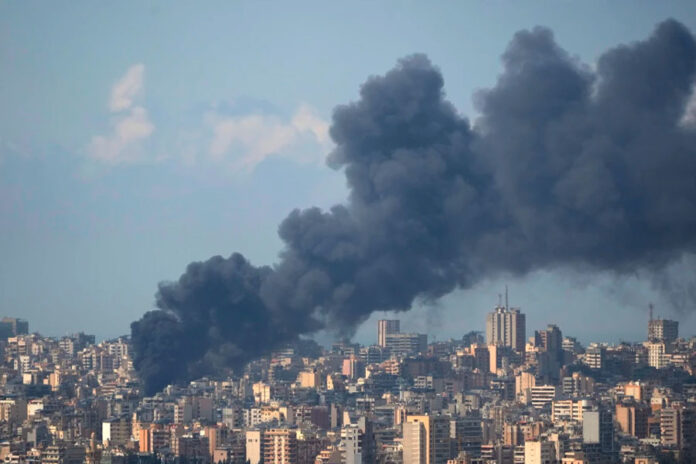
Sale humo de un edificio en Beirut tras un bombardeo israelí, el 8 de abril del 2026. (Foto: AP/Hassan Ammar)
Israel bombardeó el miércoles varias zonas densamente pobladas en el centro de Beirut, horas después de que se anunciara un alto al fuego en la guerra entre Estados Unidos e Israel con Irán. El Líbano dijo que al menos 182 personas murieron como resultado de los ataques israelíes, y que cientos más resultaron heridas.
El presidente estadounidense Donald Trump dijo a PBS News Hour que Líbano no estaba incluido en el acuerdo debido a la presencia del grupo político-paramilitar Hezbollah. Cuando se le preguntó sobre los más recientes ataques de Israel, respondió: “Eso es una escaramuza separada”. Israel había dicho que el acuerdo no se extiende a Líbano, aunque Irán y el mediador Pakistán sostuvieron que sí.
La fugaz sensación de alivio entre los libaneses tras el anuncio del alto al fuego se convirtió en pánico a causa de lo que el ejército israelí calificó como el mayor ataque coordinado en la guerra actual, que incluyó más de 100 objetivos en 10 minutos en Beirut, el sur de Líbano y el valle oriental de la Becá.
Salía humo negro de varias partes de la capital costera, donde un enorme número de personas desplazadas por la guerra se han refugiado. Las explosiones interrumpían los bocinazos del tráfico en lo que había sido una tarde bulliciosa de cielo azul. Las ambulancias se dirigían a toda velocidad hacia las llamas. Edificios de apartamentos fueron bombardeados.
Periodistas de The Associated Press vieron cuerpos calcinados en vehículos y en el suelo en una de las intersecciones más concurridas de Beirut, en el barrio central de Corniche al Mazraa, una zona mixta comercial y residencial. Con montacargas, los rescatistas retiraban escombros humeantes y revisaban las ruinas en busca de sobrevivientes.
No había señales de que Hezbollah lanzara ataques contra Israel en las primeras dos horas después de los ataques.
En respuesta a los ataques en Líbano, Irán dijo más tarde el miércoles que nuevamente detendrá el movimiento de buques en el estrecho de Ormuz, informó la prensa estatal del país.
Una mortífera andanada al mediodía
El centro de Beirut ya había sido atacado antes, pero no por tantos bombardeos a la vez y en pleno día. Israel ha asaltado con regularidad el sur y el este de Líbano y los suburbios del sur de Beirut desde el estallido de la más reciente guerra entre Israel y Hezbollah el 2 de marzo.
La ministra de Asuntos Sociales de Líbano, Haneed Sayed, en una entrevista con The Associated Press, condenó los ataques de Israel, calificándolos como un “punto de inflexión muy peligroso”.
“Estos ataques ahora están en el corazón de Beirut… La mitad de los refugiados están en Beirut en esta zona”, dijo, y añadió que acababa de pasar en auto por las zonas atacadas.
Declaró que el gobierno de Líbano está listo para entablar negociaciones con Israel para poner fin a las hostilidades, una oferta que el presidente ya había hecho. Israel no ha respondido. “Hay llamadas y esfuerzos que se están realizando en este momento”, indicó Sayed.
El primer ministro Nawaf Salam, en un comunicado, acusó a Israel de escalar en un momento en que se trataba de negociar una solución, y de atacar zonas civiles con un “total desprecio por los principios del derecho internacional y del derecho internacional humanitario —principios que, en cualquier caso, nunca ha respetado”.
El presidente libanés Joseph Aoun calificó los ataques israelíes de “bárbaros”. El Ministerio de Salud de Líbano indicó que, junto con los 182 muertos, al menos 890 resultaron heridos en los ataques. En total, 1.739 personas han muerto y 5.873 han resultado heridas en Líbano en poco más de cinco semanas desde el estallido de la guerra .
El ejército israelí alegó que había atacado lanzadores de misiles, centros de mando e infraestructura de inteligencia. Acusó a combatientes de Hezbollah de intentar “mezclarse” en zonas musulmanas no chiíes más allá de sus bastiones tradicionales.
Residentes y funcionarios locales negaron que los edificios atacados por Israel fueran sitios militares.
“Miren estos crímenes”, señaló Mohammed Balouza, miembro del concejo municipal de Beirut, en el lugar de un ataque en Corniche al Mazraa. Un edificio de apartamentos detrás de una tienda popular que vende nueces y fruta seca había sido alcanzado. “Esta es una zona residencial. Aquí no hay nada (militar)”.
Una advertencia israelí y un Hezbollah desafiante
Mientras el humo se elevaba el miércoles, el ministro de Defensa israelí Israel Katz advirtió al líder de Hezbollah Naim Kassem que “su turno llegará”. En 2024, Israel mató al anterior líder de Hezbollah Hasán Nasrala.
Katz calificó los ataques del miércoles como el mayor golpe contra Hezbollah desde el ataque que hizo que los bípers utilizados por cientos de sus integrantes estallaran casi simultáneamente en septiembre de 2024.
Antes de la nueva oleada de ataques, un funcionario de Hezbollah dijo a The Associated Press que el grupo estaba dando una oportunidad a los mediadores para asegurar un alto al fuego en Líbano, pero que “no hemos anunciado nuestra adhesión al alto al fuego ya que los israelíes no lo están cumpliendo”. Habló bajo condición de anonimato porque no estaba autorizado a hacer comentarios públicos.
El funcionario de Hezbollah advirtió que el grupo no aceptará un regreso al statu quo previo al 2 de marzo, cuando Israel llevaba a cabo ataques casi diarios contra Líbano pese a que nominalmente estaba en vigor una tregua desde que terminó la última guerra a gran escala entre Israel y Hezbollah en noviembre de 2024.
“No aceptaremos que los israelíes sigan comportándose como lo hacían antes de esta guerra en lo que respecta a los ataques”, apuntó.
Hezbollah había disparado misiles a través de la frontera días después de que Estados Unidos e Israel atacaran Irán el 28 de febrero, lo que desencadenó una guerra regional. Israel respondió con un bombardeo generalizado sobre Líbano y una invasión por tierra.
El jefe del Estado Mayor del ejército israelí, el teniente general Eyal Zamir, alega que los ataques son para proteger a los residentes del norte de Israel, que han estado bajo intenso fuego.
El ejército israelí ha dicho que ha matado a cientos de combatientes de Hezbollah. Más de un millón de personas han sido desplazadas en Líbano.
Más temprano el miércoles, después de que se anunciara el alto al fuego en Irán y antes de que Israel atacara, muchas personas desplazadas que dormían en tiendas de campaña en las calles de Beirut y de la ciudad costera de Sidón comenzaron a empacar sus pertenencias para regresar a sus hogares.
En un extenso campamento de desplazados en el malecón de Beirut, familias expresaron confusión y desesperación.
“No podemos más con esto: dormir en una tienda, no bañarnos, la incertidumbre”, dijo Fadi Zaydan, de 35 años. Él y sus padres se habían preparado para regresar a la ciudad sureña de Nabatieh. En cambio, decidieron esperar por ahora en Sidón, un poco más cerca de su hogar.
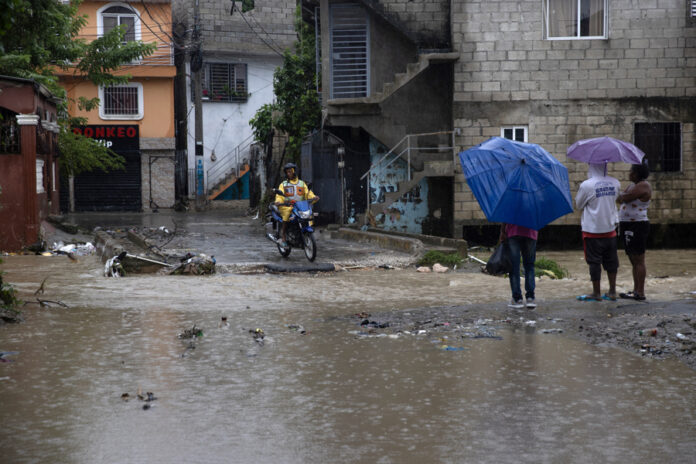
Personas cruzan una cañada desbordada en el barrio Manoguayabo, en Santo Domingo (República Dominicana). (Foto: EFE/Orlando Barría)
Santo Domingo.– Una niña de un año falleció este miércoles tras caerle encima una pared de su vivienda en el oeste de Santo Domingo en medio de las torrenciales lluvias arrojadas por una vaguada que incide sobre gran parte del país, donde también se reportaron fuertes inundaciones y cuantiosos daños materiales.
Los mayores daños se han producido en el Gran Santo Domingo, incluyendo el Distrito Nacional, resumió el presidente del país, Luis Abinader, en una rueda de prensa junto al director del Centro de Operaciones de Emergencias (COE), Juan Manuel Méndez.
Méndez, quien confirmó la muerte de la niña, aunque sin ofrecer mayores de lo ocurrido, precisó que en algunos lugares de Santo Domingo se registraron entre 300 y 400 milímetros, lo que explica la situación registrada en diversos sectores desde horas de la madrugada.
Según las autoridades meteorológicas, las lluvias, que obligaron a suspender las clases este miércoles, continuarían más horas, aunque con menor frecuencia, por lo que Méndez exhortó a la población «a mantenerse atenta a las informaciones oficiales», especialmente a los residentes en las provincias en alerta, dieciocho en total.
Unas lluvias que se lo llevaron todo
«No nos ahogamos porque fuimos atentos y salimos huyendo», cuenta a EFE Juleisy Figuereo, madre de tres hijos que se vio obligada a salir de su casa a las 03:40 hora local (07:40 GMT) cuando el agua le llegaba por la cintura, tras unas lluvias que se iniciaron alrededor de las doce de la madrugada de este miércoles.
La cañada próxima a su casa, «se llevó prácticamente todo y lo que quedó no sirve para nada. Se llevó la cama, la nevera…todo», lamenta Figuereo, quien vive en Las 800, un barrio humilde de la capital dominicana que ha sufrido graves inundaciones a causa de las lluvias de las últimas horas.
Esta inundación ha supuesto para su familia un gran varapalo económico: «(pedimos) una ayuda porque estamos prácticamente en la calle, la casa fue lo que no se cayó pero nos sacó todo afuera. No tenemos donde dormir, no tenemos ropa, no tenemos nada», señaló esta mujer.
Otros vecinos de este barrio, a cuyas casas el agua llegó hasta la altura de la puerta, han sacado a la calle sillones, colchones y todo tipo de mobiliario afectado por las fuertes precipitaciones.
En la rueda de prensa en la sede del COE, el presidente Abinader anunció una serie de medidas para acudir en auxilio de familias afectadas.
«Desde esta madrugada estamos movilizando el Gobierno, especialmente en el Gran Santo Domingo, con todos los organismos que componen el COE, principalmente para la prevención y proteger las vidas humanas, y luego también la parte material», expresó.
Las personas podrán enviar mensajes de texto directamente para realizar preguntas o solicitar información. (Foto: oficina de Registros de Escrituras)
La oficina de la registradora de escrituras del condado de Montgomery, Jeanne Sorg, anunció una nueva forma de contacto con los residentes: a partir de este mes, las personas podrán enviar mensajes de texto directamente al 267-355-3404 para realizar preguntas o solicitar información.
Con esta iniciativa, la oficina del Recorder of Deeds se convierte en la primera dependencia del condado de Montgomery en ofrecer atención mediante mensajes de texto.
De acuerdo con Sorg, la medida busca facilitar la comunicación con las generaciones más jóvenes, especialmente con quienes comienzan a comprar una vivienda y prefieren utilizar herramientas de contacto más rápidas y cotidianas.
La funcionaria señaló que muchas veces los residentes solo necesitan resolver una duda breve, por lo que el servicio de texto permitirá una comunicación más sencilla y directa con la oficina.
El nuevo sistema se suma a otros esfuerzos que la oficina ha implementado en los últimos años para hacer sus servicios más accesibles. Entre ellos se encuentran la creación de un mostrador adaptado para personas con movilidad reducida, la realización de programas y servicios fuera de la oficina y el uso de dispositivos de traducción para atender a personas cuyo primer idioma no es el inglés.
La oficina informó que las respuestas a los mensajes de texto estarán disponibles de lunes a viernes, de 8:00 de la mañana a 4:30 de la tarde. Los mensajes recibidos fuera de ese horario serán respondidos el siguiente día hábil.
Las personas interesadas en conocer más sobre los servicios del Recorder of Deeds pueden visitar el sitio web del condado o enviar un mensaje de texto al 267-355-3404.
Gala benéfica de Garces. (Foto: Cortesía/Garces Foundation)
Garces Foundation volverá a reunir a algunos de los chefs, restaurantes y líderes comunitarios más destacados de Filadelfia durante la edición número 14 de su evento anual de beneficencia, una de las galas gastronómicas más importantes de la primavera.
Bajo el lema “One Delicious Evening, Infinite Impact”, el evento se celebrará el jueves 23 de abril de 2026, de 6:00 a 9:30 p.m., en Live! Casino & Hotel, ubicado en el sur de Filadelfia. La velada, inspirada en un mercado artesanal nocturno, busca recaudar fondos para los programas de salud, educación y apoyo que la fundación ofrece a la comunidad inmigrante.
La organización fue fundada en 2010 por el chef José Garces, ganador del premio James Beard y de “Iron Chef”, y por la doctora Beatriz Garces. Desde entonces, la fundación ha trabajado para brindar acceso a atención médica, servicios dentales, clases de inglés y alfabetización digital a miles de inmigrantes de bajos recursos en Filadelfia.
La gala de este año contará con comida ilimitada preparada por más de 30 restaurantes y chefs de la región, así como música en vivo, danzas folclóricas colombianas, un mercado artesanal, obras de arte y una subasta silenciosa y en vivo.
Una noche para celebrar la diversidad de Filadelfia
Los asistentes podrán degustar platillos de reconocidos restaurantes como Amada, Buena Onda, Village Whiskey, White Yak, Little Fish, Tabachoy, Wilder, Hardena, Mom-Mom’s Kitchen, El Mictlán, Cantina Dos Segundos, Luk Fu y Juana Tamale, entre muchos otros.
Entre los platillos destacados se encuentran las albóndigas de cordero con crema de jerez, foie gras y trufa negra de Amada Radnor; los bacalaítos con ensalada de cangrejo azul de Bolo; el bao de cheesesteak de Izzy’s; el hamachi crudo de Wilder; y el scallop toast de Little Fish.
Además de la oferta culinaria, los invitados podrán disfrutar de vino, licores y cócteles cortesía de patrocinadores como Stateside Vodka y Komos Tequila.
La música estará a cargo de Suena Cimarrón, agrupación que mezcla ritmos contemporáneos con sonidos tradicionales del Pacífico colombiano. El programa también incluirá la participación del grupo de danza folclórica Colombia Mi Corazón Es Tuyo.
La temática de mercado artesanal también se verá reflejada en la presencia de artistas y artesanos de la comunidad inmigrante. Entre ellos se encuentran la muralista Manuela Guillén, quien presentará parte de su trabajo, y Venisbu, un proyecto de joyería artesanal venezolana y wayúu.
Vista general de una edición anterior del evento anual de Garces Foundation, que reúne a chefs, empresarios y miembros de la comunidad inmigrante. (Foto: Cortesía/Garces Foundation)
El origen de una misión
Garces Foundation nació tras la muerte de Felipe, un trabajador de 26 años que padecía cáncer de tiroides y que retrasó su tratamiento debido a las barreras que enfrentaba para acceder al sistema de salud por su estatus migratorio.
La experiencia marcó profundamente a José y Beatriz Garces, quienes decidieron crear una organización que ayudara a otras personas a no vivir una situación similar.
“Esta es una de mis noches favoritas del año”, expresó José Garces al anunciar la gala. “Reúne a los mejores líderes culinarios, artistas y defensores de la comunidad de Filadelfia para una velada única y deliciosa, pero con un impacto enorme”.
El chef señaló que, como hijo de inmigrantes y propietario de negocios, conoce de primera mano la importancia de la fuerza laboral inmigrante para la ciudad.
“Este evento fue diseñado para ser una de las mejores fiestas de la región, pero con un propósito muy importante”, afirmó.
Por su parte, la doctora Beatriz Garces recordó que la muerte de Felipe fue una tragedia que pudo haberse evitado. “Lo más doloroso fue saber que era prevenible. Si él hubiera sentido la confianza de acudir a un médico, tal vez todo habría sido diferente”, señaló.
La odontóloga explicó que cada boleto vendido y cada donación obtenida durante la noche se traduce en atención médica, clases de inglés, recursos educativos y servicios de apoyo para cientos de familias inmigrantes.
Invitados y organizadores celebran durante una edición anterior del evento anual de Garces Foundation en Filadelfia. (Foto: Cortesía/Garces Foundation)
Más de mil personas beneficiadas
Durante 2025, atendió a más de 1,000 personas a través de sus distintos programas. De acuerdo con la organización, el 52 por ciento de los participantes tenía ingresos anuales inferiores a 13,000 dólares.
Entre los programas más importantes se encuentra IDIOMA, que ofrece clases de inglés y alfabetización digital especialmente diseñadas para trabajadores de la industria restaurantera y de servicios.
La fundación también realiza Community Health Days y el programa Sonrisa, que ofrecen consultas médicas, revisiones dentales y exámenes de salud gratuitos para personas que de otra manera no podrían acceder a esos servicios.
David Weisberg, presidente de la junta directiva de la organización, aseguró que el beneficio anual llega en un momento especialmente importante.
“Es fácil sentirse impotente cuando se trata de apoyar a nuestra comunidad inmigrante”, dijo. “Pero, como siempre, es el poder de la comunidad lo que nos permitirá seguir adelante”.
Weisberg destacó que la gala no solo busca recaudar fondos, sino también celebrar la diversidad cultural y gastronómica que los inmigrantes aportan a Filadelfia.
Subastas exclusivas y experiencias únicas
Además de la comida y el entretenimiento, el evento incluirá una subasta con experiencias difíciles de conseguir.
Entre los artículos más codiciados se encuentra una cena privada en Amada Radnor para 10 personas, preparada por tres de los chefs más influyentes de Filadelfia: José Garces, Michael Solomonov y Marc Vetri.
El escenario del evento anual de Garces Foundation, decorado con el distintivo letrero de “Garces”. (Foto: Cortesía/Garces Foundation)
Cómo asistir
Los boletos para el beneficio ya están a la venta por 125 dólares por persona. El precio incluye comida y bebidas ilimitadas, estacionamiento y servicio de guardarropa en Live! Casino & Hotel.
Los organizadores invitaron a los asistentes a vestir atuendo formal de cóctel.
Garces Foundation espera que la noche vuelva a convertirse en una celebración de la cultura inmigrante de Filadelfia y, al mismo tiempo, en una oportunidad concreta para recaudar fondos que permitan continuar con su labor.
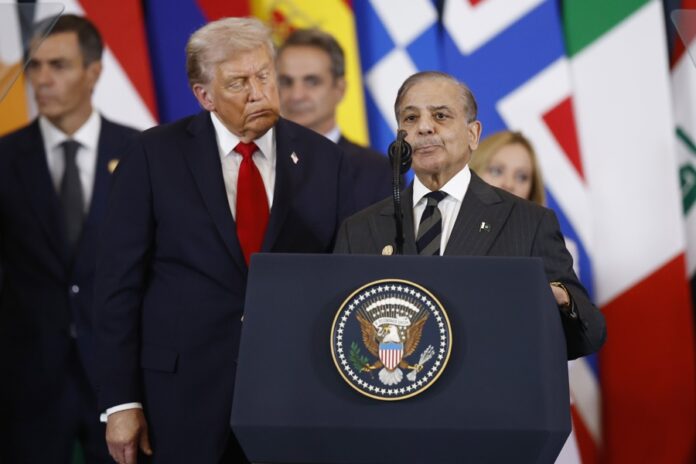
Primer ministro paquistaní, Shehbaz Sharif, junto al presidente de Estados Unidos, Donald Trump, durante la cumbre de octubre celebrada en Egipto para la reconstrucción de Gaza a la que también atendió el presidente español, Pedro Sánchez (en el fondo y a la izquierda).
(Foto: EFE/YOAN VALAT/Archivo)
El primer ministro paquistaní, Shehbaz Sharif, a menudo subestimado como un burócrata a la sombra de su linaje familiar, se ha alzado hoy como el arquitecto de una tregua de dos semanas entre EE. UU. e Irán, presentándose como el único interlocutor capaz de desactivar un conflicto que parecía inevitable.
El éxito de Sharif como mediador internacional revela también un talento doméstico, ser el puente entre el poder civil y el estamento militar paquistaní. Su estrecha con el mariscal de campo Asim Munir, el interlocutor militar de la Casa Blanca, le ha permitido hablar en nombre de un Estado que tiene la capacidad de garantizar lo que promete.
Shehbaz es el rostro diplomático de un régimen que Trump respeta porque entiende que, detrás del traje del primer ministro, está el respaldo del Ejército.
El eterno gestor a la sombra
A pesar de su larga carrera, Shehbaz (1951) siempre habitó a la sombra de su hermano mayor, Nawaz Sharif, tres veces primer ministro y figura histórica del país.
Mientras Nawaz dominaba la escena nacional con un liderazgo carismático y a veces confrontativo, Shehbaz se conformaba con dirigir Punyab, donde se forjó una reputación de administrador incansable y pragmático.
Todo cambió en 2018 con la inhabilitación de Nawaz por corrupción y su posterior exilio. Ese vacío catapultó a Shehbaz al frente de la Liga Musulmana de Pakistán (PML-N) y, finalmente, a la presidencia del Gobierno en 2022.
Sin embargo, su ascenso no ha estado exento de polémica, su actual mandato, iniciado en marzo de 2024, nació bajo acusaciones de fraude electoral y protestas de la oposición.
Supervivencia y pragmatismo
Nacido en una familia de empresarios de Lahore, Sharif entiende la política como una cuestión de resultados y supervivencia.
Ha conocido el exilio tras el golpe de Estado de 1999 y la jusricia de su país cuando en 2020 fue detenido por acusaciones de blanqueo de capitales que implicaron la congelación de 23 propiedades familiares.
No obstante, en un giro recurrente en la política del país, estos casos se han desvanecido desde que asumió el cargo de primer ministro.
Esa capacidad de navegar en el fango y mantener los canales abiertos con los generales, a quienes se les ve como los verdaderos gobernantes de Pakistán, es lo que hoy le ha permitido mediar con éxito.
En 2023 admitió ser el «favorito del establishment» y aunque quiso matizarlo, hoy esa etiqueta es su mayor activo.
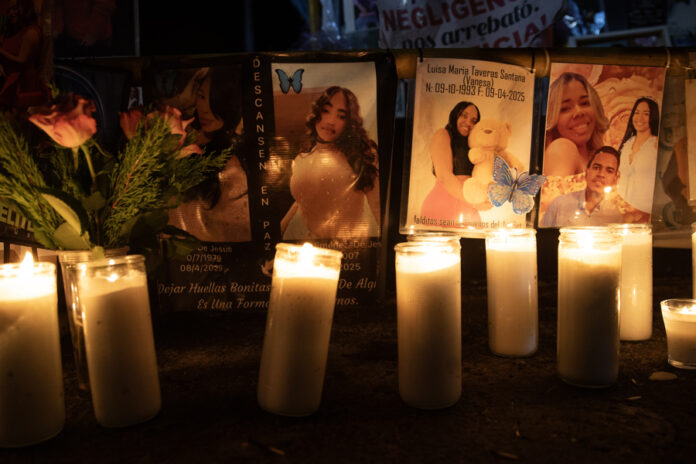
Fotografía que muestra carteles con imágenes de las víctimas de la discoteca Jet Set durante una vigilia este martes, al conmemorarse un año de la tragedia que causó la muerte de 236 personas y dejó heridas a más de 180 en Santo Domingo (República Dominicana). (Foto: EFE/Orlando Barría)
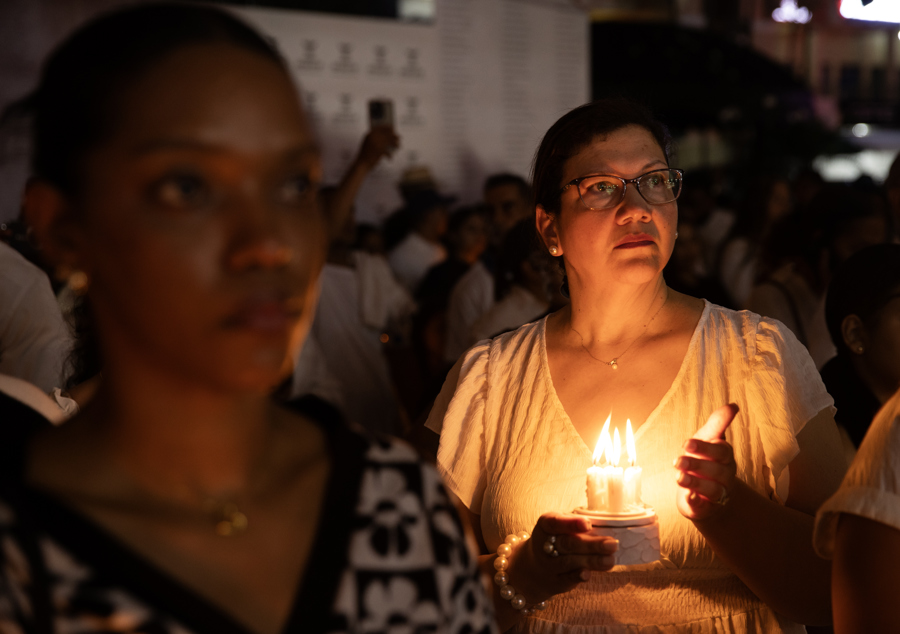
Centenares de familiares y allegados de las 236 víctimas mortales del derrumbe del techo de la discoteca Jet Set, de Santo Domingo, conmemoraron en la noche del martes a este miércoles las vidas de sus seres queridos con una vigilia celebrada a las mismas horas en las que tal día como hoy, pero de hace un año, ocurrió la desgracia.
Velas, flores y detalles en memoria de quienes perdieron la vida fueron depositados frente a las puertas del local nocturno donde ocurrió el accidente, el lugar escogido para esta conmemoración.
«Este momento ha sido un poco difícil, todavía el trauma sigue igual» confiesa a EFE Enrique Baes, un superviviente de esta tragedia que ha acudido a la vigilia.
Baes, que espera «que se haga justicia», acudió aquella fatídica noche a este célebre local nocturno junto con un amigo suyo, quien también sobrevivió.
Una mujer participa en una vigilia este martes, al conmemorarse un año de la tragedia que causó la muerte de 236 personas y dejó heridas a más de 180 de la discoteca Jet Set en Santo Domingo (República Dominicana). (Foto: EFE/Orlando Barría)
«Cuando el techo se cayó yo estaba de pie. Corrí hacia la puerta de emergencia y en lo que iba de camino, corriendo, se me enterró una pierna en los escombros y, ahí, mi amigo también estaba enterrado. Yo lo ayudé a salir y luego él me ayudó a quitarme los escombros de la pierna. Y ahí salimos», recuerda.
La herida de aquella noche todavía la lleva consigo y reconoce que no ha podido olvidar lo vivido.
«Gracias a Dios, nos dio la oportunidad de seguir viviendo. Un año después aquello está todavía muy presente. Mi vida no ha vuelto a ser igual después de ese momento».
«Todos necesitamos apoyo y mientras más personas se unan es mejor para la causa», añade en referencia a las demandas de justicia sobre este caso, en el que, de momento, el Ministerio Público acusa de homicidio involuntario a los propietarios de la discoteca, los hermanos Antonio y Maribel Espaillat.
Una mujer llora durante una vigilia este martes, al conmemorarse un año de la tragedia que causó la muerte de 236 personas y dejó heridas a más de 180 de la discoteca Jet Set en Santo Domingo (República Dominicana). (Foto: EFE/Orlando Barría)
Al lugar de la vigilia, donde se instaló una carpa y un escenario desde el que se interpretaron canciones y se leyeron versículos de la Biblia, también se acercaron dominicanos que, aunque no se vieron afectados directamente por la tragedia, quisieron venir esta noche para acompañar a los familiares y amigos de los fallecidos, así como para mostrar su solidaridad.
«Ha sido una tragedia muy grande para nosotros y demandamos justicia, (que caiga) todo el peso de la ley, porque hubo mucha negligencia. Por eso estamos aquí apoyando», cuenta a EFE Nidia Mejía, una dominicana que ha acudido a esta conmemoración.
«La vigilia de hoy representa que (la tragedia) no se ha olvidado. Debemos mantener realmente la energía para que se haga justicia, porque realmente esto ha sido una tragedia demasiado grande para el pueblo dominicano. Nunca habíamos tenido una tragedia de esta magnitud», señala esta mujer.
El 15 de abril marca el cierre del plazo para presentar y pagar la declaración de impuestos federales, una obligación que afecta a millones de contribuyentes, incluidos inmigrantes y residentes permanentes.
A pocos días de que venza el periodo fiscal, el Servicio de Impuestos Internos de Estados Unidos (IRS) recordó que el 15 de abril es la fecha límite para presentar y pagar la declaración de impuestos federales correspondiente al año fiscal 2025. El cierre del plazo aplica tanto a ciudadanos estadounidenses como a residentes permanentes, trabajadores independientes e inmigrantes que hayan generado ingresos en el país.
No cumplir con esta obligación puede derivar en multas, recargos e intereses acumulados, por lo que las autoridades recomiendan no postergar el trámite hasta el último momento. El IRS advierte que presentar la declaración, incluso sin poder pagar el total adeudado, es preferible a no hacerlo, ya que las sanciones por no declarar suelen ser más elevadas.
La fecha límite también alcanza a quienes viven fuera de Estados Unidos, pero mantienen obligaciones tributarias derivadas de ingresos generados en el país. En el caso de los trabajadores por cuenta propia y quienes obtienen ingresos a través de plataformas digitales, la presentación oportuna cobra especial relevancia, ya que suelen enfrentar evaluaciones más estrictas.
Si un contribuyente necesita más tiempo para completar su declaración, puede solicitar una extensión automática que le permite presentarla con meses de retraso. Sin embargo, esta prórroga no aplaza el pago: cualquier monto adeudado que no se cubra antes de abril comenzará a generar intereses y penalidades.
Sofía Portillo, coordinadora de Programa en CEIBA. (Foto: Impacto staff)
Para la comunidad inmigrante, los especialistas insisten en que declarar impuestos no afecta el estatus migratorio y, por el contrario, puede servir como prueba de cumplimiento y de arraigo económico en Estados Unidos. Organizaciones comunitarias y preparadores certificados continúan ofreciendo asistencia gratuita o de bajo costo para ayudar a quienes tienen dudas sobre el proceso.
Ante la proximidad del cierre del plazo, las organizaciones continúan ofreciendo asistencia gratuita o de bajo costo, especialmente a comunidades inmigrantes y a trabajadores con ingresos limitados. En Filadelfia, una de las entidades que brinda este apoyo es CEIBA (Latino Equitable Development Collective), una organización sin fines de lucro dedicada al desarrollo económico y la inclusión financiera de la comunidad latina.
CEIBA ofrece servicios de preparación gratuita de impuestos federales, estatales y municipales, así como ayuda para solicitar o renovar el ITIN (Número de Identificación Personal del Contribuyente). Además, la organización cuenta con programas de educación financiera, orientación sobre vivienda, consejería económica y desarrollo para pequeños negocios, todos enfocados en fortalecer la estabilidad financiera de las familias inmigrantes.
La sede de CEIBA se encuentra en 174 Diamond Street, Filadelfia, y generalmente atiende de lunes a viernes, entre las 9:00 de la mañana y las 5:00 de la tarde, y en este periodo inclusive los fines de semana, aunque algunos servicios, como la preparación de impuestos, requieren cita previa y horarios específicos durante la temporada fiscal. La organización ofrece atención en español e inglés y todos sus servicios de impuestos son gratuitos para personas elegibles.
Con el calendario fiscal a punto de cerrarse, las autoridades reiteran el llamado a revisar la información, guardar los comprobantes y cumplir el plazo, a fin de evitar problemas financieros futuros y sanciones innecesarias.
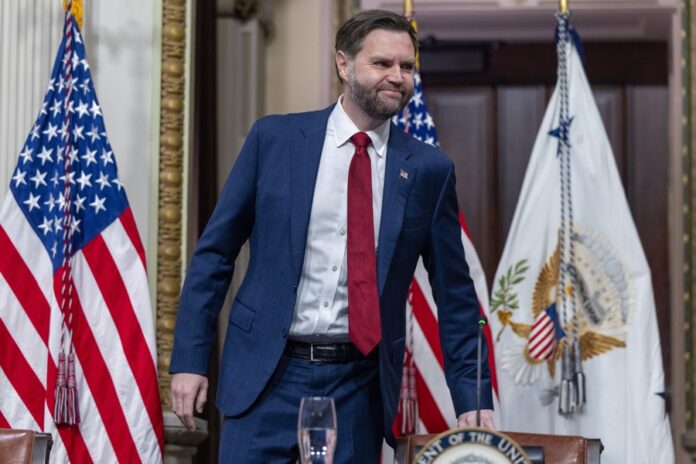
Washington.- La Casa Blanca prevé que el vicepresidente de EE. UU., JD Vance, estará presente en las próximas conversaciones entre su país e Irán inicialmente previstas para el próximo viernes en Pakistán, según ha informado, citando a representantes del Gobierno estadounidense, la cadena CNN.
Los funcionarios citados por la cadena esperan que el encuentro tenga lugar en Islamabad y que, además de Vance, encabecen también el diálogo el enviado especial para Oriente Medio, Steve Witkoff, y el yerno del presidente estadounidense, Jared Kushner.
Witkoff y Kushner han protagonizado en el último año varias rondas de diálogo con Teherán (la última el 27 de febrero, un día antes de que EE. UU. e Israel comenzaran a atacar Irán), mientras que sería la primera vez que el vicepresidente estadounidense se involucra directamente en este tipo de negociaciones.
Vance se encuentra actualmente visitando Hungría, y las fuentes consultadas por CNN han indicado que podría viajar de ahí a Pakistán.
El reporte llega horas después de que el presidente Donald Trump anunciara un alto el fuego bilateral y que retrasara otras dos semanas el plazo que ha dado a Teherán para reabrir el estrecho de Ormuz.
La Guardia Revolucionaria ha limitado el tráfico en el estrecho, por donde pasa parte importante de los hidrocarburos que se exportan globalmente, y Trump había amenazado con atacar plantas eléctricas y otras infraestructuras básicas iraníes si Teherán no aceptaba reabrir la vía hoy a las 20:00 hora de Washington (0:00).
Pero una hora y media antes del plazo, el republicano aplazó el ataque y dijo que fue gracias a la mediación de Islamabad y a condición de que Teherán garantice «la apertura completa, inmediata y segura» de Ormuz.
Poco después, el Gobierno iraní afirmó que garantizará la navegación segura por el paso marítimo durante las dos próximas semanas y que las conversaciones con Washington arrancarán el próximo viernes 10 de abril en Islamabad.
Irán le ha presentado a EE. UU. un plan de 10 puntos que Trump ha dicho que supone un avance hacia un acuerdo definitivo y que contempla el cese de los ataques de EE. UU. e Israel sobre Irán y los aliados de la república islámica en la región, el pasaje «coordinado» con el Ejército iraní a través del estrecho de Ormuz o la retirada de tropas estadounidenses de toda la región.