


The United States was once the crown jewel of the world—a democracy that honored and protected all its residents, a place where dreams could be realized. As some immigrants would say, it was “the land of sun and money”—sometimes more sun than money—but there seemed to be room for everyone.
That vision is fading. The world is now watching a great government unravel—not from outside attacks, but from within, through racist policies that prioritize white populations and seek to erase immigrants of color from this so-called democracy. These policies even attempt to eliminate any mention of people of color from official records and educational materials.
This new wave of inhumane immigration policy will have devastating effects—not just morally, but economically—across all levels of American society.
What’s rarely discussed in the media is the economic cost of this bizarre and brutal immigration crackdown. When these policies were being crafted, no budget was presented. If the public had seen the actual cost, they would be outraged. Funds are being siphoned from other essential programs to bankroll this campaign of fear and deportation.
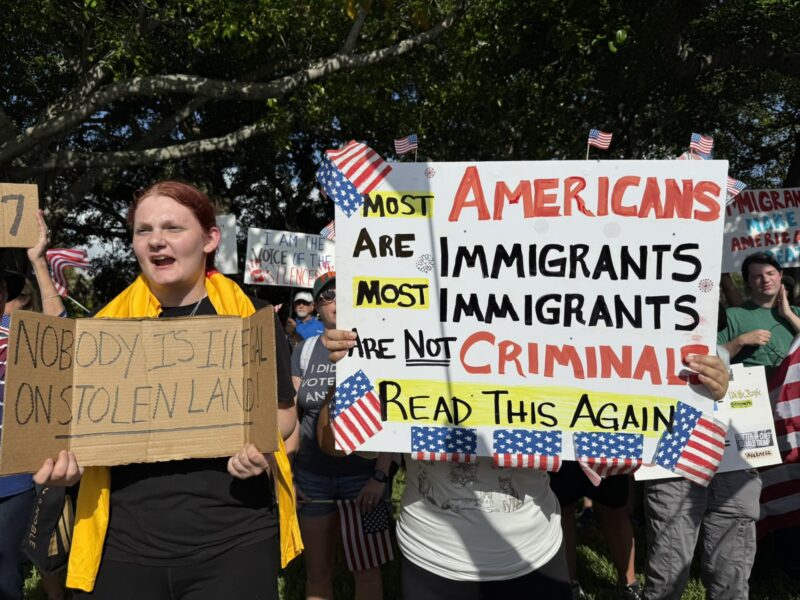
The White House is spending millions of dollars daily on a broad-based attack on immigrant families, claiming to target dangerous criminals. But this is a blatant lie. The vast majority of those arrested have no criminal records. The return on this massive investment is minimal, while the damage is immense.
Who is being targeted?
Farmworkers, taco stand owners, day laborers, gardeners, nannies, hospital and nursing home staff—many of whom have lived in the U.S. for years, raised children born here, and contributed to their communities—are being hunted down as if they were criminals. Meanwhile, those who stormed the U.S. Capitol on January 6th were pardoned.
These immigrants are being deported without fair hearings, losing their homes, bank accounts, vehicles, and the modest but meaningful investments they’ve built over years of hard work.
Many were also sending remittances back to their home countries—vital lifelines that support families and bolster the economies of their countries of origin. Cutting off these funds not only destabilizes those countries but also increases the pressure for more migration.
The economic ripple effect is massive
Industries like agriculture, construction, food service, and hospitality rely heavily on immigrant labor. U.S. citizens do not easily fill these jobs, and if they did, wages and benefits would drive prices up four to five times. Expect to see this first in the cost of vegetables, eggs, and meat. Transportation, housing, and hotel prices are also expected to rise.
Small businesses are expected to close due to labor shortages and rising costs. International agricultural contracts are at risk of being lost due to tariffs and labor disruptions. The U.S. may be forced to reduce tariffs on imports of food and raw materials it can no longer produce efficiently.
And what about major events like the World Cup and the Olympics?
History demonstrates that immigrant labor is crucial for constructing infrastructure and facilitating logistics. After disasters like Hurricane Katrina, it was immigrant workers who rebuilt communities. During the Atlanta Olympics, they built the venues—and stayed, enriching the city’s culture.
Recent disasters, such as the Texas floods and California wildfires, have seen Mexican emergency teams’ step in to help. Yet their contributions go unrecognized by U.S. media and leadership.
Take the story of Silvana Garza Valdez and María Paula Zárate, two 19-year-old Mexican counselors who saved 20 girls during the July 4th flood at Camp Mystic, Texas. They kept the children safe and calm until help arrived. Their heroism was honored by Mexican President Claudia Sheinbaum Pardo—but ignored by U.S. leaders.

Meanwhile, FEMA and Homeland Security failed in their response, costing lives.
While the government spends millions to terrorize immigrant communities, neighbors are stepping up with love and support. Crowd funding campaigns are everywhere, trying to help families survive this crisis. Yet even respected organizations like Las Americas in El Paso are being forced to close offices and cut staff due to funding shortages.
You cannot deport a significant sector of the labor force without triggering a financial disaster. Immigrant workers contribute billions in taxes. This cruel and misguided policy is driving America into an economic ditch that will be painfully felt by September—and not easily reversed.
To save our economy and our democracy, we must stop this abuse of a system that, while imperfect, was once functional. We must recognize the value of immigrants.
There are no Anglo-Americans lining up to do the work that immigrants do.
We must all raise our voices and demand a ceasefire on deportations immediately.