


Education has long been considered the great social equalizer—the ladder that allows any individual, regardless of background, to climb toward opportunity. Yet in today’s United States, that ladder is increasingly unstable, unequal, and, for many, out of reach. The current education system is buckling under the weight of systemic neglect, political disputes, and deep-rooted inequalities.
From coast to coast, public schools are struggling to meet even the most basic needs. Teachers face overcrowded classrooms, outdated materials, and mounting pressure to perform without the necessary resources. Curriculum debates have turned classrooms into ideological battlegrounds, distracting from what truly matters: preparing our children to think critically and thrive in a competitive, complex world.
For students from low-income families, the barriers are even greater. College has become financially inaccessible. Tuition continues to rise unchecked, while scholarship funding shrinks—leaving many talented young people locked out of higher education. Those who do manage to enroll often rely on multiple jobs to stay afloat, a burden that affects both their academic performance and mental health.
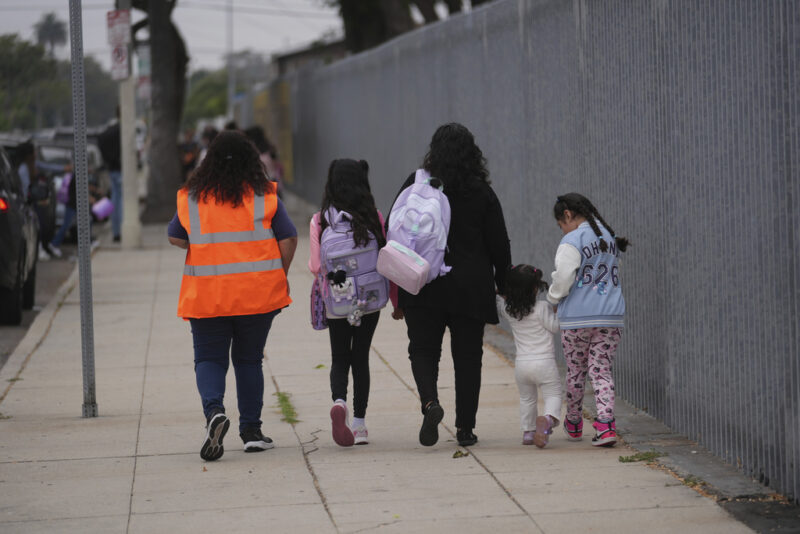
These challenges are even more severe for Latino and immigrant students, who face additional hurdles in an environment increasingly marked by distrust and intimidation. And it’s not just a language barrier—many live with the constant fear that their families may be targeted by immigration enforcement or discrimination, eroding their ability to focus and succeed in school. Subtle biases—from lowered expectations to cultural labeling—can further marginalize them from a system that should be empowering them.
Addressing these issues requires more than empty slogans about “supporting education.” It demands institutional courage, sustained funding, and policies rooted in inclusion rather than exclusion. Schools must be safe, welcoming spaces where every child—regardless of ZIP code, accent, or immigration status—has a real chance to learn and succeed.
If we fail to act, we risk losing generations of innovators, leaders, and engaged citizens. The system can be fixed, but it will require a national commitment to equity, investment, and, above all, the belief that every child deserves the right to learn without fear.