



February is synonymous with love, but it is also the month dedicated to raising awareness about heart health. We think about keeping the heart “happy,” but beyond emotions, it is essential to keep it healthy.
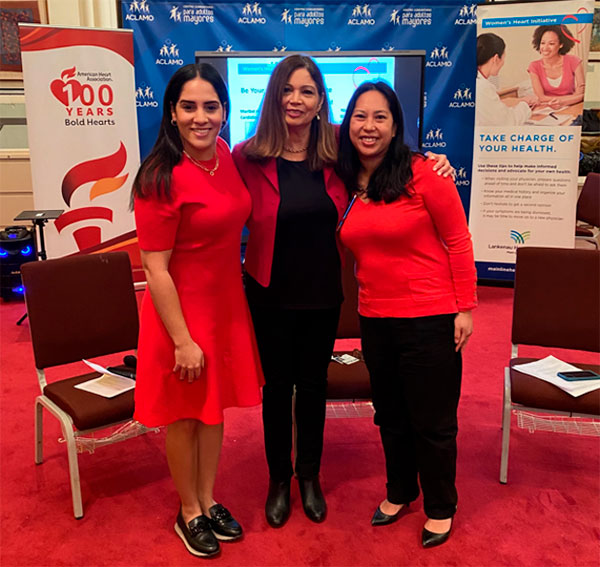
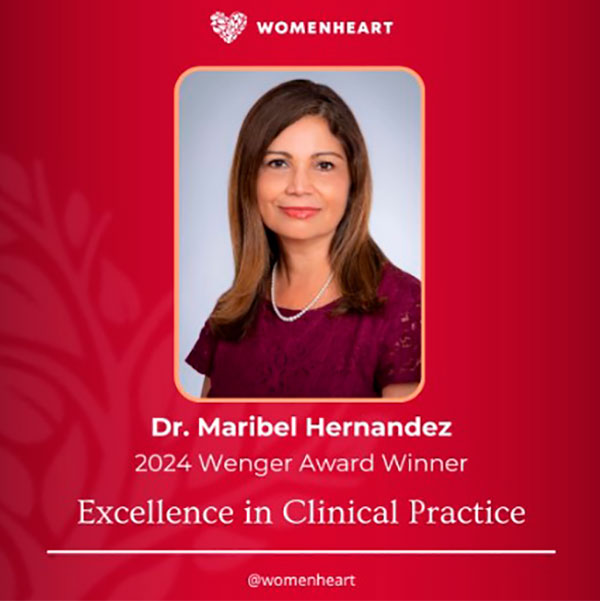
With that purpose, we spoke with Dr. Maribel Hernández, MD, FACC, FCPP, Cardiologist – Electrophysiology/Arrhythmias at Lankenau Heart Group of the Main Line HealthCare system, who shared valuable information for the community.

A vital specialty: The heart’s electrical system
Dr. Hernández explained that the heart depends not only on its arteries and valves, but also on its electrical system: “I always tell patients it’s like having a brand-new, perfect computer—but if it doesn’t have electrical power, it won’t work.”
Her specialty focuses on treating arrhythmias—when the heartbeat is too fast or too slow—and caring for patients who require pacemakers or other treatments related to the heart’s electrical system.
What is cardiovascular disease?
Cardiovascular disease is not limited to heart attacks: “We often think it only involves the coronary arteries, but it also includes stroke, hypertension, circulation problems in the legs, diseases of the aorta, and congenital heart conditions.”
Symptoms that should not be ignored
One of the most important points is recognizing symptoms: “People say chest pain, but when you talk to patients, they describe more of a strong pressure in the center of the chest that comes and goes.”
Common symptoms may include pain that radiates to the arm or shoulder, numbness in the arms, jaw pain and shortness of breath.

Regarding risk factors, she explained that both men and women can be affected. “It is the number one cause of death in men and women.” She noted that although heart problems were once thought to be more common in men, that is a myth. In women, risks increase after menopause, but cases are now being seen at younger ages due to obesity, diabetes, and hypertension. “Age doesn’t matter. If you have symptoms, you need to be evaluated.”

Dr. Hernández also emphasized the importance of knowing your family history. “Don’t forget your genetic inheritance. Ask if there were sudden deaths or heart problems in young relatives.” She added that conditions such as diabetes, hypertension, high cholesterol, smoking, obesity, and a sedentary lifestyle significantly increase cardiovascular risk.

She further explained that women have additional risk factors that were overlooked for many years by the medical community. These include premature menopause, pregnancy complications such as preeclampsia or gestational diabetes, and autoimmune diseases like lupus or psoriasis. These conditions can increase the risk of cardiovascular disease at younger ages. Regarding long COVID, she indicated that it may become a chronic inflammatory condition that also increases cardiovascular risk.

Prevention
Know your numbers; have medical checkups at least once a year to monitor blood pressure, glucose levels, and cholesterol; ask your doctor questions: What is my cholesterol level? What are my risks? Take prescribed medications and maintain regular medical follow-ups.
Daily Habits
Movement: “The most important thing is to move.” It is not necessary to go to the gym; walking daily, taking the stairs, and staying active throughout the day can make a big difference.
Nutrition: Reduce processed carbohydrates and opt for a Mediterranean-style diet rich in vegetables, grains, olive oil, and lean proteins.
Avoid smoking: Especially for young women who use hormonal contraceptives, as the combination can cause dangerous blood clots.
Finally, she left a clear message for the community: “If you feel that something is not right and you are told it’s anxiety or stress, but you know there is a real change in your body, seek a second opinion.” She emphasized that a diagnosis of anxiety should only be made after ruling out heart problems.
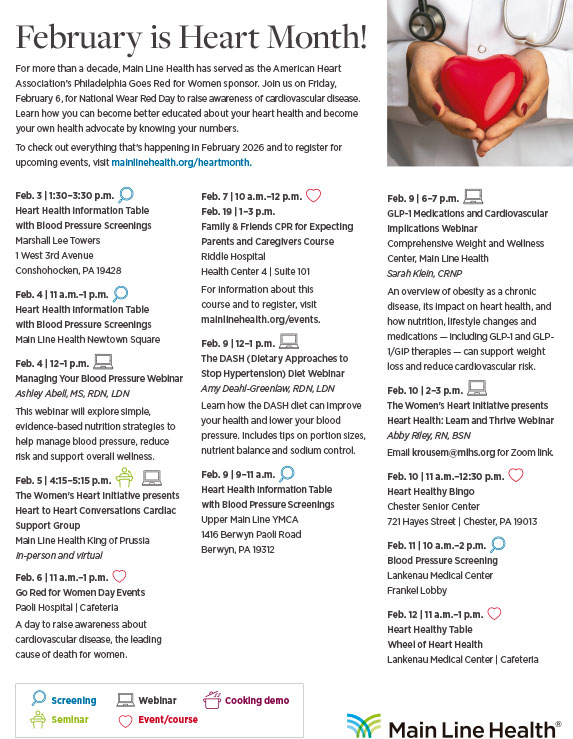
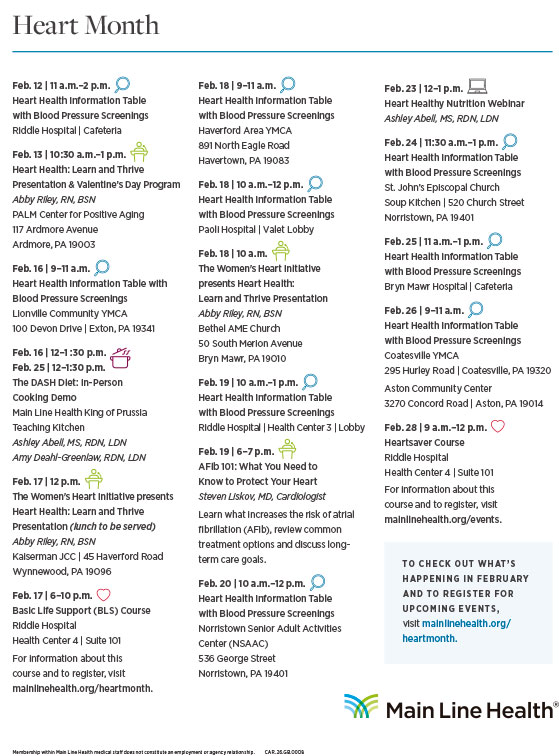
This Heart Month, the message is clear: listening to your body, knowing your risks, and acting in time can save lives. For more information, contact Main Line Health System at 484-476-1000, as during this month, they offer a calendar of events dedicated to Heart Month.