The number of available physicians is not meeting needs in Pennsylvania — or nationwide.
Current Situation and Causes
By 2030, the United States will face a shortage of 120,000 physicians. In Pennsylvania alone, an additional 1,039 doctors will be needed.
The causes of this shortage in the Commonwealth are varied. Currently, 34.4% of physicians are of retirement age; the state has only 350 annual residency slots for primary care, and 45.2% of those residents will practice outside Pennsylvania. Loan-forgiveness programs for rural and underserved areas have failed, and the laws regulating physician assistants are outdated, among other factors. As a result, twenty counties in Pennsylvania have seen significant decreases in their number of primary care providers.
Thirty-two of Pennsylvania’s sixty-seven counties are designated physician shortage areas. In these HPSAs (Health Professional Shortage Areas), there are 3,500 or more patients per healthcare provider. A total of 380,454 Pennsylvania residents live in an HPSA.
A lower number of professionals means longer wait times for patients and greater burnout among physicians. Additionally, low-income residents are disproportionately impacted by this shortage.
Compared to other states, Pennsylvania has a worse physician-to-patient ratio by 176% in pediatric cardiology, 35% worse in pediatric internal medicine, 21% worse in preventive medicine, and 12% worse in plastic surgery.
HB 2121 as a solution
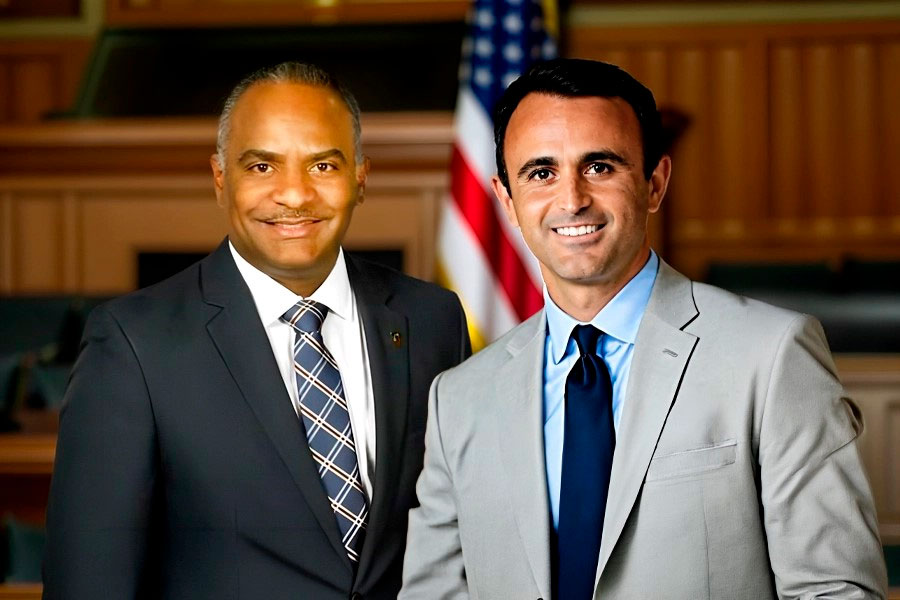
To address this problem, Representative Danilo Burgos introduced bill HB 2121 in the Pennsylvania House of Representatives on January 8.
The bill would amend the “Medical Practice Act of 1985” of December 20.
“The bill creates a pathway to full licensure for internationally trained physicians, expanding the physician pool without requiring a U.S. residency. It addresses immediate staffing needs while maintaining quality standards,” said Dr. Jose Torradas, who has worked closely with Rep. Burgos on drafting and developing this potential legislation.
The proposal creates a pathway for internationally trained medical graduates who meet specific requirements to obtain a time-limited supervised license, allowing them to practice medicine in Pennsylvania and helping alleviate the severe physician shortage—particularly in rural and underserved communities (including the Latino community).
Dr. Torradas adds that the bill “requires holders of provisional licenses to practice in designated underserved areas under supervision. It directs qualified international physicians toward communities with the greatest shortages.”
In addition to primary sponsorship by Rep. Burgos (D–House District 197), the bill is co-sponsored by Representatives Carol Kazeem (D–159), Carol Hill-Evans (D–95), Emily Kinkead (D–20), Joseph Hohenstein (D–177), Johanny Cepeda-Freytiz (D–129), Anthony Bellmon (D–203), Benjamin Sanchez (D–153), and Jeanne McNeill (D–133).
According to an internal memo from Rep. Kazeem to her colleagues, the legislation “would authorize the State Board of Medicine to issue provisional licenses (valid for up to four years) to IMGs who meet rigorous standards.”
Those standards include, as Dr. Torradas notes, “ECFMG certification, verified foreign medical training, English proficiency, mandatory supervision by licensed physicians, strict supervision provisions, and annual reports to the General Assembly.”
The memo adds that it provides “a clear path to full licensure upon successful completion of the provisional period and fulfillment of remaining requirements.”
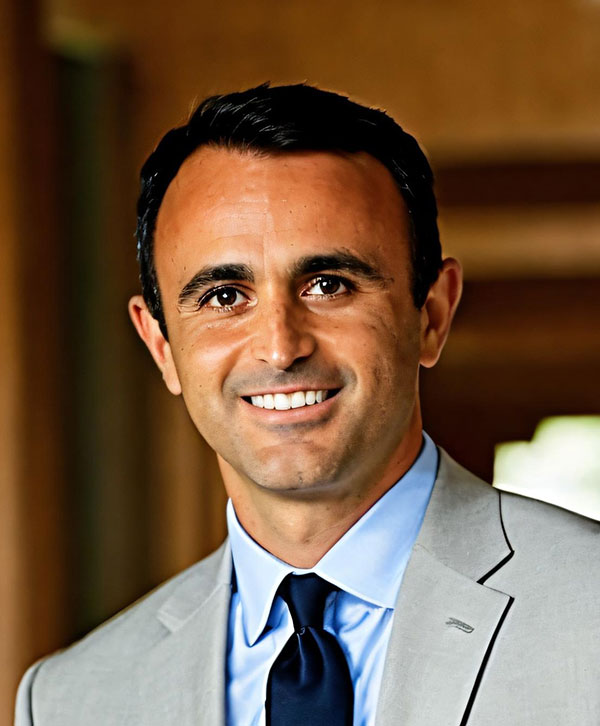
Dr. Torradas notes that “at least eighteen states have enacted similar laws, including Tennessee, Illinois, Virginia, Florida, Idaho, Iowa, Wisconsin, Louisiana, and Arkansas, and several others are considering legislation.” Although it is still early to evaluate outcomes, since “most state regulations are still pending… the state of Washington has issued approximately 40 licenses,” he adds.
His motivation for supporting the bill is to save lives. “I have seen firsthand how difficult it is for patients to see and continue with the same doctor. Those delays and lack of continuity kill. And I have also met many people who were doctors in their home countries—some brilliant—who want to help. But the system as it exists now blocks them with nearly insurmountable barriers. I studied what other states have done with similar laws and got to work.”
Positive reception
Both U.S.-trained and internationally trained physicians who could benefit from the bill express strong support for HB 2121 “because it represents an opportunity to return to a lifelong vocation and even achieve a better quality of life,” Dr. Torradas explains. He emphasizes that “it’s not just international physicians who would benefit—though that is the obvious part. There are thousands of American citizens who studied abroad and, because they were not accepted into a U.S. residency, cannot practice their profession in their own country.”

For Dr. Nilsa R. Graciani, Academic Dean at Esperanza College, “the approval of these provisional licenses would not only help mitigate the physician shortage in the state, it would also help reduce the lack of Hispanic representation among physicians. Even though Hispanics are nearly 10% of Pennsylvania’s population, only 6% of doctors are of Hispanic descent. Our work at Esperanza College includes inspiring and equipping our students to pursue health careers in order to increase representation.”
Call to action
HB 2121 is now awaiting committee assignment. If you are a Pennsylvania resident interested in supporting this bill’s advancement and eventual passage, consider contacting your state representative to encourage support for this initiative.