

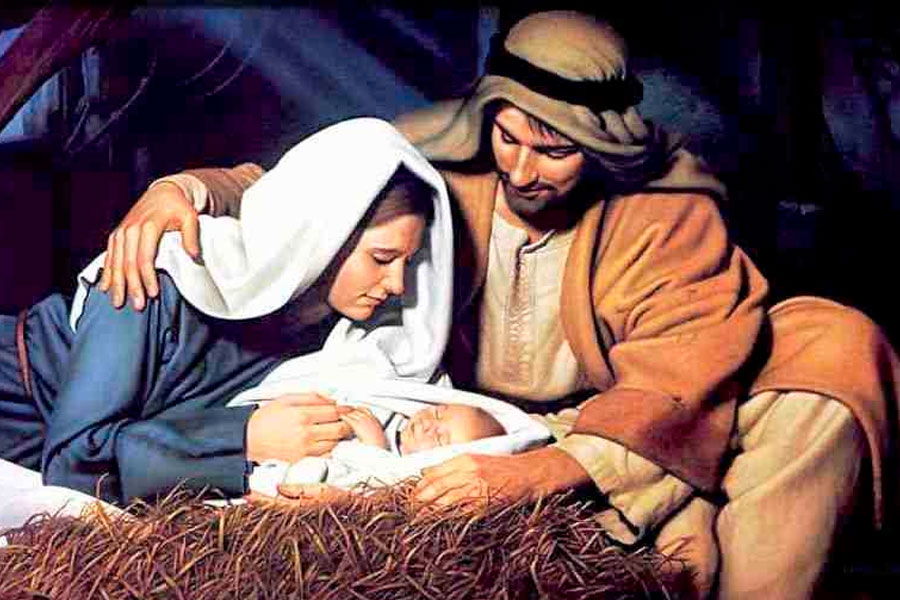
At this time of the year, many celebrate the birth of Jesus on December 25th. We remember all that Joseph and Mary went through as they traveled to Bethlehem to take part in a census.
In the Latino community, we honor this tradition through posadas—the reenactment of seeking shelter—where the community prays and processes together, ending with a welcoming shelter and the sharing of food and song.
Joseph and Mary were poor. They didn’t have money, nor a gold credit card to buy a bed for the night, and Mary was ready to give birth. They didn’t have powerful people helping them in their search for posada (shelter). They were denied shelter by many until, according to the stories, they were finally allowed to stay in a manger where animals were kept and where straw became the crib that would soon hold Baby Jesus.
They were denied shelter, and that is why the Bible reminds us to welcome the stranger—because we never know who will need our open hands, open doors, and open hearts to feel welcome. Jesus also reminds us: What you do for the least of them, you’ve done for me.
In the days ahead, as we in the Latino culture celebrate La Posada, we also need to reflect on why this family had to flee to Egypt. An angel in a dream told Joseph that King Herod wanted to kill Baby Jesus because he had heard from the Magi that a new King of the Jews was being born in Bethlehem. Although Joseph, Mary, and Jesus escaped, this did not stop Herod from massacring babies in his effort to find and kill this new King of the Jews.
Perhaps if this family were traveling today, they might be stopped by Homeland Security and deported—never given shelter or asylum.
In 1979, toward the end of the Nicaraguan Revolution, I, who had been Peace Corps Director, was moved to Guatemala in June to assume a similar position. Our government was worried that we might become victims of the bloody war, so they decided to move me. Soon, Carolyn—my wife—and I heard of the bombings and random killings going on in those last weeks of the war. Working with the Red Cross, we were able to get about 30 individuals flown to us in Guatemala, most of them women and children.
We had a house with three bedrooms, two baths, and a high concrete wall surrounding the property. At night, many bedrolls filled the floors of this wonderful house. Some stayed with us for up to 90 days. Neither Peace Corps nor the Embassy helped us. The only one who contributed was a Republican businessman who ran Danny’s Pancakes in the city—and he gave us a 100-pound bag of rice.
We ate a lot of beans, rice, tortillas, and some chicken during those days. It was not always easy, but we found ways to make it work.
We opened our hearts, our bank accounts, and our doors to folks fleeing violence and probable death. Many around the world have done this for others, and I am just glad we could give our love to these families.
So, on December 25th, while we celebrate the birth of Baby Jesus, we should also recognize all the immigrants and refugees who seek shelter and respect—and those who work on their behalf.
Jesus was not born in a five-star hotel with powerful and rich church leaders standing around praising this most important birth. Many of today’s mega-church leaders would not attend the birth of a child in a manger but would expect their Jesus to be born in a penthouse suite in the wealthy part of town.
Our work with the poor—those at the lowest end of our economic system—is most important. Do the gifts we give really represent the best we have to offer? We want our children and families to be happy, but we also want others to be happy and safe on this day, December 25th, and in the days to follow. We probably also need to celebrate the date when this holy family reached Egypt and safety.
The commercialization of Christmas pushes us to give wonderful gifts wrapped in colorful paper with bows. We decorate our homes with beautiful lights and well-decorated trees. Many gifts are good if given from the heart. Some parents have little or nothing in the way of gifts but show their loved ones the affection that binds them.
We must celebrate love—not riches and gold—but love for all those around us and even for those who hate us, because we know that love will live longer than hate.
By giving of ourselves and from our hearts, we will not only heal ourselves but, in the process, help others to heal. Our celebrations will help us understand that we are part of a larger page in this history novel—one that calls us to do more and to do it better.