


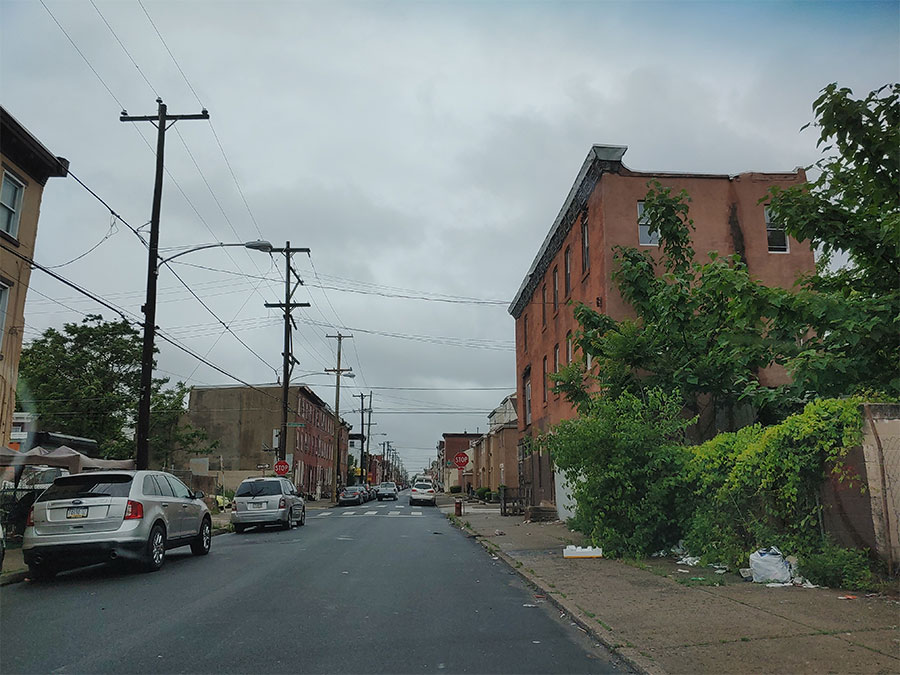
According to a report by the Economy League, Philadelphia has made significant progress in reducing poverty in recent years. However, structural challenges and racial disparities continue to shape the city’s economic landscape.
Notable improvement, yet still behind
Philadelphia’s overall poverty rate dropped from 26.7% in 2010 to 20.3% in 2023—a meaningful decline, though still higher than Chicago (16.8%) and Pittsburgh (19.9%). While this reflects a positive national trend, poverty remains a deep-rooted issue in the city.
Persistent racial gaps
Despite overall progress, racial disparities in poverty rates remain:
- Black community: Poverty rates steadily declined from 33.6% in 2010 to 26.4% in 2023, reflecting sustained investments and inclusive economic initiatives.
- White community: Poverty dropped significantly from 14.2% to 9.4%, indicating broad economic strengthening.
- Latino community: Poverty saw a substantial decrease from 26.2% to 18.2%, though the specific causes of this improvement remain unclear.
While the decline in poverty is often seen as a sign of progress, a more complex and unequal reality lies beneath the surface.
Urban poverty concentration
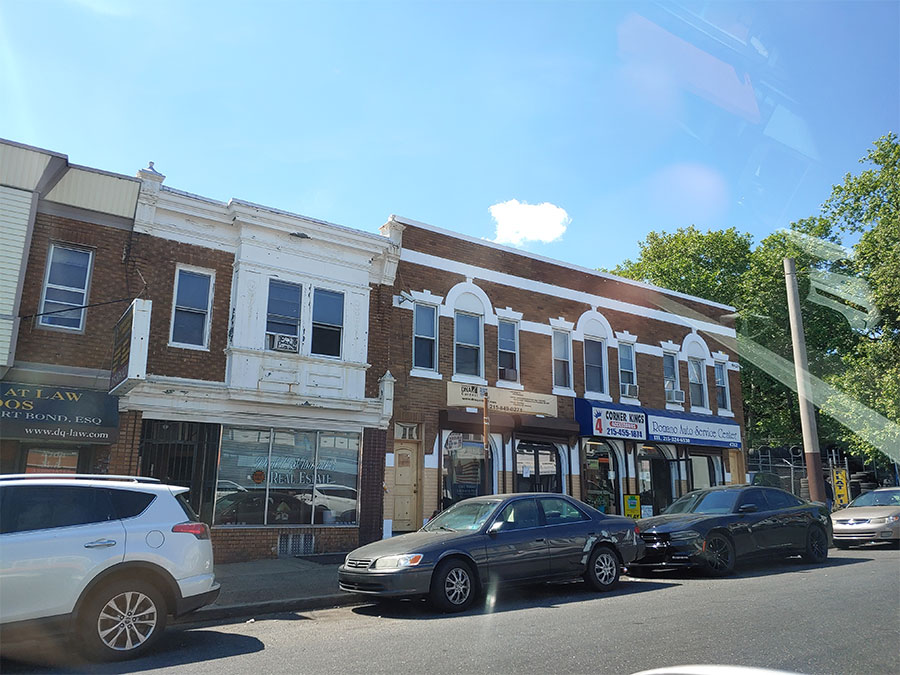
Philadelphia still has the highest poverty rate among the ten largest U.S. cities, with disproportionate concentration in racialized communities. Lower housing costs and reliable public transit attract low-income residents, while restrictive suburban zoning limits affordable housing development. This results in spatial concentration of poverty within city limits, where opportunities are often out of reach for those who need them most.
Racial and economic segregation
The average Black resident lives in a neighborhood with nearly three times the poverty rate of the average White resident. These divisions stem from a legacy of residential segregation, unequal access to education, and persistent labor market discrimination. Black and Latino households continue to earn significantly less than White households and face more unstable housing, under-resourced schools, and fewer job opportunities.
Gentrification and displacement
Some poverty reduction is linked to gentrification. Neighborhoods like Fishtown and Point Breeze have seen sharp increases in income and housing values, often accompanied by demographic shifts from Black to White residents. While newcomers have improved the economic profile of these areas, long-term residents—especially those without financial stability—are more likely to be displaced to lower-income neighborhoods. Research shows this displacement is racially unequal: Black families often move to similarly disadvantaged areas, while White residents access better-resourced neighborhoods.
Labor market shifts and precarity
Philadelphia’s shift from a manufacturing hub to a service-based economy has left many workers in unstable, low-wage jobs with few benefits. The rise of the informal economy has worsened this precarity, disproportionately affecting workers of color and those without higher education. Despite recent job growth and wage improvements, many Philadelphians remain trapped in poverty due to structural labor market shortcomings.
Limited Upward Mobility
Economic mobility remains a major concern. Research by Raj Chetty shows Philadelphia ranks among the worst major U.S. cities in helping children born into poverty climb the income ladder. Only 16% of children born poor in the city escape poverty by age 20. The city ranks last in upward mobility for low-income White families and poorly for Black families regardless of income.
Policy response and gaps
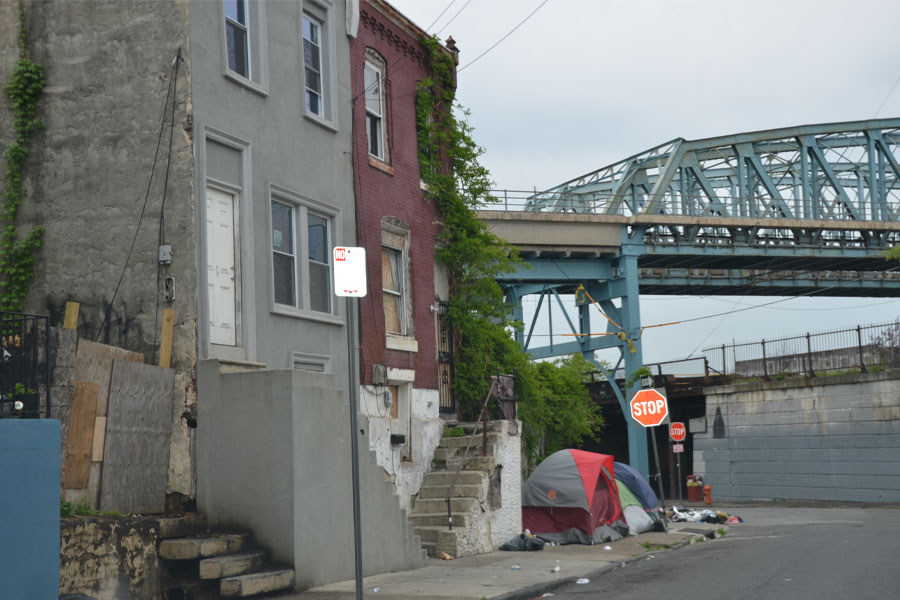
Philadelphia has made substantial investments in affordable housing, rental subsidies, and prevention of eviction. Yet these efforts alone are not enough to overcome entrenched disparities. Without addressing root causes—such as residential segregation, educational inequality, and racialized labor market barriers—progress will remain fragile and uneven.
Conclusion
Philadelphia’s poverty reduction is real but driven as much by who leaves and who moves in as by actual improvements for long-term residents. Racial and spatial inequalities remain deep, and upward mobility is still out of reach for too many.
To build a truly inclusive economy, the city must invest not only in reducing poverty but also in expanding mobility—especially for communities historically excluded from Philadelphia’s growth. This means confronting the structural barriers that shape where people live, how they work, and what futures are possible.