

Puerto Rico’s fiscal crisis remains unresolved as tensions grow between federal control, local needs, and the role of the diaspora since the creation of the Fiscal Oversight Board (JSF) in 2016.
The JSF is a federal entity responsible for controlling Puerto Rico’s finances and managing its public debt. While it aims for economic stability, it has imposed severe cuts affecting essential services like health, education, and pensions. These cuts have led to increased migration to the U.S. mainland, impacting Puerto Rican communities in cities like Philadelphia. This accelerated migration creates challenges in housing, employment, education, and access to services within the diaspora.
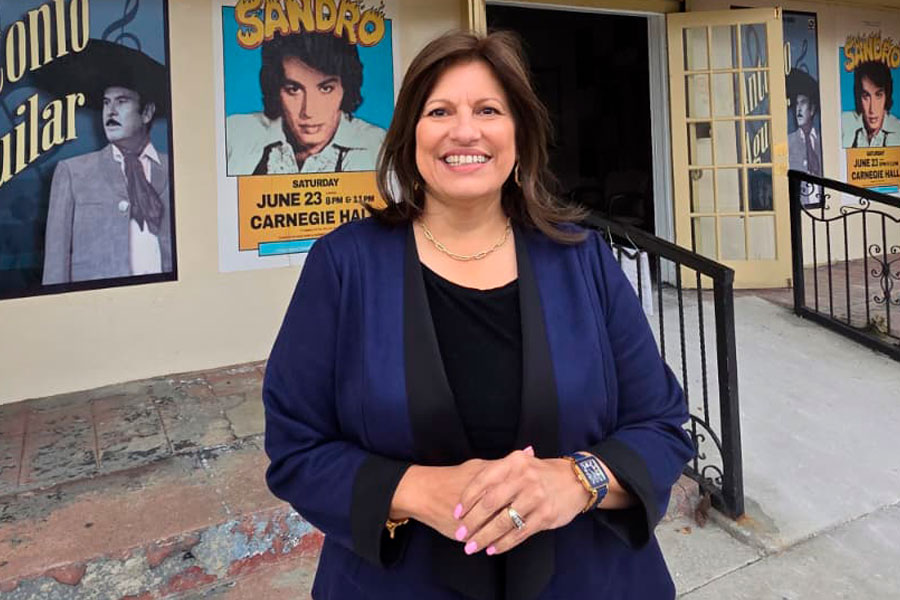
In an interview with Nilda Ruiz, president of the National Puerto Rican Agenda (NPRA) and Asociación Puertorriqueños en Marcha (APM), she discusses the challenges facing Puerto Rico and the vital role community organizations play in defending Puerto Ricans both on and off the island.
Recent changes and controversies
In August 2025, the U.S. president Donald Trump removed most members of the Board, creating uncertainty about its future. However, a positive development is that the debt of the Puerto Rico Electric Power Authority (PREPA), which previously accounted for 50 cents per dollar in the electric bill, now represents only 7 cents, freeing resources to improve quality of life.
But the key question remains: Who oversees the Board? Its executive director, Robert Mujica Jr., a Puerto Rican from the diaspora, has stated that no more payments should be demanded from bondholders. Others, like Nilda Ruiz, believe that “the Board shouldn’t exist” due to its lack of transparency and the fact that it is not an elected body.
Everyday Life: Between apathy and exhaustion
For many in Puerto Rico, the fiscal crisis has become a resigned routine, reflected in phrases like “That’s just life.” Although young people have mobilized in protests, “there is a hidden level in Puerto Rico; no one really knows what is going on,” she warns.
The Diaspora: Citizenship without representation
In the U.S., the Puerto Rican diaspora lives a complex reality. On one hand, they have access to information and can contact legislators; on the other, they bear the burden of financially supporting family members on the island. “Congress has power over Puerto Rico. That’s why it’s vital that our people organize, get informed, and knock on the right doors,” Ruiz says.
Nilda and other leaders agree that the solution lies in empowering citizens with concrete actions:
-Get informed through the official website of the Fiscal Oversight Board.
-Educate Puerto Ricans on the island and in the diaspora about the fiscal process and its effects.
-Organize and pressure federal legislators to act with justice and respect.
Conclusion: between oversight and hope
Puerto Rico stands at a crossroads. The diaspora is key, not only as resistance but as a driver of change.