


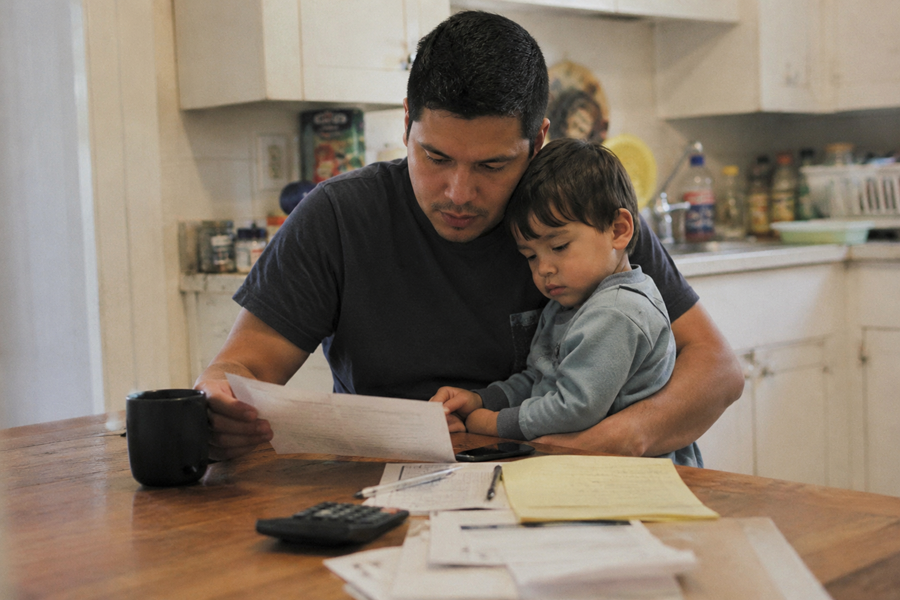
In the United States, the structure of the family has changed significantly over recent decades. According to the U.S. Census Bureau, 1 in 4 children lives without a father in the home, one of the highest rates among industrialized countries. At the same time, the number of single fathers has increased by nearly 60% over the past 30 years, with more than 2.5 million households headed by men.
In total, nearly 11 million households with children are single-parent households, representing close to one-third of all families with children, according to the Pew Research Center.
These figures reflect a major shift with measurable consequences. Data from the U.S. Department of Health & Human Services and the National Fatherhood Initiative show that children who grow up without a father present are:
-More than twice as likely to drop out of school
-At higher risk of living in poverty
-More likely to experience anxiety, depression, and behavioral issues
-More likely to come into contact with the juvenile justice system
Research also shows that active father involvement is associated with better academic performance, higher self-esteem, and stronger social skills.
In Latino communities, including cities like Philadelphia, this trend has distinct dimensions. Factors such as migration, long work hours, and economic pressures directly affect fathers’ physical presence in the home. Even when emotional commitment exists, extended work schedules often limit time for daily parenting.
At the same time, the rise in single fathers reflects changing family roles. While they still represent a smaller share compared to single mothers, their growth signals increasing direct involvement of men in child-rearing.
However, these households face specific challenges. Studies indicate that single fathers often have less access to support networks and institutional resources, in part because many public policies have historically been designed with mothers in mind.
The data points to a central conclusion: a father’s active presence—whether inside or outside the home—directly influences children’s economic, educational, and emotional well-being. In Latino communities, where family remains a key source of social support, this reality has direct implications for child development and community stability.