


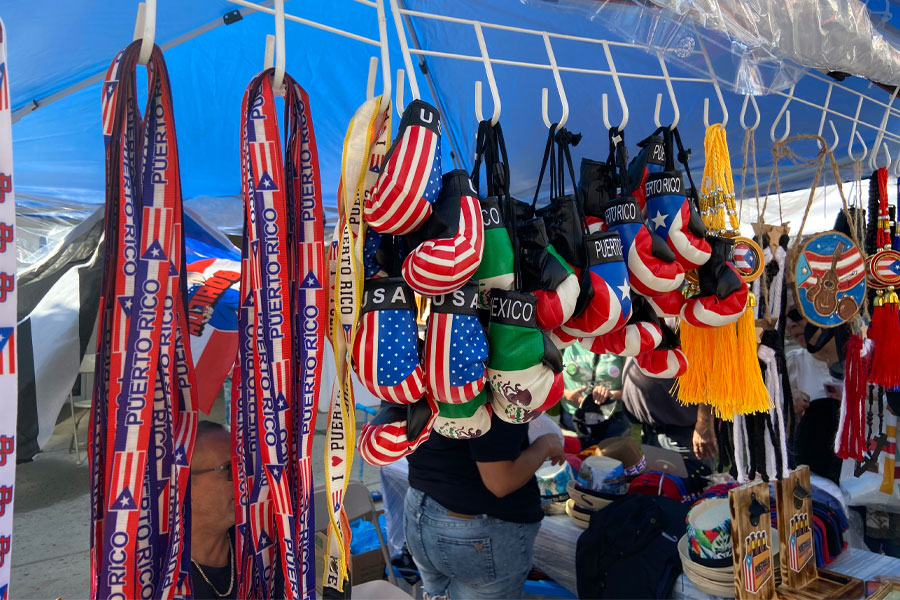
Hispanic immigrants celebrating their heritage in the coming weeks live the contradiction of being honored in speeches while persecuted. Their contributions to the economy, culture, and social fabric are praised—even as their communities, often composed of mixed-status families, live under the constant fear of persecution and deportation. The inconsistency is glaring, and it is cruel irony to be celebrated and racially profiled at the same time.
The Supreme Court’s green light for anti-immigrant raids has sparked outrage and fear—not only in California. What some defenders frame as simple enforcement of immigration law is, in practice, something far harsher: the legitimization of racial profiling, reeking of malicious intent from those in power who seem to aspire to ethnic cleansing. Under this credible threat, entire families—including U.S. citizens among them—are considering leaving.
Immigrants across the U.S. know what a traffic stop can mean, what speaking Spanish in public can trigger, and the fear of hearing a knock at the door. Stepping outside has become an act of courage for those with irregular immigration status, where in this new reality, suspicion can be sparked by nothing more than your location, accent, appearance, or last name.
In Chicago, anxiety is rising amid the looming specter of militarization. Rumors and reports of federal force deployments have awakened memories of past crackdowns, when public safety became synonymous with armored vehicles and heavily armed agents. Residents are asking what kind of city is being built when the balance between security and freedom clearly tilts toward intimidation.
Amid these storms, another silent and painful cry emerges—from deported mothers and fathers separated from their children, and from parents in their home countries still waiting for answers about the whereabouts of their children who entered U.S. custody and were lost in the deportation process.
The weight of these policies also falls on those seeking refuge or holding temporary status. For TPS recipients—many of whom have lived in the U.S. for decades—uncertainty looms over the fragile shield that once allowed them to live and work legally. The program didn’t offer citizenship, but it did provide a stable truce, a safe haven from the dangers of their countries of origin.
Ending it now means forcing them to choose between facing the threats they fled or living in the shadows under persecution. In both cases, the human cost is immeasurable, and the consequences—from economic disruption to social deterioration—are difficult to predict. Deep wounds are being inflicted, and self-inflicted, across society, where everyone will be affected in one way or another.
These blind enforcement policies have sparked responses in Washington and across the country—marches filled with chants, banners, and a collective demand for dignity, seeking to reclaim the essence of this immigrant nation.
It’s not just protests. Citizens of various ethnicities have organized to defend neighbors from arbitrary detentions, even forcing immigration agents to retreat when lacking judicial warrants—and sometimes with slashed tires.
This is one of the responses to the increasingly aggressive “memetic” campaigns from the White House’s own social media accounts, which seem to revel in the virtual escalation of hostility—a cause and effect of the violence that plagues this country.
The recent death of Charlie Kirk is evidence of the dangers of radical polarization fueling political violence. No cause, however, it may seem, can be legitimized through bloodshed. A basic consensus is needed: that differences must be resolved at the ballot box and in public forums—never with weapons or threats. Condemning violence, no matter its source, is essential to preserving democracy and refusing to play into the hands of bullies.
At its best, the United States offered a promise: that those who worked hard would have a better future. Now, it is a country drifting away from its own ideals—of liberty and welcome, of the generosity that once defined its essence. Not the essence of governments seeking domination, but of a society with multiple identities, unafraid of diversity and celebrating it through initiatives like Hispanic Heritage Month.
In these unprecedented times for most who live in this corner of the world, bold and creative action is needed. We must not miss the opportunity to celebrate this month with the courage that defines us as a community.