


This November, Pennsylvania voters will have the opportunity to decide whether three current justices on the state’s Supreme Court will remain in their positions for another ten years. These are known as retention elections nonpartisan processes in which voters simply cast a “yes” or “no” vote to keep a judge in office.
The justices Christine Donohue, Kevin Dougherty, and David Wecht, all originally elected as Democrats in 2015, will appear on the ballot this fall.

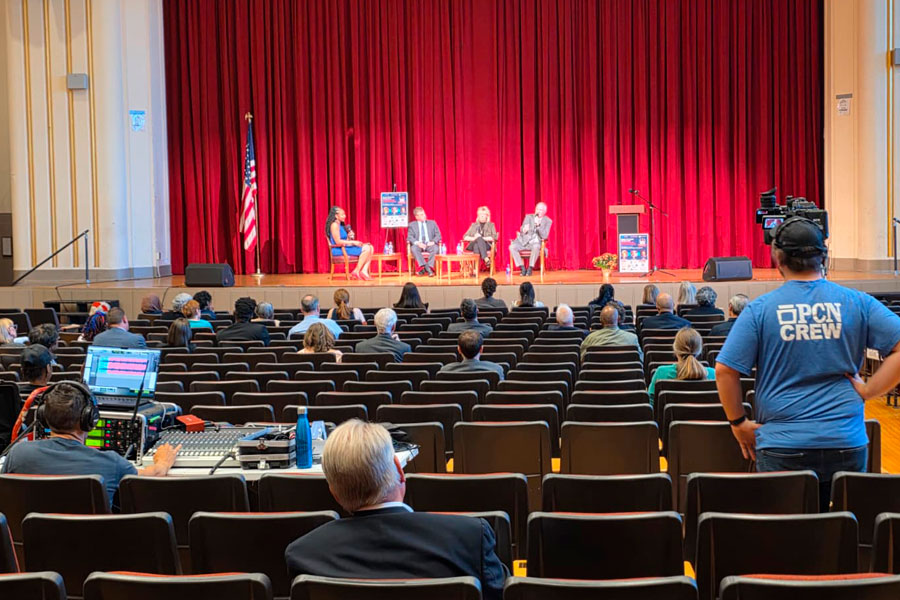
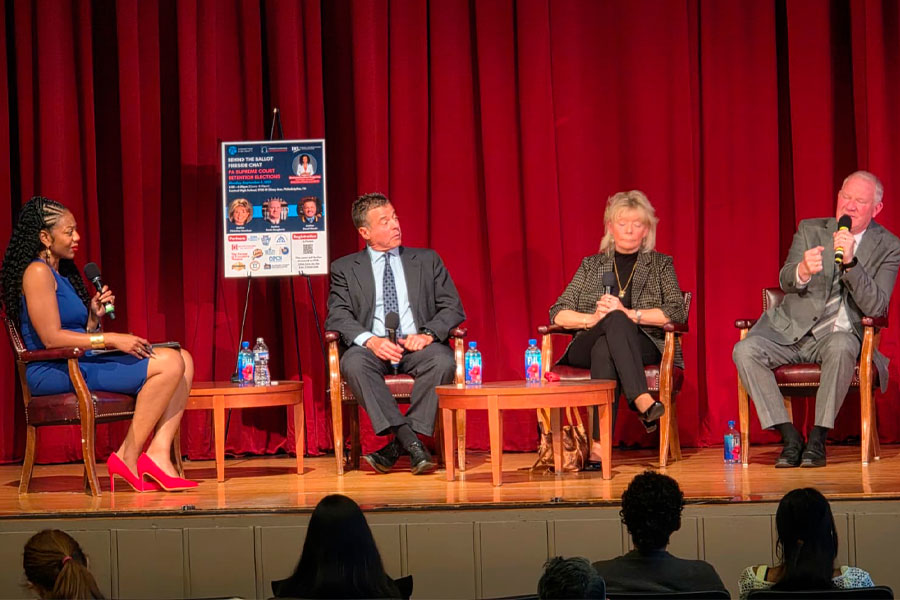
All three participated in a public event in Philadelphia on Monday, September 8, titled “Fireside Chat: Behind the Ballot,” organized by the League of Women Voters of Pennsylvania, Pennsylvanians for Modern Courts, and the Committee of Seventy.

During the event, held at Central High School, the justices spoke about the Court’s role, how decisions are made, and the importance of maintaining judicial independence.

Impacto shares with the community some key highlights from this unique public discussion.
Key Takeaways from the Forum:
Judicial independence.One justice emphasized that personal, political, or religious views do not influence legal decisions: “Our viewpoints are set aside.”
Another reminded the audience that although they were elected under a party label, “Once we put on the black robe, we leave that partisan title behind.”
A third justice noted, “We have a wonderful relationship among the justices. I believe the people of Pennsylvania should feel proud, or at least satisfied, that the Supreme Court is now focused on the work, not internal disputes.”
The justices explained that the Court reviews only a small portion of the cases it receives and decides internally which ones to accept. After oral arguments, they hold an administrative session for a preliminary vote. The real debate takes place in their written opinions, where majority and dissenting views clearly reflect each judge’s stance.

Why should they be retained?
Each judge gave reasons for continuing in office. One justice said that another ten years on the Court would help maintain consistency in interpreting the state Constitution: “I want to ensure that the efforts to interpret and apply it continue.”
Another pointed out that the Court also manages the state judicial system and that their retention would allow them to “continue promoting the most modern and transparent procedures” in judicial rulemaking and best practices.
The third justice described the November vote as a chance for citizens to assess whether the judges have upheld their constitutional oath to apply the law fairly and equally: “I believe all three of us have done so.”
In summary, the event offered a rare public opportunity for the justices to explain their work, defend their impartiality, and respond to an active political campaign challenging their continued service.