


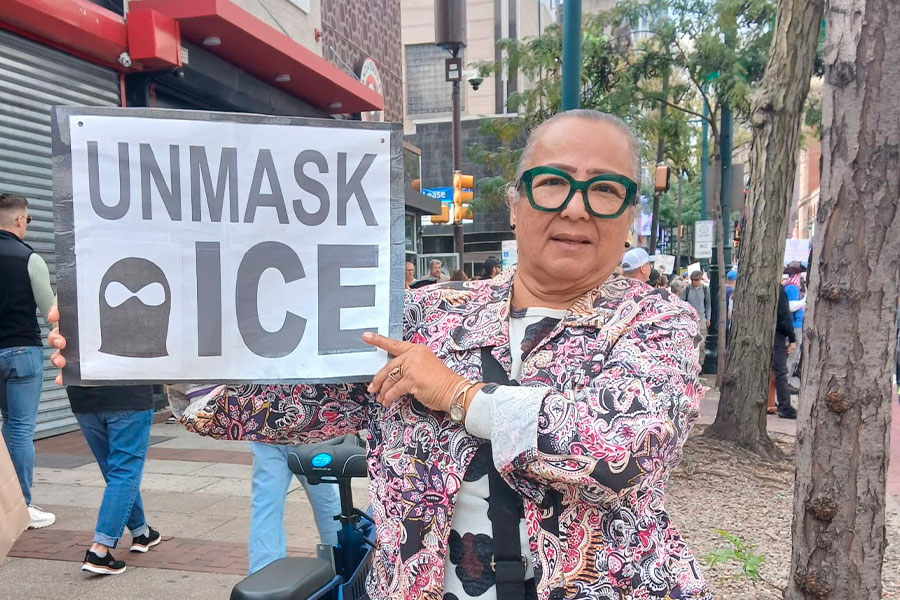
Philadelphia Mayor Cherelle L. Parker presented her proposed budget for fiscal year 2027 on March 12, a $7 billion plan. Days after the announcement, residents say the budget should focus on underserved communities, seniors, and low-income individuals facing technological and economic barriers.
María Serna, a resident of Northeast Philadelphia, said the plan must prioritize those “who lack access or knowledge to defend their rights.”

Criticism of the public safety focus
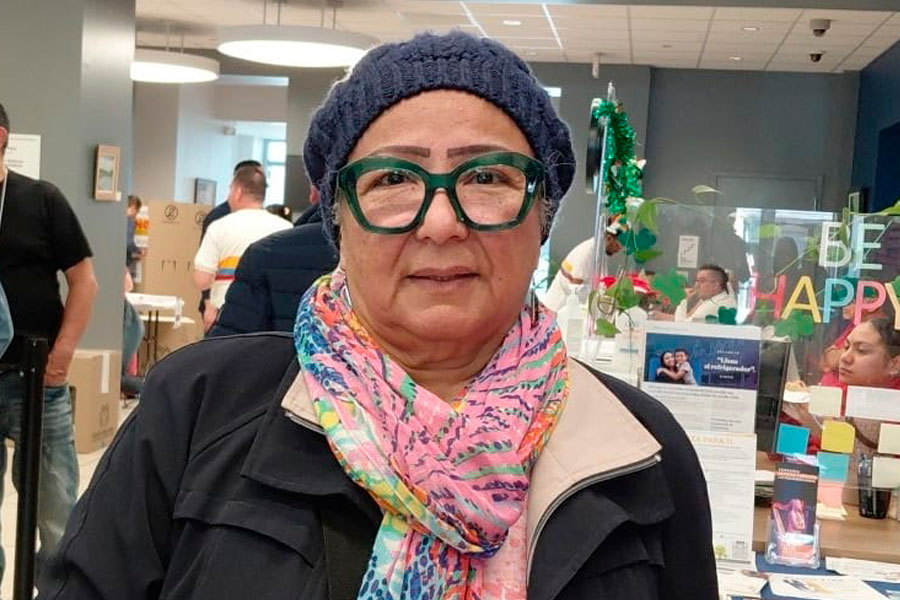
Serna questioned the increase in police funding, saying other urgent needs are being overlooked. “Safety is important, but not at the cost of ignoring communities that feel excluded, such as the African American community,” she said.
Limited access to basic services
Residents also reported difficulties accessing health care, housing, and assistance programs, citing long waitlists and lack of institutional response. “We are not addressing the programs people truly need,” Serna added.
A Fifth Street resident, who asked not to be identified, echoed concerns while rushing her daughter to school. “That sounds like a lot of money; as long as the mayor keeps bringing in funds, that’s a good thing,” she said.
Housing as a top priority
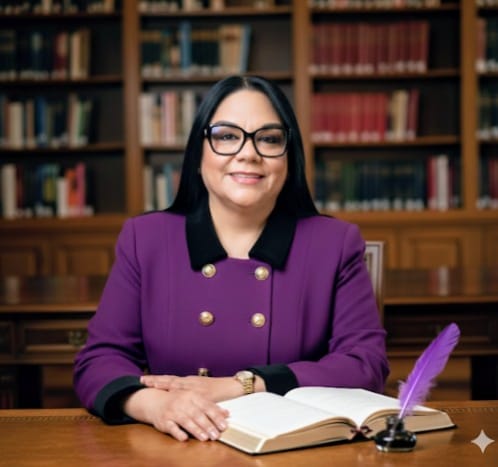
Glorisely Ortiz, a pastor, social worker and professional counselor, emphasized that housing should be central to the budget. “Housing is the foundation of everything. If a family lives in fear of eviction or cannot afford rent, everything else takes a back seat,” she said.
Ortiz said the goal of 30,000 housing units is ambitious but necessary to prevent displacement.

Transparency and use of funds
Ortiz also stressed the need for greater transparency. “We have seen multimillion-dollar budgets that are not reflected in our neighborhoods,” she said. She added that success will depend on community oversight: “Funds will be used properly if the community gets involved and demands accountability.”
Investment in prevention and opportunity
Ortiz highlighted the importance of investing in youth, education and economic mobility. “We cannot just clean up the consequences of crime; we must invest in its causes. Quality jobs and accessible education are key,” she said.
She also noted the importance of directing funds to community-based organizations.
Call to community action
Both women urged residents to stay engaged and demand representation. “People need to speak up and make their voices heard,” Serna said.
“You are not alone, and your struggle is valid. Philadelphia is at a crossroads: a plan without social justice is just paper,” Ortiz added.
Through public hearings, residents will have the opportunity to weigh in before the budget is approved. Ultimately, the city’s future depends not only on numbers and proposals, but on the voice of the people, a community that speaks up is one that drives real change.