


Philadelphia, PA — One voice may seem small in a room full of noise, but history proves otherwise: one voice can awaken a family, a family can awaken a block, a block can awaken a neighborhood—and a neighborhood can help shape the future of a city.
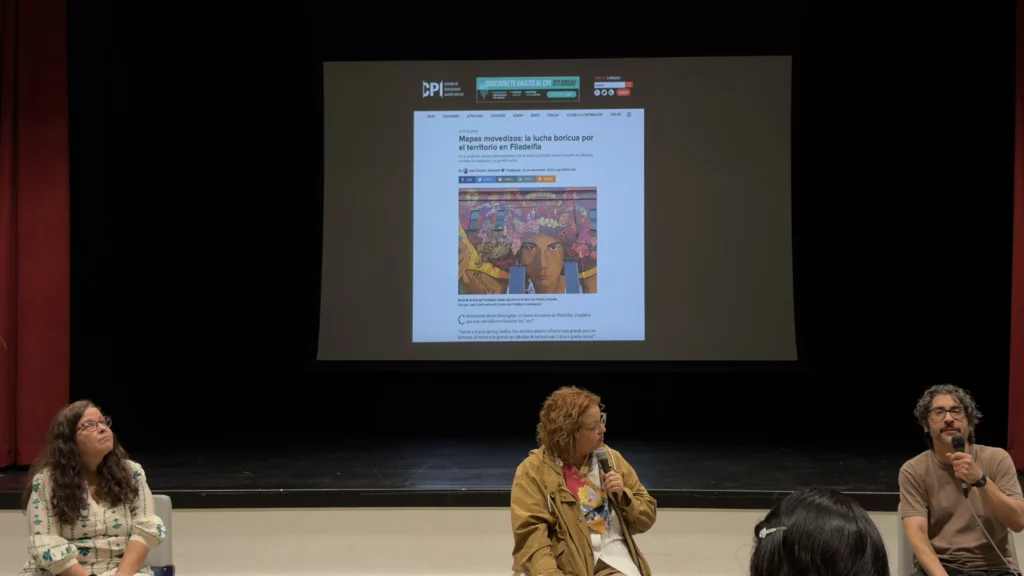
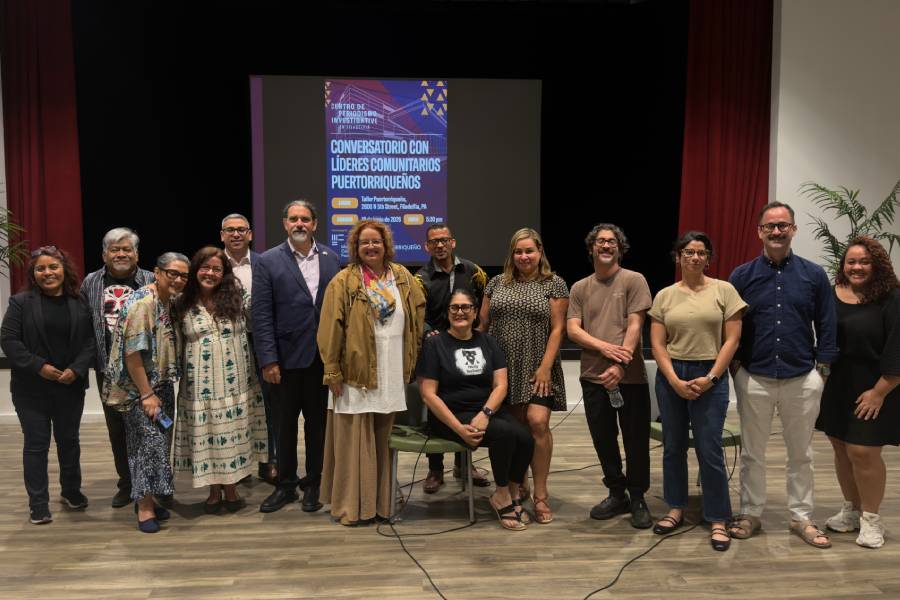
Those ideas were at the heart of a recent conversation in Philadelphia, where Puerto Rican community leaders, journalists, organizers, and residents reflected on voice, visibility, civic power, and the responsibility to stay engaged.
That is the power of community
In Puerto Rican and Latino communities, voice has always been more than words. It is survival, culture, protest, prayer—music, food, flags, stories, and the courage to say, “We are still here.”
A strong voice does not always begin behind a microphone. Sometimes it starts with a mother asking why her street has been ignored, a young person questioning why their school lacks resources, a business owner demanding support, or a neighbor finally saying what others were afraid to say.

That is how change begins
Communities do not lose power because they lack strength. They lose it when voices are divided, dismissed, or silenced. When people stop speaking, systems move without them. Decisions are made, budgets are passed, and promises are given—without accountability. Neighborhoods change without the people who built them having a seat at the table.
But when one person speaks with truth, that silence breaks.
One voice can ask the question no one wants to answer. One voice can demand accountability from elected officials. One voice can shine a light on an unsafe street, an empty storefront, a forgotten school, or a promised resource that never arrived. One voice can remind others that they are not powerless.
And when that voice joins others, it becomes a movement.
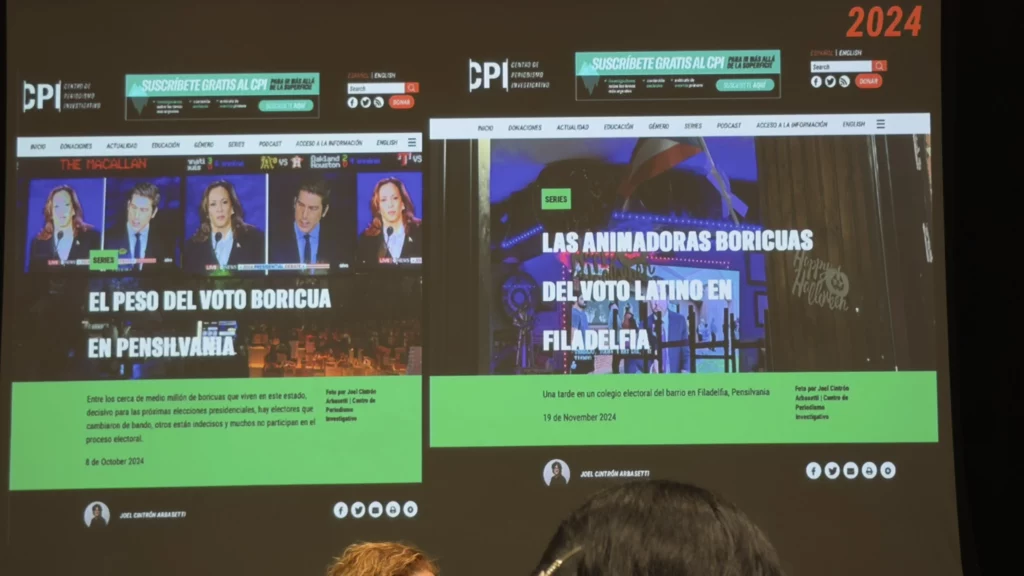
This is why voting matters. This is why showing up matters. This is why local journalism matters. This is why sharing community stories matters. Speaking up—in English, Spanish, Spanglish, or any language that carries your truth—matters.
Power does not only live in City Hall. It lives in the people who show up, ask questions, organize, vote, and refuse to be ignored.
For Puerto Ricans, that voice carries deep history—the memory of elders who migrated and built new lives, the pride of parades, corner stores, churches, schools, and neighborhoods that became cultural anchors. It carries the struggle of communities that have endured disinvestment but continue to build. It carries the responsibility to protect what was passed down and create something stronger for the next generation.
The strongest communities are not those without struggle, but those that turn pain into purpose—and purpose into action.
We cannot wait for others to speak for us. We cannot wait for election season to matter. We cannot wait for a crisis to organize or for our culture to be threatened before we defend it.

One voice is enough to begin
Speak at the meeting. Ask the question. Register to vote. Share the story. Support local businesses. Challenge leaders. Bring your neighbor. Bring your family. Bring your pride.
A community changes when someone decides that silence is no longer an option.
The voice of the people is not weak. It is strong. It is alive. It is necessary. And when even one person uses it with courage, an entire community can remember its power.